
Reviewed · BUENOS AIRES TOURS
Buenos Aires Walking Tour Including Colon Theatre and MALBA Museum
Buenos Aires tells its story on foot. This half-day outing links cobblestoned San Telmo with sleek Puerto Madero, historic Plaza de Mayo, the Obelisk, and the grand Teatro Colón. I like the sharp contrast between old and new Buenos Aires, and I like that you can choose the Colón, MALBA, or both. The main concern is that the city walk may repeat material you have already heard on a bus tour, and the guide’s English can affect how much you get from it.
At $46 per person, the tour offers fair value if you select at least one entrance. The Colón visit is the strongest part, with a separate 50-minute theater guide and access to the Golden Hall, Busts Gallery, Main Foyer, and auditorium. MALBA is more subjective: its exhibits change, and one past participant found the English explanations limited and the collection less rewarding than expected.
In This Review
- Five useful things to know before booking
- A half-day route through Buenos Aires
- San Telmo and Defensa Street
- Lezama Park and the change to Puerto Madero
- Plaza de Mayo and the Obelisk
- Entering the Teatro Colón
- Taking the bus to MALBA in Palermo
- Choosing Colón, MALBA, or both
- Guide quality, group size, and pace
- Who should book this experience?
- FAQ
- Where does the Buenos Aires walking tour begin?
- What time does the tour start?
- How long does the experience last?
- What entrance options can I choose?
- Is MALBA guided?
- Is transportation included?
- Should you book this Buenos Aires tour?
Five useful things to know before booking
- San Telmo to Puerto Madero: You walk from antique-lined Defensa Street through Lezama Park and on to the modern waterfront.
- Three entrance choices: Book the Colón Theater, MALBA, or both, depending on your interests and energy.
- Small group size: The maximum is 10 people, a good setup for city streets and questions.
- Theater highlight: The 50-minute Colón visit includes its grandest public rooms and is guided inside the building.
- MALBA finish: If you choose the museum, a public bus takes you to Palermo, then you explore independently.
- Check the start time: The information gives both 10:00 and 10:30 a.m., so confirm the exact meeting time before you go.
A half-day route through Buenos Aires
This tour works best as a first look at central Buenos Aires. In roughly four to five hours, you move through several districts that feel almost like different cities. San Telmo supplies colonial-era streets and tango associations. Puerto Madero offers polished docks and towers. Plaza de Mayo brings the country’s political center into view. The Colón adds architecture and music, while MALBA shifts the focus to Latin American art.
You meet at the Tangol Travel Agency at Defensa 831 in San Telmo. The listed meeting time is inconsistent: the detailed meeting instructions say 10:30 a.m., while the additional information gives 10:00 a.m. I would contact Tangol and confirm the time rather than guess. The tour ends in central Buenos Aires if you choose the theater only, or at MALBA in Palermo if the museum is included.
The group limit of 10 is one of the better features here. You are not trying to hear a guide across a large crowd, and crossing busy avenues should be simpler. You still need comfortable shoes, since the route includes several hours of walking on city streets and cobblestones.
More Walking Tours in Buenos Aires
- Buenos Aires Hop-On Hop-Off Bus, Free Walking Tours & Discounts
★ 4.5 · 2,218 reviews - Buenos Aires: La Boca Guided Walking Tour in English
★ 4.8 · 1,587 reviews - La Boca Walking Tour
★ 5.0 · 1,029 reviews
San Telmo and Defensa Street
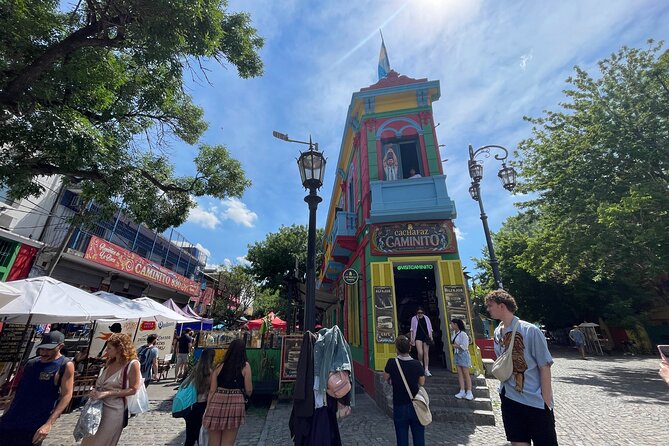
The walk begins on Defensa Street, one of the best places to get a quick feel for San Telmo. You pass antique stalls, old buildings, period-style decorations, and distinctive faroles, the traditional streetlights that help give the neighborhood its old-fashioned appearance.
San Telmo is closely tied to Buenos Aires tango culture and is one of the city’s oldest districts. The pleasure here is not one single sight. It comes from the changing street scene: worn façades, narrow sidewalks, cobbles underfoot, and shops filled with objects from earlier eras.
I would pay attention to the buildings as much as the guide’s narration. This opening section gives you useful visual clues about how Buenos Aires developed before the city shifts toward its newer districts. It is also the part of the walk most likely to feel familiar if you have already taken a general city tour.
That point matters. One participant who had previously taken a three-hour bus tour felt that much of the city information was repeated. If you have already covered San Telmo, Plaza de Mayo, and the Obelisk, the tour may offer more value for its Colón admission and route than for fresh historical detail. If this is your first organized introduction to Buenos Aires, the repetition is less of a problem.
Lezama Park and the change to Puerto Madero
From San Telmo, the group continues to Lezama Park. This green space provides a welcome pause after the harder walking surfaces of Defensa Street. You pass tree-lined paths and a small amphitheater before continuing toward Puerto Madero.
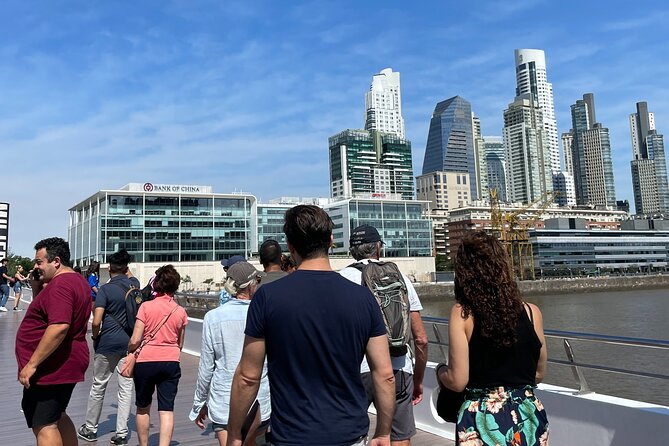
The transition is the point. San Telmo feels old, textured, and slightly untidy in the best sense. Puerto Madero is newer, tidier, and built around former docklands, with tall buildings, restaurants, and hotels. Seeing both in one continuous walk helps you understand Buenos Aires as a city of sharp contrasts rather than one uniform historic center.
At the waterfront, you cross Puente de la Mujer, or Women’s Bridge. The pedestrian bridge was designed by Santiago Calatrava and is meant to suggest the movement of a tango couple. The bridge itself is a good photo stop, but the larger reward is the view back along the docks and toward the modern buildings.
The tour does not include food or drinks, so plan around that. Since the walk begins in the morning and continues for several hours, eat beforehand or carry what you need within the rules of your booking. Do not count on a restaurant stop being built into the schedule.
Plaza de Mayo and the Obelisk
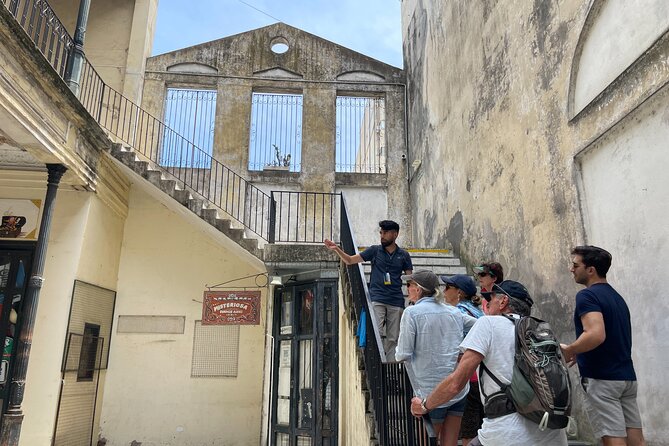
After crossing the bridge, you reach Plaza de Mayo, the central square where several major Buenos Aires landmarks gather. You see the Metropolitan Cathedral, the colonial Cabildo, and the Casa Rosada, the pink government building associated with Argentina’s executive power.
This is an important part of the tour because the square connects architecture with the country’s public life. The guide explains the events that shaped the area, while you see the institutions that still define the center of the city. The route then continues along Diagonal Norte, an avenue linking the judicial and executive sides of government.
The walk proceeds to the Obelisk on Avenida 9 de Julio, described here as the widest avenue in the world. You cross this major road before continuing for two blocks to the Colón Theater. This section involves traffic, pavement, and city noise rather than quiet sightseeing, but it gives you a real sense of Buenos Aires as a working capital.
Your guide’s communication skills matter most during these outdoor portions. A past participant found the guide’s English difficult to follow and had to ask for repeated explanations. Tangol says its guides are certified and trained, but the quality of a live tour still depends on the individual leading your group. The positive experience with Sylvia is worth noting: she was praised for staying with the group and keeping the outing enjoyable even while walking in rain. Weather can affect the experience, so bring suitable clothing and expect the walk to continue unless Tangol changes the plan.
More museums in Buenos Aires:
- Buenos Aires: Tickets to Boca Juniors Museum & Stadium
★ 4.5 · 581 reviews - Buenos Aires: River Plate and Boca Juniors Museum Tour
★ 4.5 · 72 reviews - Buenos Aires: Hop-On Hop-Off Bus and Football Museums
★ 4.3 · 39 reviews - Buenos Aires: Tickets to River Plate Museum
★ 4.6 · 32 reviews
Entering the Teatro Colón
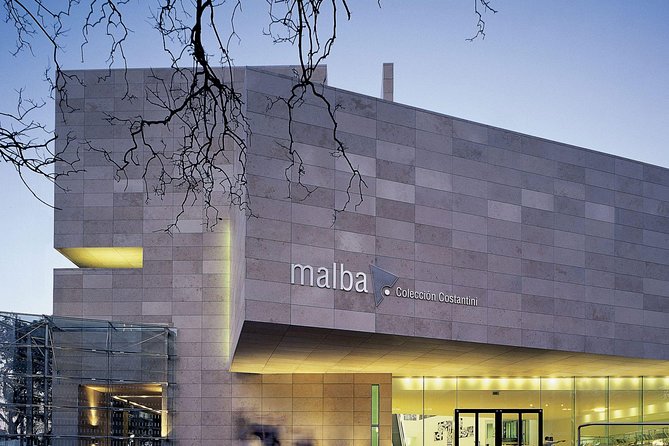
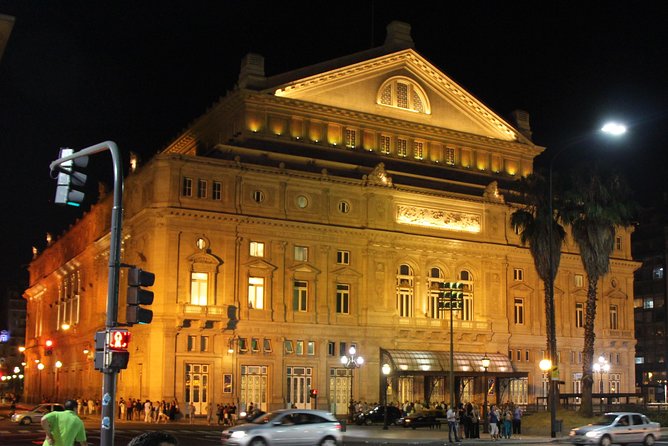
If you choose the Colón option, the theater is the clear centerpiece. Teatro Colón is regarded as one of South America’s leading opera houses, known for its scale, acoustics, and long cultural importance. The included indoor visit lasts about 50 minutes.
The theater portion covers the auditorium, Main Foyer, Gallery of Busts, and Golden Hall. These spaces give you the visual payoff that the street walk cannot provide: decorative details, sculptures, stained glass, and the formal design of one of Buenos Aires’ grandest public buildings.
One practical detail improves the visit: the theater portion is led by a theater guide, not simply explained from the sidewalk by the city guide. That division of labor appears to work well. Even the participant who found the broader walk disappointing considered the Colón visit excellent.
If you are choosing only one admission, I would pick the Colón for most first-time visitors. It gives you a focused, guided experience with a clear start and finish. It also avoids the problem of arriving at a museum and needing to decide for yourself how long to stay or what to see first.
The tour concludes at the theater entrance after the guided visit. From there, you are on your own in downtown Buenos Aires. Hotel pickup and drop-off are not included, so arrange your next destination separately.
Taking the bus to MALBA in Palermo
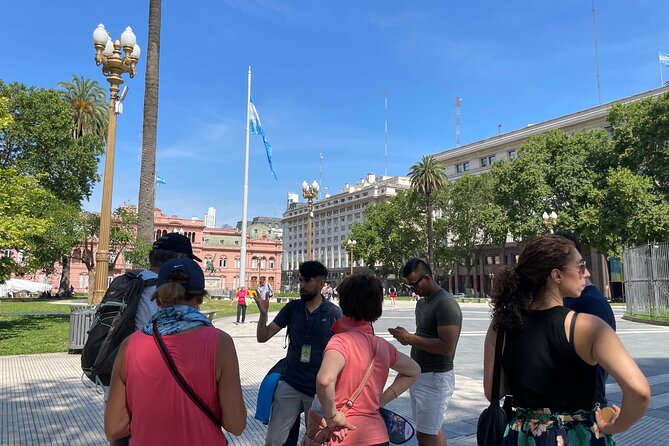
If you select MALBA, the group boards a public bus from the theater area to Palermo. Public transportation is included, which is useful because the museum is not near the opening route. It also makes the connection feel more like ordinary city travel than a private transfer.
MALBA, the Museo de Arte Latinoamericano de Buenos Aires, opened in 2001 and focuses on Latin American art from the early 20th century to the present. Its collection contains around 400 works by modern and contemporary artists. The tour includes admission, but not a guided museum visit.
That distinction is important. Once you reach the museum, the guide leaves you at the entrance and you explore at your own pace. You may prefer this arrangement if you like to read labels slowly, skip sections, or spend extra time with a few works. You may find it less satisfying if you want a teacher explaining the collection and placing each artist in context.
The museum’s appeal also depends on what is showing during your visit. The collection changes by season, and one past participant found the museum small, with a large portion devoted to Brazilian art, and English explanations less satisfying than hoped. That does not make MALBA a poor choice, but it makes the Colón a safer pick if you want a reliably memorable centerpiece.
The building itself is part of the experience, and the Palermo setting gives you a different neighborhood to see. Still, the museum option should be selected because you genuinely want Latin American art, not simply because it adds another stop.
Choosing Colón, MALBA, or both
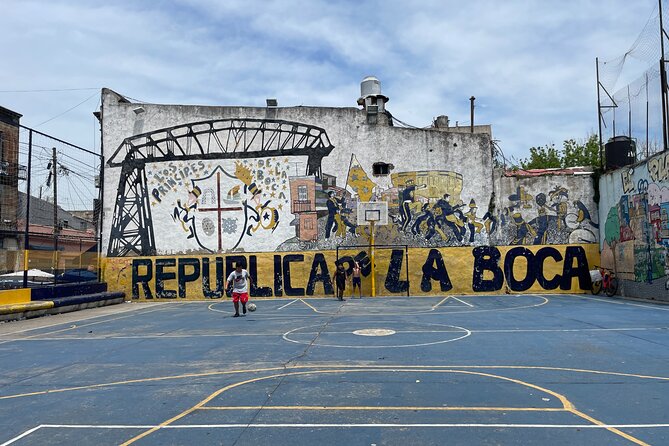
The booking choices shape the whole afternoon.
Colón only is the most focused version. You get the San Telmo, Puerto Madero, Plaza de Mayo, and Obelisk walk, followed by the 50-minute theater tour. You finish downtown, where you can continue sightseeing, eat, or return to your hotel. I would choose this option if architecture, music, and major landmarks matter more to you than contemporary art.
MALBA only gives you the city walk, bus transfer, and museum admission. The route ends at MALBA, and you decide how to spend your museum time. This makes sense if you already know you want Latin American art and prefer a self-guided museum visit. It is less suitable if you expect the guide to teach you inside the museum.
Both attractions create the fullest version, but also the longest and most structured day. You visit the Colón first, then take the bus to Palermo and finish at MALBA. Once you arrive, you are free to continue alone. This choice gives you the most included admission value, but you need enough energy for several hours of walking, an indoor theater tour, a bus ride, and independent museum time.
At $46, the price is reasonable for the walking guide, public transportation, and one or two admission tickets. The value is strongest with both attractions, provided you want both. If you only want MALBA, compare the cost and structure with visiting the museum independently. The tour adds neighborhood context and a route through central Buenos Aires, but the museum itself is not guided.
Guide quality, group size, and pace
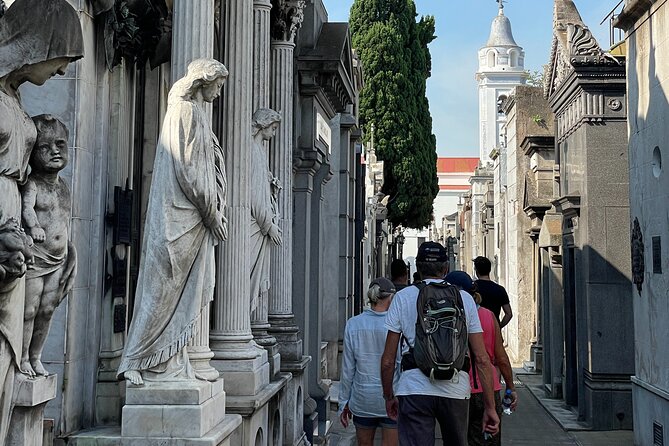
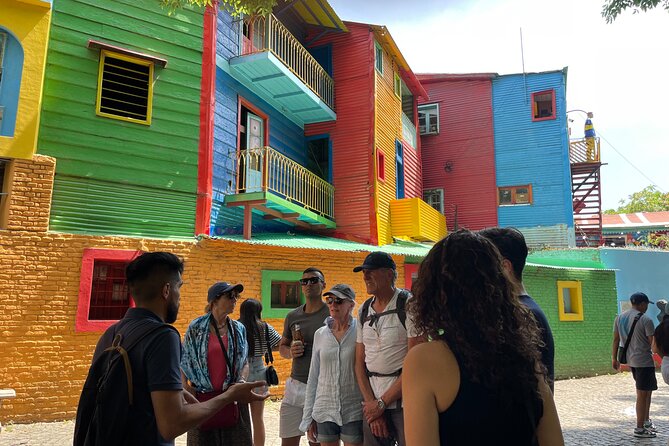
The maximum group of 10 is small enough to keep the outing personal. You can ask questions without competing with a large crowd, and the guide can usually keep track of the group while crossing streets or boarding the bus.
Still, do not book this expecting a university seminar on Argentine economics or politics. The tour aims to provide a quick overview of the city and its sights. The guide may not spend much time on subjects outside the standard route, and the quality of English can vary.
I would use the walk to ask focused questions about the places directly in front of you. Ask about the design of Puente de la Mujer, the role of Plaza de Mayo, or the contrast between San Telmo and Puerto Madero. Those questions fit the tour better than expecting a long discussion of national policy.
The weather also deserves attention. The route is outdoors for much of the first portion, and rain can make San Telmo’s cobblestones slippery. Sylvia received particular praise for handling a rainy outing with care, but you should still bring a rain jacket and shoes you trust.
Who should book this experience?
I would recommend this tour to a first-time Buenos Aires visitor who wants an efficient orientation without committing to a full-day excursion. It gives you several central landmarks, two contrasting neighborhoods, and the option to add an important cultural site.
It also suits anyone who prefers a small group and does not want to plan bus connections or theater admission alone. The guide gets you from San Telmo to the Colón, then handles the public bus connection to MALBA if you select it.
You may want a different plan if you have already taken a city bus tour covering the same central sights. In that case, book the Colón directly if possible, or choose a museum visit that offers more guided interpretation. You should also think twice about the combined option if you dislike walking for several hours or prefer a slower museum visit.
Bring a passport, since a current valid passport is required on the day of the tour, and provide the full names and passport numbers of all passengers when booking. The activity is offered in English, and most people can participate, but the duration may change.
FAQ
Where does the Buenos Aires walking tour begin?
It begins at Tangol Travel Agency, Defensa 831 in San Telmo, Buenos Aires.
What time does the tour start?
The information gives both 10:00 a.m. and 10:30 a.m. as the start time. Confirm the exact time with Tangol before the tour.
How long does the experience last?
The tour takes approximately four to five hours, although the duration may change.
What entrance options can I choose?
You can choose the Teatro Colón, MALBA, or both. Entrance is included for the attraction or attractions selected when booking.
Is MALBA guided?
No. If you choose MALBA, the guide takes you to the museum entrance, and you explore the exhibits independently.
Is transportation included?
Public bus transportation to MALBA is included when that museum option is selected. Hotel pickup and drop-off are not included.
Should you book this Buenos Aires tour?
Book it if you want a compact introduction to central Buenos Aires, especially if you value the Teatro Colón. The small group, clear route, included admissions, and contrast between San Telmo and Puerto Madero make it a practical first-day choice.
My strongest recommendation is the Colón-only option for most people. Add MALBA if you already enjoy Latin American modern and contemporary art and are happy to explore without a museum guide. Skip the combined choice if you have limited stamina, have already toured the city center, or want more time at each individual sight. Finally, confirm the start time and be realistic about the English-language guiding, since those two details can shape the day more than the attractive route on paper.
Just added in Buenos Aires
- Discover Buenos Aires’ independent art scene — Ticket included★ 5.0 · 30 reviews
- Photo Session in Buenos Aires★ 5.0 · 26 reviews
- Your Private Photographer in Buenos Aires★ 5.0 · 4 reviews
- Yerba Mate Workshop – Learn to Drink Mate like a Local!★ 5.0 · 11 reviews
- Your Personal Photographer in Buenos Aires★ 5.0 · 24 reviews
- BA: Wine Tasting and Blending Experience in Palermo★ 5.0 · 1 review
- Winery and Tasting Experience in Buenos Aires★ 5.0 · 1 review
- Taste of Tradition: Yerba Mate & Alfajores Experience★ 4.0 · 5 reviews
Buenos Aires Tours, compared.
Local Foodie Adventure in Buenos Aires with Sherpa Food Tours
Read our review →
Buenos Aires City Private Tour with Local Guide
Read our review →
Buenos Aires Hop-On Hop-Off Bus and Exclusive Benefits
Read our review →

Argentine Experience Interactive Dining and Cooking
Read our review →Browse the lists this tour appears in