
Reviewed · BUENOS AIRES TOURS
Buenos Aires: River Plate and Boca Juniors Museum Tour
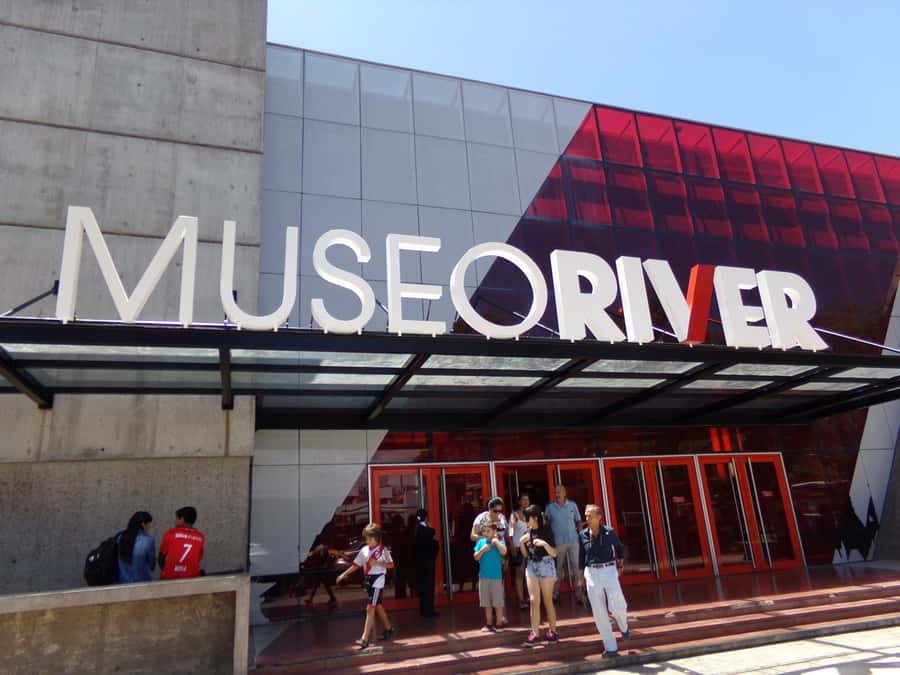
Football is Buenos Aires at full volume. This half-day outing links the homes of Boca Juniors and River Plate, giving you a clear look at Argentina’s club culture through museums, stadium spaces, films, trophies, and stories. I especially like the two-club format and the chance to visit both La Boca and Nuñez in one organized trip. I also like that guides such as Ariel and Martin have added cultural context, not just team facts.
The main drawback is important: Boca Juniors stadium access is currently closed for renovations. You can visit the Museo de la Pasión Boquense, but you cannot enter Boca’s field, changing rooms, or seating areas. That makes the $103 price easier to justify for serious football fans than for casual sightseers.
In This Review
- Key points to know before booking
- Why this tour matters in Buenos Aires
- Starting in San Telmo and crossing to La Boca
- The Museo de la Pasión Boquense
- Crossing the city to River Plate
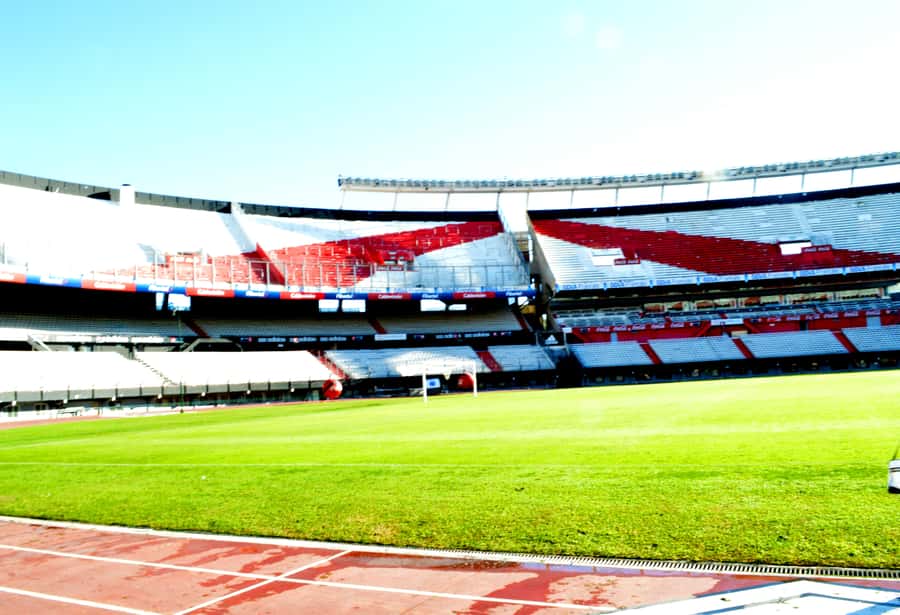
- Entering El Monumental and taking field photos
- The guides can make or break the day
- Is $103 a fair price?
- Who should book this football tour?
- Practical tips for a better visit
- Final verdict: book it if you accept the Boca limitation
- FAQ
- Where does the tour begin?
- How long does the tour last?
- Can I enter La Bombonera during the tour?
- Can I visit the River Plate stadium?
- Are both museums included?
- What languages are available?
- What should I bring?
Key points to know before booking
- Boca’s museum is open, but La Bombonera access is suspended: You will not enter the pitch, changing rooms, or seating areas during the renovation period.
- River Plate offers the fuller stadium visit: The route includes the River museum, playing field access, photos, and an exterior look at El Monumental.
- The tour begins in San Telmo: You meet at the Tangol Travel Agency office, then travel to La Boca and later to Nuñez.
- The museum experience is interactive: Boca uses a film and displays about its shirt, players, and identity, while River uses a timeline-style presentation.
- Guides are a major part of the value: Ariel and Martin have been praised for clear explanations, cultural comparisons, and patience with questions.
- Plan for three to five hours: The full two-museum option can take about five hours, with transport included between locations.
Why this tour matters in Buenos Aires
You do not need to know every Argentine football result to enjoy this outing. The point is to understand why Boca Juniors and River Plate are more than sports clubs. They are neighborhood identities, family traditions, and two competing ways of seeing Buenos Aires football.
The Superclásico rivalry gives the tour its charge. Boca is tied to La Boca and the famous La Bombonera, while River’s home is El Monumental in Nuñez. Visiting both helps you see the contrast between the clubs without having to build a complicated day of taxis, museum tickets, and directions on your own.
I like the tour most as a cultural experience with football at its center. You learn about shirts, players, trophies, stadium design, match-day emotion, and the way club loyalty is passed along. If your interest in football is only mild, the day may feel long. If you love the sport, this is one of the clearest ways to understand Argentina’s greatest sporting passion.
More museums in Buenos Aires:
- Buenos Aires: Tickets to Boca Juniors Museum & Stadium
★ 4.5 · 581 reviews - Buenos Aires: Hop-On Hop-Off Bus and Football Museums
★ 4.3 · 39 reviews - Buenos Aires: Tickets to River Plate Museum
★ 4.6 · 32 reviews
Starting in San Telmo and crossing to La Boca
The meeting point is the Tangol Travel Agency office in San Telmo. This is not a hotel pickup service, so you need to reach the office yourself. The included transport begins from there and carries you toward La Boca, the colorful district associated with Boca Juniors.
The first stop is normally the Boca Juniors complex. Under normal conditions, the stadium portion would include a look at the best seating areas, popular stadium sections, changing rooms, and the field. The route would finish with views toward Diego Maradona’s private box, an especially meaningful detail for anyone interested in Argentine football.
At present, renovation work changes that plan. You should book this outing expecting museum access only at Boca, not a behind-the-scenes stadium visit. The restriction removes some of the most physical parts of the experience, including stepping onto the field and seeing the changing rooms.
That is not a small footnote. The product description presents a stadium tour, but the current notice says the Boca stadium visit is not operating. Check the exact option and latest conditions before paying, particularly if walking through La Bombonera is your main reason for booking.
The Museo de la Pasión Boquense
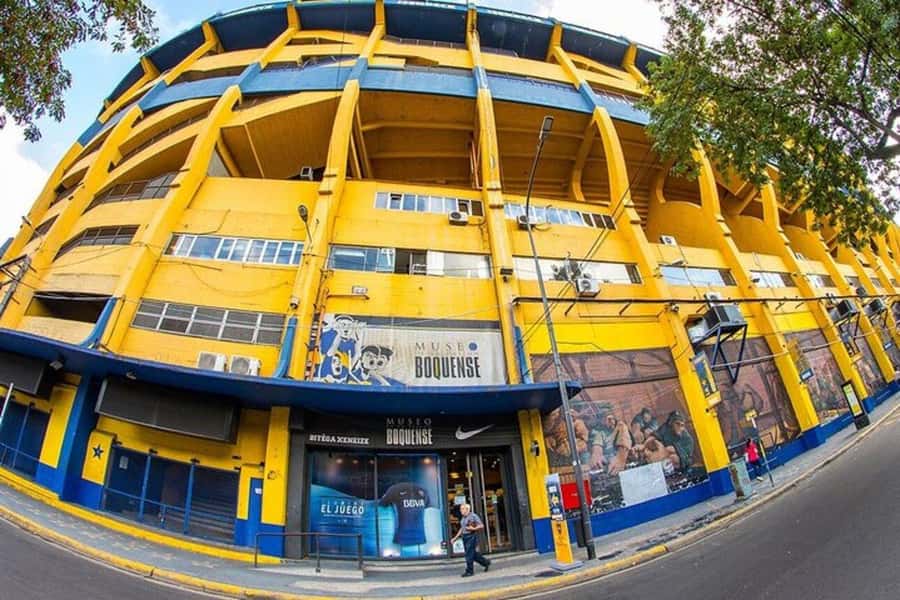
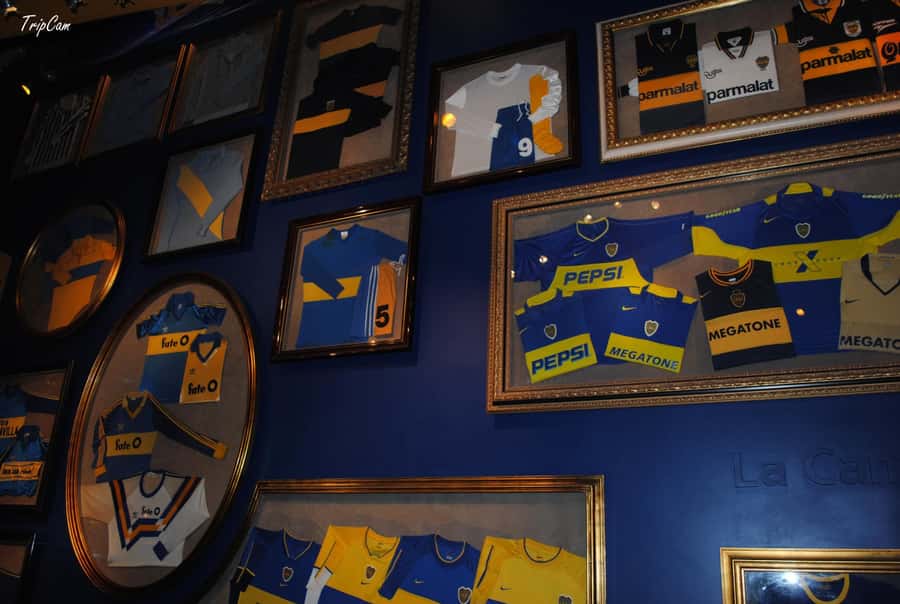
The Boca museum is designed to tell the club’s story through more than a basic row of framed photographs. You will see material about the club’s players, major moments, and the development of Boca’s famous shirt.
The changing shirt is a useful way to understand how a football club builds an identity. Colors and symbols become part of daily life, and the museum uses that visual side of Boca to make the club’s story easier to follow, even if you do not recognize every former player.
A film adds an emotional layer. It shows what it feels like to be part of the team and run onto the field wearing the kit. You will not be able to recreate that walk onto the pitch during the renovation, but the film gives you a sense of the performance and pressure surrounding a match.
I would allow time to watch the film rather than rushing through it. The museum works best when you treat it as an introduction to Boca’s culture, not simply a trophy room. The guide can also help connect the displays to the city and explain details that may not be obvious if you read only the labels.
The museum is still worthwhile on its own, but the loss of the stadium portion matters. At $103, I would choose the two-museum option if you want the widest possible football experience. If Boca is your only priority, compare the single-museum option carefully, since the museum is the part currently available.
Crossing the city to River Plate
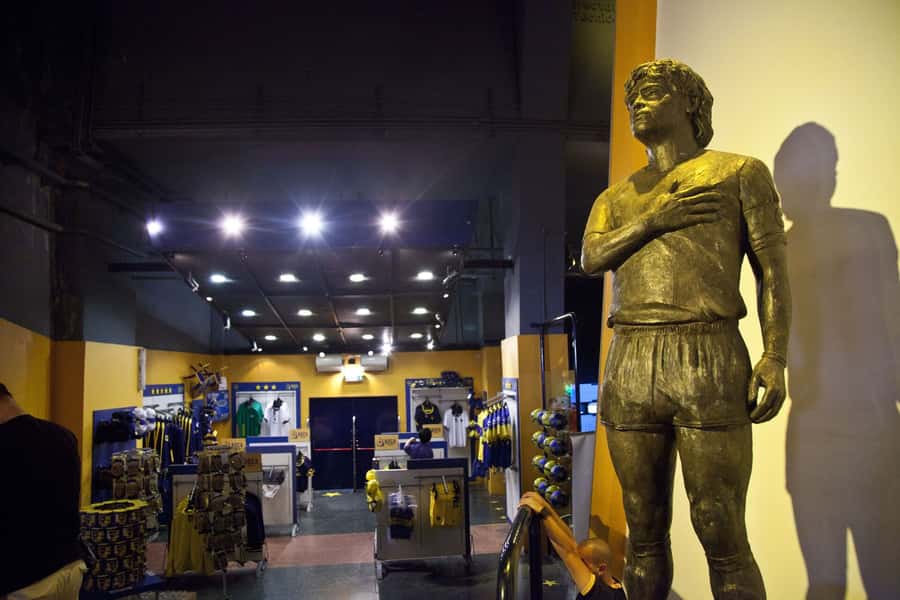
After the Boca portion, the tour heads north to Nuñez, where River Plate’s El Monumental is located. The journey between the two neighborhoods is part of the point. You are not visiting two unrelated attractions. You are moving between two club worlds that define the Superclásico.
At River, the tour begins outside the stadium. You get an introduction to the surrounding Barrio River area, see the access gates, and look at the building before entering the museum. This exterior orientation helps you understand the scale and setting of the club’s home.
River’s museum uses what is described as a temporal translation module, a timeline-style presentation covering the club from its founding onward. It traces major titles, key players, and periods of success. The format gives you a useful sequence, especially after the more identity-focused presentation at Boca.
I like the contrast between the two museums. Boca’s displays and film lean heavily into emotion, symbols, and the sensation of representing the club. River’s presentation places more weight on chronology and achievement. Seeing both lets you compare how rival institutions tell their own stories.
More things to do in Buenos Aires:
- Local Foodie Adventure in Buenos Aires with Sherpa Food Tours
★ 5.0 · 6,875 reviews - Buenos Aires City Private Tour with Local Guide
★ 5.0 · 3,475 reviews - Buenos Aires Small-Group City Tour
★ 5.0 · 2,226 reviews - Buenos Aires Hop-On Hop-Off Bus, Free Walking Tours & Discounts
★ 4.5 · 2,218 reviews
Entering El Monumental and taking field photos
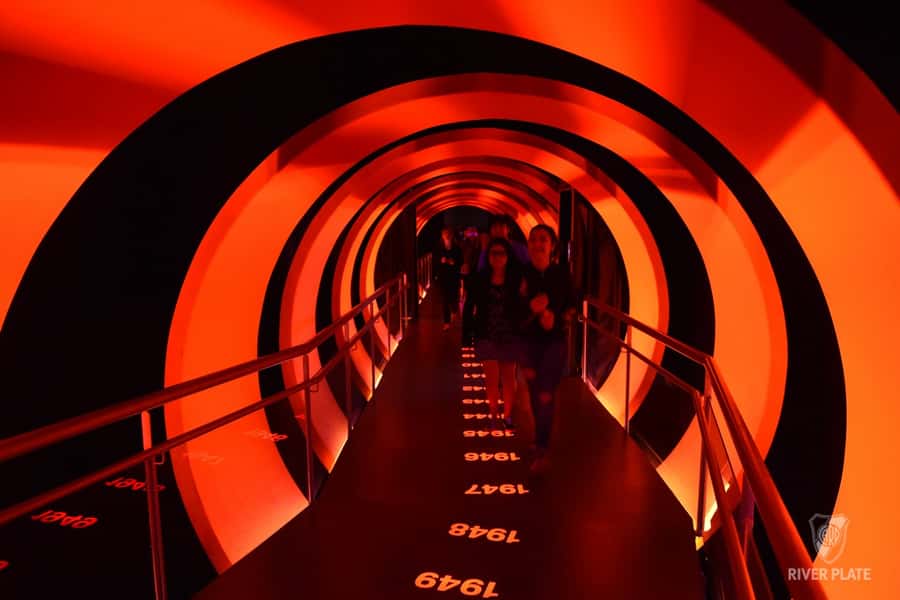
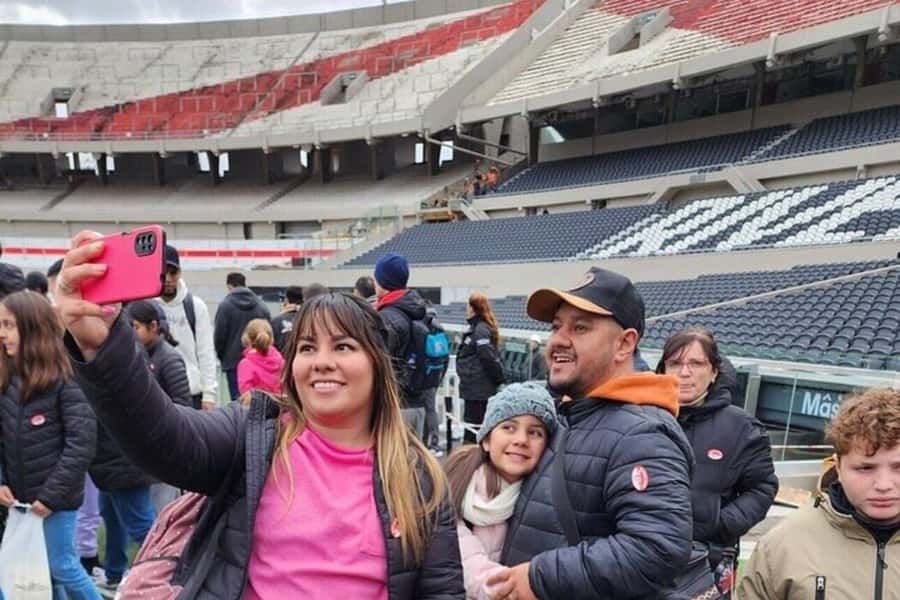
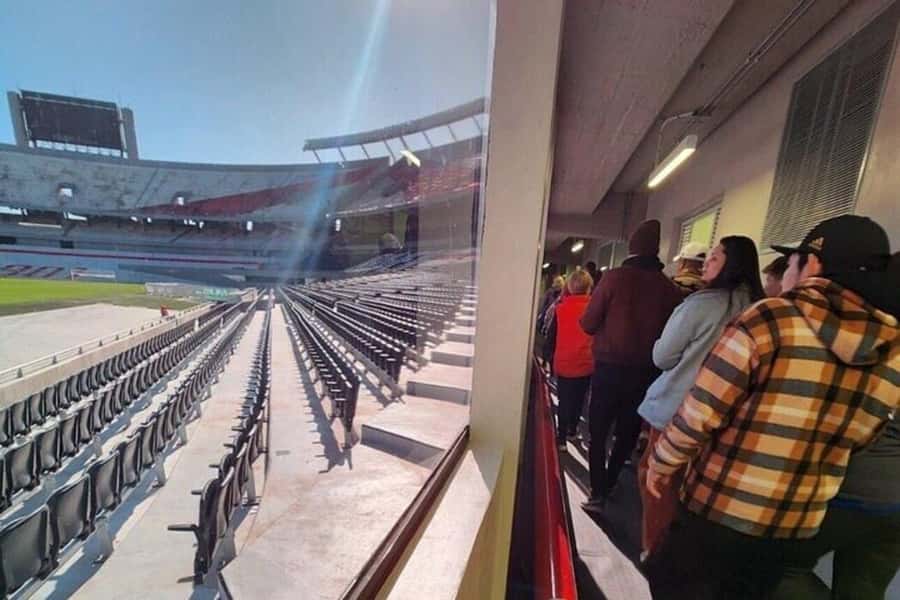
The River portion includes entry into the stadium and access to the playing field for photographs. This is the clearest remaining behind-the-scenes element of the tour, and it helps balance the current Boca restriction.
You also see the stadium from its public areas and learn where supporters enter. The experience is not a match, so you should not expect the noise or tension of a Superclásico. Still, standing near the field gives the visit a physical focus that a museum alone cannot provide.
Bring comfortable shoes. The tour lasts several hours and involves moving through museum and stadium spaces. Large bags and luggage are not allowed, so travel light. A passport or identity card is also required, which is standard advice worth taking seriously.
Do not assume every departure has the same rhythm. The total duration is listed as three to five hours, and the full two-museum route is described as taking about five hours. Starting times depend on availability, so confirm the schedule before arranging another activity for the same afternoon.
The guides can make or break the day
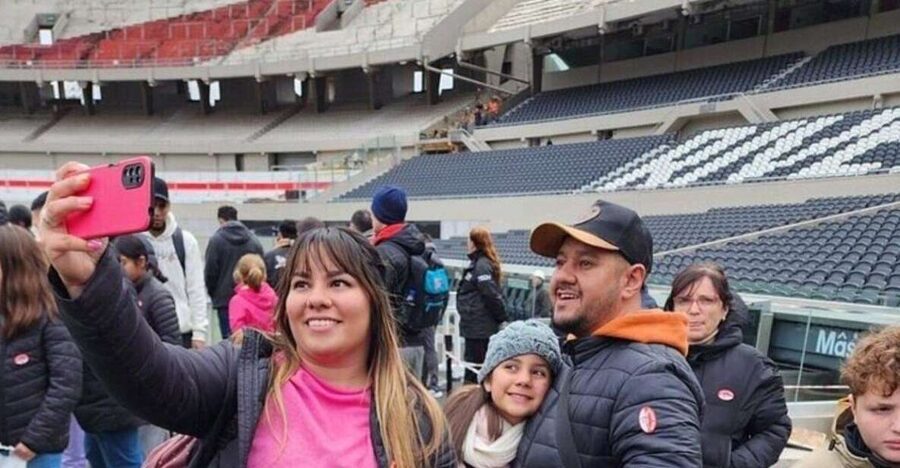
The guide is not just there to lead you from one ticket desk to another. A good guide explains why the two clubs feel different and answers the questions that museum labels cannot.
Ariel received strong praise for his warm, helpful manner. Martin was also singled out for explaining the history of both teams and stadiums, along with the cultural differences and small details that make the rivalry so compelling. He was also willing to answer questions and allow time for photographs.
That kind of flexibility matters. One booking had only a single participant, which allowed the guide and visitor to travel by taxi and shape the visit around questions and photos. You should not count on a private tour, but the example shows how the experience can become more personal when the group is small.
The tour may be operated by a multilingual guide. English and Spanish are available, but confirm your preferred language when checking the option. A guide who can explain the rivalry clearly will add much more value than one who simply points out famous names.
Is $103 a fair price?
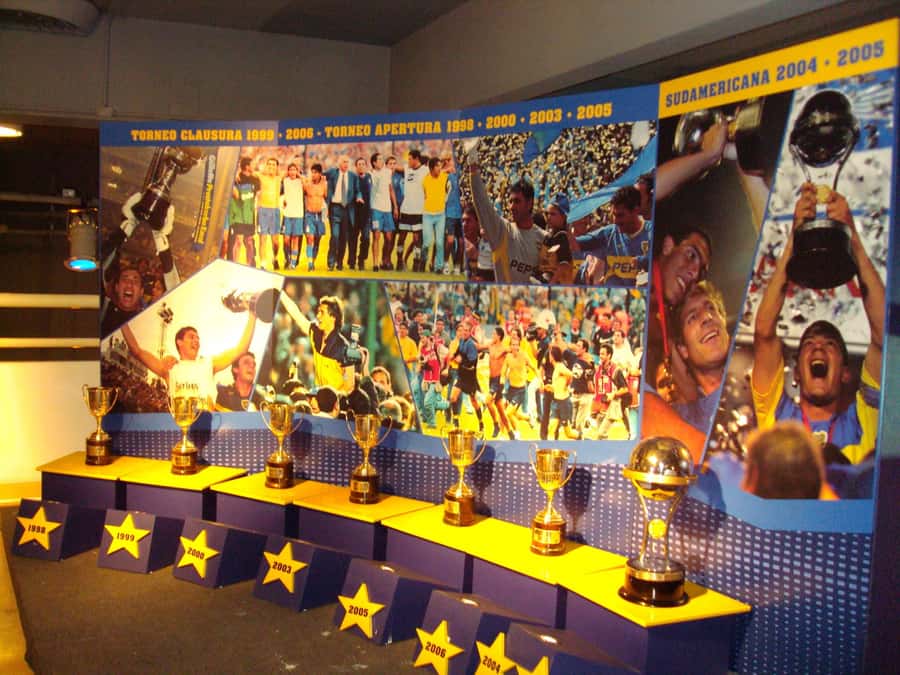
The price is about $103 per person, though the exact cost depends on the option you choose. Transport during the tour, a guide, and museum entry where applicable are included. Food, drinks, extras, and hotel pickup are not included.
The value depends on what you want from the day. For the two-museum option, you receive organized transport across Buenos Aires, access to Boca’s museum, access to River’s museum, and the River stadium portion. That is a fair package for someone who wants both clubs without arranging separate visits.
The calculation changes if you mainly want Boca’s stadium. Since the pitch, changing rooms, and seating areas are currently off limits, you are paying for the Boca museum rather than the full stadium experience. I would not book at this price without accepting that limitation first.
The single-museum choices may suit you better if you support one club or have limited time. The River option appears to provide the more complete physical stadium visit right now. The Boca option makes sense for fans who place a high value on the club’s museum, shirt history, film, and Maradona connection.
Free cancellation up to 24 hours before the activity and reserve-now, pay-later booking make the purchase less rigid. Those policies are useful if your Buenos Aires plans are still shifting, but they do not change the need to confirm Boca’s renovation status.
Who should book this football tour?
I would recommend it most strongly to:
- Football fans who want both sides of the Superclásico
- Visitors who prefer a guide and included transport
- People curious about Argentine club culture, not only match results
- Fans who want access to River’s field and stadium spaces
- First-time visitors who do not want to plan two distant museum visits alone
I would be more cautious if you want to enter both stadiums. That is not currently possible at Boca, and the difference between the advertised plan and the operating visit could disappoint you.
The tour is also not suitable for wheelchair users or people with mobility impairments. Large bags are not allowed, and you should wear comfortable shoes. Food and drinks are not supplied, so plan around the several-hour duration.
Practical tips for a better visit
Read the Boca renovation notice carefully before booking. It is the single most important detail, and it changes the experience from a two-stadium tour into one museum visit, one fuller stadium visit, and transport between them.
Choose the two-museum option if you want context from both clubs. The rivalry makes more sense when you see each club’s own presentation rather than visiting River or Boca in isolation.
Bring an identity document, wear shoes suited to several hours of walking, and leave luggage elsewhere. Meet at the Tangol office in San Telmo, since hotel pickup is not included.
If you have questions about famous players, club traditions, or the stadiums, ask them. The strongest guide experiences have come from guides who are happy to explain cultural differences and give you time for photos. The tour becomes much better when you treat the guide as a local football interpreter.
Final verdict: book it if you accept the Boca limitation
I would book this tour if you want a guided comparison of Boca Juniors and River Plate and you are comfortable with Boca museum access only. The combination of two club museums, River’s field visit, included transport, and strong guide potential gives serious football fans a useful day in Buenos Aires.
I would skip it, or choose a single museum option, if your main goal is to walk through La Bombonera’s changing rooms or onto its field. That part is not operating now. For most football lovers, though, the chance to connect La Boca, Nuñez, the Boca museum, and El Monumental in one outing remains a solid use of half a day.
FAQ
Where does the tour begin?
You meet at the Tangol Travel Agency office in San Telmo. Hotel pickup is not included.
How long does the tour last?
The duration is listed as three to five hours. The complete two-museum experience is described as taking about five hours, while starting times depend on availability.
Can I enter La Bombonera during the tour?
No. The Boca Juniors stadium visit is currently unavailable because of renovations. You will have access to the Museo de la Pasión Boquense, but not the field, changing rooms, or seating areas.
Can I visit the River Plate stadium?
Yes. The River portion includes the River Plate Museum and entry into El Monumental, including a visit to the playing field where you can take photos.
Are both museums included?
That depends on the option selected. You can choose an option covering both museums or one covering only Boca Juniors or only River Plate. Check the selected option to confirm which entry tickets are included.
What languages are available?
The tour is offered in English and Spanish. It may be operated by a multilingual guide.
What should I bring?
Bring a passport or identity card and comfortable shoes. Luggage and large bags are not allowed.
Just added in Buenos Aires
- Discover Buenos Aires’ independent art scene — Ticket included★ 5.0 · 30 reviews
- Photo Session in Buenos Aires★ 5.0 · 26 reviews
- Your Private Photographer in Buenos Aires★ 5.0 · 4 reviews
- Yerba Mate Workshop – Learn to Drink Mate like a Local!★ 5.0 · 11 reviews
- Your Personal Photographer in Buenos Aires★ 5.0 · 24 reviews
- BA: Wine Tasting and Blending Experience in Palermo★ 5.0 · 1 review
- Winery and Tasting Experience in Buenos Aires★ 5.0 · 1 review
- Taste of Tradition: Yerba Mate & Alfajores Experience★ 4.0 · 5 reviews
Buenos Aires Tours, compared.
Local Foodie Adventure in Buenos Aires with Sherpa Food Tours
Read our review →
Buenos Aires City Private Tour with Local Guide
Read our review →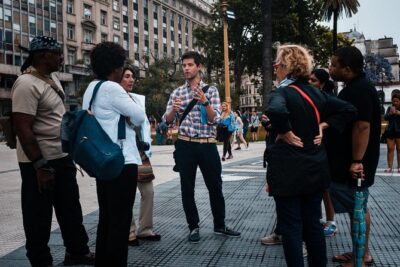
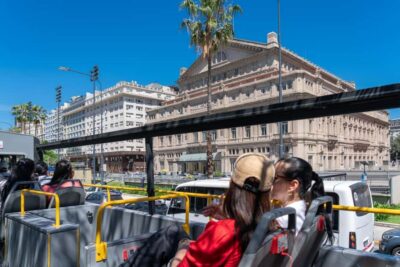
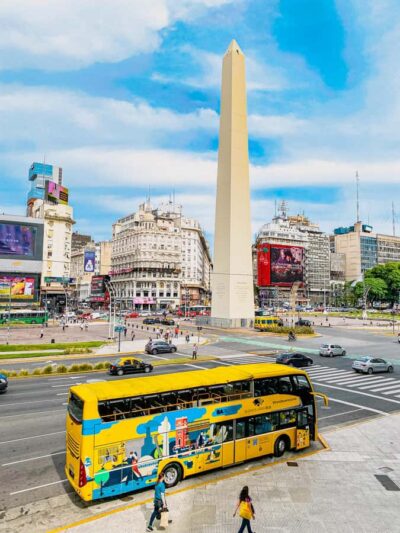
Buenos Aires Hop-On Hop-Off Bus and Exclusive Benefits
Read our review →
Argentine Experience Interactive Dining and Cooking
Read our review →Browse the lists this tour appears in