
Reviewed · BUENOS AIRES TOURS
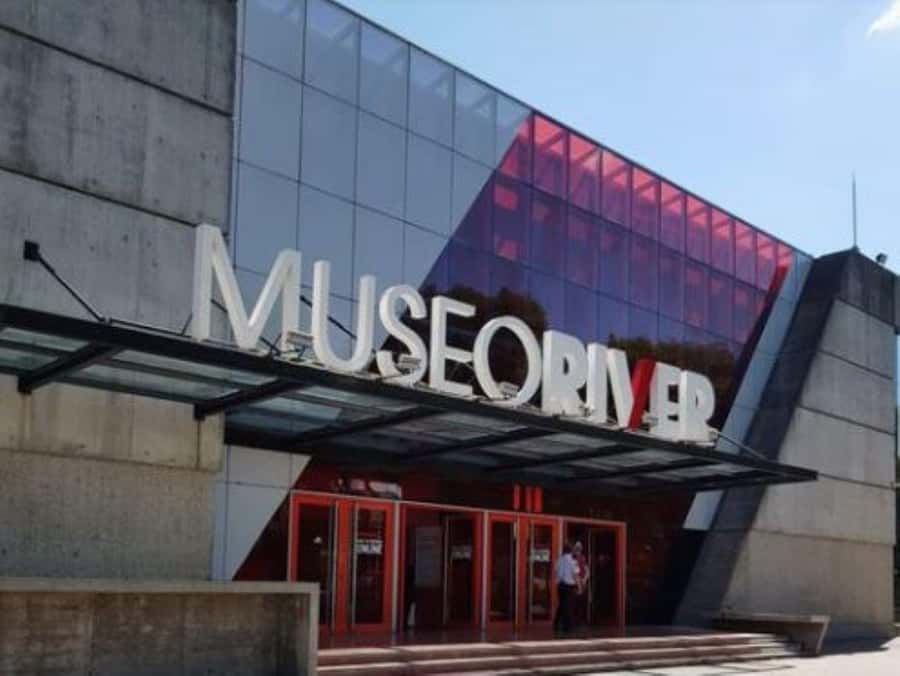
Buenos Aires: Tickets to River Plate Museum
Football tells the story of a city. The River Plate Museum turns that story into a lively visit, with trophies, famous players, great goals, and a 360 cinema film built around the feelings of River fans. I like the chronological time tunnel, which gives you a clear path through the club’s past, and I like the option to add a stadium visit with views from the stands and the field. The main caution is organization: one visitor waited 40 minutes for an express tour and ended up joining the full tour instead.
The guides receive strong praise for being friendly and well informed. I would allow extra patience on match days, and I would check the language before booking if you do not understand Spanish. An English audio headset was not available for one visitor, which made the experience much harder to follow.
In This Review
- Key points to know before you go
- Why River Plate matters beyond the scoreboard
- Following the time tunnel from origins to glory
- The 360 cinema and the feeling of being a supporter
- The full visit and views inside the stadium
- Express visit or full visit?
- Guides, language, and the pace of the visit
- What $27 buys you
- Who will enjoy this most?
- Practical tips for a smoother visit
- Should you book the River Plate Museum?
- FAQ
- Where is the River Plate Museum experience located?
- How much does the experience cost?
- How long is the ticket valid?
- What does the museum ticket include?
- Is stadium access included with every ticket?
- Is transportation included?
- Is food included?
- Can I cancel for a full refund?
- Can I reserve now and pay later?
- Can a stadium event affect the visit?
Key points to know before you go
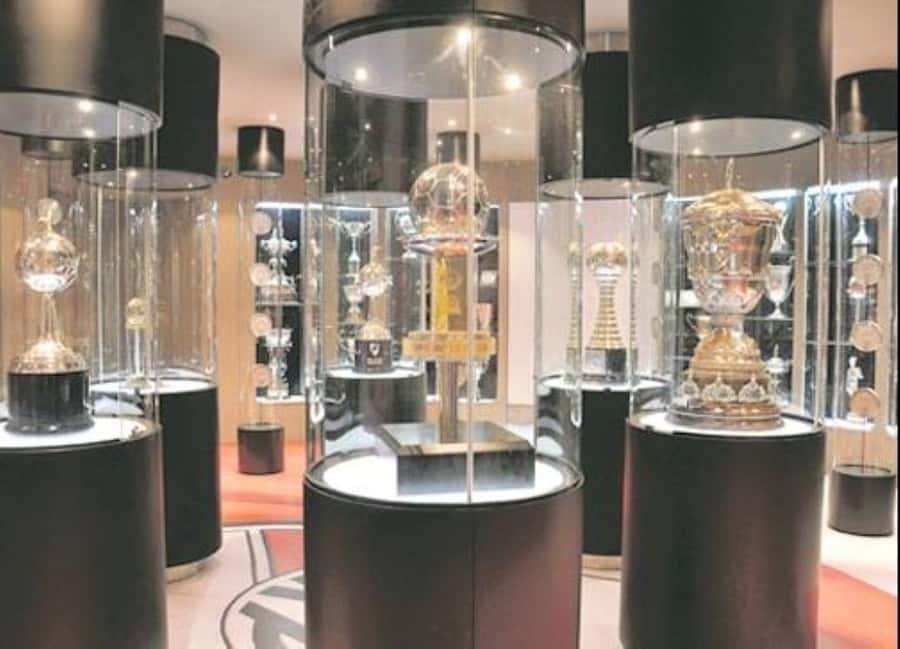
- The time tunnel follows River Plate in chronological order, from its early days through professional football, great teams, major victories, and important trophies.
- The 360 cinema room adds emotion, using film to express what River Plate means to its supporters.
- The full visit includes the stadium, with access to the stands and a field-level view from an enclosed area.
- A home match can affect stadium access and views, especially if a stage or other event equipment blocks part of the pitch.
- The $27 price covers museum entry, while transport is included only if you select the ticket option with transfer.
- Cancellation is flexible, with a full refund available when you cancel at least 24 hours in advance.
Why River Plate matters beyond the scoreboard
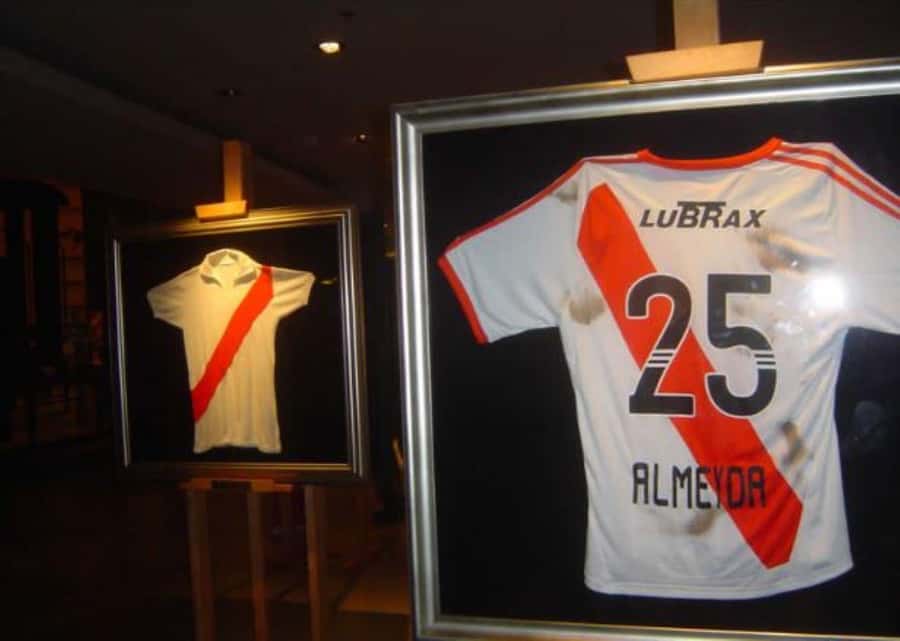
River Plate is more than a football club to its supporters. The museum presents the club as a long-running social and sporting story, built around players, teams, goals, victories, and trophies.
You do not need to know every River Plate player before arriving. The museum is arranged to help you build a basic understanding as you move through it. That makes the visit useful for a dedicated fan, but also for anyone who wants to understand the passion surrounding Argentine football.
I especially like the way the museum uses objects and visual displays to turn statistics into personal memories. A trophy tells you who won. A famous goal tells you why people still talk about it years later. The displays aim to connect both parts.
The experience was founded in 2009, so it is not an improvised collection in a stadium hallway. It was created as a dedicated home for River Plate’s important sporting treasures. That gives the visit a stronger sense of purpose than a quick club shop stop.
More museums in Buenos Aires:
- Buenos Aires: Tickets to Boca Juniors Museum & Stadium
★ 4.5 · 581 reviews - Buenos Aires: River Plate and Boca Juniors Museum Tour
★ 4.5 · 72 reviews - Buenos Aires: Hop-On Hop-Off Bus and Football Museums
★ 4.3 · 39 reviews
Following the time tunnel from origins to glory
The time tunnel is the main organizing feature. You move through the club’s story in chronological order, which is helpful because football history can otherwise become a pile of names and dates.
The early section covers River Plate’s origins and first steps in professional football. This gives you the background needed to understand how the club grew into one of Argentina’s major teams. If you know little about River Plate, take your time here rather than rushing toward the trophies.
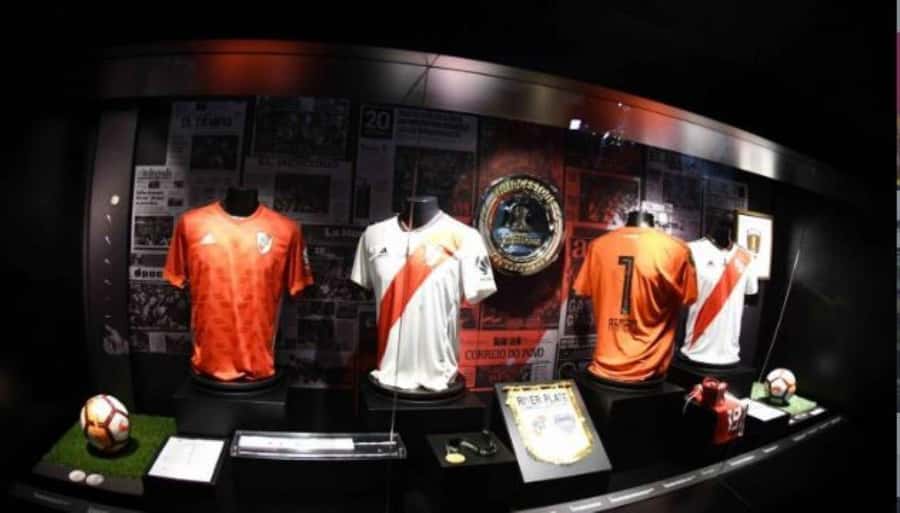
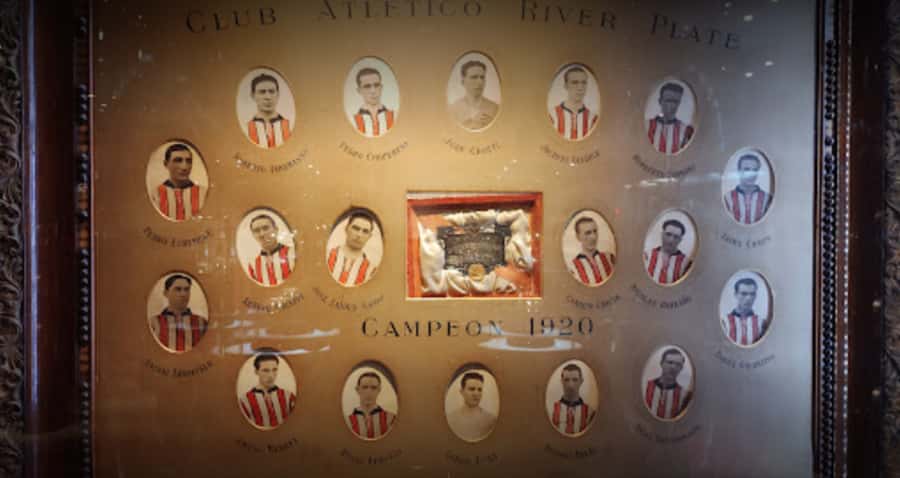
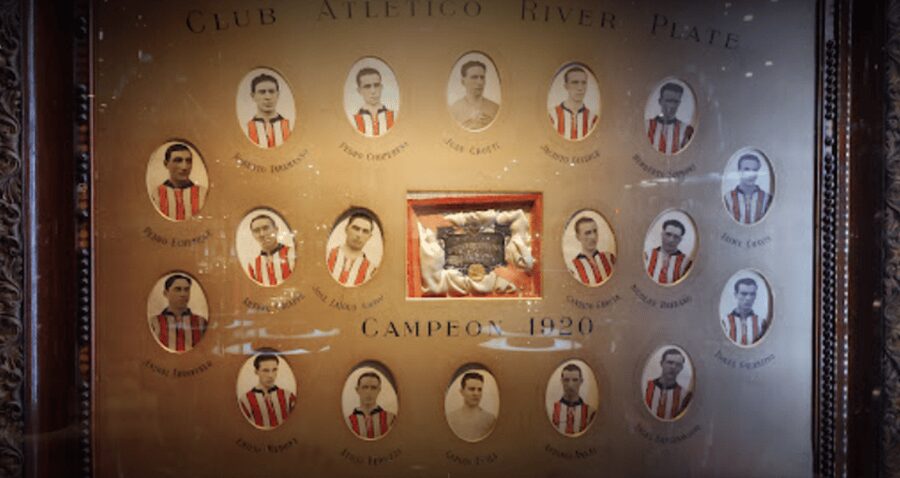
Later sections focus on the teams that made the club famous. You can expect displays about key figures, successful lineups, important matches, and the players connected with River’s best periods.
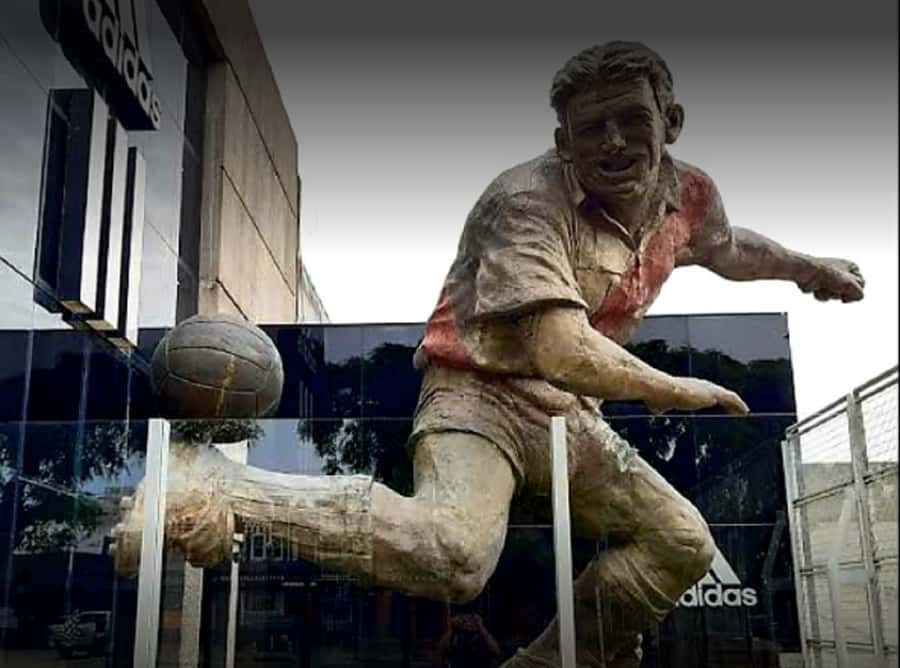
The museum also highlights celebrated goals and memorable victories. These are likely to mean the most to committed supporters, but even a casual visitor can follow the basic idea: football clubs are remembered through moments, and River’s story is built around those moments.
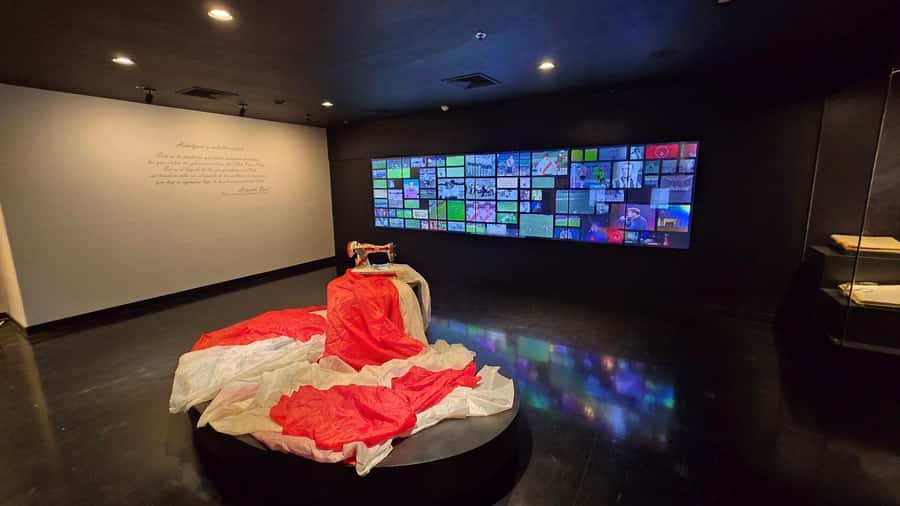
The trophy displays provide the most direct visual record of success. You can see how the club’s achievements are grouped into a larger story instead of viewing each cup as an isolated object.
I would treat the time tunnel as a guided lesson in football culture. The point is not just to identify every player. It is to see how a club builds loyalty across generations.
The 360 cinema and the feeling of being a supporter
The 360 cinema room changes the pace of the visit. After looking at objects and reading about teams, you enter a space designed around sound, images, and emotion.
The film expresses the feelings of millions of River Plate supporters. That wording matters because the film is not simply a technical record of matches. It is meant to show what the club feels like to the people who follow it.
If you are a football fan, this may be the most memorable section. Football museums can sometimes become quiet rooms full of plaques. A cinema presentation gives the club’s story more energy and helps explain why match day carries such weight in Argentina.
If you are not especially interested in football, the film still offers cultural context. You get a clearer sense of the bond between supporters and their club, even if you do not recognize all the names or goals on screen.
One practical issue is language. A visitor who joined a tour conducted in Spanish found it difficult to understand and noted that no English audio headset was available. If you need English, ask before you arrive what language support is offered. Do not assume the film, guide, or printed material will be translated.
The full visit and views inside the stadium
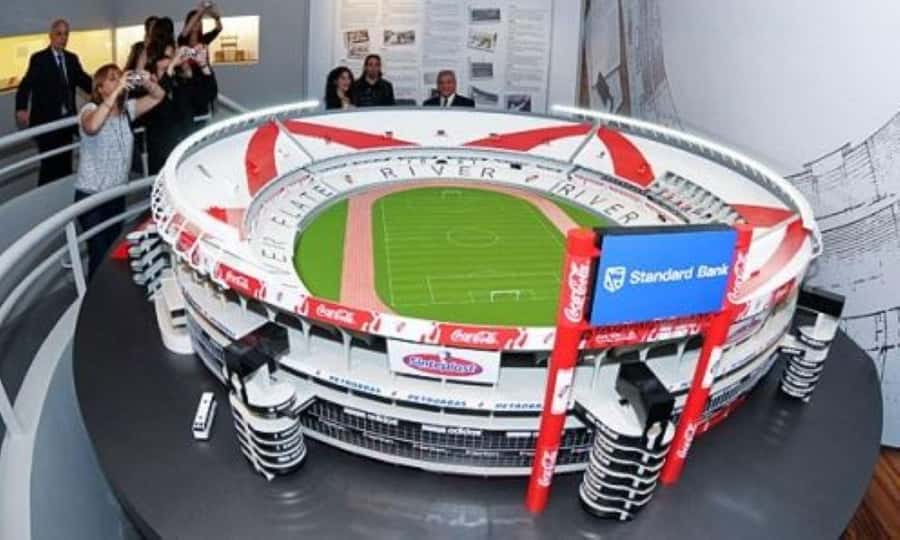
The full visit adds the stadium itself. You can see Argentina’s largest stadium from the stands, with the viewing area described as covering more than 3,437 square meters.
That scale is important. A stadium can look impressive in photographs, but the stands give you a better sense of its size and the relationship between the seating bowl and the pitch.
The full option also lets you enter the playing field area and see it from an enclosed field-level section. This is the part most likely to matter to a committed supporter. The museum explains River Plate’s story, while the stadium gives you a physical connection to the place where that story has played out.
I would choose the full visit if the price difference is reasonable at the time you book and stadium access matters to you. The museum alone offers plenty to see, but the stadium adds the strongest sense of place.
There is an important limitation. If an event is taking place and a stage or similar structure affects the view of the field, that is not considered a reason for a claim. On days when River Plate plays at home, entry to the stadium may also be affected.
For the clearest stadium experience, check the football calendar before selecting your date. The museum may still be available, but the stadium portion can change.
More things to do in Buenos Aires:
- Local Foodie Adventure in Buenos Aires with Sherpa Food Tours
★ 5.0 · 6,875 reviews - Buenos Aires City Private Tour with Local Guide
★ 5.0 · 3,475 reviews - Buenos Aires Small-Group City Tour
★ 5.0 · 2,226 reviews - Buenos Aires Hop-On Hop-Off Bus, Free Walking Tours & Discounts
★ 4.5 · 2,218 reviews
Express visit or full visit?

The choices are not equal. The express tour is designed for a shorter visit, while the full option includes the stadium and more of the club setting.
The express choice may suit you if you have a tight schedule or mainly want the museum’s central displays. It can also work if your interest is in trophies, players, goals, and the cinema rather than the pitch.
The full visit makes more sense if this is a special football stop in Buenos Aires. You get the museum content plus views from the stands and a field-level visit. That extra setting gives the experience more weight.
Still, organization deserves attention. One visitor who selected the express tour was sent to a holding area, but no one collected the group for 40 minutes. After asking staff for help, the visitor was upgraded to the full tour, but the delay and lack of explanation caused real frustration.
My advice is simple: arrive ready to ask where your tour begins and who will lead it. If you are waiting beyond the stated start time, speak with staff rather than assuming the group will be called. This is especially useful if your ticket includes a transfer or if you have another booking later.
Guides, language, and the pace of the visit
The strongest personal feedback focuses on the guides. Two recent visitors praised the guide’s cordial manner, friendliness, and strong knowledge of the club.
That is good news because a football museum depends heavily on explanation. A display case can show you a trophy, but a guide can explain why a team mattered or how a particular victory fits into River Plate’s story.
The available comments do not provide guide names, so I cannot recommend a specific person. I can say that the guiding style has been praised as warm and informed.
The language question is less settled. At least one full-tour experience was conducted entirely in Spanish, and the visitor had no English audio option. If Spanish is not comfortable for you, confirm the available language when booking or at the entrance.
Do not treat this as a small issue. The visual displays will still give you a general idea of the club’s past, but much of the value comes from the stories behind the objects. Without language support, you may miss the reason a player, goal, or trophy matters.
What $27 buys you
At $27 per person, the museum ticket is not the cheapest football attraction you will find, but the value depends on which option you choose.
For the museum alone, you are paying for a dedicated club museum with chronological displays, trophies, historic teams, major goals, and a 360 cinema. That is a fair package for a football fan who wants a focused visit rather than a general city tour.
The full option offers better value if it includes the stadium visit at a modest additional cost. The stands and field-level section provide something the museum cannot: a physical view of the club’s home ground.
Transport is not automatically included. It comes only with the ticket option that specifically includes transfer. Read the selection carefully before paying, since choosing the basic museum ticket may leave you responsible for reaching the site yourself.
Food is not included. Plan for that separately, although the supplied information does not specify dining facilities or meal options at the venue.
The flexible booking terms also add value. You can reserve now and pay later, and you can cancel for a full refund up to 24 hours before the activity. That helps if your Buenos Aires plans are still shifting.
Who will enjoy this most?
I would recommend the experience first to River Plate supporters and football fans who want more than a match ticket. The museum provides the club context, while the full visit connects that context to the stadium.
It also suits families with a football enthusiast in the group. The time tunnel gives you a clear route, and the film offers a break from reading. The emotional focus may hold a child’s attention better than a room filled only with written panels.
You do not need to be a River fan to enjoy the cultural side. Argentine football carries a level of loyalty and feeling that is hard to understand from outside the country. The museum gives you a window into that world.
I would be more cautious if you have only a short free period and need a perfectly timed visit. The 40-minute delay reported during one express tour shows that the schedule may not always run like clockwork.
I would also think twice if you need English interpretation and cannot confirm it in advance. The museum’s visuals remain useful, but the guided part may be difficult without Spanish.
Practical tips for a smoother visit
Choose the full visit if the stadium is your main reason for coming. The museum is worthwhile on its own, but the stands and field-level access make the outing feel more complete.
Check whether your booking includes transfer. The activity has an optional pickup, and the instructions say to wait five minutes before the indicated time in the lobby. That detail matters if you are using the transfer option.
On pickup days, be ready in the lobby at the stated time. If the vehicle or guide does not appear promptly, ask staff rather than waiting silently for a long period.
Avoid booking the stadium portion without checking whether River Plate has a home match or another event scheduled. Stadium entry can be affected, and a stage may block part of the field view.
If you want a souvenir photograph, check what is included in the image or package. One visitor found that the memory photograph came with a brochure available only in Spanish. That may be fine for a Spanish speaker, but it is worth knowing if you want translated material.
Keep your day flexible enough to allow for a delay. The activity is valid for one day, with starting times dependent on availability, but that does not guarantee a precise total duration.
Should you book the River Plate Museum?
Book it if you want a focused look at one of Argentina’s great football clubs, especially if you can choose the full museum and stadium visit. The time tunnel, trophy displays, famous goals, 360 cinema, and stadium access create a solid package for $27.
I would not book blindly if you need an English tour or have a tight onward schedule. Confirm language support, check the match calendar, and clarify where the tour begins.
For most football fans, the full option is the better choice. For casual visitors with limited time, the museum alone can still deliver the main story. The experience earns its strong 4.6 rating from 32 ratings through its friendly guides and clear sense of football passion, but you should allow room for occasional organization problems.
FAQ
Where is the River Plate Museum experience located?
It is located in Buenos Aires Province, Argentina, at the River Plate club complex.
How much does the experience cost?
The stated price is $27 per person.
How long is the ticket valid?
The ticket is valid for one day. Available starting times depend on the date you select.
What does the museum ticket include?
The ticket includes entry to the River Plate Museum. Stadium access depends on choosing the full visit option.
Is stadium access included with every ticket?
No. The full visit option includes access to the stadium stands and the playing field area. The basic museum ticket does not list those additions.
Is transportation included?
Transportation is included only if you choose the ticket option that specifically includes transfer. Pickup is optional.
Is food included?
No. Food is not included in the activity.
Can I cancel for a full refund?
Yes. You can cancel up to 24 hours in advance for a full refund.
Can I reserve now and pay later?
Yes. The activity allows you to reserve your spot and pay later.
Can a stadium event affect the visit?
Yes. On home match days, stadium entry may be affected. A stage or other event structure may also block part of the field view, and this is not considered a reason for a claim.
Just added in Buenos Aires
- Discover Buenos Aires’ independent art scene — Ticket included★ 5.0 · 30 reviews
- Photo Session in Buenos Aires★ 5.0 · 26 reviews
- Your Private Photographer in Buenos Aires★ 5.0 · 4 reviews
- Yerba Mate Workshop – Learn to Drink Mate like a Local!★ 5.0 · 11 reviews
- Your Personal Photographer in Buenos Aires★ 5.0 · 24 reviews
- BA: Wine Tasting and Blending Experience in Palermo★ 5.0 · 1 review
- Winery and Tasting Experience in Buenos Aires★ 5.0 · 1 review
- Taste of Tradition: Yerba Mate & Alfajores Experience★ 4.0 · 5 reviews
Buenos Aires Tours, compared.
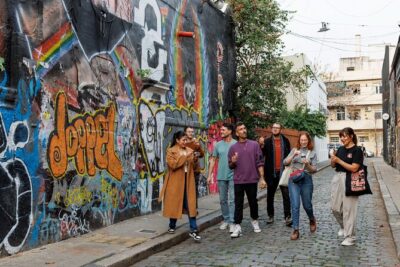
Local Foodie Adventure in Buenos Aires with Sherpa Food Tours
Read our review →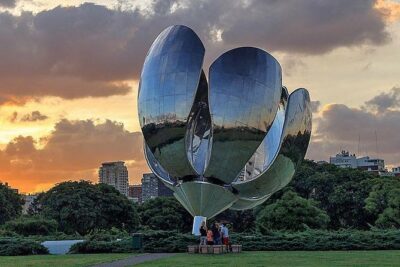
Buenos Aires City Private Tour with Local Guide
Read our review →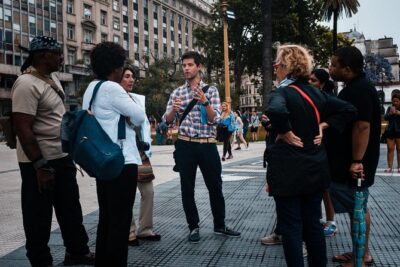

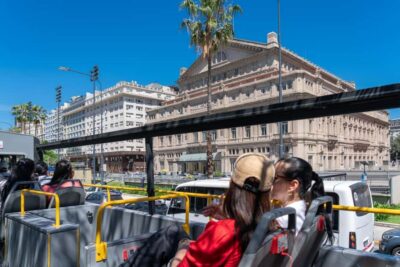
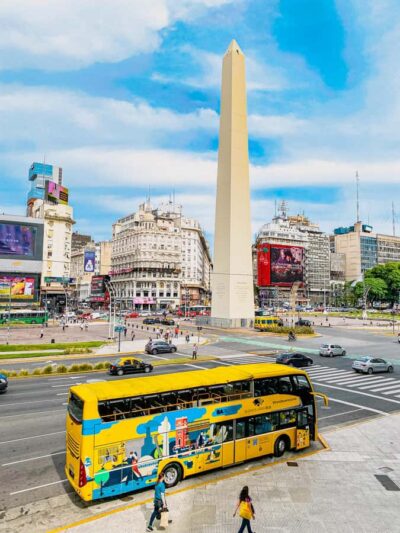
Buenos Aires Hop-On Hop-Off Bus and Exclusive Benefits
Read our review →

Argentine Experience Interactive Dining and Cooking
Read our review →Browse the lists this tour appears in