
Reviewed · BUENOS AIRES TOURS
La Boca Walking Tour
La Boca rewards context. This two-hour walk connects Buenos Aires’ famous painted streets with the immigrant homes, old port, tango roots, and football passion that shaped the neighborhood. I like the route because it explains what you are seeing, rather than leaving you with a pile of colorful photographs. I also like the local guides, including Victoria, Santiago, Vito, Maria, and Mariano, who bring personal stories and practical Buenos Aires advice to the walk.
The main drawback is group size. Although the tour is listed for a maximum of 30 people, some departures have reportedly felt much larger, with 40 or even 50 people. That can make it hard to hear, especially in 30C heat, even when the guide uses an amplifier.
In This Review
- Five things to know before you go
- Why La Boca makes more sense with a guide
- Caminito: colorful homes with a difficult past
- The Bomberos square and La Boca’s public art
- Nicolas Avellaneda bridge and the old port
- La Bombonera: football as neighborhood identity
- Conventillo Historico 1881 and the roots of tango
- What the guides add to the experience
- Group size, heat, and the real comfort level
- Is $13 a good value?
- Who should book this La Boca walk?
- Booking and cancellation details
- Should you book it?
- FAQ
- Where does the La Boca Walking Tour start?
- What time does the tour begin?
- Where does the tour finish?
- How long does the tour last?
- How much does the tour cost?
- Does the tour enter La Bombonera?
- Are admission tickets included?
- How much walking is involved?
- How many people can join the tour?
- Can I cancel for a full refund?
Five things to know before you go
- Caminito is more than colorful buildings: You learn how late-19th-century immigrant housing shaped La Boca’s look and social life.
- The murals have a story: Local art around Plazoleta Bomberos Voluntarios celebrates the neighborhood rather than serving as mere decoration.
- The old port explains the culture: The Nicolas Avellaneda transfer bridge helps connect La Boca’s working past with tango, immigration, and football.
- La Bombonera is viewed from outside: You learn about Boca Juniors and Argentine football passion, but this is not a stadium tour.
- The $13 price is strong value: For a short introduction to La Boca, the cost is hard to criticize, provided your group is manageable.
Why La Boca makes more sense with a guide
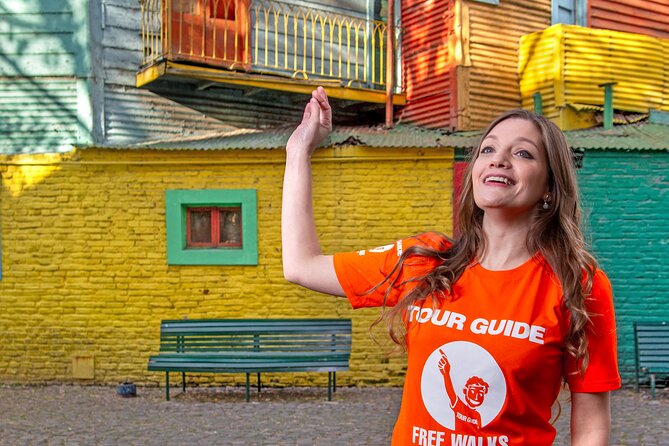
La Boca is one of the easiest parts of Buenos Aires to recognize and one of the harder places to understand on your own. You see painted walls, corrugated metal, old worker housing, football symbols, and tango references. Without explanation, those sights can blur into one photogenic street.
This walk gives the neighborhood a clear sequence. You begin with the immigrant homes near Caminito, move through public art, reach the old port area, finish with Boca Juniors, and then connect the buildings to tango. I appreciate that order because it turns a short visit into a story about migration, work, poverty, creativity, sport, and neighborhood pride.
The guides also add a useful local voice. Santiago is praised for mixing family stories with wider history and for suggesting places to eat and museums to visit. Victoria is described as clear, organized, and good at balancing facts with humor. Vito brings energy to the walk, while Maria is praised for keeping a large group together in hot weather.
You should still set realistic expectations. This is a compact tour covering roughly 2 kilometers at a leisurely pace. It introduces a small part of La Boca rather than surveying the entire district. That is a strength if you have only a morning, but a limitation if you want a long neighborhood walk.
More Walking Tours in Buenos Aires
- Buenos Aires Hop-On Hop-Off Bus, Free Walking Tours & Discounts
★ 4.5 · 2,218 reviews - Buenos Aires: La Boca Guided Walking Tour in English
★ 4.8 · 1,587 reviews - Recoleta Cemetery Walking Tour
★ 5.0 · 668 reviews
Caminito: colorful homes with a difficult past
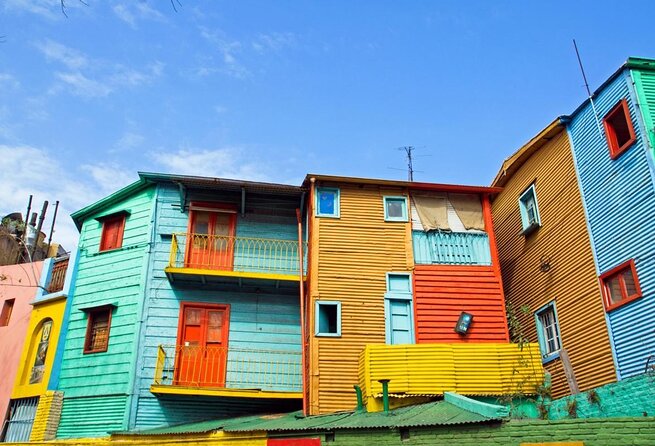
The tour starts at Caminito and Magallanes at 11:00 a.m. This is the famous core of La Boca, where colorful façades and narrow streets draw cameras from every direction.
The color is not the whole story. The first stop explains the collective housing used by immigrants who arrived in Buenos Aires in the late 19th century. These homes help you picture how working families lived close together in a port neighborhood, and why shared spaces became such an important part of local life.
I find this opening useful because it takes Caminito beyond its postcard image. You learn to look at the buildings as evidence of migration and crowded urban life, not just as a backdrop for photographs. The neighborhood’s painted surfaces become tied to the people who lived and worked here.
You have about 20 minutes at this first stop. That is enough for an introduction and some pictures, but not enough for a long, independent look at every corner. If you enjoy photography, plan to return later, since the guided explanation and picture-taking compete for the same limited time.
Caminito can also be crowded. You may find yourself sharing the narrow streets with other tour groups and people stopping for photos. The guide’s microphone matters here, and several guides have been praised for using amplification so people at the back can follow along.
The Bomberos square and La Boca’s public art
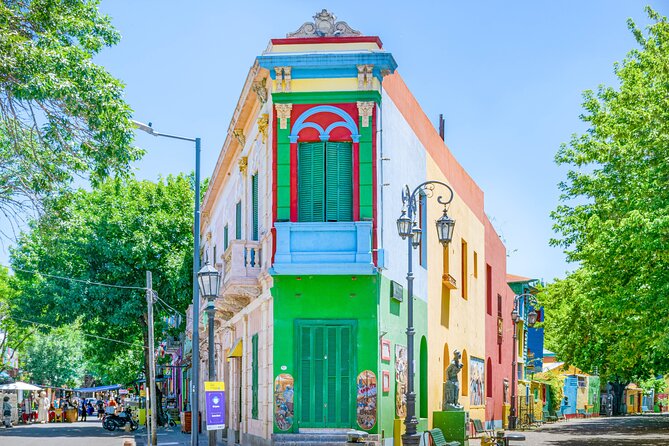
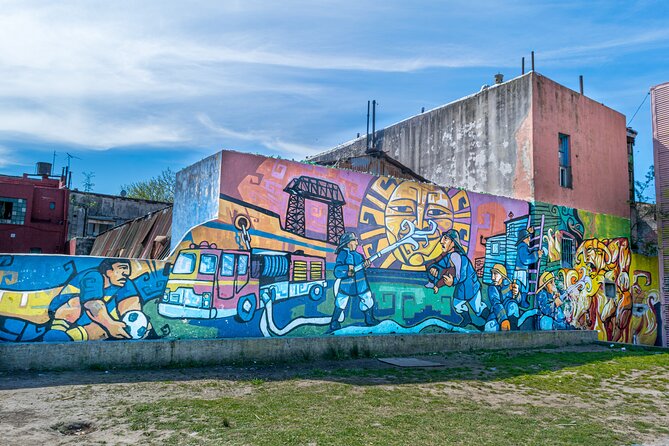
Next comes Plazoleta Bomberos Voluntarios de La Boca, a small square known for murals by local artists. The stop lasts around 15 minutes and focuses on the way art records local culture and history.
This is a good place to slow down. Instead of treating every painted wall as a random burst of color, you get help reading the images and understanding what the artists are celebrating. The murals give the neighborhood a public voice, especially in a place shaped by hardship and strong local identity.
The guide’s position makes a difference. If you are near the front, you can study the artwork while listening. In a large group, though, you may need to move closer or rely on the microphone. One practical tip is to arrive ready to walk near the guide rather than drifting to the back for photographs.
The art is also part of La Boca’s change over time. The area has become a major stop for visitors, yet the walk does not present it as a simple tourist stage. It explains how local art helped express community life and how the neighborhood’s image grew beyond its original port function.
Nicolas Avellaneda bridge and the old port
The walk then reaches the Nicolas Avellaneda transfer bridge, where you learn about the old port of La Boca. This 20-minute stop supplies the wider setting for everything you have seen so far.
The port explains why immigrants arrived here and why the district developed its working identity. It also helps connect La Boca with Buenos Aires as a whole. This was not an isolated art quarter created for sightseeing. It grew from labor, shipping, migration, and the daily pressure of a port economy.
I especially like this part of the route because it moves the tour away from the most photographed streets. The bridge and old port area give you a physical sense of La Boca’s working past, while the guide explains how that past influenced the culture of Buenos Aires.
The stop can feel less visually immediate than Caminito. There may be fewer obvious photo opportunities, but the historical explanation is more important here. If you prefer a tour made entirely of dramatic viewpoints, this section may feel slow. If you want to understand why La Boca looks and feels different from other parts of the city, it earns its place.
The walk is flat, though some streets have cobblestones. At a leisurely pace, the total route covers about 2 kilometers, so you do not need to prepare for a demanding hike. The bigger concern is heat. A late-morning start can mean strong sun, and a large group may not fit comfortably in every shaded spot.
A completely different kind of day:
- Local Foodie Adventure in Buenos Aires with Sherpa Food Tours
★ 5.0 · 6,875 reviews - Buenos Aires City Private Tour with Local Guide
★ 5.0 · 3,475 reviews - Buenos Aires Small-Group City Tour
★ 5.0 · 2,226 reviews - Buenos Aires: Piazzolla Tango Show with Optional Dinner
★ 4.4 · 2,122 reviews
La Bombonera: football as neighborhood identity
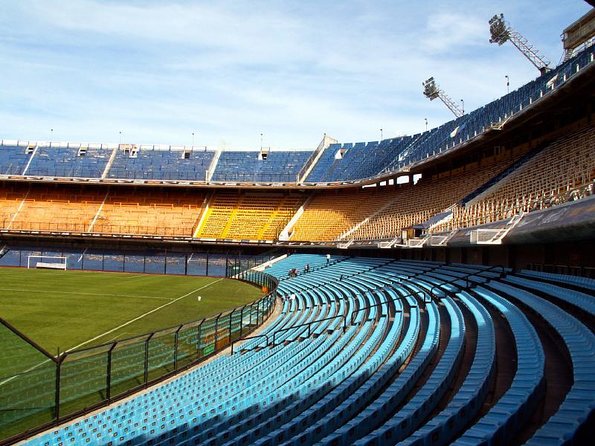
From the old port area, the tour continues to Estadio Alberto J. Armando, better known as La Bombonera. You see Boca Juniors’ stadium from the outside and hear about one of the world’s most famous football clubs.
This stop lasts around 20 minutes. It is not an admission visit, match experience, or stadium interior tour. The value comes from understanding what Boca Juniors means to La Boca and why football is woven so tightly into the neighborhood’s identity.
The guide covers Argentine football passion, the club’s past, and figures such as Diego Maradona. That context makes the blue and yellow colors around the neighborhood easier to understand. Even if you do not follow football, you can see how the club functions as a source of pride and belonging.
Football fans will probably give this section extra weight. Still, the strongest guides keep it connected to the neighborhood rather than turning the entire walk into a club history lecture. One useful caution is that guide expertise can vary. One departure was praised for its football discussion, while another guide was considered less prepared on Boca Juniors details.
You finish at the stadium on Brandsen. This endpoint is practical because it leaves you with a clear final sight and puts the football story after the port and immigrant-house sections. Several guides also offer recommendations for food, museums, galleries, and getting back toward central Buenos Aires.
Conventillo Historico 1881 and the roots of tango
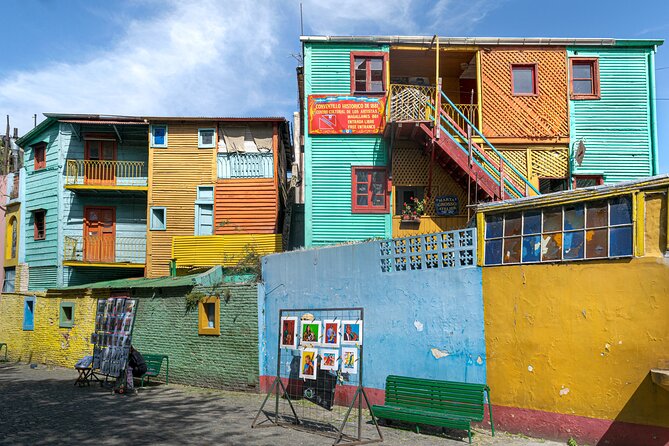
The final listed stop is Conventillo Historico 1881, where you see original immigrant housing and learn about tango’s early history. The stop takes about 20 minutes.
The word conventillo refers to the shared immigrant housing associated with working-class Buenos Aires. Seeing an original example gives the earlier discussion at Caminito a second layer. You are no longer looking only at colorful façades. You are considering how crowded housing, migration, music, and social mixing helped shape the city’s culture.
The tango connection is one of the tour’s best features. La Boca is often sold through color and football, but tango adds another strand to the story. The guide explains how the neighborhood’s people and living conditions formed part of the setting in which tango developed.
This stop also helps explain why local culture can feel both proud and complicated. The area’s creative traditions grew alongside poverty and difficult living conditions. Good guides do not hide that tension. They show you how art and music offered expression without pretending that hardship was picturesque.
After this stop, the walk finishes at La Bombonera. The route therefore circles back to the stadium endpoint, even though the tango and conventillo discussion gives the tour a broader cultural finish.
What the guides add to the experience
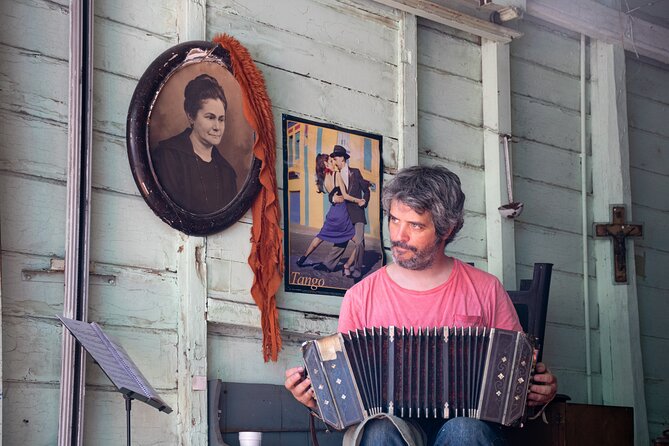
The guides are the tour’s most important variable. The strongest feedback centers on clear explanations, local knowledge, humor, and stories that make the area easier to picture.
Santiago is praised for being friendly, engaging, and helpful with practical suggestions. His tours have included advice about restaurants, museums, and routes back toward the city center. He is also credited with combining family stories and historical facts, which can make the neighborhood feel less like a museum display.
Victoria receives especially strong praise for her organization and English. She is described as offering the right balance of history and fun, while managing a large group with an amplifier. Vito is praised for his energy and for making the facts about the streets and murals enjoyable.
Maria is noted for her humor, restaurant suggestions, and ability to keep a very large group together in hot weather. Mariano is also praised as a strong storyteller, including by someone who valued his personal connection to the neighborhood.
You cannot choose a specific guide from the information provided, so you should treat these names as examples of the quality available rather than a promise. The experience depends partly on who leads your departure and how large the group becomes.
Group size, heat, and the real comfort level
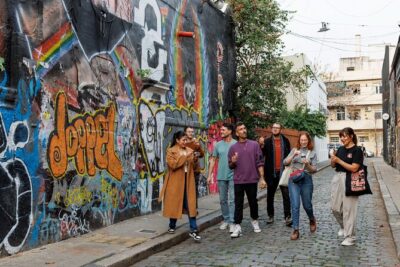
The published maximum is 30 people, but actual departures have sometimes been described as much larger. Reports range from roughly 40 people to more than 50. That difference matters on a walking tour, especially in narrow streets and warm weather.
A large group does not automatically ruin the walk. Some guides manage crowds well, use powerful microphones, and keep people together. Others may struggle when the group stretches across a street or when visitors stop to take pictures.
Your best move is simple: stay close enough to hear, arrive prepared for sun, and keep an eye on the guide when the group moves. The route is flat, but cobblestones and heat can make standing around less comfortable than the distance suggests.
If you need a quiet, intimate experience, this may not be the right format. If you can tolerate a crowd in exchange for a low price and a strong introduction, the tour remains appealing. The difference comes down to your priorities.
Is $13 a good value?
At $13 per person, this is a very inexpensive way to place La Boca in context. You receive roughly two hours of guiding, five major stops, and a route that links immigrant housing, murals, the old port, tango, and Boca Juniors.
The value is strongest for a first visit. Walking around Caminito alone gives you color and atmosphere, but the tour adds the reasons behind those sights. It also helps you decide what deserves a longer return visit, such as a museum, gallery, restaurant, or the area around the stadium.
The price does not include entry to La Bombonera, since the stadium is viewed from outside. All listed stops have free admission, so you are paying for the guide and the structure of the walk rather than entrance tickets.
For a solo visitor, the price is particularly easy to justify. The booking cost does not change depending on whether you arrive alone or with companions, and the organized route gives you a quick introduction without requiring extensive planning.
Who should book this La Boca walk?
I would recommend it to first-time visitors who want to understand La Boca instead of simply taking photographs. It also suits football fans, travelers interested in migration and urban history, and anyone with only a morning available in Buenos Aires.
The walk works well for people who enjoy a steady pace and short stops. Most people can participate, service animals are allowed, and the route is near public transportation. You should still account for heat, cobblestones, and the possibility of a crowded departure.
I would be more cautious if you have already spent considerable time in La Boca or want access inside La Bombonera. You may get more from returning independently to the places that interested you most.
The tour is also less suitable for anyone who dislikes amplified group walks. The microphone helps, but it cannot fully solve the problem of a group that stretches too far or crowds into a narrow street.
Booking and cancellation details
The tour begins at 11:00 a.m. at Caminito and Magallanes and ends at Estadio Alberto J. Armando, Brandsen 805. Confirmation is provided when you book, and the experience is generally accessible to most participants.
You can cancel for a full refund up to 24 hours before the start time. Cancellations or changes made less than 24 hours before the start are not refunded or accepted, and the cut-off follows local Buenos Aires time.
Because the tour averages booking about 16 days ahead, I would reserve before your trip if your schedule is fixed. The low price makes it a useful addition to a Buenos Aires itinerary, but the group-size issue means you should keep expectations practical.
Should you book it?
Yes, if you want a low-cost, well-organized introduction to La Boca. The route gives you much more than painted streets. It explains the immigrant homes, local murals, old port, tango, and Boca Juniors in one compact walk.
Book it if you value local storytelling and can handle the possibility of a large group. Skip it if you need a small private experience or expect a stadium visit from the inside. For most first-time visitors, the $13 price makes this a sensible way to get your bearings before exploring La Boca at your own pace.
FAQ
Where does the La Boca Walking Tour start?
The tour starts at Caminito and Magallanes in Buenos Aires.
What time does the tour begin?
The scheduled start time is 11:00 a.m.
Where does the tour finish?
The tour ends at Estadio Alberto J. Armando, also known as La Bombonera, at Brandsen 805.
How long does the tour last?
The walking tour lasts approximately two hours.
How much does the tour cost?
The listed price is $13 per person.
Does the tour enter La Bombonera?
No. The stadium is viewed from outside, with information about Boca Juniors and Argentine football.
Are admission tickets included?
The listed stops have free admission. The tour does not include an interior stadium admission.
How much walking is involved?
The route covers about 2 kilometers at a leisurely pace. The walk is flat, though some streets have cobblestones.
How many people can join the tour?
The stated maximum is 30 people, although some departures have been reported as larger than that.
Can I cancel for a full refund?
Yes. You must cancel at least 24 hours before the experience begins to receive a full refund.
Just added in Buenos Aires
- Discover Buenos Aires’ independent art scene — Ticket included★ 5.0 · 30 reviews
- Photo Session in Buenos Aires★ 5.0 · 26 reviews
- Your Private Photographer in Buenos Aires★ 5.0 · 4 reviews
- Yerba Mate Workshop – Learn to Drink Mate like a Local!★ 5.0 · 11 reviews
- Your Personal Photographer in Buenos Aires★ 5.0 · 24 reviews
- BA: Wine Tasting and Blending Experience in Palermo★ 5.0 · 1 review
- Winery and Tasting Experience in Buenos Aires★ 5.0 · 1 review
- Taste of Tradition: Yerba Mate & Alfajores Experience★ 4.0 · 5 reviews
Buenos Aires Tours, compared.
Local Foodie Adventure in Buenos Aires with Sherpa Food Tours
Read our review →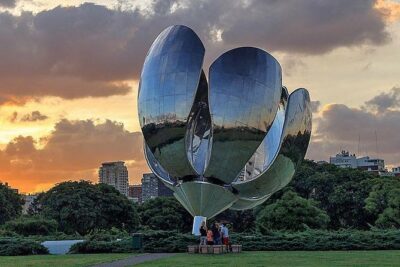
Buenos Aires City Private Tour with Local Guide
Read our review →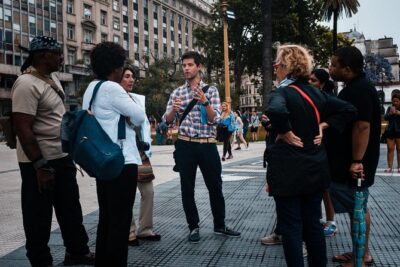

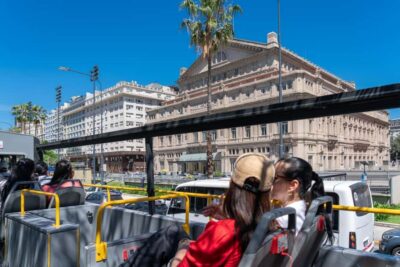
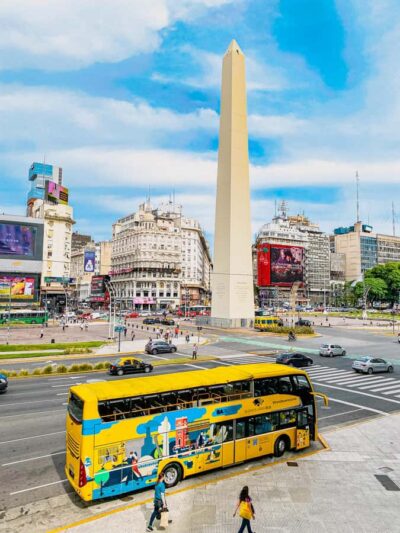
Buenos Aires Hop-On Hop-Off Bus and Exclusive Benefits
Read our review →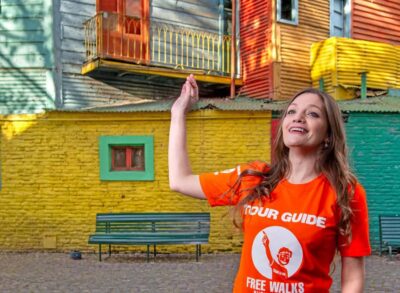

Argentine Experience Interactive Dining and Cooking
Read our review →Browse the lists this tour appears in