
Reviewed · ARGENTINE WINE TOURS
BA: Wine Tasting and Blending Experience in Palermo
Wine gets more interesting when you get to make the final call. This two-hour Palermo experience turns Argentine wine tasting into a hands-on lesson, with an expert sommelier guiding you through Malbec, Cabernet Sauvignon, and Cabernet Franc before you create your own blend. I like the small-group format and the chance to take home a bottle you helped produce. The main consideration is that the session is strictly for adults and may feel less appealing if you want a formal winery tour rather than an interactive class.
I also like the clear focus on Argentine grapes and winemaking methods. You are not simply handed a glass and told to enjoy it. You learn how each variety contributes flavor and structure, then test those ideas yourself with blending tools and supplies. The competition at the end adds some playful pressure, although people who prefer a quiet tasting may find the game element a little much.
- Three classic Argentine varieties: Taste Malbec, Cabernet Sauvignon, and Cabernet Franc side by side.
- Your own wine blend: Mix the wines yourself and take the finished creation home.
- An expert-led lesson: Learn about grape traits, Argentine winemaking, and blending technique.
- A friendly competition: Compare your formula with the rest of the group and compete for the best blend of the day.
- Empanadas included: Small snacks help balance the alcohol during the session.
- Convenient evening timing: Meet at 6:00 pm at Gorriti 4886 in Palermo, with public transportation nearby.
In This Review
- A 6:00 pm Start in Palermo
- Three Grapes, Three Different Jobs
- The Sommelier Turns Tasting Into a Lesson
- Making Your Own Argentine Blend
- The Best Blend of the Day
- Empanadas and Alcohol: A Sensible Pairing
- Is $51 a Fair Price?
- Who Will Enjoy This Most
- Practical Details Before You Reserve
- Should You Book This Palermo Wine Class?
- FAQ
- Where does the wine blending experience begin?
- What time does the experience start?
- How long does the experience last?
- Which wines will I taste?
- Is the experience suitable for children?
- What happens if I need to cancel?
A 6:00 pm Start in Palermo
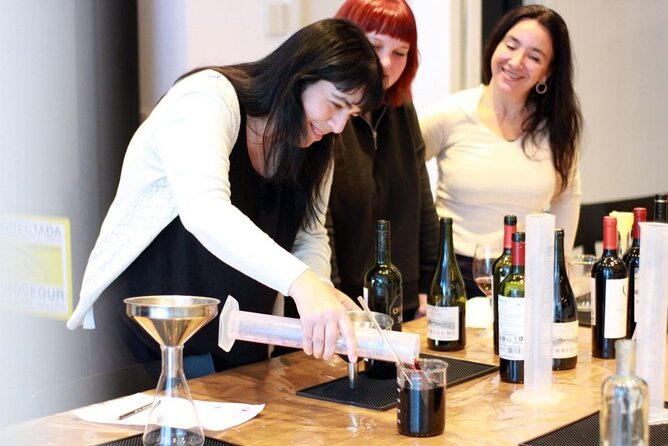
The experience begins at Gorriti 4886, in Buenos Aires’ Palermo neighborhood. The start time is 6:00 pm, a useful slot if you want to spend the afternoon sightseeing and finish the day with something social and distinctly Argentine.
You return to the same meeting point at the end. That makes the plan easy to manage, since there is no separate drop-off point or transfer to arrange. Public transportation is nearby, though the supplied information does not specify the closest station or route, so you should check your own route before heading over.
The class lasts about two hours. That is long enough to cover the basics without turning the evening into a full lecture. You will want to arrive ready to participate, since the main point is not just tasting wine but making decisions about how the wines work together.
The group can include up to 15 people. That is not an intimate private tasting, but it is still small enough for a guided activity where you need access to the wine, tools, and instructor. A larger group could make the blending stage feel crowded, so the 15-person limit matters.
Three Grapes, Three Different Jobs
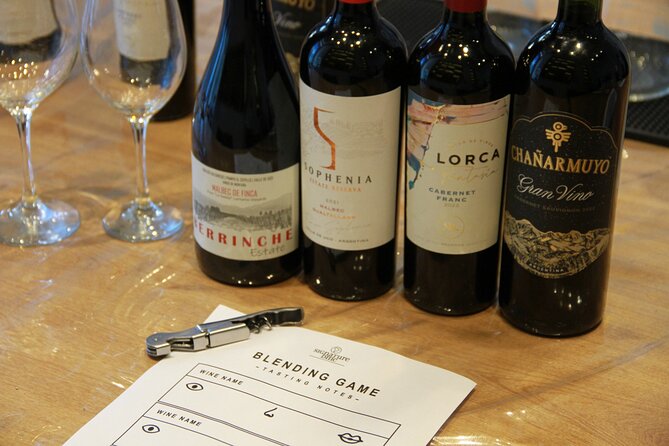
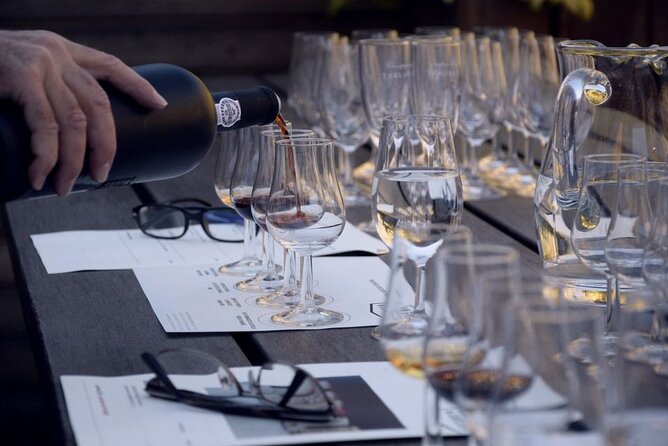
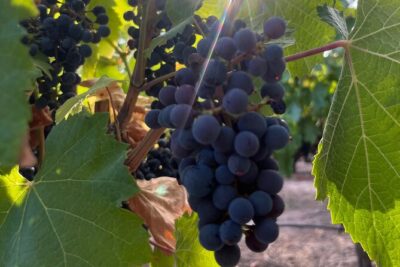
The tasting begins with three wines: Malbec, Cabernet Sauvignon, and Cabernet Franc. This is a sensible lineup for a first blending lesson because each grape can bring a different role to the final wine.
Malbec is the variety most closely linked with Argentina in the minds of many wine drinkers. Here, you learn to consider its particular flavor and how it may shape the center of a blend. It can be tempting to assume that Malbec should dominate simply because it is famous, but the class gives you a chance to judge it alongside the other two wines.
Cabernet Sauvignon brings another set of traits to the table. The lesson focuses on the characteristics of the grape rather than asking you to memorize technical terms. You can pay attention to how it changes the taste and feel of the blend, then decide if it improves the result or pulls it away from what you want.
Cabernet Franc completes the trio. Tasting all three before mixing is important because you need a clear sense of each wine on its own. The instructor explains the distinctive features of each strain, giving you a better base for the practical part of the evening.
The value here is comparison. A single glass can be pleasant, but three wines tasted with blending in mind give you a reason to pay closer attention. You start asking useful questions: Which wine should form the base? Which one adds balance? How much of a stronger flavor is enough?
More Food and Wine Tastings in Buenos Aires
- Local Foodie Adventure in Buenos Aires with Sherpa Food Tours
★ 5.0 · 6,875 reviews - Argentine Experience Interactive Dining and Cooking
★ 5.0 · 1,382 reviews - Cooking Class Designed by Michelin Chef @ Argentine Experience
★ 5.0 · 1,123 reviews
The Sommelier Turns Tasting Into a Lesson
The session is led by a specialized instructor, with Tomas named as the sommelier connected to the experience. The available feedback describes him as very well versed in wine and praises the educational side of his guidance. That matters because blending can easily become a guessing game without a clear explanation of what you are tasting.
The instruction covers grape characteristics and winemaking methods in Argentina. You are also shown how different strains create different flavors. This gives the activity some context, but it stays focused on what you can use during the class.
I like that the lesson is built around direct testing. You learn an idea, taste the wine, and then see how the idea works when you mix it. That is more useful than a long explanation delivered before anyone has a glass in hand.
The teaching style may depend on who leads your particular session. The information provided points to an educational and fun experience, but it does not give a detailed lesson plan or specify the exact amount of time spent on each wine. If you want a technical class with extensive notes on vineyards, harvests, or cellar methods, you may find this format fairly introductory.
Making Your Own Argentine Blend
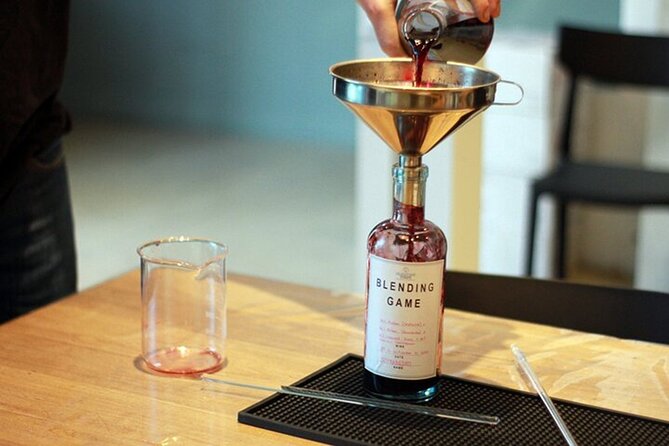
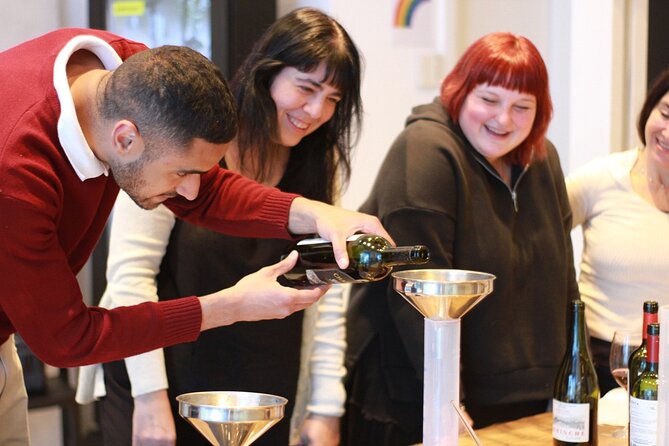
The main event is the blending exercise. After tasting the three wines, you use the provided blending tools and supplies to create your own formula. The exact proportions are up to you, which means there is no single correct answer at the start.
This is where the activity earns its price. You are not paying only for three pours and a snack. You are using the wines as ingredients in a small experiment, then taking home the result. That physical connection makes the evening more memorable than a standard tasting where the bottle stays behind the bar.
The class also teaches a practical lesson about balance. A blend is not simply a matter of combining the wines you like most. A wine can taste good alone and still overwhelm another wine when mixed. You get a chance to see how proportions affect the final result, even if you have no previous wine knowledge.
The supplied information does not state the size or design of the bottle you take home, so you should not assume you will leave with a full commercial-size bottle. It does confirm that you create and take home your own blend. Bring a little patience to this stage, since experimentation is part of the fun.
You may make something you love, or you may produce a formula that proves why winemakers test their blends carefully. Either outcome has value. The point is to understand the process rather than leave with a perfect professional wine.
The Best Blend of the Day
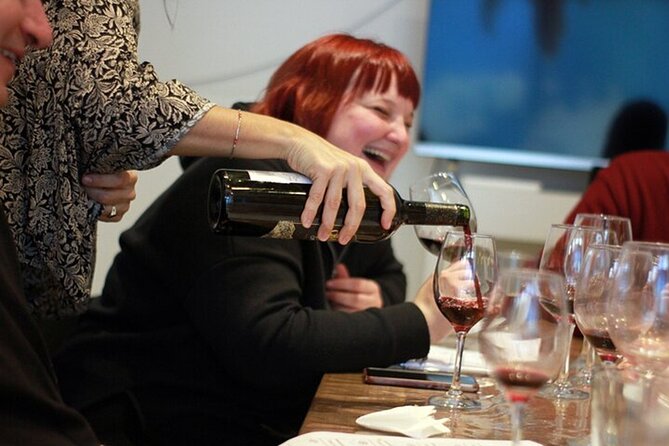
Once everyone has mixed a wine, the experience adds a competition. Participants try to make the best blend of the day, turning the lesson into a group game.
This is a light way to keep the energy up. You compare your choices with other people’s formulas and see how different decisions affect the result. Someone may favor a Malbec-led blend, while another person may use Cabernet Sauvignon or Cabernet Franc more boldly.
The contest also gives you a reason to think beyond personal taste. The best blend is not necessarily the strongest or sweetest one. You have to consider how the parts work together. That makes the game a simple but useful review of the lesson.
Still, the competition is worth considering before you book. If you want an entirely private, slow-paced tasting, the game may not suit your mood. If you enjoy a social class with a little friendly rivalry, it should add welcome character.
More Wine Tours in Buenos Aires
- Authentic Rooftop Asado Experience with Argentine Wine Pairing
★ 5.0 · 274 reviews - Bodega Gamboa Small-Group Wine Tasting Tour with Lunch
★ 5.0 · 212 reviews - Buenos Aires Small-Group Wine Tasting
★ 5.0 · 193 reviews - Buenos Aires: Wine Tasting and Lunch at Bodega Gamboa
★ 4.8 · 177 reviews
Empanadas and Alcohol: A Sensible Pairing
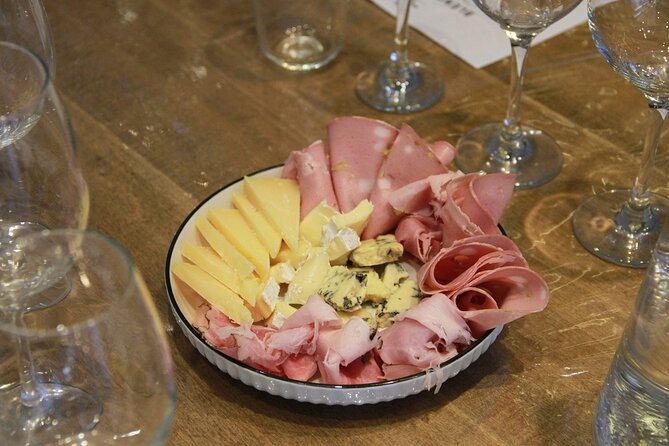
Empanadas are included as snacks. They are a practical addition, since you will be tasting several alcoholic drinks over roughly two hours.
The food is not presented as a full dinner, so plan accordingly if you expect to eat a substantial meal. The supplied details name empanadas but do not specify the number, fillings, or whether dietary alternatives are available. If you have food restrictions, ask the provider before booking rather than assuming substitutions.
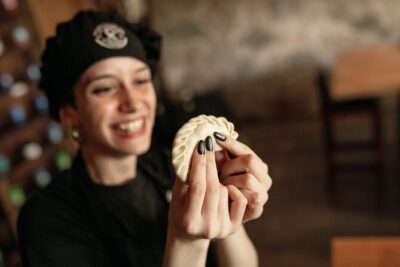
The snack also fits the setting. This is an Argentine wine experience, and empanadas make the class feel tied to local food culture rather than being only a technical tasting. You get a small taste of the country’s familiar food and wine pairing while concentrating on the wines themselves.
Because the session includes alcohol, eat beforehand if you know you need more than a light snack. The activity is for adults aged 18 and over, and the age rule is firm.
Is $51 a Fair Price?
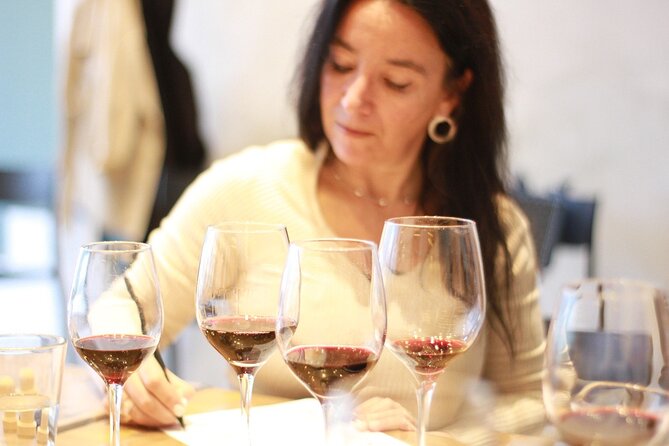
At $51 per person, this is more expensive than a basic bar tasting, but the comparison is not quite fair. The fee includes the wines, an instructor, empanadas, the blending supplies, the tools used in the activity, and your own blend to take home.
The biggest value comes from participation. You are paying for instruction and an activity, not just for drinks. If you already understand wine blending and only want to sample Argentine bottles, you may find the price harder to justify. A casual tasting would probably be a better fit for that purpose.
For a first introduction to Malbec, Cabernet Sauvignon, and Cabernet Franc, the cost is easier to defend. You get a structured lesson, a social competition, and a souvenir that reflects your own choices. The small group also gives the class more value than a large presentation where you simply listen.
I would treat this as an evening activity rather than a budget drink stop. It can replace part of a night out in Palermo, especially if you value something you can do together instead of another restaurant meal. The price feels strongest for curious wine drinkers, couples, and friends who enjoy making things with their hands.
Who Will Enjoy This Most
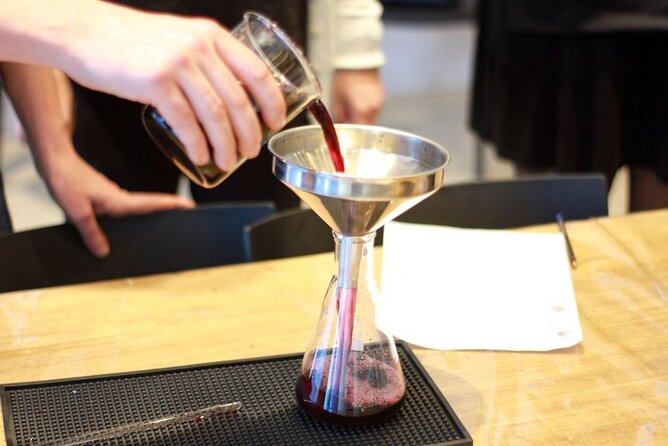
I would recommend this experience to adults who want an introduction to Argentine wine without committing to a full-day vineyard excursion. It suits you if you like clear instruction, tasting comparisons, and a group activity with a playful finish.
It is also a good choice if you are new to blending. You do not need to arrive with specialist knowledge. The class explains the grape characteristics and gives you the tools to test what you learn.
Wine fans with more experience may still enjoy it, especially if they like comparing personal formulas. The educational content may feel basic to someone who already studies winemaking, but the hands-on blending remains a useful change from a standard tasting.
I would think twice if you dislike group games, do not drink alcohol, or want to visit vineyards and cellars outside the city. The experience is held in Palermo, and the provided details do not include a vineyard visit, a production tour, or a long food menu.
Booking about six days ahead is the current average. That is not a strict requirement, but it suggests you should not leave the experience until the last evening of a short Buenos Aires visit.
Practical Details Before You Reserve
You receive confirmation at booking, and the ticket is mobile, so you can keep it on your phone. The meeting point is Gorriti 4886, C1414BJN Ciudad Autónoma de Buenos Aires, Argentina.
The activity begins at 6:00 pm and ends back at the same location after about two hours. Give yourself enough time to reach Palermo, since the experience does not include transportation between locations.
The maximum group size is 15 people. Gratuities are not included, but they are optional. The experience is for adults 18 and over.
Free cancellation is available if you cancel at least 24 hours before the local start time. Cancel within 24 hours, or make changes during that period, and you will not receive a refund. That rule is worth noting if your Buenos Aires plans are still shifting.
Should You Book This Palermo Wine Class?
Book it if you want to learn by doing. The strongest parts are the focused tasting of three Argentine grape varieties, the expert-led explanation, and the chance to create and take home your own blend. The empanadas and evening timing make it easy to add to a day in Palermo.
I would not book it expecting a vineyard visit, a large meal, or a quiet private tasting. This is a social, instructional class with a competition at the end. At $51, it offers good value when you care about the activity and the take-home blend, not just the amount of wine in your glass.
For curious adults who want a fun introduction to Argentine wine, this is a smart two-hour choice in Buenos Aires. Just arrive ready to experiment, and do not worry if your first blend tastes more like a lesson than a prizewinner.
FAQ
Where does the wine blending experience begin?
It begins at Gorriti 4886, C1414BJN Ciudad Autónoma de Buenos Aires, Argentina, in Palermo.
What time does the experience start?
The start time is 6:00 pm.
How long does the experience last?
The activity lasts approximately two hours and ends back at the meeting point.
Which wines will I taste?
You will taste Malbec, Cabernet Sauvignon, and Cabernet Franc.
Is the experience suitable for children?
No. The activity is only for adults aged 18 and over.
What happens if I need to cancel?
You can receive a full refund if you cancel at least 24 hours before the experience start time. Cancellations or changes made within 24 hours are not accepted and are not refundable.
Just added in Buenos Aires
- Discover Buenos Aires’ independent art scene — Ticket included★ 5.0 · 30 reviews
- Photo Session in Buenos Aires★ 5.0 · 26 reviews
- Your Personal Photographer in Buenos Aires★ 5.0 · 24 reviews
- Your Private Photographer in Buenos Aires★ 5.0 · 4 reviews
- Yerba Mate Workshop – Learn to Drink Mate like a Local!★ 5.0 · 11 reviews
- Winery and Tasting Experience in Buenos Aires★ 5.0 · 1 review
- Taste of Tradition: Yerba Mate & Alfajores Experience★ 4.0 · 5 reviews
- Wine tasting in OASIS Palermo★ 5.0 · 2 reviews
Argentine Wine Tours, compared.
All Day, Small Group, Luxury Wine Tour with Gourmet Lunch
Read our review →

Argentine Experience: Immersive Dinner & Wine Pairing in Iguazú
Read our review →
Browse the lists this tour appears in