Reviewed · BUENOS AIRES TOURS
Taste of Tradition: Yerba Mate & Alfajores Experience
Mate and cookies tell Argentina’s story. This two-hour Buenos Aires experience lets you prepare yerba mate instead of simply watching someone pour it, then make alfajores from the ingredients provided. I like the hands-on format, and I like that the group is limited to 12 people. The main consideration is that this is a food workshop, not a broad city tour.
You’ll taste different kinds of mate and learn to judge them by smell, color, and flavor. You’ll also try the ingredients used to create different blends and prepare traditional alfajores filled with dulce de leche. The $32 price includes the tasting, cooking tools, ingredients, and a professional local guide, which makes it a fair choice for a short cultural activity.
The meeting point is Gorriti 4886 in Buenos Aires, and the activity returns there when finished. It is offered in English, accepts mobile tickets, and is near public transportation. You will need to arrange your own way there and back, and gratuity is optional.
In This Review
- Key points about this Buenos Aires food experience
- Why mate is worth learning about in Buenos Aires
- Preparing the perfect mate
- Comparing yerba mate by taste, smell, and color
- Making alfajores with dulce de leche
- What two hours and $32 really get you
- Meeting at Gorriti 4886 in Buenos Aires
- Who will enjoy this mate and alfajor workshop
- My recommendation: book it for participation, not a full meal
- FAQ
- How long does the experience last?
- Where does the experience start?
- Where does the experience end?
- Is the experience offered in English?
- What is included in the price?
- Is hotel pickup or drop-off included?
- How many people can join the activity?
- Can most people participate?
- Can I cancel for a full refund?
Key points about this Buenos Aires food experience
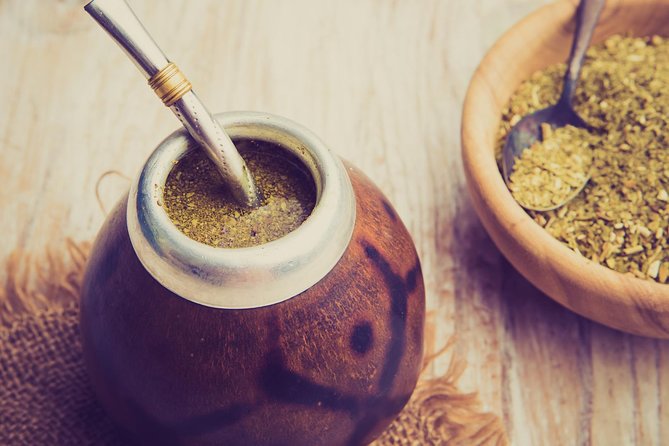
- You prepare mate yourself: Learn how to prime the gourd and build a better-tasting blend.
- You compare different mate types: Smell, color, and taste help you recognize quality and variety.
- You make Argentine alfajores: Work with the ingredients for one of the country’s best-known sweets.
- You get snacks at no added cost: The food element adds more than a drink tasting alone.
- You stay in a small group: A maximum of 12 people allows more room for questions and participation.
- You pay $32 for two hours: The price covers the guide, tasting, ingredients, tools, and the activity itself.
Why mate is worth learning about in Buenos Aires
Yerba mate is not just a hot drink. It is a major part of Argentine culture, and learning how it is prepared gives you a better sense of an everyday local custom than simply ordering coffee in a café.
The experience begins with the meaning, origin, and history of mate. That background matters because the drink can look simple at first: yerba, hot water, and a mate vessel. In practice, the preparation affects the flavor, strength, and balance.
I like that the lesson goes beyond a single sample. You’ll learn how to recognize different types of yerba mate by their taste, smell, and color. That gives you a useful way to think about what you are drinking. Instead of treating all mate as one product, you can notice how varieties differ.
The activity also shows you ingredients that can be added to mate. These additions can make the drink richer or change the flavor of a blend. Since the lesson includes several varieties and possible combinations, you get a better idea of why one preparation may suit you more than another.
You should not expect a full meal here. The food is part of the cultural lesson, with snacks provided at no extra cost. It is best to think of the experience as a tasting workshop with a sweet preparation, not lunch or dinner.
More things to do in Buenos Aires:
- Local Foodie Adventure in Buenos Aires with Sherpa Food Tours
★ 5.0 · 6,875 reviews - Buenos Aires City Private Tour with Local Guide
★ 5.0 · 3,475 reviews - Buenos Aires Small-Group City Tour
★ 5.0 · 2,226 reviews
Preparing the perfect mate
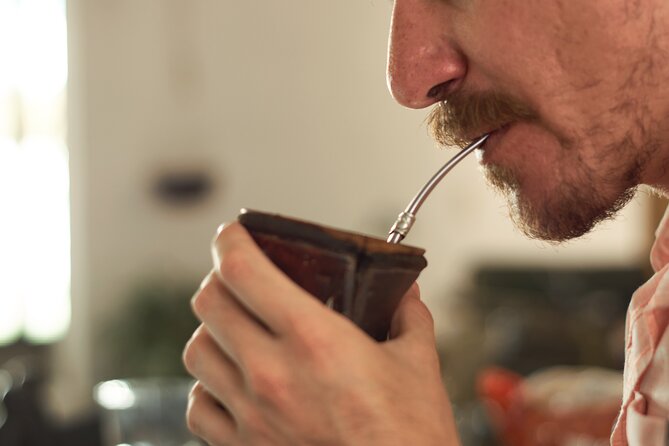
The most useful part for many people will be learning how to prime a mate. This is the stage where the yerba is prepared before hot water is added, and it can make a noticeable difference to the final drink.
You’ll be shown the process rather than receiving only a finished cup. That hands-on approach matters. A demonstration can help you understand the general idea, but taking part lets you see how the ingredients behave and how the preparation comes together.
The lesson covers how to make mate taste its best and how to create stronger or more appealing blends. I would pay close attention here, especially if you hope to drink mate again during your time in Argentina or after returning home.
The exact equipment is supplied, along with cooking tools for the alfajores portion. You do not need to bring your own mate supplies or kitchen equipment. Since the guide handles the instruction and the materials are included, the $32 cost is easier to justify than a simple beverage tasting.
A small group helps this section work well. With a maximum of 12 people, you have a better chance to see the preparation clearly and ask a question when something is confusing. It is still a group activity, so it will not offer the same personal attention as a private lesson, but it should feel more involved than a large demonstration.
One point to keep in mind: mate is an acquired taste for some people. The experience teaches you how to recognize different types and improve the preparation, but it cannot guarantee that you will enjoy every variety. That is part of the value, since the tasting lets you compare rather than judge the drink after one sample.
Comparing yerba mate by taste, smell, and color
A good tasting is not only about drinking. It is also about learning what to notice, and this workshop gives you three practical markers: smell, color, and taste.
The color can tell you something about the yerba in your cup. The aroma helps you form an impression before drinking. Taste then confirms whether the blend is mild, strong, or suited to the ingredients added. You will be guided through these differences rather than left to guess.
I appreciate this kind of instruction because it gives you a simple framework you can use later. If you buy yerba mate in Buenos Aires, the selection may seem confusing. After this activity, you should have a clearer idea of what qualities to look for, even if you do not become an expert.
The lesson also introduces the different additions used to build a more appealing blend. This is a useful part of the activity for anyone who finds plain mate too strong or bitter. You can learn how small changes affect the final drink.
The experience is conducted in English, so you can follow the explanation without needing Spanish. The available information does not identify the guide by name, but the activity includes a professional local guide. That local perspective is important because the subject is tied closely to Argentine daily life.
Making alfajores with dulce de leche
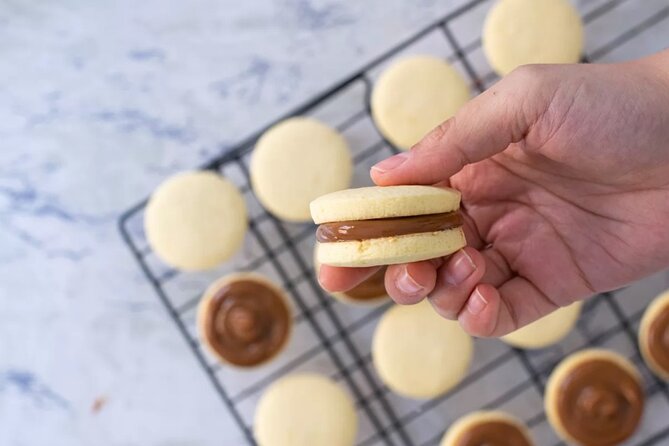
After the mate lesson, the activity turns to alfajores, one of Argentina’s best-loved sweets. An alfajor is made from cookies filled with dulce de leche, then often finished with chocolate or sugar.
This part gives the experience a welcome change of pace. Mate can be unfamiliar, while alfajores are immediately approachable. You get to work with the ingredients and prepare the sweet rather than only receiving one ready-made.
A single alfajor may look modest, but it has a clear place in Argentine food culture. The combination of soft cookie, creamy dulce de leche, and a coating makes it an easy introduction to local sweets. I like that the experience connects the drink and dessert instead of treating them as unrelated samples.
The ingredients are included, as are the cooking tools. That keeps the activity straightforward for you. You do not have to plan ahead for supplies, and you are not paying an additional food fee once the session begins.
The supplied information does not give a detailed recipe, baking time, or list of coatings. You should therefore expect guided preparation rather than a formal pastry course with a printed technical syllabus. If you are mainly interested in advanced baking, this may feel too basic. If you want a friendly introduction to a classic Argentine treat, it fits well.
The alfajores also make the workshop suitable for people who are traveling with different food interests. One person may be keen on mate while another is more excited about dulce de leche. Both parts are built into the same two-hour activity.
A completely different kind of day:
- Buenos Aires Hop-On Hop-Off Bus, Free Walking Tours & Discounts
★ 4.5 · 2,218 reviews - Buenos Aires: Piazzolla Tango Show with Optional Dinner
★ 4.4 · 2,122 reviews - Buenos Aires: City Highlights Guided Tour with Transfer
★ 4.7 · 1,946 reviews - Buenos Aires: Hop-On Hop-Off City Bus Tour
★ 4.2 · 1,855 reviews
What two hours and $32 really get you
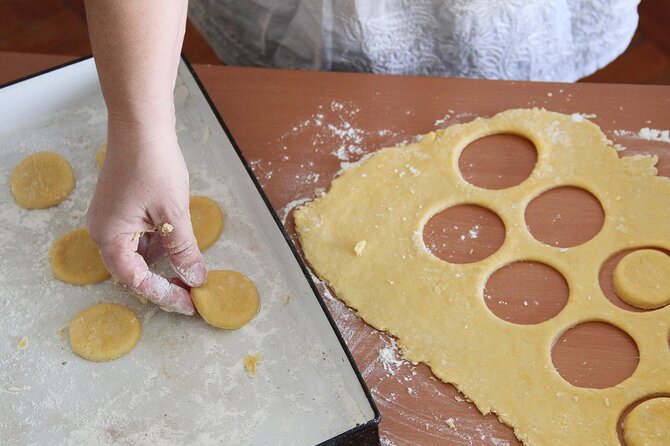
At $32 per person, this is priced as a short cultural workshop rather than a major sightseeing excursion. You are paying for about two hours of instruction, a professional local guide, mate tasting, alfajores ingredients, cooking tools, and snacks.
That is reasonable if you value participation. A simple drink or dessert stop would cost less, but it would not teach you how to prepare mate, compare types, or make alfajores. The price makes more sense for someone who wants context and practical involvement.
The small group is another part of the value. A maximum of 12 people keeps the session from becoming a large food demonstration. You should still expect to share the space and the guide’s attention, but the group size gives you a better chance to take part in each stage.
I would not choose this activity if you are looking for a full Argentine meal. The sample menu lists mate and alfajores, and the snacks are included, but there is no promise of a substantial lunch or dinner. Come with the right expectation and the value is stronger.
The activity ends back at the starting point, so you can plan the rest of your day from the same location. Hotel pickup and drop-off are not included. Since the meeting point is near public transportation, you can make your own way there without treating the activity as a private transfer.
Meeting at Gorriti 4886 in Buenos Aires
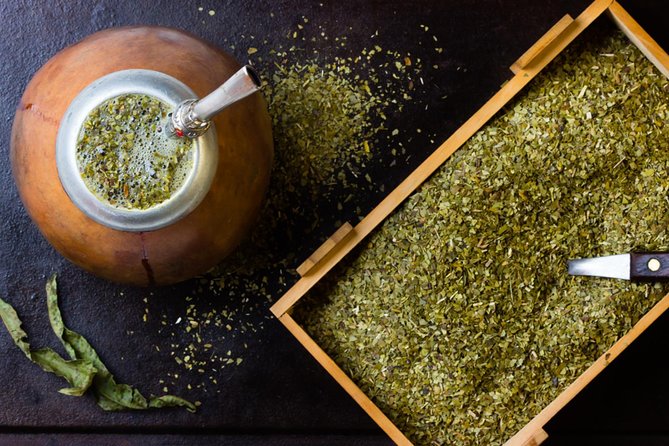
The meeting point is Gorriti 4886, C1414BJN, in the autonomous city of Buenos Aires. You will need to arrive there independently, and the experience finishes at that same meeting point.
This arrangement is simple, but it makes timing important. Allow enough time to reach the address, especially if you are unfamiliar with the neighborhood or relying on public transportation. The mobile ticket is useful for showing your booking without printing anything.
Confirmation is provided at the time of booking. You should keep that confirmation available on your phone and check the local start time carefully, since cancellation cutoffs are based on Buenos Aires time.
The activity is offered in English, which removes one common barrier for international visitors. Most people can participate, and no special ability requirement is listed. Still, you will be working with food and cooking tools, so pay attention to the guide’s instructions during preparation.
Free cancellation is available if you cancel at least 24 hours before the start time. Cancellations or changes made less than 24 hours ahead are not refunded or accepted. That policy is manageable, but you should avoid booking it too close to another uncertain plan.
Who will enjoy this mate and alfajor workshop
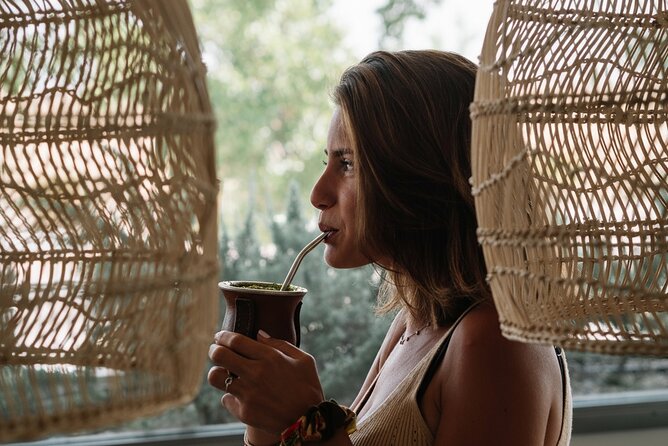
I would recommend this experience to you if you want a close look at Argentine food customs in a short amount of time. It works especially well early in a Buenos Aires visit, when you are still learning what local foods and drinks matter.
It is also a good fit for people who prefer doing rather than watching. You get to take part in both preparations, and the strongest praise for this activity centers on being involved in the full process of making mate and alfajores yourself.
Food-focused visitors will appreciate the combination of savory herbal drink and sweet cookie. Couples, friends, and small families may also find the format easy to fit into a day of sightseeing, since it lasts about two hours and returns to the starting point.
I would be more cautious if you want a large meal, a walking tour, or a highly technical cooking class. None of those is the main purpose. The experience is strongest as a compact cultural introduction with tasting and simple preparation.
The small group also makes it a better choice than a large group activity if you want to ask questions. It is not private, and the guide’s time is shared, but 12 people is a reasonable maximum for a hands-on lesson.
My recommendation: book it for participation, not a full meal
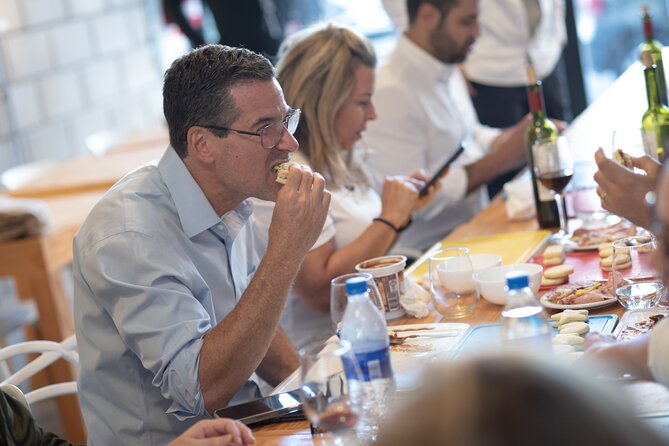
You should book Taste of Tradition: Yerba Mate & Alfajores Experience if you want to learn two recognizable Argentine traditions by taking part in them. The combination of mate preparation, tasting, ingredient comparison, and alfajor making gives you more than a quick sample.
I especially like the full-process format and the small group limit. You will leave with a better understanding of how mate is prepared and why different types taste different. The alfajores add a relaxed, familiar finish.
Skip it if your priority is a substantial meal, private instruction, or a wider tour of Buenos Aires. For $32, though, it offers fair value for a two-hour English-language food workshop with ingredients, tools, snacks, and a local guide included.
FAQ
How long does the experience last?
The activity lasts approximately two hours.
Where does the experience start?
It starts at Gorriti 4886, C1414BJN, in Buenos Aires, Argentina.
Where does the experience end?
The activity ends back at the meeting point.
Is the experience offered in English?
Yes. The experience is offered in English.
What is included in the price?
The price includes a yerba mate tasting, alfajores ingredients, cooking tools, and a professional local guide. Snacks are also provided at no extra cost.
Is hotel pickup or drop-off included?
No. Hotel pickup and drop-off are not included.
How many people can join the activity?
The maximum group size is 12 people.
Can most people participate?
Yes. The activity information states that most people can participate.
Can I cancel for a full refund?
Yes, if you cancel at least 24 hours before the experience start time. Cancellations or changes made less than 24 hours before the start time are not refunded or accepted.
Just added in Buenos Aires
- Discover Buenos Aires’ independent art scene — Ticket included★ 5.0 · 30 reviews
- Photo Session in Buenos Aires★ 5.0 · 26 reviews
- Your Private Photographer in Buenos Aires★ 5.0 · 4 reviews
- Yerba Mate Workshop – Learn to Drink Mate like a Local!★ 5.0 · 11 reviews
- Your Personal Photographer in Buenos Aires★ 5.0 · 24 reviews
- BA: Wine Tasting and Blending Experience in Palermo★ 5.0 · 1 review
- Winery and Tasting Experience in Buenos Aires★ 5.0 · 1 review
- Wine tasting in OASIS Palermo★ 5.0 · 2 reviews
Buenos Aires Tours, compared.
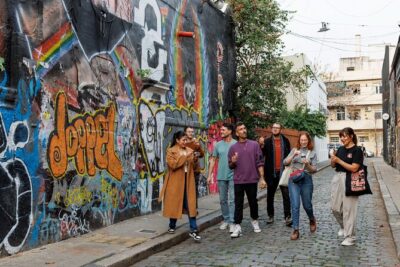
Local Foodie Adventure in Buenos Aires with Sherpa Food Tours
Read our review →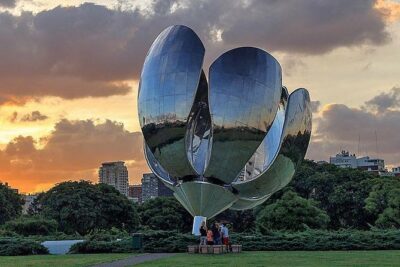
Buenos Aires City Private Tour with Local Guide
Read our review →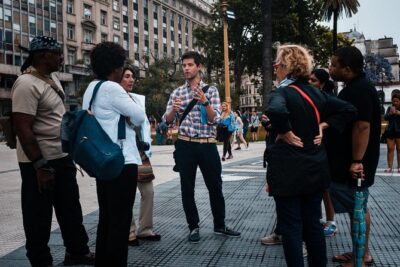
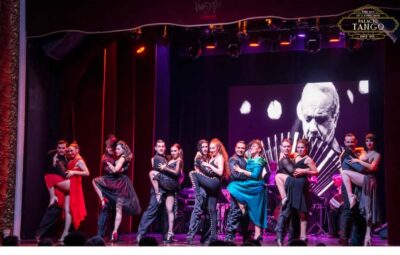
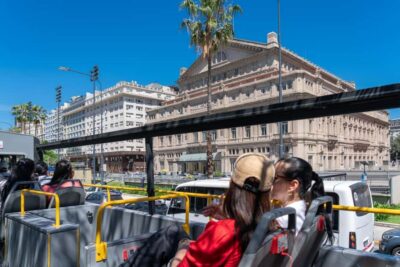
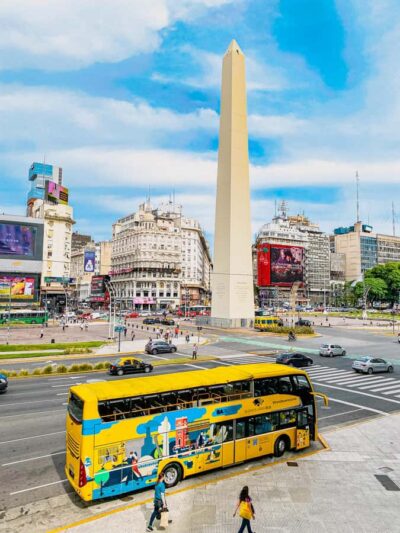
Buenos Aires Hop-On Hop-Off Bus and Exclusive Benefits
Read our review →