
Reviewed · BUENOS AIRES TOURS
Shared Afro-Argentine Heritage Walking Tour in Buenos Aires
Buenos Aires has a story it often hides. This walking tour brings Afro-Argentine people and culture into view, linking independence, slavery, tango, asado, and everyday city life across San Telmo and Parque Lezama. I like its focus on overlooked history, and I like that it ends by supporting Black-owned creative work. The main drawback is that two and a half to three hours on foot may feel long if you prefer a lighter sightseeing stop.
The tour also works because the guides make it personal. Karl is praised for his detailed storytelling and sharp memory, while Julia is known for turning the walk into an open conversation, including families and different generations. Still, this is a serious history tour, not a quick photo walk, so come ready to listen, ask questions, and think.
In This Review
- What makes this Buenos Aires walk worth your time
- Starting with María Remedios del Valle
- San Telmo, colonial homes, and a drink break
- Galería del Viejo Hotel and the cultural clues in plain sight
- San Pedro González Telmo and the city’s older institutions
- Plaza Dorrego and San Telmo’s public face
- Parque Lezama and the Río de la Plata slave trade
- Ending at El Tambo Afro
- The guide makes or breaks this experience
- What the $70 price includes
- Who should take this tour
- Practical details before you reserve
- Should you book the Afro-Argentine Heritage Walk?
- FAQ
- How long does the Afro-Argentine Heritage Walking Tour last?
- What time does the tour start?
- Where does the tour begin?
- Where does the tour finish?
- What is included in the price?
- Can I cancel for a full refund?
What makes this Buenos Aires walk worth your time
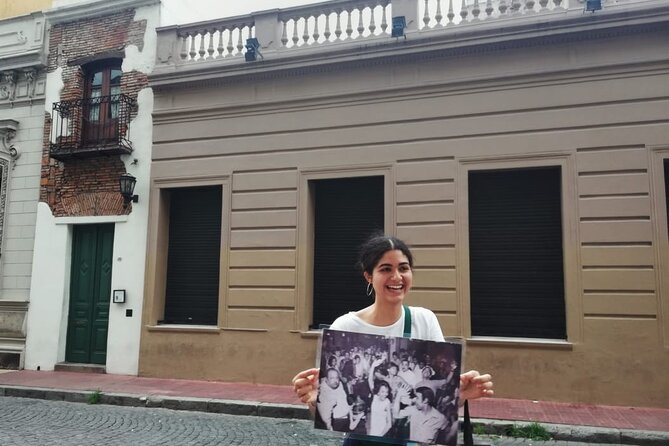
- María Remedios del Valle begins the story: Meet an Afro-Argentine woman who fought in the wars of independence and became known as Mother of the Nation.
- San Telmo connects home life with African history: A drink break gives the group time to discuss Africa before European colonization and the lives of enslaved people working in colonial households.
- Tango and asado get a fuller backstory: The walk explains African roots in popular Argentine culture, including tango, grilling traditions, and Lunfardo slang.
- Parque Lezama puts the slave trade in context: The guide explains how African people were brought to the Río de la Plata region and how their presence shaped Argentina.
- The tour ends at El Tambo Afro: You finish at the first shop for Black artists and entrepreneurs in Argentina, with a chance to use the restroom and support local talent.
- The small group matters: With a maximum of 15 people, you have a better chance to ask questions than on a large city tour.
Starting with María Remedios del Valle
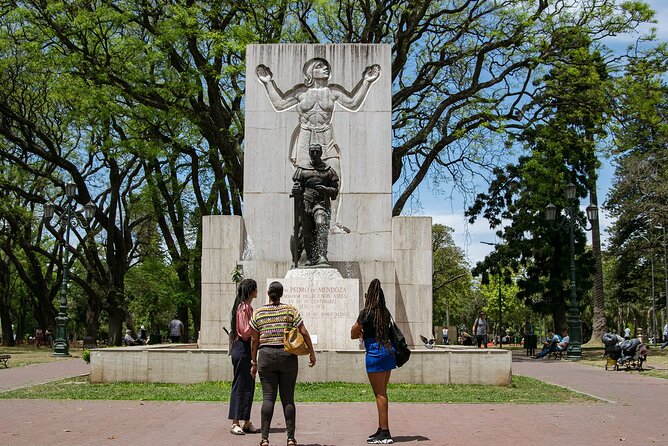
The walk begins at the María Remedios del Valle Monument on Estados Unidos, at 2:00 p.m. That is a smart starting point because the tour opens with a person rather than an abstract lecture.
María Remedios del Valle was an Afro-Argentine woman who fought in the wars of independence. Her story challenges the familiar version of Argentine nation-building, which often gives too little space to Black people, Indigenous people, and women. Learning about her at the start gives the rest of the afternoon a clear purpose: you are looking for the people and contributions that official stories have often pushed aside.
You spend about 20 minutes here. The admission cost is free, and the guide uses the monument to introduce both the subject and the route. Karl has received especially strong praise for explaining this part with confidence and detail, without relying on notes. That kind of prepared storytelling matters when the subject has been left out of many standard city tours.
More History Tours in Buenos Aires
- Historical Sherpa Food Tour of San Telmo with Street Food, Drinks
★ 5.0 · 920 reviews - Nazis in Buenos Aires: a historical walking tour
★ 4.9 · 193 reviews - San Telmo: Historical Guided Tour with Street Food & Drinks
★ 5.0 · 87 reviews
San Telmo, colonial homes, and a drink break
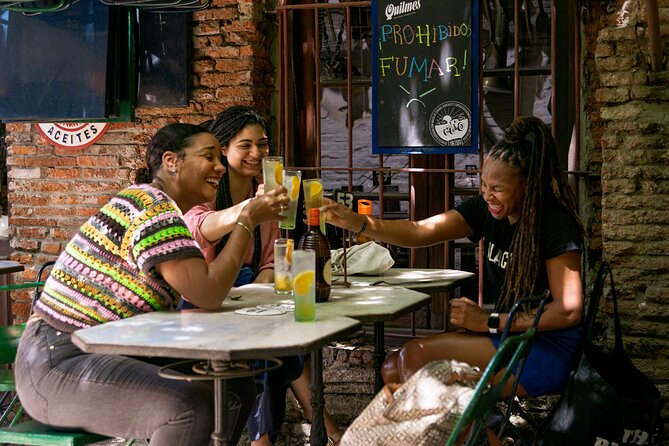
The route continues into San Telmo, one of Buenos Aires’s oldest and most atmospheric neighborhoods. Here, the group pauses for a drink while discussing Africa before colonization and the daily lives of people who worked inside colonial homes.
This stop adds useful texture. It is easy to speak about slavery only in terms of laws, ships, and dates. A conversation about household labor brings the subject closer to ordinary life. You begin to consider who cooked, cleaned, carried goods, cared for children, and kept wealthy homes running.
The stop lasts about 20 minutes, so it is not a long café visit. Think of the drink as a short rest and a chance to ask questions, not as a meal or a food tasting. One especially enthusiastic account praised the lemonade served during the break, but you should still plan to eat before or after the walk if you need a full meal.
I like this pause because it gives the group room to breathe. Julia has been praised for making the experience feel like a conversation instead of a one-way speech. That approach can be especially helpful if you are connecting Afro-Argentine history with the wider African experience in the Americas.
Galería del Viejo Hotel and the cultural clues in plain sight
At Galería del Viejo Hotel, the focus shifts from colonial labor to the later process of European immigration and the symbolic erasure of African heritage in Argentina. You also learn how African roots appear in parts of Argentine culture that many people treat as purely European or local.
The discussion includes tango, asado, and Lunfardo slang. These are not minor side notes. They are central parts of how Argentina presents itself, so examining their African connections gives you a more careful way to read the city.
Tango is often marketed through elegant costumes and dramatic poses. Asado is commonly treated as a national ritual. Lunfardo, the slang associated with Buenos Aires, adds another layer to local speech. The guide’s point is not that every part of these traditions came from Africa, but that African influence has often been reduced, ignored, or left out of the popular story.
You spend about 15 minutes here. The stop may feel brief, but it works as a bridge between the city’s buildings and the culture you experience beyond the tour. Afterward, you may hear a tango phrase, notice a food custom, or catch local slang with a sharper sense of where to ask questions.
San Pedro González Telmo and the city’s older institutions
The Parroquia de San Pedro González Telmo is one of Buenos Aires’s oldest churches. Work began in 1735, and after the Jesuits were expelled, the Bethlemite religious order continued the project.
The church also has a museum with pieces more than 200 years old. The visit here is short, around 10 minutes, so do not expect a long museum session. Instead, the church serves as a physical marker of the colonial city and the institutions that shaped life in San Telmo.
This stop matters because the tour places Afro-Argentine experience inside the city’s established religious and colonial framework. The story is not separate from Buenos Aires’s oldest buildings. It is tied to them.
The route also asks you to notice what is absent. A church or historic house may look like a handsome old monument, but the people who built, cleaned, served, and lived around these places are not always identified. The guide helps connect the architecture with those missing names and stories.
More Walking Tours in Buenos Aires
- Buenos Aires Hop-On Hop-Off Bus, Free Walking Tours & Discounts
★ 4.5 · 2,218 reviews - Buenos Aires: La Boca Guided Walking Tour in English
★ 4.8 · 1,587 reviews - La Boca Walking Tour
★ 5.0 · 1,029 reviews - Recoleta Cemetery Walking Tour
★ 5.0 · 668 reviews
Plaza Dorrego and San Telmo’s public face
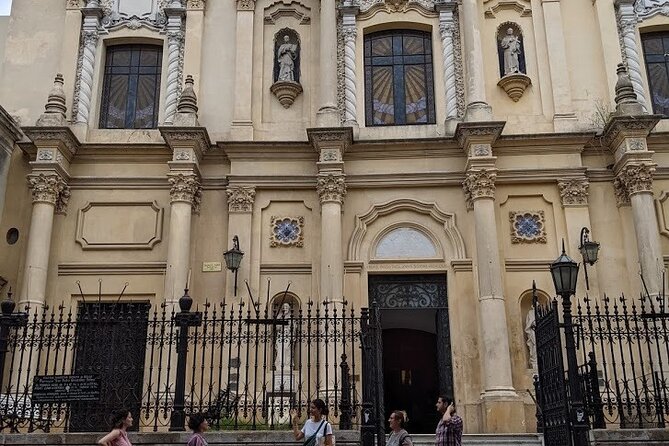
The walk passes through Plaza Dorrego, the square known for its famous antiques market each Sunday. There is no admission fee, and the stop is part of the walking route rather than a scheduled lecture with a set duration.
Plaza Dorrego is a useful contrast to the quieter historical stops. It is one of San Telmo’s best-known public spaces, a place many people visit for antiques, street atmosphere, and old Buenos Aires character. The tour encourages you to see more than the postcard version.
If you visit on Sunday, the antiques market may add extra activity to the area. The provided schedule does not promise a special market visit or performance, so I would treat the square as a historical stop first. You may have time to look around, but the guide’s main job is to connect the location to the Afro-Argentine story.
Parque Lezama and the Río de la Plata slave trade
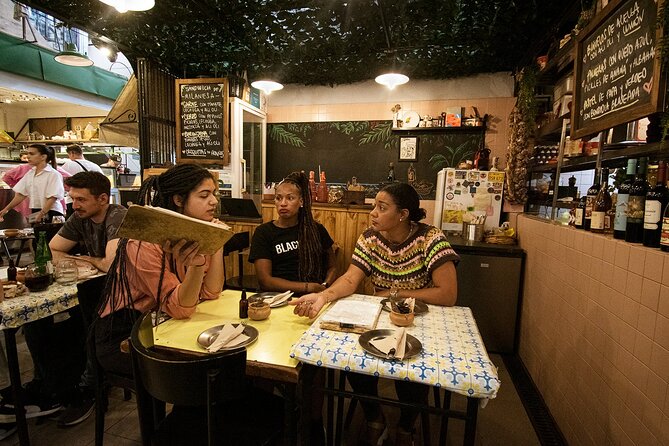
At Parque Lezama, the guide explains the origins of the African population in the Río de la Plata region and the slave trade in what is now Argentina. This is one of the tour’s most important teaching points.
The park provides room for a longer discussion, around 20 minutes. By this stage, you have moved from one person, María Remedios del Valle, to the structures that shaped the country: colonial labor, forced migration, independence, immigration, and cultural erasure.
A good guide needs to handle this subject with care. Karl’s explanations have been praised for making difficult material clear, while still leaving room for questions. That combination is valuable. You are not simply collecting facts. You are considering how Argentina came to describe itself, and who was left out of that description.
The subject can be uncomfortable, and that is part of the point. A pleasant city walk does not need to avoid hard truths. This tour treats the history of slavery and racial exclusion as central to understanding Buenos Aires, not as an optional footnote.
Ending at El Tambo Afro
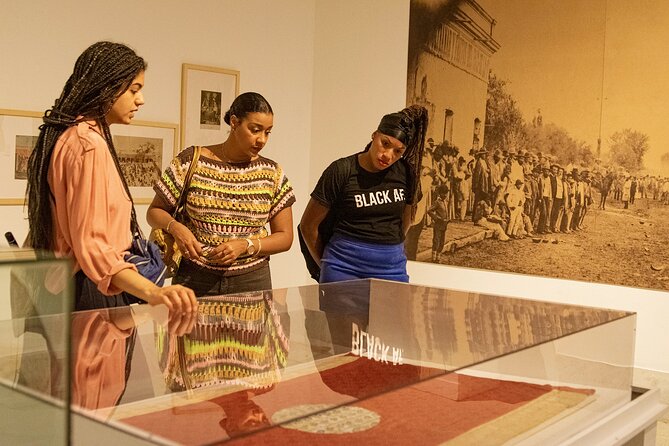
The final stop is El Tambo Afro, operated as the first shop for Black artists and entrepreneurs in Argentina. The tour ends at Bolívar 1063, and you can use the restroom before continuing your day.
I like this ending because the tour does not stop in the past. After discussing enslaved people, independence, erased heritage, and cultural influence, you finish by supporting present-day Black talent. You can browse the shop and choose to spend money with a business connected to the community whose stories you have been learning.
The shop also gives the tour a practical connection to the city. You are not only looking at monuments and listening to a guide. You are being directed toward a place where Afro-Argentine creativity and business are active now.
The end point is different from the starting point, so plan your next activity from Bolívar 1063 rather than from Estados Unidos. Both locations are in the historic San Telmo area, and the tour is near public transportation, but you should still allow time to orient yourself after the walk.
The guide makes or breaks this experience
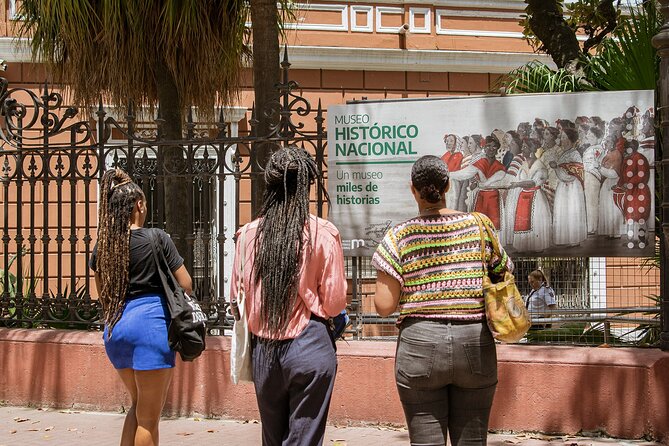
This tour depends heavily on the person leading it. The strongest praise has gone to Karl and Julia, with Karl described as an expert and activist guide who could explain the material in detail without checking notes. Julia has been praised for her passion, clear teaching, and ability to keep a multigenerational family involved.
That distinction is important. Some history walks give you dates and names, then move on. Here, the guide is expected to explain connections between colonial life, African migration, national identity, language, food, music, and present-day recognition.
The small maximum of 15 people helps. You are not lost in a crowd, and the guide can respond to questions. It also means the experience may feel more like a class than a casual stroll. If you want quiet time for photographs, you may find the pace a little talk-heavy.
The best way to enjoy it is to bring curiosity rather than a checklist. Ask about the parts of Argentine culture you already know. Ask how Afro-Argentine history is taught or remembered. The tour appears designed for discussion, and you will get more from it if you take part.
What the $70 price includes
The price is $70 per person, and guiding services are included. None of the listed stops charges an admission fee, so the value comes from the guide’s interpretation, route design, and access to a focused subject that is easy to miss on a standard Buenos Aires tour.
That price is not a bargain if you judge a walk by the number of paid attractions entered. It can be good value if you want a thoughtful, specialist tour that changes how you understand San Telmo and Argentine culture.
The route lasts roughly two and a half to three hours. That gives the guide enough time to explain the subject without racing between monuments. You are paying for sustained attention, not simply transportation from one sight to another.
Tips are not included but are welcomed. Bring water and wear comfortable shoes, since the experience moves between several stops. Service animals are allowed, most people can participate, and confirmation is provided when you book.
The tour is often reserved well ahead of time, with an average booking lead time of about 39 days. If your dates are fixed, I would not leave this one until the final week.
Who should take this tour
I would recommend it most strongly if you want to understand Buenos Aires beyond its European image. It is also a meaningful choice for Black visitors who want to compare Argentina’s treatment of African heritage with the wider African diaspora in the Americas.
Families can do well here, including groups with several generations. One family account praised Julia for making the subject accessible across age groups. The small group limit also helps families ask questions without taking over a crowded coach.
You should also consider it if you are interested in tango, food, language, religion, or colonial architecture. The tour uses all of those subjects as entry points into a larger story.
I would be more cautious if you want a relaxed sightseeing stroll with little commentary. The route is educational and at times emotionally demanding. You may see plenty of San Telmo, but the main reward is not a long list of attractions. It is a change in how you interpret the attractions you see.
Practical details before you reserve
The meeting point is on Estados Unidos in Buenos Aires, and the tour begins at 2:00 p.m. The finish is at El Tambo Afro, Bolívar 1063. Check the exact meeting details on your confirmation and arrive ready to begin on time.
All listed stops are free to enter, but the drink break is part of the experience. The information does not specify a full meal, so plan food around the tour.
The route is near public transportation. Most people can participate, and service animals are allowed. Since the walk can last close to three hours, comfortable footwear is a sensible choice even though no special fitness requirement is stated.
You can cancel for a full refund if you do so at least 24 hours before the local start time. Cancellations or changes made less than 24 hours before the start are not refunded or accepted.
Should you book the Afro-Argentine Heritage Walk?
Book it if you want a serious, personal look at the people and forces that shaped Buenos Aires but are often missing from the usual city story. The strongest reasons are the clear focus on Afro-Argentine life, the links to familiar culture such as tango and asado, and guides such as Karl and Julia who make the walk feel like a conversation.
Skip it if you want only famous sights, shopping time, or a short introduction to San Telmo. For everyone else, the $70 price is reasonable for a small-group experience that gives meaning to the streets, churches, parks, and cultural habits you encounter afterward.
FAQ
How long does the Afro-Argentine Heritage Walking Tour last?
The tour lasts approximately two hours and 30 minutes to three hours.
What time does the tour start?
The tour starts at 2:00 p.m.
Where does the tour begin?
The meeting point is on Estados Unidos in Buenos Aires, in the C1072 postal area.
Where does the tour finish?
The tour ends at El Tambo Afro, Bolívar 1063, Buenos Aires. A restroom is available there before you continue your day.
What is included in the price?
Guiding services are included. Tips are not included, but they are welcomed.
Can I cancel for a full refund?
Yes. You can receive a full refund by canceling at least 24 hours before the experience start time. Cancellations and changes made less than 24 hours before the start are not accepted or refunded.
Just added in Buenos Aires
- Discover Buenos Aires’ independent art scene — Ticket included★ 5.0 · 30 reviews
- Photo Session in Buenos Aires★ 5.0 · 26 reviews
- Your Private Photographer in Buenos Aires★ 5.0 · 4 reviews
- Yerba Mate Workshop – Learn to Drink Mate like a Local!★ 5.0 · 11 reviews
- Your Personal Photographer in Buenos Aires★ 5.0 · 24 reviews
- BA: Wine Tasting and Blending Experience in Palermo★ 5.0 · 1 review
- Winery and Tasting Experience in Buenos Aires★ 5.0 · 1 review
- Taste of Tradition: Yerba Mate & Alfajores Experience★ 4.0 · 5 reviews
Buenos Aires Tours, compared.
Local Foodie Adventure in Buenos Aires with Sherpa Food Tours
Read our review →
Buenos Aires City Private Tour with Local Guide
Read our review →
Buenos Aires Hop-On Hop-Off Bus and Exclusive Benefits
Read our review →

Argentine Experience Interactive Dining and Cooking
Read our review →Browse the lists this tour appears in