
Reviewed · ARGENTINE FOOD AND WINE TASTINGS
Traditional Argentinian Cooking Lesson in Buenos Aires
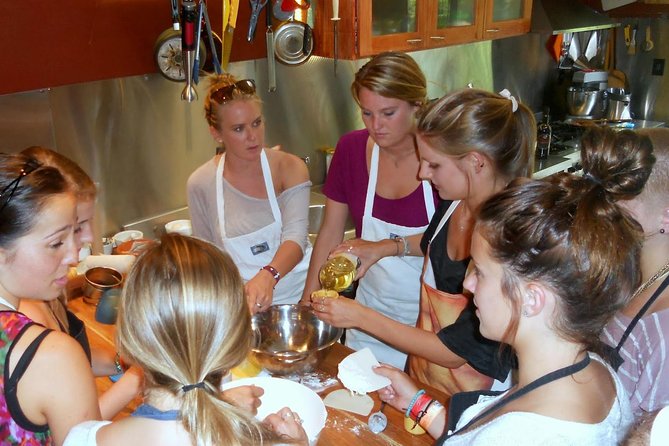
Dinner starts with your own hands. This three-and-a-half-hour Buenos Aires cooking lesson brings you into a local chef’s kitchen to prepare empanadas, an Argentine-style stew, and dulce de leche semifreddo. I like the hands-on format, and I like that the meal comes with Argentine wine and conversation about the country’s food traditions.
The small group size, capped at 12 people, should keep the class personal rather than factory-like. Past classes have featured instructors such as Saul and Federico, both praised for clear cooking guidance and friendly conversation. The main drawback is practical: the kitchen is outside the central tourist area, hotel transfers are not included, and the meeting point can take some planning to reach.
In This Review
- Key points at a glance
- What this Buenos Aires cooking class feels like
- Starting with Argentine empanadas
- A modern take on Argentine stew
- Finishing with dulce de leche semifreddo
- Sitting down to eat what you made
- How much value do you get for $175?
- Getting to Tronador 3123
- Who will enjoy this class most?
- What I would clarify before booking
- Should you book this Argentine cooking lesson?
- FAQ
- Where does the cooking class begin?
- What time does the experience start?
- How long does the class last?
- What dishes will I prepare?
- Is dinner included?
- Is wine included?
- Is a vegetarian menu available?
- Is transportation from my hotel included?
- How many people can join the class?
Key points at a glance
- Three courses you actually prepare: Make Argentine empanadas, a contemporary stew, and dulce de leche and rum semifreddo from start to finish.
- A home-kitchen setting: The class takes place in a local chef’s cooking studio or home kitchen, giving the evening a more personal feel than a restaurant demonstration.
- Wine is part of the meal: You finish with dinner and a glass of Argentine wine, with extra attention to the country’s famous Malbec.
- Small-group instruction: The class accepts no more than 12 people, with some sessions feeling even more personal.
- Useful local advice: The hosts have shared tips about Buenos Aires restaurants, football, flea markets, and things to do around the city.
- Plan your ride carefully: The meeting point is Tronador 3123, and you must arrange your own way there and back.
What this Buenos Aires cooking class feels like
The appeal here is simple: you do not just eat Argentine food, you learn how it comes together. At 6:00 pm, you meet at Tronador 3123 in Buenos Aires and begin with an introduction to the ingredients used during the evening.
The class is offered in English, which matters when you are working with dough, fillings, cooking times, and a stew that has been given a modern twist. A professional local instructor leads the session, explains the methods, and gives you a chance to take part rather than watching from the sidelines.
I would expect the tone to be relaxed and social. The strongest praise has gone to the instructors’ warmth, humor, and ability to make the class feel like time spent with a local rather than a formal culinary lecture. Saul, in particular, has been singled out for making the cooking fun while still explaining the basics carefully.
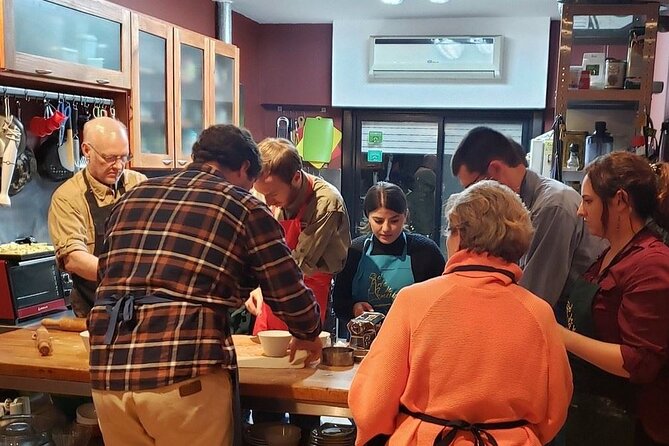
The group limit of 12 is a good middle ground. You get the social energy of meeting other food lovers, but the class should not feel like a crowded demonstration. If only a few people book, the experience may become much more personalized. One person reported being the only participant and receiving recipes and individual help.
More Food and Wine Tastings in Buenos Aires
- Local Foodie Adventure in Buenos Aires with Sherpa Food Tours
★ 5.0 · 6,875 reviews - Argentine Experience Interactive Dining and Cooking
★ 5.0 · 1,382 reviews - Cooking Class Designed by Michelin Chef @ Argentine Experience
★ 5.0 · 1,123 reviews
Starting with Argentine empanadas
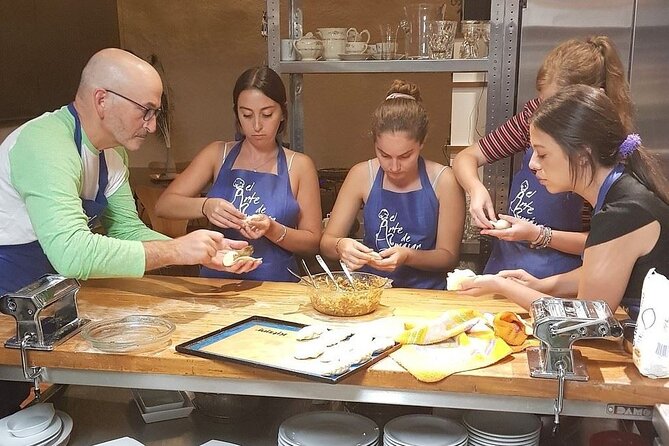
The first major task is making Argentine empanadas. This is one of the best choices for a cooking lesson because empanadas are both strongly tied to Argentine food culture and realistic to recreate at home.
You learn how to make the dough from scratch and prepare the filling. That detail matters. A class that only shows you how to fold ready-made pastry would miss much of the skill. Here, you work through the texture of the dough and the shape of the finished pastry under the instructor’s guidance.
Empanadas also provide a useful introduction to regional cooking. Argentina has many local versions, and fillings and styles vary across the country. The class focuses on the broader Argentine tradition, while also explaining how regional ingredients and outside influences helped shape Buenos Aires cuisine.
This is the kind of lesson you can use after the trip. Several participants made a point of taking their new empanada skills home, which is a good sign for anyone who wants more than a one-night meal. You will not need a professional kitchen to repeat the basic technique, though the exact filling and cooking method will depend on what you are taught that evening.
A modern take on Argentine stew
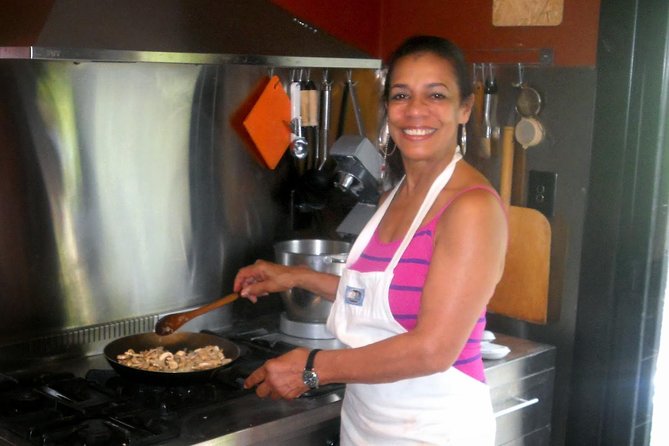
The main course is a traditional Argentine stew prepared with a contemporary recipe. The exact protein may vary. Descriptions of past classes mention veal stew, sirloin steak, and a quick roast, so you should not assume that every session follows precisely the same main course.
That flexibility is worth noting, not a flaw. The advertised format centers on a stew with a different flavor profile, and the class may adjust the dish depending on the instructor or menu. If the specific meat matters to you, ask when booking.
The stew is where the class connects home cooking with Argentina’s fondness for hearty, satisfying food. You learn how a familiar dish can be changed through technique and seasoning without losing its local character. One past meal included potatoes alongside the meat, while another focused on a veal version.
I like this part of the menu because it gives you a dish with more depth than a quick snack. Empanadas are portable and immediately recognizable, but a stew teaches you about building a full meal. It also gives the instructor room to discuss ingredients, cooking choices, and the difference between a classic preparation and a newer interpretation.
Finishing with dulce de leche semifreddo
Dessert is a dulce de leche and rum semifreddo, a cool, soft dessert inspired by familiar Argentine flavors. Dulce de leche is one of the country’s best-known ingredients, so it makes sense to end the class here rather than with a generic cake or fruit plate.
The recipe is described as modern, but the flavor is firmly connected to Argentina. You learn how a classic local ingredient can be used in a lighter, chilled dessert. The rum adds another note, so this may be less suitable for people avoiding alcohol unless the instructor can offer an alternative.
One point to keep in mind: alfajores are not part of the stated menu. If you are hoping to learn the famous cookie filled with dulce de leche, this class will not cover it according to the information provided. The semifreddo gives you a different use for dulce de leche, but it is not a substitute for an alfajor lesson.
A completely different kind of day:
- Buenos Aires City Private Tour with Local Guide
★ 5.0 · 3,475 reviews - Buenos Aires Small-Group City Tour
★ 5.0 · 2,226 reviews - Buenos Aires Hop-On Hop-Off Bus, Free Walking Tours & Discounts
★ 4.5 · 2,218 reviews - Buenos Aires: Piazzolla Tango Show with Optional Dinner
★ 4.4 · 2,122 reviews
Sitting down to eat what you made
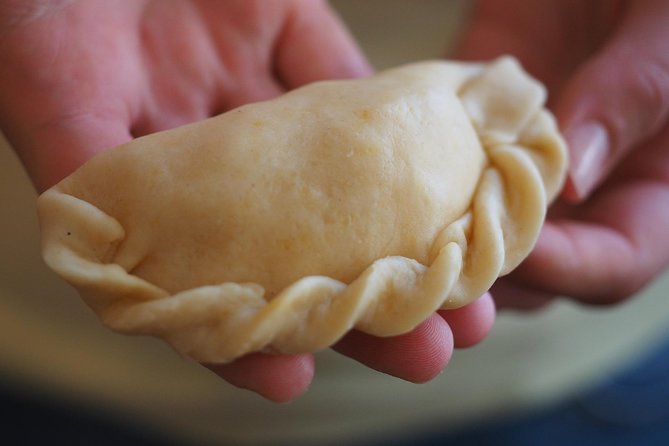
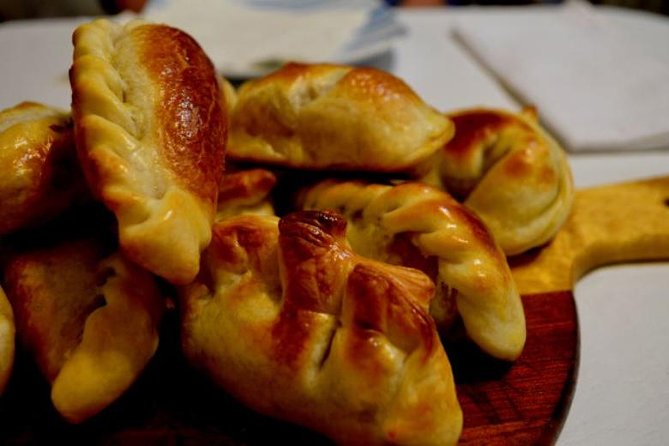
After the cooking, you sit with the host and the rest of the group to eat the three courses. This shared meal is a major part of the value, since the evening is not only a lesson. It becomes dinner.
A glass of Argentine wine is included. The wine pairing adds a fitting local touch, especially with the meat-based main course. One session included a bottle of Malbec shared with the group, while the official inclusion is listed as a glass of wine. I would treat the glass as guaranteed and consider any additional wine a possible variation rather than part of the standard promise.
The sit-down meal also gives you time to ask questions that might not fit into the cooking itself. Past sessions have included explanations of Argentine wine and gastronomy, and the hosts have offered suggestions for restaurants, football, flea markets, and other things to do in Buenos Aires.
That local conversation can be just as useful as the recipes. You get a resident’s perspective on the city rather than a standard list of tourist stops. Saul has even helped participants find the train and locate a flea market after class. That kind of help is not a formal inclusion, but it shows how the experience can extend beyond the food.
How much value do you get for $175?
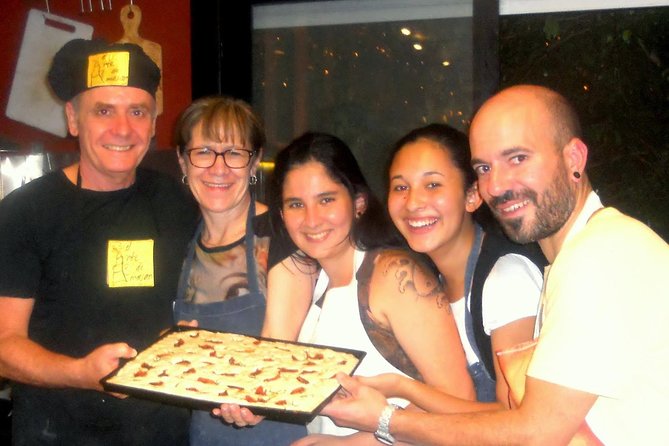
At $175 per person, this is not a cheap dinner. You are paying more than the cost of eating empanadas and stew at a neighborhood restaurant. The value comes from the instruction, ingredients, full meal, wine, and time with a local chef.
You prepare three courses rather than simply attending a tasting. All ingredients are included, and the food you make becomes dinner. You also receive guidance that can help you repeat the dishes at home, especially the empanada dough and filling.
The price makes the most sense for people who enjoy cooking and want a social evening with context. If you only want to sample Argentine food, you can find less expensive ways to eat in Buenos Aires. If you want a practical lesson, a meal, and a chance to ask a local about the city, the cost is easier to justify.
The small group helps support that value. With no more than 12 participants, the instructor has a reasonable chance to answer questions and watch your technique. A very small booking can offer even more individual attention, though group size depends on demand.
Getting to Tronador 3123
The location is the main logistical weakness. The class begins at Tronador 3123, C1430DME, in Buenos Aires, and ends at the same meeting point. Hotel pickup and drop-off are not included.
Do not leave transportation until the last minute. One person staying in central Buenos Aires used the metro to reach the end of the line and then took an inexpensive taxi. That route worked, but it took some planning. You should allow enough time to reach the address, especially for a 6:00 pm start.
The meeting point may be difficult to find if you are unfamiliar with the neighborhood. Check the address before leaving your hotel and have a backup plan for the return trip. Since the experience ends back at the starting point, you will need to organize your own ride after dinner as well.
This is not a major issue for confident city navigators, but it may feel inconvenient if you are looking for an activity with door-to-door service. The lack of transport is already reflected in the tour details, so it is best viewed as a planning task rather than an unexpected extra.
Who will enjoy this class most?
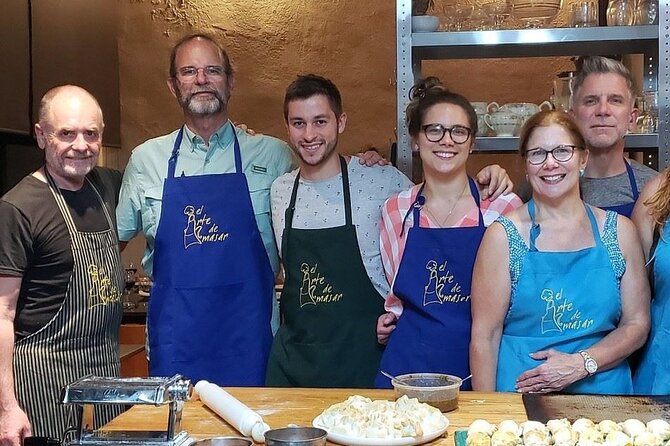
I would recommend this experience to you if you enjoy food, want to meet a local, and prefer active activities over sightseeing from a bus. It is especially well suited to couples, friends, and solo diners who like learning by doing.
It also suits visitors who want a useful connection to Buenos Aires culture. The class gives you food context, wine knowledge, and informal suggestions about the city. You leave with recipes and techniques, not just photographs of a meal.
The class may be less suitable if you have a very strict schedule. The advertised duration is about three hours and 30 minutes, and past sessions have lasted close to four hours. Since you cook three courses and then sit down for dinner, this is a full evening.
You should also share dietary requirements when booking. A vegetarian menu is available by reservation, but the request must be made in advance. The stated minimum age for alcohol consumption is 18, and the booking requires at least two people.
What I would clarify before booking
The menu deserves one quick question. The official description lists Argentine empanadas, a contemporary stew, and dulce de leche and rum semifreddo, but past classes have included variations such as sirloin steak, veal stew, and roast. Ask what main course is planned for your date if you want a particular dish.
I would also confirm the wine arrangement. A glass is included, while a past session involved a bottle of Malbec. The standard promise is the glass, so plan on that amount.
Finally, confirm the meeting address and your route. The class is offered in English, all ingredients are supplied, and confirmation arrives at booking. The experience is non-refundable and cannot be changed after booking, so make sure your date, dietary needs, group size, and transport plan are settled before paying.
Should you book this Argentine cooking lesson?
Book it if you want to make real Argentine food, eat a complete dinner, and spend an evening with a local host rather than simply ordering from a menu. The empanada lesson, full three-course meal, Argentine wine, and small-group setting make this a strong choice for food-focused visitors.
I would skip it if you want a central location, hotel transport, a fixed meat menu, or a quick activity. The $175 price requires genuine interest in cooking, and the trip to Tronador 3123 takes extra effort.
For the right person, this is a memorable Buenos Aires evening with practical rewards. You taste the food, learn the methods, hear about the city, and gain recipes you can try after returning home.
FAQ
Where does the cooking class begin?
The class begins at Tronador 3123, C1430DME, in Buenos Aires.
What time does the experience start?
The cooking lesson starts at 6:00 pm.
How long does the class last?
The stated duration is approximately three hours and 30 minutes. Some sessions have lasted close to four hours.
What dishes will I prepare?
The stated menu includes Argentine empanadas, a contemporary version of an Argentine stew, and dulce de leche and rum semifreddo.
Is dinner included?
Yes. You eat the food prepared during the class, and dinner is included.
Is wine included?
Yes. A glass of Argentine wine is included.
Is a vegetarian menu available?
Yes. A vegetarian menu is available by reservation. You should provide dietary requirements when booking.
Is transportation from my hotel included?
No. Hotel pickup and drop-off are not included. The experience ends back at the meeting point.
How many people can join the class?
The group can include a maximum of 12 people. A minimum of two people is required per booking.
Just added in Buenos Aires
- Discover Buenos Aires’ independent art scene — Ticket included★ 5.0 · 30 reviews
- Photo Session in Buenos Aires★ 5.0 · 26 reviews
- Your Private Photographer in Buenos Aires★ 5.0 · 4 reviews
- Yerba Mate Workshop – Learn to Drink Mate like a Local!★ 5.0 · 11 reviews
- Your Personal Photographer in Buenos Aires★ 5.0 · 24 reviews
- BA: Wine Tasting and Blending Experience in Palermo★ 5.0 · 1 review
- Winery and Tasting Experience in Buenos Aires★ 5.0 · 1 review
- Taste of Tradition: Yerba Mate & Alfajores Experience★ 4.0 · 5 reviews
Argentine Food and Wine Tastings, compared.
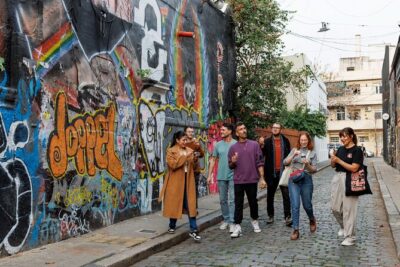
Local Foodie Adventure in Buenos Aires with Sherpa Food Tours
Read our review →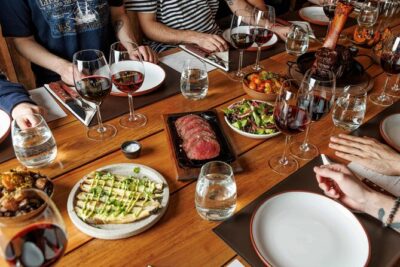
Argentine Experience Interactive Dining and Cooking
Read our review →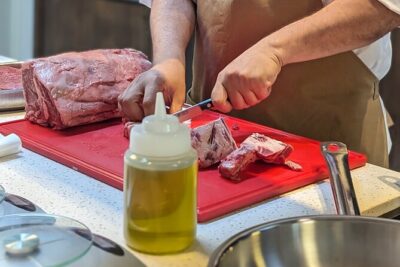
Cooking Class Designed by Michelin Chef @ Argentine Experience
Read our review →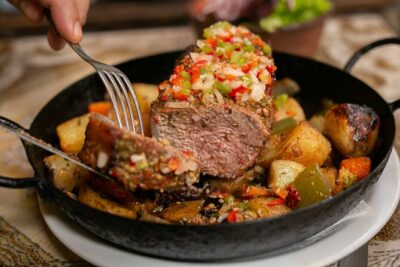
Historical Sherpa Food Tour of San Telmo with Street Food, Drinks
Read our review →
Join a Local Family Asado in Buenos Aires with Betty and Marcelo
Read our review →
Browse the lists this tour appears in