
Reviewed · ARGENTINE FOOD AND WINE TASTINGS
Buenos Aires: Local Foodie Adventure with Sherpa Food Tours
Come hungry, leave happily stuffed. Sherpa Food Tours turns a walk through Palermo into a generous introduction to Argentine food, with eight or more tastings served across four characterful restaurants. You get empanadas, choripán, milanesa, tortilla, fainá, steak, wine, and dessert, all tied together with stories about Buenos Aires and its food culture. I especially like the small-group size and the way the route mixes local institutions with a modern restaurant run by famous chefs.
The other strong point is the guide. Guides such as Paula, Claudio, Lu, Denis, Kiki, and Ezequiel have been praised for warmth, humor, and clear explanations of how Argentine dishes developed. The main consideration is the amount of food: this is not a light snack crawl. Several portions are described as large, so you should skip breakfast or lunch before the tour and avoid booking dinner afterward.
- Starts with empanadas at an unassuming deli: The first stop feels local rather than polished.
- Modern choripán with serious chef credentials: A familiar sausage sandwich gets a fresh treatment.
- Classic bodegón dishes: Try milanesa, tortilla, fainá, wine, and other everyday Argentine favorites.
- Parrilla steak is the main event: The route saves one of Argentina’s famous foods for a proper final savory course.
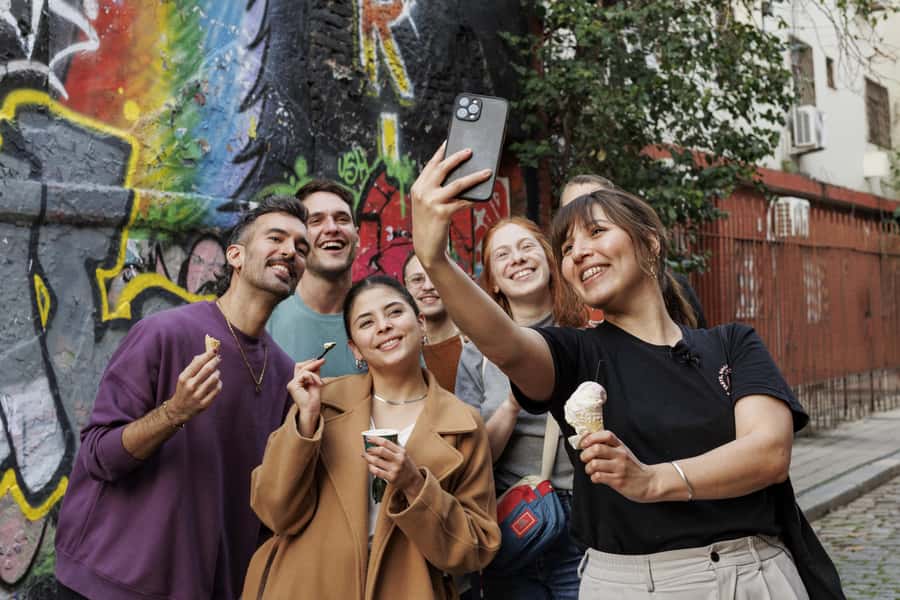
- Palermo becomes part of the meal: Street art, low-rise buildings, boutiques, and neighborhood stories fill the gaps between stops.
- Small groups keep it social: The maximum is 10 people, with English or Spanish guiding.
In This Review
- Why This Palermo Food Walk Works
- Stop One: Empanadas at Nicaragua 4896
- Stop Two: A Chef-Led Choripán
- Stop Three: Classic Dishes in a Bodegón
- Stop Four: Steak at a Palermo Parrilla
- Dessert With a Little Mystery
- Palermo Between the Plates
- The Guides Make the Difference
- Price, Group Size, and Overall Value
- Who Should Book This Experience?
- Should You Book the Palermo Food Tour?
- FAQ
- How long does the Buenos Aires food tour last?
- How much does the tour cost?
- Where does the tour begin?
- Where does the tour finish?
- How many dishes are included?
- Is wine included?
- How many restaurants does the tour visit?
- Is the tour available in English?
- Can dietary restrictions be accommodated?
- Is the tour suitable for children or people with mobility impairments?
- Does the tour include hotel pickup?
- Can I cancel the booking?
Why This Palermo Food Walk Works
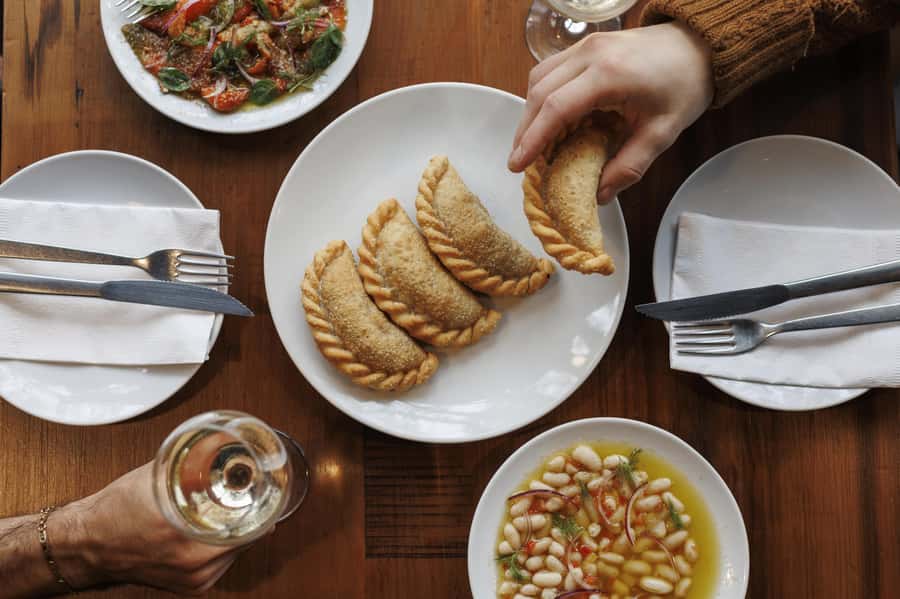
Buenos Aires is a city where food is tied to migration, family habits, class, football, and late-night social life. A restaurant meal can give you one good dish. This tour gives you a set of reference points, so you can recognize what you are eating and make better choices for the rest of your stay.
I like the route because it does not rely on one grand dining room. You move through Palermo and eat in several places, sampling modest street food, traditional comfort food, grilled meat, wine, and sweets. That variety matters. Argentina is often reduced to steak and Malbec, but this experience shows a wider picture.
The food is served at a comfortable pace, according to several detailed accounts. The stops are prepared for the group, so you are not spending the whole afternoon waiting for plates to arrive. With up to 10 people, the group is small enough for questions and conversation without feeling like a private tour.
The social side is part of the appeal. Solo visitors can easily join in, and couples or friends have a ready-made group for the afternoon. The guides make a point of learning about the people in the group, which helps turn a string of tastings into a shared meal.
The one practical warning is simple: pace yourself. The stated program includes eight dishes, drinks, wine, steak, and dessert. That is a lot for three and a half hours. Some descriptions refer to five eating locations, while the planned route describes four restaurants, so the exact number of stops may vary. Either way, plan this as your main meal of the day.
Stop One: Empanadas at Nicaragua 4896
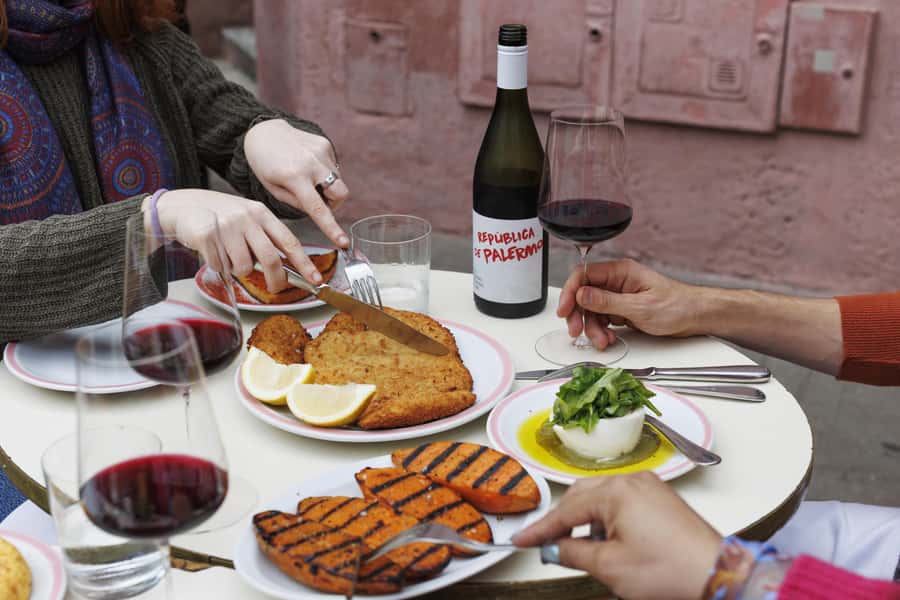
Your guide meets you inside Picsa Restaurant at Nicaragua 4896, except on Mondays, when the meeting point is outside. From there, the tour begins at an atypical hole-in-the-wall deli.
That opening choice tells you what kind of experience this is. You are not starting with a grand dining room or a formal tasting menu. You begin with empanadas and other local favorites in a small, unassuming place, the sort of stop you might overlook if you were walking alone.
Empanadas are a useful first taste of Argentina because they are familiar enough to understand but varied enough to spark questions. The guide can explain fillings, regional habits, and how everyday food fits into Argentine life. Since the tour includes several dishes afterward, the first stop works best as a shared introduction rather than a meal to finish in one sitting.
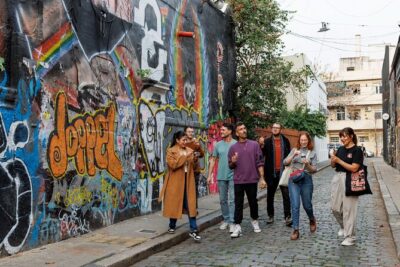
I also like the location because it gives the guide room to explain how Palermo’s food scene works. The neighborhood mixes old low-rise buildings with newer restaurants, shops, and colorful street art. The contrast helps you see that Buenos Aires food culture is not frozen in the past.
More Food and Wine Tastings in Buenos Aires
- Local Foodie Adventure in Buenos Aires with Sherpa Food Tours
★ 5.0 · 6,875 reviews - Argentine Experience Interactive Dining and Cooking
★ 5.0 · 1,382 reviews - Cooking Class Designed by Michelin Chef @ Argentine Experience
★ 5.0 · 1,123 reviews
Stop Two: A Chef-Led Choripán
The next stop puts a modern spin on choripán, the grilled sausage sandwich strongly linked with Argentina. This version comes from a restaurant owned by some of the city’s best-known chefs.
Choripán is often treated as casual food, and that is part of its charm. It is the sort of sandwich associated with football matches, outdoor gatherings, and quick meals. A chef-led interpretation lets you compare the basic idea with a more polished version without losing the dish’s informal character.
This is one of the most useful stops for first-time visitors. Argentine food can seem heavy if you only encounter steak and milanesa. The choripán gives you another style of meat, bread, seasoning, and texture. It also helps explain why the country’s food culture is as social as it is culinary.
A note for vegetarians: the available details indicate that vegetarian choices can be arranged at all stops, and one pescatarian visitor was well catered for. You should still provide your dietary restrictions when booking. The menu is built around food, so advance notice matters.
Stop Three: Classic Dishes in a Bodegón
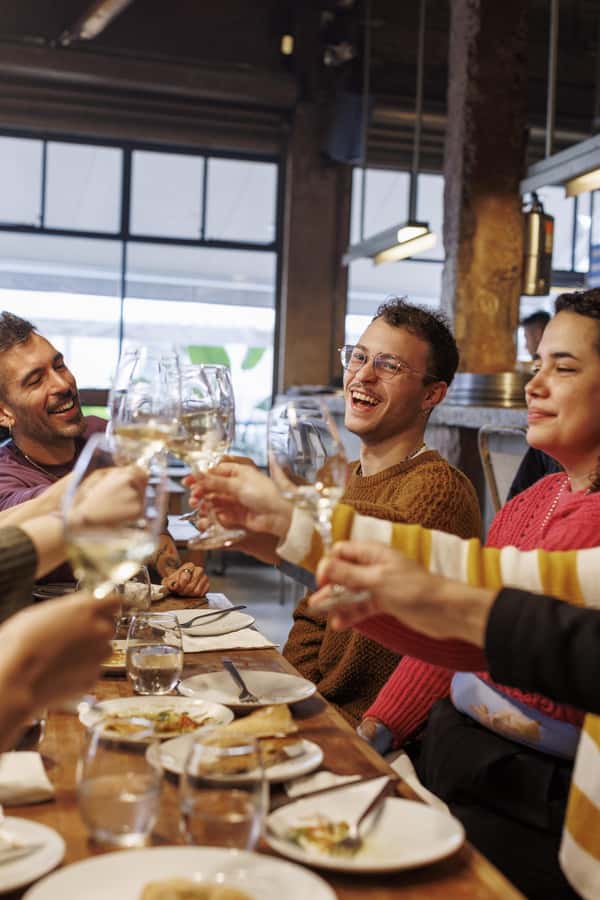
The route then moves into an iconic bodegón. These traditional restaurants are associated with generous portions, straightforward cooking, and the familiar dishes people order in ordinary Buenos Aires dining rooms.
Here you can expect milanesa, tortilla, and fainá, along with a glass of Argentine wine. Each dish brings a different part of the local table.
Milanesa is a breaded cutlet, a comfort-food staple with European roots that became firmly Argentine. Tortilla refers to a thick potato omelet, while fainá is a chickpea-flour preparation with Italian connections. Put together, these dishes show how Buenos Aires absorbed outside influences and made them part of local life.
This is perhaps the most educational food stop because it moves beyond the famous headline dishes. Steak gets the attention, but milanesa and tortilla are closer to the food many people in Argentina actually order for a familiar meal. The bodegón setting adds atmosphere without requiring a formal lecture.
The wine is served here, giving you a chance to try an Argentine glass alongside food rather than drinking it by itself. The tour promises a wine tasting, but it does not specify the grape or producer. If you are curious, ask your guide. Guides are happy to answer questions about the wine, dishes, and neighborhood.
Stop Four: Steak at a Palermo Parrilla
The savory centerpiece is a visit to a parrilla for Argentine steak. If you have come to Buenos Aires hoping to understand the country’s grilling tradition, this is the stop that makes the tour worthwhile.
A parrilla is more than a steak restaurant. It represents a central Argentine way of eating, with grilled meat treated seriously but enjoyed in a relaxed setting. The tour keeps the steak for later in the route, after you have tried smaller and more varied foods.
That order is smart. If steak came first, it could overshadow everything else. By waiting until the final savory stop, the tour lets you understand the broader food culture before delivering the dish many people associate most closely with Argentina.
You should expect a substantial portion. Several descriptions stress that the food is plentiful, and the steak adds real weight to the meal. This is not the place to arrive after a large lunch.
The menu details do not specify the exact cut, cooking temperature, or side dishes. That is worth keeping in mind if you are looking for a precise steak tasting. The value here is the setting, the explanation, and the chance to try a classic parrilla meal as part of a wider food route.
A completely different kind of day:
- Buenos Aires City Private Tour with Local Guide
★ 5.0 · 3,475 reviews - Buenos Aires Small-Group City Tour
★ 5.0 · 2,226 reviews - Buenos Aires Hop-On Hop-Off Bus, Free Walking Tours & Discounts
★ 4.5 · 2,218 reviews - Buenos Aires: Piazzolla Tango Show with Optional Dinner
★ 4.4 · 2,122 reviews
Dessert With a Little Mystery
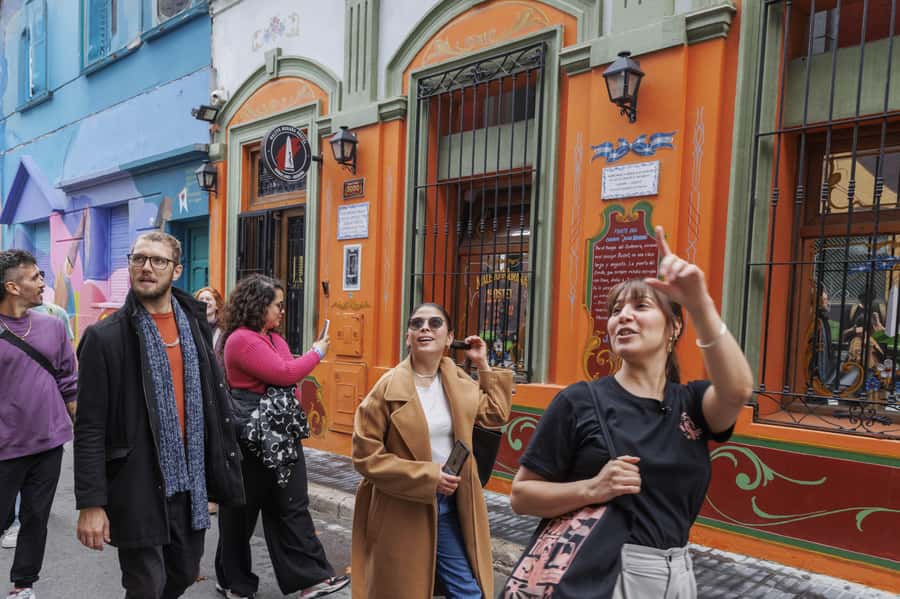
The final course is an Argentine dessert, or possibly more than one. The exact sweets are intentionally not listed, so the ending keeps a small element of surprise.
That approach works well after such a large savory meal. You get a sweet finish without turning the whole tour into a checklist. One detailed account praised the ending for including two desserts, although the exact serving may depend on the day and restaurant arrangements.
If you have a sweet tooth, this is an important part of the experience. Argentine desserts often reflect the same mixture of European influence and local habits found in the savory dishes. The guide can place the final course in that wider context.
You may want to save room. That sounds obvious, but after empanadas, choripán, milanesa, tortilla, fainá, steak, and drinks, it takes discipline.
Palermo Between the Plates
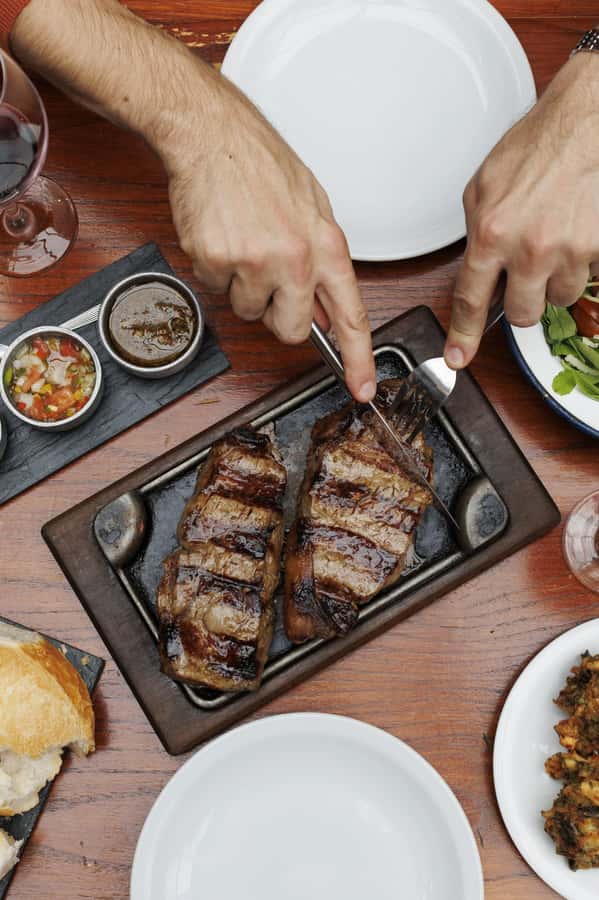
The walking route gives the tour a useful second subject: Palermo itself. You pass bold street art, colorful walls, low-rise architecture, eclectic boutiques, and busy streets filled with local life.
The neighborhood is easy to enjoy in short sections. The food stops give you reasons to pause, while the walks help you digest and see more than the inside of restaurants. Guides such as Ezequiel have been praised for pointing out Palermo highlights, and Paula has been especially appreciated for sharing her affection for the area and offering suggestions for places to visit afterward.
This is not a dedicated architecture tour, and you should not expect lengthy museum-style commentary. Instead, the neighborhood material is woven into the route. You hear how the area developed, how food fits into the city, and where you might eat or explore later.
I consider that a strong use of time. If you are new to Buenos Aires, a food tour can help you get your bearings faster than a meal alone. You learn what to order, see where people shop and eat, and leave with a clearer sense of Palermo’s character.
The Guides Make the Difference
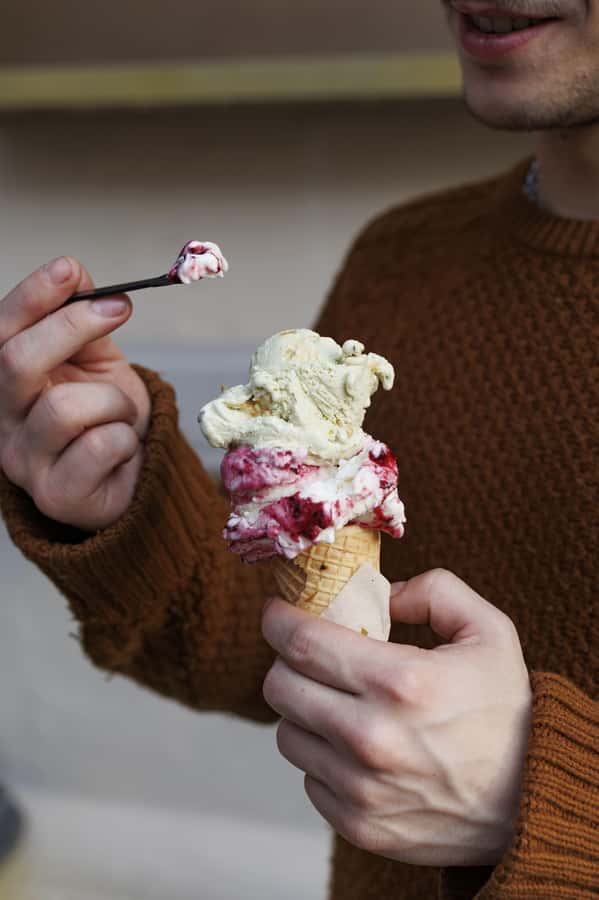
The guide quality is the most consistently praised part of the experience. Names that appear repeatedly include Lu, Paula, Claudio, Kiki, Denis, Johnny, Gabi, Stan, Alessandra, and Ezequiel.
The strongest guides do more than carry plates from one restaurant to the next. Claudio explains the origins of dishes and connects them to Argentine history. Denis is praised for combining local information with food and wine insights while keeping the group involved. Kiki brings enthusiasm and practical advice about other places to eat and things to see.
That range matters because the tour depends on conversation. You might ask about football, immigration, street art, Argentine habits, wine, or where to find a good meal later. A guide who welcomes questions can make the same route feel personal rather than mechanical.
The official languages are English and Spanish. If you need a particular language, check the departure details when booking. The guide meets the group at each stop, explains the dishes, and keeps the timing moving.
Price, Group Size, and Overall Value
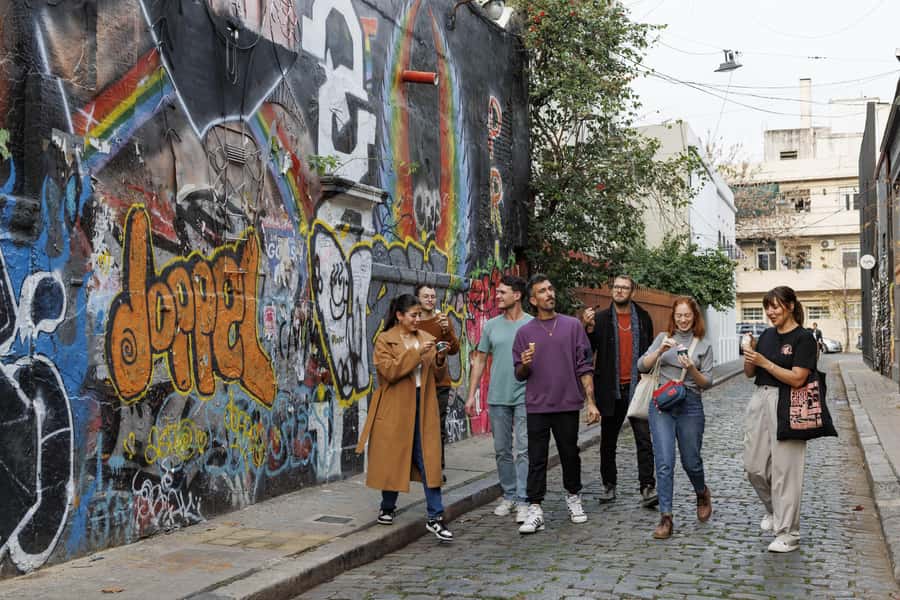
At $90 per person, this is not the cheapest way to eat in Buenos Aires. It is also not simply four restaurant visits added together.
The price includes a guide, at least eight dishes, drinks, and wine. It also pays for planning, restaurant coordination, and the chance to sample food without ordering full portions from several menus. If you tried to recreate the same route independently, you might spend less, but you would need to choose the restaurants, manage portions, translate menus, coordinate timing, and learn the cultural background yourself.
For me, the value is strongest if you are new to Buenos Aires, enjoy trying many foods, or want an easy first-night introduction to Palermo. The price is less attractive if you already know the city’s restaurants and prefer choosing one long dinner at your own pace.
The group limit of 10 is a real advantage. Groups of seven or eight have been described as especially personal, with enough people for lively conversation but not so many that questions get lost. The route is social by design, so solo visitors can fit in comfortably.
The listed duration is 210 minutes, or three and a half hours. The itinerary also describes the Palermo portion as four hours, so allow roughly three and a half to four hours. Do not schedule a tight appointment immediately afterward.
Hotel pickup and drop-off are not included. You make your own way to Nicaragua 4896 and finish at Honduras 4770, both in Palermo. The starting location is inside Picsa Restaurant on most days, and outside on Mondays.
Who Should Book This Experience?
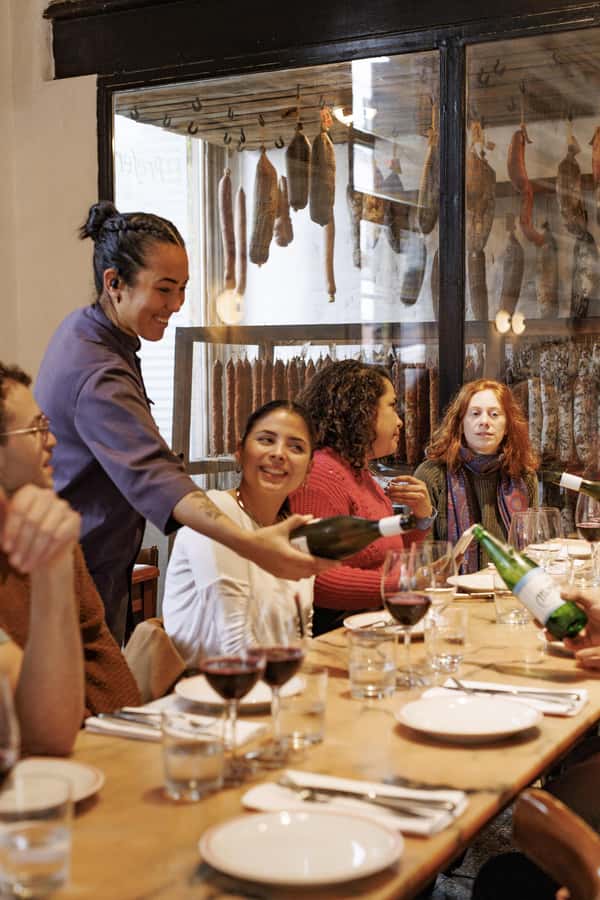
I would recommend it to first-time visitors who want a broad introduction to Argentine food without spending days researching restaurants. It also suits people who enjoy walking, sharing tables, and asking questions as they eat.
Solo visitors are a particularly good fit. The small group creates an easy social setting, and the guides make an effort to bring everyone into the conversation. Couples and friends should also enjoy it, especially if they want food plus a neighborhood walk rather than a single formal meal.
Food-focused visitors will appreciate the range, but anyone expecting a quiet, refined tasting menu should choose differently. This is generous, informal, and social. You will walk between venues, eat several substantial dishes, and spend time talking with strangers.
The tour is not suitable for children under 13 or people with mobility impairments. You should share dietary restrictions ahead of time. Vegetarian and pescatarian alternatives have been accommodated, but the tour cannot promise every substitution unless your needs are communicated in advance.
Heavy rain can lead to cancellation, which makes sense given the walking route. The booking terms allow free cancellation up to 24 hours before the activity, and you can reserve now and pay later, useful if your Buenos Aires schedule is still shifting.
Should You Book the Palermo Food Tour?
Book it if you want a filling, friendly introduction to Argentine food with a real neighborhood walk attached. The combination of empanadas, choripán, bodegón classics, wine, parrilla steak, and dessert gives you a useful first look at the country’s everyday flavors, not just its famous exports.
I would make this one of your first activities in Buenos Aires. You can ask the guide where to eat next, return to Palermo with more confidence, and avoid spending your first few days ordering at random.
Skip it if you dislike large portions, group dining, or walking between restaurants. Also skip it if you want a tightly defined menu, since the exact dishes and number of locations may vary.
For most food-loving visitors, $90 is fair value for the amount of food, the small group, and the local guidance. Arrive hungry, wear comfortable shoes, tell the company about dietary needs, and leave your evening free. This is likely to be dinner as well as a tour.
FAQ
How long does the Buenos Aires food tour last?
The stated duration is 210 minutes, or three and a half hours. The Palermo itinerary also describes the experience as four hours, so allow roughly three and a half to four hours.
How much does the tour cost?
The price is $90 per person.
Where does the tour begin?
The listed starting address is Nicaragua 4896. Your guide meets you inside Picsa Restaurant, except on Mondays, when the meeting point is outside.
Where does the tour finish?
The tour finishes at Honduras 4770 in Palermo.
How many dishes are included?
At least eight dishes are included. The food includes empanadas, choripán, milanesa, tortilla, fainá, steak, and Argentine desserts.
Is wine included?
Yes. Drinks are included, and the tour includes a chance to try Argentine wine.
How many restaurants does the tour visit?
The planned route visits four restaurants. The exact number of eating locations may vary, as some tour descriptions refer to five places.
Is the tour available in English?
Yes. Live guiding is available in English and Spanish.
Can dietary restrictions be accommodated?
You should provide your dietary restrictions in advance. Vegetarian options are available at all places according to the provided tour information, and pescatarian needs have also been accommodated.
Is the tour suitable for children or people with mobility impairments?
The tour is not suitable for children under 13 or people with mobility impairments.
Does the tour include hotel pickup?
No. Hotel pickup and drop-off are not included. You need to reach the starting point in Palermo yourself.
Can I cancel the booking?
Yes. You can cancel up to 24 hours in advance for a full refund. The reserve-now, pay-later option lets you book without paying immediately.
Just added in Buenos Aires
- Discover Buenos Aires’ independent art scene — Ticket included★ 5.0 · 30 reviews
- Photo Session in Buenos Aires★ 5.0 · 26 reviews
- Your Private Photographer in Buenos Aires★ 5.0 · 4 reviews
- Yerba Mate Workshop – Learn to Drink Mate like a Local!★ 5.0 · 11 reviews
- Your Personal Photographer in Buenos Aires★ 5.0 · 24 reviews
- BA: Wine Tasting and Blending Experience in Palermo★ 5.0 · 1 review
- Winery and Tasting Experience in Buenos Aires★ 5.0 · 1 review
- Taste of Tradition: Yerba Mate & Alfajores Experience★ 4.0 · 5 reviews
Argentine Food and Wine Tastings, compared.
Local Foodie Adventure in Buenos Aires with Sherpa Food Tours
Read our review →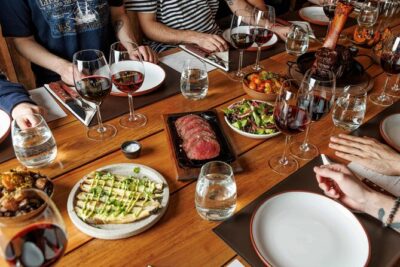
Argentine Experience Interactive Dining and Cooking
Read our review →
Cooking Class Designed by Michelin Chef @ Argentine Experience
Read our review →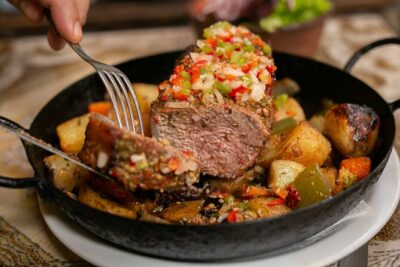
Historical Sherpa Food Tour of San Telmo with Street Food, Drinks
Read our review →
Join a Local Family Asado in Buenos Aires with Betty and Marcelo
Read our review →
Browse the lists this tour appears in