
Reviewed · ARGENTINE FOOD AND WINE TASTINGS
Cooking Class Designed by Michelin Chef @ Argentine Experience
Come hungry, leave with new cooking tricks. This Buenos Aires class brings you into Argentine food culture through hands-on empanadas, chipa, steak, and flan, with premium wines matched to each course. I like the small maximum of 10 people, and I especially like that the chefs keep everyone involved rather than letting you watch from the edge of the kitchen.
The main caution is timing. Although the full session is described as about three hours, some participants finished in under two hours, especially in the shorter format. Check which class you are booking so you do not expect a full steak-and-flan meal and receive an abbreviated empanada and alfajor session instead.
In This Review
- Five things to know before booking
- Arriving in Palermo for Argentine food and wine
- The opening aperitif adds more than a welcome drink
- Making empanadas from dough to filling
- Chipa brings northern Argentina to the table
- Steak is the centerpiece of the full session
- Flan closes the meal on a sweet note
- The shorter empanada and alfajor class
- Why the small group matters
- The food quality and teaching style
- Is $40 a good value in Buenos Aires?
- Who should book this class?
- Booking and cancellation advice
- Should you book the Argentine Experience?
- FAQ
- Where does the cooking class begin?
- Where does the activity end?
- How long does the cooking class last?
- What dishes do you make?
- Are drinks included?
- Is lunch included?
- How many people can join the class?
- Is the meeting point near public transportation?
- Is private transportation included?
- Can you cancel for a full refund?
- What happens if the minimum group size is not reached?
Five things to know before booking
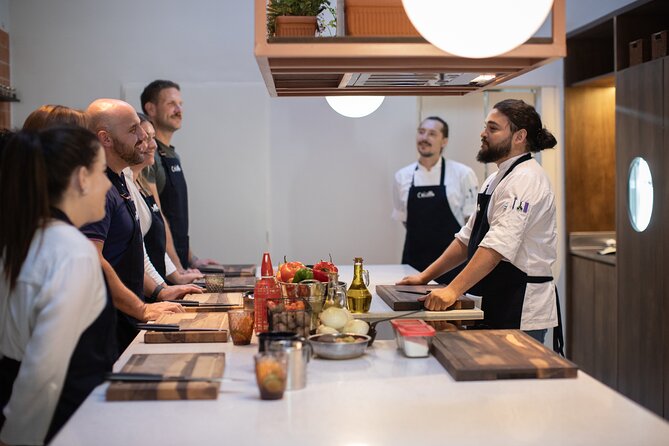
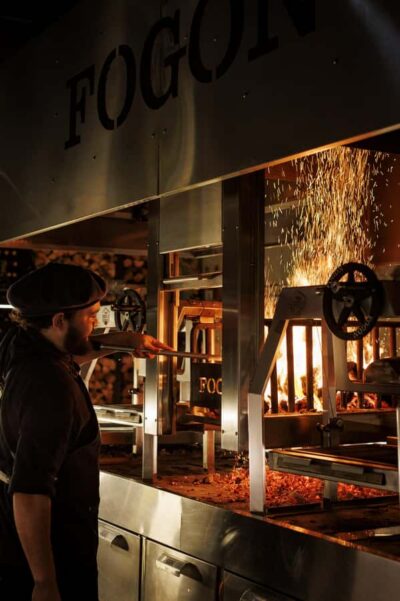
- Chefs with Michelin-linked experience: The instructors have worked at Fogón Asado, a restaurant listed among the world’s Top 35 Best Steakhouses by the Michelin Guide.
- A real hands-on meal: You shape empanadas, prepare chipa, help with fillings and sauces, and take part in dessert preparation.
- Wine is part of the lesson: Argentine wines are served alongside the dishes, not added as an afterthought.
- Two class lengths are available: The shorter option focuses on empanadas and alfajores, while the longer session adds chipa, steak, and flan.
- Small groups make a difference: With no more than 10 people, the chefs can guide you directly and help with dietary needs such as vegetarian meals.
Arriving in Palermo for Argentine food and wine
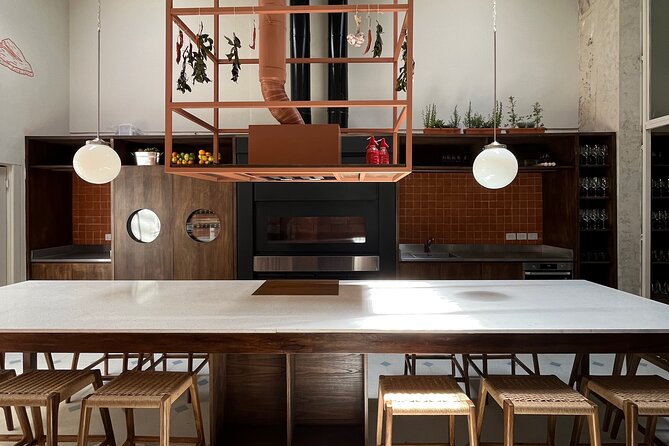
The class meets at Criolla Cooking & Wine, at Gorriti 4832 in Buenos Aires. It is near public transportation, and the activity ends at the same place, which keeps the logistics simple.
The welcome sets the tone. You begin with a traditional Argentine aperitif, then move into the kitchen with a glass of wine in hand. The mood is social and relaxed, with music, stories, and plenty of chances to talk with the other people at your table.
That social element is a big part of the appeal. The class is designed for people who arrive as strangers and work together soon after. Several sessions had only six to eight participants, which is small enough for conversation without making the room feel too quiet.
I would arrive on time, but not much earlier. One couple who arrived 10 minutes before the start was asked to return closer to the scheduled beginning rather than wait inside. That is a minor point, but useful if you are building a full day around this activity.
More Food and Wine Tastings in Buenos Aires
- Local Foodie Adventure in Buenos Aires with Sherpa Food Tours
★ 5.0 · 6,875 reviews - Argentine Experience Interactive Dining and Cooking
★ 5.0 · 1,382 reviews - Historical Sherpa Food Tour of San Telmo with Street Food, Drinks
★ 5.0 · 920 reviews
The opening aperitif adds more than a welcome drink
Before the cooking begins, the staff introduce you to an Argentine-style vermouth drink. In one session, participants helped prepare their own vermouth cocktails, which gave the opening a practical touch instead of making it just a free drink at the door.
This is a useful introduction to the country’s food-and-drink customs. You are not simply handed wine and told to enjoy it. You learn how the meal will unfold and begin talking with the chefs and your tablemates.
The wine pairings continue throughout the class. The selections are chosen to fit the food, including the savory empanadas and beef. A strong red wine with steak is hardly a surprise, but pairing wine with several different Argentine dishes helps you notice how the flavors change from one course to the next.
Alcoholic drinks and lunch are included in the $40 price. That matters because the class produces enough food to serve as a substantial meal, and the drink service is part of the main program rather than an optional extra.
Making empanadas from dough to filling
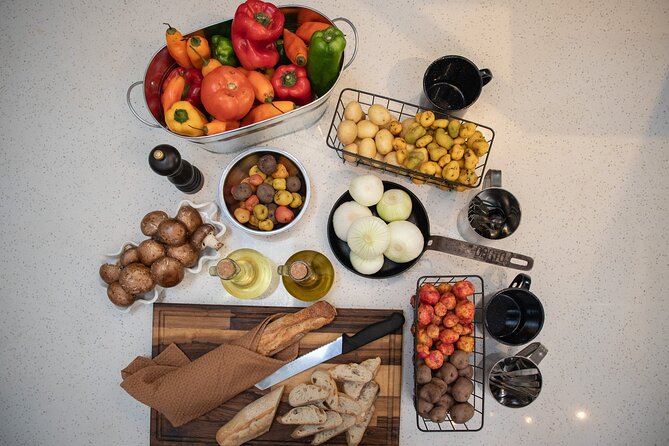
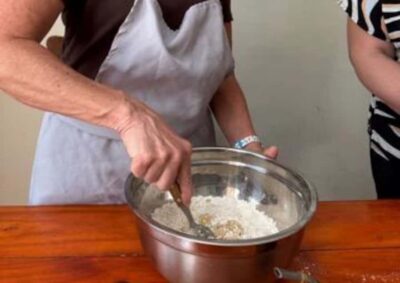
Empanadas are the clearest reason to choose this class. You make the dough, prepare ingredients for the filling, shape the pastries, and cook them before sitting down to eat.
The process is practical and approachable. The chefs explain how to handle the dough, how to add the filling without overstuffing it, and how to seal the edges. Even if you have never made empanadas, the work is broken into steps that feel manageable.
You may also help prepare several fillings. One session included three varieties, with beef tenderloin empanadas receiving particular praise. The class may differ slightly by group and schedule, but the central idea remains the same: you help produce the food you later eat.
I like this part because it gives you something useful to take home. Empanadas are not merely a restaurant dish you admire and forget. After this class, you have a better chance of trying them in your own kitchen, especially since recipes are provided.
The only limitation is that participation can vary by task. Most of the experience is designed so everyone contributes, but one short session left only two people in the group doing the actual cooking for the empanadas. If you want a full lesson in technique, choose the longer class and confirm what is included.
Chipa brings northern Argentina to the table
Chipa is a small, cheesy bread associated with northern Argentina. It is one of the most warmly praised parts of the meal, and it gives the class a welcome change from the better-known steak and empanadas.
You help prepare the mixture and shape the cheese rolls before they are baked. The result is soft, savory, and especially good while warm. It is the sort of simple food that explains why Argentine cooking is about more than large cuts of beef.
The chipa also adds cultural context. The chefs explain the local importance of the dishes, not just the mechanical steps. That makes the class more useful than a standard cooking demonstration, since you learn where the food fits into Argentine eating habits.
This course appears in the longer format. If your schedule only allows the shorter session, you may make empanadas and alfajores instead, so check the exact option before booking.
A completely different kind of day:
- Buenos Aires City Private Tour with Local Guide
★ 5.0 · 3,475 reviews - Buenos Aires Small-Group City Tour
★ 5.0 · 2,226 reviews - Buenos Aires Hop-On Hop-Off Bus, Free Walking Tours & Discounts
★ 4.5 · 2,218 reviews - Buenos Aires: Piazzolla Tango Show with Optional Dinner
★ 4.4 · 2,122 reviews
Steak is the centerpiece of the full session
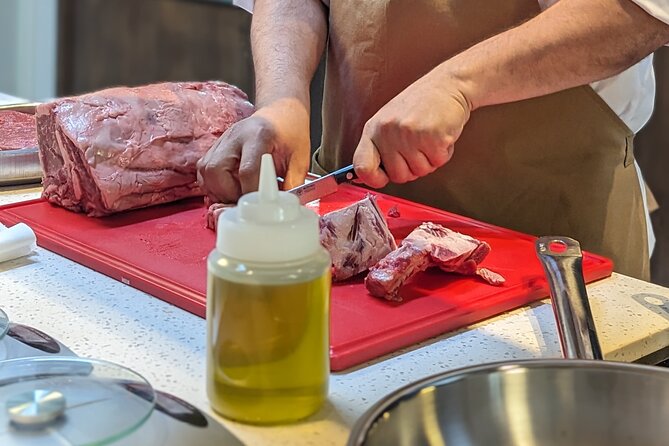
The steak course gives the longer class its strongest argument. The chefs prepare Argentine beef and cook individual portions to each person’s preferred level. They also share cooking tips and serve the meat with a sauce that has been described as a red wine reduction.
This is not a full lesson in butchery or professional grill work. The staff handle the central preparation, while you learn through guidance and participation around the meal. Still, the chance to eat beef cooked to your liking, with wine matched to it, turns the class into a proper Argentine dinner.
The connection to Fogón Asado adds credibility. The chefs have worked at that Michelin Guide-listed steakhouse, which helps explain the attention paid to beef and timing. Just keep the claim in proportion: you are attending a friendly group class, not booking a private restaurant kitchen lesson.
The steak is also why I would choose the three-hour option if you are specifically interested in Argentine grilling. The shorter class can be fun, but it does not offer the same complete introduction to the country’s best-known food traditions.
Flan closes the meal on a sweet note
Dessert is Argentine flan, a smooth custard that provides a gentle ending after the savory courses. The chef prepares the flan while the group helps with parts of the process, so you see how the dessert comes together rather than simply finding it already plated.
The class balances instruction with eating. You do not spend three hours chopping vegetables and then receive a tiny taste at the end. The food is generous enough to function as lunch or dinner, depending on the start time.
That makes the advice to come hungry quite literal. You will be tasting during the session, then sitting down to eat the finished dishes with wine. Plan this as a meal, not as a light snack between sightseeing stops.
The shorter empanada and alfajor class
The shorter option is useful if you have limited time or arrive in Buenos Aires tired after a flight. It has been offered at an afternoon start time and can run around 1.5 to 2 hours, depending on the session.
In this format, you focus on empanadas and alfajores. Alfajores are a classic Argentine sweet, often made with cookies and a filling, and they give you a quick introduction to the country’s dessert culture.
The shorter class has some real advantages. It is easier to fit into a busy itinerary, and it still includes food preparation, wine or drinks, social time, and an introduction to Argentine flavors. One session included a relaxed final hour of eating and an introduction to mate.
But the shorter class is also the source of the clearest disappointment. If you expect steak, chipa, and flan, you need the longer option. The wording around class duration can also create confusion, so confirm whether you are booking the full menu or the abbreviated experience.
Why the small group matters
The maximum group size is 10, and several sessions had fewer people. That scale makes it easier for the chefs to keep the room moving while still answering questions.
The strongest sessions appear to depend partly on the instructor. Federico, also spelled Frederico in some accounts, is praised for clear instruction, humor, and an easy way with people. Nick, Stefano, Juan, Laura, Agustina, and Candy have also been singled out for helpful hosting and careful attention.
The names matter because the class is not just a recipe exchange. The staff create the social rhythm, explain the food’s local meaning, and make sure the group works together. A warm instructor can turn a simple cooking lesson into one of the more memorable evenings in Buenos Aires.
Dietary needs can be handled, at least in the case of vegetarian requirements. Still, I would state your needs when booking or at the start, since the menu centers on beef and the exact substitutions are not specified.
The food quality and teaching style
The ingredients are described as high quality, and the strongest praise is consistent across the menu. The empanadas are flavorful, the chipa is especially popular, the steak is cooked to individual preference, and the flan offers a satisfying finish.
The teaching style is relaxed rather than formal. You receive explanations of technique and culture, but the room also allows time for jokes, conversation, and wine. That suits people who want to learn without feeling like they have enrolled in culinary school.
I also like that the recipes are available to take home. The best cooking classes give you a chance to repeat the experience after your trip, and empanadas in particular are practical enough to attempt again.
The class is not perfect for someone seeking advanced instruction. Some tasks are shared among the group, and the chefs may prepare parts of the meal themselves. You should expect guided participation, not complete control over every dish.
Is $40 a good value in Buenos Aires?
At $40 per person, the experience offers a strong package: a small-group class, a full meal, alcoholic drinks, wine pairings, and instruction from chefs with high-level restaurant backgrounds.
The value is best if you would otherwise spend money on both a meal and a food-related activity. Here, the class gives you dinner plus recipes, local context, and a chance to meet people. The steak and wine pairing make the longer option particularly appealing.
The price is less compelling if you only want a quick empanada lesson. In that case, the shorter class may still suit your schedule, but you should compare what you value most: a compact cultural activity or a complete cooking-and-dining session.
Private transportation is not included. You must make your own way to Gorriti 4832, though the meeting point is near public transportation. Since the activity returns to the same location, you do not need to arrange a second pickup point.
Who should book this class?
I would recommend it to couples, families, and friends who enjoy eating as much as cooking. It is also a good first-day activity because it offers an easy introduction to Argentine food, wine, mate, and hospitality without requiring much prior kitchen skill.
Solo visitors can benefit from it as well. The small group gives you a natural way to meet people, and the cooking tasks create conversation without the awkwardness of sitting alone at a restaurant table.
The full class is best for anyone who wants the broadest menu and a meal substantial enough to replace lunch or dinner. The shorter class suits you if your schedule is tight, you have just arrived in town, or you mainly want to learn about empanadas and alfajores.
I would skip it if you dislike group activities, do not drink alcohol, or want a highly technical chef-training session. I would also avoid booking the short format if steak and Argentine barbecue are your main interests.
Booking and cancellation advice
Confirmation is provided at booking, and the activity requires a minimum number of participants. If that minimum is not met, you will be offered another date or experience, or a full refund.
You can cancel for a full refund up to 24 hours before the start time. Cancellations and changes made within 24 hours are not refunded or accepted, and the cutoff follows Buenos Aires local time.
Because the experience is often booked well in advance, with an average lead time of about 39 days, I would reserve early if your dates are fixed. That is especially sensible for the smaller evening or afternoon sessions.
Should you book the Argentine Experience?
Yes, if you want a friendly, food-centered introduction to Buenos Aires and you choose the correct class length. The best features are the hands-on empanada work, excellent chipa, generous food, paired Argentine wines, and staff who make a room of strangers feel comfortable quickly.
Book the longer class for steak, flan, and the fullest meal. Choose the shorter option only if you understand that it centers on empanadas and alfajores and may last closer to two hours. At $40, the full experience is a good value for a meal, drinks, instruction, and a practical taste of Argentine hospitality.
FAQ
Where does the cooking class begin?
It begins at Criolla Cooking & Wine, Argentine Cooking Classes, at Gorriti 4832, C1414 Buenos Aires, Argentina.
Where does the activity end?
The activity ends back at the meeting point at Gorriti 4832.
How long does the cooking class last?
The full experience is advertised at approximately three hours. Some sessions have lasted less than two hours, particularly shorter formats.
What dishes do you make?
The full class includes empanadas, chipa, steak, and flan. The shorter class focuses on empanadas and alfajores.
Are drinks included?
Yes. Alcoholic beverages are included, including premium Argentine wines paired with the food.
Is lunch included?
Yes. Lunch is included in the price.
How many people can join the class?
The activity has a maximum of 10 participants.
Is the meeting point near public transportation?
Yes. The meeting point is described as being near public transportation.
Is private transportation included?
No. Private transportation is not included.
Can you cancel for a full refund?
Yes. You can cancel at least 24 hours before the start time for a full refund.
What happens if the minimum group size is not reached?
If the activity is canceled because the minimum number of participants is not met, you will be offered another date or experience, or a full refund.
Just added in Buenos Aires
- Discover Buenos Aires’ independent art scene — Ticket included★ 5.0 · 30 reviews
- Photo Session in Buenos Aires★ 5.0 · 26 reviews
- Your Private Photographer in Buenos Aires★ 5.0 · 4 reviews
- Yerba Mate Workshop – Learn to Drink Mate like a Local!★ 5.0 · 11 reviews
- Your Personal Photographer in Buenos Aires★ 5.0 · 24 reviews
- Taste of Tradition: Yerba Mate & Alfajores Experience★ 4.0 · 5 reviews
- BA: Wine Tasting and Blending Experience in Palermo★ 5.0 · 1 review
- Winery and Tasting Experience in Buenos Aires★ 5.0 · 1 review
Argentine Food and Wine Tastings, compared.
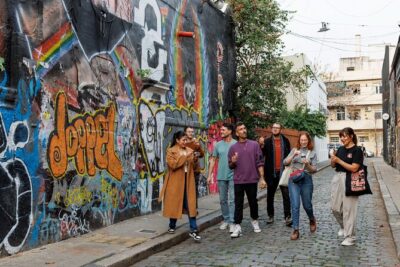
Local Foodie Adventure in Buenos Aires with Sherpa Food Tours
Read our review →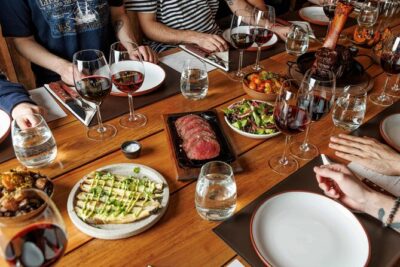
Argentine Experience Interactive Dining and Cooking
Read our review →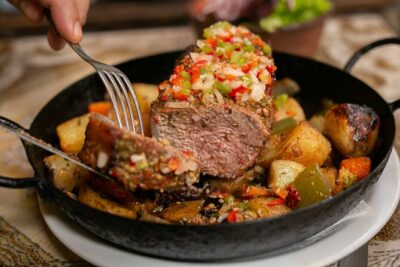
Historical Sherpa Food Tour of San Telmo with Street Food, Drinks
Read our review →
Join a Local Family Asado in Buenos Aires with Betty and Marcelo
Read our review →
Browse the lists this tour appears in