Reviewed · TANGO SHOWS
Tango Lesson and Wine Tasting in Buenos Aires, Argentina
Tango is easier once someone makes you laugh. This two-hour experience pairs a beginner tango lesson with homemade empanadas, Argentine wine, and conversation inside the Conventillo Cultural Abasto. I like the friendly teaching style of Catalina Cabana, who breaks the dance into simple pieces and helps nervous first-timers feel at ease. I also like the setting and the unhurried meal afterward, which turns a dance class into a small window on daily life in Buenos Aires. The main drawback is that the experience depends heavily on the instructor’s availability, and two solo bookings were canceled close to the start time.
For $65 per person, you get more than a basic dance class. You receive about 60 minutes of instruction, food and wine, local suggestions, and a chance to ask about tango, neighborhoods, architecture, and Argentine culture. The lesson is aimed at beginners, not polished dancers, so you should arrive ready to try, make mistakes, and enjoy the process.
In This Review
- Key points to know before booking
- Arriving at the Conventillo Cultural Abasto
- What the 60-minute tango lesson is really like
- Why Catalina’s teaching style matters
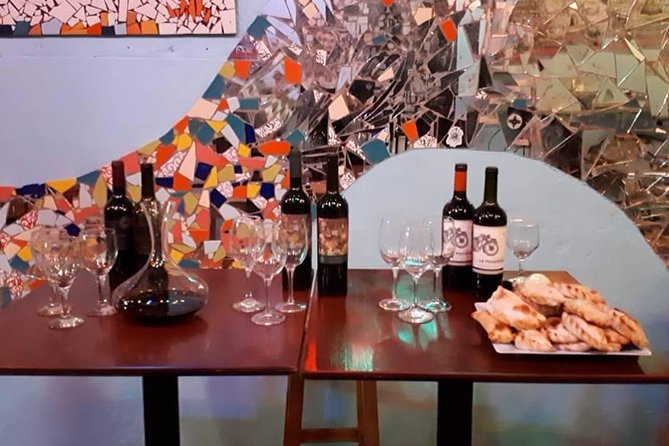
- Empanadas, wine, and the social hour afterward
- The Abasto setting and what happens after class
- Who will get the most from this experience
- Price, timing, and the cancellation concern
- What the 4.7 rating tells you
- Should you book the Buenos Aires tango and wine experience?
- FAQ
- How long does the tango and wine experience last?
- Where does the experience meet?
- Where does the experience end?
- Is the activity suitable for complete beginners?
- Is the tour private?
- What food and drinks are included?
- What is the cancellation policy?
Key points to know before booking
- Catalina Cabana teaches tango for complete beginners: You do not need previous dance experience, and the class focuses on simple steps you can use with a partner.
- The lesson takes place in an old conventillo: This traditional type of Buenos Aires housing gives the experience a stronger local setting than a standard dance studio.
- Empanadas and Argentine wine follow the dancing: Meat and vegetarian empanadas have been available, along with typical Argentine wines to taste and compare.
- The class includes cultural conversation: Catalina discusses tango and Buenos Aires, and she gives practical suggestions for things to see and do.
- You may receive photos or videos: Several participants received short clips or pictures of their dancing to keep as a memory.
- The activity is private by booking: Only your own group is meant to participate, although the number of people can vary by reservation.
Arriving at the Conventillo Cultural Abasto
The meeting point is Dr. Tomás Manuel de Anchorena 575, in the Abasto area of Buenos Aires. The location is near public transportation, which helps if you are staying elsewhere in the city. The experience begins and ends at this same address, so you do not have to arrange a separate return transfer.
The setting matters here. You are not simply walking into a generic classroom for a timed lesson. The activity takes place inside an old conventillo, a traditional Buenos Aires building associated with shared living and close neighborhood life. After dancing, you sit down to eat and drink in that setting, following the local habit of sharing a table and conversation.
I would allow enough time to reach the address without rushing. A tango class is more enjoyable when you have a few minutes to find the entrance, settle in, and get comfortable with the group. The meeting point is specific, but the supplied information does not state which public transportation route is best from your hotel.
The setting may also appeal to you if architecture and city life interest you. The experience is not described as a formal building tour, so do not book it expecting a long architectural explanation. Instead, the old conventillo works as a backdrop for the lesson and the social part of the evening.
More Food and Wine Tastings in Buenos Aires
- Local Foodie Adventure in Buenos Aires with Sherpa Food Tours
★ 5.0 · 6,875 reviews - Argentine Experience Interactive Dining and Cooking
★ 5.0 · 1,382 reviews - Cooking Class Designed by Michelin Chef @ Argentine Experience
★ 5.0 · 1,123 reviews
What the 60-minute tango lesson is really like
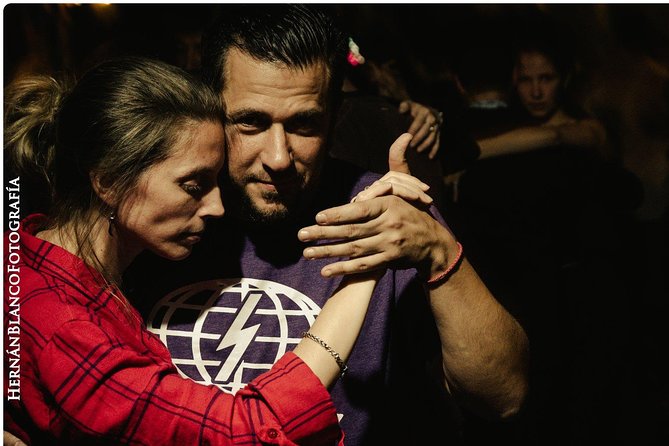
The first hour is devoted to learning how to begin dancing tango. That promise is modest and useful. You are not expected to become a professional dancer in one session, but you should leave able to dance a simple tango with your partner.
Catalina’s approach is especially suited to people who feel awkward about dancing. She breaks the movement into basic pieces, adds steps gradually, and adapts to the level in front of her. The repeated praise for her patience and relaxed manner suggests that the emotional side of the lesson is just as important as the footwork.
That is a good fit for Buenos Aires. Tango can look serious and intimidating when performed on a stage, with dramatic poses and fast movements. A first lesson needs to take away that pressure. Here, the aim is to understand the feel of the dance, try a few basic patterns, and begin improvising rather than copy a complicated routine.
You may learn how to start moving together, how to follow the basic rhythm, and how to connect the steps into a short dance. The exact sequence is not provided, so I would not expect a fixed syllabus or a formal graduation at the end. Think of it as a friendly introduction that gives you enough confidence to keep practicing.
Several people with no prior dance skills found the class approachable. One person even practiced the steps at the airport the next day. That detail says something useful: the lesson seems designed to give you a memorable physical experience, not just a lecture about tango.
The class may be a good choice if one person in your pair is more comfortable dancing than the other. Catalina has been praised for helping reluctant partners relax and participate. The experience is also described as LGBTQ friendly, which is helpful for couples who want to know that the teaching environment is welcoming.
You should still be realistic about the format. One hour is short, and tango is a complex dance. You might leave with a few useful steps and a better sense of the connection between partners, but not with the skill to confidently lead or follow every dance at a milonga.
Why Catalina’s teaching style matters
The instructor is the heart of this activity. Catalina is repeatedly described as warm, patient, encouraging, and easygoing. Those traits are not minor extras in a beginner dance lesson. They can decide whether you spend the hour enjoying yourself or worrying about every misplaced foot.
Catalina also brings an academic interest in Argentine history. She has been described as a university history professor and as someone who has studied tango for more than 25 years. That background gives the conversation after class more substance than a list of tourist facts.
You can ask about tango’s place in Argentine identity, the city’s neighborhoods, architecture, politics, and practical things to do in Buenos Aires. The available information does not promise a formal guided city tour, so keep your expectations focused. You are getting conversation and recommendations alongside the class, not a replacement for a full sightseeing tour.
I like this combination because tango makes more sense when you learn something about the society around it. The dance is not just a set of dramatic steps for visitors to copy. It connects to music, social habits, local pride, and the way people meet and spend time together.
Catalina also appears to use humor well. Beginners often need permission to be imperfect. A teacher who keeps the mood light can help you stay on your feet, even when your feet have other plans.
Empanadas, wine, and the social hour afterward
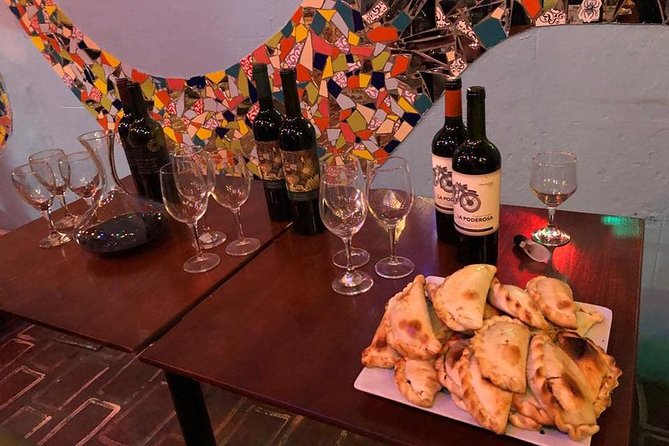
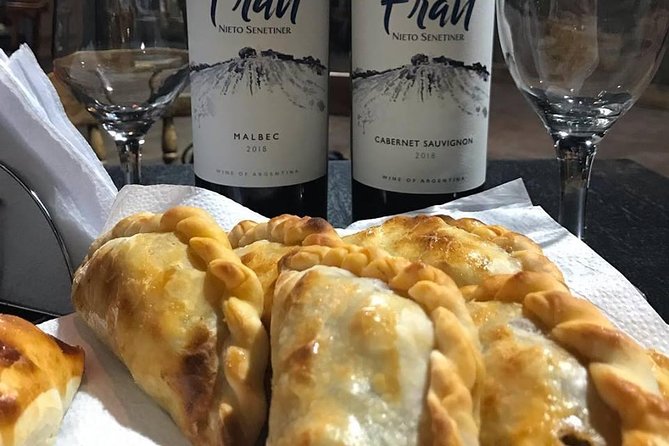
After the dance lesson, you sit down for homemade empanadas and typical Argentine wines. This portion is not just a snack added to fill out the schedule. It changes the pace of the experience and gives you time to talk with Catalina.
Meat and vegetarian empanadas have been available, so there is at least some choice for different diets. The supplied details do not list specific fillings, wine labels, or the number of glasses served. If those details matter to you, ask before booking rather than assuming a full meal or a formal wine tasting.
The wine component is described as a comparison of Argentine varietals. That makes it more useful than simply being handed one drink at the end of class. You can notice differences between the wines while hearing about Argentina and Buenos Aires in an informal setting.
Do not expect a sommelier-led tasting with technical tasting sheets. The focus appears to be social and accessible. You are sharing food and wine in a traditional setting, asking questions, and enjoying the company after trying something new.
This is where the $65 price makes the most sense. A one-hour group dance class alone might feel expensive at that rate, depending on local alternatives. Add homemade food, wine, a private booking, personal conversation, and the character of the building, and the experience offers a broader package.
The meal also gives you a chance to meet other people if your booking is arranged alongside additional couples. The activity is advertised as private, with only your group participating, but one account described a class with five couples. Group arrangements may therefore vary, and you should confirm the format if privacy is important.
More Wine Tours in Buenos Aires
- Authentic Rooftop Asado Experience with Argentine Wine Pairing
★ 5.0 · 274 reviews - Bodega Gamboa Small-Group Wine Tasting Tour with Lunch
★ 5.0 · 212 reviews - Buenos Aires Small-Group Wine Tasting
★ 5.0 · 193 reviews - Buenos Aires: Wine Tasting and Lunch at Bodega Gamboa
★ 4.8 · 177 reviews
The Abasto setting and what happens after class
The activity ends back at the meeting point, but the building may offer a reason to stay nearby for the evening. A bar downstairs has had live music afterward, and one participant stayed to listen. That option is not stated as part of the tour, so treat it as a possible extra rather than a guaranteed feature.
The connection between tango, wine, music, and the old building gives the evening a natural flow. You start by learning to move, then share food and conversation, and perhaps continue with live music nearby. You get a taste of how entertainment in Buenos Aires can be social rather than strictly scheduled.
One person went on to a milonga after the lesson and tried tango with a live band. That is a particularly good use of the experience if you have several nights in Buenos Aires. The class may give you enough basic confidence to watch or attempt a real social dance, though you should not feel pressured to do so.
If you want a quiet, private meal with no chance of background music or other activity, this may not be the best match. The cultural center setting is part of its appeal, and the surrounding atmosphere may be more informal than polished.
Who will get the most from this experience
I would recommend this activity most strongly to:
- First-time dancers who want a gentle introduction to tango
- Couples looking for a shared activity beyond sightseeing
- Solo visitors who enjoy meeting a local host and asking questions
- People interested in Argentine food and wine
- Anyone who wants practical Buenos Aires suggestions from a local
- Visitors who prefer a small cultural experience to a large stage show
It is also a good choice for the person in a couple who says I cannot dance. The class seems built around lowering that barrier. You will probably get more from the experience if you are willing to laugh at mistakes and let the instructor guide you.
This may not suit advanced dancers seeking detailed technique, long practice time, or a serious tango workshop. The class is described as an introduction, and the one-hour lesson limits how far it can go.
It may also disappoint someone expecting a full evening meal or a major wine education session. The food and drinks are valuable parts of the experience, but they support the cultural conversation rather than replace a restaurant dinner or a specialist tasting.
Price, timing, and the cancellation concern
The price is $65 per person, and the experience lasts about two hours. In practical terms, you are paying for a private beginner lesson, a host-led cultural conversation, homemade empanadas, Argentine wine, and the distinctive setting.
That is a fair value if you want several small experiences combined in one evening. It is less compelling if your only goal is to learn tango technique. The best value comes from treating the event as a social introduction to Buenos Aires, with dancing as the main doorway.
The experience is often booked about 36 days ahead on average. That suggests you should plan it before your trip, especially if your dates are fixed. Booking early may also reduce the chance of finding that your preferred evening is unavailable.
Free cancellation is offered if you cancel at least 24 hours before the start time. Changes made inside that window are not accepted, and a cancellation within 24 hours is not refunded. The cut-off is based on Buenos Aires local time.
There is one practical warning. Two poor accounts describe cancellations by the provider roughly 90 minutes and four hours before the scheduled start. The provider apologized in one case and explained that the booking appeared close to the start time, but the experience still disrupted the visitor’s plans. This appears to be an occasional scheduling problem rather than the normal pattern, especially given the high overall rating, but I would avoid placing an important dinner or show immediately after it.
A confirmed booking should be checked again if the activity is central to your day. That is sensible advice for any small, instructor-led experience, particularly one with only one named teacher.
What the 4.7 rating tells you
The experience has a 4.7 rating from 115 ratings, with 92 percent of people recommending it. The strongest pattern is clear: Catalina’s teaching style earns the praise.
People repeatedly describe her as patient, kind, friendly, and able to make tango feel possible for non-dancers. The food and wine also receive steady approval, especially the homemade empanadas. The videos and pictures sent after some lessons add a useful personal touch.
The lower ratings point to two issues rather than a complaint about the basic idea. One person found the lesson less successful than expected and noted a 20-minute delay. Two others had last-minute cancellation problems. These are worth taking seriously because a short activity has little room for lost time.
The positive experiences are strongest when participants want a relaxed introduction rather than a demanding class. If that is your goal, the rating fits the experience well. If punctuality and operational reliability are your top concerns, keep the cancellation history in mind.
Should you book the Buenos Aires tango and wine experience?
Book it if you want a friendly first step into tango, a taste of homemade empanadas and Argentine wine, and an hour of conversation about Buenos Aires with Catalina. The old conventillo, local guidance, and possible connection to live music make it feel more personal than a standard dance lesson.
I would especially choose it early in your stay. You may leave with ideas for neighborhoods, music, food, and a possible milonga, giving the rest of your visit more direction. Bring a willing partner, comfortable clothes, and a sense of humor.
Skip it if you want advanced dance training, a guaranteed formal wine tasting, or a perfectly predictable schedule. Also avoid relying on it for a tightly timed evening unless you have room for changes.
For most first-time visitors, this is a well-priced way to try one of Buenos Aires’ defining cultural traditions without needing to arrive as a dancer. You will not master tango in two hours, but you can learn enough to understand its appeal, share a good meal, and perhaps take your first steps onto a real dance floor.
FAQ
How long does the tango and wine experience last?
The experience lasts approximately two hours. About 60 minutes are devoted to the tango lesson, followed by empanadas, wine, and conversation.
Where does the experience meet?
It begins at Dr. Tomás Manuel de Anchorena 575, C1170ACI, Ciudad Autónoma de Buenos Aires, Argentina, at the Conventillo Cultural Abasto.
Where does the experience end?
The activity ends back at the same meeting point.
Is the activity suitable for complete beginners?
Yes. The lesson teaches how to start dancing tango, and most people can participate. You do not need previous dance skills.
Is the tour private?
It is listed as a private activity, meaning only your group is intended to participate. The number of people in a group can vary by booking.
What food and drinks are included?
The experience includes homemade empanadas and typical Argentine wines. Meat and vegetarian empanadas have been available.
What is the cancellation policy?
You can cancel for a full refund up to 24 hours before the local start time. Cancellations or changes made less than 24 hours before the start are not accepted for a refund.
More Tango Shows in Buenos Aires
- Buenos Aires: Piazzolla Tango Show with Optional Dinner
★ 4.4 · 2,122 reviews - Buenos Aires: Tango Show at Tango Porteño & Optional Dinner
★ 4.6 · 981 reviews - Intimate Underground Tango Show by Secreto Tango Society
★ 5.0 · 893 reviews - Buenos Aires: Madero Tango Show with Optional Dinner
★ 4.3 · 748 reviews
Just added in Buenos Aires
- Discover Buenos Aires’ independent art scene — Ticket included★ 5.0 · 30 reviews
- Photo Session in Buenos Aires★ 5.0 · 26 reviews
- Your Private Photographer in Buenos Aires★ 5.0 · 4 reviews
- Yerba Mate Workshop – Learn to Drink Mate like a Local!★ 5.0 · 11 reviews
- Your Personal Photographer in Buenos Aires★ 5.0 · 24 reviews
- BA: Wine Tasting and Blending Experience in Palermo★ 5.0 · 1 review
- Winery and Tasting Experience in Buenos Aires★ 5.0 · 1 review
- Taste of Tradition: Yerba Mate & Alfajores Experience★ 4.0 · 5 reviews
Tango Shows, compared.

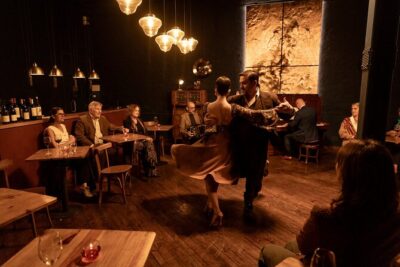
Intimate Underground Tango Show by Secreto Tango Society
Read our review →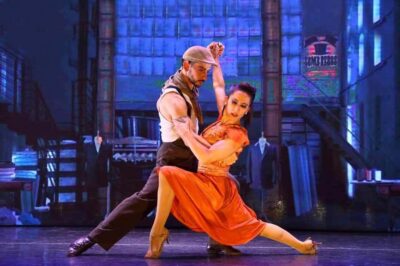
Tango Porteño: The Best Tango Night in Buenos Aires
Read our review →
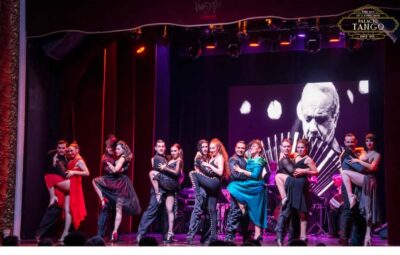
Palacio Tango: Tango Show at the Piazzolla Theater
Read our review →