
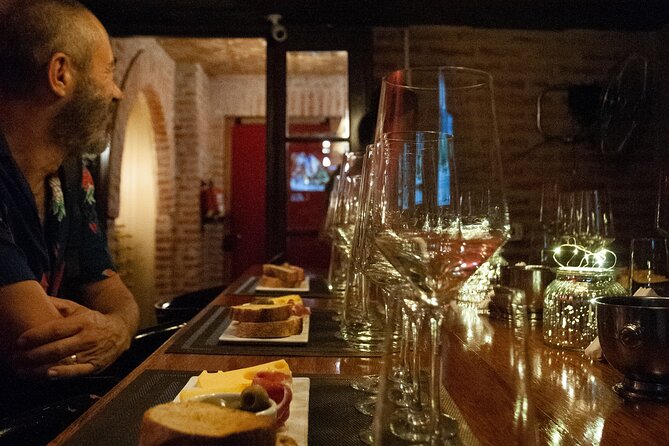
Reviewed · ARGENTINE WINE TOURS
Buenos Aires Small-Group Wine Tasting
Argentina pours well in Buenos Aires. This small-group tasting at Miravida Soho Hotel & Wine Bar gives you a pleasant introduction to the country’s wine culture without requiring a trip to Mendoza. I especially like the intimate group size and the chance to taste more than just Malbec, including Torrontés, Pinot Noir, rosé, and sparkling wine. The main consideration is that the food consists of snacks and pairings, not a full meal, and the wines may feel fairly basic to serious collectors.
You meet your sommelier in Palermo Soho, then spend about two hours tasting, asking questions, and learning how Argentina’s regions shape its wines. Hosts such as Sandra, Pablo, Agustin, and others have been praised for making the session relaxed and easy to follow. At $55 per person, it is a fair buy if you want context, conversation, and several pours in one sitting, but less compelling if your only goal is premium wine.
In This Review
- Key points at a glance
- Why this tasting works in Buenos Aires
- Arriving at Miravida in Palermo Soho
- The first pours: Malbec, Torrontés, and beyond
- Regional lessons without leaving the city
- Cheese, bread, meats, and small bites
- Eight people feels about right
- Is $55 a good value?
- Timing, reservations, and cancellation
- Who should book this Buenos Aires wine tasting?
- Should you book it?
- FAQ
- Where does the Buenos Aires wine tasting begin?
- Where does the experience end?
- How long does the wine tasting last?
- How many people can join the tasting?
- Which Argentine wines might I taste?
- Is food included?
- What is the cancellation policy?
Key points at a glance
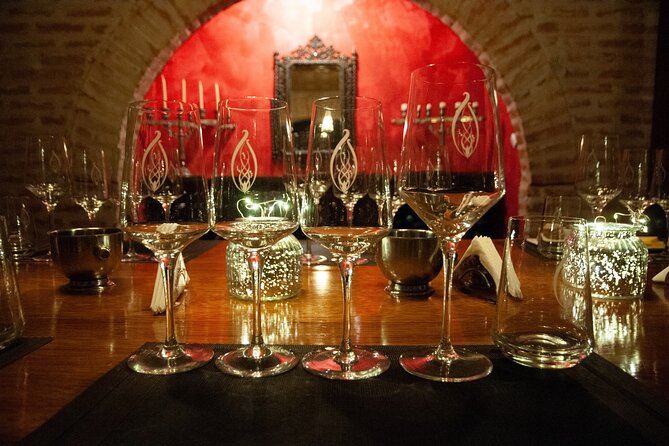
- Five or more Argentine wines: Tastings may include Malbec, Torrontés, Pinot Noir, rosé, sparkling wine, and other regional styles.
- Small and social: Sessions are advertised for up to eight people, while the activity information allows a maximum of twelve.
- Sommelier-led guidance: Sandra, Pablo, Agustin, and other hosts explain grape varieties, regions, food pairings, and Argentine wine culture.
- Palermo Soho setting: The tasting begins and ends at Miravida Soho Hotel & Wine Bar, Darregueyra 2050.
- Food pairings included: Expect bread, cheeses, meats, crudités, empanadas, and other small bites, with vegetarian options available.
- Flexible planning: Multiple start times are offered, and free cancellation is available up to 24 hours before the start.
Why this tasting works in Buenos Aires
Argentina’s best-known wine region, Mendoza, is far from Buenos Aires. If your itinerary stays in the capital, this tasting gives you a useful sample of the country’s wine culture without spending a day on transport or adding a separate domestic flight.
I like that the session is not limited to the familiar Malbec story. You may taste Torrontés, Argentina’s fragrant white grape, alongside Malbecs from different areas. Some sessions have included Pinot Noir, rosé, and sparkling wine as well. That variety matters because it keeps the event from becoming a parade of similar red wines.
The emphasis is educational, but the tone appears to stay friendly rather than formal. You can take notes, ask questions, and learn how geography, grape type, and food affect the way a wine tastes. For a first tasting, that is more useful than a long list of technical terms.
The experience is also social. Small groups often lead to conversation among people from different countries, and the relaxed format gives you time to compare impressions. If you are traveling alone, this can be an easy way to meet people without committing to a full evening tour.
More Food and Wine Tastings in Buenos Aires
- Local Foodie Adventure in Buenos Aires with Sherpa Food Tours
★ 5.0 · 6,875 reviews - Argentine Experience Interactive Dining and Cooking
★ 5.0 · 1,382 reviews - Cooking Class Designed by Michelin Chef @ Argentine Experience
★ 5.0 · 1,123 reviews
Arriving at Miravida in Palermo Soho
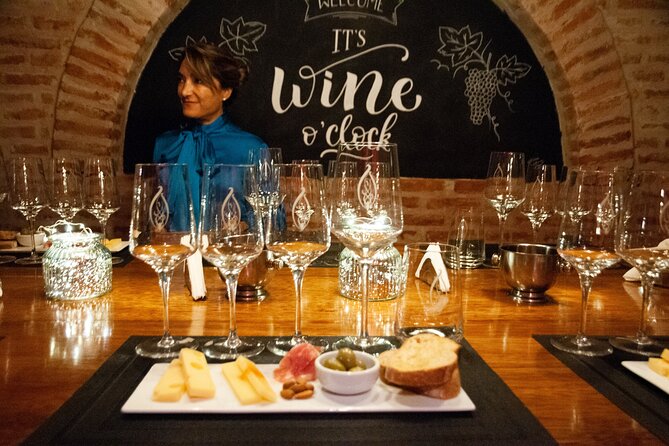
Your meeting point is Miravida Soho Hotel & Wine Bar at Darregueyra 2050. It is in Palermo Soho, a popular part of Buenos Aires with plenty of restaurants, cafés, shops, and bars nearby. Public transportation is close, so you do not need to arrange a private transfer just for this activity.
The tasting room has been described as a small, comfortable cellar-like space. Other sessions have taken place in an outdoor courtyard with several tables. The exact feel may depend on the date, group size, and setup, but you should expect a casual wine-bar environment rather than a grand vineyard estate.
That setting is part of the appeal. You are not looking at rows of vines or touring a production facility. Instead, you are getting a city-based introduction to Argentine wine, presented in a place designed for drinking and discussion. It fits well into a Buenos Aires day, especially if you plan to eat dinner in Palermo afterward.
The meeting point is also the return point. There is no sightseeing transfer between stops, which keeps the experience simple and makes the roughly two-hour length easy to fit around museum visits, shopping, or an evening meal.
The first pours: Malbec, Torrontés, and beyond
Once everyone arrives, you meet the sommelier and the other participants. The host introduces the wines and begins explaining Argentina’s main growing areas, grape varieties, and wine-making traditions.
The exact number of wines can vary. Some sessions have included four wines, while others have featured five or six. One tasting included a white, rosé, Pinot Noir, and Malbec. Another included sparkling, white, and red wines. A separate session offered Torrontés, Pinot Noir, and three different Malbecs.
This variation is worth keeping in mind. You are buying a guided tasting rather than a fixed bottle-by-bottle menu. The common thread is a selection of Argentine wines and an explanation of what makes each one different.
Malbec usually receives plenty of attention, as it should. Argentina is closely associated with the grape, and the tasting can show how separate Malbecs differ. That is especially helpful if you have only tried one familiar bottle at home and assume all Malbec tastes the same.
Torrontés provides a useful contrast. Its perfume and freshness offer a break from heavier reds, and tasting it beside Malbec helps you see how grape type changes the experience. The addition of Pinot Noir, rosé, or sparkling wine gives the session more range and keeps beginners from feeling lost in a wall of tannins.
Regional lessons without leaving the city
The sommelier does more than name each bottle. The presentation may include maps and photographs showing where the wines come from, along with explanations of Argentina’s wine regions. This geographic piece is one of the strongest reasons to book the event.
You may learn how to think about a wine by its region, grape, or pairing rather than by its label alone. That is practical information you can use later in a restaurant or wine shop. A map can also give meaning to places you may hear about during the rest of your trip.
The talks have been praised for covering Argentine geography, culture, and history as well as wine. That broader context makes the tasting more than a drinking session. You get a clearer sense of how a large country can produce very different styles in different areas.
The sommelier’s personality matters here. Sandra has been praised for her warmth and clear explanations. Pablo has been described as relaxed, friendly, and highly skilled, including by a participant with formal wine-study experience. Agustin has also received praise for making the information accessible.
That range of hosts means the exact presentation style can differ. Still, the repeated pattern is an easygoing guide who welcomes questions. Beginners should feel comfortable, while people with some wine training can ask for more detail.
More Wine Tours in Buenos Aires
- Authentic Rooftop Asado Experience with Argentine Wine Pairing
★ 5.0 · 274 reviews - Bodega Gamboa Small-Group Wine Tasting Tour with Lunch
★ 5.0 · 212 reviews - Buenos Aires: Wine Tasting and Lunch at Bodega Gamboa
★ 4.8 · 177 reviews - Tango Lesson and Wine Tasting in Buenos Aires, Argentina
★ 4.5 · 115 reviews
Cheese, bread, meats, and small bites
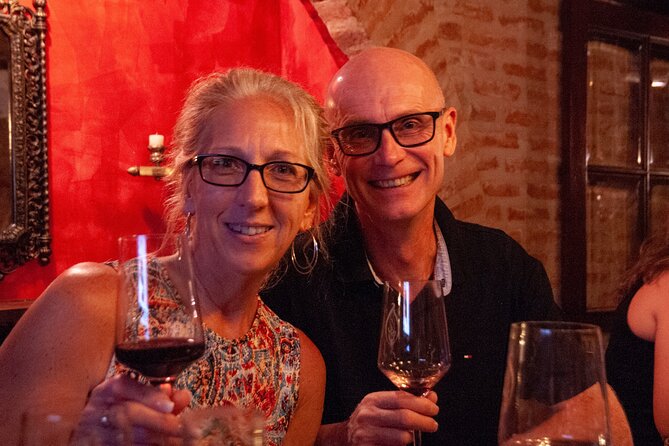
Wine tastes better with food, and Miravida builds pairings into the session. Expect small portions of cheese, bread, meats, crudités, and other simple bites. Some sessions have also included empanadas.
The food is there to support the tasting, not replace lunch or dinner. You should not arrive expecting a substantial meal. One useful way to plan is to eat something light beforehand and treat the pairings as part of the lesson.
Cheese has received especially strong praise, and it makes sense as a partner for both white and red wines. Comparing the same wine before and after a bite can help you notice changes in acidity, fruit, tannin, and finish. The sommelier can also explain why one pairing works better than another.
Vegetarian options have been available, which is helpful if you do not eat meat. The provided information does not describe every dietary accommodation, so you should raise any other food needs when booking or before the tasting.
Water is available to refresh your palate. You can take notes during the pours, and some sessions offer a chance to have more of a preferred wine. Drink at a sensible pace, since several wines arrive in a short period.
Eight people feels about right
The experience is promoted as a small-group tasting capped at eight participants. That is the ideal size for this type of event. You get enough variety in the room to create conversation, but not so many people that questions disappear into a crowd.
Actual sessions have been even smaller. Groups of three, four, six, and seven have all been described, and one booking had only two people. A session with twelve people has also been described in an outdoor courtyard. The booking information lists a maximum of twelve, so you should treat eight as the intended tasting size and twelve as the possible activity limit.
A small group changes the pace. You can ask about a particular region, request help choosing a bottle, or talk through a flavor you do not recognize. The sommelier has more time to respond than at a large commercial tasting.
The social side is just as important. People have met fellow wine lovers from Australia and other countries, then compared their home drinking habits and travel plans. I would book this as a friendly shared activity rather than a private lesson, unless you are lucky enough to find a very small session.
Is $55 a good value?
At $55 per person, the value depends on what you want from a wine experience in Buenos Aires. You receive about two hours of instruction, several Argentine wine samples, food pairings, and a central Palermo location. You also avoid the transport and planning required for a visit to a distant wine region.
For a visitor who has limited time, that is a sensible package. It gives you enough samples to identify styles you like and enough explanation to make later wine choices with more confidence. The small group adds real value because personal questions are part of the experience.
The price is less attractive if you are already an advanced wine buyer seeking rare or expensive bottles. One person described the wines as basic table wines and found the sommelier more interesting than the selection. That is a fair warning. The strength of the event is the presentation, regional context, and variety, not a promise of luxury wine.
I would also compare the cost with your meal plans. Since the food is limited to snacks and pairings, budget separately for dinner. The tasting works best as an early evening activity followed by a Palermo meal, or as a mid-afternoon break after exploring the neighborhood.
Timing, reservations, and cancellation
The session lasts approximately two hours, with multiple start times available. That makes it easier to fit into a day of sightseeing, though you should allow a little extra time to find Darregueyra 2050 and arrive before the start.
This is a popular activity, with bookings often made around 35 days ahead. If the tasting is important to your itinerary, reserve before you arrive rather than hoping for a last-minute opening.
Confirmation is provided when you book. The experience is near public transportation, and most people can participate. It is not described as a walking tour, so you can plan to remain at the wine bar for the session.
Free cancellation applies when you cancel at least 24 hours before the local start time. Canceling within 24 hours, or making changes during that period, does not qualify for a refund. If the minimum number of participants is not reached and the provider cancels, you can receive a full refund or choose another date or experience.
Who should book this Buenos Aires wine tasting?
I would recommend it to first-time wine drinkers, couples, friends, and solo visitors who want a comfortable introduction to Argentina’s wine regions. The sommelier-led format removes the pressure of pretending to know what you are tasting.
It also suits experienced wine drinkers who enjoy learning about place and production. A participant with WSET study found Pablo’s explanations strong, so the event is not only for beginners. Still, serious collectors should keep expectations in check. This is a guided sample of Argentine wine, not a specialist cellar appointment.
Food lovers should enjoy the cheese, bread, meat, and empanada pairings, but do not count on the tasting as dinner. Vegetarians can request suitable options, based on the arrangements described by previous participants.
I would skip it if your schedule is already packed with formal wine visits or if you want a vineyard, harvest, or cellar-production experience. Nothing in the format suggests that you leave Palermo Soho. Its purpose is to bring Argentine wine knowledge to you in the city.
Should you book it?
Yes, if you want a well-paced and social introduction to Argentine wine in Buenos Aires. The best reasons to book are the small group, the range beyond Malbec, and the hosts’ ability to connect wine with geography and culture.
Book with realistic expectations. You will taste several wines, not necessarily rare or high-end bottles, and the food is made up of small pairings rather than a full meal. For $55, I think it is good value for a curious visitor who wants useful wine knowledge, a few hours of conversation, and a better sense of what to order during the rest of the trip.
FAQ
Where does the Buenos Aires wine tasting begin?
It begins at Miravida Soho Hotel & Wine Bar, located at Darregueyra 2050, C1425FLA, Buenos Aires.
Where does the experience end?
The tasting ends back at the meeting point, Miravida Soho Hotel & Wine Bar.
How long does the wine tasting last?
The experience lasts approximately two hours.
How many people can join the tasting?
The tasting is promoted for groups of up to eight participants. The activity information lists a maximum of twelve people.
Which Argentine wines might I taste?
Selections can include Malbec and Torrontés, along with wines such as Pinot Noir, rosé, sparkling wine, and other Argentine varieties. The exact selection can vary.
Is food included?
Yes. Small bites and pairings are included, such as cheeses, bread, meats, crudités, and sometimes empanadas. Vegetarian options have been available.
What is the cancellation policy?
You can cancel for a full refund up to 24 hours before the experience’s local start time. Cancellations or changes made within 24 hours are not refunded or accepted.
Just added in Buenos Aires
- Discover Buenos Aires’ independent art scene — Ticket included★ 5.0 · 30 reviews
- Photo Session in Buenos Aires★ 5.0 · 26 reviews
- Your Private Photographer in Buenos Aires★ 5.0 · 4 reviews
- Yerba Mate Workshop – Learn to Drink Mate like a Local!★ 5.0 · 11 reviews
- Your Personal Photographer in Buenos Aires★ 5.0 · 24 reviews
- BA: Wine Tasting and Blending Experience in Palermo★ 5.0 · 1 review
- Winery and Tasting Experience in Buenos Aires★ 5.0 · 1 review
- Taste of Tradition: Yerba Mate & Alfajores Experience★ 4.0 · 5 reviews
Argentine Wine Tours, compared.
All Day, Small Group, Luxury Wine Tour with Gourmet Lunch
Read our review →

Argentine Experience: Immersive Dinner & Wine Pairing in Iguazú
Read our review →
Browse the lists this tour appears in