
Reviewed · ARGENTINE FOOD AND WINE TASTINGS
Secret Food Tour: Buenos Aires
Come hungry, and bring curiosity. This three-hour Palermo food walk connects Argentine dishes with the Italian, indigenous, and political stories behind them. I like the small group limit of 10, and I like that the route includes Palermo Soho, Old Palermo, and the food-focused Plaza Inmigrantes de Armenia. One consideration: the menu and stops can change with weather or restaurant availability.
The guide is another strong point. Iago received special praise for his food recommendations and tips on what to do in Buenos Aires afterward. The main drawback is simple: at $95 per person, you need to value several tastings and local guidance to feel the tour earns its price.
In This Review
- Key points to know before booking
- Why Palermo makes a good food tour setting
- Meeting the guide at Julián Álvarez 1998
- Starting with the secret dish and Argentine identity
- Empanadas, cheesecake, and the Italian connection
- Fire-grilled steak and chimichurri
- Plaza Inmigrantes de Armenia and Palermo’s food scene
- Eva Perón, dictatorship memory, and a toast on the way
- Choripán on a Palermo Soho street
- Alfajores, chocolate, and the final sweet course
- What $95 gets you in practical terms
- Who will enjoy this Palermo food walk most
- FAQ
- Where does the Secret Food Tour: Buenos Aires start?
- Where does the tour end?
- How long does the food tour last?
- What language is the tour conducted in?
- What food and drinks are included?
- Can the tour accommodate special dietary needs?
- Should you book this Buenos Aires food tour?
Key points to know before booking
- An all-in-one Palermo route: See Palermo Soho, Old Palermo, Plaza Inmigrantes de Armenia, and other local streets on foot.
- A serious food lineup: Expect steak with chimichurri, empanadas, an award-winning choripán, alfajores, cheesecake, and a secret dish.
- Small English-speaking group: The tour is limited to 10 people, which should make conversation and questions easier.
- Argentina beyond steak: Food comes with stories about indigenous traditions, Italian ancestry, Eva Perón, and the dictatorship era.
- Drinks are part of the experience: Water, Basque cider, and yerba mate are included.
- Return to the starting point: Meet at 1810 Cocina Regional Palermo, and finish back there after about three hours.
Why Palermo makes a good food tour setting
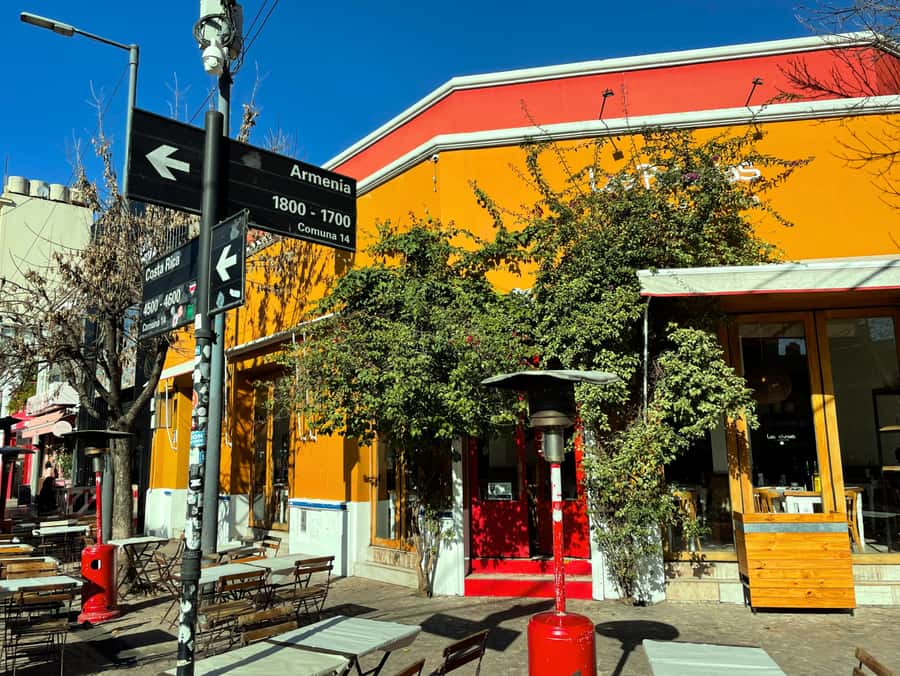
Palermo is Buenos Aires at its most varied. It is the city’s largest neighborhood, and its districts do not all feel the same. Palermo Soho brings fashionable streets and well-known places to eat, while Old Palermo has a strong restaurant scene around Plaza Inmigrantes de Armenia.
That variety matters. You are not simply moving from one restaurant to another. You are using food to read the neighborhood. A guide can point out how immigrant traditions shaped the menu, how public monuments connect to Argentina’s past, and why certain streets have become important dining spots.
I like this approach because Buenos Aires food makes more sense when you know where it came from. Italian influence is a major theme, with the tour noting that 62.2 percent of the country’s population traces ancestry to Italy. That helps explain why Argentine food is not just about beef and gauchos. It also reflects migration, family cooking, and European traditions adapted to local ingredients.
The tour is conducted in English, and the group is capped at 10 participants. That is a useful size for a walking route with several food stops. You can usually hear the guide, ask questions, and keep the group moving without the feel of a large coach excursion.
More Food and Wine Tastings in Buenos Aires
- Local Foodie Adventure in Buenos Aires with Sherpa Food Tours
★ 5.0 · 6,875 reviews - Argentine Experience Interactive Dining and Cooking
★ 5.0 · 1,382 reviews - Cooking Class Designed by Michelin Chef @ Argentine Experience
★ 5.0 · 1,123 reviews
Meeting the guide at Julián Álvarez 1998
The starting point is in front of the main entrance of 1810 Cocina Regional Palermo at Julián Álvarez 1998, C1425DHB, in Buenos Aires. Look for an orange umbrella and a big smile.
That meeting detail is worth taking seriously. Palermo has many restaurants and active streets, so knowing the exact address will save you time. I would arrive a little early, especially if you are unfamiliar with Buenos Aires or are relying on a taxi or rideshare.
There is no hotel pickup or drop-off. You need to make your own way to the meeting point and return from there. The good news is that the tour ends where it begins, so you do not need to plan a second pickup location.
Once the group gathers, the guide sets the tone for the walk. The best feedback about this experience centers on the guides, especially Iago, who was praised for his food advice and suggestions for the rest of a Buenos Aires visit. That is valuable because a food guide can often help you choose later meals with more confidence.
Starting with the secret dish and Argentine identity
The first tasting is the Secret Dish. Its exact contents are deliberately kept hidden, so you cannot plan around a specific item. What you can expect is a dish connected to Argentina’s indigenous heritage and cultural traditions.
This is a smart opening. It puts Argentina’s story before the familiar international image of steak and red wine. The dish gives the guide a chance to explain that Argentine food has more than one foundation, including native ingredients and customs that continue today.
If you have dietary restrictions, contact the operator before booking. The menu may be adjustable in some cases, but the provided information does not promise that every request can be handled. That is especially important when one course is a surprise.
The secret element adds fun, but it also means you should not book this tour if you need complete control over every dish. For adventurous eaters, it is a pleasant way to let the guide introduce something you might not order alone.
Empanadas, cheesecake, and the Italian connection
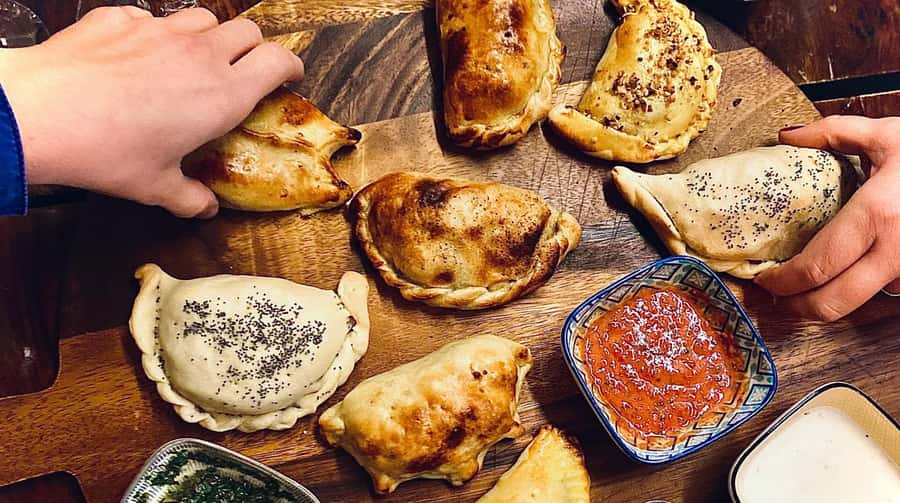
The next food stops include special empanadas and Argentinean cheesecake. Empanadas are an easy way to see how a simple filled pastry can become part of everyday national cooking. The filling and style can vary, and the guide’s explanation is likely to be as useful as the tasting itself.
The cheesecake offers a different texture and flavor from the savory dishes. It also helps keep the meal paced rather than turning the tour into one long serving of meat. Water is included, which is practical during a three-hour walking route.
The Italian connection is one of the tour’s clearest cultural threads. Buenos Aires cuisine carries strong Italian influence, and the guide links that ancestry to traditional gastronomy in Argentina. You may come away understanding why local food can feel familiar to anyone who knows Italian cooking, while still remaining distinctly Argentine.
This stop is also a reminder that national food is rarely fixed. Argentina’s table developed through different communities, local produce, and changing traditions. The tour gives you that context without asking you to sit through a formal history lecture.
A completely different kind of day:
- Buenos Aires City Private Tour with Local Guide
★ 5.0 · 3,475 reviews - Buenos Aires Small-Group City Tour
★ 5.0 · 2,226 reviews - Buenos Aires Hop-On Hop-Off Bus, Free Walking Tours & Discounts
★ 4.5 · 2,218 reviews - Buenos Aires: Piazzolla Tango Show with Optional Dinner
★ 4.4 · 2,122 reviews
Fire-grilled steak and chimichurri
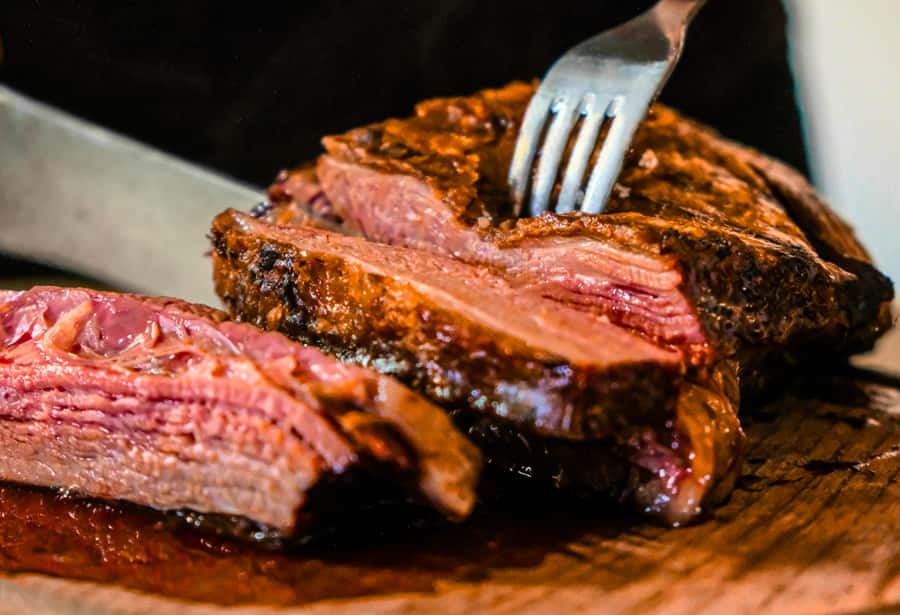
The steak is likely to be the centerpiece for many people. The included tasting features fire-grilled steak with chimichurri, the herb-and-seasoning sauce that gives Argentine beef a sharp, fresh counterpoint.
One participant singled out the steak as a highlight, and that makes sense. Parrilla is not just another meal in Buenos Aires. It is one of the country’s signature food traditions, and a carefully chosen tasting lets you try it without committing to a full restaurant order or guessing from a menu.
The tour also provides useful context around the parrilla tradition. You learn why grilled meat is so closely tied to Argentine identity, rather than simply being handed a plate and sent on your way.
Still, keep expectations sensible. This is a tasting tour, not a long steak dinner. The portion size, cooking style, and restaurant used can vary because the route is subject to change. If you are booking mainly for a large steak meal, $95 may feel high. If you want the steak as one part of a wider food and culture walk, the value is stronger.
Plaza Inmigrantes de Armenia and Palermo’s food scene
The route continues through one of Old Palermo’s key dining areas, Plaza Inmigrantes de Armenia. This section gives you a chance to connect the food with the neighborhood itself.
The plaza is useful as a stopping point because the guide can explain the international influences that shaped Buenos Aires. That makes the tour feel local rather than generic. You are not only trying Argentine food, you are also learning why Palermo has become such an important place to eat.
The route includes Palermo Soho as well. These areas are popular, but the experience is not built around sightseeing landmarks in the usual sense. The pleasure comes from watching the neighborhood change as you walk, hearing about the districts, and stopping at places chosen for their food.
Because the itinerary is not fixed in stone, you should think of the route as a guided introduction to Palermo rather than a guaranteed list of exact venues. Weather, opening hours, and location availability can affect the stops. The operator notes that the tour may run 15 to 30 minutes longer on occasion, so do not schedule a tight appointment immediately afterward.
Eva Perón, dictatorship memory, and a toast on the way
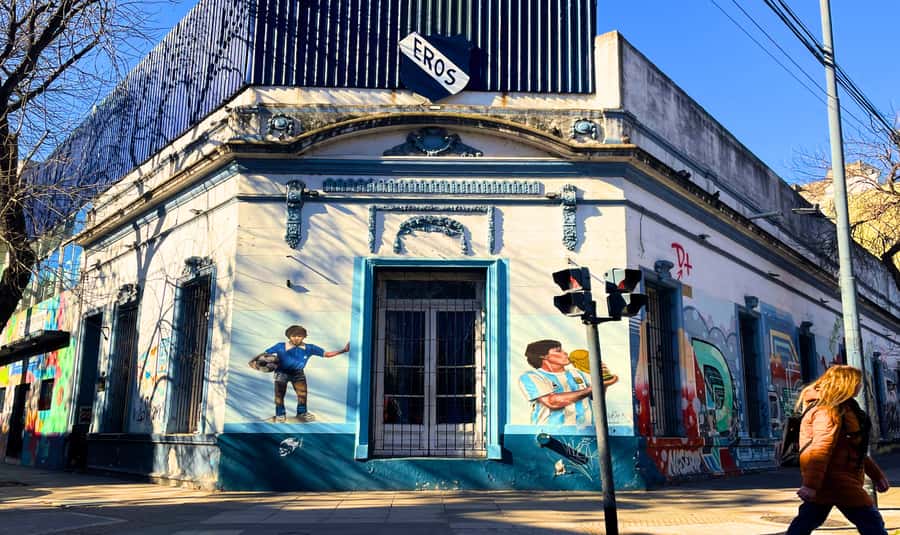
This tour adds political history to the food stops. During the walk, you pause to raise a toast to Eva Perón, one of Argentina’s most famous first ladies.
That moment gives the tour a human link to a figure who remains central to Argentina’s public memory. It is not presented as a separate museum visit, but as part of the street experience. You are tasting and walking while the guide explains why Eva Perón still matters.
The group also stops at a monument honoring people who fought against the Argentine dictatorship. The guide discusses Jorge Rafael Videla and the country’s difficult period under military rule.
I appreciate that these subjects are included. Food tours can become shallow if they treat a neighborhood only as a collection of restaurants. Here, the route recognizes that Buenos Aires has both pleasure and pain in its public spaces.
The political material may not appeal to someone seeking only a light afternoon of eating. For most people, though, it adds needed context. Argentina’s food culture is tied to family, migration, national pride, and memory. A short stop at a monument helps you see the city as more than a dining district.
Choripán on a Palermo Soho street
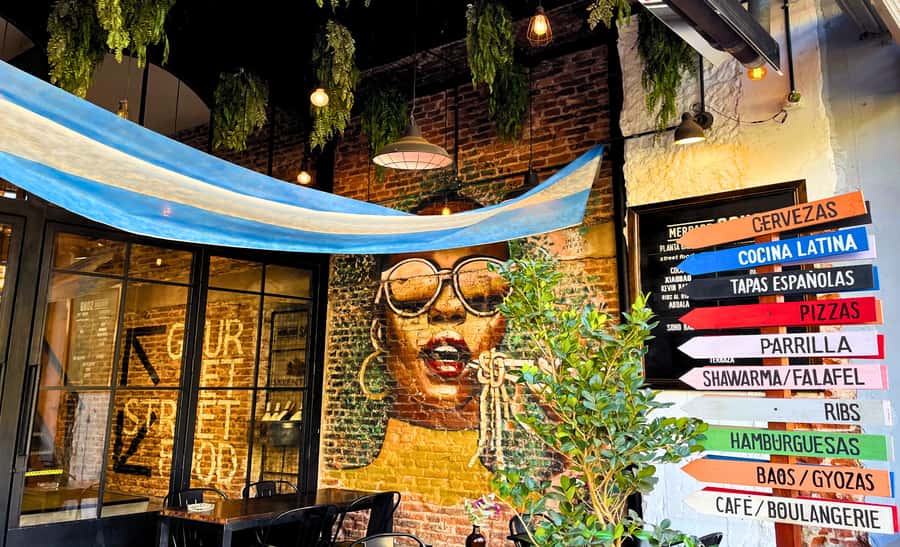
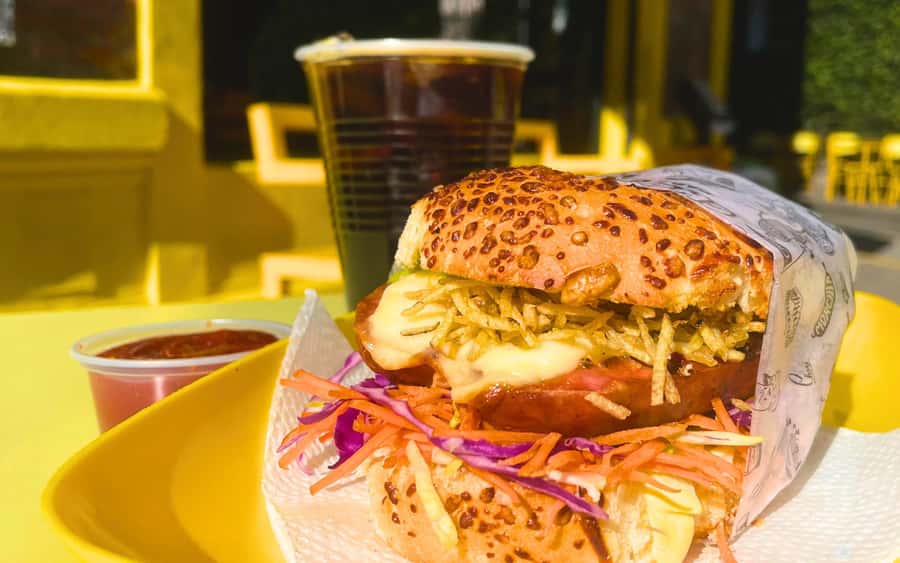
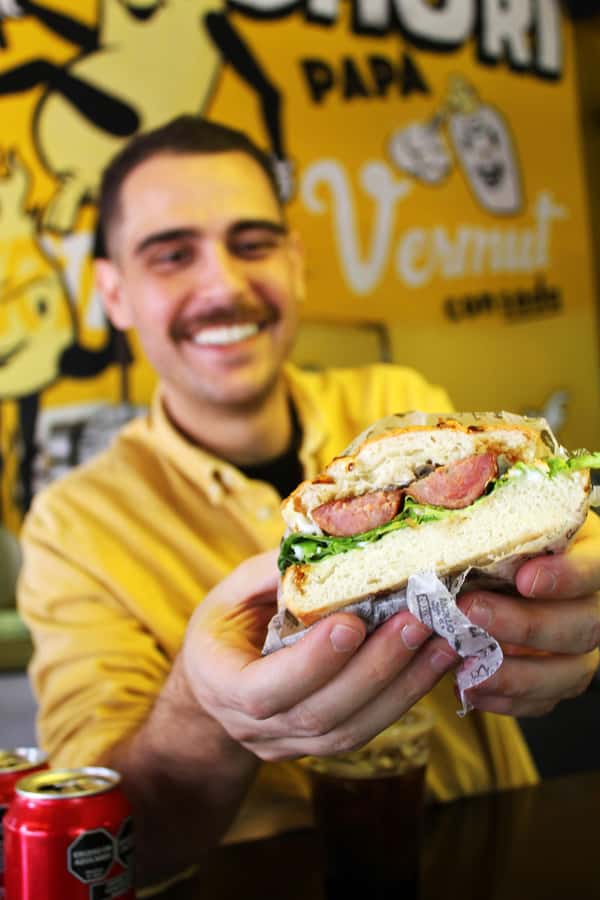
The choripán is another major stop. You will try a version described as globally award-winning at a much-discussed Palermo Soho venue.
Choripán is one of Argentina’s most recognizable street foods: grilled chorizo served in bread, usually with sauces or other toppings. It is more casual than the steak course, and that contrast is part of the appeal. You get a taste of a food associated with informal eating, local gatherings, and quick bites rather than a formal restaurant meal.
The venue itself is part of the experience. The guide can explain why this particular choripán has attracted attention and how it fits into Palermo’s food scene. The exact restaurant or preparation may change, so treat the award reference as a reason for the stop, not a guarantee of a particular presentation.
This is one of the places where the small group helps. Ten people can gather around a food stop more easily than a large crowd. You also have a better chance to ask the guide which other casual foods to try during your stay.
Alfajores, chocolate, and the final sweet course
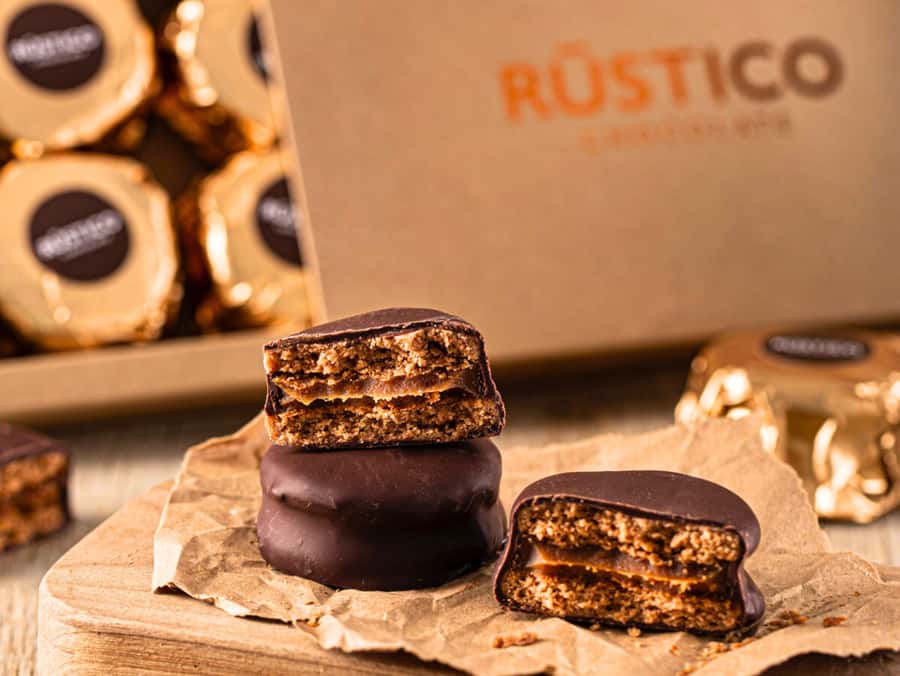
The final listed food is a handmade alfajor. This famous Argentine dessert combines sweet layers with a filling, often coated or finished with chocolate. The version included here is made by local chocolatiers, with 99 percent of its ingredients sourced from Argentina.
That local sourcing detail gives the dessert a useful sense of place. It is not just a packaged souvenir. The guide can connect the alfajor to Argentine habits and explain why it is one of the country’s best-known sweets.
The handmade preparation also makes this a fitting end to the tour. After steak, empanadas, choripán, and the secret dish, a compact dessert is easier to manage than another full serving. The tour includes water and yerba mate as well, along with Basque cider. Those drinks broaden the tasting beyond the standard food pairings.
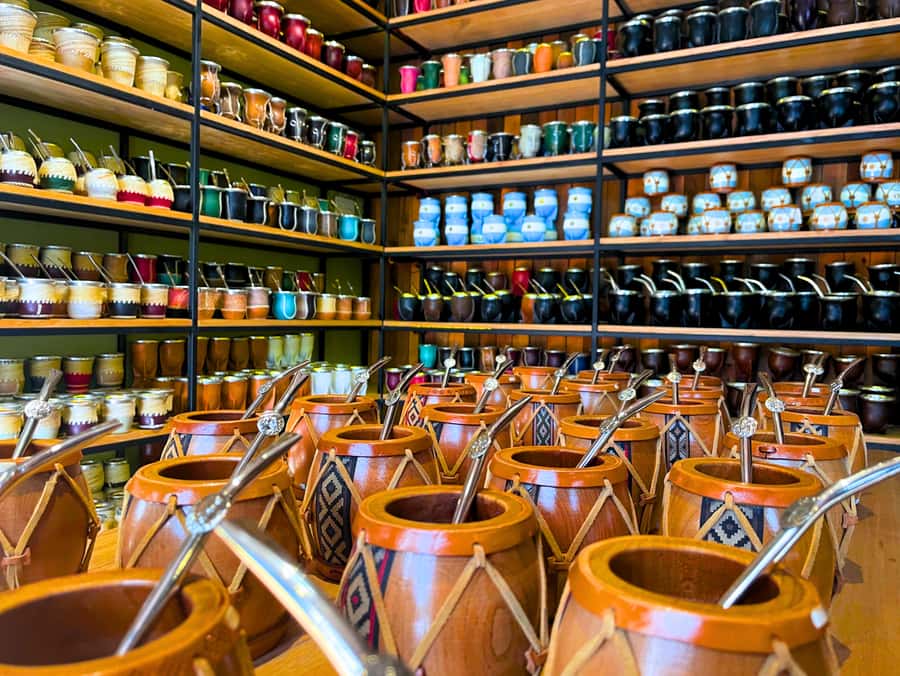
Yerba mate is especially important as a cultural item. Even if you only sample it briefly, you get an introduction to a drink strongly associated with Argentina. Basque cider adds another international note to a menu already shaped by several traditions.
What $95 gets you in practical terms
The price is $95 per person. That is not a budget food crawl, so I would judge it by the full package rather than by the cost of any single plate.
You receive a live English-speaking guide, a three-hour walking route, a small group, multiple food tastings, and several drinks. The included menu covers Argentinean cheesecake, empanadas, steak with chimichurri, choripán, alfajores, and the Secret Dish. It also includes water, Basque cider, and yerba mate.
The value is strongest if you are new to Buenos Aires and want an efficient introduction to both food and Palermo. A good guide saves you the trouble of choosing unfamiliar places and gives you recommendations for later meals. Iago was specifically praised for giving useful ideas about what to do in the city afterward, which adds value beyond the final bite.
The price is less attractive if you already know Palermo well, prefer full restaurant portions, or do not want historical and cultural commentary mixed with your meal. You also need to remember that hotel transport is not included.
Free cancellation up to 24 hours before the tour and the option to reserve now and pay later reduce some booking risk. Those policies are helpful if your Buenos Aires schedule is still moving around.
Who will enjoy this Palermo food walk most
I would recommend this tour to first-time visitors who want food and neighborhood context in the same outing. It also suits solo visitors and couples who prefer a small group to a private tour, since the 10-person limit keeps the experience fairly contained.
It is a good choice for anyone who wants a guide to explain Argentina’s food influences rather than simply point out dishes. The route includes indigenous traditions, Italian ancestry, international immigration, Eva Perón, and the dictatorship era. That is a lot of cultural ground for three hours.
Food-focused visitors should like the range. You get grilled beef, pastries, sausages, sweets, a surprise dish, and drinks. The strongest praise has focused on the food quality and the guides, especially the steak and Iago’s recommendations.
I would hesitate if you have strict dietary needs and have not checked in advance. I would also hesitate if you dislike walking, need an exact finish time, or want a fixed menu. The route can change, and the activity may run 15 to 30 minutes longer.
FAQ
Where does the Secret Food Tour: Buenos Aires start?
It starts in front of the main entrance of 1810 Cocina Regional Palermo at Julián Álvarez 1998, C1425DHB, Ciudad Autónoma de Buenos Aires. The guide has an orange umbrella and a big smile.
Where does the tour end?
The tour ends back at the meeting point.
How long does the food tour last?
The scheduled duration is three hours. It can occasionally run 15 to 30 minutes longer.
What language is the tour conducted in?
The live tour guide speaks English.
What food and drinks are included?
Included tastings are Argentinean cheesecake, special empanadas, fire-grilled steak with chimichurri, a worldwide award-winning choripán, handmade alfajores, and a Secret Dish. Water, Basque cider, and yerba mate are also included.
Can the tour accommodate special dietary needs?
You should contact the operator before booking to ask if your dietary needs can be accommodated. The tour does not promise that every dietary request can be handled.
Should you book this Buenos Aires food tour?
Book it if you want a guided introduction to Palermo with plenty to eat and some useful city context. The small group, English-speaking guide, broad tasting menu, and practical recommendations make it a strong first or second-day activity in Buenos Aires.
Skip it if you want a long, relaxed steak dinner, a completely fixed itinerary, or the lowest possible food budget. At $95, the tour earns its price through variety, guidance, and neighborhood storytelling rather than through one huge meal.
For most first-time visitors who enjoy trying local food, I would book it early in the trip. You can sample the classics, learn how Palermo fits into the city, and use the guide’s advice when choosing your next Argentine meal.
Just added in Buenos Aires
- Discover Buenos Aires’ independent art scene — Ticket included★ 5.0 · 30 reviews
- Photo Session in Buenos Aires★ 5.0 · 26 reviews
- Your Private Photographer in Buenos Aires★ 5.0 · 4 reviews
- Yerba Mate Workshop – Learn to Drink Mate like a Local!★ 5.0 · 11 reviews
- Your Personal Photographer in Buenos Aires★ 5.0 · 24 reviews
- Winery and Tasting Experience in Buenos Aires★ 5.0 · 1 review
- Taste of Tradition: Yerba Mate & Alfajores Experience★ 4.0 · 5 reviews
- BA: Wine Tasting and Blending Experience in Palermo★ 5.0 · 1 review
Argentine Food and Wine Tastings, compared.
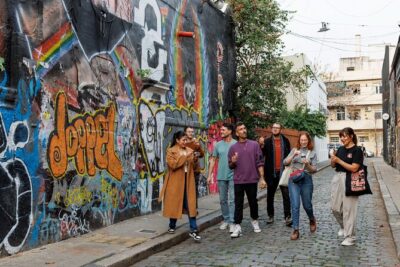
Local Foodie Adventure in Buenos Aires with Sherpa Food Tours
Read our review →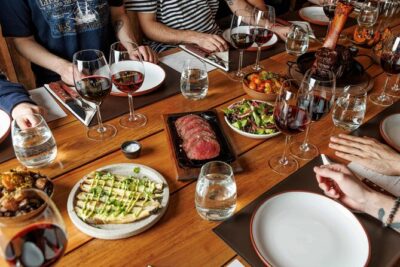
Argentine Experience Interactive Dining and Cooking
Read our review →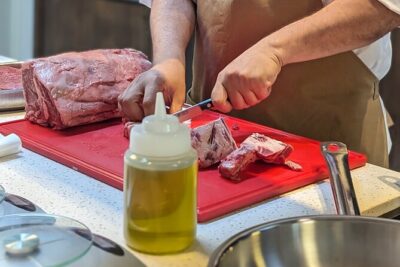
Cooking Class Designed by Michelin Chef @ Argentine Experience
Read our review →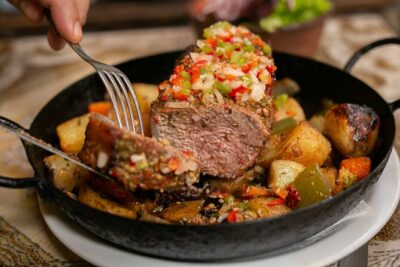
Historical Sherpa Food Tour of San Telmo with Street Food, Drinks
Read our review →
Join a Local Family Asado in Buenos Aires with Betty and Marcelo
Read our review →
Browse the lists this tour appears in