
Reviewed · ARGENTINE FOOD AND WINE TASTINGS
Private Cooking Lessons and Food Tasting in Buenos Aires
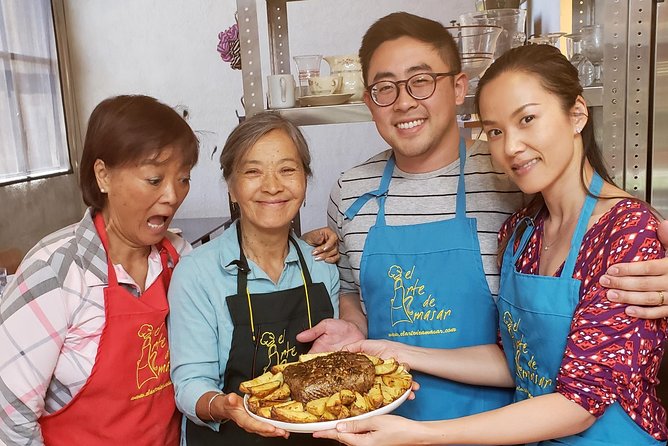
Buenos Aires tastes better from a kitchen. This three-and-a-half-hour class brings you into a local home to prepare a classic Argentine dinner with Saul, a warm and patient instructor. I like the hands-on cooking, especially the chance to shape empanadas yourself, and I like the relaxed meal afterward with Argentine wine. The main consideration is the $182 price per person, which is high for a cooking class unless you value private attention and a home-based setting.
The class begins at 5:00 p.m. at Tronador 3123 and stays small, with no more than eight people. Menus can be adapted for vegetarian, vegan, gluten-free, kosher, halal, and other dietary needs, but you need to state those requirements when booking. Transportation is not included, so plan your route to and from the address.
In This Review
- Key points to know before booking
- Cooking Argentine food in Saul’s home
- Making empanadas by hand
- A three-course dinner with Argentine wine
- What makes the home setting worthwhile
- Menus for vegetarian and restricted diets
- How much value you get for $182
- A realistic evening schedule
- Who will enjoy this class most
- Practical booking advice for Buenos Aires
- Should you book Argentine Cooking Lessons by El Arte de Amasar?
- FAQ
- Where does the cooking class take place?
- What time does the experience start?
- How long does the cooking experience last?
- How many people can join the class?
- Can I request a private class?
- Are dietary restrictions supported?
- Is dinner included?
- Is transportation included?
Key points to know before booking
- Empanadas are the star lesson: You may prepare the dough, filling, and folding by hand, with enough practice to make a batch that looks surprisingly professional.
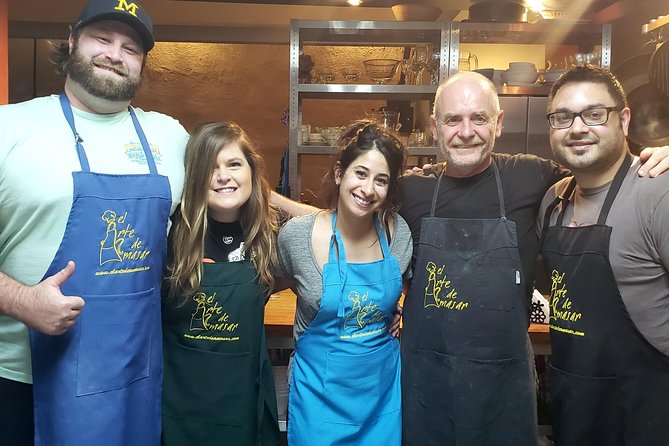
- Saul teaches by doing: He demonstrates each step, then lets you handle the work while offering practical tips and corrections.
- The meal is part of the class: Your three-course dinner can include empanadas, steak with chimichurri, potatoes, and a dulce de leche dessert, depending on the selected menu.
- The setting feels personal: The lesson takes place in a local home rather than a restaurant school, with cooking and dining done together.
- Dietary requests are welcome: Vegetarian, vegan, gluten-free, kosher, halal, and other needs can be accommodated when arranged in advance.
- Small groups keep it social: The maximum is eight people, and groups of at least four can request a very private class at no extra charge.
Cooking Argentine food in Saul’s home
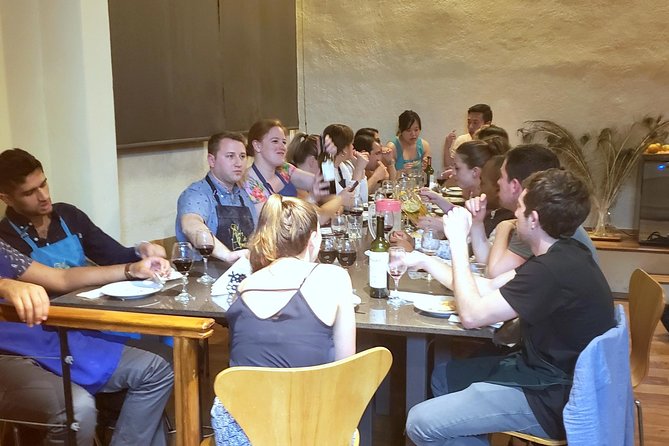
The appeal here is simple: you do not just eat Argentine food, you learn how it comes together. The class is held in Saul’s home, where the kitchen becomes both classroom and dining room. That changes the mood from formal instruction to a friendly evening around a meal.
Saul is repeatedly praised for being patient, funny, welcoming, and clear. Those qualities matter in a cooking class. You are not expected to arrive with professional knife skills or pastry experience. He demonstrates the process, explains the reason behind each step, and gives you time to repeat it yourself.
The class is designed for small groups of up to eight people. That is large enough to create a pleasant social atmosphere but small enough for personal help. If you are a group of four or more and want the session to be especially private, you can request that arrangement without an extra charge.
The experience lasts about three hours and thirty minutes. Starting at 5:00 p.m., it leads naturally into dinner rather than trying to squeeze a meal into the middle of a sightseeing day. I would schedule it on an evening when you are happy to stay put and enjoy the pace. This is not a quick demonstration followed by a rushed tasting.
More Food and Wine Tastings in Buenos Aires
- Local Foodie Adventure in Buenos Aires with Sherpa Food Tours
★ 5.0 · 6,875 reviews - Argentine Experience Interactive Dining and Cooking
★ 5.0 · 1,382 reviews - Cooking Class Designed by Michelin Chef @ Argentine Experience
★ 5.0 · 1,123 reviews
Making empanadas by hand
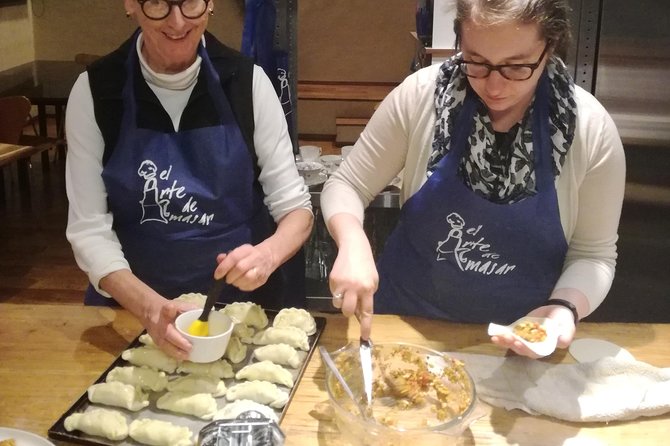
Empanadas provide the clearest sense of achievement. You may work with the pastry and filling, then learn how to fold and seal each one. Several menus described by past participants included beef empanadas, and the class can also adjust the preparation for food restrictions.
This is useful beyond the evening itself. Empanadas are made from familiar ingredients, and the techniques are practical enough to repeat at home. One participant prepared around 25 empanadas during a private class, while another valued learning how to make pastry and filling from scratch.
Saul’s approach uses simple ingredients rather than hard-to-find products. That makes the lesson more useful after your return home. You can ask questions about the ingredients, the origins of the dishes, and Argentine cooking habits as you work.
The folding lesson also gives the class a little humor. Your first few empanadas may look less polished than your last few, which is exactly the point. You get to practice, eat the results, and leave with a method you can try again.
A three-course dinner with Argentine wine
After the work comes the reward. The experience includes a three-course dinner, beverages, snacks, light refreshments, and food tasting. The exact menu can vary, but the dishes described include beef empanadas, steak with chimichurri, roasted potatoes, and a dessert based on dulce de leche.
The steak preparations described in the class include searing the meat and finishing it with chimichurri. That sauce is one of the most recognizable flavors in Argentine cooking, usually built around herbs, oil, and seasoning. Here, it is not just placed on the plate for you. You get to see how it contributes to the finished dish.
Potatoes and rustic sourdough bread have also appeared alongside the main meal, and one menu included choripan. These additions make the dinner feel like a generous home meal rather than a carefully measured classroom tasting.
Dessert is often the easiest part to remember and repeat. Examples include a quick frozen dessert made with dulce de leche, cream, and rum, or ice cream with dulce de leche. The preparation is described as simple, which is good news if you want a satisfying recipe without a long pastry project.
Wine is served with the meal, and the food and wine pairing is a major part of the evening’s value. You are not only learning recipes. You are also sitting down to enjoy the result with the instructor and the other people in the class.
What makes the home setting worthwhile
Buenos Aires has plenty of restaurants where you can order steak and empanadas. The reason to choose this class is the conversation and participation around those dishes.
The setting lets you ask about Argentine food, local customs, and Saul’s own life in Argentina while you cook. That cultural exchange is strongest during the meal, when the class stops feeling like a lesson and starts feeling like dinner with an acquaintance.
You may also hear about the origins of particular foods and the role they play in Argentine cooking. This is one of the better reasons to schedule the experience early in your visit. It gives you context for dishes you may later see on restaurant menus.
The evening can work well for couples, families with older children, friends, or solo participants. Families with teenagers and adult children have enjoyed the activity because everyone has a job to do. A solo visitor can also fit into the small-group format and receive direct attention.
Some sessions may include an optional dance element. One couple described a dance teacher being present in the home, but this should not be treated as a guaranteed part of every booking. The cooking class itself is the central experience.
A completely different kind of day:
- Buenos Aires City Private Tour with Local Guide
★ 5.0 · 3,475 reviews - Buenos Aires Small-Group City Tour
★ 5.0 · 2,226 reviews - Buenos Aires Hop-On Hop-Off Bus, Free Walking Tours & Discounts
★ 4.5 · 2,218 reviews - Buenos Aires: Piazzolla Tango Show with Optional Dinner
★ 4.4 · 2,122 reviews
Menus for vegetarian and restricted diets
Dietary flexibility is one of the strongest practical features. The class can be customized for vegetarian, vegan, gluten-free, kosher, halal, and other requirements. You must provide those details at booking, so Saul can plan the menu properly.
A food intolerance was accommodated with an additional empanada preparation, allowing the person with the restriction to take part in the same meal. That is a useful sign, but you should still be precise about allergies, intolerances, and religious requirements.
Do not assume that every menu will suit your needs automatically. The supplied information says adaptations are available, not that every ingredient is kept separate or that all medical allergy protocols are guaranteed. Send a clear request before the class and confirm the arrangement if your restriction is serious.
Vegetarian options are specifically available. Vegan, gluten-free, kosher, halal, and other menus can also be requested. The more detail you provide, the easier it is to create a dinner that works for everyone at the table.
How much value you get for $182
At $182 per person, this is not a budget meal. You are paying for more than the food. The fee covers a private-style cooking lesson, a three-course dinner, beverages, snacks, refreshments, food tasting, and the time of an instructor who works with a group of no more than eight.
The value improves if you want a personal class rather than a large workshop. A private booking can give you more attention, especially if your group has dietary needs or wants to choose a particular menu. Groups of at least four can request a very private format at no extra charge.
The price is harder to justify if your only goal is to eat empanadas and steak. Buenos Aires offers less expensive restaurants, and you will not save money by treating this as a simple dinner. The payoff is the instruction, the recipes, the cultural conversation, and the memory of making the food yourself.
Recipes are sent by email after the experience. That adds lasting value, since you can attempt the empanadas, steak, or dessert once you are home. The class is a good buy for people who cook, enjoy food stories, or want an activity that keeps giving after the trip.
Transportation is not included. You are responsible for reaching Tronador 3123 in the C1430DME area of Buenos Aires and returning afterward. The meeting point is near public transportation, which helps, but you should still allow time to arrive for the 5:00 p.m. start.
A realistic evening schedule
Your evening begins at the home at 5:00 p.m. After introductions, you can expect some conversation before the cooking starts. One person who arrived late because of traffic still had time to sit, talk, and settle in before beginning, but it is better not to rely on that flexibility.
The cooking portion is hands-on. You may prepare empanadas, work on the main course, assemble side dishes, and make dessert. Saul demonstrates the procedures and then guides you as you repeat them.
The order of dishes can vary with the menu. Pasta has also been used for a class, including ravioli with mushroom sauce, spaghetti made with a pasta machine, handmade pasta cut with a knife, fresh tomato sauce, and dessert. That means you should not book expecting only one fixed menu unless your confirmation specifies it.
Once the dishes are ready, everyone sits down to eat. Wine and other beverages accompany the meal, and the relaxed table setting gives you time to talk about Buenos Aires and Argentine food.
The experience ends back at the meeting point. With a duration of about three and a half hours, you should expect to finish around 8:30 p.m., though the exact timing can vary. Keep the rest of the night free rather than booking a show immediately afterward.
Who will enjoy this class most
I would choose this for you if food is part of the reason you came to Buenos Aires. It works especially well if you want to understand how empanadas, chimichurri, steak, dulce de leche, and other local dishes fit into daily life.
It is also a strong choice for couples looking for a shared activity. You work side by side, eat what you prepared, and have plenty of time for conversation. Families with older children and teenagers can enjoy it too, since the class is active rather than purely observational.
Solo participants should not rule it out. The small maximum group and personal teaching style make it easier to take part than in a large culinary school.
I would think twice if you dislike social meals, need a very quiet or formal setting, or want a fast activity. The home environment is central to the appeal, so you should be comfortable cooking and dining with other people.
Practical booking advice for Buenos Aires
Give all dietary requirements when you book. Confirmation is sent within 48 hours, subject to availability, so do not wait until the day before to explain an important restriction.
Children must be accompanied by an adult. The information does not specify a minimum age, so ask before booking if you are bringing a young child.
The class is near public transportation, but no transport to or from attractions is included. Tronador 3123 is the start and end point, so plan the route before leaving your hotel.
You can cancel for a full refund if you do so at least 24 hours before the local start time. Cancellations or changes made less than 24 hours before 5:00 p.m. are not accepted for a refund.
Should you book Argentine Cooking Lessons by El Arte de Amasar?
Book it if you want a personal evening built around Argentine food, not simply another restaurant meal. Saul’s patient instruction, the home setting, the hand-shaped empanadas, the wine, and the recipes sent afterward give the $182 fee a clear purpose.
I would place it high on the list for couples, food-focused families, solo cooks, and anyone staying in Buenos Aires long enough to enjoy a relaxed evening. Request your dietary needs early and ask about the menu you want.
Skip it if you are mainly looking for the cheapest dinner in town or if the price feels too high for a three-and-a-half-hour activity. For everyone else, this is a practical way to eat well, learn a few Argentine techniques, and leave Buenos Aires with something more useful than another restaurant receipt.
FAQ
Where does the cooking class take place?
The class takes place at Tronador 3123, C1430DME, Buenos Aires, Argentina.
What time does the experience start?
The scheduled start time is 5:00 p.m.
How long does the cooking experience last?
It lasts approximately three hours and thirty minutes.
How many people can join the class?
The maximum group size is eight people.
Can I request a private class?
If your group has at least four people, you can request a very private class at no additional charge.
Are dietary restrictions supported?
Yes. Vegetarian, vegan, gluten-free, kosher, halal, and other dietary requirements can be accommodated. You must provide the details when booking.
Is dinner included?
Yes. The experience includes a three-course dinner, beverages, food tasting, snacks, and light refreshments.
Is transportation included?
No. Transportation to and from attractions is not included. The activity begins and ends at the meeting point.
Just added in Buenos Aires
- Discover Buenos Aires’ independent art scene — Ticket included★ 5.0 · 30 reviews
- Photo Session in Buenos Aires★ 5.0 · 26 reviews
- Your Private Photographer in Buenos Aires★ 5.0 · 4 reviews
- Yerba Mate Workshop – Learn to Drink Mate like a Local!★ 5.0 · 11 reviews
- Your Personal Photographer in Buenos Aires★ 5.0 · 24 reviews
- BA: Wine Tasting and Blending Experience in Palermo★ 5.0 · 1 review
- Winery and Tasting Experience in Buenos Aires★ 5.0 · 1 review
- Taste of Tradition: Yerba Mate & Alfajores Experience★ 4.0 · 5 reviews
Argentine Food and Wine Tastings, compared.
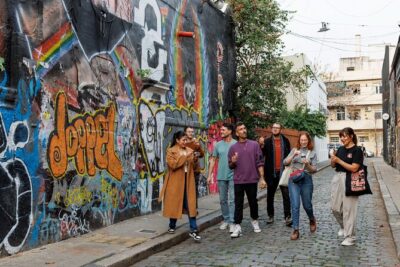
Local Foodie Adventure in Buenos Aires with Sherpa Food Tours
Read our review →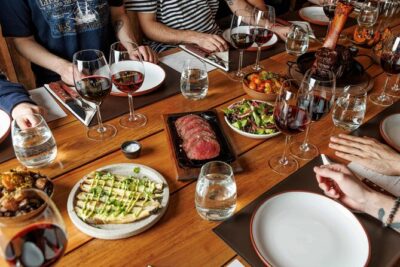
Argentine Experience Interactive Dining and Cooking
Read our review →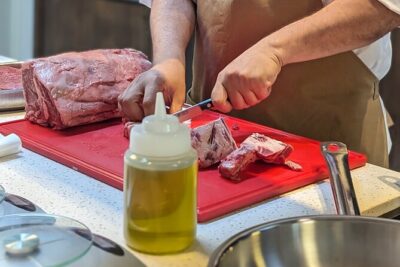
Cooking Class Designed by Michelin Chef @ Argentine Experience
Read our review →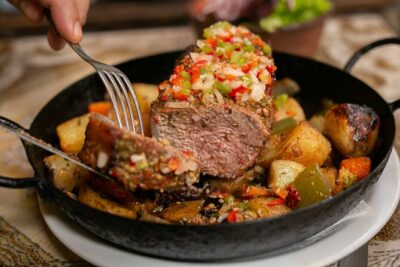
Historical Sherpa Food Tour of San Telmo with Street Food, Drinks
Read our review →
Join a Local Family Asado in Buenos Aires with Betty and Marcelo
Read our review →
Browse the lists this tour appears in