
Reviewed · BUENOS AIRES TOURS
Private Classic 4 hour City Tour with Historical sites
Buenos Aires tells its story in color. This private four-hour city tour links La Boca, San Telmo, Plaza de Mayo, Recoleta, downtown, and Puerto Madero with a professional guide and private vehicle. I like the broad coverage and the chance to move between distant neighborhoods without losing half the day in traffic or transit. I also like the focus on history, from immigrant tenements and tango to presidential buildings and British-built rail stations.
The main drawback is the tight schedule. Most stops allow only 10 to 15 minutes, and La Boca includes roughly 15 minutes of free time, though the guide may adjust that based on traffic and other conditions. At $223 per person, this makes the most sense for a private group that values personal attention and efficient transport, not for someone seeking a slow, walking-focused neighborhood tour.
In This Review
- Key points at a glance
- Why this four-hour route works
- La Boca: color, port culture, and a short pause
- Green spaces and Floralis Generica
- San Telmo and the city’s colonial layers
- Downtown, Plaza San Martín, and British connections
- Plaza de Mayo: the essential civic stop
- Recoleta and the polished north side
- Puerto Madero: old docks with a new purpose
- The guide can shape the whole experience
- Price, private transport, and who gets good value
- Should you book this Buenos Aires city tour?
- FAQ
- How long does the city tour last?
- Is this a private tour?
- What is included in the price?
- How much free time is provided at La Boca?
- Which Buenos Aires neighborhoods are included?
- Can I cancel for a full refund?
Key points at a glance
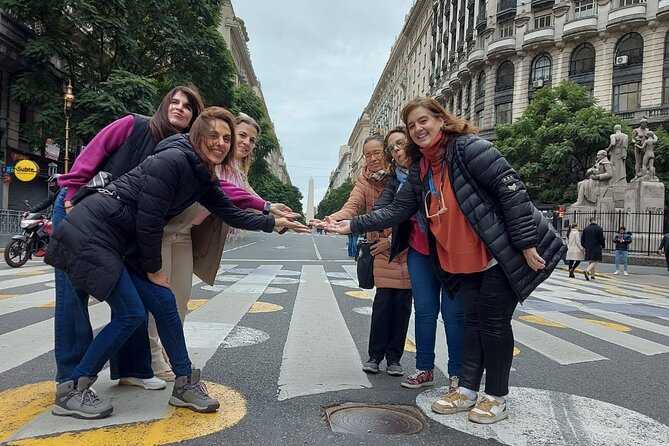
- La Boca brings together immigrant life, tango, football, and street art in one colorful stop, with a short break for snacks, restrooms, or souvenirs.
- San Telmo adds colonial detail, including St. Pedro Telmo Church, the former Jesuit home, and a building once used as Argentina’s first women’s jail.
- Plaza de Mayo is the civic heart of the capital, with the Casa Rosada, Cathedral, National Bank, and several government buildings close together.
- Recoleta shows Buenos Aires at its most polished, with French-influenced streets, boutiques, cafes, apartments, and grand homes.
- The private format keeps the day flexible, but your exact free time depends on the guide, traffic, and conditions in the city.
- Guide quality is a major strength, with Eugenia and Natalia receiving especially warm praise for their energy, clear explanations, and ability to engage families.
Why this four-hour route works
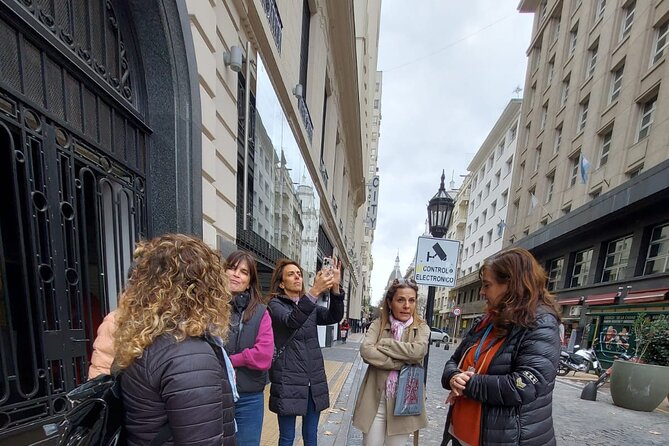
Buenos Aires is a large city with neighborhoods that feel quite different from one another. La Boca sits near the old port, Recoleta lies farther north, and Puerto Madero occupies a redeveloped dock area. Seeing all of them in four hours would be difficult on foot.
That is where the private vehicle matters. You can cover the main historic districts without working out several bus or taxi connections. The guide can also explain what you are passing between stops, giving the city a sense of shape instead of presenting each neighborhood as an isolated photo opportunity.
This is a highlights tour, not a slow cultural walk. The listed stops are short, with about 25 minutes at La Boca, 10 minutes in San Telmo, and 15 minutes each at Plaza de Mayo and Recoleta. Some portions are viewed during the drive, including the central district, Plaza San Martín, the British Tower, the railway stations, Floralis Generica, and Puerto Madero.
I would choose this route early in a Buenos Aires visit. It gives you a useful first map of the city and helps you decide where to return later for longer walks, museums, meals, or shopping.
More History Tours in Buenos Aires
- Historical Sherpa Food Tour of San Telmo with Street Food, Drinks
★ 5.0 · 920 reviews - Nazis in Buenos Aires: a historical walking tour
★ 4.9 · 193 reviews - San Telmo: Historical Guided Tour with Street Food & Drinks
★ 5.0 · 87 reviews
La Boca: color, port culture, and a short pause
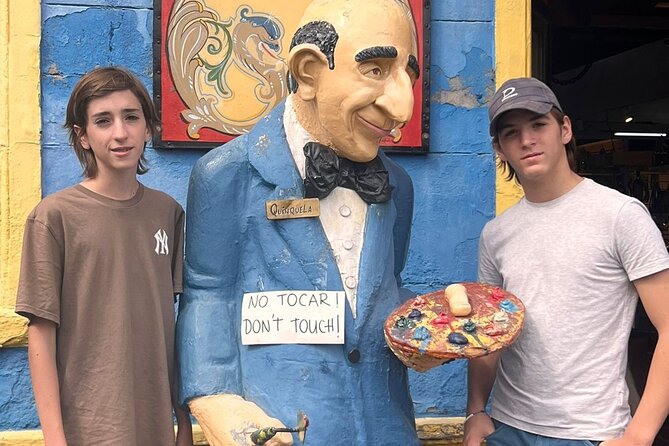
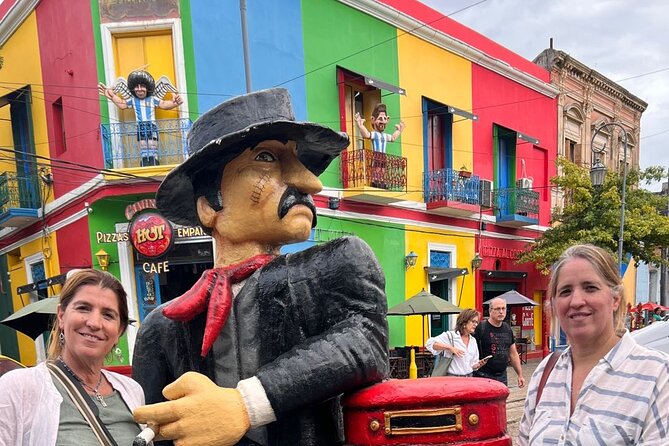
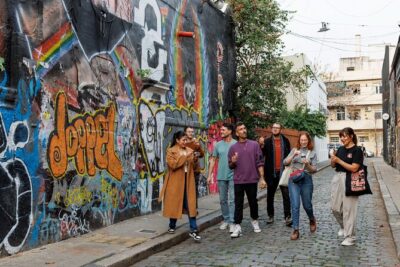
La Boca is the most immediately theatrical part of the route. Its old tenement homes recall the European immigrants who lived near the port, and the brightly painted facades give the district its familiar look. Cobblestone streets and local artists selling artwork and souvenirs add to the scene.
The neighborhood is also presented as a birthplace of Argentine tango, football, and Lunfardo, the informal slang associated with Buenos Aires. That combination helps explain why La Boca feels more than simply colorful. It connects working-class port life with music, sport, language, and immigrant culture.
You receive around 15 minutes of free time here for a restroom stop, snack, drink, or souvenir shopping. The total La Boca visit is listed at about 25 minutes, but the free period is not fixed. Traffic, the guide’s judgment, and other city conditions can change the timing.
That flexibility is useful, but you should not expect a long, relaxed wander through the neighborhood. If you want to browse every art stall or linger over tango-related details, this tour will only give you a first taste. Keep purchases and food simple so you do not spend the whole stop at one counter.
The guide’s commentary matters especially here. Without context, La Boca can become a quick sequence of colorful walls. With a good explanation, you get a clearer sense of the district’s immigrant roots and its place in Argentine culture.
Green spaces and Floralis Generica
Another portion of the drive brings you to greener parts of Buenos Aires, including the Floralis Generica. This large metal flower was given to the city by Eduardo Catalano and is designed to open and close with the sun’s rays.
The flower gives the tour a welcome change of pace after La Boca’s dense old streets. You can also expect monuments, fountains, mature trees, and residential areas with large mansions. These sights help show the city’s contrasts: port neighborhoods and elegant northern districts, crowded historic streets and broad planted spaces.
The details provided do not give a fixed stop length for this part of the route. It appears to be one of the places you see as part of the vehicle tour rather than a long formal visit. If Floralis Generica is important to you, ask the guide at the start how much time is likely to be available for photographs.
San Telmo and the city’s colonial layers
San Telmo receives about 10 minutes, so this is a compact introduction rather than a full neighborhood exploration. The main focus is the facade of St. Pedro Telmo Church, one of the city’s notable religious buildings.
The church is linked with the Yellow Fever epidemic of 1871 and with important colonial events. Those connections give the stop more weight than a quick architectural look. You are seeing a building tied to public health, religion, and the early development of Buenos Aires.
The route also points out the city’s first Medical School and an old Jesuit home that later became Argentina’s first jail for women. These details reveal how buildings change purpose as a city grows. A religious residence can become a prison, while a medical institution can reflect a changing approach to urban life and public health.
Ten minutes is enough to hear the story and take a few photographs. It is not enough for a detailed inspection of every facade or a long stroll through San Telmo’s streets. If you already know you want antique shops, market stalls, or a leisurely cafe stop, plan a separate visit.
A completely different kind of day:
- Local Foodie Adventure in Buenos Aires with Sherpa Food Tours
★ 5.0 · 6,875 reviews - Buenos Aires City Private Tour with Local Guide
★ 5.0 · 3,475 reviews - Buenos Aires Small-Group City Tour
★ 5.0 · 2,226 reviews - Buenos Aires Hop-On Hop-Off Bus, Free Walking Tours & Discounts
★ 4.5 · 2,218 reviews
Downtown, Plaza San Martín, and British connections
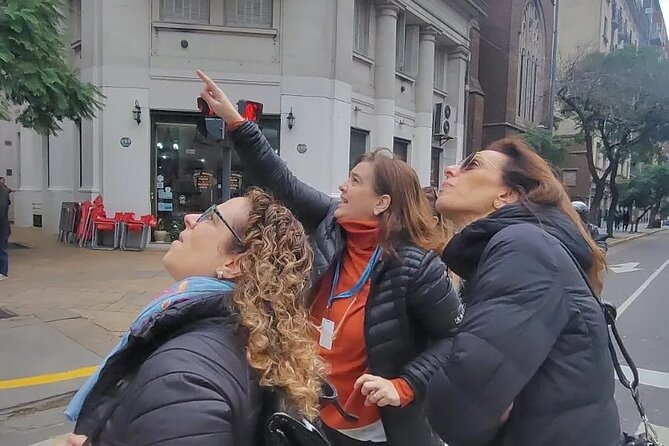
The central portion of the tour introduces some of Buenos Aires’ oldest skyscrapers and then moves toward Plaza San Martín. This square is noted for its trees from many parts of the world and its monument to those who died in the Malvinas War.
The square is a good place to see how Buenos Aires combines formal public space with layers of national memory. The trees and gardens give it a calmer feel, while the monument points toward a painful and politically important chapter in Argentine history.
You also see the British Tower, presented as a gift from the British community of Buenos Aires in 1910. Nearby railway stations built by the British in the late nineteenth century add another piece to the city’s story. These are useful details because they show how international communities and foreign investment influenced the capital’s transport system and architecture.
Much of this section is likely viewed from the vehicle, so listen closely to the guide’s explanation. A passing view of a railway station can mean little without context. With the right story, it becomes evidence of how Buenos Aires expanded and connected itself to the wider world.
Plaza de Mayo: the essential civic stop
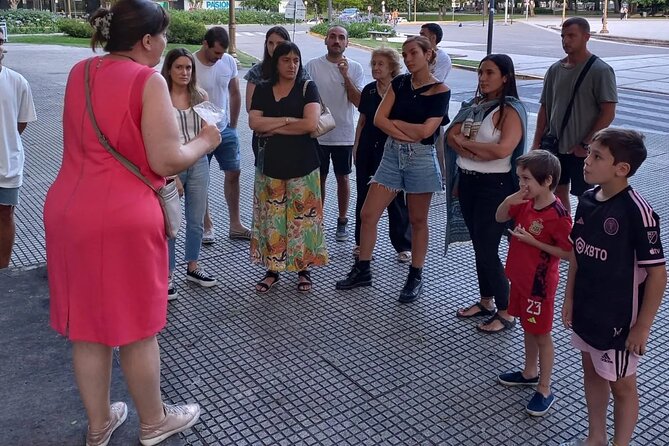
Plaza de Mayo is the tour’s clearest concentration of major landmarks. The Casa Rosada, or Pink House, serves as the presidential office and is the square’s most recognizable building.
Around it, you see the National Bank, the Internal Revenue building, the Ministry of Economy, the Cathedral, and the city’s oldest monument. The route also includes the old jail and city hall, the old French City Hall, and the City Legislature.
This is a lot of government and civic history in a very small area. The value of a guide is clear here because the buildings can otherwise blur into a wall of grand facades. You want to know which institutions still operate, which buildings have changed roles, and why the square has remained central to Argentine public life.
The stop lasts about 15 minutes. That gives you time to orient yourself, take photographs, and hear the main explanation. It does not provide enough time to enter the buildings, and no admissions are included or listed. Treat Plaza de Mayo as an outdoor overview.
If you have only one short visit to Buenos Aires, this is one of the places I would prioritize. It gives you architecture, politics, religion, and the city’s oldest public symbols in one stop.
Recoleta and the polished north side
Recoleta presents a different Buenos Aires. It is described as the city’s most French and elegant neighborhood, with classy boutiques, restaurants, cafes, apartments, and impressive mansions. It was the traditional area for Argentina’s wealthy families.
The contrast with La Boca is one of the route’s best features. In La Boca, the emphasis is on immigrant tenements, port culture, tango, and working-class identity. In Recoleta, you see a more formal district shaped by wealth, French influence, and grand residential architecture.
The visit lasts about 15 minutes. That works for a drive through the area and a short look at selected buildings. It is less suitable if your main goal is shopping, sitting at a cafe, or spending time in Recoleta’s famous cemetery, which is not listed as a stop.
I would pay attention to the transition between neighborhoods. It helps you understand that Buenos Aires is not one uniform city. Its architecture and social history shift sharply from district to district.
Puerto Madero: old docks with a new purpose
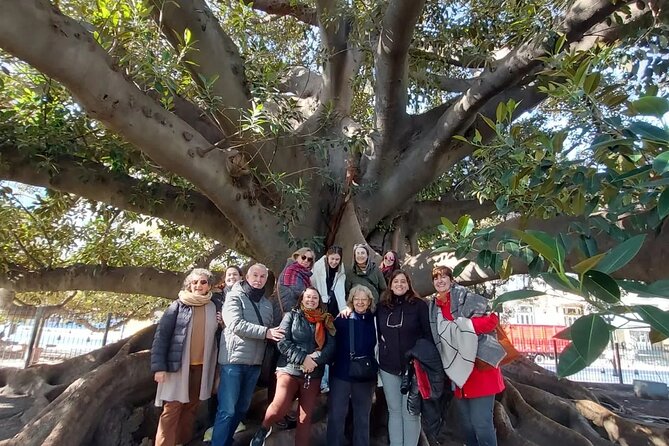
The final featured area is Puerto Madero, where Santiago Calatrava’s Puente de la Mujer crosses the dock in a striking modern form. The bridge is one of the route’s most recognizable contemporary sights.
You also see the Sarmiento Frigate, built in England and used as Argentina’s old naval training ship. The former brick warehouses, built by the British and associated with Mr. Madero, now hold lofts, restaurants, and offices.
This stop shows a newer side of Buenos Aires. Instead of colonial churches or nineteenth-century railway stations, you get a former industrial dock area adapted for modern city life. The mix of brick warehouses, water, offices, and restaurants gives the tour a useful final contrast.
The information provided does not specify a fixed amount of time in Puerto Madero. Ask the guide whether the bridge and frigate will be a short photo stop or a longer pause on your chosen day.
The guide can shape the whole experience
The most warmly praised part of this experience is the guiding. Eugenia is repeatedly described as energetic, clear, patient, and passionate about Buenos Aires and Argentina. One family enjoyed her ability to keep young daughters engaged during another excursion, and another group valued a surprise birthday moment she arranged.
Natalia is also praised for making historical and cultural subjects easy to understand. Her tours have included historical sites, architecture, and a Carlos Gardel experience. These comments suggest that the company can provide guides with a lively, personal style, though the specific guide for your booking is not guaranteed in the information provided.
That matters because four hours can feel either full or rushed. A guide who explains the city in a clear and entertaining way can connect the stops into one story. A less engaging presentation would make the short visits feel like a checklist.
At booking, I would ask which guide is assigned, what language the tour will be conducted in, and how much time is planned at each stop. Those questions are especially useful if you have children, a special interest in architecture, or a strong preference for photography.
Price, private transport, and who gets good value
The price is $223 per person. Since this is a private activity, only your group participates, and the vehicle and professional guide are included. Tips for the guide and driver are not included.
The value depends heavily on group size. For one person or a couple, the price is a serious expense for four hours, especially since most stops are brief and no paid admissions are included. For a family or group sharing the private vehicle, the cost may feel more reasonable because you are buying direct transport, a dedicated guide, and a schedule built around your group.
I would not choose this tour for a bargain. I would choose it for convenience, coverage, and the ability to ask questions as you move through the city. It also suits anyone with limited time who wants to see both the historic center and the more distant neighborhoods in one outing.
The tour operates Monday through Sunday between 8:00 a.m. and 4:00 p.m. Confirmation is provided at booking, and the experience is near public transportation. Most people can participate, according to the supplied details.
Free cancellation is available up to 24 hours before the start time for a full refund. Cancellations or changes made less than 24 hours before the start are not accepted for a refund, and cut-off times follow local Buenos Aires time.
Should you book this Buenos Aires city tour?
Book it if you want a private orientation to Buenos Aires and prefer covering ground by vehicle. It is especially useful for first-time visitors, families, small groups, and anyone with only half a day available.
Choose another option if you want long walks, museum visits, extended shopping, or deep time in one neighborhood. The route is broad by design, and its short stops mean you will see many places without fully exploring them.
For the best experience, go in with realistic expectations: this is a guided overview, not a leisurely day in La Boca or San Telmo. If Eugenia or Natalia is available, their warm, lively approach could add a great deal, but confirm the assigned guide before booking. For a private group willing to pay for efficient transport and strong storytelling, this is a practical way to get your bearings fast.
FAQ
How long does the city tour last?
The tour lasts approximately four hours.
Is this a private tour?
Yes. Only your group participates in the activity.
What is included in the price?
The vehicle and professional tour guide are included. Tips for the driver and guide are not included.
How much free time is provided at La Boca?
You will have around 15 minutes of free time at La Boca for restrooms, a snack, a drink, or souvenirs. The timing is not fixed and can change because of traffic or the guide’s judgment.
Which Buenos Aires neighborhoods are included?
The route includes La Boca, San Telmo, downtown Buenos Aires, Plaza de Mayo, Recoleta, green areas near Floralis Generica, and Puerto Madero.
Can I cancel for a full refund?
Yes, if you cancel at least 24 hours before the experience starts. Cancellations or changes made less than 24 hours before the start time are not eligible for a refund.
Just added in Buenos Aires
- Discover Buenos Aires’ independent art scene — Ticket included★ 5.0 · 30 reviews
- Photo Session in Buenos Aires★ 5.0 · 26 reviews
- Your Private Photographer in Buenos Aires★ 5.0 · 4 reviews
- Yerba Mate Workshop – Learn to Drink Mate like a Local!★ 5.0 · 11 reviews
- Your Personal Photographer in Buenos Aires★ 5.0 · 24 reviews
- BA: Wine Tasting and Blending Experience in Palermo★ 5.0 · 1 review
- Winery and Tasting Experience in Buenos Aires★ 5.0 · 1 review
- Taste of Tradition: Yerba Mate & Alfajores Experience★ 4.0 · 5 reviews
Buenos Aires Tours, compared.
Local Foodie Adventure in Buenos Aires with Sherpa Food Tours
Read our review →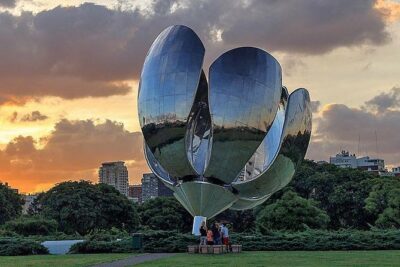
Buenos Aires City Private Tour with Local Guide
Read our review →
Buenos Aires Hop-On Hop-Off Bus and Exclusive Benefits
Read our review →
Argentine Experience Interactive Dining and Cooking
Read our review →Browse the lists this tour appears in