
Reviewed · ARGENTINE WINE TOURS
Premium Wine Tasting in Buenos Aires
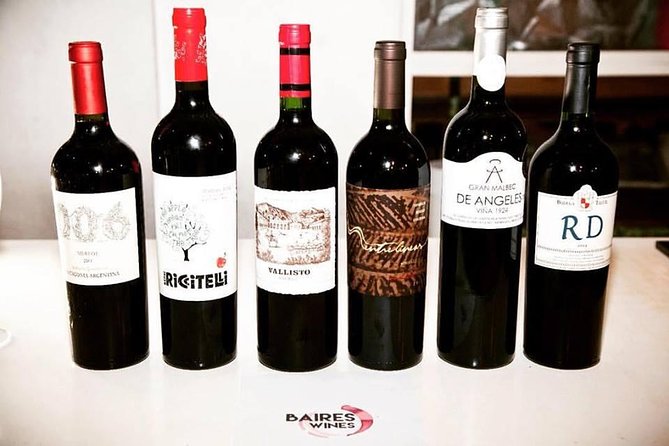
Wine makes Argentina easier to understand. This two-hour tasting brings five wines from Mendoza, Salta, and Patagonia to one table, with a sommelier explaining what makes each region different. You get a quick tour of Argentina’s wine country without leaving Buenos Aires.
I like the regional range, especially the chance to compare familiar Malbec with Torrontés, Pinot Noir, and other lesser-known styles. I also like the food pairings, since gourmet tapas give each pour a practical context. The main drawback is timing: the food may arrive toward the end, and the tasting can feel tightly scheduled if another group is due in.
In This Review
- Key Points at a Glance
- Why This Tasting Helps You Read an Argentine Wine List
- The Five-Wine Journey from Mendoza to Patagonia
- Mendoza: Argentina’s Best-Known Wine Region
- Salta: High-Altitude Vineyards
- Patagonia: Wines from the Southern Edge
- Tapas Designed to Match Each Pour
- What the Two-Hour Schedule Feels Like
- The Setting and Meeting Point Need a Quick Check
- Is $85 a Fair Price?
- Who Will Enjoy This Most
- Booking, Cancellation, and Practical Details
- Should You Book This Buenos Aires Wine Tasting?
- FAQ
- How long does the premium wine tasting last?
- What time does the tasting begin?
- How many wines are included?
- Which Argentine wine regions are featured?
- Which grape varieties may be included?
- Is food included?
- Is a vegetarian option available?
- How large is the group?
- Can I cancel for a full refund?
Key Points at a Glance
- Five wines, three major regions: Taste selections from Mendoza, high-altitude Salta, and southern Patagonia.
- A sommelier leads the table: You learn how to read Argentine wine by region, grape, and style rather than simply ordering from a list.
- Tapas accompany the tasting: Regional food specialties are designed to match the wines, though the timing of the food may not be perfectly even.
- Palermo Soho setting: The tasting is described as taking place in one of Buenos Aires’ fashionable neighborhoods.
- Small-group format: The maximum group size is 15 people, with a minimum of two required to book.
- A useful evening start: The experience begins at 5:00 p.m. and lasts about two hours, making it easy to fit into a Buenos Aires night.
Why This Tasting Helps You Read an Argentine Wine List
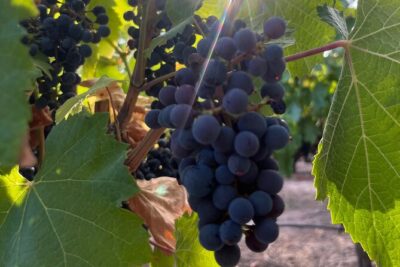
Argentina is best known for Malbec, but stopping there would leave a lot on the table. The country’s wine regions stretch for more than 1,500 miles from north to south, and the differences between them matter in the glass. Altitude, temperature, soil, and distance from the Andes all shape the final wine.
This experience gives you a framework for those differences. Instead of tasting five unrelated bottles, you move through a selection meant to show regional character. That makes the tasting useful for anyone who expects to visit a restaurant or wine shop later and wants to make a better choice.
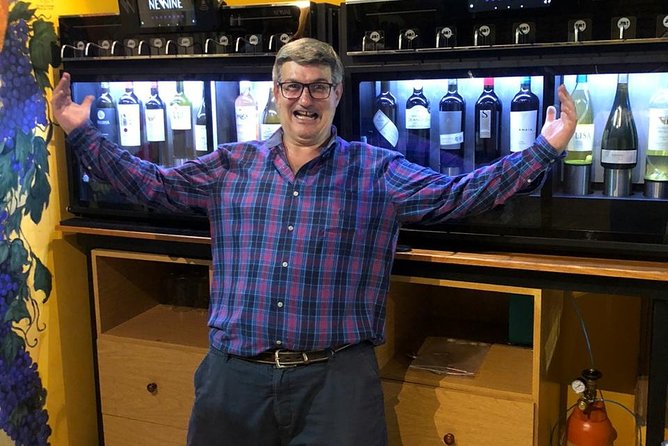
The sommelier explains each wine’s origin and style as you taste it. That is important because Argentine labels can be unfamiliar, especially if you usually buy wine by grape variety alone. You will have a chance to connect a place such as Salta or Patagonia with the kind of wine produced there.
I would think of the session as a guided introduction rather than a formal wine course. You are there to taste, ask questions, and enjoy the food. The setting is social and relaxed enough for a first introduction, while the five-wine format gives the evening a clear shape.
More Food and Wine Tastings in Buenos Aires
- Local Foodie Adventure in Buenos Aires with Sherpa Food Tours
★ 5.0 · 6,875 reviews - Argentine Experience Interactive Dining and Cooking
★ 5.0 · 1,382 reviews - Cooking Class Designed by Michelin Chef @ Argentine Experience
★ 5.0 · 1,123 reviews
The Five-Wine Journey from Mendoza to Patagonia
The central feature is the flight of five premium Argentine wines. Exact producers and vintages are not specified, so you should expect the selections to vary. That is normal for a tasting built around available wines, but it also means you should not book with one exact bottle in mind.
Mendoza: Argentina’s Best-Known Wine Region
Mendoza is likely to be the most familiar name on the table. It is Argentina’s leading wine region in the minds of many drinkers, and Malbec is its calling card. A Mendoza wine gives you a useful starting point before the tasting moves into less familiar territory.
The value here is comparison. You are not just sampling Malbec as an isolated favorite. You are using it as a reference point for the other wines. Pay attention to how the sommelier describes body, aroma, acidity, and finish. Those terms become more useful once you taste several wines side by side.
Salta: High-Altitude Vineyards
Salta brings a different story. The vineyards there sit at remarkable elevations, and the tasting specifically highlights the region’s high-altitude character. You may taste Torrontés, Argentina’s best-known white grape, among the selections.
For me, this is one of the most interesting parts of the route. Visitors who arrive expecting only bold red Malbec get a better picture of Argentine wine when a white from Salta enters the lineup. Torrontés can offer a fragrant, distinctive change of pace, and its place in the tasting helps show that Argentina produces more than one famous style.
The sommelier’s explanation matters here. High altitude is not just a travel fact. It gives you a reason to ask how the growing conditions affect the wine’s freshness and aroma. Even if you forget the technical terms later, you will have a clearer sense of why wines from different parts of the country do not taste alike.
More Wine Tours in Buenos Aires
- Authentic Rooftop Asado Experience with Argentine Wine Pairing
★ 5.0 · 274 reviews - Bodega Gamboa Small-Group Wine Tasting Tour with Lunch
★ 5.0 · 212 reviews - Buenos Aires Small-Group Wine Tasting
★ 5.0 · 193 reviews - Buenos Aires: Wine Tasting and Lunch at Bodega Gamboa
★ 4.8 · 177 reviews
Patagonia: Wines from the Southern Edge
Patagonia takes the tasting south, into one of the world’s southernmost wine regions. The region is represented as exotic and distinctly different from Mendoza and Salta. Pinot Noir is included among the named grape varieties, giving the flight another shift in style.
This is where the tasting becomes more than a Malbec sampler. A Patagonian Pinot Noir can show a lighter, more delicate side of Argentine winemaking, although the exact bottle and vintage are not guaranteed. The point is the contrast. You get to see how far Argentina’s wine production reaches and how much variety fits inside one country.
If you enjoy tasting by comparison, this north-to-south structure is the strongest reason to book. Five wines are enough to create a pattern without turning the evening into a long lecture.
Tapas Designed to Match Each Pour
Food is included, and the tasting pairs the wines with regional gourmet tapas created by chef Pol Lykan. That pairing gives the evening a practical edge. Wine can seem abstract when you taste it alone, but a well-matched bite shows you how acidity, sweetness, salt, and texture affect the drink.
The food is not presented as a separate dinner. It is meant to support the wine, with regional specialties selected to match the pours. If you are trying to learn how to pair wine at home or order more confidently at a restaurant, this approach is more useful than simply receiving a plate of unrelated snacks.
There is one important qualification. The food may not arrive alongside every pour. A previous booking found that the tapas came in toward the end, and the group had to leave when the next group was ready to enter. I would treat this as a real timing concern, not a reason to dismiss the experience.
If food pairing is your main reason for booking, ask about the serving sequence when you arrive. The experience is advertised around matched tapas, but the practical delivery may feel less leisurely than you expect. You may get the most from it by treating the food as part of the tasting, not as a full meal with two relaxed hours at the table.
What the Two-Hour Schedule Feels Like
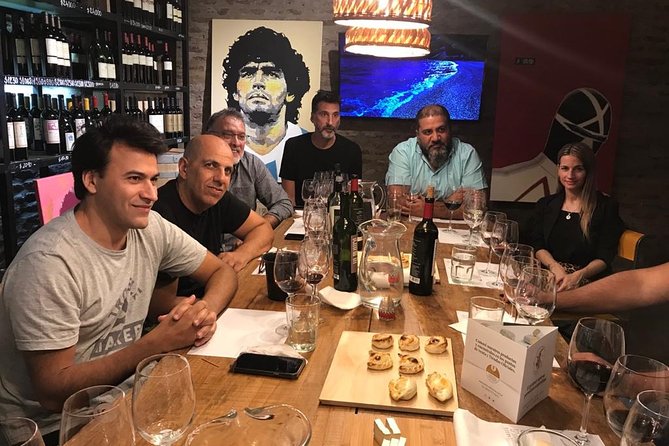
The tasting starts at 5:00 p.m. and lasts about two hours. That timing works well for an evening in Buenos Aires. You can finish before a late dinner, continue exploring afterward, or use the session as your evening meal if the tapas are sufficient for you.
The format appears designed for steady movement through the wines. You taste, listen, eat, and move to the next regional example. With a maximum of 15 people, the group is small enough to keep the sommelier’s explanations within reach, though the experience will not feel like a private lesson.
The two-hour limit also explains the possible rushed feeling. A tasting with five wines, food, and regional explanations needs firm pacing. If another group is scheduled after yours, there may be little room to linger once the final pour and food have been served.
I would arrive ready to start at 5:00 p.m. rather than expecting a late arrival window. The confirmation is issued at booking, and the activity ends back at the meeting point. Transfers to or from your hotel are not included, so you need to arrange your own way there and back.
The Setting and Meeting Point Need a Quick Check
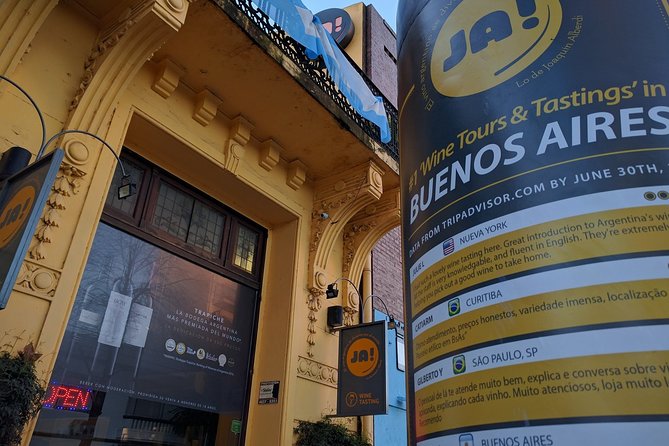
The experience is described as taking place in Palermo Soho, one of Buenos Aires’ upscale dining and shopping areas. The listed starting address, however, is Perú 322, C1067 Ciudad Autónoma de Buenos Aires. Because that address and Palermo Soho are not the same part of the city, I would check the exact meeting instructions carefully before setting out.
Do not rely only on the neighborhood name in a general itinerary. Use the confirmed meeting details you receive after booking. This is especially important if you are staying elsewhere in Buenos Aires or planning to arrive by taxi.
The activity ends at the same meeting point. Since no hotel transfer is provided, you should allow time for your return journey. The mobile ticket is convenient, and confirmation arrives at booking, so you can keep the practical details on your phone.
Is $85 a Fair Price?
At $85 per person, this is not a bargain wine bar flight. You are paying for five premium wines, a sommelier-led presentation, gourmet tapas, bottled water, and an organized comparison of regions. The price makes more sense if you value explanation and food pairing, not just the amount of wine in your glass.
A simple tasting at a bar may cost less, but it may not give you the same regional structure or guidance. On the other hand, you should not expect a full restaurant dinner, private instruction, or unlimited pours. The experience lasts about two hours, and the food is paired tasting fare rather than a guaranteed large meal.
Group discounts may improve the value if you are booking with friends. The minimum booking is two people, and the maximum is 15, so couples and small groups fit the format well. I would book this for the context and access to selected wines, not because it is the cheapest way to drink in Buenos Aires.
Tips are optional and not included. Alcoholic drinks, food, and bottled water are included in the stated price.
Who Will Enjoy This Most
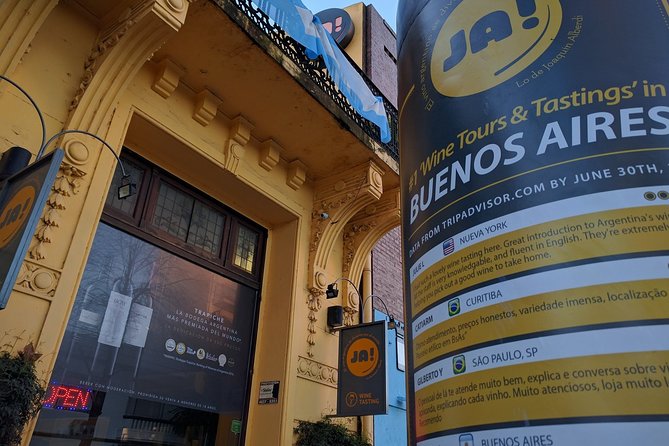
I would recommend this tasting to you if you want an organized introduction to Argentine wine and prefer learning through comparison. It suits a first visit to Buenos Aires, a special evening in Palermo, or a night when you want more structure than simply ordering a bottle at dinner.
It is also a good choice if Malbec is the only Argentine wine you know. The move through Mendoza, Salta, and Patagonia gives you a broader picture, while the inclusion of Torrontés and Pinot Noir keeps the lineup from becoming five versions of the same red.
Food-focused visitors should consider it, but with the timing warning in mind. The tapas are meant to match the wines, yet the food may be served later than expected. If you want a long, unhurried dinner with courses arriving at a relaxed pace, this may feel too organized.
I would be less enthusiastic if you already have extensive Argentine wine knowledge or want a private sommelier session. The group can hold up to 15 people, and the evening follows a set schedule. Its strength is accessible guidance, not custom instruction.
Vegetarians can request a vegetarian option when booking. That is worth doing in advance rather than waiting until you sit down.
Booking, Cancellation, and Practical Details
RipioTurismo operates the experience. Confirmation is provided at the time of booking, and the mobile ticket makes it easy to carry the details without printing anything.
Free cancellation is available if you cancel at least 24 hours before the 5:00 p.m. start time. Cancellations or changes made less than 24 hours ahead are not accepted for a refund, and the cut-off follows Buenos Aires local time.
Most people can participate, but the supplied information does not provide a detailed accessibility description. If you have specific mobility or access needs, contact the provider before booking rather than assuming the venue will suit you.
The experience is commonly booked about five days ahead. That is a useful planning clue, especially if your Buenos Aires schedule is tight. It is not a reason to book blindly, though. Confirm the meeting address and request a vegetarian menu, if needed, at the same time.
Should You Book This Buenos Aires Wine Tasting?
Book it if you want a compact, guided lesson in Argentine wine with five regional examples and food built into the experience. The best feature is the north-to-south comparison, from Mendoza and Salta to Patagonia. A professional sommelier gives the wines meaning, and the tapas help connect the glass to the table.
Think twice if you want a slow dinner or dislike fixed schedules. The reported late arrival of the food and the need to leave for the next group can make the final part feel commercial rather than leisurely. Also confirm the precise meeting point, since the stated Peru 322 address should be checked against the Palermo Soho description.
For most first-time wine visitors, $85 is reasonable if you value the explanations and regional range. I would choose it as an early evening introduction, then use what you learn to order a bottle with more confidence during the rest of your stay.
FAQ
How long does the premium wine tasting last?
The experience lasts approximately two hours.
What time does the tasting begin?
It begins at 5:00 p.m.
How many wines are included?
Five premium Argentine wines are included.
Which Argentine wine regions are featured?
The tasting features wines from Mendoza, Salta, and Patagonia.
Which grape varieties may be included?
Malbec, Torrontés, and Pinot Noir are specifically named among the wines. The exact five selections are not stated.
Is food included?
Yes. Gourmet regional tapas are included and are intended to pair with the wines.
Is a vegetarian option available?
Yes. You must advise the provider at the time of booking if you need a vegetarian option.
How large is the group?
The activity has a maximum of 15 participants. At least two people are required per booking.
Can I cancel for a full refund?
Yes, if you cancel at least 24 hours before the experience starts. Cancellations or changes made less than 24 hours in advance are not accepted for a refund.
Just added in Buenos Aires
- Discover Buenos Aires’ independent art scene — Ticket included★ 5.0 · 30 reviews
- Photo Session in Buenos Aires★ 5.0 · 26 reviews
- Your Private Photographer in Buenos Aires★ 5.0 · 4 reviews
- Yerba Mate Workshop – Learn to Drink Mate like a Local!★ 5.0 · 11 reviews
- Your Personal Photographer in Buenos Aires★ 5.0 · 24 reviews
- BA: Wine Tasting and Blending Experience in Palermo★ 5.0 · 1 review
- Winery and Tasting Experience in Buenos Aires★ 5.0 · 1 review
- Taste of Tradition: Yerba Mate & Alfajores Experience★ 4.0 · 5 reviews
Argentine Wine Tours, compared.
All Day, Small Group, Luxury Wine Tour with Gourmet Lunch
Read our review →


Argentine Experience: Immersive Dinner & Wine Pairing in Iguazú
Read our review →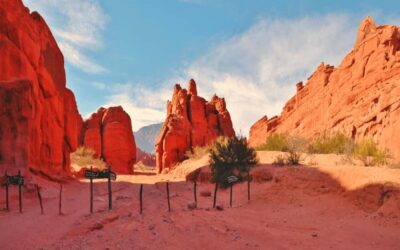
Browse the lists this tour appears in