
Reviewed · ARGENTINE FOOD AND WINE TASTINGS
Pachamama – Argentine Cooking Experience in Buenos Aires
Food is the fastest way into Argentina. Pachamama turns that idea into a hands-on Buenos Aires class, where you taste a homemade picada, learn how local dishes developed, and help prepare a four-course meal. I like the small, personal format and the chance to leave with recipes, city tips, and pictures. I also like that the food is tied to regional traditions rather than presented as a generic cooking lesson.
The main caution is pace. One participant found the class a little rushed, and the kitchen divides tasks among the group so that everyone can take part. You will cook several dishes, but you may not prepare every recipe from start to finish by yourself. If you want a slow, chef-school lesson, this may feel brisk. If you want food, stories, wine, and a social afternoon, it makes a lot of sense.
In This Review
- Key Points Before You Book
- Arriving at the Buenos Aires Cooking School
- Starting With Picada and Argentine Food Traditions
- Making Empanadas by Hand
- Preparing Humita and the Main Course
- Dessert, Crepes, and the Final Shared Meal
- How Much Cooking Will You Actually Do?
- The Social Side of the Experience
- Dietary Needs and Booking Details
- Who Will Enjoy Pachamama Most?
- Should You Book Pachamama?
- FAQ
- How long does the Pachamama cooking experience last?
- What time does the activity start?
- Where does the cooking class meet?
- What food is included?
- Are drinks included?
- Is a vegetarian option available?
- Is the activity offered in English?
Key Points Before You Book
- Start with picada and Argentine food culture: The class opens with homemade snacks, drinks, and an introduction to the country’s culinary traditions.
- Make a full four-course menu: You help prepare a snack, appetizer, main course, and dessert, with dishes such as empanadas, humita, crepes, and chips appearing in the class format.
- Empanadas are a highlight: You roll your own dough, fill the pastry, and learn the folding technique. Several participants singled this out as the most enjoyable task.
- Regional recipes have a story: The Mendoza-style empanada filling comes from the host Fran’s grandmother and uses beef, onions, paprika, cumin, chili, green onions, egg, wine, and beef fat.
- Food restrictions can be handled: Vegetarian meals are available, and the team has accommodated celiac and other restrictive dietary needs when told in advance.
- Plan for about three to three and a half hours: The meeting point is at Tte. Benjamín Matienzo 1559, with an 11 a.m. start and a return to the same location.
Arriving at the Buenos Aires Cooking School
Pachamama meets at Tte. Benjamín Matienzo 1559 in Buenos Aires. The location is near public transportation, which matters in a city where a well-placed class can save you a long taxi ride and a fair bit of guesswork.
The start time is 11 a.m. You finish back at the meeting point, so you can plan this as a substantial lunch rather than a late-night food activity. Give yourself enough time to arrive calmly. Cooking classes work better when you are not trying to find the address while the first glass of wine is being poured.
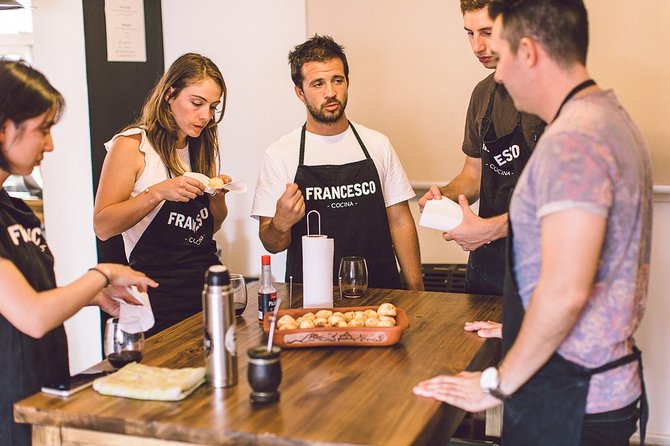
The setting is described as clean, attractive, and professional. It is not simply a demonstration in which you sit and watch someone else work. The kitchen is prepared ahead of time so the group can keep moving, but you still take part in several stages of the cooking.
The activity is described as private, meaning only your group participates. At the same time, the class has a social character, and its format is built around meeting people from different countries. If the exact group arrangement matters to you, confirm it when booking, especially if you are hoping for a completely private lesson or a shared class atmosphere.
More Food and Wine Tastings in Buenos Aires
- Local Foodie Adventure in Buenos Aires with Sherpa Food Tours
★ 5.0 · 6,875 reviews - Argentine Experience Interactive Dining and Cooking
★ 5.0 · 1,382 reviews - Cooking Class Designed by Michelin Chef @ Argentine Experience
★ 5.0 · 1,123 reviews
Starting With Picada and Argentine Food Traditions
The first course is not a cooking task. You begin with a homemade picada, the Argentine habit of sharing small bites before a meal. This is a useful introduction because it gives you something to taste while the team explains how Argentine food developed.
Pachamama uses this opening to discuss ingredients, regional habits, and the roots of familiar dishes. The aim is not to bury you in a lecture. Instead, you get enough context to understand why the menu includes the foods it does and how different parts of Argentina contribute to the national table.
This is one of the class’s strongest features. You are not only copying instructions. You are learning why empanadas matter, how corn-based dishes fit into Argentine cooking, and how family recipes can carry a regional identity.
Beverages, bottled water, wine tasting, and alcoholic drinks are included. That makes the opening feel like a meal with a lesson attached, rather than a technical workshop where everyone waits impatiently for lunch.
Making Empanadas by Hand
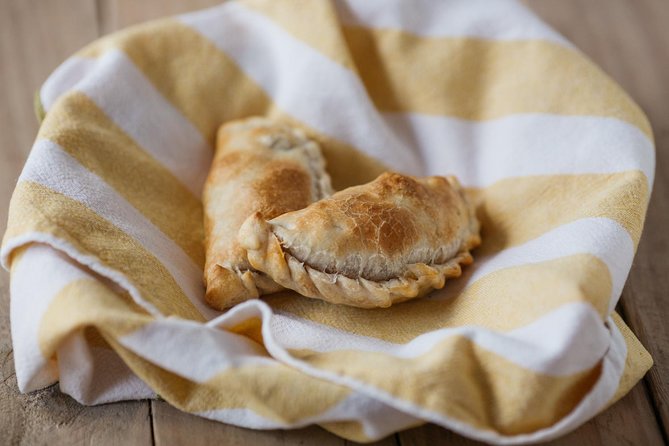
Empanadas are the most clearly hands-on part of the experience. You roll your own dough, add the filling, and practice the folding method. Even if you are not confident in the kitchen, the class provides guidance, and one participant who described being a poor cook still managed to enjoy the process.
The filling follows a Mendoza tradition connected to Fran’s grandmother. It includes ground flank steak with fat, a generous amount of onion, homemade vegetable stock, red wine, sweet paprika, cumin, chili powder, green onions, hard-boiled egg, and beef tallow.
That recipe gives the dish more character than a basic meat-and-onion mixture. The onions are caramelized and deglazed, and the additional seasoning reflects the hosts’ preference for a more strongly flavored empanada.
There is a useful point of balance here. One participant thought the filling contained too much onion and needed more meat, salt, and spice. The dough, however, received praise, and other diners considered the empanadas the best they had eaten in Argentina. Taste is personal, but you should know that this is a particular family and regional recipe, not an attempt to make the mildest possible version for everyone.
The folding task is valuable because it is something you can repeat at home. You do not need special equipment, and the finished pastry makes the lesson easy to remember. Of all the class activities, this is the one most likely to become a souvenir in your own kitchen.
Preparing Humita and the Main Course
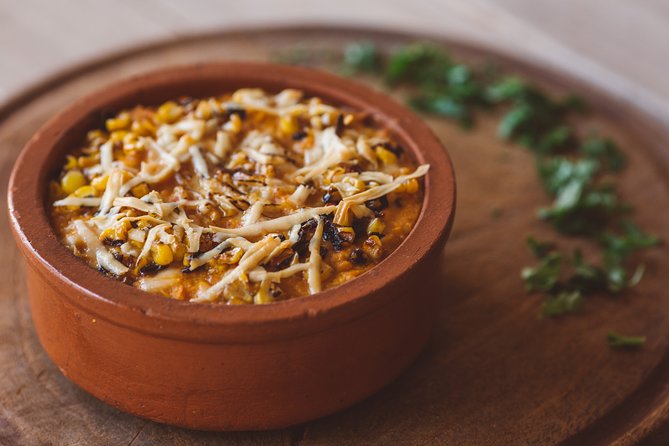
The main dish brings in humita, a traditional preparation based on corn. It offers a different texture and flavor from the empanadas and helps show that Argentine food is not only grilled beef.
You may help with preparation and plating, depending on how the group divides the work. The class is organized so each person gets several jobs, but not everyone completes every recipe from the first chop to the final serving.
That arrangement is practical. Preparing four courses in a little over three hours would be difficult if every person had to make every step. The downside is that someone seeking intensive individual practice may feel shortchanged. You are part of a kitchen team, not working alone at a private station.
The humita earned strong praise from many participants, though one person found it under-seasoned. The hosts prefer to let diners add salt at the table rather than risk oversalting the whole dish. That is a small point, but it explains why flavors may come to you less aggressively seasoned than you expect.
You also get to plate the stew, which gives you a role at the finish even if you did not handle every earlier step. The lesson works best when you see it as shared cooking. You are learning several dishes in one sitting, not mastering one recipe in isolation.
A completely different kind of day:
- Buenos Aires City Private Tour with Local Guide
★ 5.0 · 3,475 reviews - Buenos Aires Small-Group City Tour
★ 5.0 · 2,226 reviews - Buenos Aires Hop-On Hop-Off Bus, Free Walking Tours & Discounts
★ 4.5 · 2,218 reviews - Buenos Aires: Piazzolla Tango Show with Optional Dinner
★ 4.4 · 2,122 reviews
Dessert, Crepes, and the Final Shared Meal
Dessert completes the four-course menu. Crepes have appeared in the class format, and participants have been invited to flip their own pancake. That is a simple task, but it adds a playful finish after the more detailed work of shaping empanadas and preparing the savory courses.
The meal includes a snack, appetizer, main course, and dessert. The wording sometimes describes it as a five-course lunch, but the clearest menu description identifies four courses. Expect a substantial meal rather than a precise restaurant-style progression.
Once the cooking is done, everyone sits around the table and shares what the group prepared. This is where the class shifts from kitchen lesson to social occasion. You eat the food while continuing the conversation, and the relaxed table setting gives solo participants a natural way to meet others.
The food portions appear generous. One participant said you leave with a full belly, which is exactly what you want from a cooking class scheduled over lunchtime. Wine and other beverages are included, so the final meal does not require extra spending for the basic drinks listed as part of the activity.
How Much Cooking Will You Actually Do?
This is the most important practical question. You will cook, but you should not expect to make every dish entirely on your own.
The team divides the work so everyone has at least two tasks. You roll and fill your own empanadas, learn the fold, and take part in other preparation or plating jobs. You may also flip your own crepe and help finish the stew and dessert.
That is a sensible approach for a mixed group. Beginners get support, confident cooks do not spend the entire session waiting, and the meal reaches the table on time. It also explains the one notable criticism of the class: if you measure value by the number of recipes you personally complete from start to finish, the experience may not satisfy you.
I would book this for learning a broad set of Argentine dishes and techniques. I would not book it expecting a four-hour private apprenticeship with a cutting board reserved just for me.
The class is offered in English. Private groups may be able to arrange Spanish, but that should be requested in advance. English instruction makes the experience accessible to many international visitors, while the Spanish option may suit a private group looking for a more local-language setting.
The Social Side of the Experience
Pachamama is designed to be friendly and interactive. The instructors guide the work, keep the mood light, and offer recommendations for restaurants and other things to do in Buenos Aires.
That local advice may be especially useful early in your stay. You can ask about where to eat, what dishes to try elsewhere, and how to make better use of your remaining days. Several people considered the class a good first-days activity because it combines food orientation with practical city suggestions.
Solo participants should feel comfortable booking. The table format gives you an easy way to meet people, and one solo diner said they arrived alone and left with new friends. Couples, families, and groups of friends also fit the format well.
The class can be adapted from roughly three and a half hours to two and a half hours for private groups. That shorter option could help if your schedule is tight, though a faster pace may leave less time for conversation and questions.
Dietary Needs and Booking Details
Tell Pachamama about dietary requirements when you book. A vegetarian option is available, and the team has handled celiac needs and other restrictive diets with care.
Do not wait until the class begins to mention an allergy or major food restriction. The menu involves several shared preparations, so advance notice gives the kitchen time to plan safe substitutions and keep you involved.
The listed price is $75 per person. For Buenos Aires, that is not a bargain lunch, but it covers much more than food. You receive about three to three and a half hours of instruction, a complete meal, alcoholic drinks, wine tasting, bottled water, taxes, recipes, local recommendations, and class pictures.
The value depends on what you want. If you only want to eat empanadas, a restaurant will cost less. If you want a meal plus a guided introduction to Argentine food and several practical techniques to take home, the price is reasonable.
This experience is often reserved well ahead of time, with bookings averaging about 40 days in advance. That does not mean you must book exactly 40 days out, but it is a clear sign to avoid leaving this activity until the last morning of your trip.
Free cancellation is available if you cancel at least 24 hours before the 11 a.m. start time. Cancellations or changes inside that window are not refunded or accepted. The class also requires a minimum number of participants, and if the provider cancels because that number is not reached, you will be offered another date or a full refund.
Who Will Enjoy Pachamama Most?
I would recommend Pachamama to you if you want food culture with real participation. It suits curious eaters, first-time cooks, experienced home cooks, couples, families, friends, and solo visitors looking for a social activity.
It is also a good choice if you want to understand Argentine cuisine beyond steak and Malbec. The menu introduces empanadas, humita, picada, dessert, and regional cooking ideas in one sitting.
You may want a different type of class if your priority is individual instruction. The shared task system means you will contribute, but you will not necessarily prepare every dish from beginning to end. One person also felt the schedule favored finishing on time, so ask about the pace if you prefer long, unhurried lessons.
The class is particularly useful near the start of a Buenos Aires stay. The food orientation helps you order with more confidence, while the restaurant tips can guide the rest of your visit.
Should You Book Pachamama?
Yes, if you want a warm, social introduction to Argentine cooking and do not mind sharing kitchen duties. The best parts are the empanada-making, the family recipe behind the Mendoza filling, the cultural explanations, and the full lunch with wine.
Book with realistic expectations. You are joining a well-organized group cooking session, not receiving one-on-one chef training. Tell the team about dietary needs early, arrive at the Matienzo address before 11 a.m., and reserve ahead if this is an important part of your Buenos Aires plans.
At $75, Pachamama earns its price through the combination of food, teaching, drinks, recipes, photographs, and local advice. For a visitor who wants to eat Argentina and understand it a little better, this is a very good use of half a day.
FAQ
How long does the Pachamama cooking experience last?
The experience lasts approximately three hours, with the full format described as about three and a half hours. Private groups may be able to shorten it to about two and a half hours.
What time does the activity start?
The class starts at 11 a.m.
Where does the cooking class meet?
The meeting point is Tte. Benjamín Matienzo 1559, C1426DAA, Buenos Aires, Argentina. The activity ends back at the same location.
What food is included?
The experience includes a four-course lunch with a snack, appetizer, main course, and dessert. The menu can include empanadas, humita, crepes, chips, and other Argentine preparations.
Are drinks included?
Yes. Bottled water, wine tasting, alcoholic beverages, and other beverages listed by the provider are included.
Is a vegetarian option available?
Yes. You should advise the provider of vegetarian needs or other dietary requirements when booking.
Is the activity offered in English?
Yes. The regular experience is offered in English. Private groups may be able to arrange the class in Spanish.
Just added in Buenos Aires
- Discover Buenos Aires’ independent art scene — Ticket included★ 5.0 · 30 reviews
- Photo Session in Buenos Aires★ 5.0 · 26 reviews
- Your Private Photographer in Buenos Aires★ 5.0 · 4 reviews
- Yerba Mate Workshop – Learn to Drink Mate like a Local!★ 5.0 · 11 reviews
- Your Personal Photographer in Buenos Aires★ 5.0 · 24 reviews
- BA: Wine Tasting and Blending Experience in Palermo★ 5.0 · 1 review
- Winery and Tasting Experience in Buenos Aires★ 5.0 · 1 review
- Taste of Tradition: Yerba Mate & Alfajores Experience★ 4.0 · 5 reviews
Argentine Food and Wine Tastings, compared.
Local Foodie Adventure in Buenos Aires with Sherpa Food Tours
Read our review →
Argentine Experience Interactive Dining and Cooking
Read our review →
Cooking Class Designed by Michelin Chef @ Argentine Experience
Read our review →
Historical Sherpa Food Tour of San Telmo with Street Food, Drinks
Read our review →
Join a Local Family Asado in Buenos Aires with Betty and Marcelo
Read our review →
Browse the lists this tour appears in