
Reviewed · ARGENTINE FOOD AND WINE TASTINGS
Pachamama – Argentine Cooking Experience in Buenos Aires
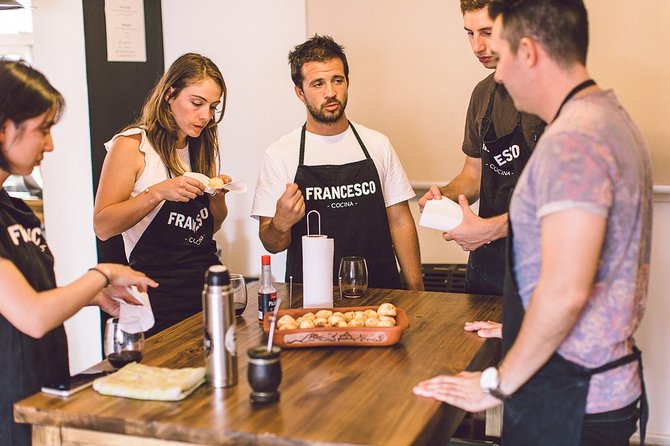
Buenos Aires tastes better with sleeves rolled up. I like the hands-on cooking here, where you help prepare Argentine recipes from scratch, and I like the warm table setting with Durigutti wines from Mendoza. The main thing to know is that this is a group cooking session, so you may assist with each dish rather than make every recipe alone.
Pachamama also gives you more than a meal. You learn about mate, chimichurri, empanadas, and the roots of local cooking, then receive recipes, city tips, and class photos. The menu is generous, but diners with a very large appetite should note that the advertised three-hour session can stretch to three and a half hours.
In This Review
- Key points at a glance
- What makes Pachamama different from a standard food tour
- Starting with picada, vermouth, and Argentine food customs
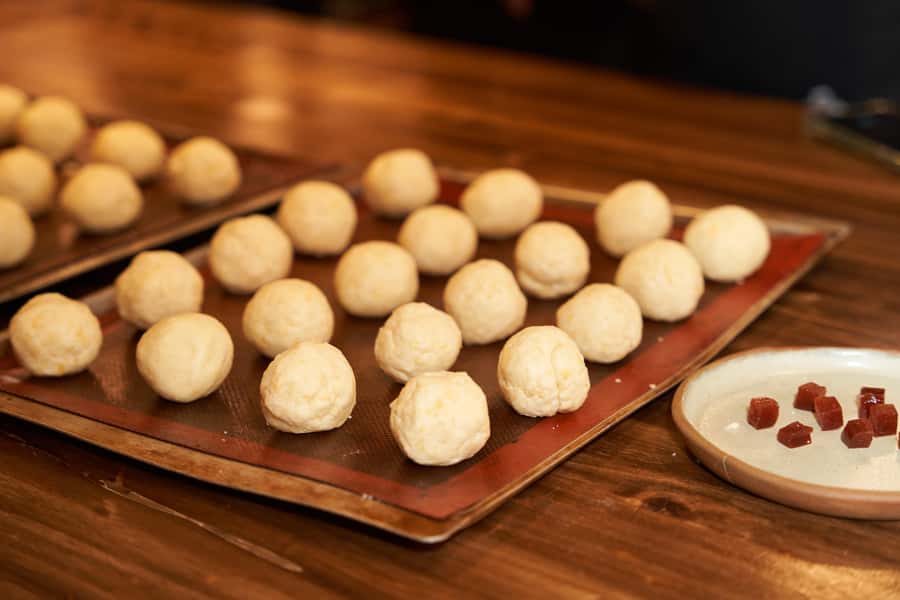
- Chipá and sauces: a small dish with plenty of character
- Beef empanadas and chimichurri made by hand
- Humita stew brings corn and regional cooking to the table
- Dulce de leche crepes finish the meal
- Durigutti wines make the meal feel complete
- The group size and teaching style
- What the $75 price includes
- Timing, location, and practical planning
- Who will enjoy Pachamama most
- Should you book Pachamama?
- FAQ
- How long does the Pachamama cooking experience last?
- What food will I prepare and eat?
- Are drinks included?
- Is the cooking class available in English?
- Can the menu accommodate dietary requirements?
- Is hotel transportation included?
Key points at a glance
- A five-step Argentine menu: Taste picada, chipá, empanadas, humita stew, and dulce de leche crepes with ice cream.
- Cooking, not just watching: You roll up your sleeves and take part in preparing four local recipes.
- Mendoza wine pairing: Durigutti wines from Las Compuertas accompany the meal, with vermouth, water, and homemade lemonade included.
- Small and social: The experience is limited to 10 participants in the general booking information, though the provider also lists capacity for up to 14.
- Useful take-home extras: You receive recipes by QR code, class pictures, and local Buenos Aires recommendations.
- Dietary flexibility: The menu can be adapted for vegetarian, gluten-free, and lactose-free diners.
What makes Pachamama different from a standard food tour
Buenos Aires has plenty of places where you can order Argentine food. Pachamama takes a different route: you learn how the food comes together, then sit down and eat what the group has prepared.
That difference matters. An empanada on a plate is tasty, but folding the dough, working with the filling, and hearing about the dish’s place in Argentine cooking gives it a little more meaning. The same goes for chimichurri, the sharp herb sauce that appears on many Argentine tables. Here, you get to taste it and learn how it fits into the local food tradition.
The setting is designed to feel cozy and home-like rather than formal. That makes the three-hour session feel social. You cook alongside people from different countries, share the finished food, and have a natural chance to make conversation over wine.
I especially like that the class does not treat Argentine cuisine as only beef and red wine. The menu moves through bread, preserves, sauces, empanadas, corn, dulce de leche, and regional cooking. It gives you a broader look at the country’s food than a single steak dinner can provide.
More Food and Wine Tastings in Buenos Aires
- Local Foodie Adventure in Buenos Aires with Sherpa Food Tours
★ 5.0 · 6,875 reviews - Argentine Experience Interactive Dining and Cooking
★ 5.0 · 1,382 reviews - Cooking Class Designed by Michelin Chef @ Argentine Experience
★ 5.0 · 1,123 reviews
Starting with picada, vermouth, and Argentine food customs
The experience begins with a homemade picada. Think of this as a relaxed Argentine spread of local bread, homemade preserves, pickles, and small bites. It is a good opening because it gets food on the table while the group settles in.
A vermouth cocktail is also included. Vermouth has a strong place in Argentine social life, especially as an early drink before lunch or dinner. Starting with vermouth helps you understand that eating in Argentina is often about lingering, talking, and sharing, not rushing through a checklist of dishes.
This opening portion also introduces the story behind Argentine cuisine. You may hear about mate, the famous shared herbal drink, along with the use of chimichurri, regional empanadas, and local spices. These details help connect the recipes to everyday customs.
The welcome food is not simply filler before the cooking begins. It gives you a first taste of local ingredients and lets the class start at an easy pace. If you arrive hungry, that is useful. The menu becomes substantial later, but the picada gives you something to enjoy from the start.
Chipá and sauces: a small dish with plenty of character
One of the prepared items is chipá served with barbecue sauce and a fermented spicy sauce. Chipá is a cheese bread associated with regional South American cooking, especially areas influenced by Guaraní food traditions.
It is a smart choice for a cooking class because it shows a side of Argentine food that can get overlooked. The dish is small, but the sauces add contrast: smoky barbecue on one side, sharper fermented heat on the other.
This is also where the group format becomes clear. You are likely to take turns helping with different stages rather than producing a full private portion from beginning to end. That setup keeps the class moving and lets everyone participate, but it may disappoint you if your main goal is to independently cook every item.
One participant specifically noted that the dishes were prepared more as a group effort. I would treat that as an important expectation to set before booking. You will be actively involved, but this is not a private chef lesson with four separate workstations.
Beef empanadas and chimichurri made by hand
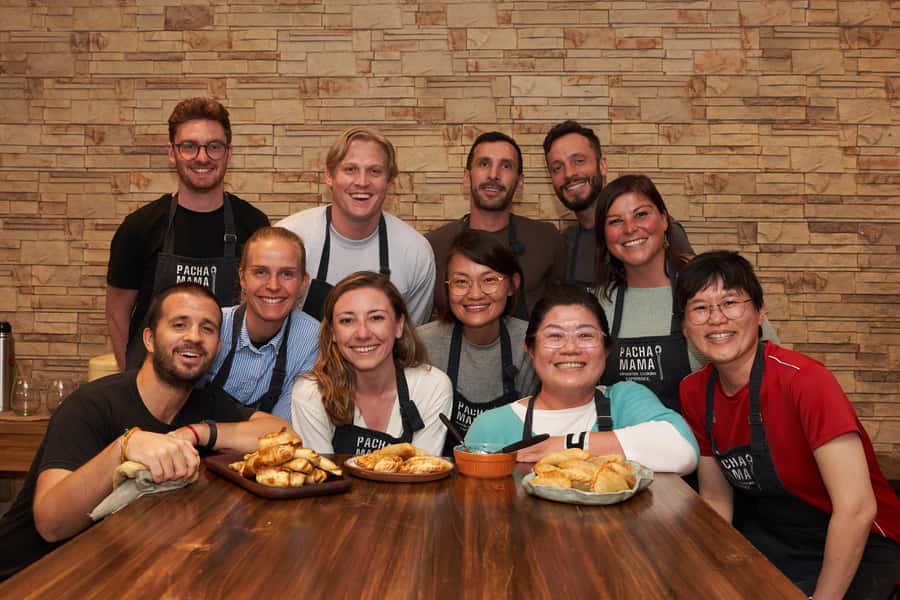
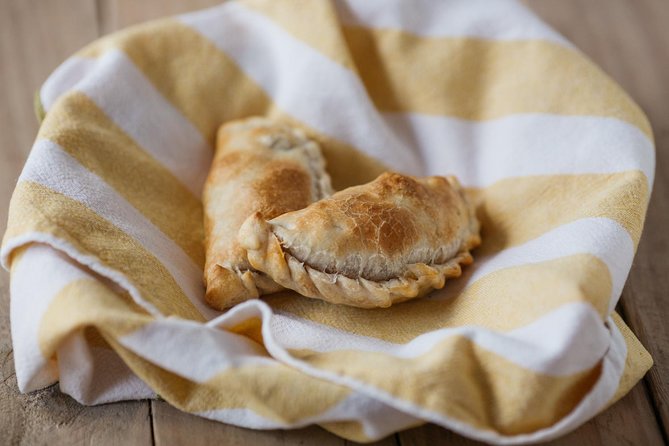
The beef empanadas are likely to be the most familiar Argentine dish on the menu, but the value is in learning the process. Empanadas are portable, practical food, and their fillings and seasoning vary from region to region.
At Pachamama, you prepare beef empanadas and pair them with chimichurri. The sauce brings herbs, acidity, and seasoning to the dish. Learning to make both gives you something practical to repeat at home, especially since recipes are provided afterward in PDF format through a QR code.
The class also explains the background of the recipes rather than treating them as disconnected cooking exercises. That context can help you remember what you made. You may not recall every measurement months later, but you are more likely to remember the folded dough, the sauce, and the story behind the dish.
The empanadas are a good fit for first-time cooks because the process is approachable and social. You can ask questions in English, and the cooking leaders guide the group through the preparation. For a private booking, the session can be held in Spanish, according to the activity details.
A completely different kind of day:
- Buenos Aires City Private Tour with Local Guide
★ 5.0 · 3,475 reviews - Buenos Aires Small-Group City Tour
★ 5.0 · 2,226 reviews - Buenos Aires Hop-On Hop-Off Bus, Free Walking Tours & Discounts
★ 4.5 · 2,218 reviews - Buenos Aires: Piazzolla Tango Show with Optional Dinner
★ 4.4 · 2,122 reviews
Humita stew brings corn and regional cooking to the table
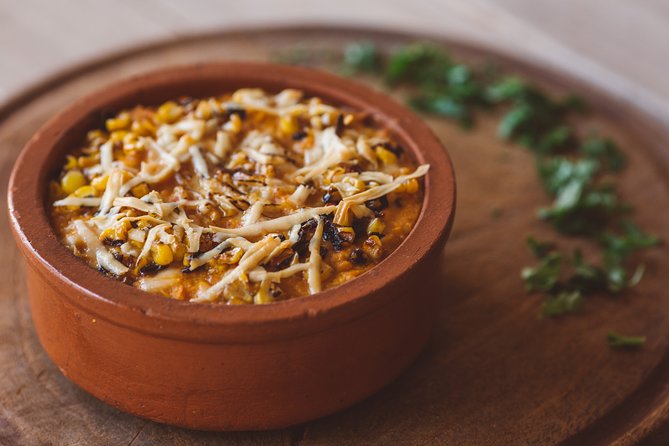
The main course is a gratinated humita stew. Humita is a corn-based dish with roots in Andean and South American cooking, and it offers a welcome change from the expected Argentine steak menu.
Corn is central to many regional dishes across Argentina, especially in the northwest. A humita-style preparation shows how local cooking can be hearty and comforting without relying on meat. The gratin gives the dish a baked finish and makes it suitable for serving at the shared table.
This course is particularly useful for anyone interested in vegetarian Argentine food. The menu can be adjusted for vegetarian diners, and one participant specifically found the vegetarian arrangement straightforward.
Still, you should communicate dietary needs when booking rather than waiting until the class begins. The provider states that vegetarian, gluten-free, and lactose-free adaptations are possible, but the exact replacement ingredients are not specified.
Dulce de leche crepes finish the meal
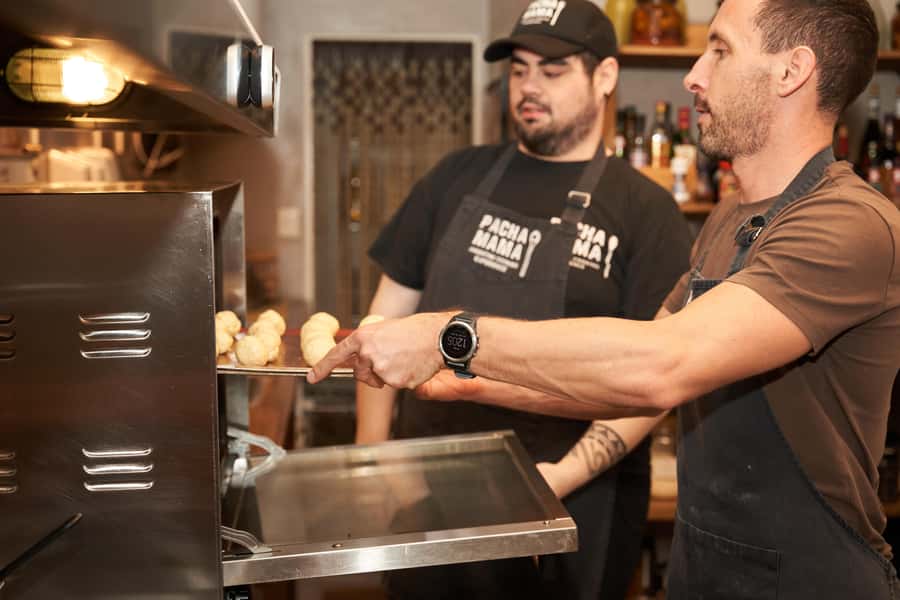
Dessert is flamed dulce de leche crepes with ice cream and homemade limoncello. Dulce de leche is one of Argentina’s best-known ingredients, and this dessert gives you a classic sweet ending with a bit of showmanship.
The crepes are not just brought out ready-made. They are part of the cooking session, so you get to see how the dessert is assembled before it reaches the table. The flame adds a restaurant-style finish, while the ice cream balances the sweetness.
Homemade limoncello accompanies the dessert. Vermouth at the beginning and limoncello at the end create a clear rhythm for the meal, though water and homemade lemonade are also included for nonalcoholic choices.
The final course is one reason the experience can run longer than three hours. A five-step menu, cooking instruction, explanations, wine service, and a shared meal require a little breathing room. If you have an important evening reservation afterward, leave plenty of time.
Durigutti wines make the meal feel complete
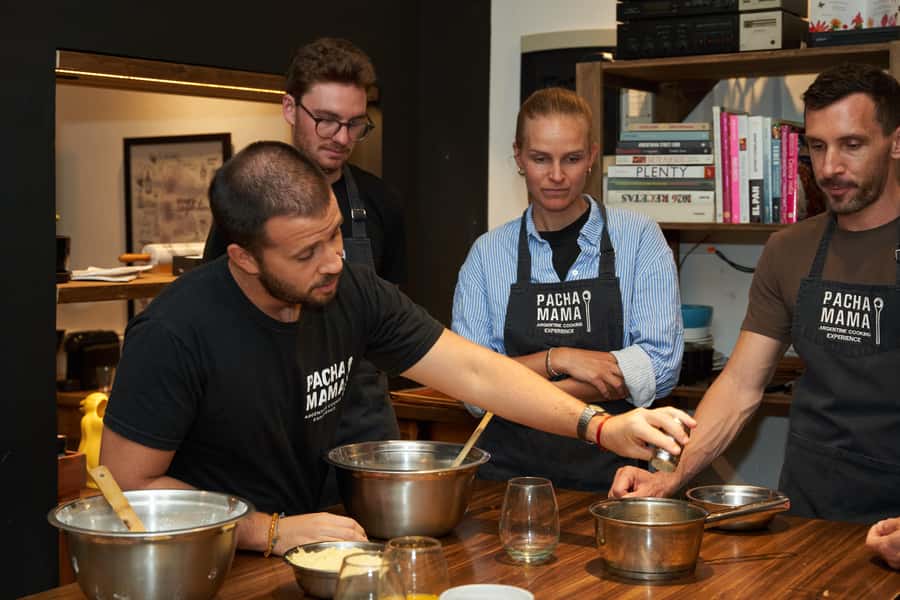
The wine pairing is built around Durigutti wines from Las Compuertas in Mendoza. This is a useful addition to the price because you are not paying separately for a glass with each course.
Mendoza is Argentina’s best-known wine region, and including its wines gives the meal a clear regional connection beyond Buenos Aires. The pairing also encourages you to think about how Argentine food and wine work together, rather than treating wine as an afterthought.
The supplied details do not list each wine or match a particular bottle to each dish, so you should not expect a formal tasting with technical notes on every pour. The focus is food, cooking, and conversation.
I see that as a strength for most people. You get a relaxed introduction to Argentine wine without turning the afternoon into a specialist class. If wine is your main interest, a dedicated Mendoza tasting would offer more depth. If food is your priority, the pairing adds pleasure and value without taking over the session.
The group size and teaching style
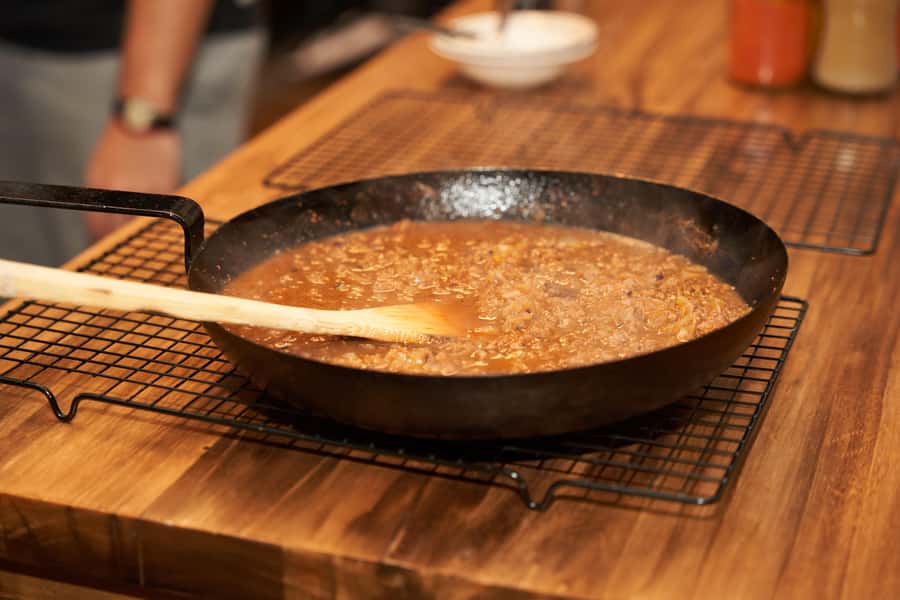
The general activity information describes a small group limited to 10 participants, while the provider also lists capacity for up to 14 people. That difference is worth checking at the time of booking, particularly if you prefer a very intimate class.
A smaller group usually means more chances to help, ask questions, and speak with the cooking team. The feedback points to an organized, well-run class, with the leaders keeping the activity moving while maintaining a friendly mood.
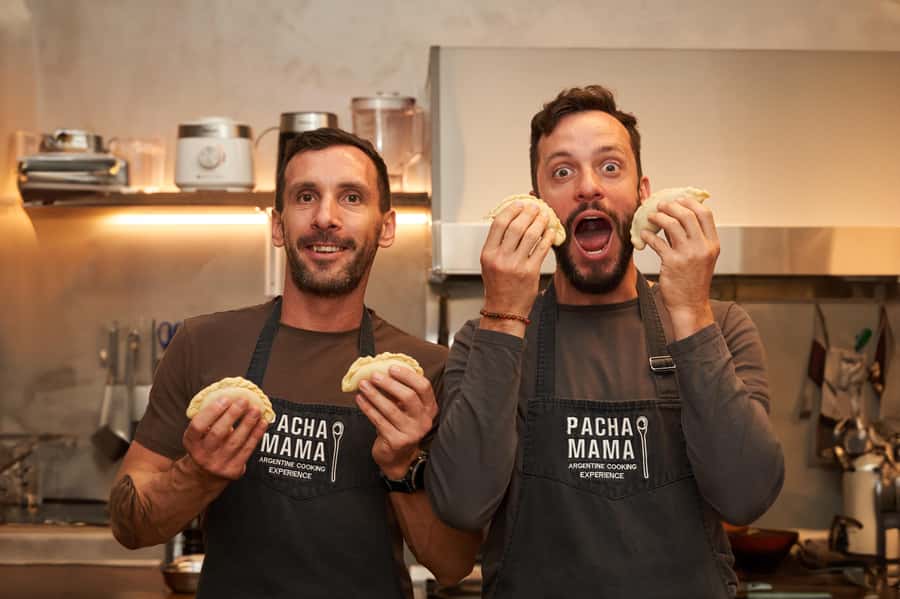
Franco is named as one of the hosts, and the cooking team is described as fun, professional, and attentive to the group’s enjoyment. The strongest praise centers on the planning, clear explanations, enthusiasm, and the social atmosphere.
Still, do not confuse a small group with one-on-one instruction. You may assist with only part of a particular recipe while another participant handles the next step. If you want individual correction on knife skills or a detailed lesson in technique, ask about a private group option.
What the $75 price includes
At $75 per person, Pachamama is not the cheapest way to eat in Buenos Aires. You can find a good local meal for less, especially if you order at a neighborhood restaurant.
The price makes more sense when you count what is included:
- A welcome picada with homemade items and local bread
- A vermouth cocktail
- A five-step menu
- Hands-on preparation of Argentine recipes
- Durigutti wines from Mendoza
- Water and homemade lemonade
- Recipe PDFs
- Class pictures
- Buenos Aires recommendations
- A professional English-language cooking team
You are paying for instruction, food, drinks, and a social activity in one booking. For a visitor who wants more than another restaurant meal, that is fair value. The recipes and city suggestions add a small but useful benefit after the class.
The value is strongest if you will actually use what you learn. If you have no interest in cooking, you may feel that you are paying for a lesson when you mainly wanted lunch. In that case, a traditional parrilla or neighborhood food walk may suit you better.
Timing, location, and practical planning
The experience takes place in Buenos Aires Province, with no hotel pickup or drop-off included. You need to arrange your own way there, so check the meeting details carefully before committing to a tight schedule.
The listed duration is three hours, while the fuller description says three and a half hours. That may reflect the usual pace of the shared meal or a difference between the standard and shorter private format. For planning, I would allow three and a half hours.
Private groups can adapt the session to two and a half hours. That option may suit families, corporate groups, or friends who want Spanish instruction, but the supplied information does not give a separate private price.
The activity is offered in English and is wheelchair accessible. The general booking information lists English instruction, and private groups can request Spanish. If you need a dietary adjustment or accessibility support, confirm the arrangement when booking.
Cancellation is flexible up to 24 hours before the start time for a full refund. You can also reserve now and pay later, which is helpful when your Buenos Aires plans are still changing.
Who will enjoy Pachamama most
I would recommend Pachamama to you if you want a social afternoon with food, drinks, and a practical look at Argentine culture. It is especially well suited to couples, solo visitors, and small groups who enjoy meeting people around a table.
It also works well for first-time cooks. The recipes are explained clearly, and the leaders keep the process organized. You do not need advanced kitchen skills to take part.
Vegetarians should find the adaptable menu useful. Gluten-free and lactose-free diners can also request changes, though you should arrange those needs in advance.
Families may enjoy the active format, but the alcohol pairings and three-hour schedule may not suit every child. The available information does not specify a minimum age, so check before booking with young children.
You may want to choose another activity if you are seeking a private lesson, a full steak-focused class, or a formal wine education session. Pachamama is about shared cooking and Argentine food culture, not technical chef training.
Should you book Pachamama?
Book it if you want to do something with your hands, eat a full Argentine meal, and leave with recipes you can try at home. The combination of empanadas, chimichurri, humita, dulce de leche, local drinks, and Mendoza wine gives you a broad introduction in one afternoon.
The main limitation is the shared-work format. You help prepare the food, but you may not personally make every dish from start to finish. Check the actual group size, allow up to three and a half hours, and state dietary needs ahead of time.
At $75, I consider it a good choice for visitors who value an activity as much as the meal. If you only want a quick lunch, spend less at a restaurant. If you want a friendly, well-organized lesson with plenty to eat, Pachamama earns its place on a Buenos Aires itinerary.
FAQ
How long does the Pachamama cooking experience last?
The activity is listed as three hours, while the detailed description gives three and a half hours. Private groups can adapt the experience to two and a half hours.
What food will I prepare and eat?
The menu includes picada with preserves, pickles, and local bread; chipá with barbecue and fermented spicy sauces; beef empanadas with chimichurri; gratinated humita stew; and flamed dulce de leche crepes with ice cream and homemade limoncello.
Are drinks included?
Yes. The experience includes Durigutti wines from Las Compuertas in Mendoza, a vermouth cocktail, vermouth, water, and homemade lemonade.
Is the cooking class available in English?
Yes. The regular experience is given in English. Private groups can arrange the class in Spanish.
Can the menu accommodate dietary requirements?
The menu can be adapted for vegetarian, gluten-free, and lactose-free diners. It is best to provide those requirements when booking.
Is hotel transportation included?
No. Hotel pickup and drop-off are not included, so you need to arrange your own transportation to and from the experience.
Just added in Buenos Aires
- Discover Buenos Aires’ independent art scene — Ticket included★ 5.0 · 30 reviews
- Photo Session in Buenos Aires★ 5.0 · 26 reviews
- Your Personal Photographer in Buenos Aires★ 5.0 · 24 reviews
- Your Private Photographer in Buenos Aires★ 5.0 · 4 reviews
- Yerba Mate Workshop – Learn to Drink Mate like a Local!★ 5.0 · 11 reviews
- BA: Wine Tasting and Blending Experience in Palermo★ 5.0 · 1 review
- Winery and Tasting Experience in Buenos Aires★ 5.0 · 1 review
- Taste of Tradition: Yerba Mate & Alfajores Experience★ 4.0 · 5 reviews
Argentine Food and Wine Tastings, compared.
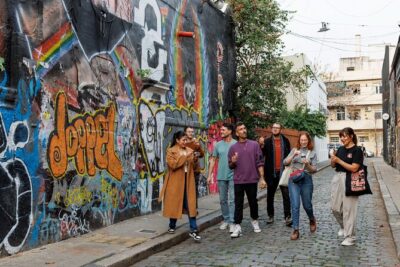
Local Foodie Adventure in Buenos Aires with Sherpa Food Tours
Read our review →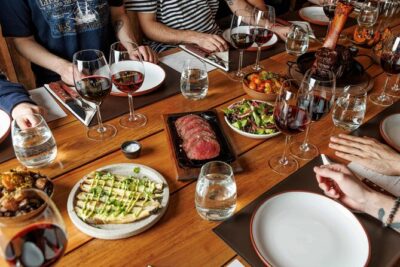
Argentine Experience Interactive Dining and Cooking
Read our review →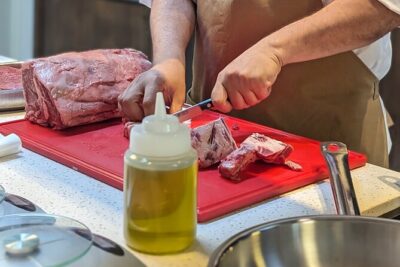
Cooking Class Designed by Michelin Chef @ Argentine Experience
Read our review →
Historical Sherpa Food Tour of San Telmo with Street Food, Drinks
Read our review →
Join a Local Family Asado in Buenos Aires with Betty and Marcelo
Read our review →
Browse the lists this tour appears in