Reviewed · BUENOS AIRES TOURS
Off the Beaten Path BA Private Guided Tour
Buenos Aires has more than its famous center. This four-hour private outing takes you through Caballito, Chacarita, Belgrano, and Chinatown, with private transportation making a spread-out city easy to handle. I like the unusual mix of church, market, cemetery, architecture, and local neighborhoods. I also like the chance to see parts of Buenos Aires that are awkward to reach on your own. The main consideration is that the pace is brisk, with seven stops in about four hours.
The strongest part is the cultural range. You can stand in the church where Pope Francis was baptized, see Carlos Gardel’s resting place, walk through a 130-year-old market, and finish among Asian restaurants and shops. Guides such as Mariano, Marcelo, and Juan Manuel have been praised for their history, language skills, friendliness, and willingness to adjust the outing to your interests.
In This Review
- Key points to know before booking
- Why this four-hour route feels different
- Basilica Maria Auxiliadora y San Carlos, a church tied to two Argentine icons
- Barrio Ingles and Caballito’s quiet residential character
- Mercado del Progreso, a 130-year-old market with a traditional feel
- Chacarita Cemetery, the route’s most powerful stop
- Belgrano, attractive streets beyond Palermo
- Barrancas de Belgrano, a park at the heart of the district
- Chinatown, a surprising final stop
- How the private transportation changes the day
- Who will get the most from this Buenos Aires outing
- Timing, language, and useful planning advice
- Should you book Off the Beaten Path BA?
- FAQ
- How long is the Off the Beaten Path BA Private Guided Tour?
- How much does the private tour cost?
- What is included in the price?
- Are food and snacks included?
- Is this a private experience?
- Can I cancel for a full refund?
Key points to know before booking
- Carlos Gardel appears twice: You visit the church connected with his youth, then see his grave at Chacarita Cemetery.
- The private car matters: Buenos Aires is huge, and the vehicle links neighborhoods that would take far longer by public transport.
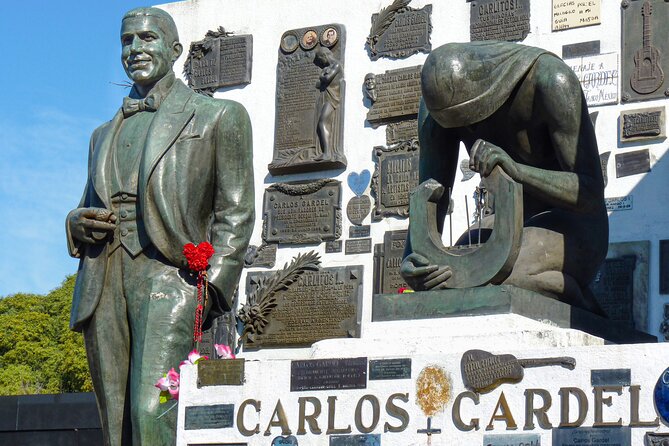
- Chacarita is the emotional centerpiece: It is much larger than Recoleta and filled with tango, popular culture, and monumental architecture.
- Caballito brings local Buenos Aires into view: The English neighborhood and Mercado del Progreso show a quieter side of the city.
- The price works best for three people: At $230 per group, the cost is about $76.67 per person when three people share it.
- This pairs well with a classic city tour: It adds neighborhoods and subjects that a standard first-time route usually skips.
Why this four-hour route feels different
Most first visits to Buenos Aires focus on La Boca, San Telmo, Recoleta, Palermo, and the grand civic center. Those places deserve attention, but they do not tell the whole story. This route heads into neighborhoods where people live, shop, worship, and remember their cultural heroes.
The experience is private for your group, up to three people. That changes the feel of the outing. You are not waiting for a large group to gather or trying to hear a guide over a crowd. You can ask about architecture, tango, religion, or daily life as the questions come up.
The guide speaks English or Spanish, and the strongest praise has gone to Mariano, Marcelo, and Juan Manuel. Mariano is especially noted for his clear English and Spanish, local history, and friendly manner. Juan Manuel has been praised for shaping the route around personal interests and offering useful city suggestions. You can request a preferred guide, though the final assignment is not guaranteed.
The timing deserves a realistic look. The listed visits total about three hours and twenty-five minutes, leaving roughly thirty-five minutes for driving and transitions. That means you get an introduction at each place rather than a long, scholarly visit. The benefit is range. The tradeoff is that you may wish for more time at the cemetery, market, or church.
More things to do in Buenos Aires:
- Local Foodie Adventure in Buenos Aires with Sherpa Food Tours
★ 5.0 · 6,875 reviews - Buenos Aires City Private Tour with Local Guide
★ 5.0 · 3,475 reviews - Buenos Aires Small-Group City Tour
★ 5.0 · 2,226 reviews
Basilica Maria Auxiliadora y San Carlos, a church tied to two Argentine icons
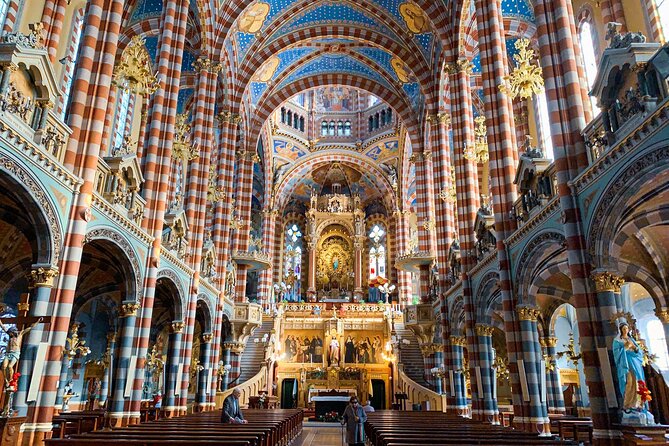
The first stop is Basilica Maria Auxiliadora y San Carlos in Caballito. It is free to enter and takes about thirty minutes.
The church matters for two distinct reasons. Pope Francis was baptized here, and Carlos Gardel, Argentina’s great tango singer, sang here when he was young. That link gives the building more than visual appeal. You are looking at a place connected to both Argentine religious life and the city’s tango tradition.
The connection with Pope Francis is described as low key rather than heavily packaged for tourists. That is part of the appeal. You can appreciate the church itself instead of being pushed toward a single famous fact.
I would pay close attention to the guide’s explanation here. Without context, the stop may seem like a beautiful church visit. With context, it becomes a way to understand how faith, music, neighborhood life, and national identity overlap in Buenos Aires.
Admission is free. Dress and behavior should be respectful, since this remains a working religious site. The half-hour visit is enough for an introduction, but not for a long architectural study.
Barrio Ingles and Caballito’s quiet residential character
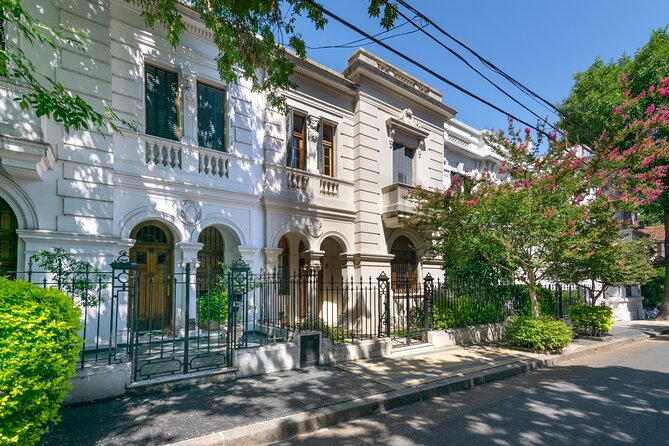
Next comes Barrio Ingles, the English neighborhood of Caballito, for about twenty-five minutes. This is a residential area built for working people in neoclassical architectural styles.
The stop is less about a single monument and more about how Buenos Aires developed beyond its grand avenues. The architecture gives you a chance to study homes and streets in a neighborhood setting. You see the city as a place of residential design, not just plazas, palaces, and tourist sights.
I like this part because it slows the tour down in a useful way. You are not simply checking off another attraction. You are seeing the sort of area that most visitors pass without knowing its background.
The drawback is simple: if you want major interiors or formal museum visits, this stop may feel modest. Its value comes from walking, looking, and listening. Your guide’s explanation is important, since the neighborhood’s story is easier to miss than its buildings.
Mercado del Progreso, a 130-year-old market with a traditional feel
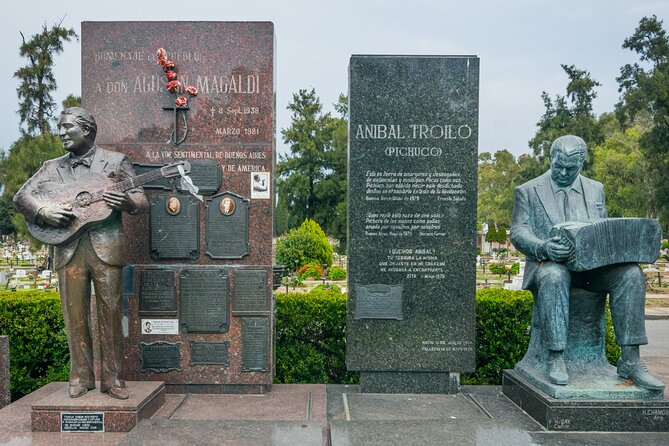
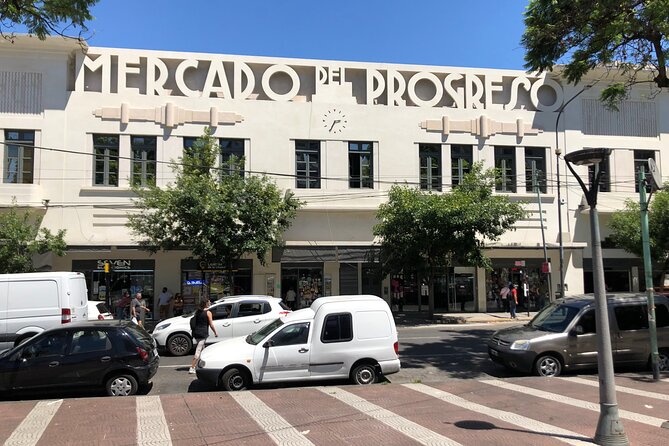
The Mercado del Progreso receives about fifteen minutes. It is described as the city’s oldest market, at roughly 130 years old, and it is especially associated with meat sellers and butchers.
Fifteen minutes is short, but the market works as a vivid change of scene after the church and residential streets. You get the feel of an old-fashioned food market, with traditions that connect to the practical side of city life.
The focus on butchers makes this more than a generic food hall. You can expect a place rooted in everyday commerce rather than a polished attraction designed mainly for sightseeing. That helps explain how neighborhoods such as Caballito functioned and still function.
Do not count on this being a meal stop. Snacks are not included, and the time here is intended for a quick look rather than a leisurely lunch. If food is important to you, eat beforehand or ask the guide how to handle the schedule. The supplied details do not promise tastings or purchases, so plan on observing rather than arriving hungry for a full market meal.
A few more options to weigh up in Buenos Aires
- Buenos Aires: City Highlights Guided Tour with Transfer
★ 4.7 · 1,946 reviews - Buenos Aires: La Boca Guided Walking Tour in English
★ 4.8 · 1,587 reviews - Buenos Aires: La Recoleta Cemetery Guided Tour in English
★ 4.8 · 1,359 reviews - Palermo: Graffiti and Street Art Guided Tour in English
★ 4.8 · 684 reviews
Chacarita Cemetery, the route’s most powerful stop
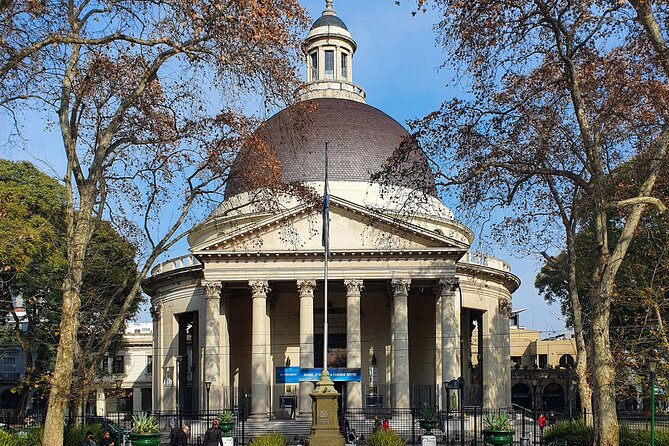
Allow about forty minutes for Chacarita Cemetery. This is likely to be the emotional and historical high point of the outing.
Many visitors know Recoleta Cemetery, but Chacarita is about twenty-five times larger. It also contains monumental architecture, graves connected with major tango figures, popular icons, and social associations. Carlos Gardel is buried here, making the cemetery a central stop for anyone interested in tango.
The scale matters. Recoleta is famous for its compact concentration of ornate tombs. Chacarita offers a much broader setting, and its size changes the experience. You get a sense of a major city’s memory, not just a short row of celebrated mausoleums.
The forty-minute visit gives the guide room to explain people and places, though you will not cover the entire cemetery. Ask about Gardel and the tango figures, but also listen for the wider social story. The cemetery connects music, public memory, neighborhood identity, and the ways Buenos Aires honors people who shaped popular culture.
This is one place where private guiding has real value. A large cemetery can be confusing, and a good guide helps you understand why a particular grave or structure matters. Mariano has been praised for making the cemetery especially interesting, while Marcelo was credited with bringing the city’s character and past to life during this portion of the route.
If your interests are architecture, tango, or Argentine cultural history, this stop alone gives the outing a strong reason to exist. If cemeteries make you uncomfortable, you should know that the visit is a major part of the tour rather than a brief substitute for Recoleta.
Belgrano, attractive streets beyond Palermo
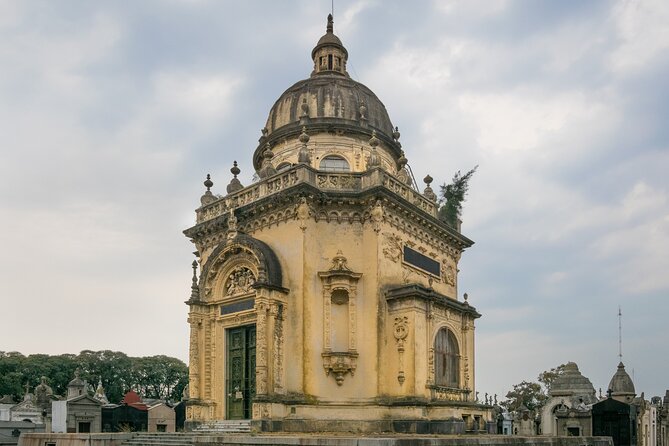
The tour then moves to Belgrano for about thirty minutes. It is one of Buenos Aires’ best-known residential neighborhoods, yet it is often skipped by visitors who never go farther than Palermo.
The point here is not a single ticketed attraction. It is the neighborhood itself, including attractive properties and its historical importance. You get another view of Buenos Aires architecture, this time in an area with a different social and visual character from Caballito.
I find the route’s choice of Belgrano smart. It broadens your picture of the city without sending you to another standard stop. The neighborhood helps explain why Buenos Aires can feel like several cities joined together, with each district carrying its own rhythm and building styles.
Thirty minutes is enough to get your bearings and hear the main story. It is not enough to explore every street. Think of this as a guided introduction, not a full neighborhood walk.
Barrancas de Belgrano, a park at the heart of the district
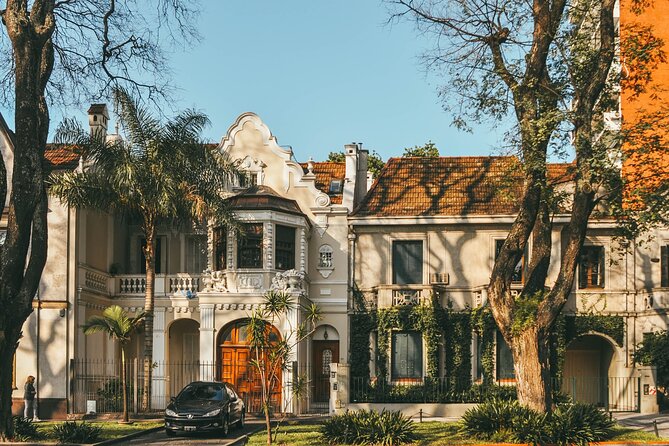
Barrancas de Belgrano receives about forty minutes, making it one of the longer stops. This major park is described as the heart of Belgrano.
After several architectural and historical stops, the park gives you breathing room. You can walk, look around, and see how local public space fits into city life. The experience is not only about famous buildings. Buenos Aires also expresses itself through parks where residents spend time outdoors.
The longer pause should suit you if you enjoy ordinary city scenes as much as formal sightseeing. It also gives you a chance to ask questions and reset before the final stop.
Because the park is free, the visit has no admission cost. Its appeal depends on your interest in public spaces and neighborhood life. If you prefer nonstop monuments, forty minutes here may feel long. If you like seeing how a city works for its residents, it is a useful counterpoint to the cemetery and church.
Chinatown, a surprising final stop
The last stop is Buenos Aires Chinatown, known locally as Barrio Chino, for about twenty-five minutes. It brings Asian influences and local culture together in a lively commercial district.
This is a surprising ending because it shifts the subject from Argentine religious and tango traditions to migration, food, shopping, and cultural exchange. The stop helps you see Buenos Aires as a city shaped by more than its European architectural image.
The visit is likely to appeal to anyone interested in food and urban culture. The supplied details do not include a tasting or a meal, so snacks remain your responsibility. Use the time to look around, ask the guide what is worth returning for, and note places that suit your own interests.
Several accounts describe Chinatown as an unexpected highlight. That makes sense: it is the kind of place you may not think to seek out during a first visit, yet it changes your sense of the city. The twenty-five-minute stop is an introduction, not enough for a full food crawl or extended shopping session.
How the private transportation changes the day
Buenos Aires is a large city, and the route covers areas that are not normally joined together in one short outing. Private transportation is included, with a driver taking you between walking stops.
This is the practical heart of the experience. You can walk through a neighborhood, then be collected at the next point instead of rushing back to find a bus or subway connection. That flexibility is particularly useful for visitors who want local districts without spending half the day navigating between them.
The transport also keeps the tour moving. Seven stops in four hours would be hard to manage by public transit, especially if you are unfamiliar with the city. You should still expect some riding and short walks. This is not a four-hour continuous walking tour.
The private format is best for a couple, solo visitor, or small family group. With three people, the $230 total works out to about $76.67 each. For two people, it is $115 each, and for one person, the cost is substantial. The value comes from the guide, private vehicle, and unusual route rather than from admission tickets, since all listed stops are free.
Who will get the most from this Buenos Aires outing
I would choose this tour if you have already seen the classic sights or if you want a different first introduction to Buenos Aires. It adds Caballito, Chacarita, Belgrano, and Chinatown to the usual city picture.
It suits you especially well if you enjoy:
- Architecture and residential neighborhoods
- Tango and Carlos Gardel
- Religious history
- Traditional markets
- Cemeteries and public memorials
- Local food districts and cultural variety
- Asking questions in a small private group
It is also a good choice for repeat visitors. One family had visited Buenos Aires several times and still found every place on this route new to them. That is a useful sign that the itinerary avoids the predictable circuit.
You may want a different tour if this is your only Buenos Aires experience and you have not yet seen major first-visit sights such as Recoleta, San Telmo, or La Boca. This outing can work as your only tour, but it does not replace a classic overview. Its purpose is to show you another side of the city.
The tour has a perfect five-star average from 38 ratings and is recommended by all those who rated it. That is an unusually strong record, but you should read the rating in context: the experience is aimed at people who value local neighborhoods, history, and an alternative route.
Timing, language, and useful planning advice
Confirmation is provided when you book. Free cancellation is available if you cancel at least 24 hours before the start time. Changes or cancellations inside that window are not accepted for a refund.
The tour is offered in English or Spanish. If you want the fullest historical discussion, tell the provider your preferred language when booking. Mariano has been praised for speaking both languages extremely well, while another account specifically praised Juan Manuel’s advice and personal attention.
Service animals are allowed, and the experience is near public transportation. Most people can participate. Because the route includes walking at churches, neighborhoods, a cemetery, a park, and Chinatown, wear shoes suited to mixed city surfaces.
Bring water and plan for your own snacks. Food is not included, and the short market and Chinatown visits should not be treated as guaranteed meal breaks.
Should you book Off the Beaten Path BA?
Book it if you want Buenos Aires beyond the standard postcard route. The best reasons are the church linked to Pope Francis and Gardel, the large Chacarita Cemetery, the traditional Mercado del Progreso, and the ease of reaching several distant districts in one private vehicle.
I would be most likely to book for two or three people, since the group price becomes more reasonable when shared. I would also request Mariano or Juan Manuel if their schedules allow, while recognizing that guide assignments can vary.
Skip it if you want long visits at fewer sights, a food-focused tour, or a classic first-day survey of the city center. For everyone else, this is a strong four-hour addition, especially for repeat visitors, architecture fans, tango followers, and curious people who prefer neighborhoods to a checklist of famous attractions.
FAQ
How long is the Off the Beaten Path BA Private Guided Tour?
The tour lasts approximately four hours.
How much does the private tour cost?
The price is $230 per group of up to three people.
What is included in the price?
Private transportation and an expert guide in English or Spanish are included.
Are food and snacks included?
No. Snacks are not included, so you should plan accordingly.
Is this a private experience?
Yes. Only your group participates, with a maximum of three people.
Can I cancel for a full refund?
Yes, if you cancel at least 24 hours before the experience starts. Cancellations or changes made less than 24 hours in advance are not accepted for a refund.
Just added in Buenos Aires
- Discover Buenos Aires’ independent art scene — Ticket included★ 5.0 · 30 reviews
- Photo Session in Buenos Aires★ 5.0 · 26 reviews
- Your Private Photographer in Buenos Aires★ 5.0 · 4 reviews
- Yerba Mate Workshop – Learn to Drink Mate like a Local!★ 5.0 · 11 reviews
- Your Personal Photographer in Buenos Aires★ 5.0 · 24 reviews
- BA: Wine Tasting and Blending Experience in Palermo★ 5.0 · 1 review
- Winery and Tasting Experience in Buenos Aires★ 5.0 · 1 review
- Taste of Tradition: Yerba Mate & Alfajores Experience★ 4.0 · 5 reviews
Buenos Aires Tours, compared.
Local Foodie Adventure in Buenos Aires with Sherpa Food Tours
Read our review →
Buenos Aires City Private Tour with Local Guide
Read our review →

Buenos Aires Hop-On Hop-Off Bus and Exclusive Benefits
Read our review →