
Reviewed · BUENOS AIRES TOURS
Palermo: Graffiti and Street Art Guided Tour in English
Art here carries a message. This two-hour walk through Palermo links colorful murals and sharp-edged graffiti with Argentina’s political past, making the neighborhood more than a backdrop for photos. I like the way the tour explains why graffiti once worked as political support, propaganda, and election material. I also like the chance to see pieces you could easily miss while walking alone, including the Trump Wall at Madison Avenue Bar. The main thing to consider is that this is a walking tour with a fairly full history lesson, so it may feel less relaxed if you want only quick photo stops.
The route begins at Plaza Serrano, also called Plaza Cortázar, and ends at Plaza Inmigrantes de Armenia. That makes the tour easy to fit into a day in Palermo Soho, though you should not expect hotel pickup, food, or drinks. At $13 per person, the price is modest for two hours with an English-speaking guide, especially when the guide adds the stories behind the paint.
In This Review
- Key Points to Know Before You Go
- Starting at Plaza Serrano, Palermo’s Easy Meeting Point
- From 1920s Political Messages to Public Propaganda
- Why 1969 Changed the Look of Buenos Aires
- Palermo’s Walls, Murals, and Styles
- The Trump Wall at Madison Avenue Bar
- What the Guides Add to the Walk
- A Two-Hour Route That Ends Near More Palermo Streets
- Is $13 Good Value?
- Who Will Enjoy This Palermo Street Art Tour?
- Practical Tips for a Better Walk
- Should You Book It?
- FAQ
- Where does the Palermo street art tour begin?
- How do I find the guide?
- Where does the tour finish?
- How long does the tour last?
- Is the tour conducted in English?
- How much does the tour cost?
- Is food or drink included?
- Does the tour run when it rains?
- Is the tour wheelchair accessible?
Key Points to Know Before You Go
- Political graffiti reaches back to the 1920s: You learn how walls became tools for campaigns, public opinion, and protest.
- Aerosol paint changed street messages in 1969: The new material made it much faster to write in public spaces.
- The Trump Wall at Madison Avenue Bar is a photo stop: It gives the tour a clear modern reference point.
- Guides bring strong personal energy: Juan, Vito, Victor, Aylen, Ailen, Elina, and others have been praised for humor, passion, and clear storytelling.
- The two-hour length is well judged: It gives you time for context without turning the walk into an all-day commitment.
- Rain does not cancel the tour: Bring suitable clothing and keep your plans intact in wet weather.
Starting at Plaza Serrano, Palermo’s Easy Meeting Point
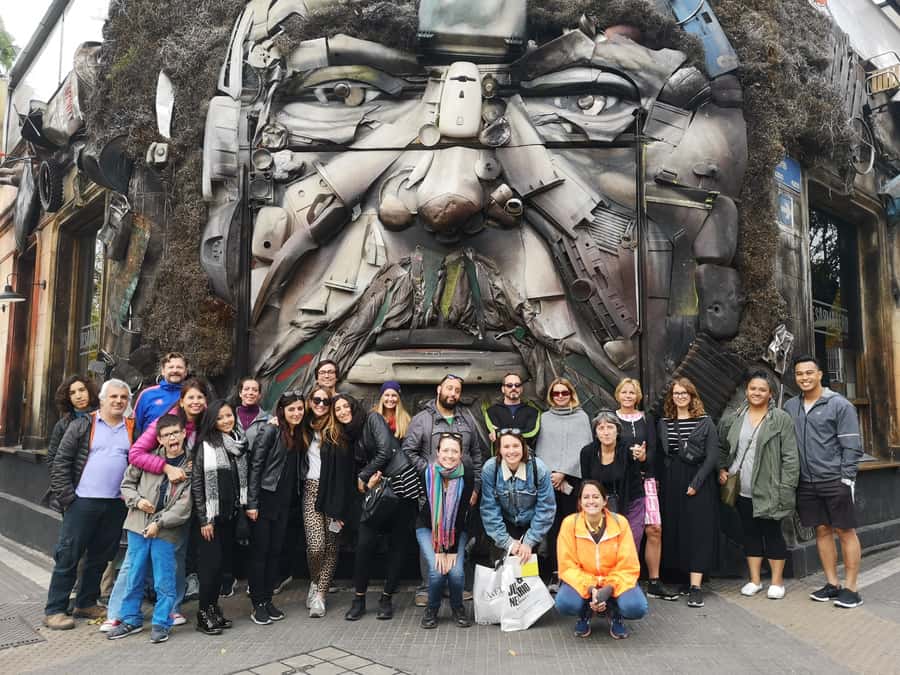
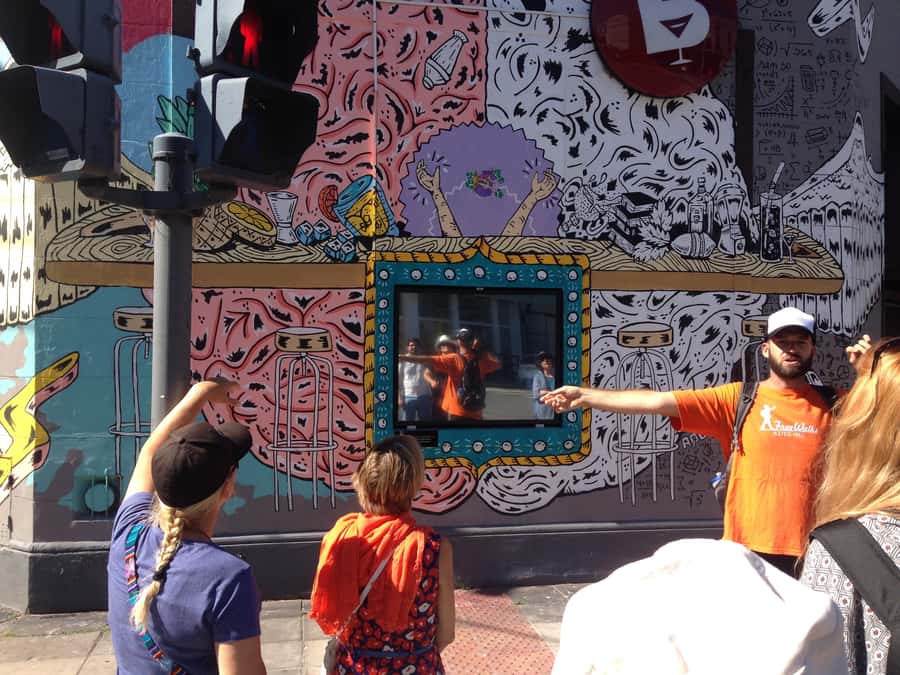
Your meeting point is the corner of Jorge Luis Borges and Honduras Streets at Plaza Serrano, also known as Plaza Cortázar. Look for the guide in an orange shirt beside the large PALERMO sign. This is a useful meeting place because the plaza is a clear landmark in Palermo Soho, and the instructions give you a specific visual cue rather than leaving you to guess among cafés and shopfronts.
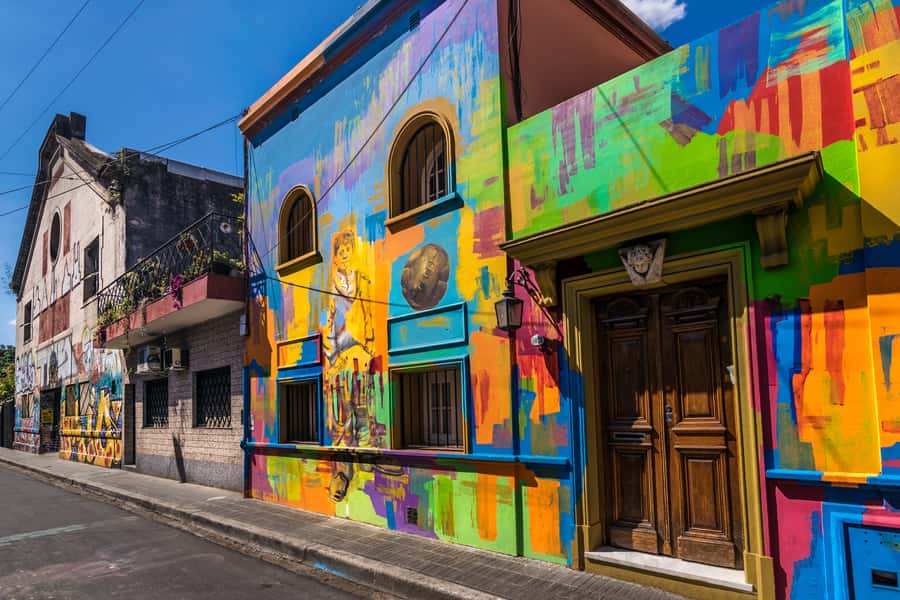
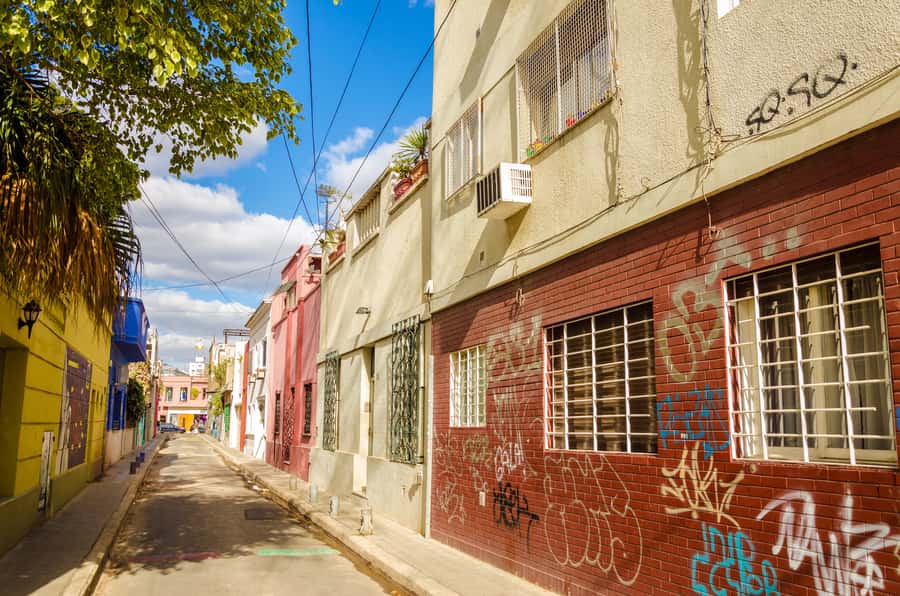
The opening location also sets the tone. Plaza Serrano sits in one of Buenos Aires’s most eclectic neighborhoods, where restaurants, bars, design shops, and painted walls share the same streets. The tour uses Palermo as an open-air classroom. You are not entering a gallery with labels beside every work. You are walking through the places where the art appears in daily life.
That difference matters. Street art can be hard to understand from a photograph alone. A guide can point out how a mural relates to the building, the neighborhood, football culture, politics, or the artist’s style. Several guides, including Juan and Vito, are praised for keeping the group interested with humor and stories rather than delivering a dry lecture.
More street art walks in Buenos Aires:
- AsadoAdventure and Street Art Tour in Palermo Viejo
★ 5.0 · 142 reviews - BA Street Art Walking Tour – Small Shared Group
★ 5.0 · 141 reviews - 2 Hours Football and Street Art Walking Tour in Buenos Aires
★ 5.0 · 9 reviews
From 1920s Political Messages to Public Propaganda
The most valuable part of this tour is the historical frame. You start by looking backward to the 1920s, when political movements were gaining ground in Argentina. At that time, graffiti could act as a public endorsement. A slogan on a wall was not simply decoration. It could support a candidate, promote a movement, or put a political idea in front of people who might never read a newspaper.
This helps you read modern street art with more care. The tour does not treat graffiti as one single category. It explains how writing on walls could function as propaganda, election material, protest, or personal expression. The distinction between vandalism and accepted public art also becomes part of the discussion.
I find this useful because Palermo’s painted walls can be visually pleasing while still carrying social tension. A bright mural may draw your eye first, but the guide encourages you to ask who created it, what it says, and why it appears in that particular place. You gain a way to look at later works across Buenos Aires, not just at the pieces on this route.
The political background also gives the walk some weight. Argentina’s street art did not appear in a vacuum. It grew through periods of political conflict and military rule, and the guide connects those changes to the way people used public space.
Why 1969 Changed the Look of Buenos Aires
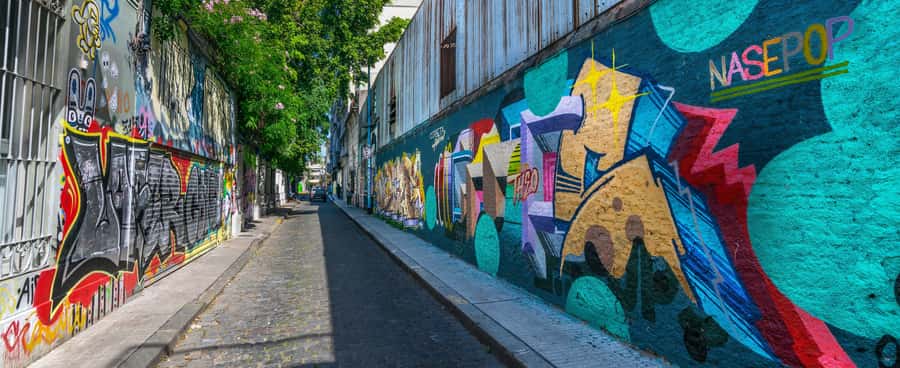
A key turning point comes with the arrival of aerosol paint in 1969. Before that, writing large public messages could take more time and effort. Aerosol paint made it possible to place words on a wall much faster, which changed how urban messages could be produced and spread.
That technical detail may sound small, but it explains a great deal. Faster paint meant quicker action in public spaces. During the 1970s, as social conflict continued, urban movements became more involved in protest. The wall could become a place for rapid expression, especially when public debate was tense or restricted.
You will hear about how Argentinians became increasingly involved in protesting and how street messages reflected the conflict of the period. This is where the tour moves beyond art appreciation. The paint is not only color and line. It is also speed, risk, public visibility, and a way for people to claim attention.
The guide’s role matters here. A short explanation about aerosol paint could easily become a museum-style fact and nothing more. The strongest guides give it a human connection. Aylen, Ailen, and Vito have been praised for mixing facts with personal stories, humor, and a clear feeling for Argentina’s art and culture.
Palermo’s Walls, Murals, and Styles
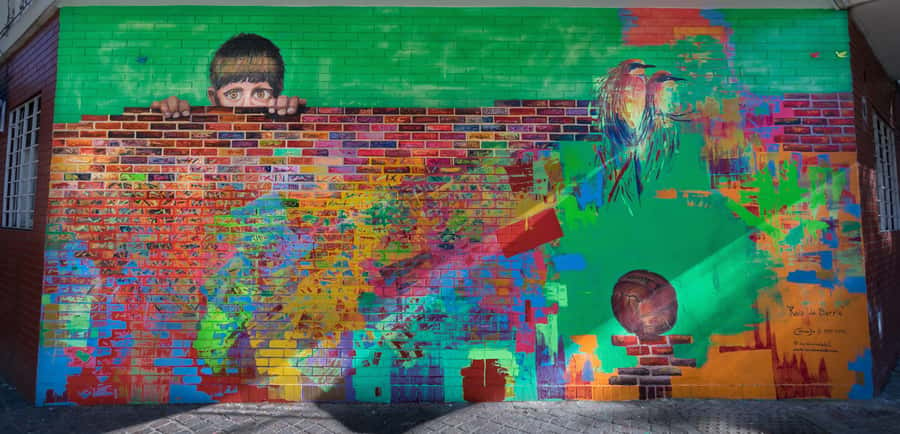
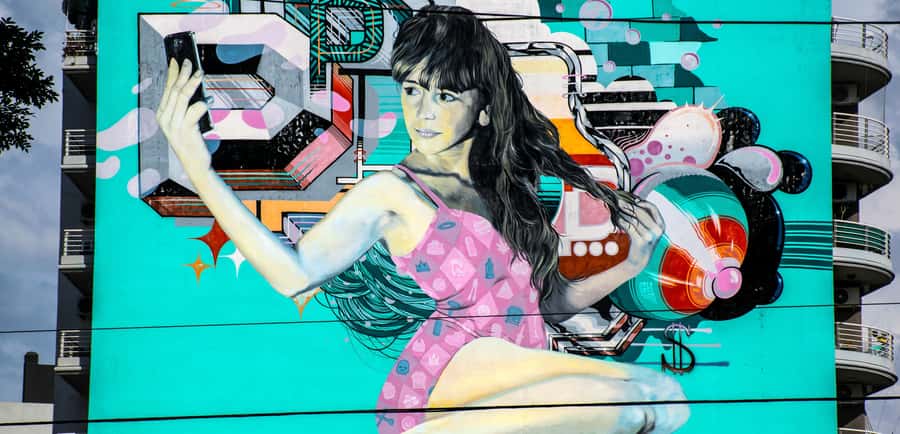
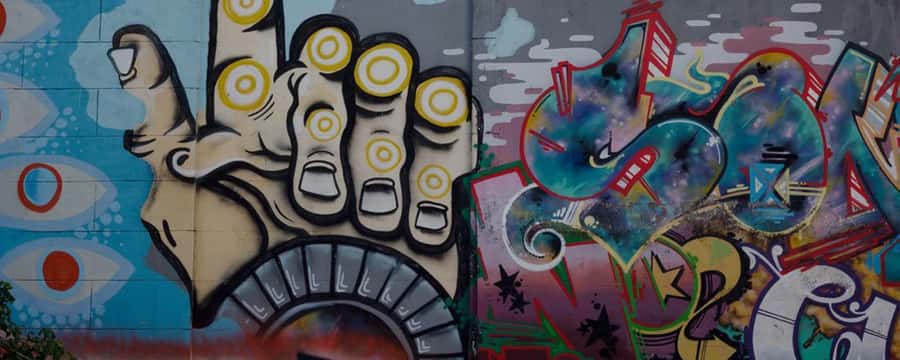
As you walk, the subject widens from political writing to the many forms of street art found in Palermo. You might see football murals, butterfly imagery, large colorful compositions, and work in different styles. The route is not limited to one school or one type of artist.
Football deserves special attention. Argentina’s love of the sport appears in public art, and the murals offer an easy route into local identity. A guide can explain why a football image may mean more than support for a team. It can connect sport, national pride, neighborhood feeling, and the country’s wider public culture.
The tour also teaches you to recognize artists and styles. One useful benefit comes after the walk, when you may begin to notice repeated visual signatures elsewhere in Buenos Aires. You are not simply collecting photographs. You are learning a basic visual vocabulary.
That said, the art is outdoors and subject to change. The supplied information does not promise a fixed list of murals, and street art can be painted over or altered. If one particular work matters to you, do not assume it will look exactly as expected. The strength of this format is the living nature of the route, not a permanent exhibition.
More things to do in Buenos Aires:
- Local Foodie Adventure in Buenos Aires with Sherpa Food Tours
★ 5.0 · 6,875 reviews - Buenos Aires City Private Tour with Local Guide
★ 5.0 · 3,475 reviews - Buenos Aires Small-Group City Tour
★ 5.0 · 2,226 reviews - Buenos Aires Hop-On Hop-Off Bus, Free Walking Tours & Discounts
★ 4.5 · 2,218 reviews
The Trump Wall at Madison Avenue Bar
The Trump Wall at Madison Avenue Bar is one of the clearest named stops. It gives you a recognizable image to photograph and a chance to consider how international political figures can enter local street art.
The stop also shows the range of the experience. This is not only a tour of old political slogans or Argentine history. It brings the discussion into the present and places a widely known figure inside Palermo’s local art scene. Your guide can help connect the image to the larger question of how walls carry public opinion.
For photographers, this is an obvious place to have your camera ready. Still, the tour is not built around long, private photo sessions at every stop. You are moving with a group, listening, and allowing the guide to shape the route. If you want careful architectural or street photography, you may want to return to the area later at your own pace.
What the Guides Add to the Walk
The strongest and most consistent praise goes to the guides. Juan is often singled out for warmth, humor, national pride, and stories that make art feel personal. Vito is praised for enthusiasm and a strong grasp of street art, politics, sport, and culture. Victor is described as friendly and passionate, while Aylen and Ailen are noted for making the history easy to follow.
Elina has also been praised for keeping the group interested and entertaining while explaining both art and Buenos Aires. These comments point to an important feature of the tour: the person leading it can shape the experience as much as the walls do.
You should expect a live guide in English, not an audio recording or a self-guided map. The guide explains the art, gives historical context, and answers questions. One guide even continued answering questions about Buenos Aires after the formal walk ended, which is useful if you are still getting your bearings in the city.
Group size may vary. One participant found a large group well managed and said the guide could still be heard, while another described a smaller group as a good fit. So I would not book this expecting a private walk. The benefit of a larger group is often lively discussion, but a busy group can make photography and close listening a little harder.
A Two-Hour Route That Ends Near More Palermo Streets
The walk lasts two hours and finishes at Plaza Inmigrantes de Armenia. The route from Plaza Serrano to this ending point keeps you in Palermo and lets the tour function as part of a larger neighborhood day.
I like the timing. Two hours is long enough to cover the political origins, the 1969 arrival of aerosol paint, the social conflicts of the 1970s, and a good selection of murals. It is also short enough to combine with lunch, shopping, or another activity in Palermo.
The route is not described as a circular walk, so think of the finish as a useful change of location rather than a return to the starting point. If you are planning a restaurant reservation or another tour, allow time after the stated finish. The walk itself may last around two hours, but stopping for questions and group movement can affect your exact end time.
One point deserves a balanced mention: a past participant suggested that the circuit could be improved. That is not a major criticism, but it reminds you that the route is shaped by the neighborhood’s current walls and the guide’s choices. If you prefer a tightly fixed sequence of famous works, this may feel less predictable than a conventional museum visit.
Is $13 Good Value?
At $13 per person, this is a strong-value introduction to Palermo’s street art. You receive two hours of guided walking in English, along with historical and political context that would be difficult to gather from the walls alone.
The value comes from interpretation, not from admission to a major attraction. There is no ticketed gallery, meal, or transport included. You are paying for the guide’s time, route planning, local perspective, and ability to explain what you are seeing.
For a first visit to Buenos Aires, I would consider it especially useful. You can learn about Palermo, understand how public art connects to politics and protest, and discover visual details that might otherwise pass unnoticed. The low cost also makes it a reasonable choice if you are unsure how much time you want to devote to street art.
The tour offers free cancellation up to 24 hours before the start, and you can reserve now and pay later. Those terms help if your Buenos Aires schedule is still shifting. Hotel pickup and drop-off are not included, so you need to reach Plaza Serrano yourself.
Who Will Enjoy This Palermo Street Art Tour?
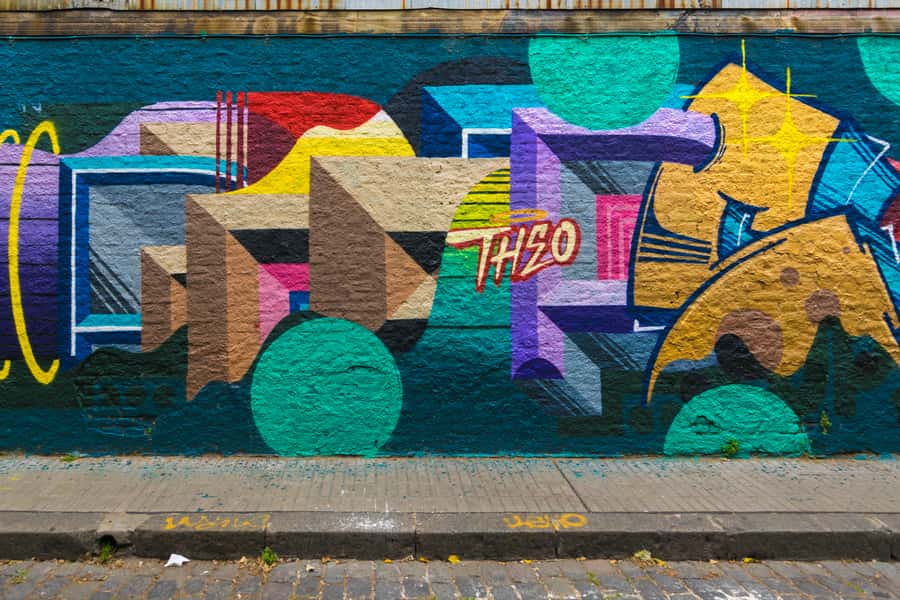
I would recommend this walk if you like learning about a city through ordinary streets rather than only through monuments. It suits people interested in art, politics, social movements, photography, football culture, or Buenos Aires neighborhoods.
It is also a good choice for first-time visitors who want an introduction to Palermo Soho. The guide gives you more than isolated facts about murals. You get a sense of how the neighborhood’s public walls fit into Argentina’s wider story.
Families and mixed-age groups may enjoy the accessible format, provided everyone is comfortable walking for two hours. The tour is wheelchair accessible, which makes it more practical for many visitors, though the information provided does not describe every pavement or street condition along the route.
You may want a different experience if you prefer silent observation, a private guide, or a tour focused only on current artists. The political background takes real time, and the walk asks you to listen as well as look. That is its strength, but it will not suit someone who wants a quick mural checklist.
Practical Tips for a Better Walk
Arrive at Plaza Serrano with the meeting details saved on your phone. The orange shirt and large PALERMO sign are the key clues, and the corner of Borges and Honduras gives you a precise target.
Wear comfortable shoes. The tour is only two hours, but you are on foot throughout. Bring a phone or camera for the Trump Wall and other murals, while remembering that the guide’s explanation is part of the experience.
Keep your schedule flexible after the stated end at Plaza Inmigrantes de Armenia. You may want to stop for food or continue exploring Palermo, but it is wise not to plan something with no breathing room.
The tour runs in rain, so check the weather and dress for it. A wet walk can make photos less appealing, but it does not remove the historical value of the route.
Should You Book It?
Book this tour if you want street art with a story, not just colorful walls for your camera. The combination of Palermo’s murals, Argentina’s political past, aerosol paint, protest culture, football imagery, and lively English-speaking guides makes the $13 fee easy to justify.
I would especially choose it early in a Buenos Aires visit. Afterward, you may look at other painted walls with a sharper eye and recognize how public art can carry memory, argument, humor, and local pride. Skip it only if you dislike walking tours or want a purely visual outing with little historical explanation.
FAQ
Where does the Palermo street art tour begin?
It begins at Plaza Serrano, also called Plaza Cortázar, at the corner of Jorge Luis Borges and Honduras Streets in Palermo.
How do I find the guide?
Look for a guide wearing an orange shirt near the large PALERMO sign.
Where does the tour finish?
The walk finishes at Plaza Inmigrantes de Armenia.
How long does the tour last?
The guided walking tour lasts two hours.
Is the tour conducted in English?
Yes. The tour has a live English-speaking guide.
How much does the tour cost?
The listed price is $13 per person.
Is food or drink included?
No. Food and drink are not included.
Does the tour run when it rains?
Yes. The tour still takes place in rainy weather.
Is the tour wheelchair accessible?
Yes. The activity is described as wheelchair accessible.
Just added in Buenos Aires
- Discover Buenos Aires’ independent art scene — Ticket included★ 5.0 · 30 reviews
- Photo Session in Buenos Aires★ 5.0 · 26 reviews
- Your Private Photographer in Buenos Aires★ 5.0 · 4 reviews
- Yerba Mate Workshop – Learn to Drink Mate like a Local!★ 5.0 · 11 reviews
- Your Personal Photographer in Buenos Aires★ 5.0 · 24 reviews
- BA: Wine Tasting and Blending Experience in Palermo★ 5.0 · 1 review
- Winery and Tasting Experience in Buenos Aires★ 5.0 · 1 review
- Taste of Tradition: Yerba Mate & Alfajores Experience★ 4.0 · 5 reviews
Buenos Aires Tours, compared.
Local Foodie Adventure in Buenos Aires with Sherpa Food Tours
Read our review →
Buenos Aires City Private Tour with Local Guide
Read our review →
Buenos Aires Hop-On Hop-Off Bus and Exclusive Benefits
Read our review →
Argentine Experience Interactive Dining and Cooking
Read our review →Browse the lists this tour appears in