
Reviewed · ARGENTINE FOOD AND WINE TASTINGS
N1 Coffee Tasting Experience in Buenos Aires
Coffee can be a whole new subject. At Al Diablo Coffee Roasters, Lyubov turns a 2.5-hour tasting into a friendly coffee class, moving from the seed and harvest to roasting, aroma, brewing, and the finished cup. I like the hands-on sensory workshop, especially the Le Nez Du Cafe aroma kit, and I like the chance to compare single origin coffees from leading Buenos Aires roasters. The private format also means you can ask plenty of questions without fighting for the guide’s attention.
The main consideration is the price: $85 per person is a serious spend for a coffee activity, especially if you simply want a good cup. It makes better sense if you want lasting skills, rare coffees, and a personal lesson rather than a quick tasting.
In This Review
- Key points at a glance
- Meeting Lyubov at Al Diablo Coffee Roasters
- The first lesson: from planted seed to finished cup
- The Le Nez Du Cafe aroma game
- Comparing single origin coffees from Buenos Aires roasters
- Learning to choose beans for your own kitchen
- Why the private format matters
- Is $85 per person a fair price?
- Who will enjoy this Buenos Aires coffee class?
- Practical planning before you book
- Should you book the N1 Coffee Tasting Experience?
- FAQ
- Where does the coffee tasting take place?
- Where does the experience end?
- How long does the coffee tasting last?
- How much does the experience cost?
- Is the activity private?
- Can I choose a morning or afternoon departure?
- What is the cancellation policy?
Key points at a glance
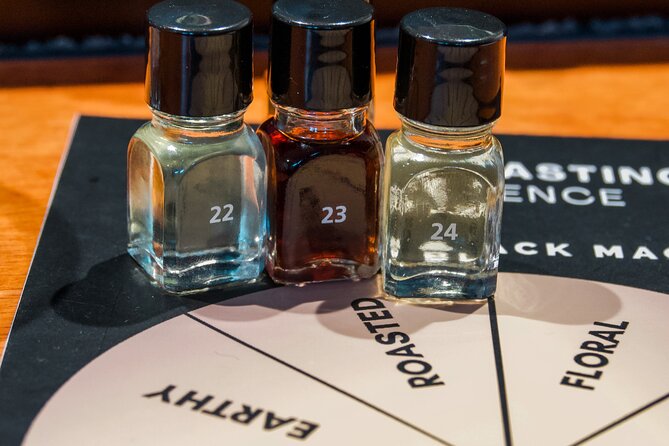
- Smell before you sip: The Le Nez Du Cafe sommelier kit helps you identify aromas before tasting coffee.
- Four coffees to compare: The tasting includes several specialty coffees, with past sessions featuring four different coffees from around the world.
- A private, personal class: Only your group participates, so Lyubov can adjust the lesson to your questions and palate.
- Learn to read coffee bags: You get practical help sorting through origin, roast, and flavor descriptions.
- Morning or afternoon departures: The flexible timing makes it easier to fit into a Buenos Aires day.
- A 24-hour cancellation window: You can receive a full refund if you cancel at least 24 hours before the start time.
Meeting Lyubov at Al Diablo Coffee Roasters
The experience starts at Al Diablo Coffee Roasters, at Costa Rica 4752 in Buenos Aires. You return to this same meeting point at the end, so there is no second location to find and no complicated route through the city.
That simple arrangement matters. Coffee tastings can become awkward when they involve several cafés or a series of hard-to-find addresses. Here, you settle in at one coffee-focused setting and let the lesson build in a clear order.
The tour is private, which is one of its strongest features. A solo participant can have a one-to-one session, while couples, friends, or families can share the class with only their own group. That gives you room to admit that you cannot smell the difference between one aroma and another, or to ask the same question twice without holding up a larger class.
Lyubov is the host and instructor. Her personal enthusiasm for coffee comes through in the way she explains the subject, and her own coffee journey gives the talk a human touch. The tone is warm and relaxed, not stiff or overly technical.
The meeting point is near public transportation. Your confirmation arrives at booking, and you can choose a morning or afternoon departure. If coffee affects your sleep, the morning option may be the safer choice. If you want a slower start to the day, the afternoon session gives you more breathing room.
More Food and Wine Tastings in Buenos Aires
- Local Foodie Adventure in Buenos Aires with Sherpa Food Tours
★ 5.0 · 6,875 reviews - Argentine Experience Interactive Dining and Cooking
★ 5.0 · 1,382 reviews - Cooking Class Designed by Michelin Chef @ Argentine Experience
★ 5.0 · 1,123 reviews
The first lesson: from planted seed to finished cup
The class begins with the larger picture. Lyubov explains the path coffee takes from a planted seed through growing, harvesting, processing, roasting, and preparation. This part gives the tasting some needed context.
That context is useful because coffee labels can sound like a pile of fancy words. Origin, roast, processing, and tasting notes can be confusing when you have not learned how they connect. The session aims to make those labels clearer, so you can make more informed choices after you return home.
You also learn that coffee is not simply strong or mild. Different beans can offer very different smells and flavors. Several people entered the class knowing little about specialty coffee and left with a better sense of how production choices affect the cup.
I like this structure because it avoids treating coffee as a magic trick. You are not simply handed a cup and told to guess whether you like it. You first learn what you are tasting and why the result may differ from another coffee.
The class also covers specialty coffee and quality. You get an explanation of how coffee production affects the final product, from the plant itself to the finished preparation. The subject can become technical, but the teaching is presented as a game and conversation rather than a lecture.
The Le Nez Du Cafe aroma game
The sensory portion begins with smell. Lyubov uses the Le Nez Du Cafe sommelier kit, a set of aroma references designed to help you build your coffee vocabulary.
This is a smart teaching tool. Smell is central to coffee, yet most of us use vague words such as good, bitter, or strong. The kit gives you a chance to test your nose and connect familiar aromas with what you later find in the cup.
You may not identify every scent correctly. That is part of the fun. The exercise makes clear that tasting is not a talent reserved for professional sommeliers. You can train your attention by smelling carefully and comparing impressions.
The aroma game also helps explain why two people can taste the same coffee differently. Your palate and memory shape what you notice. One person may sense fruit, while another notices spices, flowers, or darker roasted notes.
I would not book this expecting a formal exam or a certificate. The point is to sharpen your awareness and gain confidence, not to become a professional taster in one afternoon. Still, the activity has practical value. You begin to notice more in your everyday cup.
Comparing single origin coffees from Buenos Aires roasters
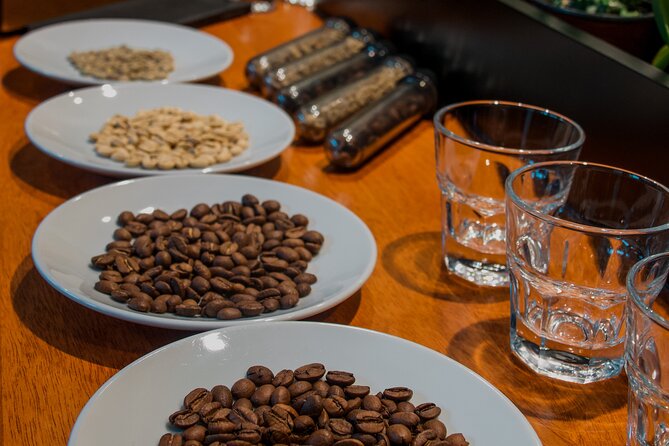
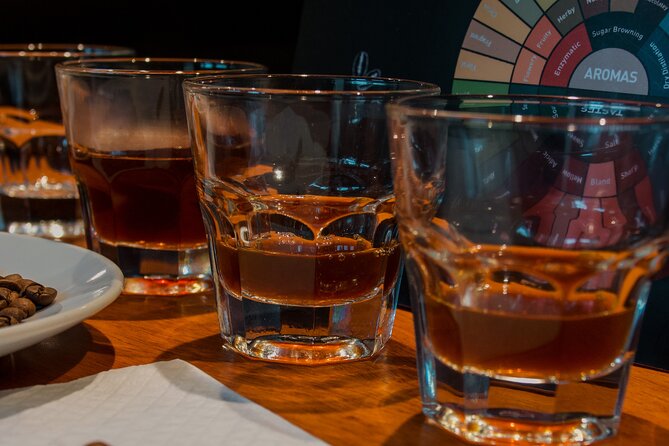
The heart of the experience is the tasting itself. You sample a selection of freshly roasted single origin coffees, with previous sessions featuring four coffees from different parts of the world.
The comparison is more useful than tasting one expensive coffee in isolation. Side by side, differences become easier to spot. You can think about aroma, taste, roast level, and your own preference instead of simply deciding that a coffee is good or bad.
Lyubov guides you through each sample and encourages you to pay attention to what you smell and taste. The lesson connects the coffee’s background with its character in the cup. You learn to ask better questions: Do I prefer a lighter or darker roast? Do I enjoy fruitier notes? Which coffee feels balanced to me?
This is where the private format earns its keep. If you prefer one sample, you can explain why. If one tastes too sharp or too strong, you can discuss that reaction. Lyubov can focus on your palate rather than delivering a fixed speech to a room full of strangers.
The coffees come from top roasters in Buenos Aires, while the beans represent specialty coffee from around the world. That gives the session a local connection without limiting you to Argentine-grown coffee. Argentina is not a major coffee-growing country, so this is not a farm tour or a lesson in local cultivation. It is a Buenos Aires-based introduction to the international specialty coffee trade.
A completely different kind of day:
- Buenos Aires City Private Tour with Local Guide
★ 5.0 · 3,475 reviews - Buenos Aires Small-Group City Tour
★ 5.0 · 2,226 reviews - Buenos Aires Hop-On Hop-Off Bus, Free Walking Tours & Discounts
★ 4.5 · 2,218 reviews - Buenos Aires: Piazzolla Tango Show with Optional Dinner
★ 4.4 · 2,122 reviews
Learning to choose beans for your own kitchen
One of the best practical features is the help with coffee bag labels. Specialty coffee packaging can be intimidating, especially when it lists a country, region, farm, process, roast date, altitude, and a string of tasting notes.
Lyubov explains what those descriptions mean and how to use them. The goal is not to memorize every term. It is to connect the label with your own preferences.
That distinction matters. A coffee described with fruit notes will not necessarily taste like fruit juice, and a coffee labeled dark does not automatically mean it is better or stronger. The class helps you make sense of these descriptions without blindly trusting marketing language.
You also learn how to examine beans and think about preparation methods. Past participants have changed the way they make coffee at home after the session. That is a good sign of value: the class can affect your daily routine long after your time in Buenos Aires ends.
Still, keep your expectations realistic. The experience helps you understand coffee and your palate, but it cannot guarantee that every future bag will match your taste. Your preferences may also change as you try more coffees.
Why the private format matters
The activity is listed at roughly two hours and 30 minutes, though some sessions have run closer to three hours. Plan your day with a little flexibility. This is not a quick café stop that you can squeeze between two tightly timed attractions.
The extra time is useful because the lesson has several parts: coffee production, specialty coffee, aroma training, tasting, questions, and discussion. A rushed session would lose much of its value.
Private tours can also feel more comfortable for beginners. You do not need to pretend you understand terms such as acidity, body, or processing. You can ask Lyubov to explain them in plain language and then test the idea with another sample.
Coffee experts should not assume the session is only for novices. The format lets you take the conversation further if you already know the basics. You can ask about brewing, roast differences, or how to choose beans for your preferred style.
The trade-off is that a private class costs more than a large group tasting. At $85 per person, you are paying for instruction and personal attention as much as for the coffee. For a solo participant, that can be a worthwhile private lesson. For a group, the price may feel easier to justify because you share the experience while keeping the setting personal.
Is $85 per person a fair price?
The value depends on what you want from the outing. If you measure the cost by the amount of coffee consumed, it is expensive. You could buy several cups in Buenos Aires for far less.
If you measure it as a private specialty coffee workshop, the calculation changes. You receive guided tasting, aroma training, background on coffee production, help with coffee labels, and a chance to identify your own preferences. You also sample rare and unusual varieties that may not be part of an ordinary café visit.
I think the price works best for three kinds of visitors:
- Coffee drinkers who want to improve their palate
- People who buy specialty beans but feel lost reading the labels
- Anyone seeking a focused, unusual activity rather than a standard city tour
It is less convincing for someone who dislikes coffee, although the welcoming style may still make the class enjoyable. It is also not the best choice if you want to see a coffee farm, tour an industrial roastery, or learn only about Argentine coffee. The activity is centered on tasting and education in Buenos Aires.
Who will enjoy this Buenos Aires coffee class?
You do not need prior coffee knowledge. Beginners receive a clear introduction, and the hands-on format keeps the information from becoming too heavy. The aroma game, bean examination, and tasting comparisons give you something to do throughout the lesson.
Experienced coffee drinkers can also get value from the session. You may already know your preferred roast, but the class can help you describe why you like it and test that preference against new single origin coffees.
Solo visitors are especially well suited to this experience. A one-to-one session allows Lyubov to focus on your questions and taste preferences. Couples and friends should also enjoy the relaxed setting, particularly if one person knows a lot about coffee and the other is just starting out.
Families can book as a private group, but the experience is still a coffee class. The supplied information does not specify a minimum age, so families should confirm that point before booking if children are involved.
The strongest praise centers on Lyubov’s teaching style. She is described as patient, warm, engaging, and able to make a large subject feel manageable. That matters more than fancy equipment. A good tasting depends on clear guidance, and this class appears built around that personal instruction.
Practical planning before you book
The experience lasts about two hours and 30 minutes, with some sessions taking about three hours. Do not schedule a major attraction immediately afterward unless you leave a comfortable gap.
You can choose a morning or afternoon start. Since the tasting includes several coffees, consider your caffeine tolerance when picking a time. The exact coffee selection can vary, so do not book expecting a particular origin or roast unless it is confirmed in advance.
The tour begins and ends at Al Diablo Coffee Roasters, Costa Rica 4752, C1414 Buenos Aires. It is near public transportation, which makes arrival easier, but you should still allow time to reach the address.
You receive confirmation at the time of booking. Free cancellation is available up to 24 hours before the start time for a full refund. Changes or cancellations made less than 24 hours before the start are not accepted for a refund, and the cut-off follows Buenos Aires local time.
The activity is recommended by all listed participants and carries a five-star rating from 36 reviews. That record points to a consistent experience, particularly in the teaching, personal attention, and tasting structure. Still, your enjoyment will depend on liking coffee and having the patience for a class rather than a short café visit.
Should you book the N1 Coffee Tasting Experience?
Book it if you want to understand coffee, not just drink it. The best parts are the aroma kit, the comparison of several single origin coffees, and Lyubov’s ability to connect production details with what you taste.
I would especially choose this for a coffee lover who has two or three open hours in Buenos Aires and wants a skill to take home. You will leave better prepared to read a coffee bag, describe your preferences, and choose beans with more confidence.
Skip it if $85 feels too high for a tasting, or if you want a broader city activity. This is a focused, private coffee workshop at Al Diablo Coffee Roasters. For the right person, it can become one of the most useful and memorable small experiences in Buenos Aires.
FAQ
Where does the coffee tasting take place?
It starts at Al Diablo Coffee Roasters, Costa Rica 4752, C1414 Cdad. Autónoma de Buenos Aires, Argentina.
Where does the experience end?
The activity ends back at the same meeting point.
How long does the coffee tasting last?
The listed duration is approximately two hours and 30 minutes. Some sessions have lasted about three hours.
How much does the experience cost?
The price is $85 per person.
Is the activity private?
Yes. Only your group participates, and the private format gives you the guide’s undivided attention.
Can I choose a morning or afternoon departure?
Yes. The experience offers a choice of morning or afternoon departure.
What is the cancellation policy?
You can cancel at least 24 hours before the start time for a full refund. Cancellations or changes made less than 24 hours before the start are not accepted for a refund.
Just added in Buenos Aires
- Discover Buenos Aires’ independent art scene — Ticket included★ 5.0 · 30 reviews
- Photo Session in Buenos Aires★ 5.0 · 26 reviews
- Your Private Photographer in Buenos Aires★ 5.0 · 4 reviews
- Yerba Mate Workshop – Learn to Drink Mate like a Local!★ 5.0 · 11 reviews
- Your Personal Photographer in Buenos Aires★ 5.0 · 24 reviews
- BA: Wine Tasting and Blending Experience in Palermo★ 5.0 · 1 review
- Winery and Tasting Experience in Buenos Aires★ 5.0 · 1 review
- Taste of Tradition: Yerba Mate & Alfajores Experience★ 4.0 · 5 reviews
Argentine Food and Wine Tastings, compared.
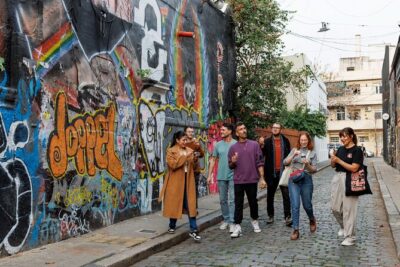
Local Foodie Adventure in Buenos Aires with Sherpa Food Tours
Read our review →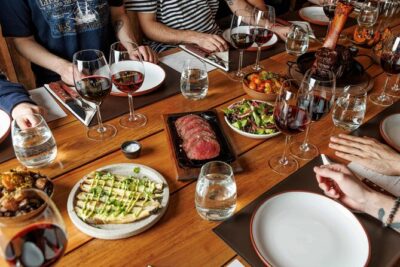
Argentine Experience Interactive Dining and Cooking
Read our review →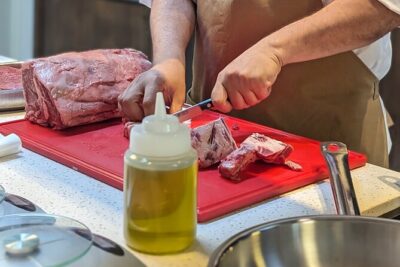
Cooking Class Designed by Michelin Chef @ Argentine Experience
Read our review →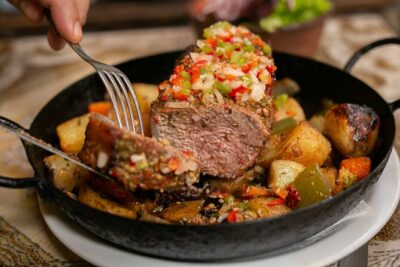
Historical Sherpa Food Tour of San Telmo with Street Food, Drinks
Read our review →
Join a Local Family Asado in Buenos Aires with Betty and Marcelo
Read our review →
Browse the lists this tour appears in