
Reviewed · ARGENTINE FOOD AND WINE TASTINGS
Dulce de Leche and Co Experience Argentine Tradition
Sweetness with a story. The Dulce de Leche and Co Experience turns Argentina’s beloved caramel-like spread into a hands-on cultural lesson, with guided tastings, a homemade alfajor, and a small jar to take home. I like the interactive cooking class and the chance to compare several dulce de leche varieties rather than simply sampling one product. I also like that the activity is offered in Spanish, English, and Portuguese.
The main thing to consider is the group atmosphere. One attendee found the presentation enjoyable and appreciated the lack of pressure to buy from the shop, but was alone in the class. The staff did a good job, yet making an alfajor and playing trivia can be more fun with other people around. At $52 per person for about one hour, this works best if you value participation and souvenirs, not just a quick taste.
In This Review
- Key Points at a Glance
- Why Dulce de Leche Matters in Argentina
- Meeting at Defensa 722 in Buenos Aires
- The Historical Introduction and First Tasting
- Making an Artisanal Cornstarch Alfajor
- Bottling Your Own 220-Gram Dulce de Leche
- Pairings, Trivia, and the Social Side
- What You Take Home
- Is $52 a Fair Price?
- Who Will Enjoy This Experience Most?
- Timing, Group Size, and Cancellation
- Should You Book Dulce de Leche and Co?
- FAQ
- Where does the Dulce de Leche and Co Experience start?
- Where does the experience end?
- How long does the experience last?
- What languages is the alfajor class offered in?
- Is dulce de leche tasting included?
- Do I make my own alfajor?
- What food items can I take home?
- Is a certificate included?
- Is transportation from my hotel included?
- What is the cancellation policy?
Key Points at a Glance
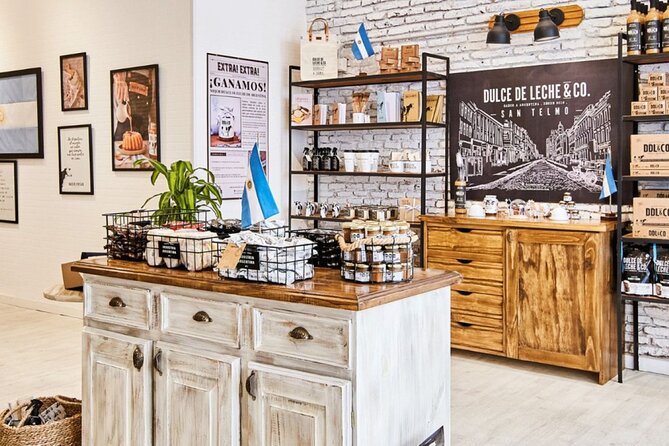
- Make your own alfajor: You prepare an artisanal cornstarch alfajor and take it home.
- Taste several varieties: The guided tasting introduces iconic dulce de leche styles along with sweet and savory pairings.
- Bottle a 220-gram souvenir: You receive one portion of dulce de leche to bring home.
- Learn in three languages: The cooking class is available in Spanish, English, and Portuguese.
- Small keepsakes are part of the fun: A certificate is included, with a personalized photo, gifts, and future-purchase benefits also described as part of the experience.
- Easy central meeting point: You meet at Defensa 722 in Buenos Aires and finish at the same location.
Why Dulce de Leche Matters in Argentina
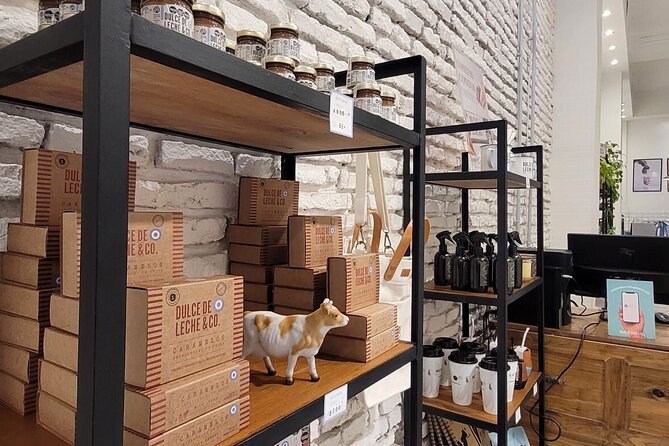
Dulce de leche is more than a filling for cookies. It is tied to family kitchens, afternoon snacks, celebrations, and the familiar flavors many Argentines associate with home. This experience uses that everyday food to explain part of Argentine identity in a way that is easy to understand, even if you know little about local sweets.
The historical introduction gives the tasting a purpose. Instead of trying a spoonful and moving on, you learn why dulce de leche has such a strong place in Argentine food culture. The format suits you if you enjoy food experiences that explain local customs without requiring a long lecture.
I also appreciate the scale. At roughly one hour, the activity does not ask you to give up half a day of sightseeing. You get a focused introduction to one national specialty, then move quickly into tasting and making something yourself.
More Food and Wine Tastings in Buenos Aires
- Local Foodie Adventure in Buenos Aires with Sherpa Food Tours
★ 5.0 · 6,875 reviews - Argentine Experience Interactive Dining and Cooking
★ 5.0 · 1,382 reviews - Cooking Class Designed by Michelin Chef @ Argentine Experience
★ 5.0 · 1,123 reviews
Meeting at Defensa 722 in Buenos Aires
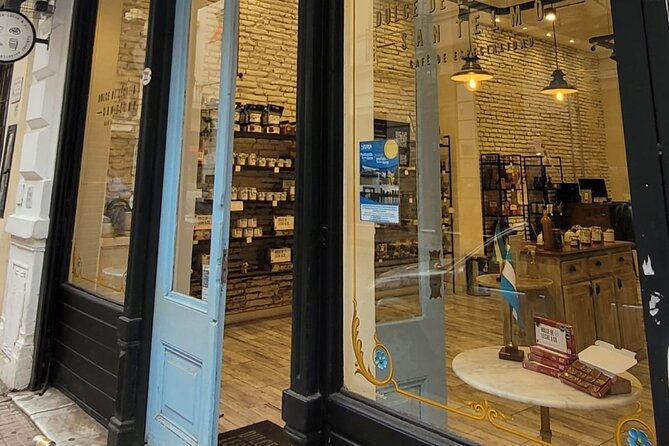
The experience begins at Defensa 722, C1065AAN, in the Autonomous City of Buenos Aires. The meeting point is near public transportation, which helps if you are arranging this between visits around the city.
Hotel pickup and drop-off are not included. You need to make your own way to the starting point, so leave enough time to find the address and arrive before the scheduled beginning. Since the activity ends back at the same meeting point, you do not need to arrange a second pickup or work out a new place to meet afterward.
The location also makes the experience easier to fit into a day of exploring. You can treat it as a short stop rather than a separate excursion outside Buenos Aires. The supplied information does not identify a particular neighborhood attraction as part of the activity, so you should think of the address as the start and finish point, not as a guided city tour.
The Historical Introduction and First Tasting
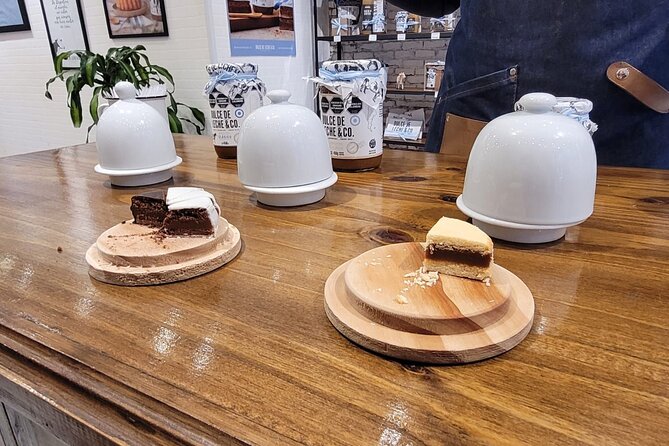
The first part combines an introduction to dulce de leche with a guided tasting. You learn about its background and place in Argentine culture while trying the most iconic varieties offered by the brand.
This is where the experience has more value than buying a jar in a shop. A product on a shelf gives you a flavor, but the presentation gives you a reason to pay attention to differences between varieties. You can compare them as part of a structured tasting rather than guessing which one you should take home.
The tasting also includes sweet and savory combinations. That adds a useful twist because it shows dulce de leche in more than one setting. The sweet pairings connect it to familiar dessert traditions, while the savory combinations encourage you to think about the spread as an ingredient rather than only a topping.
I would not book this expecting a full culinary course. The total activity lasts about an hour, so the historical portion is likely compact. That is a strength if you want clear context without a long classroom session, but a limitation if you are looking for an in-depth study of Argentine food history.
Making an Artisanal Cornstarch Alfajor
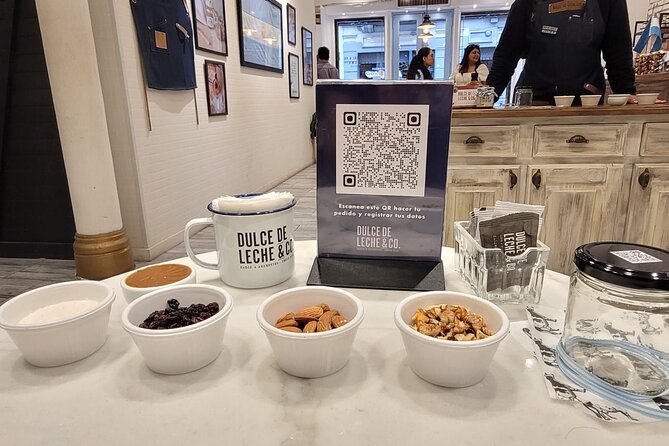
The hands-on section is the heart of the experience. You learn how to make your own artisanal alfajor, a classic Argentine sandwich cookie often associated with dulce de leche and a soft, crumbly texture.
The included item is one cornstarch alfajor. You do not simply watch a demonstration and receive a finished sweet. You take part in making your own, which gives the activity a useful souvenir and a memory tied to the process.
This is a good choice for families, couples, and food-loving friends who like a little activity with their tasting. It can also suit solo visitors, though the social side may be less rewarding if you happen to be the only participant. One person attended alone and found the presentation staff friendly and capable, but felt the session would have been more enjoyable with another participant.
The class is offered in Spanish, English, and Portuguese. That is important in a hands-on activity, where instructions need to be clear. You can choose the language that lets you follow the preparation steps comfortably.
Do not expect to reproduce a complete bakery lesson at home from this short session. The value is in making one traditional sweet, understanding its place in Argentine food culture, and leaving with something you prepared yourself.
A completely different kind of day:
- Buenos Aires City Private Tour with Local Guide
★ 5.0 · 3,475 reviews - Buenos Aires Small-Group City Tour
★ 5.0 · 2,226 reviews - Buenos Aires Hop-On Hop-Off Bus, Free Walking Tours & Discounts
★ 4.5 · 2,218 reviews - Buenos Aires: Piazzolla Tango Show with Optional Dinner
★ 4.4 · 2,122 reviews
Bottling Your Own 220-Gram Dulce de Leche
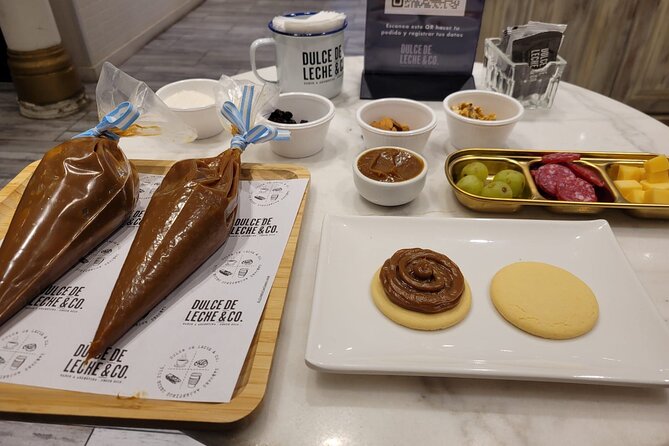
You also receive one 220-gram portion of dulce de leche. The experience lets you bottle this sweet spread as part of the activity, giving you another edible souvenir to carry home.
The size is practical. A 220-gram container is large enough to feel worthwhile but small enough to fit more easily into your luggage than a large food package. You should still check your airline and destination rules before carrying food products internationally, since those regulations are not covered in the activity information.
I see this take-home item as part of the price rather than an afterthought. You are paying for the tasting, instruction, participation, and souvenirs together. If you only want a jar of dulce de leche, a shop purchase may cost less. If you want the story and the making process too, the package becomes easier to justify.
The experience also describes additional gifts and benefits on future purchases. A personalized photo and diploma are listed among the take-home memories, while the included details specifically confirm one certificate. Because the exact form of every extra gift is not explained, treat the 220-gram jar, cornstarch alfajor, and certificate as the clearest confirmed take-home items.
Pairings, Trivia, and the Social Side
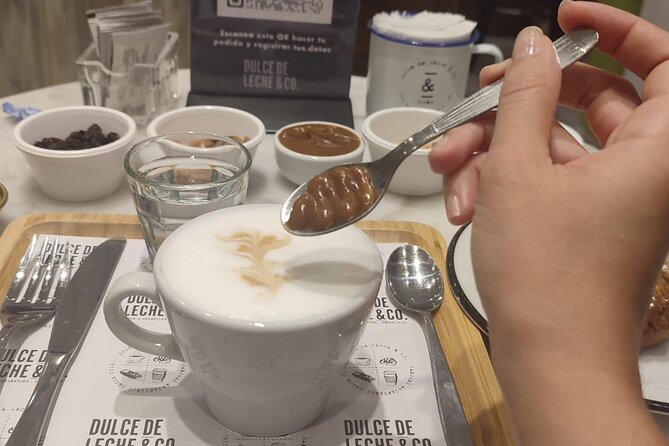
After the main tasting and cooking portion, the activity includes more combinations of dulce de leche with sweet and savory foods. This keeps the session from feeling like one long spoon tasting.
An interactive trivia contest follows. Questions reinforce what you have learned about dulce de leche, and prizes are offered. I like this format because it gives the historical information a practical role. You listen, taste, then recall what you learned in a light competition.
The trivia also makes group size matter. The activity accepts a maximum of 30 people, so the room could feel lively when a full group attends. That can be good for people who like a social setting, but less ideal if you prefer a quiet, private tasting.
At the other extreme, a very small group may feel personal but less playful. The solo attendee’s experience makes this point clearly: the staff presentation was good, yet the absence of another participant reduced the fun. If you are booking alone, you may want to choose a time when you expect more people, though the available information does not promise a particular group size.
What You Take Home
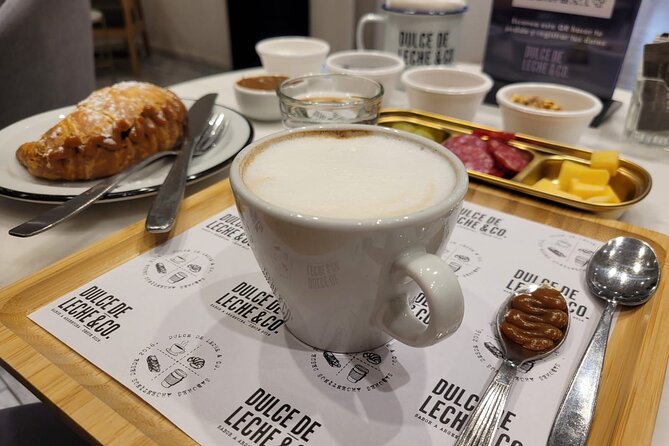
The confirmed inclusions are straightforward:
- Dulce de leche tasting
- Cooking class to make your own alfajor
- One 220-gram dulce de leche
- One cornstarch alfajor
- One certificate
The broader experience also describes a personalized photo, diploma, exclusive gifts, and benefits on future purchases. These extras add a memory-making element, especially if you want more than edible souvenirs. The certificate gives the activity a playful finish, particularly for children or anyone who enjoys collecting small travel mementos.
I would not choose this solely for the diploma or photo. The strongest reasons to book are the tasting and the chance to prepare an alfajor. The keepsakes are a bonus that helps the one-hour session feel more complete.
Is $52 a Fair Price?
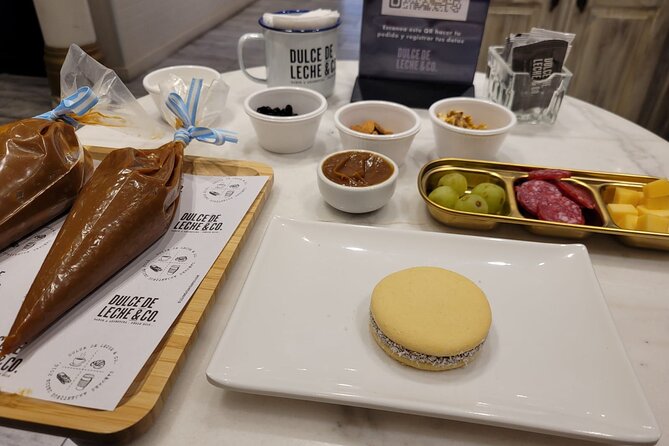
At $52 per person, this is not a budget snack stop. You are paying for a short, hosted activity rather than a meal. The price includes instruction, tasting, food preparation, a 220-gram product, an alfajor, and a certificate, with additional photo and gift elements described as part of the package.
The value depends on what you want from Buenos Aires. If you are happy to buy dulce de leche and alfajores on your own, $52 may feel high for the amount of food. If you want a guided cultural activity in English, Spanish, or Portuguese, the price covers more than the ingredients.
I would compare it with the cost of a standard meal only with care. This is not meant to replace lunch or dinner. It is a compact food workshop and souvenir experience. For a visitor who enjoys learning how local foods are made, the price is reasonable enough. For someone focused on quantity, it is less compelling.
The lack of sales pressure is another quiet benefit. The person who attended alone specifically appreciated not being pushed to buy from the shop. You can enjoy the tasting and leave with the included items without treating the session as a sales presentation.
Who Will Enjoy This Experience Most?
I would recommend it most strongly to:
- Food lovers who want context with their tasting
- Families looking for a short, hands-on activity
- Couples or friends who enjoy making and sampling sweets together
- Visitors who want a small Argentine food souvenir
- People who need an activity available in English or Portuguese
- Anyone curious about a national specialty but short on time
It is less suitable if you want a full cooking course, a substantial meal, or a private session guaranteed to contain a lively group. Solo visitors can still enjoy it, especially if they are comfortable participating with staff and other people who may attend.
The experience also works well for repeat visitors who have already seen many of Buenos Aires’ major sights. Dulce de leche offers a different way to connect with the country, through taste and simple preparation rather than monuments or museums.
Timing, Group Size, and Cancellation
The activity lasts approximately one hour. That makes it easy to place between other plans, but you should not expect a slow, extended workshop.
The maximum group size is 30 people. The actual atmosphere may vary depending on attendance. A larger group can make trivia more entertaining, while a smaller one may give you more direct attention from the staff.
Confirmation is provided when you book. Free cancellation is available if you cancel at least 24 hours before the local start time. Cancellations or changes made less than 24 hours before the start are not accepted for a refund.
The experience is booked, on average, 46 days in advance. That does not guarantee that every date fills early, but it is a useful sign that you should reserve ahead if your Buenos Aires schedule is fixed.
Should You Book Dulce de Leche and Co?
Book it if you want a short, organized introduction to one of Argentina’s most familiar foods, especially if making an alfajor sounds more appealing than simply buying one. The tasting, the sweet and savory pairings, the trivia, and the take-home jar give the hour a clear shape.
Think twice if $52 feels high for a small amount of food or if you prefer private activities. The social experience can vary, and a solo booking may feel quieter than expected. Still, the friendly presentation, lack of purchase pressure, multilingual instruction, and hands-on element make this a useful choice for food-focused visitors who want a little culture with their dessert.
FAQ
Where does the Dulce de Leche and Co Experience start?
It starts at Defensa 722, C1065AAN, in Buenos Aires, Argentina.
Where does the experience end?
The activity ends back at the meeting point at Defensa 722.
How long does the experience last?
It lasts approximately one hour.
What languages is the alfajor class offered in?
The cooking class is offered in Spanish, English, and Portuguese.
Is dulce de leche tasting included?
Yes. A guided dulce de leche tasting is included.
Do I make my own alfajor?
Yes. You take part in a cooking class to make an artisanal cornstarch alfajor.
What food items can I take home?
The included items are one 220-gram dulce de leche and one cornstarch alfajor.
Is a certificate included?
Yes. One certificate is included.
Is transportation from my hotel included?
No. Hotel pickup and drop-off are not included. The meeting point is near public transportation.
What is the cancellation policy?
You can cancel at least 24 hours before the local start time for a full refund. Cancellations or changes made less than 24 hours before the start are not accepted for a refund.
Just added in Buenos Aires
- Discover Buenos Aires’ independent art scene — Ticket included★ 5.0 · 30 reviews
- Photo Session in Buenos Aires★ 5.0 · 26 reviews
- Your Private Photographer in Buenos Aires★ 5.0 · 4 reviews
- Yerba Mate Workshop – Learn to Drink Mate like a Local!★ 5.0 · 11 reviews
- Your Personal Photographer in Buenos Aires★ 5.0 · 24 reviews
- Winery and Tasting Experience in Buenos Aires★ 5.0 · 1 review
- Taste of Tradition: Yerba Mate & Alfajores Experience★ 4.0 · 5 reviews
- BA: Wine Tasting and Blending Experience in Palermo★ 5.0 · 1 review
Argentine Food and Wine Tastings, compared.
Local Foodie Adventure in Buenos Aires with Sherpa Food Tours
Read our review →
Argentine Experience Interactive Dining and Cooking
Read our review →
Cooking Class Designed by Michelin Chef @ Argentine Experience
Read our review →
Historical Sherpa Food Tour of San Telmo with Street Food, Drinks
Read our review →
Join a Local Family Asado in Buenos Aires with Betty and Marcelo
Read our review →
Browse the lists this tour appears in