
Reviewed · ARGENTINE WINE TOURS
Buenos Aires Wine Tasting Tour
A good wine lesson can sharpen a whole trip. This 2.5-hour Buenos Aires tasting links three Argentine wine regions with regional snacks, and I like the small group limit of 15, which leaves more room for questions. I also like the choice of an English or Spanish-speaking sommelier, especially since wine terms and local place names can move quickly.
The main concern is value. You taste only three wines, and the $129 price is high if you judge the outing by the amount poured. One booking totaling $328 was considered too expensive for modest wines, so you should book this for the instruction and setting, not simply for quantity.
In This Review
- Key points to know before booking
- Three Argentine wine regions, one Buenos Aires table
- Starting with Patagonia’s Río Negro Merlot
- Comparing Uco Valley Malbec with the first red
- Finishing with sparkling Torrontés from the northwest
- Why the sommelier matters here
- Cava wine bar and restaurant as the setting
- Pickup helps, but plan the return trip
- Is $129 a fair price for three pours?
- Who will enjoy this Buenos Aires tasting?
- Booking, cancellation, and practical details
- Should you book the Buenos Aires Wine Tasting Tour?
- FAQ
- How long does the Buenos Aires Wine Tasting Tour last?
- How many wines are included?
- What food is included?
- Is hotel pickup included?
- Can cruise passengers use the pickup service?
- Is transportation back to the starting point included?
Key points to know before booking
- Three regions in one sitting: Compare wines from Patagonia’s Río Negro, Mendoza’s Uco Valley, and the northwest’s Rioja area.
- Leandrew received especially warm praise: His presentation and command of Argentina’s wine regions made the tasting more than a series of pours.
- Pickup is offered, but the ride home is yours: Hotel collection is available in selected areas, as is port pickup at door 12. Return transport is not included.
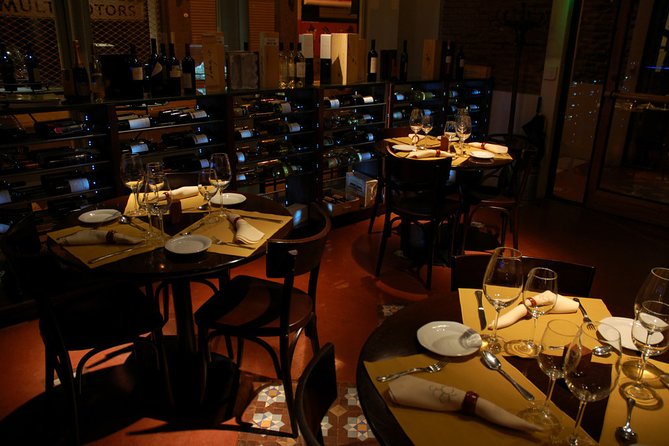
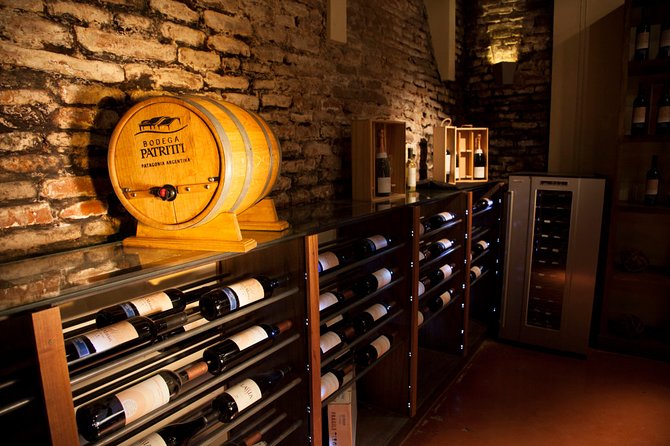
- The tasting takes place at Cava wine bar and restaurant: The setting was described as beautiful, giving the short experience a polished backdrop.
- The pours are focused rather than generous: You receive three wines and regional snacks, making this best for curious beginners and casual wine drinkers.
- Cruise passengers need to plan carefully: You must provide ship and docking details, and late arrival or a missed ship connection does not qualify for a refund.
Three Argentine wine regions, one Buenos Aires table
Argentina is not a one-wine country, and this tasting makes that clear in a compact way. Instead of keeping you with the familiar Malbec alone, the lineup moves from Patagonia to Mendoza and then north to La Rioja.
That geographic spread gives the session its main value. You are not just sampling three unrelated bottles. You are using wine to get a basic sense of Argentina’s different growing areas, with the sommelier explaining how local conditions shape what reaches your glass.
The tasting includes:
- Humberto Canale Merlot from La Patagonia, Río Negro
- Andeluna Malbec from the Valle de Uco in Mendoza
- Santa Florentina Brut Torrontés from the northwest, listed with the Rioja area
The selection covers a still red, Argentina’s best-known grape, and a sparkling white made from Torrontés. That is a sensible mix for a short session. You get contrast in style rather than three versions of the same red.
The regional snack starter matters, too. Food gives you something to compare with the wines and keeps the event from feeling like a technical lecture. The exact snack selection can vary, but it is described as regional rather than as a full meal, so plan to eat beforehand if you arrive hungry.
More Food and Wine Tastings in Buenos Aires
- Local Foodie Adventure in Buenos Aires with Sherpa Food Tours
★ 5.0 · 6,875 reviews - Argentine Experience Interactive Dining and Cooking
★ 5.0 · 1,382 reviews - Cooking Class Designed by Michelin Chef @ Argentine Experience
★ 5.0 · 1,123 reviews
Starting with Patagonia’s Río Negro Merlot
The first wine is Humberto Canale Merlot from Río Negro in Patagonia. For many people, Patagonia brings to mind cold weather and dramatic scenery, but here the point is the wine region itself and its place within Argentina’s production.
Beginning with Merlot gives the sommelier a fairly approachable starting point. If you are new to wine tasting, a softer red can be easier to discuss than a powerful or heavily structured bottle. You can ask about the grape, the region, and what makes Río Negro different from Mendoza.
The tasting is not presented as a formal vineyard visit. You remain in Buenos Aires, with the regional connection coming through the wine, the food, and the explanation. That keeps the outing convenient, but it also means you should not expect cellar tours, vineyard walks, or a trip outside the city.
This first pour is useful as a reference point. As the tasting moves on, you can compare it with the Malbec from Uco Valley rather than judging each wine in isolation.
Comparing Uco Valley Malbec with the first red
The second selection is Andeluna Malbec from Mendoza’s Valle de Uco. This is the bottle most closely tied to the image many people already have of Argentine wine.
The value here is the comparison. A sommelier can guide you through the difference between a Merlot from Río Negro and a Malbec from Mendoza, helping you notice contrasts in aroma, body, acidity, or finish. The supplied details do not promise a full technical class, so keep your expectations reasonable, but the regional structure gives the conversation a clear path.
I would pay close attention during this part if you are planning to visit Mendoza later. Even without a trip to the vineyards, you get an introduction to one of the country’s best-known wine areas. The session can help you decide what styles or producers you want to seek out during the rest of your time in Argentina.
The limitation is quantity. Three tastings go by quickly, and there is no indication of additional wines beyond the listed three. If you already know Argentine wine well, you may find the selection too basic for the price. If you are still learning, the focused lineup is easier to follow.
Finishing with sparkling Torrontés from the northwest
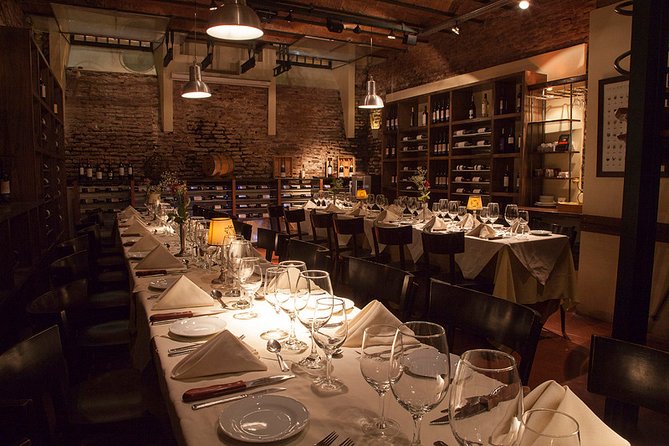
The final wine is Santa Florentina Brut Torrontés, associated with the northwest and La Rioja. Ending with a sparkling wine gives the tasting a change of pace after two reds.
Torrontés is a useful inclusion because it is strongly associated with Argentina and can introduce you to a grape you may not know. The sparkling format also keeps the final pour distinct. Rather than ending with another full-bodied red, the session closes with something lighter in style and presentation.
The regional label can be confusing, since Argentina’s wine areas are often described through provinces, valleys, and broader zones. This is where a good sommelier earns the fee. You can ask how the northwest differs from Mendoza and Patagonia, and how the wine’s grape and production style affect what you taste.
The listed wine is Brut, so you should expect a dry sparkling style rather than a sweet finish. No detailed tasting notes are provided, and the experience does not promise a particular vintage. If a certain year matters to you, ask when booking or at the start of the session.
More Wine Tours in Buenos Aires
- Authentic Rooftop Asado Experience with Argentine Wine Pairing
★ 5.0 · 274 reviews - Bodega Gamboa Small-Group Wine Tasting Tour with Lunch
★ 5.0 · 212 reviews - Buenos Aires Small-Group Wine Tasting
★ 5.0 · 193 reviews - Buenos Aires: Wine Tasting and Lunch at Bodega Gamboa
★ 4.8 · 177 reviews
Why the sommelier matters here
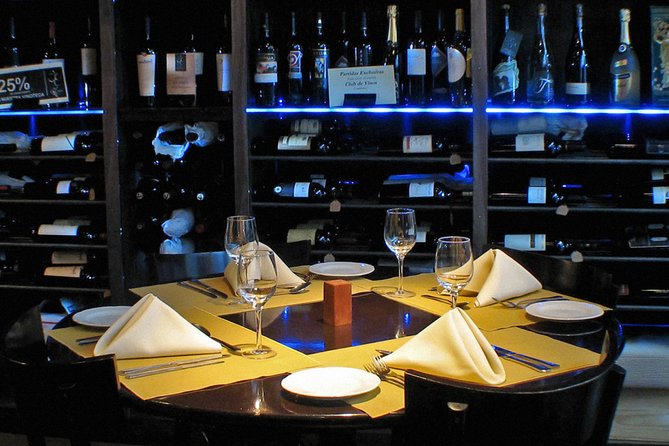
The strongest part of this experience is the human explanation. A five-minute pour at a wine bar is easy to arrange on your own. Paying for a guided tasting makes more sense when the sommelier connects the bottles and gives you a way to understand them.
Leandrew was singled out for a strong presentation and clear command of the different regions. That kind of delivery can change the mood of a short tasting. Instead of silently trying to identify flavors, you have someone who can explain the basics, answer questions, and give the wines a local context.
The tour may be operated by a multilingual guide, and you can choose an English or Spanish-speaking sommelier. Confirm your preferred language at booking. If the person leading your session is as engaging as Leandrew was described, the instruction will likely be the main reason the experience feels worthwhile.
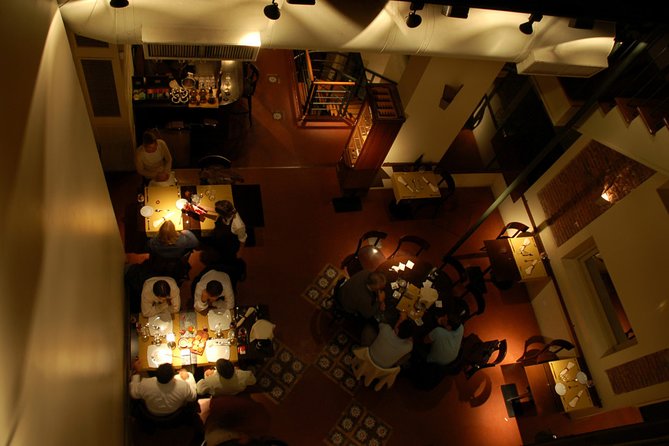
Keep in mind that a small group is helpful but not private. The maximum is 15 people per booking. That is more personal than a large coach excursion, but you may still need to share questions and attention with other members of the group.
Cava wine bar and restaurant as the setting
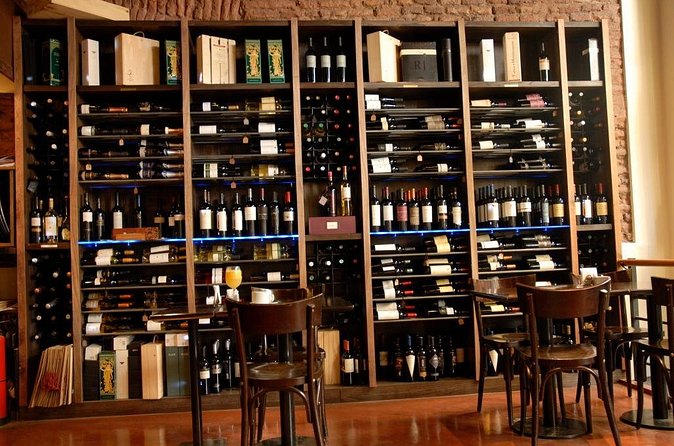
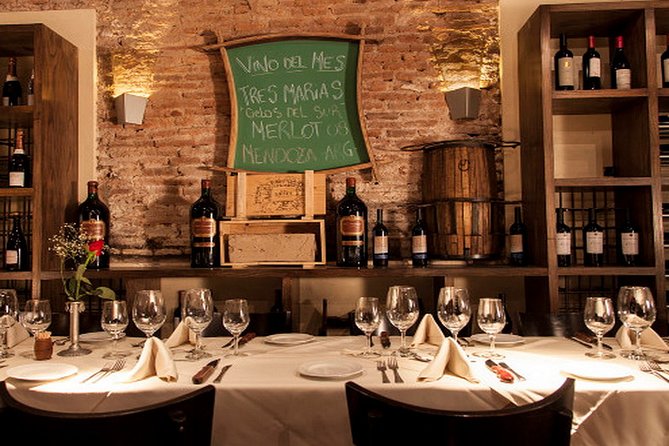
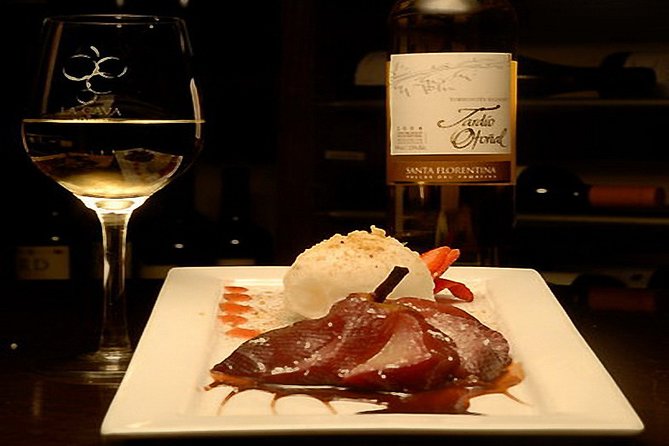
The tasting takes place at Cava wine bar and restaurant, which was described as beautiful. A pleasant setting adds something to an evening wine experience, especially in Buenos Aires, where the restaurant itself can be part of the occasion.
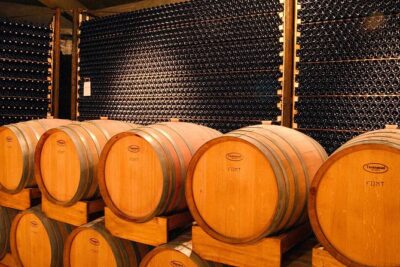
You should think of this as a city wine tasting rather than a working winery visit. There is no vineyard scenery, production floor, or barrel room in the supplied details. The appeal comes from sitting down in a dedicated wine venue and letting the sommelier lead you through the selection.
Smart casual clothing is requested. That fits the setting well. You do not need formal evening wear, but beach clothes or very casual sightseeing gear would be out of place. If you are coming from a day of touring, a quick change can make the experience feel more comfortable.
Pickup helps, but plan the return trip
Pickup is offered from hotels in selected Buenos Aires areas, and collection is also available from the cruise port at door 12. Hotel pickup takes place in the lobby, so be ready there at the arranged time rather than waiting in your room or outside the building.
The pickup received praise for arriving exactly on time, which matters in Buenos Aires. A reliable start removes some of the stress of finding the venue, especially if you are new to the city or have limited time before dinner.
The important catch is that return transportation is not included. You must arrange your own ride back to your hotel, cruise port, or next stop. This is easy to overlook because the tour does provide pickup, so add the return fare to your budget and schedule.
The tour is near public transportation, giving you another option for the trip home. The information does not specify a station, route, or walking distance, so do not rely on a particular transit connection without checking locally.
Cruise passengers need extra care. At booking, provide the ship name, docking time, disembarkation time, and re-boarding time. A late or non-arriving ship does not qualify for a refund, so this is not a good choice if your port schedule is uncertain.
Is $129 a fair price for three pours?
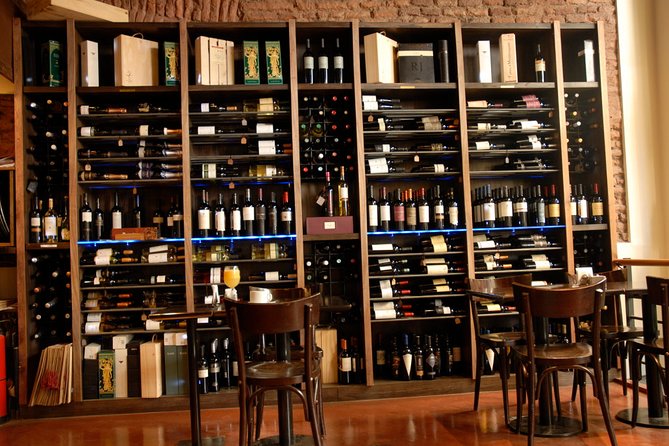
At $129 per person, this is a premium tasting. The package includes three wines, regional snacks, the sommelier, and pickup from selected areas. You are paying for the guide, organization, venue, and convenience, not for a large amount of wine.
That price can make sense if you want a structured introduction and value a pickup service. It is also easier to justify if you are visiting Buenos Aires briefly and want a clear overview of Argentine wine without arranging a bar, selecting bottles, and researching the regions yourself.
The value becomes weaker if your main goal is to drink as much as possible or taste expensive labels. One booking was judged poor value because the wines seemed inexpensive for the total cost. That criticism is fair to consider, even though it does not necessarily reflect the quality of the teaching or the setting.
I would compare the price with your priorities. If you are a beginner who wants a guided overview, the cost may be acceptable. If you already understand Malbec, Merlot, and Torrontés, you may prefer to spend the same money on a meal and individual bottles, though this tour’s guided regional comparison is something a casual restaurant visit may not provide.
Who will enjoy this Buenos Aires tasting?
I would recommend this experience most strongly to:
- First-time visitors who want a simple introduction to Argentine wine
- Couples or small groups who prefer a seated tasting to a long day outside the city
- Cruise passengers with a dependable Buenos Aires port schedule
- People who appreciate a sommelier’s explanation more than a large number of pours
- Wine drinkers curious about regions beyond Mendoza
You may want to skip it if you are seeking a winery day trip, a large tasting flight, or high-end reserve bottles. The duration is only about two hours and 30 minutes, and the program centers on three wines.
It can also suit people who want a gentle evening activity. The regional snacks help, the venue has a polished feel, and the small group size should keep the session from becoming impersonal.
Booking, cancellation, and practical details
Confirmation is issued at booking, and the tour uses a mobile ticket. Most people can participate, and the experience is near public transportation.
Free cancellation is available up to 24 hours before the local start time. Cancellations or changes made inside that window are not refunded or accepted. The experience also requires a minimum number of participants, so if the operator cancels for that reason, you can choose another date or receive a full refund.
The maximum group size is 15. Pickup areas are limited, so check that your hotel qualifies before assuming collection is included. The advertised language options are English and Spanish, although the guide may be multilingual.
Should you book the Buenos Aires Wine Tasting Tour?
Book it if you want a short, organized introduction to Argentine wine with a sommelier, regional snacks, and convenient pickup. The three-region lineup is smart, Leandrew’s presentation was particularly well regarded, and the setting at Cava wine bar and restaurant gives the event a comfortable finish.
Skip it if $129 feels too high for three pours or if you expect a winery visit and premium bottles. You will also need to arrange your own return ride, and cruise passengers should book only with a firm ship schedule.
My call: this is best for curious beginners and short-stay visitors who value context and convenience. Go in expecting a guided lesson with three wines, not an all-you-can-taste event, and the price is easier to judge fairly.
FAQ
How long does the Buenos Aires Wine Tasting Tour last?
The experience lasts approximately two hours and 30 minutes.
How many wines are included?
Three wine tastings are included: Humberto Canale Merlot, Andeluna Malbec, and Santa Florentina Brut Torrontés.
What food is included?
Regional snacks are included as the starter. The experience does not describe a full meal.
Is hotel pickup included?
Pickup is offered from hotels in selected areas of Buenos Aires. Collection takes place in the hotel lobby.
Can cruise passengers use the pickup service?
Yes. Pickup is available at the cruise port at door 12. At booking, cruise passengers must provide their ship name, docking time, disembarkation time, and re-boarding time.
Is transportation back to the starting point included?
No. Return transportation is not included, so you must arrange your own ride after the tasting.
Just added in Buenos Aires
- Discover Buenos Aires’ independent art scene — Ticket included★ 5.0 · 30 reviews
- Photo Session in Buenos Aires★ 5.0 · 26 reviews
- Your Private Photographer in Buenos Aires★ 5.0 · 4 reviews
- Yerba Mate Workshop – Learn to Drink Mate like a Local!★ 5.0 · 11 reviews
- Your Personal Photographer in Buenos Aires★ 5.0 · 24 reviews
- BA: Wine Tasting and Blending Experience in Palermo★ 5.0 · 1 review
- Winery and Tasting Experience in Buenos Aires★ 5.0 · 1 review
- Taste of Tradition: Yerba Mate & Alfajores Experience★ 4.0 · 5 reviews
Argentine Wine Tours, compared.
All Day, Small Group, Luxury Wine Tour with Gourmet Lunch
Read our review →

Argentine Experience: Immersive Dinner & Wine Pairing in Iguazú
Read our review →
Browse the lists this tour appears in