
Reviewed · ARGENTINE FOOD AND WINE TASTINGS
Buenos Aires: Traditional Cooking Class at Espacio Azai
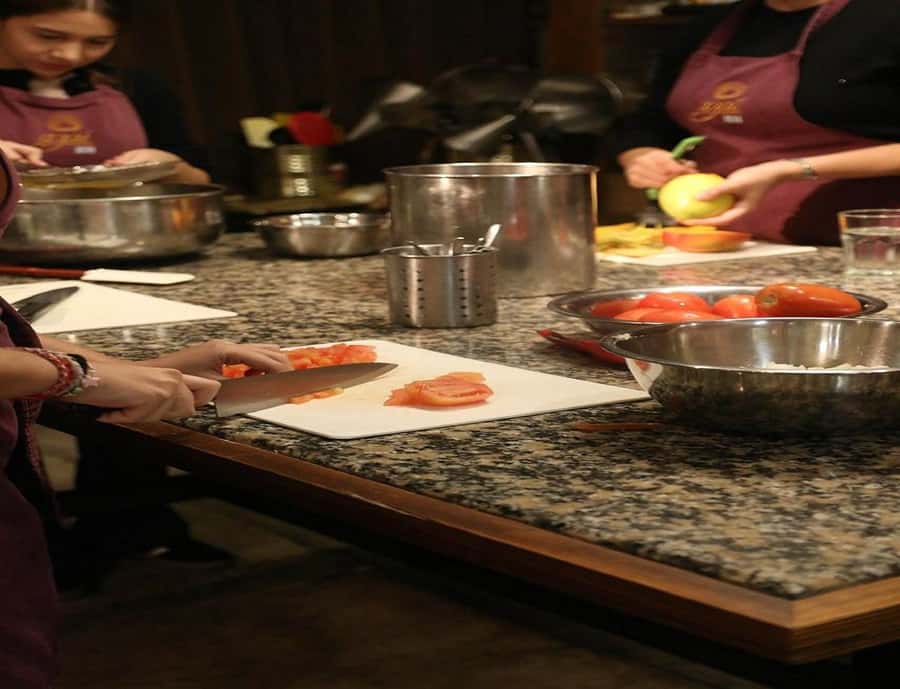
A meal you cook becomes a story. At Espacio Azai, you put on an apron, enter the kitchen, and prepare a four-course Argentine menu with local hosts who explain the customs behind each dish. I like the hands-on format and the way recipes come with stories, not just instructions. I also like the menu’s range, from chipacitos and empanadas to carbonada criolla and dulce de leche pancakes.
The main point to check is the timing. The cooking experience is described as three hours, but the wider activity details also mention a five-hour Buenos Aires sightseeing portion and a 75-minute wine tasting. That does not line up neatly with a three-hour class, so I would confirm exactly what is included in your chosen departure before paying.
In This Review
- Key things to know before booking
- Arriving at Espacio Azai on Virrey Loreto
- Starting with chipacitos correntinos
- Making carbonada criolla in the kitchen
- Folding empanadas de humita
- Finishing with dulce de leche pancakes
- Sitting down to the four-course meal
- What the city sightseeing details mean
- The $103 price and what you receive
- Dietary needs and practical planning
- Who will enjoy Espacio Azai most
- Should you book this Argentine cooking class?
- FAQ
- Where does the cooking class meet?
- How long is the cooking class?
- What dishes will I prepare?
- Is wine included?
- Which languages can the instructor speak?
- Can the recipes be adapted for dietary restrictions?
- Can I cancel for a refund?
Key things to know before booking
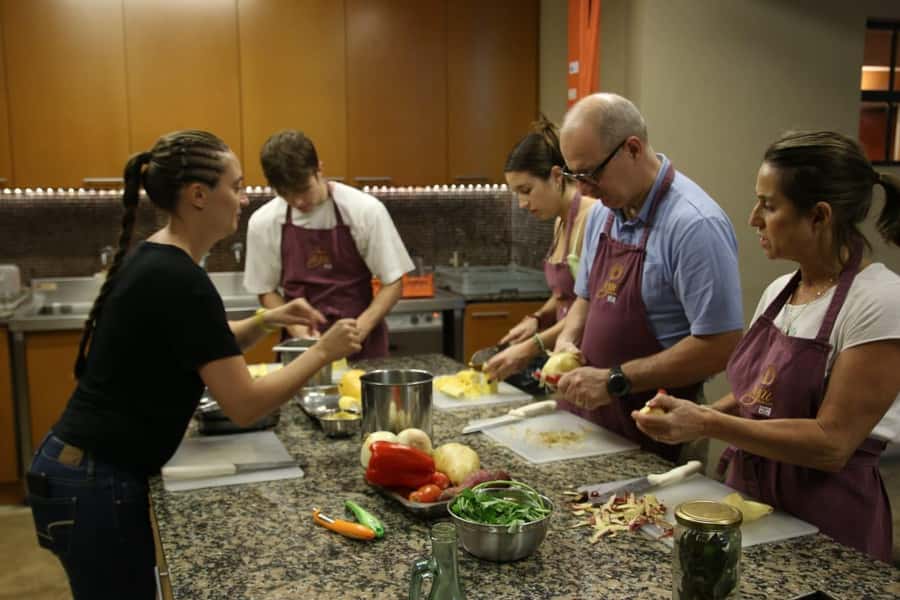
- Four Argentine dishes: You prepare chipacitos correntinos, carbonada criolla, empanadas de humita, and panqueques de dulce de leche.
- Local food stories: Hosts explain ingredients, origins, customs, and the place each dish holds in Argentine cooking.
- A meal you help make: The class ends around a shared table, with the food prepared during the session.
- Wine and non-alcoholic drinks: A half glass of Argentine wine is included, along with non-alcoholic options.
- Dietary adjustments: Recipes can be adapted for vegetarians, vegans, people with celiac disease, and people who are lactose intolerant.
- English, Spanish, and Portuguese: The instructors can teach in all three languages.
Arriving at Espacio Azai on Virrey Loreto
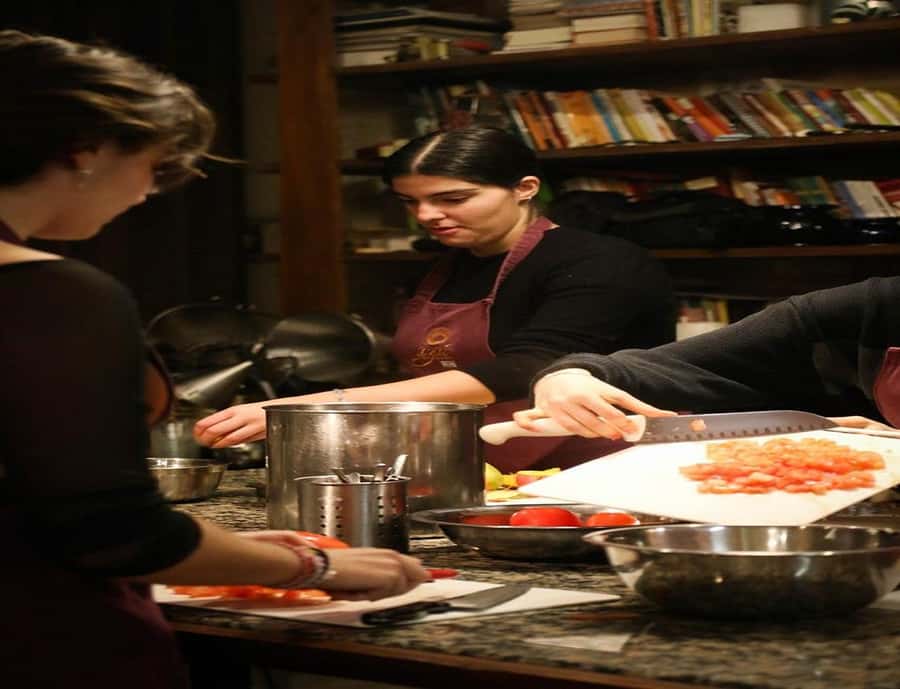
The meeting point is Virrey Loreto 3795, and entry is through the only door at the venue. That last detail is simple but useful in a city where a building may have several entrances or neighboring businesses. Look for the stated address rather than assuming the activity uses a large storefront or hotel lobby.
Your welcome is practical: you receive an apron and go with the hosts to the kitchen. This sets the tone quickly. You are not watching a chef work from a distance, and you are not simply sitting down for a meal. You are expected to take part.
The class is a good fit if you like food with a sense of place. The hosts connect the cooking to local traditions and explain the background of the ingredients. That context matters in Argentina, where familiar dishes vary by region and family. You will not just learn that a dish uses a certain ingredient. You will hear why the recipe matters and how it fits into Argentine food culture.
The available teaching languages are Spanish, Portuguese, and English. If language is important to your experience, select the option that suits you when you book or confirm it ahead of time.
More Food and Wine Tastings in Buenos Aires
- Local Foodie Adventure in Buenos Aires with Sherpa Food Tours
★ 5.0 · 6,875 reviews - Argentine Experience Interactive Dining and Cooking
★ 5.0 · 1,382 reviews - Cooking Class Designed by Michelin Chef @ Argentine Experience
★ 5.0 · 1,123 reviews
Starting with chipacitos correntinos
The first taste is chipacitos correntinos, small cheese breads associated with Corrientes. They work well as an opening bite because they introduce a regional specialty before the main cooking is complete.
The class uses these snacks to talk about their origins and the ingredients involved. This is one of the better features of the format. You begin with something ready to taste, then connect it to a place and a culinary tradition.
I would expect this part to be relaxed and social rather than technical. You may be learning how the dish fits into a broader meal and how local cooks think about simple ingredients. Since the chipacitos are included in the menu, you are not paying extra for the opening course.
The menu also gives you an early look at the class’s regional reach. Corrientes is in northeastern Argentina, while the other recipes bring in different parts of the country’s home cooking. That makes the meal more than a standard collection of internationally known Argentine foods.
Making carbonada criolla in the kitchen
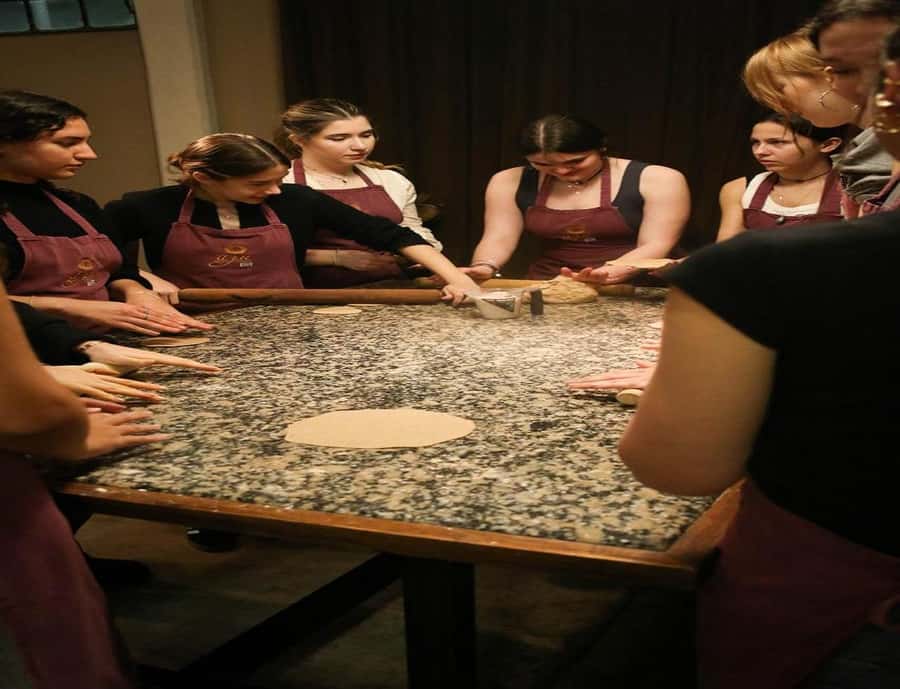
Carbonada criolla is the hearty main course on the menu. It is a traditional Argentine stew, and its presence gives the class a chance to explore slow, home-style cooking rather than focusing only on quick snacks or restaurant favorites.
You prepare the dish step by step with the hosts. The exact ingredients and methods are not specified, so I would not book this expecting a fixed professional cooking syllabus or a formal chef certification. The value is in learning a traditional preparation while hearing the stories and customs linked to it.
For you, this is likely the most substantial cooking segment. A stew also gives the class a useful balance. While it cooks, the group can work on the other dishes and continue the conversation. The hosts describe the food as part of a cultural journey, so the class places as much weight on shared stories as on knife skills or cooking speed.
That makes the session suitable for mixed ability levels. You do not need to arrive as an experienced cook. At the same time, a confident home cook may find the experience more rewarding for its regional background than for advanced technique.
Folding empanadas de humita
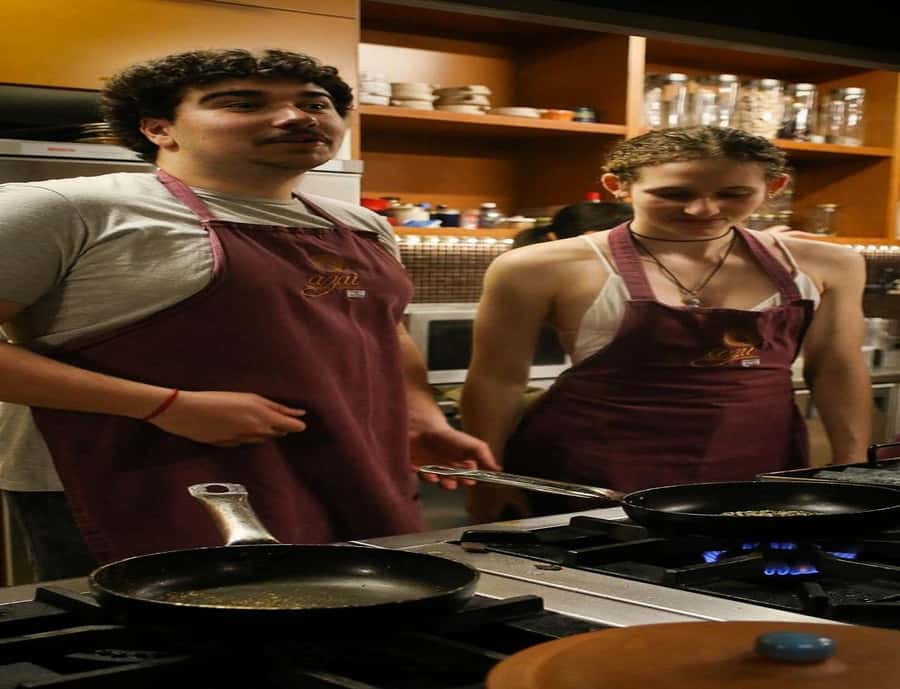
Empanadas de humita bring one of Argentina’s best-known foods into the class, but with a corn-based filling. Humita is made with corn and is a familiar part of South American cooking, while empanadas are a staple across Argentina.
This is the most naturally participatory dish on the menu. You get to take part in shaping and preparing the empanadas, then see how they fit with the rest of the meal. Empanadas also help you understand the difference between a dish you order casually and one you make by hand.
The class does not promise a specific number of empanadas or a particular cooking method, so you should not assume you will leave with a separate batch to take home. The stated plan is to prepare the food and eat the complete menu together.
I like the contrast between empanadas and carbonada. One is compact and easy to share, while the other is a filling regional dish. Together they show different sides of Argentine home cooking without turning the session into a long list of unrelated recipes.
A completely different kind of day:
- Buenos Aires City Private Tour with Local Guide
★ 5.0 · 3,475 reviews - Buenos Aires Small-Group City Tour
★ 5.0 · 2,226 reviews - Buenos Aires Hop-On Hop-Off Bus, Free Walking Tours & Discounts
★ 4.5 · 2,218 reviews - Buenos Aires: Piazzolla Tango Show with Optional Dinner
★ 4.4 · 2,122 reviews
Finishing with dulce de leche pancakes
Dessert is panqueques de dulce de leche, or pancakes filled with Argentina’s famous caramel-like milk spread. This is an obvious crowd-pleaser, but it also gives the class a sweet finish tied closely to local tastes.
You prepare the pancakes as part of the four-course menu, then sit down to eat what you have made. That shared ending is important. It changes the class from a demonstration into a meal with a beginning, middle, and finish.
Dulce de leche can be very sweet, so this course may be the least adventurous part of the menu for some people. Still, it is a useful introduction to an ingredient you will see throughout Argentina. If you enjoy trying local desserts, this is a clear strength of the experience.
The menu has been planned so that each course feels distinct: a regional cheese bread, a stew, filled empanadas, and a sweet pancake dessert. You get variety without having to move between different restaurants.
Sitting down to the four-course meal
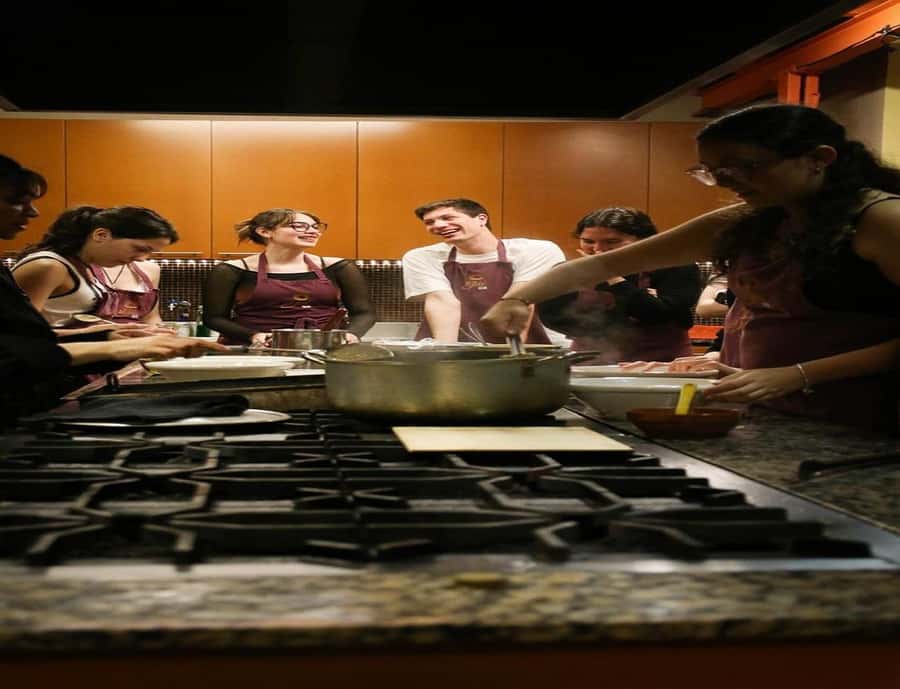
At the end of the preparation, the group sets the table and eats together. This shared meal is the payoff for the kitchen work. You see the dishes in their finished form, compare results with the other participants, and have time to enjoy the food rather than rushing straight out after the final recipe.
A half glass of Argentine wine is included. That is enough to add a tasting element without making the class primarily about drinking. Non-alcoholic drinks are also included, which makes the experience easier to recommend to people who do not drink wine.
The wine is selected to accompany the food, but no specific grape or winery is named. You should think of it as a small pairing rather than a full wine course. The activity details also mention a 75-minute wine tasting, but that appears separate from the half-glass serving described with the cooking class. Confirm this point if wine is a major reason you are booking.
The meal is also where the social side of the class matters most. You are sharing food made by the group, not receiving a plated restaurant dinner prepared entirely by someone else. I find that this often creates a stronger memory, though it may feel less polished than a formal restaurant meal.
What the city sightseeing details mean
The information connected with this experience also includes a Buenos Aires sightseeing segment lasting five hours, with photo stops and guided sightseeing, plus the wine tasting noted above. A verified booking described a city outing with important and scenic points, and specifically praised guide Lionel and driver Walter for being professional and attentive.
Those details sound like a broader Buenos Aires activity rather than part of a three-hour kitchen session. The cooking class itself begins at Espacio Azai and is clearly described around the four-course meal. Since the listed duration for the class is three hours, you should not assume that a five-hour city tour is automatically included in the same booking.
If your confirmation includes Lionel and Walter, you may be receiving a combined city and food program. If it only names the Espacio Azai cooking class, plan around the three-hour kitchen experience. This is the one area where the published details need clarification.
The city portion could add useful context, especially if you want a first look at major Buenos Aires sights before spending time with regional food. But it also changes the shape of the day. A five-hour sightseeing program followed by a cooking class would be a long commitment, so check the exact schedule rather than planning another major activity immediately afterward.
The $103 price and what you receive
At $103 per person, this is not a cheap meal, but it is more than a restaurant reservation. You are paying for instruction, ingredients, utensils, an apron, a four-course menu, drinks, and time with local hosts.
The value depends on how much you want to participate. If you mainly want to taste Argentine food, a restaurant will usually give you more control over the menu and perhaps more wine for less money. If you want to understand how the dishes are prepared and hear the stories behind them, the cooking class offers something a restaurant cannot.
The included menu is substantial. Chipacitos, carbonada criolla, empanadas de humita, and dulce de leche pancakes cover several textures and styles. You also receive a half glass of wine and non-alcoholic drinks, so the price is not built around add-ons during the meal.
I would consider the cost reasonable for a visitor who values a small-group cultural activity, but I would compare it with other Buenos Aires cooking classes if you want a longer session, more wine, or take-home recipes. The supplied information does not state the group size, so ask if that affects your decision. A hands-on class is usually more satisfying when every person gets enough time at the work surface.
Dietary needs and practical planning
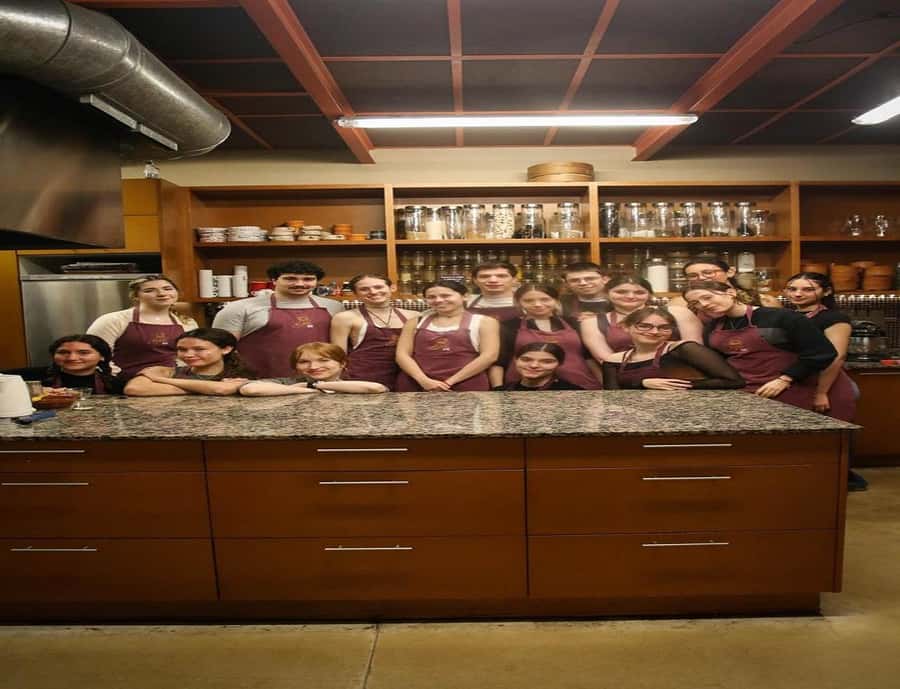
The hosts can adapt recipes for vegetarians, vegans, people with celiac disease, and people who are lactose intolerant. You should state your needs in advance rather than waiting until you arrive. Adaptation is offered, but the exact replacement dishes are not specified.
This flexibility is a real advantage for a menu built around cheese bread, empanadas, dairy-based dessert, and other ingredients that may need changes. Ask what will replace each course so you know how closely your meal will follow the standard menu.
The class lasts three hours, and start times depend on availability. That is long enough for instruction, preparation, conversation, and the shared meal, but not so long that it consumes an entire day. Wear something you can comfortably cook in, though an apron is provided.
Cancellation is free up to 24 hours before the activity for a full refund. You can also reserve now and pay later, which helps if your Buenos Aires schedule is still changing. These policies are useful, but I would still confirm the starting time and the relationship between the cooking class, city tour, and wine tasting before finalizing plans.
Who will enjoy Espacio Azai most
I would recommend this to you if you want a participatory food experience, not just a meal. It suits couples, friends, solo visitors who enjoy meeting people, and families interested in learning together.
It is especially appealing if you want to move beyond steak and Malbec stereotypes. The menu points toward regional and home-style Argentine cooking, with Corrientes chipacitos, carbonada criolla, humita empanadas, and dulce de leche pancakes.
It may be less suitable if you need a highly structured professional class, a large wine tasting, or a guaranteed city tour in the same three-hour booking. The class is built around local stories, shared work, and a communal meal.
The single verified rating available is a five-star booking from Javier of Costa Rica, dated September 1, 2025. The praise focused on a broader outing, including Lionel, Walter, scenic city points, and good tastings. That is useful evidence for the provider’s service, but it does not give much detail about the cooking instruction itself. I would treat it as encouraging but limited.
Should you book this Argentine cooking class?
Book it if you want to cook four traditional dishes, hear their background from local hosts, and sit down to eat the result with Argentine wine. The menu is varied, the language options are practical, and dietary adjustments make it easier for more people to take part.
Before booking, confirm the schedule and inclusions. The three-hour cooking class, five-hour city sightseeing segment, and 75-minute wine tasting appear to describe different parts of a larger program. Once that is clear, Espacio Azai looks like a worthwhile choice for anyone who believes the best souvenir from Buenos Aires might be a recipe you can make again at home.
FAQ
Where does the cooking class meet?
The meeting point is Espacio Azai at Virrey Loreto 3795 in Buenos Aires. Entry is exclusively through the only door at the venue.
How long is the cooking class?
The cooking experience lasts three hours. Starting times depend on availability.
What dishes will I prepare?
You will prepare chipacitos correntinos, carbonada criolla, empanadas de humita, and panqueques de dulce de leche.
Is wine included?
Yes. The cooking class includes half a glass of Argentine wine selected to accompany the food. Non-alcoholic drinks are also included.
Which languages can the instructor speak?
Instruction is available in Spanish, Portuguese, and English.
Can the recipes be adapted for dietary restrictions?
Yes. The recipes can be adapted for vegetarians, vegans, people with celiac disease, and people who are lactose intolerant. Tell the provider about your needs in advance.
Can I cancel for a refund?
You can cancel up to 24 hours before the activity for a full refund. Reserve-now, pay-later booking is also available.
Just added in Buenos Aires
- Discover Buenos Aires’ independent art scene — Ticket included★ 5.0 · 30 reviews
- Photo Session in Buenos Aires★ 5.0 · 26 reviews
- Your Private Photographer in Buenos Aires★ 5.0 · 4 reviews
- Yerba Mate Workshop – Learn to Drink Mate like a Local!★ 5.0 · 11 reviews
- Your Personal Photographer in Buenos Aires★ 5.0 · 24 reviews
- BA: Wine Tasting and Blending Experience in Palermo★ 5.0 · 1 review
- Winery and Tasting Experience in Buenos Aires★ 5.0 · 1 review
- Taste of Tradition: Yerba Mate & Alfajores Experience★ 4.0 · 5 reviews
Argentine Food and Wine Tastings, compared.
Local Foodie Adventure in Buenos Aires with Sherpa Food Tours
Read our review →
Argentine Experience Interactive Dining and Cooking
Read our review →
Cooking Class Designed by Michelin Chef @ Argentine Experience
Read our review →
Historical Sherpa Food Tour of San Telmo with Street Food, Drinks
Read our review →
Join a Local Family Asado in Buenos Aires with Betty and Marcelo
Read our review →
Browse the lists this tour appears in