
Reviewed · ARGENTINE WINE TOURS
Buenos Aires: Lunch and Wine Tasting at Bodega Gamboa
Wine country sits surprisingly close. Bodega Gamboa gives you a full-day break from Buenos Aires, with vineyards, winery visits, three tastings, and a long lunch at a 50-hectare estate in Campana. I like the easy city pickup and the chance to taste wines grown in an unusual Buenos Aires Province terroir. I also like that the lunch includes several wines, not just a single pour at the end.
The main consideration is the $180 price, which is a serious spend in Argentina. You are paying for transport, a seven-hour outing, food, drinks, and guided wine activities, so the value is strongest if you want a ready-made day outside the city rather than a short tasting.
In This Review
- Key points at a glance
- Why Bodega Gamboa makes sense from Buenos Aires
- A simple morning pickup from five Buenos Aires districts
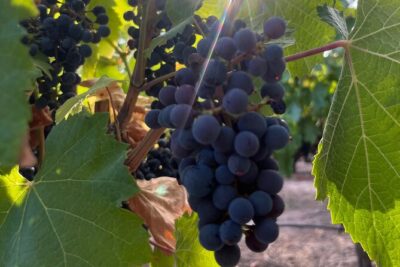
- Walking among Malbec, Cabernet Franc, and Riesling
- The winery visit explains how the bottle is made
- Three wines tasted at different points
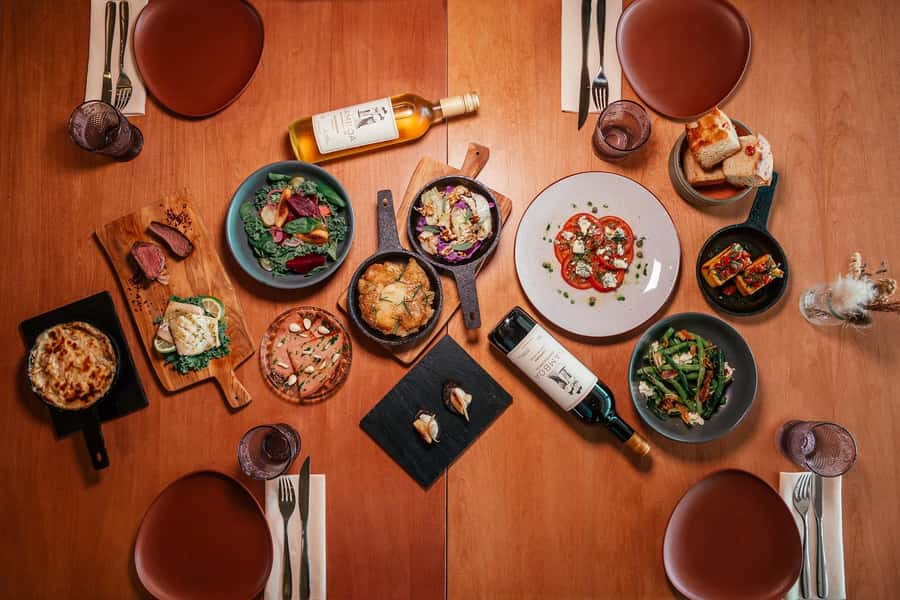
- A Terroir Menu turns the tasting into lunch
- Is $180 a fair price?
- What to know before you reserve
- Who will enjoy this day most?
- Should you book Bodega Gamboa?
- FAQ
- Where is Bodega Gamboa located?
- How much does the experience cost?
- How long does the Bodega Gamboa experience last?
- Where can pickup take place in Buenos Aires?
- Is transportation to Campana included?
- What does the wine program include?
- Is lunch included?
- Which languages are available?
- Can I cancel or pay later?
Key points at a glance
- Only 65 kilometers from Buenos Aires: Bodega Gamboa offers a country escape without requiring a long journey to Mendoza or another distant wine area.
- Six hectares of young vineyards: Malbec, Cabernet Franc, Pinot Noir, Chardonnay, and Riesling were planted here in 2010.
- Tasting happens along the way: You taste three Gamboa wines at different points during the visit, rather than sitting through one single flight.
- Campana has its own wine identity: The estate focuses on an atypical local terroir while also presenting limited wines from other parts of Argentina.
- Lunch is part of the wine program: The Terroir Menu includes regional food, several wines, non-alcoholic drinks, and coffee.
- Pickup is available from five central areas: San Telmo, Recoleta, Retiro, Puerto Madero, and San Nicolás are covered.
Why Bodega Gamboa makes sense from Buenos Aires
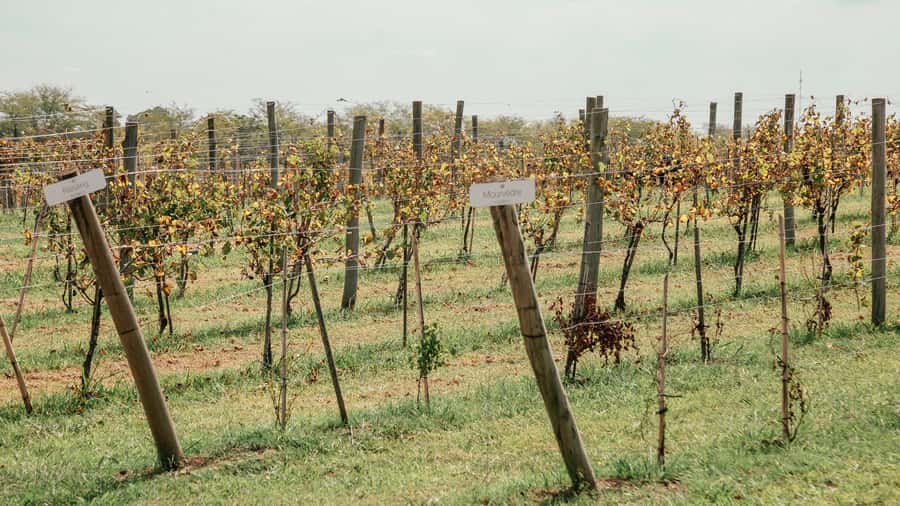
Argentina is famous for Mendoza, but Mendoza is not a practical day trip from Buenos Aires. Bodega Gamboa solves that problem by putting a working vineyard within reach of the capital. The estate is in Campana, about 65 kilometers from Buenos Aires, beside a nature reserve.
That setting matters. You do not spend the whole day sitting in a city restaurant with a few Argentine bottles on the table. You see the vines, visit the winery, and learn how the setting affects production. The visit gives you a useful introduction to wine without asking you to arrange separate transport, meals, and tastings.
Bodega Gamboa covers 50 hectares, though only six hectares are planted with vines. The vineyard was established in 2010 and includes five varieties: Malbec, Cabernet Franc, Pinot Noir, Chardonnay, and Riesling. That mix is worth noting. Malbec is Argentina’s best-known grape, but Cabernet Franc and Pinot Noir add red-wine variety, while Chardonnay and Riesling show that the estate also works with white grapes.
The property is described as an atypical Campana terroir. In plain terms, this is not the familiar high-altitude wine country of western Argentina. The point of the visit is partly to see what can be produced closer to Buenos Aires, then compare those wines with limited editions from other Argentine areas.
More Food and Wine Tastings in Buenos Aires
- Local Foodie Adventure in Buenos Aires with Sherpa Food Tours
★ 5.0 · 6,875 reviews - Argentine Experience Interactive Dining and Cooking
★ 5.0 · 1,382 reviews - Cooking Class Designed by Michelin Chef @ Argentine Experience
★ 5.0 · 1,123 reviews
A simple morning pickup from five Buenos Aires districts
The outing begins with pickup from a central hotel or selected location in San Telmo, Recoleta, Retiro, Puerto Madero, or San Nicolás. You should allow patience at the start, since pickup can take place within 45 minutes after your selected activity time. That window is important if you have a tightly timed morning plan.
Transfers to Campana are included. This is one of the strongest practical features of the tour. Wine tasting and driving rarely make a happy pair, and arranging a private car for a rural estate can quickly push the cost higher. Here, the transport is built into the day.
The stated finish is at the Obelisco, a useful central endpoint for continuing your Buenos Aires sightseeing. The transfer structure also makes the outing easier for you if your hotel is outside the listed pickup areas. In that case, you will need to reach one of the central pickup points.
The seven-hour duration is long enough for a proper meal and a relaxed visit, but it also takes a full day from your schedule. I would not pair it with another major attraction, a long museum visit, or a fixed evening reservation close to the pickup or return time.
Walking among Malbec, Cabernet Franc, and Riesling
At the estate, the vineyard tour introduces you to the property and its grapes. The six planted hectares contain Malbec, Cabernet Franc, Pinot Noir, Chardonnay, and Riesling. For someone still learning the difference between Argentine wine styles, this range gives the guide useful material to work with.
You can expect the discussion to cover the history of wine, Argentine strains, and the techniques used to make wine. That makes the tour more useful than a simple tasting. You are not just told which bottle to like. You get basic context about the grape, the place, and the production method.
The vineyard itself is not an old colonial wine estate. The vines were planted in 2010, so Bodega Gamboa offers a newer Argentine wine story. That can be a benefit if you are curious about experimentation and regional production rather than only the country’s established wine centers.
The border with a nature reserve adds a pleasant rural setting, though the supplied details do not promise a nature walk or wildlife viewing. Think of the reserve as part of the setting, not a separate excursion. Wear shoes suitable for walking outdoors, since the day includes time among the vines and around the winery.
The winery visit explains how the bottle is made
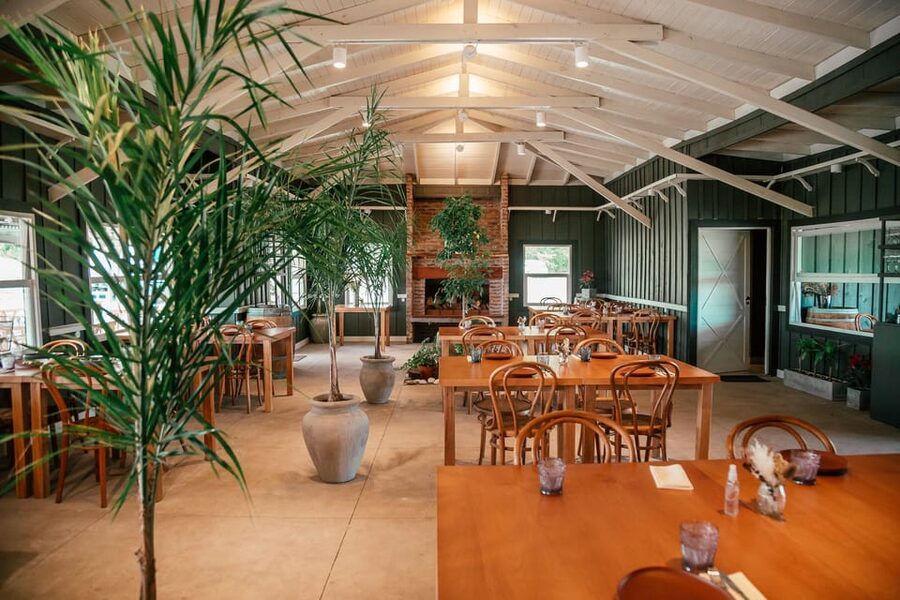
The visit continues into the winery, where the focus shifts from the vineyard to production. This is where the tour’s educational side becomes practical. You can connect the grapes you just saw with the stages that turn them into wine.
The experience covers different winemaking techniques and the history of wine. The precise equipment, cellar access, and seasonal activity are not specified, so you should not expect a particular harvest task or production demonstration. What is clear is that the winery visit forms one part of a guided route from grape to glass.
I like this structure because it keeps the information tied to what you are seeing. It is easier to understand why grape varieties matter when you have just walked past Malbec, Pinot Noir, Chardonnay, and Riesling vines. It also helps first-time wine visitors ask better questions during the tasting and lunch.
The tour language options are Spanish, English, and Portuguese. If you need one of these languages, check the available departure before booking. The activity includes a live guide, but no individual guide name is provided.
More Wine Tours in Buenos Aires
- Authentic Rooftop Asado Experience with Argentine Wine Pairing
★ 5.0 · 274 reviews - Bodega Gamboa Small-Group Wine Tasting Tour with Lunch
★ 5.0 · 212 reviews - Buenos Aires Small-Group Wine Tasting
★ 5.0 · 193 reviews - Buenos Aires: Wine Tasting and Lunch at Bodega Gamboa
★ 4.8 · 177 reviews
Three wines tasted at different points
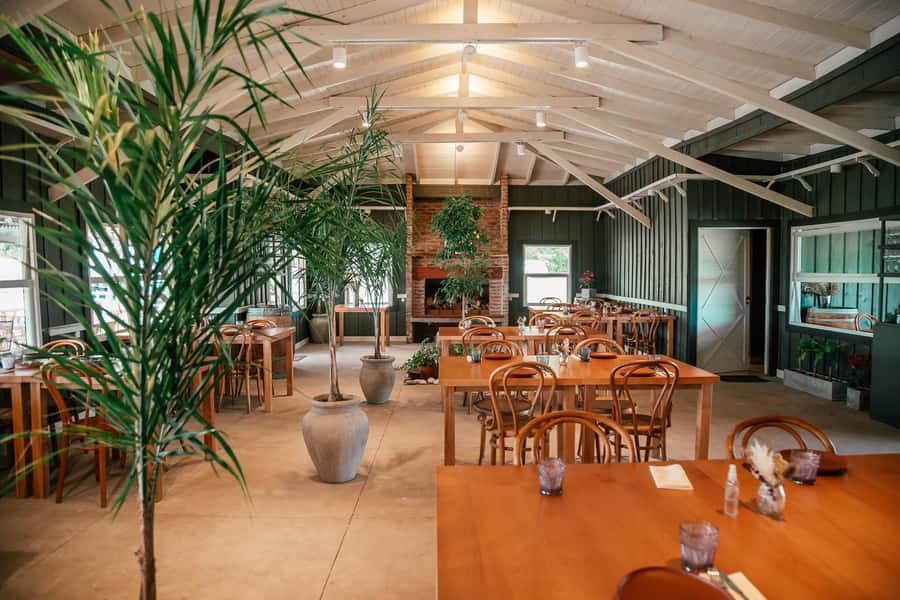
The tasting lasts about 1.5 hours and includes three wines from the Gamboa selection. The unusual feature is the format: the tasting is dynamic, with wines offered at different points and stops from the beginning to the end of the visit.
That approach can make the day feel more connected than a formal sit-down flight. You taste while moving through the estate and winery, then continue thinking about the wine over lunch. It also means you may want to pay attention to the order and setting of each pour, since the tasting is spread across the visit.
The selection focuses on the Gamboa label, while the estate also offers limited editions from special areas around Argentina. The supplied details do not state exactly which additional bottles appear in the tasting, so you should not book this expecting a fixed list of famous Mendoza labels.
Three wines is enough for a useful introduction, especially when lunch includes additional wine. It is not a large-scale tasting for serious collectors. I would see it as a guided lesson with food, place, and production all working together.
A Terroir Menu turns the tasting into lunch
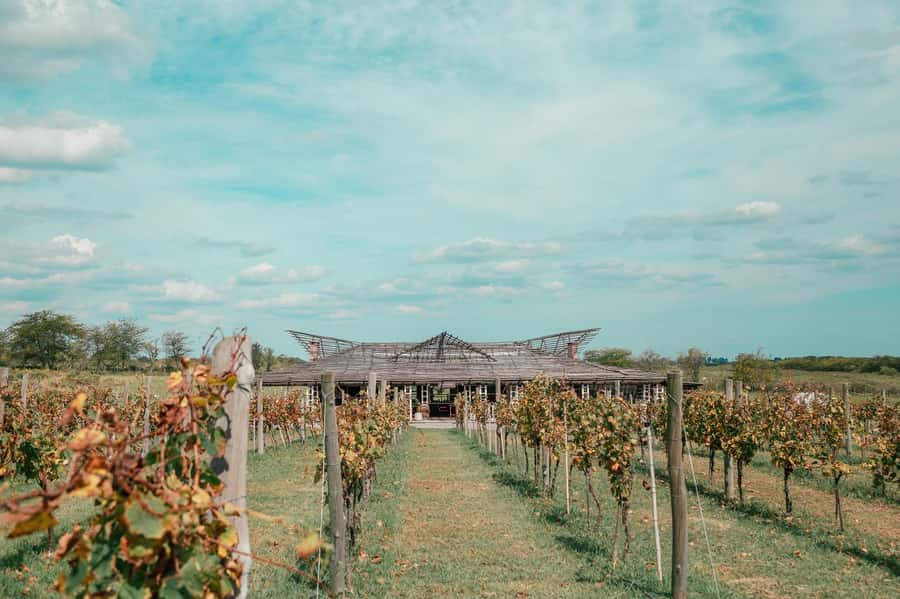
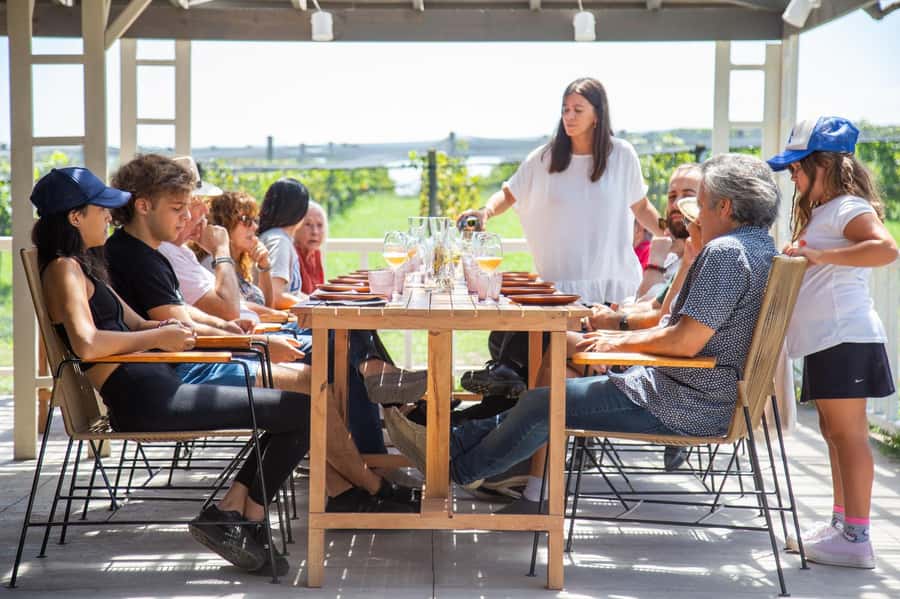
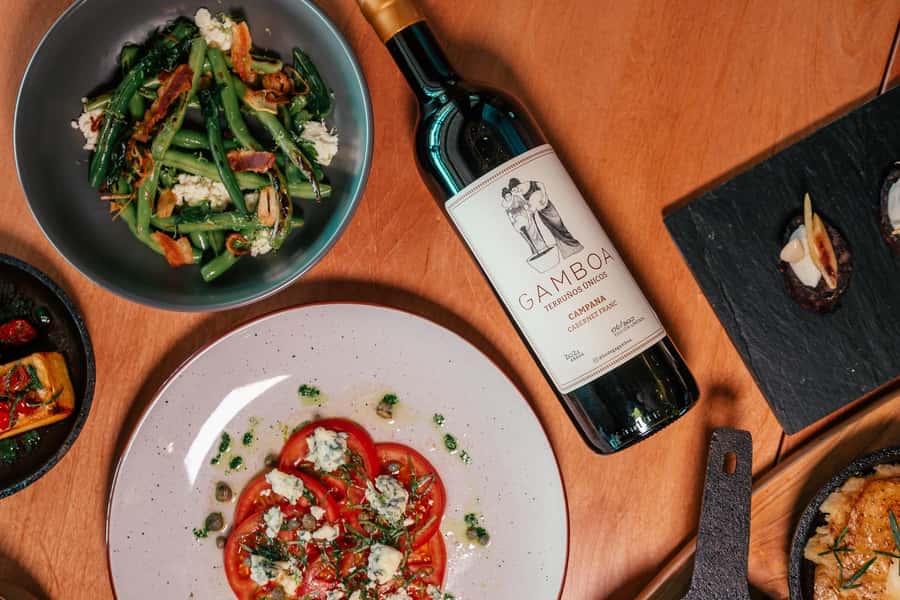
Lunch lasts about two hours and features the Terroir Menu, with regional food and different wines included. Non-alcoholic drinks are also part of the meal, followed by coffee. This is more generous than an excursion that simply adds a sandwich and calls it lunch.
The menu name points to the main idea of the day: wine makes more sense when you consider the ground, climate, grape, and food together. You can compare how different wines work with regional dishes instead of tasting them in isolation.
Specific dishes are not listed, so you should not plan around a particular course. If you have dietary restrictions, ask the provider before booking rather than assuming substitutions are available. The same applies to the exact wine lineup.
The two-hour lunch is a real part of the outing, not a rushed break between activities. That suits you if you enjoy slow meals and conversation. It may feel too long if you prefer a quick tasting and a packed sightseeing schedule.
After lunch, the program includes coffee and local snacks for about an hour. This gives the day a softer finish, though it also adds to the total length. You receive non-alcoholic drinks and coffee, so the outing is not built entirely around alcohol.
Is $180 a fair price?
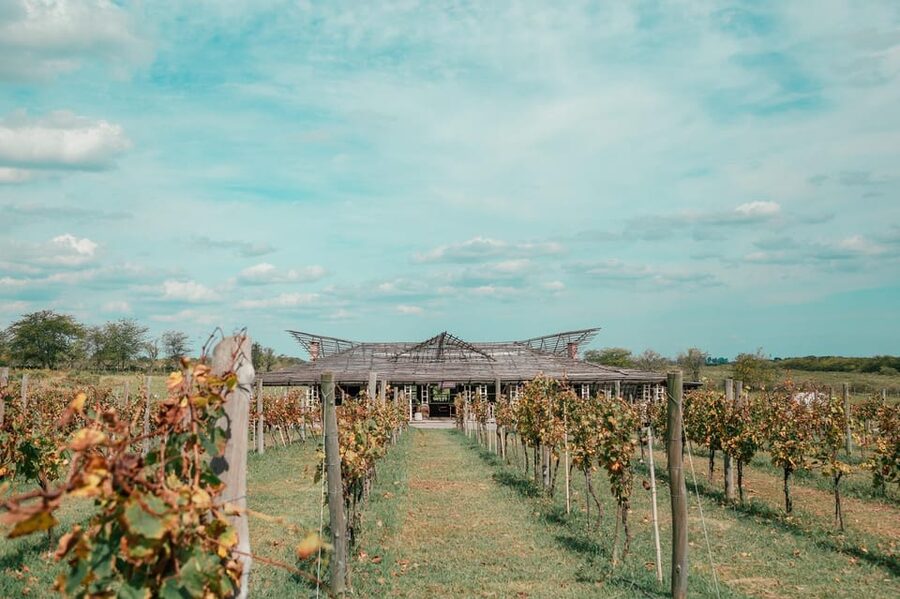
At $180 per person, this is not a budget side trip. The price needs to be judged against what it replaces. You receive central pickup, transport to Campana, a welcome drink, a vineyard tour, a winery visit, three dynamic tastings, a substantial lunch with wine, non-alcoholic drinks, coffee, local snacks, and return to an important central city point.
If you tried to arrange a private transfer, winery visit, meal, and tasting separately, the cost and planning could become considerable. The tour also removes the safety problem of driving after drinking. For a visitor who wants convenience and a full day outside the city, the package can be reasonable.
The value is weaker if you only want to sample Argentine wine. Buenos Aires has plenty of wine bars and restaurants where you can taste bottles for much less. You are paying here for the countryside setting, transport, guided explanation, lunch, and a complete schedule.
I would consider this a special-occasion purchase rather than an automatic add-on to a Buenos Aires trip. It makes the most sense for couples, food-focused visitors, wine beginners, and anyone who wants one organized day beyond the city.
What to know before you reserve
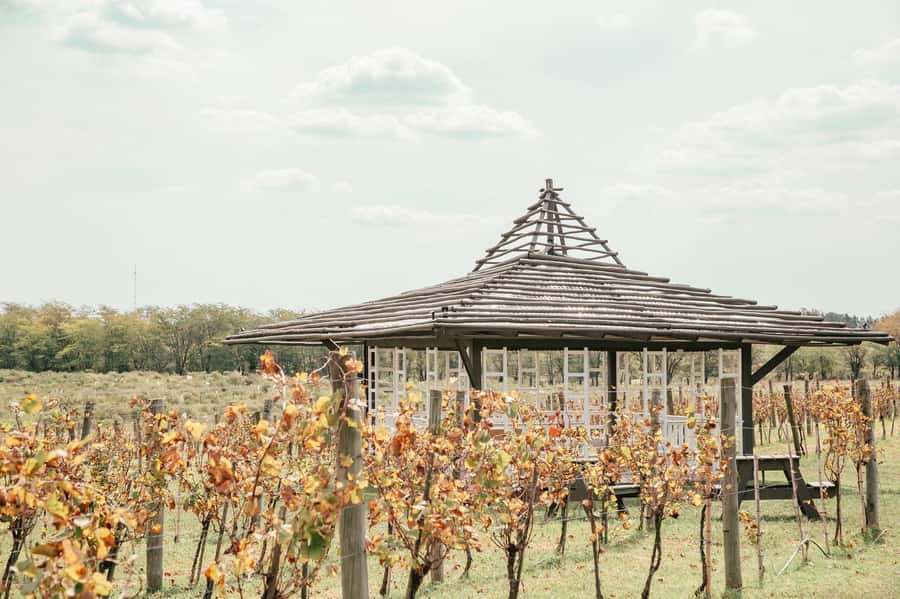
Book this outing when you can spare most of a day. Seven hours includes the transfer, the estate visit, the tasting, lunch, coffee, and return, so the timing is not flexible in the way a short city activity is.
Choose your pickup district carefully. The available areas are San Telmo, Recoleta, Retiro, Puerto Madero, and San Nicolás. The pickup can occur within 45 minutes after the selected start time, so do not schedule a separate appointment immediately afterward.
The activity offers free cancellation up to 24 hours before the start for a full refund. You can also reserve now and pay later, which helps if your Buenos Aires schedule is still changing.
The experience is available in Spanish, English, and Portuguese. Confirm the language option you want before paying, since the guide is central to the history, grape, and technique explanations.
I would also plan for outdoor time. The day includes a vineyard tour and a winery visit, but the precise walking conditions are not given. Comfortable footwear and protection from the sun are sensible choices, without assuming a particular season or weather condition.
Who will enjoy this day most?
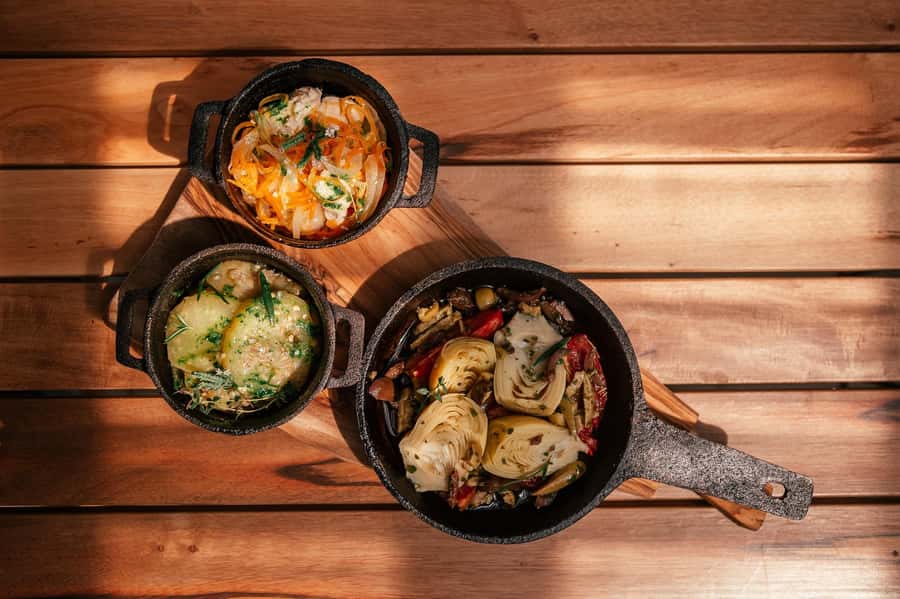
You will likely enjoy Bodega Gamboa if you want wine, food, and countryside in one organized outing. It is particularly useful for a first visit to Argentina, when you may want an introduction to local grapes without traveling to Mendoza.
It also suits people who prefer a relaxed pace. The 1.5-hour tasting, two-hour lunch, and hour for coffee and local snacks leave room for conversation and explanation. This is not a quick stop where you rush through a cellar, take one photo, and return to the city.
Wine specialists may find the three-wine tasting modest, especially if they want a long list of producers or technical comparisons. The experience is better understood as a full sensory and educational day than as a serious buying trip.
The price may also be too high for visitors on a tight budget. If the vineyard setting and included lunch are not important to you, a city wine bar offers a cheaper way to taste Argentine varieties.
Should you book Bodega Gamboa?
Book it if you want a convenient day trip from Buenos Aires with transport handled, an unusual local wine region, a proper lunch, and explanations in English, Spanish, or Portuguese. The combination of Campana’s own vineyard, five grape varieties, three staged tastings, and a Terroir Menu gives the day more substance than a basic winery stop.
Skip it if your main goal is simply to drink the most wine for the lowest price, or if your schedule cannot spare seven hours. At $180, the appeal is the complete package and the ease of reaching the estate, not a bargain tasting.
For many visitors, Bodega Gamboa is a smart choice when they want to see another side of Buenos Aires Province. Just keep the pickup window and long lunch in mind, and judge the price as payment for a full day of food, wine, instruction, and transport.
FAQ
Where is Bodega Gamboa located?
Bodega Gamboa is in Campana, Buenos Aires Province, about 65 kilometers from the city of Buenos Aires.
How much does the experience cost?
The listed price is $180 per person.
How long does the Bodega Gamboa experience last?
The total duration is seven hours.
Where can pickup take place in Buenos Aires?
Pickup is available from selected locations in San Telmo, Recoleta, Retiro, Puerto Madero, and San Nicolás.
Is transportation to Campana included?
Yes. Transfers to Campana are included, along with pickup from the listed central areas.
What does the wine program include?
The experience includes a welcome drink, a vineyard tour, a winery visit, and a dynamic tasting of three wines from the Gamboa selection.
Is lunch included?
Yes. The Terroir Menu includes regional food, different wines, non-alcoholic drinks, coffee, and local snacks.
Which languages are available?
The live tour guide is available in Spanish, English, and Portuguese.
Can I cancel or pay later?
You can cancel up to 24 hours before the activity for a full refund. The booking option also allows you to reserve now and pay later.
Just added in Buenos Aires
- Discover Buenos Aires’ independent art scene — Ticket included★ 5.0 · 30 reviews
- Photo Session in Buenos Aires★ 5.0 · 26 reviews
- Your Private Photographer in Buenos Aires★ 5.0 · 4 reviews
- Yerba Mate Workshop – Learn to Drink Mate like a Local!★ 5.0 · 11 reviews
- Your Personal Photographer in Buenos Aires★ 5.0 · 24 reviews
- BA: Wine Tasting and Blending Experience in Palermo★ 5.0 · 1 review
- Winery and Tasting Experience in Buenos Aires★ 5.0 · 1 review
- Taste of Tradition: Yerba Mate & Alfajores Experience★ 4.0 · 5 reviews
Argentine Wine Tours, compared.
All Day, Small Group, Luxury Wine Tour with Gourmet Lunch
Read our review →

Argentine Experience: Immersive Dinner & Wine Pairing in Iguazú
Read our review →
Browse the lists this tour appears in