
Reviewed · BUENOS AIRES TOURS
Buenos Aires: Historic Buenos Aires Landmarks & Icons Tour
Buenos Aires tells its story in grand squares. This 150-minute walking tour brings together Casa Rosada, the Metropolitan Cathedral, the Cabildo, and several lesser-known historic sites in the center. I like the compact route and the strong focus on Argentina’s political and civic past. I also like that guide Miguel adds personal touches, including showing one guest how to drink mate. The main drawback is that the tour is conducted in Spanish, and the steady walking is not suitable for wheelchair users or people with mobility impairments.
The meeting point is easy to find: look for your guide near the flagpole in Plaza de Mayo. I especially appreciate the way the tour links famous buildings with overlooked corners, such as the former convent that became the Central Bank and the old post office palace now used as a cultural center. You should wear good shoes, bring water, and expect much of the experience to take place outdoors.
In This Review
- Key points at a glance
- Why Plaza de Mayo is the right place to begin
- Casa Rosada and the center of national power
- The Garay Monument and Buenos Aires’ second founding
- The Bicentennial Museum adds objects to the story
- The Metropolitan Cathedral and the Cabildo
- Manzana de las Luces and the old city beneath the surface
- The Central Bank and the former convent
- The former post office palace and the City Legislature
- The National Bank, Defense Ministry, Customs House, and Comic Strip Plaza
- What the $20 price really gets you
- Spanish language and guide quality
- Walking conditions, weather, and who should book
- Should you book this Buenos Aires walk?
- FAQ
- Where does the tour meet?
- How long does the tour last?
- What language is the tour in?
- What is included in the price?
- Are hotel transfers, food, or drinks included?
- What should I bring?
Key points at a glance
- Plaza de Mayo is your starting classroom: The square places Casa Rosada, the Cabildo, the Cathedral, and other important buildings within one walkable setting.
- Miguel gives the tour a personal touch: His clear explanations, patience, and flexibility have earned especially warm praise, and he has adapted his delivery for visitors with limited Spanish.
- The route mixes major icons with overlooked buildings: You see famous government sites alongside the former San Ramón Nonato Convent and the old post office palace.
- The Bicentennial Museum adds indoor historical context: Presidential objects and notable artworks give more depth to the political story outside.
- This is active sightseeing: The tour lasts two and a half hours, includes a significant amount of walking, and may be uncomfortable in hot or poor weather.
- At $20, the value is strong: You get a guided introduction to several central sights without paying for hotel transport or meals.
Why Plaza de Mayo is the right place to begin
Plaza de Mayo is not just a convenient meeting point. It is the stage on which much of Buenos Aires’ public and political life has unfolded, and the surrounding buildings give you an instant visual lesson in the city.
Meet your guide near the flagpole. From there, you are close to Casa Rosada, the Metropolitan Cathedral, the Cabildo, the National Bank, and the City Legislature. That concentration makes this route efficient. You spend your time looking and listening instead of sitting in a vehicle or crossing long stretches of the city.
The guide’s explanations are important here because the buildings can otherwise blur together. A good account of who used each building, how the city developed, and why the square matters turns a collection of grand facades into a connected story.
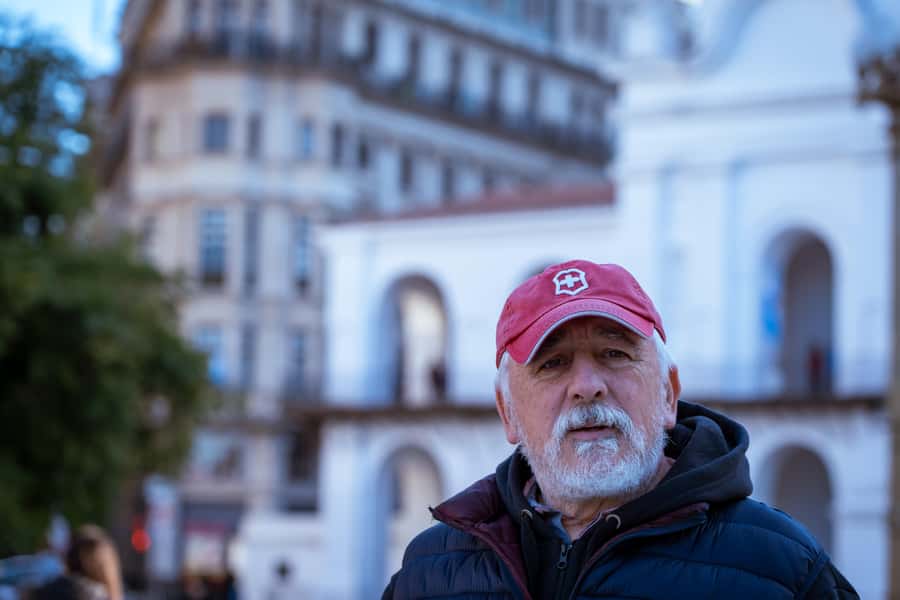
Miguel is the guide associated with this experience. His strongest qualities are his command of local history and his friendly manner. One person described him as especially attentive to questions, while another appreciated that he adjusted his Spanish so a less confident Spanish speaker could follow along. That flexibility matters because the official tour language is Spanish.
More History Tours in Buenos Aires
- Historical Sherpa Food Tour of San Telmo with Street Food, Drinks
★ 5.0 · 920 reviews - Nazis in Buenos Aires: a historical walking tour
★ 4.9 · 193 reviews - San Telmo: Historical Guided Tour with Street Food & Drinks
★ 5.0 · 87 reviews
Casa Rosada and the center of national power
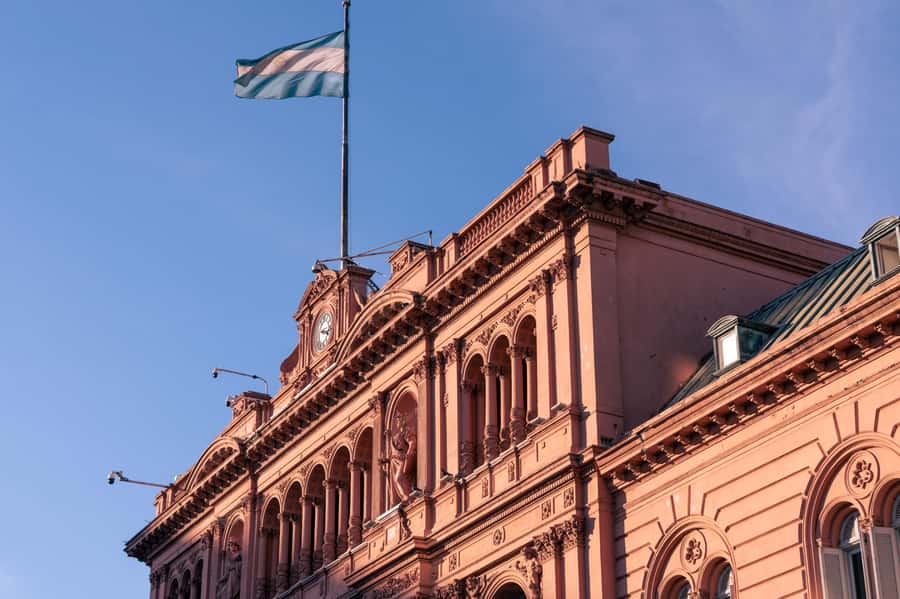
Casa Rosada is the most instantly recognizable stop. Its pink exterior faces Plaza de Mayo, and the building remains one of the clearest symbols of Argentina’s national government.
The planned stop is brief, about 10 minutes, so think of it as a guided photo stop and introduction rather than an extended interior visit. You will have time to take in the facade and hear why the building matters, but you should not expect a long museum-style exploration.
I like this short format because Casa Rosada is best understood in relation to the square around it. Your guide can point out how the building fits into the wider civic center, then move you onward before the tour becomes stuck at one famous facade.
The tradeoff is that anyone hoping for a detailed interior tour may find this portion too short. The experience is designed to cover several places, not to give Casa Rosada the entire afternoon.
The Garay Monument and Buenos Aires’ second founding
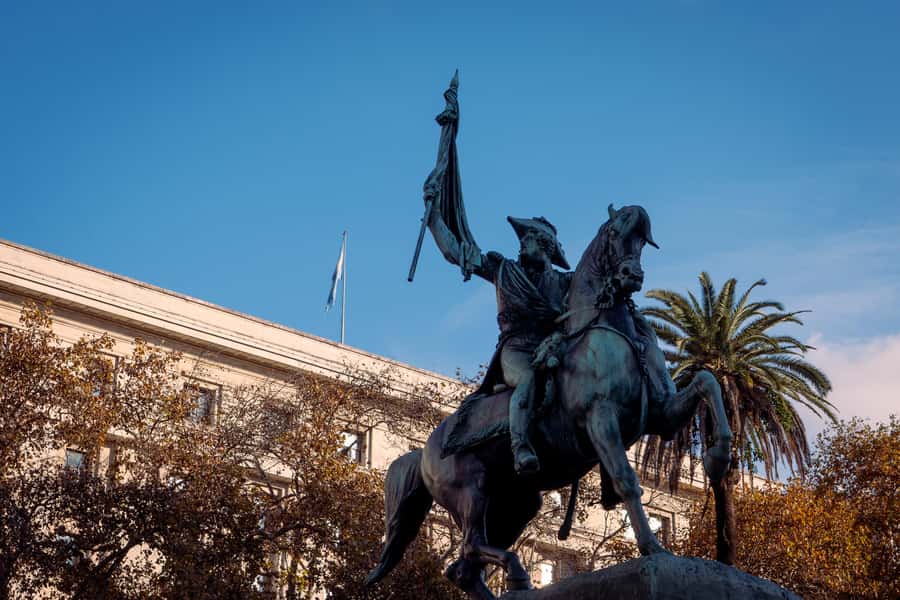
The Monumento a Juan de Garay adds an important historical layer. This spot marks Buenos Aires’ second founding, and the location offers a broad view toward the historic center.
That detail makes the stop more useful than a standard monument photo. You are not simply seeing a statue. You are being shown how the city remembers its beginnings and how its central district grew around the riverfront and civic core.
The stop lasts around 10 minutes. That is enough for an explanation, photographs, and a look at the surrounding buildings. Bring your camera, but keep your attention on the view too. The value here is the combination of monument, city setting, and historical context.
This is also one of the places where a local guide can add something that a guidebook may not. The monument itself takes only a moment to see, but the story behind it helps you understand why this particular part of Buenos Aires matters.
The Bicentennial Museum adds objects to the story
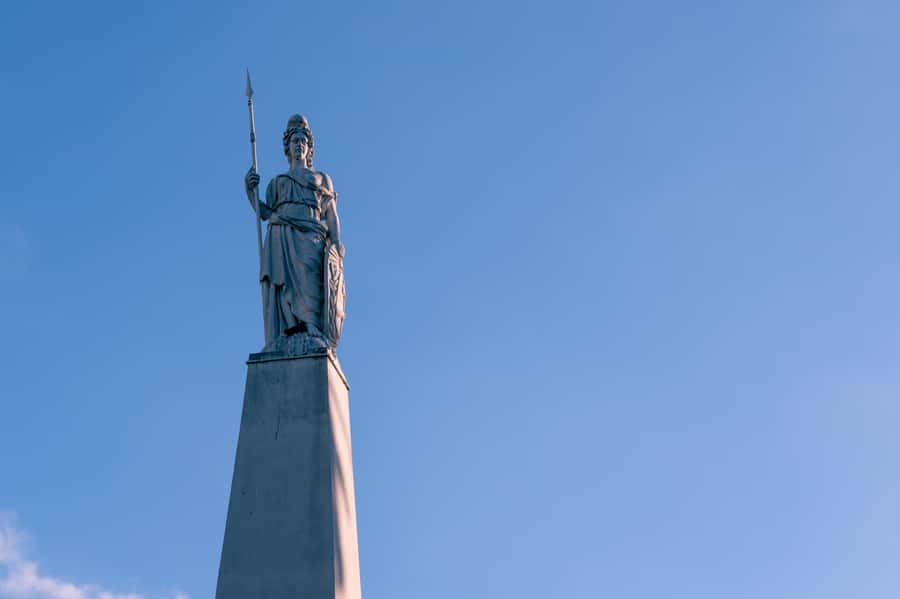
The Museo del Bicentenario gives the walking tour an indoor historical pause. You spend about 20 minutes visiting the museum, viewing objects connected with former presidents and notable works of art.
After seeing government buildings from outside, this stop gives you physical reminders of the people and events tied to Argentina’s national story. Relics and artworks can make political history easier to grasp than another spoken explanation in front of a building.
The short visit means you should expect a selected introduction rather than time to inspect every display. Your guide will likely keep the focus on the most relevant pieces and the broad story of the country.
This museum is one reason the $20 price feels fair. You are not paying only for a walk past facades. The route includes a museum visit and several opportunities to connect public architecture with national events.
A completely different kind of day:
- Local Foodie Adventure in Buenos Aires with Sherpa Food Tours
★ 5.0 · 6,875 reviews - Buenos Aires City Private Tour with Local Guide
★ 5.0 · 3,475 reviews - Buenos Aires Small-Group City Tour
★ 5.0 · 2,226 reviews - Buenos Aires Hop-On Hop-Off Bus, Free Walking Tours & Discounts
★ 4.5 · 2,218 reviews
The Metropolitan Cathedral and the Cabildo
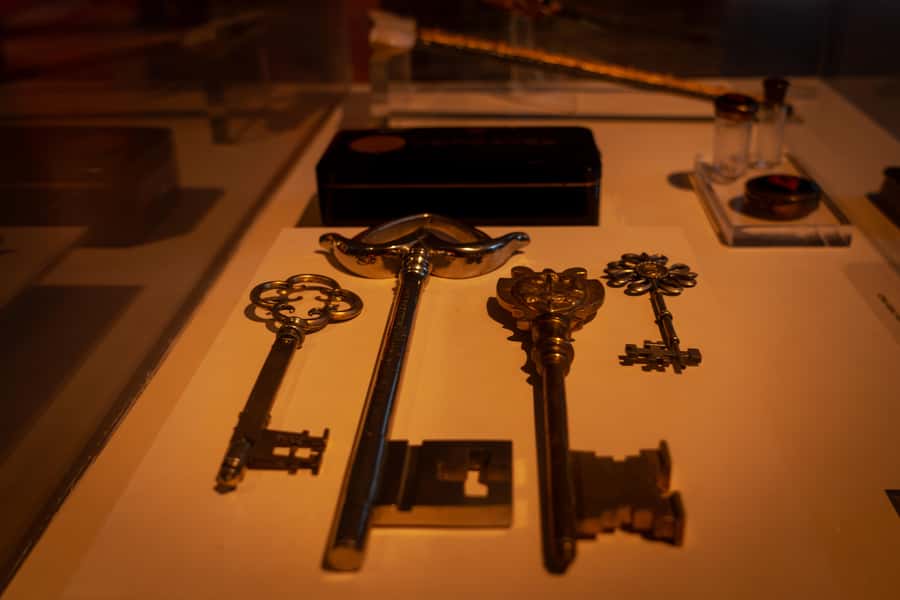
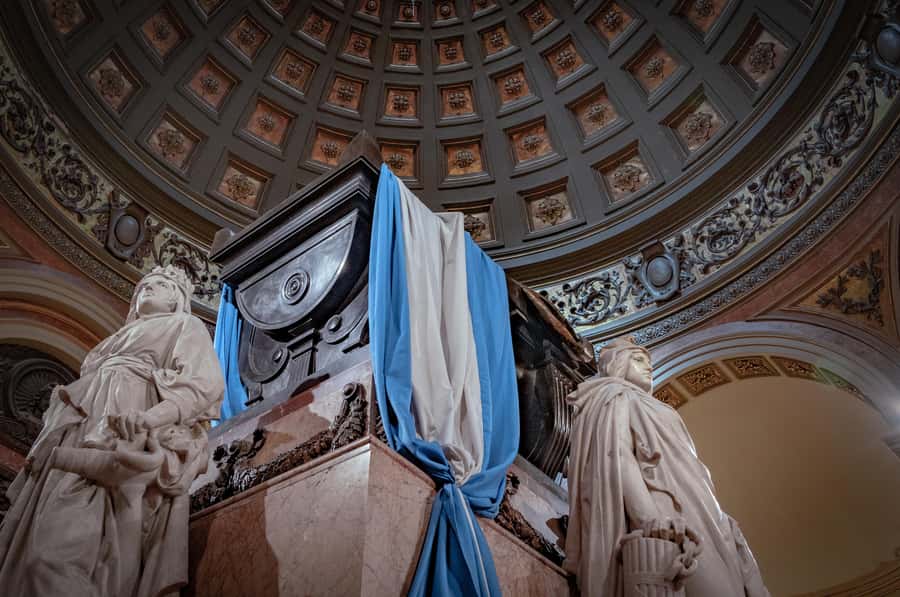
The Buenos Aires Metropolitan Cathedral is another central stop, with around 20 minutes for a visit, photographs, and guided commentary. Its position beside Plaza de Mayo makes it part of the same civic and religious picture as Casa Rosada and the Cabildo.
The Cathedral helps show that Buenos Aires’ past was shaped by more than government offices. Religious buildings, public squares, and political institutions all occupy this compact center. You will get more from the visit if you pay attention to how the Cathedral relates to the buildings around it, not only to its interior details.
Next comes the Cabildo of Buenos Aires, also scheduled for about 20 minutes. The Cabildo now serves as a museum preserving important parts of the city’s and nation’s past. It is one of the most useful stops for understanding the colonial period and the development of civic government.
The tour includes photographs, a visit, and guided explanations. That mix gives you time to see the structure while also hearing why it has an important place in Argentina’s national story.
Because the tour covers both the Cathedral and the Cabildo in a limited time, you will not get an exhaustive architectural study. Still, the pairing works well. One shows the role of religion, while the other points to colonial administration and public life.
Manzana de las Luces and the old city beneath the surface
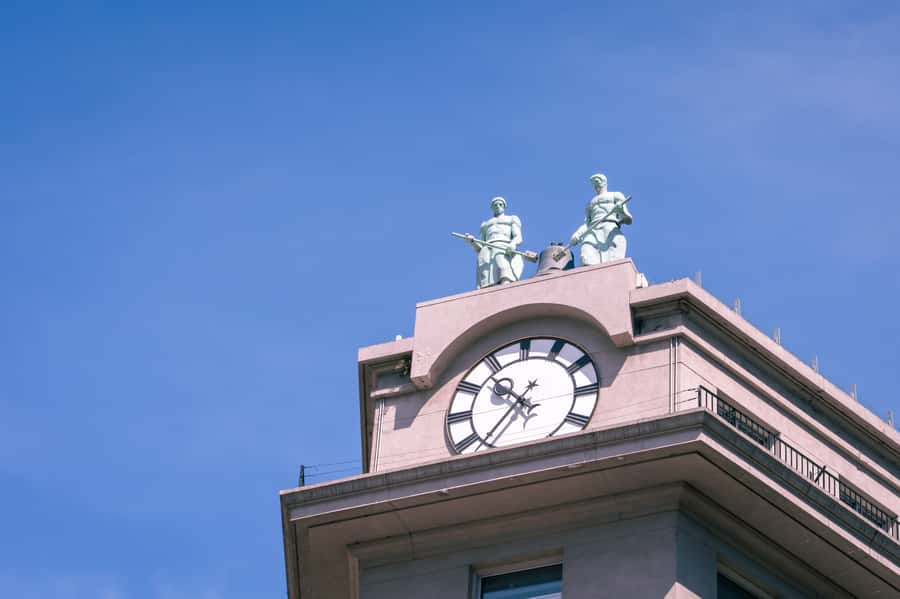
Manzana de las Luces is the final listed stop and one of the more intriguing places on the route. Its name refers to the Block of Enlightenment, a historic area associated with education, religion, and civic life.
The visit offers a change from the huge government buildings on Plaza de Mayo. Instead of focusing only on national symbols, you get a sense of the older urban fabric and the institutions that helped shape Buenos Aires.
The stop is listed at about 20 minutes and includes a photo stop, a visit, and guided commentary. Since the available details do not specify which rooms or sections will be open, keep your expectations flexible. The guide’s explanation is likely to be as important as what you see in the space itself.
This is a useful final stop because it leaves you with a broader idea of the city. Buenos Aires is not only Casa Rosada and grand avenues. Its identity also comes from older buildings, religious foundations, educational sites, and the layers of use found in the central district.
The Central Bank and the former convent
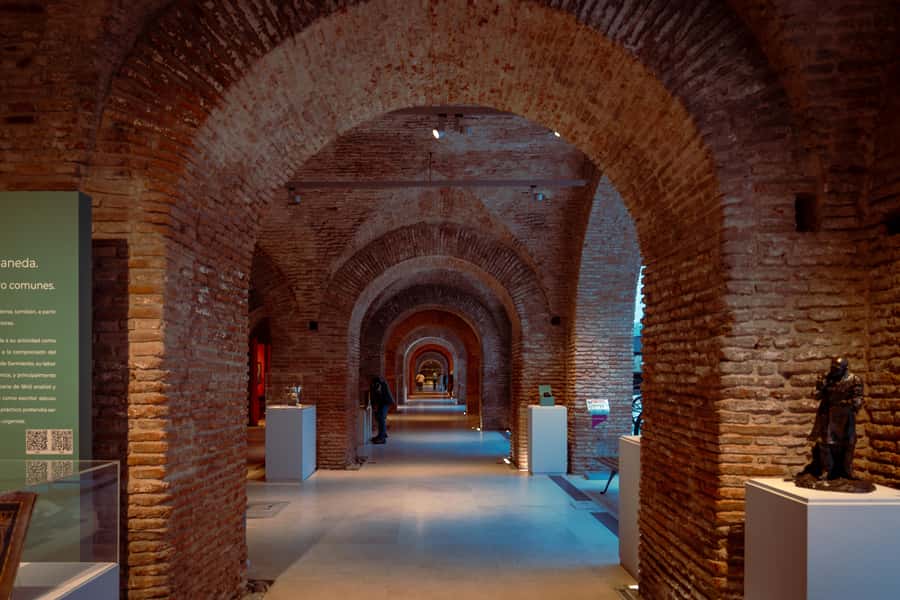
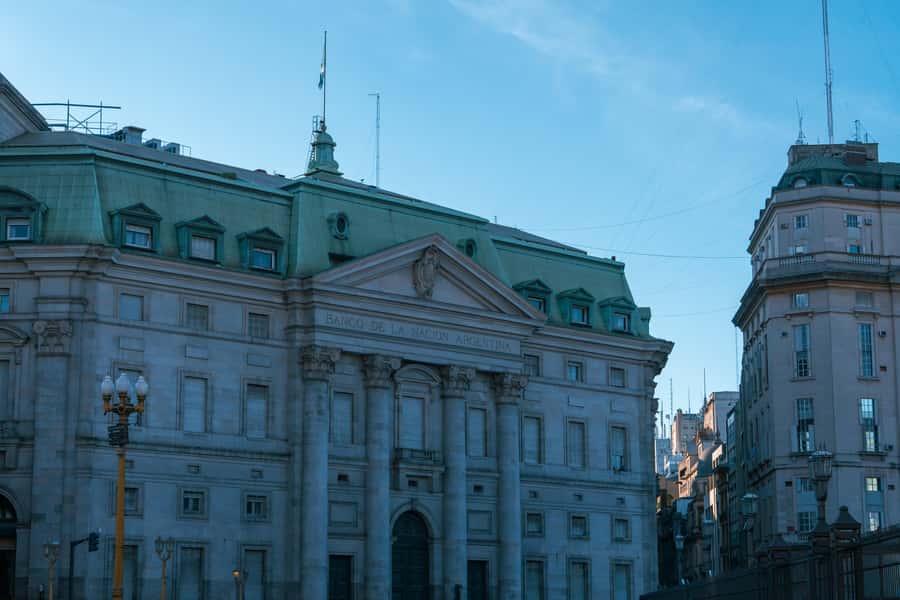
The experience also introduces the Central Bank of the Argentine Republic, a building with an unusual earlier life as the San Ramón Nonato Convent.
That change of use is exactly the sort of detail that makes a city walk worthwhile. A bank can look formal and remote from the outside, but knowing that the structure began as a convent gives it a human and historical connection.
The tour does not simply list buildings. It points out how Buenos Aires has reused important structures over time. Government offices, banks, museums, and cultural centers occupy spaces with older purposes, and those changes reflect the growth of the city.
You should not expect a long interior visit here based on the information available. Treat it as a guided exterior introduction unless your guide explains otherwise.
The former post office palace and the City Legislature
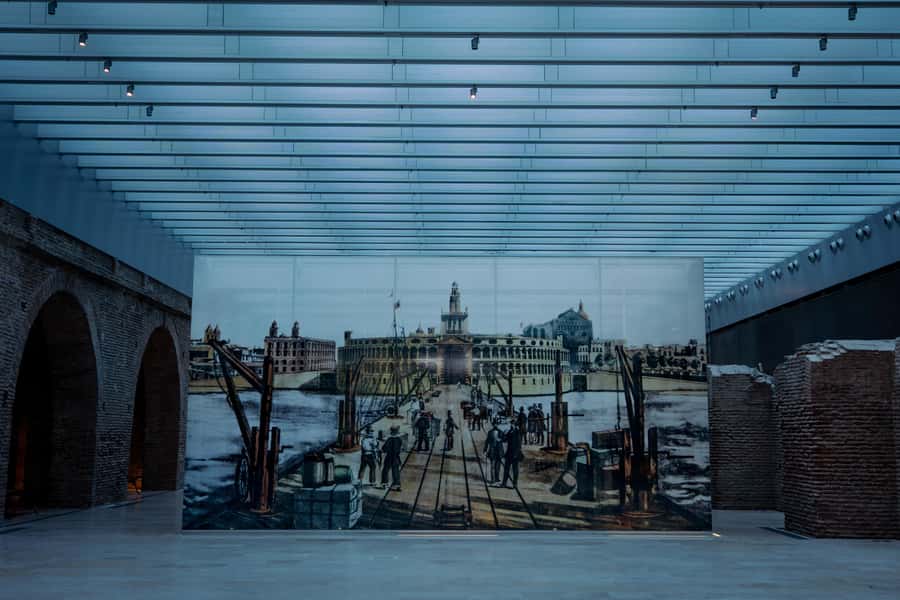
Another interesting stop is the Cultural Center, housed in what was once a grand post office palace. This building also marks the site of Buenos Aires’ second founding, connecting it with the Garay Monument and giving the route a useful historical thread.
The location offers a striking view of the historic center. That view is valuable because it lets you step back from individual buildings and see how the central district fits together.
The City Legislature adds another architectural contrast. It is known for its mix of styles and its tall clock tower, so it gives you something different from the pink government facade of Casa Rosada or the more formal mass of the Bank of the Argentine Nation.
You may pass or view some of these buildings rather than spend a long period inside each one. That is the nature of a broad city introduction. If you want detailed access to every interior, you will need more time on your own after the walk.
The National Bank, Defense Ministry, Customs House, and Comic Strip Plaza
The Bank of the Argentine Nation is another major building on the route. Its scale and formal design help explain the financial importance of the city center, while the Ministry of Defense is notable for its huge size and the views it provides.
These stops widen the tour beyond the most familiar tourist images. You see how finance, government, defense, and public administration all occupy the same central area.
The National Customs House brings the walk toward its final section. Customs is a practical part of any port city’s story, and its presence helps connect Buenos Aires with trade and national administration.
The tour concludes at Comic Strip Plaza, a lighter and more playful ending after so much civic history. This change of mood is welcome. It reminds you that Buenos Aires is not only a place of presidential buildings and political memory. Popular culture and humor have a place in the city too.
The exact order and amount of time spent at these additional sites may vary from the principal stops listed in the schedule. Ask your guide at the beginning how the day’s route will flow, especially if you have a particular building you most want to see.
What the $20 price really gets you
At $20 per person, this is a low-cost way to get your bearings in central Buenos Aires. The price includes a live guided tour, with visits or guided stops at several major sites. It does not include food, drinks, or transportation to and from your hotel.
That arrangement keeps the price down, but it also means you must make your own way to Plaza de Mayo. This is not a problem if you are already staying or sightseeing in central Buenos Aires. It is less convenient if you are coming from far outside the center and need to arrange transport first.
The value is strongest for first-time visitors who want a clear introduction before exploring alone. In two and a half hours, you see the main square, national symbols, religious buildings, museums, monuments, and several government structures.
I would not choose this tour if you want a slow architectural study or long museum visits. The route covers a lot, and the schedule gives most stops about 20 minutes. For a broad orientation at a modest price, though, it is a sensible choice.
Spanish language and guide quality
The official language is Spanish. That should be your main booking consideration.
Miguel’s ability to adjust his explanations has helped visitors with limited Spanish, and one person who accidentally booked the Spanish option said he was able to conduct the tour in English. That is encouraging, but you should not treat an English tour as guaranteed. If you need English, confirm the language before paying.
The high rating of 4.9 from 37 ratings reflects a clear pattern: people value the guide’s explanations, warmth, and personal attention. Miguel has been praised for answering questions, taking care of the group, and adding small cultural details such as mate.
For a history-heavy walk, guide quality matters more than fancy equipment. You are outside for much of the time, and the buildings are free to look at from the street. The guide is what turns the route into an understandable story.
Walking conditions, weather, and who should book
Wear comfortable walking shoes. The route includes significant walking, and the tour is not suitable for wheelchair users or people with mobility impairments.
Bring a hat, sunscreen, and water. Check the forecast before you leave because much of the experience takes place outdoors. On a hot day, water is especially important, and light clothing may make the long central-city walk more comfortable.
I would recommend this tour to:
- First-time visitors who want to understand the central sights quickly
- History fans interested in politics, religion, and city development
- Spanish speakers who want a local guide’s explanation
- Visitors who prefer walking to riding between attractions
- Budget-conscious visitors who want several sights for one modest fee
I would be more cautious about booking it for young children who tire easily, anyone with limited mobility, or anyone expecting a fully English-language tour without confirmation.
Free cancellation is available up to 24 hours before the start, and you can reserve now and pay later. Those terms are useful if your schedule or weather plans are still uncertain, but the practical details of the walk remain the same: get to Plaza de Mayo, dress for the conditions, and be ready to walk.
Should you book this Buenos Aires walk?
Book it if you want a solid first look at the city center for $20, especially if Spanish works for you and you enjoy learning through buildings, squares, and local stories.
The best reason to go is the guide. Miguel’s clear explanations and friendly attention appear to be the heart of the experience. The route also does a good job of mixing famous places with less obvious stops, so you get more than a quick Casa Rosada photo.
Skip it if you need wheelchair access, dislike outdoor walking, or want long, unhurried visits inside each museum and building. For most able walkers seeking an affordable introduction to Buenos Aires’ political and cultural center, this is a practical and worthwhile start.
FAQ
Where does the tour meet?
Meet your guide near the flagpole at Plaza de Mayo.
How long does the tour last?
The tour lasts 150 minutes, or two and a half hours.
What language is the tour in?
The tour is conducted in Spanish. Miguel has adapted explanations for some visitors with limited Spanish, and one person reported that he provided the tour in English after an accidental Spanish booking, but English service should be confirmed in advance.
What is included in the price?
A live guided walking tour is included.
Are hotel transfers, food, or drinks included?
No. Hotel pickup and drop-off, food, and drinks are not included.
What should I bring?
Bring comfortable walking shoes, a hat, sunscreen, and water. Check the weather and dress appropriately because the tour takes place outdoors.
Just added in Buenos Aires
- Discover Buenos Aires’ independent art scene — Ticket included★ 5.0 · 30 reviews
- Photo Session in Buenos Aires★ 5.0 · 26 reviews
- Yerba Mate Workshop – Learn to Drink Mate like a Local!★ 5.0 · 11 reviews
- Your Personal Photographer in Buenos Aires★ 5.0 · 24 reviews
- Your Private Photographer in Buenos Aires★ 5.0 · 4 reviews
- BA: Wine Tasting and Blending Experience in Palermo★ 5.0 · 1 review
- Winery and Tasting Experience in Buenos Aires★ 5.0 · 1 review
- Taste of Tradition: Yerba Mate & Alfajores Experience★ 4.0 · 5 reviews
Buenos Aires Tours, compared.
Local Foodie Adventure in Buenos Aires with Sherpa Food Tours
Read our review →
Buenos Aires City Private Tour with Local Guide
Read our review →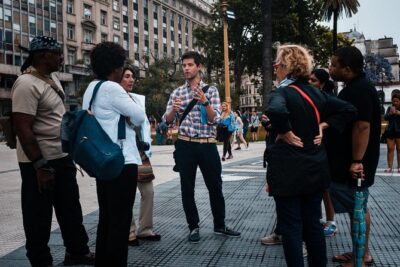
Buenos Aires Hop-On Hop-Off Bus and Exclusive Benefits
Read our review →

Argentine Experience Interactive Dining and Cooking
Read our review →Browse the lists this tour appears in