
Reviewed · ARGENTINE WINE TOURS
BA: Wine tour with 5 tasting stops in the heart of Palermo
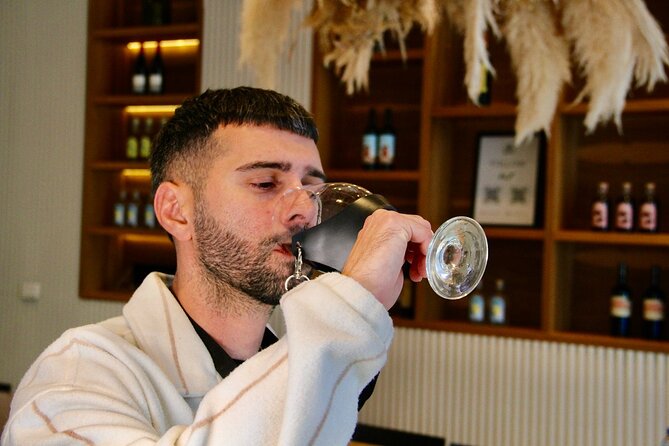
Wine makes a fine introduction to Buenos Aires. This 90-minute walk through Palermo links five tasting stops with Argentine bottles, local snacks, and a look at the country’s wine culture. I like the wide range of grapes, from Mendoza Malbec to Salta Torrontés, and I like that the tour adds food rather than treating each pour as a stand-alone drink. The main caution is structure: one recent booking found the experience loose and more like moving between bars than following a clear wine lesson.
I also appreciate the small, neighborhood-based format. You begin at the Signature Tours headquarters, then walk between venues instead of spending the whole outing in one formal tasting room. That can make Palermo feel more local and relaxed, but you should book this for an informal tasting walk, not a tightly scripted winery seminar.
In This Review
- Five Argentine wine moments to know before booking
- Starting at Signature Tours in Palermo
- Stop one: Malbec and a first taste of Argentina
- Stop two: Salta Torrontés brings a floral turn
- Stop three: Patagonian Pinot Noir changes the mood
- Stop four: Mendoza Cabernet Sauvignon adds structure
- Stop five: Salta Syrah and the final pour
- What the guide adds, and where the format may wobble
- Is $121 fair for 90 minutes?
- Who will enjoy this Palermo wine walk?
- My practical verdict on the five-stop format
- Should you book this tour?
- FAQ
- Where does the wine tour begin?
- How long does the tour last?
- Which wines are included?
- Is food included?
- Is transportation included?
- Can I cancel or pay later?
Five Argentine wine moments to know before booking
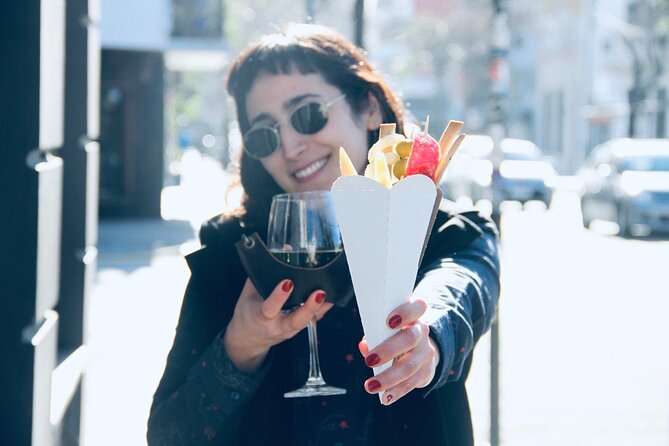
- Mendoza Malbec with cocoa hints: Expect a full, dark-fruited red that introduces Argentina’s best-known wine style.
- Salta Torrontés with floral and zesty notes: This white offers a lighter change of pace after the Malbec.
- Patagonian Pinot Noir: Look for red berry flavors and a silky texture from Argentina’s cooler southern region.
- Mendoza Cabernet Sauvignon: This is the structured red in the lineup, with firm tannins and full body.
- Salta Syrah to finish: The final pour brings dark fruit and spice, giving the tasting a bold ending.
- Palermo walks and local bites: Five stops, short walks, water, and snacks make this a social neighborhood outing as much as a wine class.
Starting at Signature Tours in Palermo
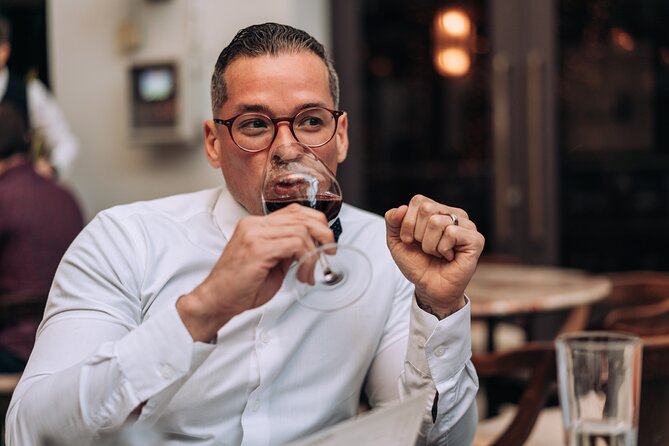
The meeting point is the Signature Tours headquarters in Palermo. This is useful for a first practical reason: you can use the restroom before setting off and leave valuables there if needed. Pickup and drop-off are not included, so you make your own way to this starting point and return from the final stop independently.
The tour is offered in English, Spanish, and Portuguese. That language choice matters during a tasting, since wine terms can get slippery even before the second glass. You can ask questions in the language that suits you best, and the guide is expected to explain Argentine wine culture along the route.
The activity is listed as wheelchair accessible. Since the route includes walking between venues, I would still confirm the meeting details and route conditions before booking if you need step-free access throughout. The supplied information does not specify the exact streets, distances, or restroom arrangements at every stop.
At 90 minutes, this is a short introduction rather than a full afternoon of wine study. That compact schedule suits you if you want a taste of Argentine wine before dinner or between Palermo plans. It is less suitable if you want long conversations with producers, vineyard scenery, or time to linger over each glass.
More Food and Wine Tastings in Buenos Aires
- Local Foodie Adventure in Buenos Aires with Sherpa Food Tours
★ 5.0 · 6,875 reviews - Argentine Experience Interactive Dining and Cooking
★ 5.0 · 1,382 reviews - Cooking Class Designed by Michelin Chef @ Argentine Experience
★ 5.0 · 1,123 reviews
Stop one: Malbec and a first taste of Argentina
The opening tasting focuses on Malbec from Mendoza, the country’s most famous wine region. The description points to deep flavors and cocoa hints, which gives you a useful reference point for the rest of the session.
Mendoza sits at the center of Argentina’s wine identity, and Malbec is the bottle most people want to understand before leaving the country. Here, the point is not simply to drink a red wine. You get a starting marker: dark fruit, weight, and the cocoa-like character often associated with a generously flavored Malbec.
The first stop also includes street food. That pairing is important because food changes the way wine feels. A bold red can seem softer beside a salty or savory bite, while the snack gives the guide a chance to explain how Argentines enjoy wine at the table.
You should expect the first stop to set the pace. If the guide gives a clear introduction, this is where you learn how the tasting works and what details to notice. One recent booking praised the guide and the quality of the wine, so the human side of the experience can make a real difference here.
Stop two: Salta Torrontés brings a floral turn
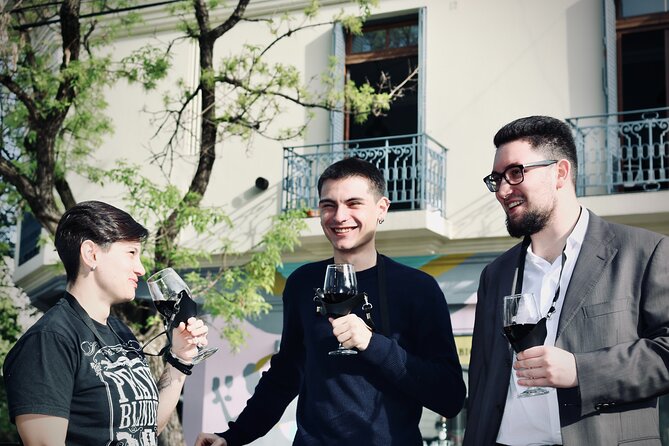
The second wine is Torrontés from Salta, a white grape with a very different personality from Malbec. Its floral bouquet and zesty notes provide a clean contrast to the darker Mendoza red.
I like this pairing in the lineup because it prevents the tasting from becoming five similar heavy reds. You move from a broad, dark style to something fragrant and lively. Even if you usually reach for red wine, Torrontés gives you a better sense of how much Argentina’s wine regions and grapes can vary.
The route includes a walk of about 15 minutes between stops. That is long enough to reset your palate and see a little of Palermo, but it also takes up a meaningful part of a 90-minute activity. The stated timing is worth keeping in mind: five tasting stops and several walks leave limited room for long presentations.
The exact serving size is not provided, so do not assume five large glasses. The experience includes wine, snacks, and water, but it does not spell out the volume or number of food portions. If you want to keep tasting rather than drinking, ask the guide about pacing.
Stop three: Patagonian Pinot Noir changes the mood
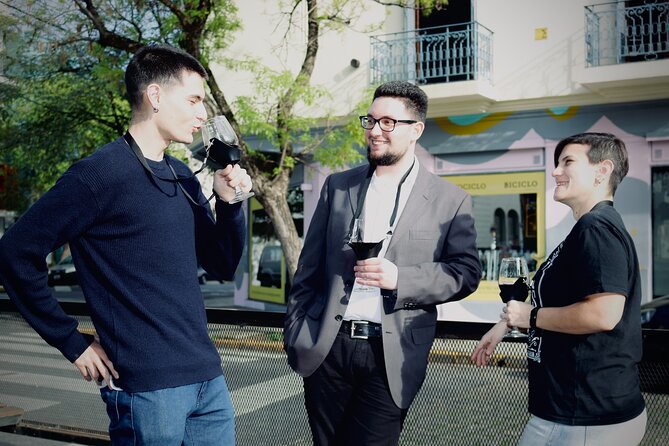
The third stop introduces Pinot Noir from Patagonia. The profile given is red berry fruit with a silky texture, making it another useful change from the first two wines.
Patagonia adds geographic range to the tour. You are not tasting only the familiar Mendoza style. This bottle points south, to a cooler wine region, and gives the guide a chance to explain how place and climate affect a grape that is often associated with lighter texture and bright fruit.
This is the kind of stop that rewards attention to feel rather than strength. Instead of asking only whether you like it, notice how the wine moves across your palate. The red berry character should feel more lifted than the dark, cocoa-toned Malbec, while the silky texture gives it a smooth finish.
A 15-minute walk is listed before this part of the route. I see that as both a benefit and a limitation. It helps break up the drinking and adds a neighborhood element, but the tour may feel hurried if each guide explanation is detailed. The experience works best when you accept that you are sampling, not conducting a serious comparison of vintages.
More Wine Tours in Buenos Aires
- Authentic Rooftop Asado Experience with Argentine Wine Pairing
★ 5.0 · 274 reviews - Bodega Gamboa Small-Group Wine Tasting Tour with Lunch
★ 5.0 · 212 reviews - Buenos Aires Small-Group Wine Tasting
★ 5.0 · 193 reviews - Buenos Aires: Wine Tasting and Lunch at Bodega Gamboa
★ 4.8 · 177 reviews
Stop four: Mendoza Cabernet Sauvignon adds structure
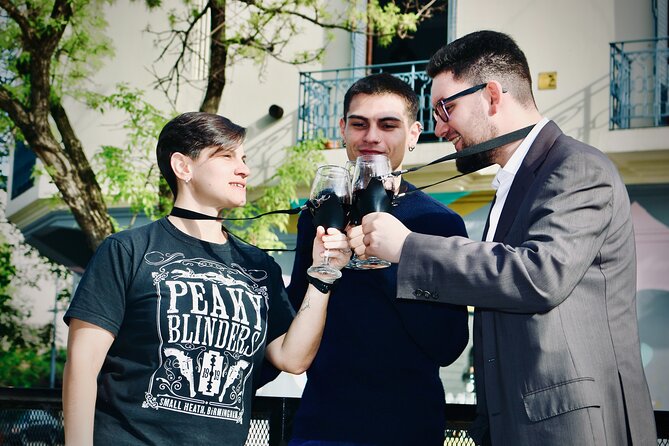
The fourth wine is a Mendoza Cabernet Sauvignon. This is the firmest red in the stated selection, with rich fruit and structured tannins.
For you, this is a chance to compare two important Mendoza grapes. Malbec is often the softer, rounder introduction, while Cabernet Sauvignon brings more grip and shape. The distinction may be subtle in a fast tasting, but a good guide can point out how tannins affect the finish and why this wine feels more organized and firm.
This stop is described as a guided winery visit with tasting. The information does not name the winery or provide a producer profile, so I would not book expecting a behind-the-scenes cellar tour or a meeting with a winemaker. You are getting a guided stop and a pour, with the value resting heavily on the explanation.
If you prefer gentle reds, this may be the challenging glass of the session. That is not a flaw. A varied tasting should include a wine that tests your preferences. Water is included, and using it between pours will help you judge the Cabernet on its own terms.
Stop five: Salta Syrah and the final pour

The last stated wine is Syrah from Salta, described as bold, dark-fruited, and spicy. It gives the tasting a strong finish rather than ending on a delicate white or light red.
I like the logic of this final bottle. After Malbec, Torrontés, Pinot Noir, and Cabernet Sauvignon, Syrah adds another red style without repeating the same profile. Its darker fruit and spice should make the final glass memorable, though it may feel heavy if you have not used the water or snacks along the way.
The final stop is also listed as a guided visit and tasting. The route information indicates another 15-minute walk around the stops, though it does not clarify exactly where every walk falls. Since the tour has five venues, the pace may depend on how close the businesses are and how much time the group spends at each one.
One recent booking had a particularly unusual moment at El Piano Rojo, where an opera singer was practicing and performing a beautiful version of the Toreadors March. That was not presented as a guaranteed part of the tour, so do not book specifically for a performance. Still, it shows the sort of unplanned neighborhood moment that can make an informal route more memorable than a polished tasting room.
What the guide adds, and where the format may wobble
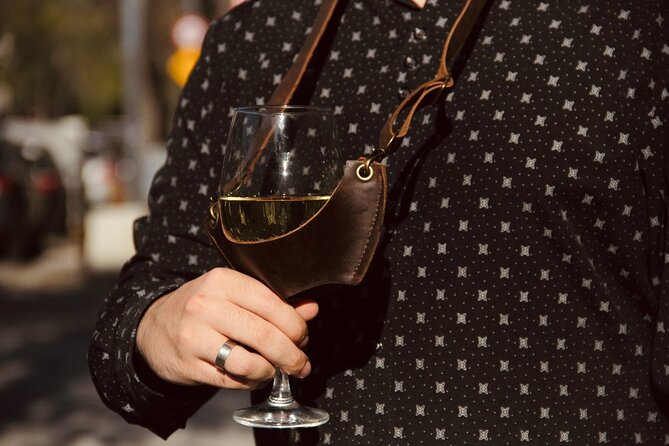
The guide is meant to explain Argentine wine culture, the main growing regions, and the differences among the grapes. The supplied information does not provide the guide’s name, but one verified booking praised the guide’s wine knowledge and the quality of the pours.
That positive note matters because this experience depends on presentation. Five glasses alone do not teach you much. The guide needs to connect Mendoza, Salta, and Patagonia, explain the grape styles, and help you taste rather than simply move from one venue to the next.
There is also a clear warning to consider. Another verified booking found little structure and described the outing as walking around the neighborhood from one bar to another for a glass or two. That criticism does not cancel the good experience, but it tells you what to ask before you go: how formal is the presentation, how many pours are served at each stop, and how much time is spent walking?
The current rating is 3.9 from three reviews, so the sample is very small. I would treat it as an early signal rather than a final verdict. The split between a top score and a low score suggests that expectations matter. People seeking friendly wine sampling may enjoy it more than people seeking a polished educational program.
Is $121 fair for 90 minutes?

At $121 per person, this is not a cheap way to drink wine. The value depends on what is included beyond the liquid: five venues, a guide, local bites, water, neighborhood walks, and a tasting spread that covers several Argentine regions.
The price makes more sense if you want convenience. You do not need to research five wine bars, choose bottles, organize a route, or work out which grapes represent Argentina. You also get a ready-made comparison of five styles in one short session.
The price is harder to justify if you mainly want generous pours or a long winery visit. The activity lasts only 90 minutes, the walking takes time, and no pickup or drop-off is included. I would compare the cost with the value of the guide and the variety, not with the amount of wine alone.
Book now and pay later is available, and you can cancel up to 24 hours ahead for a full refund. Those terms help if your Palermo plans are still shifting, but they do not change the basic question: do you want a guided tasting route or a relaxed drink at one venue?
Who will enjoy this Palermo wine walk?
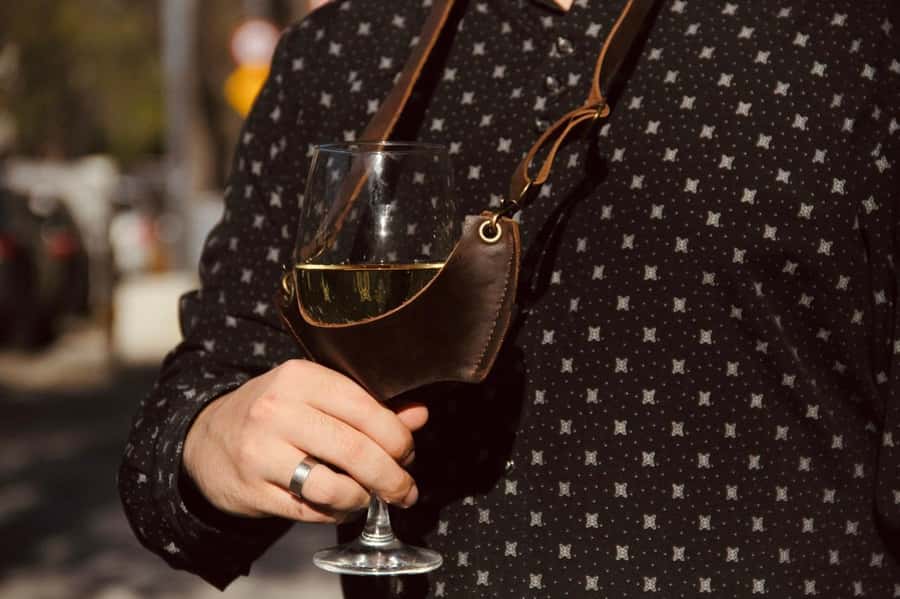
I would suggest this tour to an adult who wants a fast, organized introduction to Argentine wine. It suits first-time visitors who know Malbec but want to understand Torrontés, Pinot Noir, Cabernet Sauvignon, and Syrah in the same sitting.
It is also a good match for a small group with mixed wine experience. Beginners can use the guide’s explanations as a starting point, while more experienced drinkers can compare the regional styles and decide which bottles to seek out later.
You should be comfortable with a walking-based format and some uncertainty about how formal each stop will feel. If you want a quiet tasting table, a named vineyard, or a detailed lesson on vintages and winemaking equipment, this may not meet your hopes.
The tour is for adults age 18 and older. Children under 18 are not suitable for the activity. English, Spanish, and Portuguese are offered, and wheelchair access is listed, though the walking route is worth confirming if mobility support is important to you.
My practical verdict on the five-stop format
The best feature is the range. You get a broad snapshot of Argentina in five glasses: dark and familiar Malbec, floral Torrontés, smooth Patagonian Pinot Noir, structured Cabernet Sauvignon, and spicy Salta Syrah. The snacks and water keep the tasting grounded, and the Palermo setting adds a sense of place.
The weak point is the clock. Five venues in 90 minutes can feel brisk, especially when walks are part of the route. The experience may be excellent with a strong guide, but less satisfying if the introductions are brief and the stops feel like ordinary bars.
Ask yourself what kind of afternoon you want. If you want variety, local food, and a guide-led walk with the possibility of an unexpected moment such as live opera practice at El Piano Rojo, I think the tour is worth considering. If you want a carefully staged wine class, spend more time at one serious tasting venue instead.
Should you book this tour?
Book it if variety and convenience matter more to you than a formal winery visit. The five wines cover useful ground, and the Palermo route gives you a quick way to learn what Argentine regions can put in a glass.
Skip it if you dislike loose scheduling or feel that $121 requires a highly polished presentation. Before paying, confirm the meeting time, walking pattern, and level of instruction. Go in expecting a social tasting walk, not a vineyard excursion, and you will have the fairest measure of its value.
FAQ
Where does the wine tour begin?
It begins at the Signature Tours headquarters in the Palermo neighborhood. You can use the restroom there and leave valuables if necessary.
How long does the tour last?
The stated duration is 90 minutes. Starting times vary, so you need to check availability when choosing a date.
Which wines are included?
The tasting includes a Mendoza Malbec, Salta Torrontés, Patagonian Pinot Noir, Mendoza Cabernet Sauvignon, and Salta Syrah.
Is food included?
Yes. Local snacks are included, along with wine and water. The experience also includes a street-food stop.
Is transportation included?
No. Pickup and drop-off are not included. You are responsible for reaching the Palermo meeting point and making your own way back afterward.
Can I cancel or pay later?
You can cancel up to 24 hours before the activity for a full refund. Reserve now and pay later is also available, so you do not have to pay at the time of booking.
Just added in Buenos Aires
- Discover Buenos Aires’ independent art scene — Ticket included★ 5.0 · 30 reviews
- Photo Session in Buenos Aires★ 5.0 · 26 reviews
- Your Private Photographer in Buenos Aires★ 5.0 · 4 reviews
- Yerba Mate Workshop – Learn to Drink Mate like a Local!★ 5.0 · 11 reviews
- Your Personal Photographer in Buenos Aires★ 5.0 · 24 reviews
- Winery and Tasting Experience in Buenos Aires★ 5.0 · 1 review
- Taste of Tradition: Yerba Mate & Alfajores Experience★ 4.0 · 5 reviews
- BA: Wine Tasting and Blending Experience in Palermo★ 5.0 · 1 review
Argentine Wine Tours, compared.
All Day, Small Group, Luxury Wine Tour with Gourmet Lunch
Read our review →

Argentine Experience: Immersive Dinner & Wine Pairing in Iguazú
Read our review →
Browse the lists this tour appears in