
Reviewed · ARGENTINE FOOD AND WINE TASTINGS
BA: Small-Group Empanadas Cooking Class in Palermo
Good food makes Buenos Aires easier to understand. This 90-minute class gives you hands-on practice with Argentine empanadas, plus a taste of mate tea and local food customs. I like the small maximum of 12 people, which should give you more help than a large demonstration class, and I like that you choose between meat and vegetarian fillings. The main drawback is that some kitchen steps may still feel too general, especially when the meat is prepared, and basic hygiene instructions and aprons may not be part of the setup.
The class meets at Gorriti 4886 in Palermo, a neighborhood location near public transportation. At $46 per person, the price is fair if you value instruction, ingredients, drinks, and a full plate of what you make, but it is less attractive if you only want a quick snack and a recipe to take home.
In This Review
- Key points at a glance
- Why empanadas are such a good Buenos Aires lesson
- Starting at Gorriti 4886 in Palermo
- Meeting the native host and choosing your filling
- Preparing the dough and filling
- Folding the empanadas by hand
- Cooking, tasting, and sharing the result
- Mate tea and the cultural side of the class
- How much value do you get for $46?
- Practical concerns before you book
- Who will enjoy this Palermo cooking class?
- Should you book the empanadas class?
- FAQ
- Where does the empanadas cooking class start?
- Where does the activity end?
- How long does the cooking class last?
- How many people can join the class?
- Can I choose a vegetarian empanada?
- Are ingredients and drinks included?
- What is the cancellation policy?
Key points at a glance
- You make and eat your own empanadas: The class covers preparation, cooking, and the best part, eating the finished food.
- Pick meat or vegetarian filling: Your choice makes the class workable for different diets and preferences.
- A maximum of 12 people: This keeps the setting more personal than a big food demonstration.
- Mate is part of the experience: You can try Argentina’s famous herbal infusion while learning about local food culture.
- The class lasts about 90 minutes: It fits neatly into a Palermo sightseeing day without taking over your schedule.
- One session also included alfajores: This extra sweet treat has been part of at least one class, but it should not be treated as guaranteed.
Why empanadas are such a good Buenos Aires lesson
An empanada is simple food with a lot packed inside. The name refers to dough wrapped around a filling, and the dish is eaten across South America in many forms. Argentina has made the empanada a daily staple, served at home, in casual restaurants, and as a quick bite.
That makes this class more useful than a cooking lesson built around an elaborate restaurant dish. You are learning something you can recognize all over Buenos Aires. After the class, you will have a better sense of what goes into one of the country’s most common foods.
The session focuses on the Argentine style rather than presenting empanadas as a single universal recipe. Your native host explains the steps and the small techniques that help the dough hold together. That practical focus matters. Folding and sealing look easy until the filling pushes against the edges or the dough splits in your hands.
You also get to taste the result immediately. I prefer classes that let you eat what you prepare because the finished dish gives each instruction a purpose. You are not simply watching a cook work and then receiving a separate meal.
More Food and Wine Tastings in Buenos Aires
- Local Foodie Adventure in Buenos Aires with Sherpa Food Tours
★ 5.0 · 6,875 reviews - Argentine Experience Interactive Dining and Cooking
★ 5.0 · 1,382 reviews - Cooking Class Designed by Michelin Chef @ Argentine Experience
★ 5.0 · 1,123 reviews
Starting at Gorriti 4886 in Palermo
The class begins at Gorriti 4886, C1414BJN, in Buenos Aires. The meeting point is near public transportation, and transportation itself is not included, so plan your route before the start time. A mobile ticket is provided, which makes it easy to keep the booking on your phone.
The activity ends back at the same meeting point. That is convenient if you are staying in Palermo or planning to continue exploring nearby, but it also means you should allow time to reach the address before the scheduled start. This is not a walking tour with hotel pickup.
Palermo is a practical setting for a food class. You can pair the lesson with a neighborhood walk before or after it. Since the class lasts about an hour and a half, it works well in the middle of a day rather than requiring a full morning or afternoon.
One useful planning point is demand. The experience is booked, on average, 33 days ahead. You may not need to reserve that early for every date, but this is a sign that you should not leave it until the last day of your Buenos Aires stay, especially if your schedule is tight.
Meeting the native host and choosing your filling
A professional native host leads the class. Catarina has been identified as an instructor, and Catalina and Tomás have also hosted a session, with Tomás helping as an assistant. Names and staffing can vary, but the important point is that the class is designed around direct instruction rather than a self-guided recipe sheet.
Early in the session, you choose between meat and vegetarian empanadas. This is a useful feature for mixed groups. You do not have to watch someone else make the food while you sit out, and the choice gives you a clear say in what you will eat.
The supplied information does not describe every filling or seasoning, so you should not expect a detailed menu in advance. The useful question is simply to decide which option suits you and your companions before the class begins.
The group limit is 12 people. That is small enough to create the possibility of personal help, but it is not a private lesson. If all 12 places are filled, you may still need to wait briefly for assistance during the busiest kitchen steps. One piece of direct criticism points to this issue, particularly during the meat preparation, where a more individual explanation would have helped.
That is a fair expectation to carry into the class. You will receive guidance, but do not assume the host can stand beside you for every fold and cut.
Preparing the dough and filling
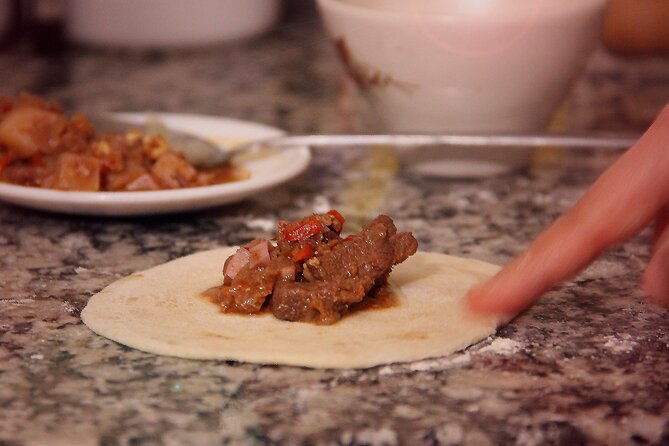
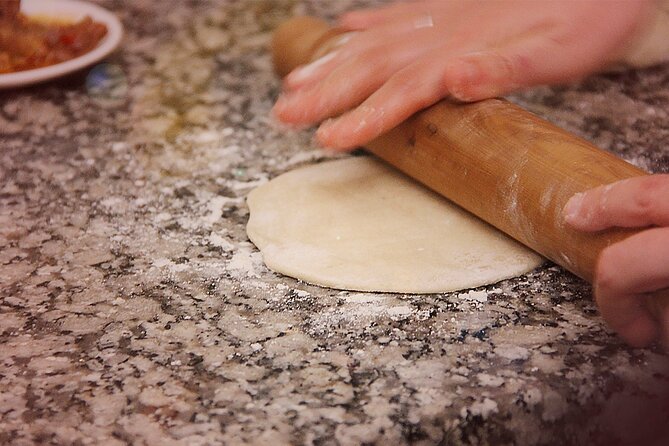
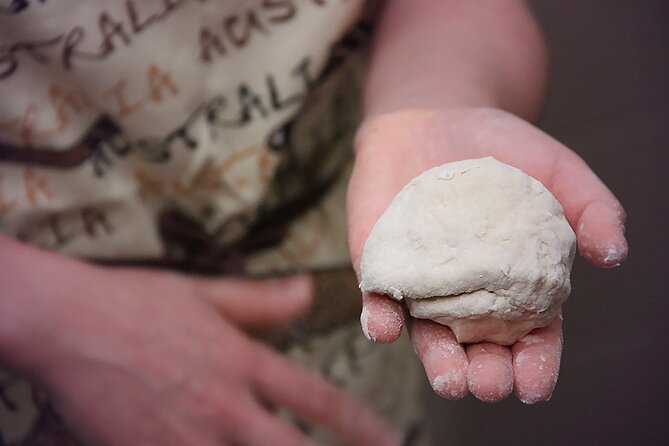
The cook guide takes you through the preparation step by step. You learn the techniques used to create the Argentine version, including how to handle the dough and build the filling before cooking.
This is where the class earns its price. Ingredients are included, so you are paying for more than a taste. You are paying for the chance to handle the food, make mistakes, and receive corrections while the recipe is still in front of you.
The class is described as suitable for the whole family, but the information does not specify an age range or child-focused activities. Families should treat that as a general welcome rather than a promise of special equipment or a separate children’s lesson.
If you select meat, pay close attention during that part of the preparation. The available feedback points to less individual instruction around the meat than some people would want. A good approach is to ask questions early, especially if you want to understand seasoning, portion size, or how firmly the filling should be packed.
The vegetarian option makes the class more flexible, but the exact ingredients are not listed. If you have a serious allergy or a strict dietary requirement, confirm details with the provider before booking. The available information confirms the meat or vegetarian choice, but not every ingredient or cross-contamination procedure.
A completely different kind of day:
- Buenos Aires City Private Tour with Local Guide
★ 5.0 · 3,475 reviews - Buenos Aires Small-Group City Tour
★ 5.0 · 2,226 reviews - Buenos Aires Hop-On Hop-Off Bus, Free Walking Tours & Discounts
★ 4.5 · 2,218 reviews - Buenos Aires: Piazzolla Tango Show with Optional Dinner
★ 4.4 · 2,122 reviews
Folding the empanadas by hand
Folding is likely to be the most hands-on part of the lesson. The host shows you how to place the filling, close the dough, and seal the edge. This is the point where an empanada changes from a circle of dough into a recognizable Argentine snack.
You may find that the technique takes more patience than expected. Too much filling can make the seal fail. Too little leaves you with a thin, disappointing bite. The value of having a cook in front of you is that you can see the correct motion rather than trying to copy a photograph later.
The class promises instruction in the secrets and techniques of the dish, but the specific folding style is not identified. Do not book this expecting a formal culinary-school lesson with a detailed printed curriculum. It is a short, friendly introduction built around one popular food.
A small group helps here. With 12 or fewer people, the host can watch the general progress of the table. Still, you may need to raise your hand or ask directly for help. This is one reason I would choose a seat where you can clearly see the demonstration.
Cooking, tasting, and sharing the result
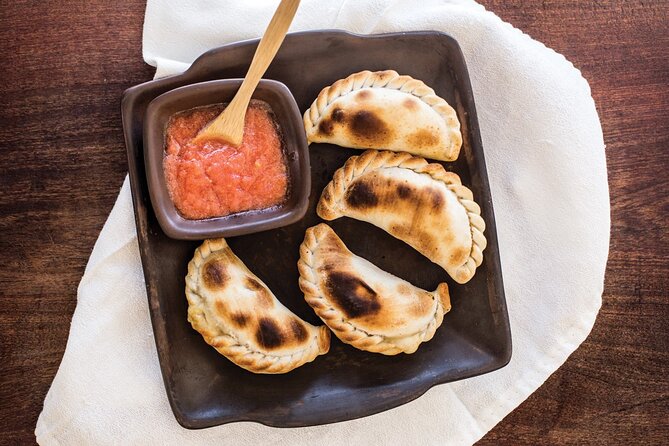
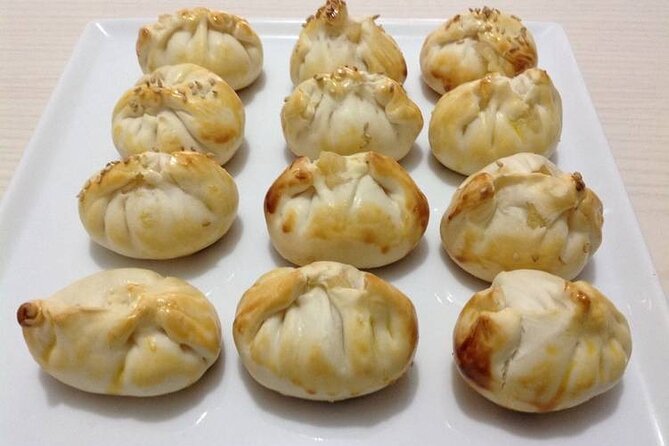
Once the empanadas are prepared, they are cooked and served for you to eat. All of the snacks you make are included, so the meal is not an afterthought. You leave having tasted the result of your own work.
The experience is brief, which keeps the food preparation focused. It also means the class may move at a steady pace. You will not have hours to repeat the same technique or prepare several different fillings. If you want a broad cooking course, this will feel limited. If you want a compact introduction to a staple Argentine dish, the format makes sense.
One particularly pleasant variation has included alfajores, the popular Argentine sandwich cookie. They were not listed as a standard inclusion, so I would regard them as a possible bonus rather than part of the guaranteed program. If they appear, they add a sweet finish to a class already centered on savory food.
The main food is the reliable part of the plan: ingredients are supplied, your chosen empanadas are cooked, and you eat what you make. That clear connection between work and meal gives the class its appeal.
Mate tea and the cultural side of the class
Coffee and tea are included, along with mate, Argentina’s most famous infusion. Mate is made from dried yerba mate leaves and is closely linked with everyday social life in the country. The drink can taste grassy and bitter at first, but trying it in a food setting makes the experience more approachable.
The class uses mate as more than a beverage. It adds cultural context to the cooking and gives you another way to connect the dish with Argentine daily life. You may learn how locals view the infusion and why it matters, although the exact amount of cultural explanation is not specified.
If you have never tried mate, keep an open mind. It is not sweet tea, and it may not be an instant favorite. That is part of the point. Food experiences are often most useful when they let you try something in its normal setting rather than adjusting everything to familiar tastes.
Coffee and tea are also included, so you have alternatives. The listing does not promise a particular coffee style or a full drinks menu.
How much value do you get for $46?
At $46 per person, this is not the cheapest way to eat empanadas in Buenos Aires. You can buy the finished snack elsewhere for much less. The price makes sense because the class includes ingredients, a professional native host, cooking instruction, mate, coffee or tea, and the food you prepare.
The strongest value is the combination of meal and activity. You get a guided cultural experience in Palermo, not simply a plate delivered to the table. For a first visit to Buenos Aires, that can make the cost worthwhile.
The value is also better for people who enjoy participation. If you like learning a recipe, asking questions, and working with your hands, the 90-minute session should feel full. If you are mainly hungry and want the best bargain empanada, spend the money at a bakery or casual restaurant instead.
The group size helps protect the value. A maximum of 12 people is intimate enough for a class format, although the experience is not guaranteed to feel fully individualized. The criticism about meat preparation and missing aprons is worth noting. You may want to wear clothes that can handle a little flour or filling, since aprons are not listed as included.
Practical concerns before you book
The experience offers free cancellation if you cancel at least 24 hours before the start time. Within 24 hours, you receive no refund, and changes made during that period are not accepted. The cut-off follows local Buenos Aires time, so check the time zone before making a last-minute change.
You should also arrive ready to cook. Ingredients are included, but transportation and tips are not. Since the meeting point is near public transportation, you can make your own way there, but the provider does not collect you from your hotel.
Hygiene is one area where you may want to take personal care. One negative account specifically noted that participants were not asked to wash their hands before starting. I would wash my hands on arrival and ask about the kitchen routine if that matters to you.
The absence of included aprons is another small but practical issue. Wear something comfortable and avoid clothing you would be upset to mark with flour or filling. The class is short, so you do not need a special outfit, just sensible clothes.
The overall rating is 4.6 from 16 reviews, which suggests a strong response but also a small sample. I would read that as encouragement, not a guarantee that every session will have the same instructor, pace, or extras.
Who will enjoy this Palermo cooking class?
This experience suits you if you want a social, hands-on activity that fits between sightseeing plans. It is especially useful for people visiting Buenos Aires for the first time because empanadas and mate are both central to the food experience presented here.
Families can consider it because the activity is described as suitable for all ages, though no child-specific details are provided. Couples and friends may also like the simple format, since you can compare meat and vegetarian versions and eat together afterward.
The class is a good match for vegetarians because you can select a vegetarian empanada instead of being limited to the meat option. It may also suit cautious eaters who want to try Argentine food in a familiar format, since an empanada is easy to understand even if the filling is new.
You may want to skip it if you need a highly technical lesson, strict dietary control, or a private instructor. The small group improves the odds of personal attention, but it does not remove the limits of a shared class.
Should you book the empanadas class?
I would book this class if you want more than a meal and like the idea of learning one Argentine staple from a native host. The combination of a 12-person limit, meat or vegetarian choice, mate, and the chance to eat everything you prepare gives the experience a clear purpose.
I would book it early because it is commonly reserved well ahead, and I would arrive with realistic expectations. This is a short Palermo cooking lesson, not an intensive professional course. Ask questions during the meat preparation, wash your hands before beginning, and wear clothes that do not need an apron to stay spotless.
At $46, the class offers fair value for a participatory food experience. Choose it for the cooking, local context, and shared meal. Skip it if your only goal is the lowest-cost empanada in Buenos Aires.
FAQ
Where does the empanadas cooking class start?
The class starts at Gorriti 4886, C1414BJN, in Buenos Aires. The meeting point is near public transportation.
Where does the activity end?
The activity ends back at the meeting point on Gorriti 4886.
How long does the cooking class last?
The experience lasts approximately 1 hour and 30 minutes.
How many people can join the class?
The maximum group size is 12 travelers.
Can I choose a vegetarian empanada?
Yes. You can choose between meat and vegetarian empanadas.
Are ingredients and drinks included?
Yes. Empanada ingredients, a professional native host, coffee or tea, and mate are included.
What is the cancellation policy?
You can cancel at least 24 hours before the start time for a full refund. Cancellations or changes made less than 24 hours before the experience are not accepted and are not refunded.
Just added in Buenos Aires
- Discover Buenos Aires’ independent art scene — Ticket included★ 5.0 · 30 reviews
- Photo Session in Buenos Aires★ 5.0 · 26 reviews
- Your Private Photographer in Buenos Aires★ 5.0 · 4 reviews
- Yerba Mate Workshop – Learn to Drink Mate like a Local!★ 5.0 · 11 reviews
- Your Personal Photographer in Buenos Aires★ 5.0 · 24 reviews
- BA: Wine Tasting and Blending Experience in Palermo★ 5.0 · 1 review
- Winery and Tasting Experience in Buenos Aires★ 5.0 · 1 review
- Taste of Tradition: Yerba Mate & Alfajores Experience★ 4.0 · 5 reviews
Argentine Food and Wine Tastings, compared.
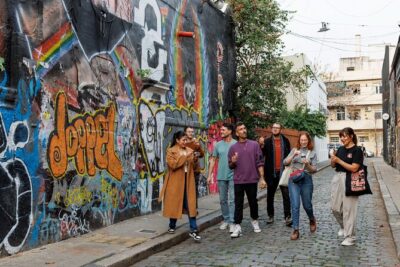
Local Foodie Adventure in Buenos Aires with Sherpa Food Tours
Read our review →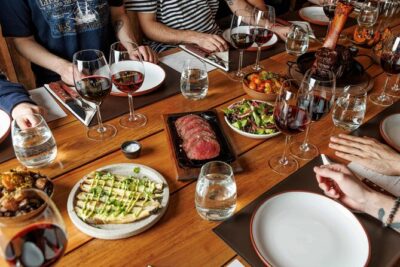
Argentine Experience Interactive Dining and Cooking
Read our review →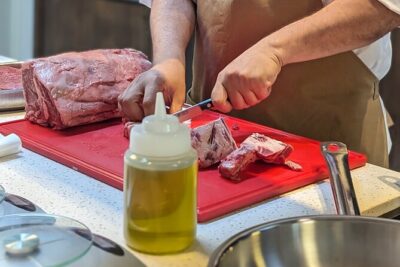
Cooking Class Designed by Michelin Chef @ Argentine Experience
Read our review →
Historical Sherpa Food Tour of San Telmo with Street Food, Drinks
Read our review →
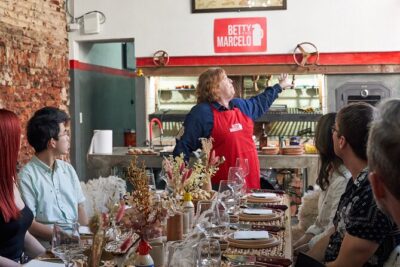
Join a Local Family Asado in Buenos Aires with Betty and Marcelo
Read our review →
Browse the lists this tour appears in