
Reviewed · ARGENTINE WINE TOURS
BA: Small group Argentinian Wines and Malbec Tasting in Palermo
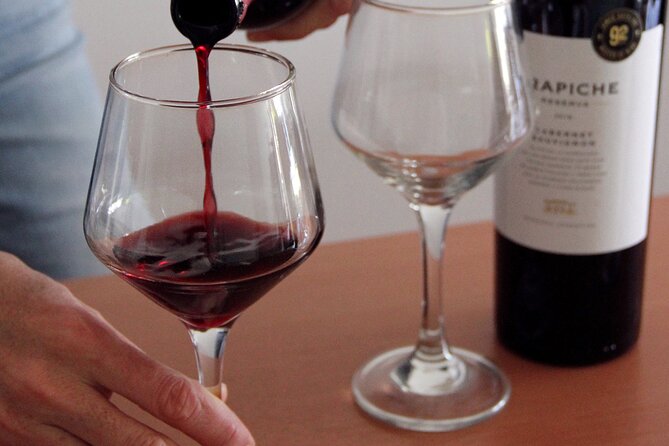
Wine tells Argentina’s story in small pours. This Palermo tasting brings together bottles from Mendoza, Patagonia, and Salta, so you can compare the country’s main wine regions without leaving Buenos Aires. I like the tight maximum of 12 people, and I like that a local sommelier leads the tasting instead of leaving you to guess what is in your glass.
The main caution is the uneven feedback. The experience carries a 4.7 rating, and 92 percent of bookers recommend it, but one very negative account complained about an unprofessional presentation and poor value. At $54 for about two hours, the guide and the quality of the explanation matter just as much as the wine.
In This Review
- Key points at a glance
- Starting at Gorriti 4882 in Palermo
- Why the small group matters
- Reading Argentina through Mendoza, Patagonia, and Salta
- Malbec gets the spotlight, but not the whole stage
- Traditional snacks give the wine context
- What the two-hour format really gives you
- Is $54 a fair price in Buenos Aires?
- Who will enjoy this Palermo tasting most
- Practical booking advice for the 6:00 pm start
- Should you book this wine tasting?
- FAQ
- How long does the Argentinian wine tasting last?
- What time does the tasting begin?
- Where does the activity start?
- Where does the tasting end?
- Which Argentine wine regions are included?
- Is transportation included?
Key points at a glance

- Three Argentine wine regions in one sitting: Compare Mendoza, Patagonia, and Salta as part of a compact introduction to the country’s wine map.
- Malbec is only the beginning: The tasting gives Argentina’s famous red its proper place while pointing you toward other styles and grapes.
- Maximum 12 people: A small group should make it easier to hear the sommelier and ask questions.
- Traditional snacks are included: The food gives the tasting something savory to work with and adds a local touch.
- Convenient Palermo location: Meet at Gorriti 4882 at 6:00 pm, near public transportation, and finish at the same place.
- Good but not risk-free value: The 4.7 rating and 92 percent recommendation are strong, but the single harsh complaint is worth keeping in mind.
Starting at Gorriti 4882 in Palermo
The evening begins at 6:00 pm at Gorriti 4882 in Palermo. The meeting point is near public transportation, which matters in Buenos Aires because you can reach the tasting without paying for a private transfer or arranging a complicated pickup.
There is no hotel pickup or drop-off. You need to make your own way there, and you return to the same meeting point at the end. That setup is simple, but you should allow enough time to find the address, especially if you are coming from another part of the city.
Palermo is a practical setting for a food and wine evening. You can make the tasting part of a larger night out, though you should not treat the two-hour activity as a full dinner unless the snacks happen to be enough for you. The food is described as traditional Argentine snacks, not a complete meal.
The start time also works well for an evening plan. At 6:00 pm, you can use the tasting as an early dinner stop or as the first activity before continuing elsewhere in Palermo. Since the tour ends where it starts, you are not left trying to locate a new address after a few glasses of wine.
More Food and Wine Tastings in Buenos Aires
- Local Foodie Adventure in Buenos Aires with Sherpa Food Tours
★ 5.0 · 6,875 reviews - Argentine Experience Interactive Dining and Cooking
★ 5.0 · 1,382 reviews - Cooking Class Designed by Michelin Chef @ Argentine Experience
★ 5.0 · 1,123 reviews
Why the small group matters
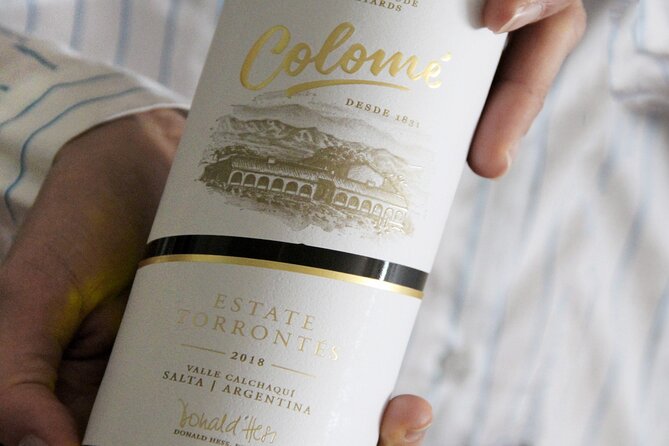
The group is limited to 12 people. That is not private-tour intimacy, but it is small enough to make a real difference in a guided tasting.
A large room filled with people can turn wine instruction into a one-way speech. With 12 or fewer, you have a better chance of hearing the sommelier, following the explanation, and asking about a wine that catches your attention. The group size also keeps the session from feeling like a crowded bar event.
I would pay attention to this feature if you are new to wine. You do not need to arrive with technical vocabulary or a polished opinion. A small setting gives you room to ask basic questions without feeling that you are slowing down a large group.
It also helps more experienced drinkers. You can focus on how the wines differ by region rather than waiting through a long, general introduction. The benefit depends heavily on the guide, however, which is why the mixed feedback about presentation should not be ignored.
Reading Argentina through Mendoza, Patagonia, and Salta
The central idea is regional comparison. You taste wines from Mendoza, Patagonia, and Salta, using the glass as a way to understand Argentina’s oenological map.
Mendoza is the name most people connect with Argentine wine, and Malbec is the star of the country’s international reputation. That makes Mendoza an important reference point for the tasting. You can expect the sommelier to use Malbec as the familiar starting place before showing that Argentine wine is not limited to one grape or one area.
Patagonia adds a different regional point of comparison. Its inclusion broadens the session beyond the best-known wine center and reminds you that Argentina produces wine across a large territory. You are not simply tasting several bottles from the same area under different labels.
Salta gives the tasting a third regional marker. The point is not just to sample isolated wines, but to connect each bottle with a place. That approach has practical value: after the activity, you will have a better idea of what to look for when you see Argentine wine on a restaurant list or in a shop.
The exact order of the tasting and the individual bottles are not specified. That is important. You should expect a regional selection rather than a fixed list of named vintages, producers, or grape varieties beyond the clear focus on Malbec.
Malbec gets the spotlight, but not the whole stage
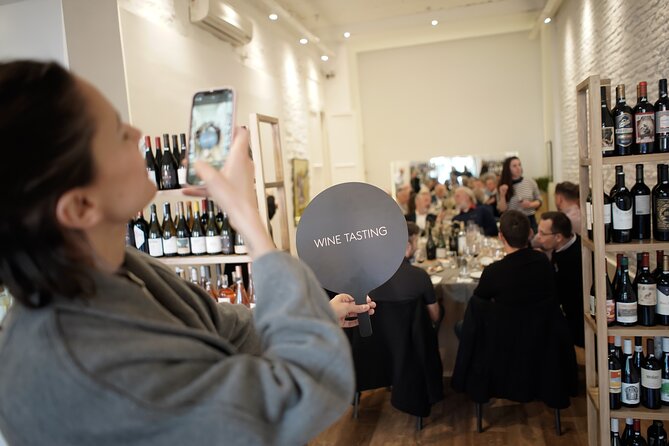
Malbec is the star here, and rightly so. It gives you a clear entry point into Argentine wine, especially if you already know the name but want to understand why it matters in Argentina.
The useful part is the promise of something beyond Malbec. The session is designed to show that Argentina offers more than its most famous red. The sommelier can place Malbec within a wider national picture and introduce other wines from the featured regions.
Do not book this expecting a technical certification class. The experience lasts about two hours, and the format is a guided tasting with snacks. It is better suited to building confidence, learning basic regional differences, and finding styles you may want to explore later.
I also like that the tasting is framed around understanding each wine, not simply drinking several glasses. That wording suggests the guide should explain how the wines fit into Argentina’s production map. The quality of that explanation will shape the evening more than the number of pours.
More Wine Tours in Buenos Aires
- Authentic Rooftop Asado Experience with Argentine Wine Pairing
★ 5.0 · 274 reviews - Bodega Gamboa Small-Group Wine Tasting Tour with Lunch
★ 5.0 · 212 reviews - Buenos Aires Small-Group Wine Tasting
★ 5.0 · 193 reviews - Buenos Aires: Wine Tasting and Lunch at Bodega Gamboa
★ 4.8 · 177 reviews
Traditional snacks give the wine context
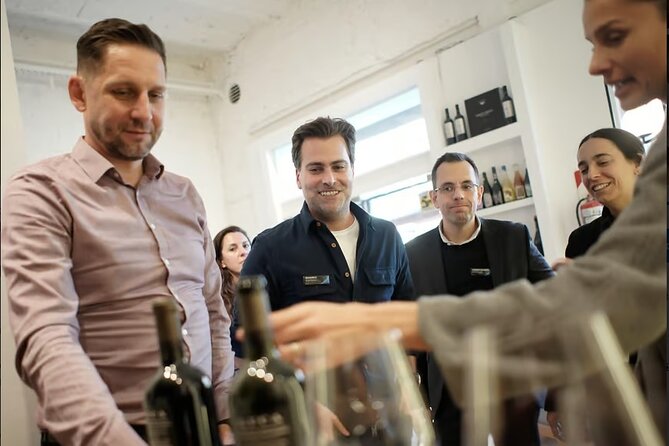
Food is included, in the form of traditional Argentine snacks. That is a small detail with a useful purpose. Wine tastes different when paired with something savory, and snacks keep the evening from becoming a string of glasses on an empty stomach.
The available information does not specify the snacks, their quantity, or whether they can replace dinner. Plan on light food, not a full Argentine meal. If you need a substantial dinner, schedule one before or after the tasting.
The snacks also add a local element that a plain wine seminar would miss. You get a better sense of the evening as an introduction to Argentine eating and drinking, not just a lesson in grape names.
If you have dietary restrictions, ask the provider before booking. No specific dietary arrangements are stated, so you should not assume that substitutions are available.
What the two-hour format really gives you
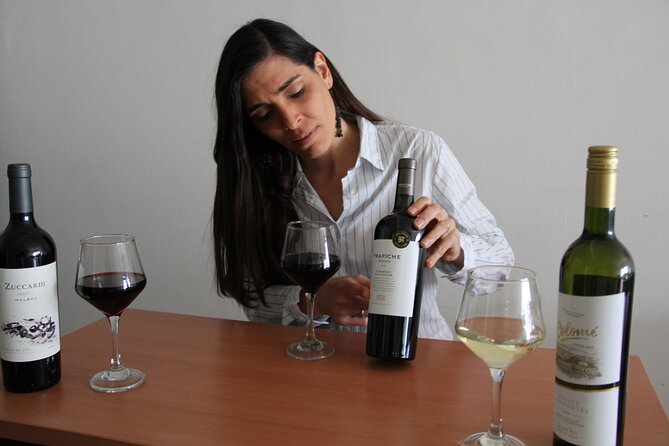
Two hours is a sensible length for a tasting. It gives the sommelier enough time to introduce the regions, pour a selection, explain Malbec, and leave room for questions without turning the night into a long lecture.
The short format is especially useful if you have limited time in Buenos Aires. You can fit the activity into an evening in Palermo and still have time for another meal or plan afterward. The tradeoff is that the experience cannot cover every major Argentine region, producer, and grape in detail.
Think of it as a guided first look. You should leave with a clearer sense of the difference between a regional tasting and a random flight of wines. You should not expect an exhaustive education in Argentine viticulture.
The small group helps the two-hour schedule feel less rushed. With 12 people at most, the sommelier can potentially keep the pace conversational. Still, one negative account describes the presenter as looking unprepared and calls the experience embarrassing. That complaint is much harsher than the overall score, but it points to the one part of the experience you cannot judge from the itinerary alone: the standard of the presentation on your particular evening.
Is $54 a fair price in Buenos Aires?
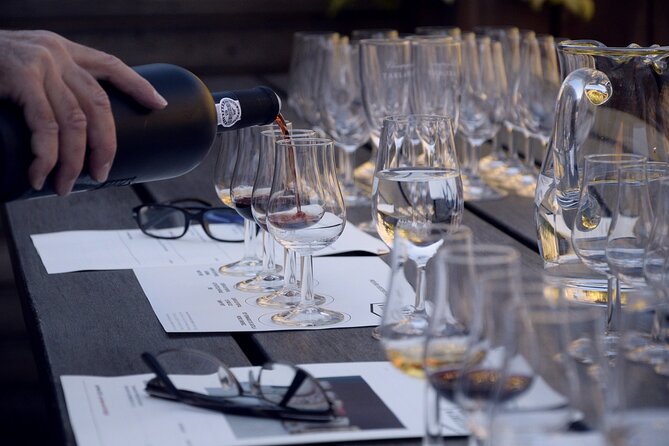
The price is $54 per person. For about two hours, that works out to roughly $27 per hour, with wine, snacks, an alcoholic beverage service, and a professional local guide included.
That is reasonable if the wines are well chosen and the sommelier gives you useful regional context. You are paying for more than the liquid in the glass. You are paying for the selection, the explanation, the setting, and the chance to ask questions in a small group.
The price is less attractive if you only want to drink Malbec. Buenos Aires has many places where you can order Argentine wine without paying for a guided experience. This activity earns its price when you want help understanding what you are tasting.
Tips are not included. Hotel transportation is not included either, so your final cost will be higher if you need taxis or rides to reach Palermo. On the other hand, the nearby public transportation connection keeps the logistics manageable.
The 4.7 rating from 12 ratings and the 92 percent recommendation point toward solid value overall. The sample size is still small, so I would treat those numbers as encouraging rather than conclusive. The single 1 out of 5 account is a reminder to book this for the educational experience, not just for the promise of premium bottles.
Who will enjoy this Palermo tasting most
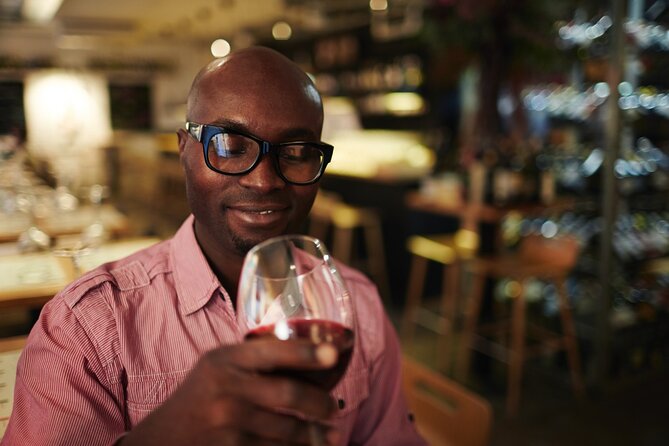
I would recommend this experience to you if you fit one of these profiles:
- You want a guided introduction to Argentine wine without spending half a day outside Buenos Aires.
- You enjoy Malbec but want to learn what else Argentina produces.
- You prefer a small group to a large food tour or crowded tasting room.
- You want an evening activity in Palermo that includes light local food.
- You like asking questions and learning from a sommelier rather than choosing bottles at random.
It is also a good fit for couples and small groups who want a focused start to the evening. The two-hour length keeps the commitment modest, and the return to Gorriti 4882 makes it easy to continue your night nearby.
I would be more cautious if you want a full meal, a private tasting, a detailed producer-by-producer study, or a guaranteed list of specific wines. None of those features is promised.
Practical booking advice for the 6:00 pm start
The activity is often booked about 14 days ahead. That does not prove it sells out every night, but it suggests you should reserve before arriving if the timing matters to you.
Confirmation is provided when you book. The maximum group size is 12, and most people can participate. No special fitness requirement is stated, but the information does not give detailed accessibility guidance, so ask the provider if you have specific mobility needs.
Free cancellation is available if you cancel at least 24 hours before the 6:00 pm start time. Cancellations made within 24 hours are not refunded, and changes inside that window are not accepted. The cutoff follows Buenos Aires local time, so check the clock carefully if you are booking from another country.
I would also arrive with an open mind about the wine selection. Mendoza, Patagonia, and Salta are named regions, but the exact bottles are not. The value comes from the comparison and the guide’s explanation, not from a promised vintage list.
Should you book this wine tasting?
I would book it if you want a compact, social introduction to Argentine wine in Buenos Aires. The combination of a 12-person limit, regional wines from three parts of Argentina, traditional snacks, and a local sommelier gives the evening a clear purpose.
I would skip it if you are mainly seeking dinner or a luxury wine event. The food is only described as snacks, and the mixed account of the presentation means there is some risk that the guide will not deliver the polished instruction you expect for $54.
For most wine-curious visitors, the balance looks favorable. Book ahead, plan your own transportation to Gorriti 4882, and judge the experience by the quality of the regional explanation rather than by Malbec alone.
FAQ
How long does the Argentinian wine tasting last?
The experience lasts approximately two hours.
What time does the tasting begin?
It begins at 6:00 pm local time.
Where does the activity start?
The meeting point is Gorriti 4882, C1414BJN, in Buenos Aires, Argentina.
Where does the tasting end?
The activity ends back at the meeting point.
Which Argentine wine regions are included?
The tasting includes wines from Mendoza, Patagonia, and Salta.
Is transportation included?
No. Hotel pickup and drop-off are not included, but the meeting point is near public transportation.
Just added in Buenos Aires
- Discover Buenos Aires’ independent art scene — Ticket included★ 5.0 · 30 reviews
- Photo Session in Buenos Aires★ 5.0 · 26 reviews
- Your Private Photographer in Buenos Aires★ 5.0 · 4 reviews
- Yerba Mate Workshop – Learn to Drink Mate like a Local!★ 5.0 · 11 reviews
- Your Personal Photographer in Buenos Aires★ 5.0 · 24 reviews
- BA: Wine Tasting and Blending Experience in Palermo★ 5.0 · 1 review
- Winery and Tasting Experience in Buenos Aires★ 5.0 · 1 review
- Taste of Tradition: Yerba Mate & Alfajores Experience★ 4.0 · 5 reviews
Argentine Wine Tours, compared.
All Day, Small Group, Luxury Wine Tour with Gourmet Lunch
Read our review →


Argentine Experience: Immersive Dinner & Wine Pairing in Iguazú
Read our review →
Browse the lists this tour appears in