
Reviewed · ARGENTINE WINE TOURS
BA: Premium Argentinian Wines and Malbec Tasting in Palermo
Wine tells Argentina’s story. This two-hour Palermo tasting brings together Malbec, Torrontés, and Pinot Noir from regions such as Mendoza, Patagonia, and Salta. I like the clear focus on Argentine grapes, and I like the small group size, capped at 12 people, which should give you more time with the sommelier.
The price is $53 per person, a fair deal if the wine discussion and setting meet expectations. The main caution is that this is held in an apartment rather than a polished wine bar, and the food may be closer to cheese and snacks than a full spread of tapas.
In This Review
- Key points to know before you book
- What this Palermo wine tasting is really like
- The three wines: Malbec, Torrontés, and Pinot Noir
- Malbec from Argentina
- Torrontés, Argentina’s aromatic white
- Pinot Noir from Patagonia
- The Argentine picada is a snack, not dinner
- An apartment setting in Palermo
- How much personal attention will you get?
- What you can learn about Mendoza, Patagonia, and Salta
- Is $53 a fair price?
- Who should book this experience?
- Practical details that matter
- Should you book the Palermo wine tasting?
- FAQ
- How many wines are included?
- What wine regions are discussed?
- Is food included?
- Is this a full meal?
- Where does the experience start?
- What time does it begin?
- How large is the group?
- Is hotel transportation included?
Key points to know before you book
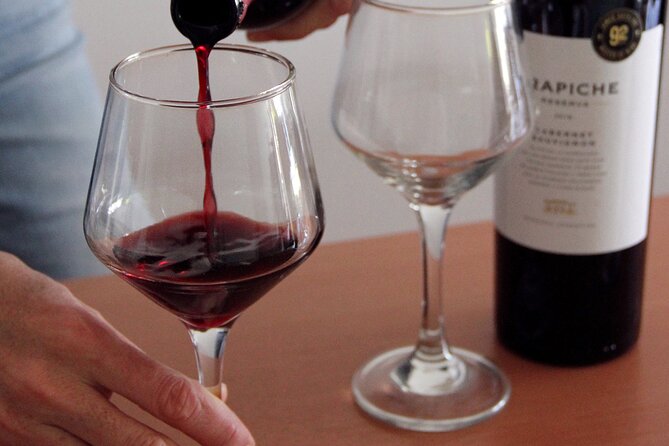
- Three wines are included: Malbec, Torrontés, and Pinot Noir, with Malbec as the main attraction.
- The tasting covers three wine regions: Mendoza, Patagonia, and Salta, giving you a useful introduction to Argentina’s varied wine production.
- Food is simple: Expect a typical Argentine picada with local cheeses, olives, peanuts, or similar small snacks rather than a meal.
- The venue is an apartment in Palermo: This creates an intimate, almost private setting, but it may not match expectations for a stylish bar.
- The group limit is 12 people: A small crowd can make it easier to ask questions and talk directly with the guide.
- The experience begins at 6 p.m.: It ends back at Gorriti 4882, with no hotel pickup or drop-off.
What this Palermo wine tasting is really like
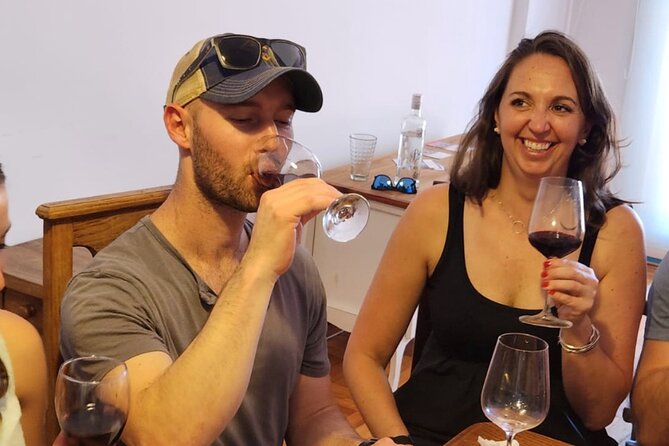
This experience is built around a simple idea: taste Argentina through three wines and a plate of local snacks. You meet at Gorriti 4882 in Palermo at 6 p.m., then settle in for roughly two hours of guided tasting.
The setting is important. This is not presented as a large commercial wine hall or a formal restaurant dinner. It takes place in an apartment in one of Palermo’s better areas. The intimate setting may feel personal and relaxed, especially if your group is small.
That same informality can work against the experience. A couple of people have found the apartment plain rather than attractive, and one person reported a strong cooking-grease smell. You should book this expecting a home-style room, not a candlelit cocktail lounge.
The host or sommelier leads the session in English, although the guide may be multilingual. You will taste each wine while learning about Argentina’s principal wine areas and the grapes being served. The experience is best understood as an introduction, not an advanced certification course.
More Food and Wine Tastings in Buenos Aires
- Local Foodie Adventure in Buenos Aires with Sherpa Food Tours
★ 5.0 · 6,875 reviews - Argentine Experience Interactive Dining and Cooking
★ 5.0 · 1,382 reviews - Cooking Class Designed by Michelin Chef @ Argentine Experience
★ 5.0 · 1,123 reviews
The three wines: Malbec, Torrontés, and Pinot Noir
The tasting includes three wines. That number matters, since some earlier promotional wording appears to have created an expectation of five. Based on the current details, you should plan on three: one Malbec, one Torrontés, and one Pinot Noir.
Malbec from Argentina
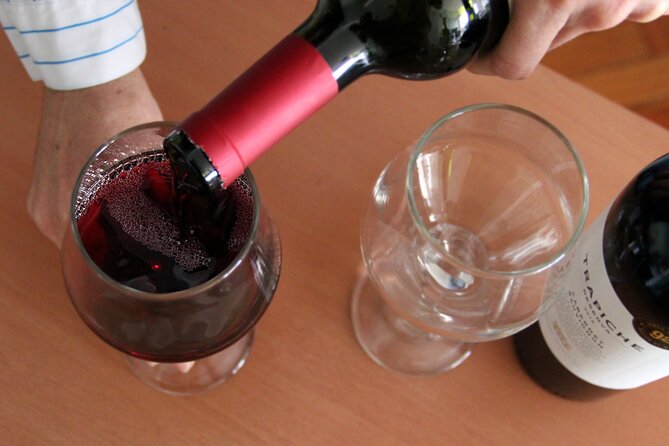
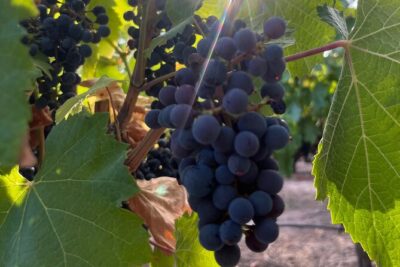
Malbec is the obvious centerpiece. Argentina made this grape famous with fruit-forward reds from Mendoza, and tasting it in Buenos Aires gives you a useful connection between the capital and the country’s best-known wine region.
The session is meant to show why Malbec matters to Argentine food and culture. You will not simply drink a glass and move on. The guide discusses the wine within the larger story of Argentina’s wine regions and production.
The quality is the main uncertainty. The experience uses authentic wines from traditional Argentine wineries, but that does not necessarily mean rare or expensive bottles. One low rating strongly objected to the use of the word premium and felt the wines were inexpensive. If you are expecting collector-level Malbec, this may disappoint you.
I would set a more modest expectation: you are paying for a guided introduction, not for three luxury bottles. The value rests on the explanation, the chance to compare grapes, and the social setting.
Torrontés, Argentina’s aromatic white
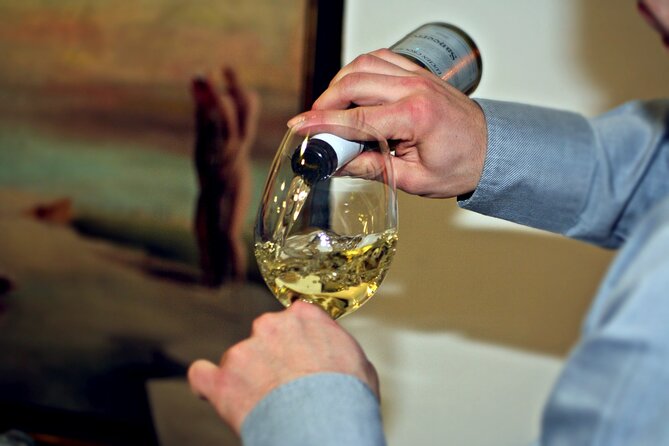
Torrontés gives the tasting a welcome change of pace. It is one of Argentina’s signature white grapes, and its presence keeps the evening from becoming a parade of heavy reds.
This is also where serving order matters. A proper tasting normally moves from lighter wines toward fuller ones, so many people will expect the white wine early in the session. One account of the experience described the order as starting with a heavier wine and ending with the white, which is not ideal for tasting.
The white wine also received a sharp complaint about drinkability. That does not prove every session will have the same bottle or the same result, but it is a useful warning. Wine preferences are personal, and bottle condition can vary. Still, if the Torrontés is served after a strong red, you may find it harder to appreciate its aroma and freshness.
More Wine Tours in Buenos Aires
- Authentic Rooftop Asado Experience with Argentine Wine Pairing
★ 5.0 · 274 reviews - Bodega Gamboa Small-Group Wine Tasting Tour with Lunch
★ 5.0 · 212 reviews - Buenos Aires Small-Group Wine Tasting
★ 5.0 · 193 reviews - Buenos Aires: Wine Tasting and Lunch at Bodega Gamboa
★ 4.8 · 177 reviews
Pinot Noir from Patagonia
Patagonian Pinot Noir gives the tasting its regional range. Patagonia is far from Mendoza in both geography and wine character, so this bottle helps show that Argentine wine is not one-note.
The point is comparison. You can taste how Malbec, Torrontés, and Pinot Noir differ, then connect those differences to the regions discussed by the guide. You may not receive a technical lecture on soil and climate, but the three-bottle lineup provides a practical starting point.
For someone new to Argentine wine, this is likely the most useful part of the evening. You get a red grape associated with Mendoza, a local white specialty, and a lighter red linked to Patagonia.
The Argentine picada is a snack, not dinner
The food pairing is a typical Argentine picada. In Argentina, a picada is a shared plate of small bites, often built around cheese, cured meats, olives, nuts, and other easy-to-eat foods.
Here, the confirmed food description specifically mentions local cheeses. The portion may also include olives and peanuts. One account described a small plate of cheese, green olives, and peanuts shared by four people, with no broader assortment of tapas.
That is enough to keep your palate company while you taste, but it is not enough to replace dinner. I recommend eating beforehand or planning a meal afterward, especially if you want a substantial evening out.
The food is still valuable. Cheese and salty snacks help you notice how the wines work with everyday Argentine foods. Just do not arrive expecting a full tapas course or a generous spread of hot dishes.
An apartment setting in Palermo
Palermo is a practical location for an evening activity. The meeting point is near public transportation, and the tour finishes where it begins. You do not have to arrange a complicated transfer across Buenos Aires after the tasting.
The apartment setting gives the evening a different feel from a standard bar tasting. You may find it easier to speak with the host and other participants. With a maximum of 12 people, the session can feel almost private when the group is small.
There is a tradeoff. The room may lack the atmosphere you expect from photographs of an elegant wine venue. The supplied feedback includes a complaint about a drab apartment and an unpleasant cooking odor that clung to clothing and hair. That is a serious comfort concern, though it may not occur at every session.
I would treat the setting as part of the risk calculation. If you care most about a stylish room, professional décor, and restaurant-level service, choose a formal wine bar instead. If you prefer an informal local setting and do not mind modest surroundings, the apartment may suit you.
How much personal attention will you get?
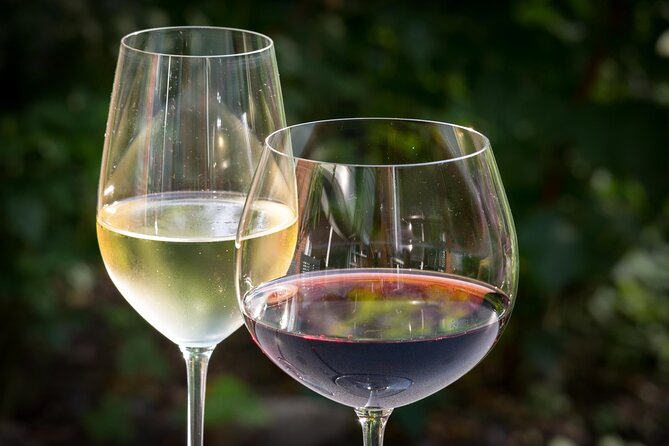
The group limit of 12 is one of the stronger features. A tasting with six or eight people can allow genuine conversation. You can ask why Malbec is so closely tied to Mendoza, how Torrontés differs from other aromatic whites, or what makes Patagonian Pinot Noir distinct.
At the maximum group size, the experience may feel less personal, but it should still be more manageable than a large coach-group event. The guide has a chance to address individual questions, and you can compare impressions with people from different countries.
The guide is described as a professional local guide and sommelier. The quality of the presentation appears to be uneven. One person praised the hostess as pleasant and informative, while another felt the host had limited wine knowledge and could not name additional grape varieties.
That contrast is worth keeping in mind. You should receive an introduction to the three wines and regions, but you may not get the depth expected from a specialist wine educator. The experience works best for curious beginners and casual wine drinkers.
What you can learn about Mendoza, Patagonia, and Salta
The evening covers three major Argentine wine areas. Mendoza is the essential reference point, since it is strongly linked with Malbec and Argentina’s international wine reputation.
Patagonia adds geographic contrast. Its inclusion with Pinot Noir helps broaden your picture of Argentine wine beyond the big red wines of Mendoza. You get a taste of a region that is less commonly discussed by first-time visitors.
Salta rounds out the regional story. Its wines are part of Argentina’s wider identity, and mentioning the region helps show that production is not limited to one famous province.
You should not expect a complete map of every wine district or an advanced lesson in viticulture. The value is in learning three names, tasting three grapes, and leaving with a clearer sense of how Argentina’s wine regions differ.
Is $53 a fair price?
At $53 per person, the cost is reasonable only if you value the instruction and social setting. The wine and snacks alone are unlikely to justify the full price, particularly if the bottles are ordinary and the food portion is small.
You are also paying for a local guide, an organized tasting, an English-language explanation, and the convenience of a central Palermo meeting point. For visitors who would not know which Argentine bottles to order on their own, that guidance has real value.
The price feels less attractive if you already know Argentine wine or were expecting premium bottles. A low score specifically objected to wines believed to cost around $8 each and called the experience poor value. You should not book this hoping to taste rare vintages.
My value judgment is simple: beginners may find the price acceptable, especially when the group is small and the guide is engaging. Experienced wine drinkers should compare it with a formal tasting at a respected Buenos Aires wine shop or restaurant.
Who should book this experience?
I would recommend it for visitors who want a gentle introduction to Argentine wine without committing to a full-day winery trip. You taste three important grapes in two hours, hear about three regions, and stay in Palermo.
It also suits couples and solo visitors who enjoy meeting others over drinks. The small-group format can create a friendly evening, and the 6 p.m. start leaves the rest of the night open.
This is less suitable for anyone seeking a luxury tasting room, a large food selection, or serious sommelier-level instruction. It is also a weak choice if you need a full dinner, want five wines, or care strongly about polished décor.
Tell the operator about dietary needs when booking. Alcoholic drinks and snacks are included, but the available food is not described in enough detail to guarantee a specific substitute.
Practical details that matter
The meeting point is Gorriti 4882, Buenos Aires, and the activity ends at the same location. There is no hotel pickup or drop-off, so you need to reach Palermo on your own.
The start time is 6 p.m., and the experience lasts about two hours. It is offered in English, though a multilingual guide may lead the session.
Most people can participate, and the location is near public transportation. Confirmation is provided at booking. You can cancel for a full refund if you do so at least 24 hours before the start time. Cancellations or changes made inside that window are not accepted for a refund.
Should you book the Palermo wine tasting?
Book it if you want a relaxed, small-group introduction to Malbec, Torrontés, and Pinot Noir, and you are comfortable with a simple apartment setting. The regional comparison and local snacks offer a useful first step into Argentine wine culture.
Skip it if premium bottles, generous tapas, or an elegant venue are central to your plans. At $53, the experience depends heavily on the guide and the atmosphere. Go in expecting three accessible wines, a modest picada, and an informal lesson, and you will make a much better booking decision.
FAQ
How many wines are included?
Three wines are included: Malbec, Torrontés, and Pinot Noir.
What wine regions are discussed?
The tasting introduces wines from Mendoza, Patagonia, and Salta.
Is food included?
Yes. The tasting comes with a typical Argentine picada and local cheeses. The food may also include items such as olives and peanuts.
Is this a full meal?
No. The food is described as snacks and a picada, so you should not rely on it as dinner.
Where does the experience start?
It starts at Gorriti 4882 in Buenos Aires, Argentina.
What time does it begin?
The experience starts at 6 p.m.
How large is the group?
The maximum group size is 12 people.
Is hotel transportation included?
No. Hotel pickup and drop-off are not included. The activity ends back at the meeting point.
Just added in Buenos Aires
- Discover Buenos Aires’ independent art scene — Ticket included★ 5.0 · 30 reviews
- Photo Session in Buenos Aires★ 5.0 · 26 reviews
- Your Private Photographer in Buenos Aires★ 5.0 · 4 reviews
- Yerba Mate Workshop – Learn to Drink Mate like a Local!★ 5.0 · 11 reviews
- Your Personal Photographer in Buenos Aires★ 5.0 · 24 reviews
- Winery and Tasting Experience in Buenos Aires★ 5.0 · 1 review
- Taste of Tradition: Yerba Mate & Alfajores Experience★ 4.0 · 5 reviews
- BA: Wine Tasting and Blending Experience in Palermo★ 5.0 · 1 review
Argentine Wine Tours, compared.
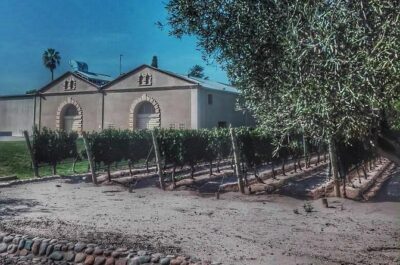
All Day, Small Group, Luxury Wine Tour with Gourmet Lunch
Read our review →


Argentine Experience: Immersive Dinner & Wine Pairing in Iguazú
Read our review →
Browse the lists this tour appears in