
Reviewed · BUENOS AIRES TOURS
Argentine Art History Tour in Retiro neighborhood
Art can change the way you see a city. This three-hour Retiro walk links grand architecture, public sculpture, 1960s experimentation, and working contemporary galleries in a way that makes Buenos Aires feel less like a collection of sights and more like an ongoing artistic conversation. The tour is led by Tamara Kerzberg, whose clear explanations and friendly manner are among its strongest points.
I especially like the chance to meet artists or gallery staff when schedules allow, and I like how the route moves beyond museums into places where art is being made, sold, and debated today. The main consideration is that this is an idea-heavy walking tour, not a quick photo stop program. If you want a relaxed stroll with time for questions, it fits well. If you prefer famous masterpieces and a tightly packed sightseeing route, some parts may feel slow.
In This Review
- Key points about the Retiro art walk
- Why Retiro makes a strong art district
- Starting beneath the Kavanagh Building
- Federico Manuel Peralta Ramos and public art
- A working gallery at Aldo de Sousa
- The former Di Tella Institute and the 1960s
- A second look at contemporary art at Vía Monte Galería
- Ending under the murals of Galerías Pacífico
- Tamara’s guiding style and group size
- Is $75 a fair price?
- Who should book this tour?
- Should you book the Retiro art history tour?
- FAQ
- How long is the Argentine Art History Tour in Retiro?
- What time does the tour begin?
- Where does the tour start?
- Where does the tour end?
- How many people can join the tour?
- What is the cancellation policy?
Key points about the Retiro art walk
- Kavanagh Building setting: Begin beside one of Buenos Aires’ most famous pieces of modern architecture and hear the legend behind its construction.
- Public art with a personal story: Federico Manuel Peralta Ramos’s Nosotros Afuera opens a window onto the eccentric, experimental spirit of Argentine art.
- Two contemporary gallery visits: Aldo de Sousa and Vía Monte Galería bring the discussion into the present, with changing exhibitions and different artistic approaches.
- The Di Tella connection: Retiro’s role in the avant-garde of the 1960s is explained through art, politics, Cold War culture, and the influence of the United States.
- Small-group format: The group is limited to 12 people, making it easier to ask questions and take part in discussion.
- A memorable finish: The tour ends beneath the murals of Galerías Pacífico, where art shares space with shopping, restaurants, and daily city life.
Why Retiro makes a strong art district
Retiro is often associated with elegant residences, offices, hotels, transportation links, and financial activity. That practical identity can hide its artistic importance. This tour helps you look again at the neighborhood and notice how architecture, public sculpture, galleries, and cultural institutions overlap.
The route also gives you a useful timeline. You begin with the Kavanagh Building and move through public art, the experimental energy of the Di Tella period, current gallery practice, and the monumental murals at Galerías Pacífico. Rather than treating Argentine art as a sealed chapter in the past, Tamara connects earlier movements to what artists are showing now.
That connection is the tour’s main value. You are not simply told who made a sculpture or when a building was opened. You are encouraged to think about who supports art, where art is displayed, how artists respond to politics and money, and why a commercial building can matter as much as a museum.
The tour begins at 3:00 p.m. at Plaza San Martín. It ends at Galerías Pacífico on Avenida Córdoba, a convenient central point with air conditioning, shops, and restaurants. That makes the route easy to pair with an afternoon in central Buenos Aires.
More History Tours in Buenos Aires
- Historical Sherpa Food Tour of San Telmo with Street Food, Drinks
★ 5.0 · 920 reviews - Nazis in Buenos Aires: a historical walking tour
★ 4.9 · 193 reviews - San Telmo: Historical Guided Tour with Street Food & Drinks
★ 5.0 · 87 reviews
Starting beneath the Kavanagh Building
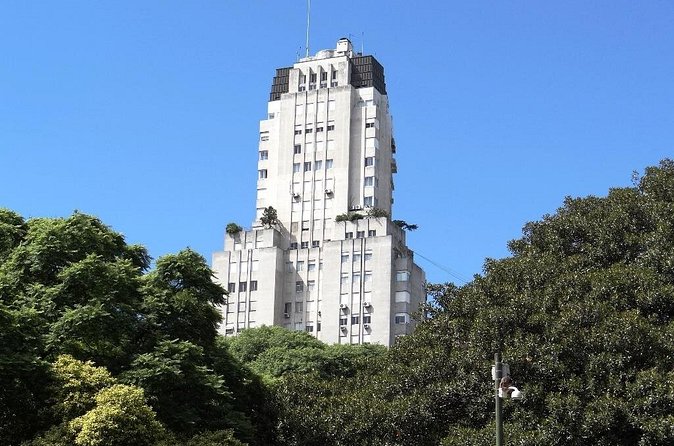
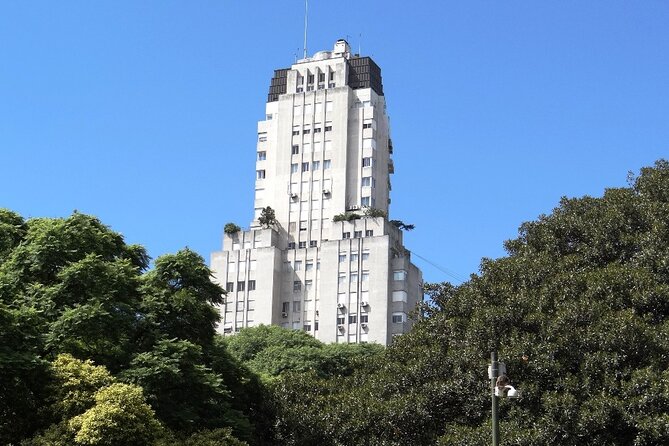
The Kavanagh Building is an excellent first stop because it gives the tour an immediate sense of place. You meet Tamara in front of the building, and she introduces both the neighborhood and its role in Buenos Aires architecture and art.
The building is not treated as a pretty backdrop. You hear the famous legend connected with its construction and learn why the Kavanagh is regarded as cultural heritage. That story adds a human edge to the architecture, while the building itself provides a useful introduction to the city’s taste for bold urban design.
The stop lasts about 15 minutes, so expect a focused explanation rather than an extended architectural study. That is probably the right balance at the start. You get enough context to understand the site without using up too much of the afternoon before reaching the art spaces.
Take a moment to look up and around before the group moves on. The opening stop works best when you notice the contrast between the building’s formal presence and the busy city streets around it.
Federico Manuel Peralta Ramos and public art
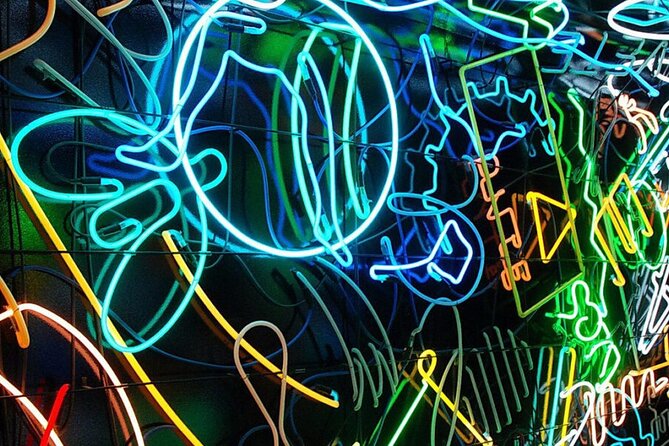
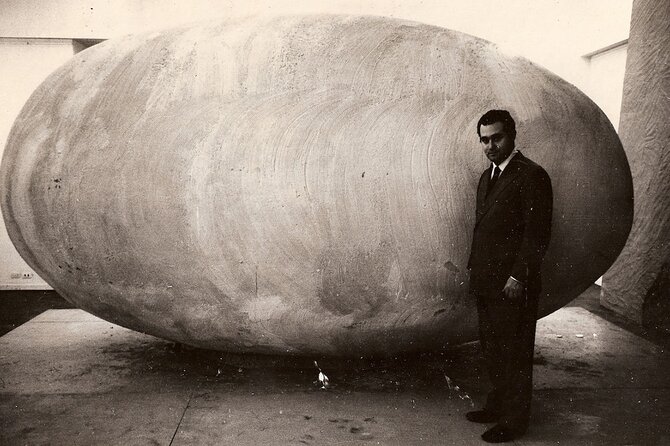
At Plazoleta Alberto Ginastera, attention shifts from architecture to sculpture. The central work is Nosotros Afuera by Federico Manuel Peralta Ramos, an artist known for his eccentric personality and his refusal to keep a firm line between art and ordinary life.
Tamara uses the sculpture to explain Peralta Ramos’s ideas and his link with the Di Tella Institute during the 1960s. This is a useful moment because it places the artist within a period when Argentine art was becoming more playful, provocative, and open to new forms.
The stop lasts around 20 minutes. You are not expected to be an expert in modern art. Instead, Tamara gives you a way to look at the work and understand why the artist’s behavior, beliefs, and public image were part of his artistic practice.
This stop also introduces a theme that returns later: Retiro as a stage for experimentation. Public art is not locked away behind museum doors. It meets people in open spaces, where the setting and the surrounding city become part of the experience.
A working gallery at Aldo de Sousa
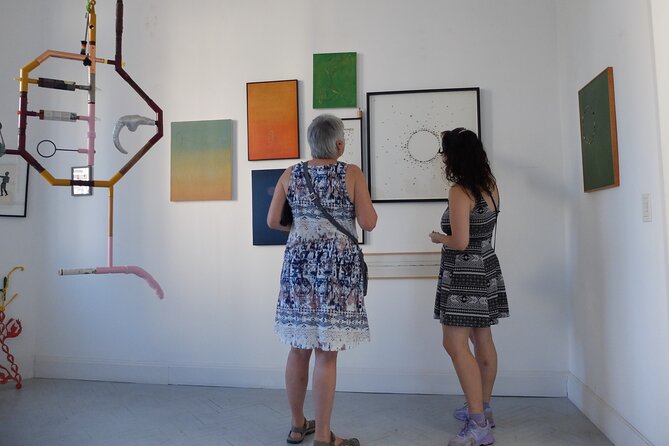
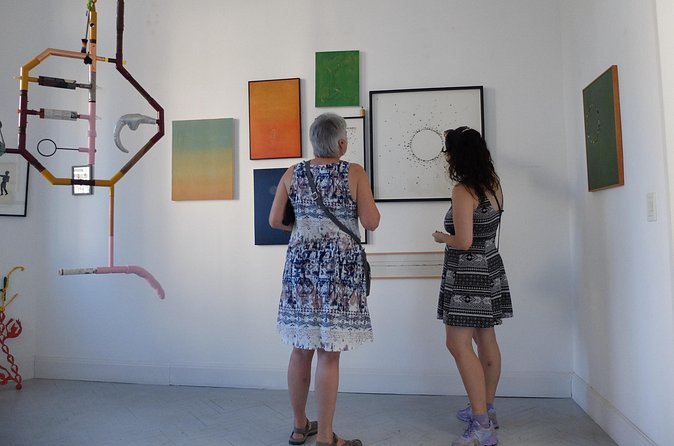
The visit to Aldo de Sousa brings the tour into the current art system. You explore an exhibition and discuss how the works relate to social, political, and economic questions. The exact show can change, so the content here is less fixed than the Kavanagh or Galerías Pacífico stops.
That changing element is a strength. You see art that is part of the present rather than a historical display chosen once and left in place. Tamara also explains how galleries represent artists, how art fairs and sales operate, and how galleries differ from museums.
For many people, this will be the most useful part of the afternoon. Contemporary art can feel difficult when you encounter it without context. A good guide does not tell you what you are required to think. Instead, she can point out materials, themes, presentation choices, and the larger system around the work.
The visit lasts about 40 minutes, giving you time to look carefully. When possible, you may speak with a gallerist or curator. Direct conversation can make the gallery feel less formal and help you understand how an exhibition comes together.
The practical caution is simple: current art is unpredictable. You may connect strongly with one exhibition and feel less interested in another. That is part of the point, but anyone hoping for a fixed list of famous works should know that this stop depends on the exhibition schedule.
A completely different kind of day:
- Local Foodie Adventure in Buenos Aires with Sherpa Food Tours
★ 5.0 · 6,875 reviews - Buenos Aires City Private Tour with Local Guide
★ 5.0 · 3,475 reviews - Buenos Aires Small-Group City Tour
★ 5.0 · 2,226 reviews - Buenos Aires Hop-On Hop-Off Bus, Free Walking Tours & Discounts
★ 4.5 · 2,218 reviews
The former Di Tella Institute and the 1960s
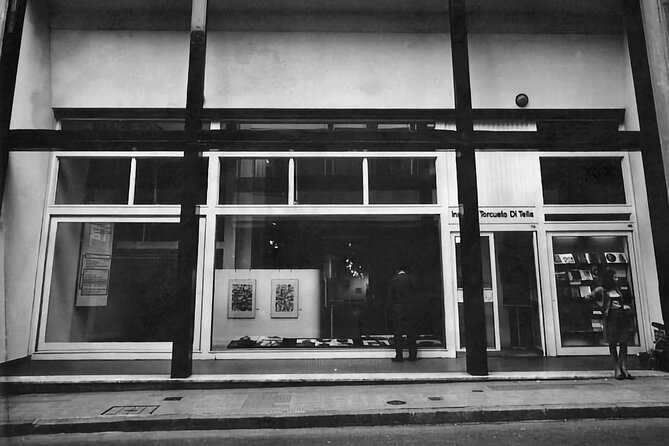
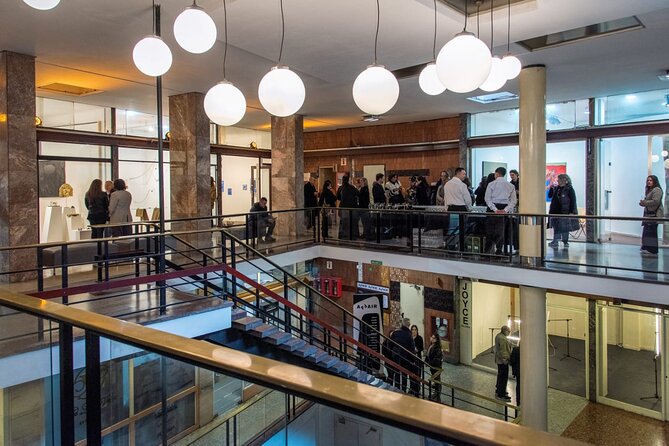
At Galerías Larreta, Tamara discusses the former Di Tella Institute and its place in Argentine art. This is the intellectual center of the walk. The institute marked a major turning point, and the discussion reaches beyond artists and artworks into international politics.
You learn about the cultural climate of the 1960s, the Cold War, and the influence of the United States in Latin America. Tamara introduces the Di Tella Generation and explains important episodes in the avant-garde movements of that period.
This context matters because the art of the 1960s did not develop in isolation. Artistic choices were tied to institutions, funding, international influence, and political power. The stop gives you tools for understanding why a cultural center could become so influential and why experimental art could also be politically charged.
The explanation lasts about 20 minutes. It is a standing outdoor stop, so listen closely and ask questions while the group is together. The subject is broad, and you may want to note the names of artists or movements to explore later.
The tour also draws a line between the Di Tella period and today’s gallery scene. Retiro is presented not only as a place where an important artistic revolution took place, but also as an area where experimentation continues.
A second look at contemporary art at Vía Monte Galería
The visit to Vía Monte Galería gives you another way to approach current art. After discussing the gallery system at Aldo de Sousa, you now examine different exhibition choices, materials, scale, and ways of displaying work.
This comparison is valuable. One gallery visit can seem like a single snapshot. Two allow you to see that galleries make decisions about space, lighting, sequence, and presentation. Every show creates an argument about what deserves attention and how the work should be understood.
Tamara also relates the contemporary proposals to Argentina’s modern tradition and the experimental legacy of the 1960s. Some artists may build on that tradition, while others may resist it. You are encouraged to notice the difference rather than assume that all modern or contemporary work follows the same path.
The visit takes about 40 minutes. This is another section where your questions will improve the experience. Ask why a work is placed in a particular position, how the materials affect the meaning, or what role the gallery plays in an artist’s career.
For a first-time gallery visitor, this can be a comfortable introduction. You are guided through the space without being pushed to buy anything. For someone already familiar with contemporary art, the value comes from comparing the shows and discussing the choices behind them.
Ending under the murals of Galerías Pacífico
The final stop is Galerías Pacífico, a grand 1891 building inspired by the great department stores of Paris. Today it is a shopping center with stores, restaurants, and air conditioning, but its central dome holds one of the most important artistic surprises on the route.
In the late 1940s, the dome was painted by major Argentine artists. Antonio Berni worked with Spilimbergo, Castagnino, and Urruchúa on the monumental murals that crown the central space.
This is a fitting ending because it brings the tour’s main idea into plain view. Art is not limited to museums and galleries. It can occupy a commercial building, a passageway, a public square, or an architectural space you might otherwise cross without looking up.
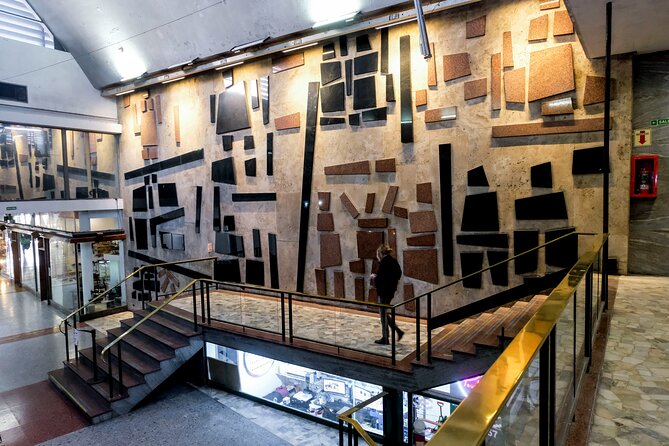
The building also gives you a strong contrast with the earlier stops. The Kavanagh represents one kind of modern architectural ambition. The Di Tella story represents experimentation and cultural debate. The galleries show current artistic production. Galerías Pacífico brings these ideas into an everyday setting where people shop, meet, and move through the city.
The last stop lasts about 20 minutes. Once the tour ends, you can remain in the building, have something to eat, or continue exploring central Buenos Aires.
Tamara’s guiding style and group size
Tamara Kerzberg is the key to the experience. The strongest praise focuses on her clear explanations, broad art knowledge, punctuality, warmth, and ability to answer questions without making the conversation feel stiff.
Her English is described as very good, which matters if you are taking the tour in English. She is also comfortable connecting a question about one artwork to wider artistic movements and historical context. That makes the walk feel like a conversation rather than a memorized script.
The group limit is 12 people. That is small enough for a personal feel, especially inside galleries where a large group could crowd the space. It also gives you a better chance to ask about a particular artist, exhibition, or building.
The pace is relaxed, but the subject matter is serious. You will spend time standing, walking between sites, looking closely, and listening. Wear comfortable shoes and allow yourself to stay mentally engaged. This is not a hop-on, hop-off style tour.
Is $75 a fair price?
At $75 per person, the tour is not the cheapest way to see Retiro. Its value depends on what you want from a city walk.
You are paying for roughly three hours with a specialist guide, a small group, several substantial stops, and access to current gallery exhibitions. You also receive context that would be difficult to assemble on your own, especially around Peralta Ramos, the Di Tella Institute, and the relationship between art, politics, institutions, and the market.
The gallery visits strengthen the value. You are not only seeing public landmarks. You are entering places you might not think to find, examining changing exhibitions, and possibly speaking with artists, gallerists, or curators.
The price may feel high if you mainly want architecture photos or a broad introduction to Buenos Aires. In that case, a free self-guided walk through Retiro could cover some of the public locations. But if you want to understand Argentine art and have Tamara connect the pieces, the cost is easier to justify.
Who should book this tour?
I would recommend it to anyone who enjoys art but wants help making sense of contemporary work. You do not need a formal art background. Curiosity is enough, especially if you like asking why a piece looks the way it does or how an artist responds to society.
It is also a good choice for repeat visitors to Buenos Aires. If you have already seen the major historic sights, this walk gives you another way into the city through galleries, public sculpture, architecture, and cultural politics.
Couples, solo visitors, and locals looking for a different afternoon can all fit comfortably into the format. The small group makes it easier to meet other people, and the gallery conversations add a social side to the walk.
I would hesitate only if you dislike contemporary art, prefer a fast sightseeing route, or want guaranteed access to a particular artist or exhibition. Gallery programming can change, and some stops depend on what is currently on display.
You can cancel for a full refund up to 24 hours before the 3:00 p.m. start time. The experience requires a minimum number of participants, so a cancellation by the operator would lead to an alternative date or a full refund. Service animals are allowed, the route is near public transportation, and most people can take part.
Should you book the Retiro art history tour?
Book it if you want to see Buenos Aires through ideas rather than only landmarks. The best parts are the link between the Kavanagh Building and Retiro’s cultural identity, the story of Federico Manuel Peralta Ramos, the discussion of the Di Tella Generation, and the chance to enter contemporary galleries with Tamara’s guidance.
The tour is particularly good for you if you value friendly, expert explanation and prefer a small group to a large bus or crowded museum tour. It is less suitable if your priority is famous paintings, shopping time, or a simple neighborhood stroll.
For an art-minded afternoon, $75 buys more than a walk. It gives you a framework for seeing how Argentine art moves between public spaces, private galleries, institutions, politics, and ordinary city life.
FAQ
How long is the Argentine Art History Tour in Retiro?
The tour lasts approximately three hours.
What time does the tour begin?
It begins at 3:00 p.m.
Where does the tour start?
The meeting point is Plaza San Martín in Retiro, Buenos Aires.
Where does the tour end?
The walk ends at Galerías Pacífico, Avenida Córdoba 550, Buenos Aires.
How many people can join the tour?
The group has a maximum of 12 participants.
What is the cancellation policy?
You can cancel at least 24 hours before the start time for a full refund. Cancellations or changes made less than 24 hours before the start time are not accepted for a refund.
Just added in Buenos Aires
- Discover Buenos Aires’ independent art scene — Ticket included★ 5.0 · 30 reviews
- Photo Session in Buenos Aires★ 5.0 · 26 reviews
- Your Private Photographer in Buenos Aires★ 5.0 · 4 reviews
- Yerba Mate Workshop – Learn to Drink Mate like a Local!★ 5.0 · 11 reviews
- Your Personal Photographer in Buenos Aires★ 5.0 · 24 reviews
- Winery and Tasting Experience in Buenos Aires★ 5.0 · 1 review
- Taste of Tradition: Yerba Mate & Alfajores Experience★ 4.0 · 5 reviews
- BA: Wine Tasting and Blending Experience in Palermo★ 5.0 · 1 review
Buenos Aires Tours, compared.
Local Foodie Adventure in Buenos Aires with Sherpa Food Tours
Read our review →
Buenos Aires City Private Tour with Local Guide
Read our review →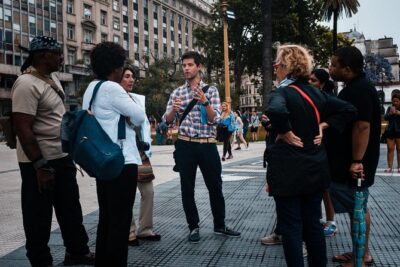
Buenos Aires Hop-On Hop-Off Bus and Exclusive Benefits
Read our review →

Argentine Experience Interactive Dining and Cooking
Read our review →Browse the lists this tour appears in