
Reviewed · ARGENTINE FOOD AND WINE TASTINGS
3-Hour Buenos Aires Empanadas and Alfajores Cooking Class
Come hungry, leave with recipes. This three-hour Buenos Aires cooking class brings you into a local home to make empanadas, alfajores, and mate, three tasty ways to understand Porteño life. I like the small group size, capped at eight, because it gives you room to ask questions and work at the table. I also like the generous portions, with several people saying they had enough food to overeat and take leftovers home.
The main consideration is that this is a casual home class, not a polished culinary school. Hands-on time may vary, and the address at Av. Paseo Colón 1355 can be tricky to find. Confirm the location carefully before setting out, and do not expect a gluten-free option.
In This Review
- Key things to know before booking
- What this Buenos Aires cooking class is really about
- Starting with mate and Porteño customs
- Making empanadas from dough to braided edges
- Rolling alfajor dough and spreading dulce de leche
- The value of a home kitchen
- How much hands-on cooking should you expect?
- Price, group size, and practical value
- Getting to Av. Paseo Colón 1355
- Who will enjoy this class most?
- Should you book the Buenos Aires empanada class?
- FAQ
- How long does the Buenos Aires empanadas and alfajores class last?
- Where does the class begin?
- Where does the activity end?
- What food do you make?
- Is mate included?
- Is the class suitable for vegetarians?
- Is the class suitable for people with gluten allergies?
- How many people can join the class?
- Can I cancel for a full refund?
Key things to know before booking
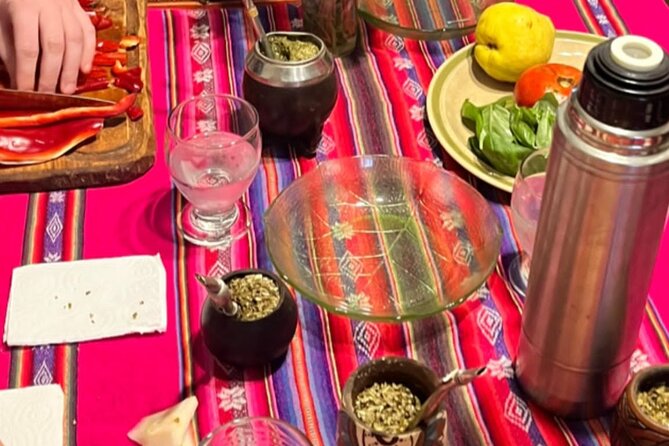
- Empanadas from scratch: You prepare dough, chop filling ingredients, roll the pastry, fill each pocket, and learn the braided sealing technique.
- Alfajores with dulce de leche: You mix the dough, cut round biscuits, and assemble the classic Argentine sandwich cookie.
- Mate is part of the lesson: You learn how to prepare and host a mate circle, not simply taste the drink.
- A real Buenos Aires home: The setting gives the class a personal, everyday feel rather than a formal school atmosphere.
- Small groups matter: The maximum is eight people, and some classes have had only five or six participants.
- Vegetarian-friendly with notice: Vegetarian food is available if you tell the host ahead of time. The class is not suitable for people with gluten allergies.
What this Buenos Aires cooking class is really about
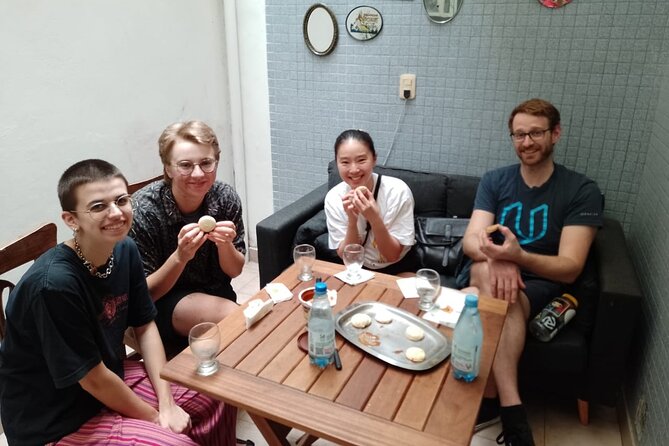
This experience uses food as a doorway into Argentine customs. You are not only shown how to fold pastry. You also learn why mate is shared, how it fits into daily social life, and how empanadas and alfajores belong to the country’s food culture.
The host, from BsAs Mio Turismo, presents the class as an introduction to typical Porteño culture, customs, and meals. The guide also dances tango, which adds another local thread to the experience. The focus is friendly and social, with time to talk to people from different countries around the cooking table.
The class lasts about three hours and begins and ends at Av. Paseo Colón 1355, C1063ADA, in Buenos Aires. It is near public transportation, but the meeting point has caused some confusion. One family found it a little hard to locate, and another person reported that map directions led them to the wrong area. I would check the address against a current map before leaving your hotel, then allow extra time to find the entrance.
More Food and Wine Tastings in Buenos Aires
- Local Foodie Adventure in Buenos Aires with Sherpa Food Tours
★ 5.0 · 6,875 reviews - Argentine Experience Interactive Dining and Cooking
★ 5.0 · 1,382 reviews - Cooking Class Designed by Michelin Chef @ Argentine Experience
★ 5.0 · 1,123 reviews
Starting with mate and Porteño customs
The mate portion gives the class its strongest cultural angle. Mate is a bitter herbal drink served in a shared cup and sipped through a metal straw. In Argentina, offering and sharing mate is a social custom, so learning how to host a mate circle helps you understand the ritual instead of treating it as just another local beverage.
The class usually begins with an explanation of mate, followed by a taste. You learn how the drink is prepared and how it is shared among people. This opening also gives the group time to settle in and talk before flour starts flying.
I like this part because it adds meaning to the cooking. You are not just collecting recipes. You are learning a small social practice that you can notice elsewhere in Buenos Aires. Some sessions also include wine, but red wine may cost extra. Ask before accepting it so there is no awkward surprise later.
The mate can be an acquired taste. If you dislike bitter drinks, do not worry. The point is the custom and the conversation, not whether you finish a full cup.
Making empanadas from dough to braided edges
The empanada lesson is the heart of the class. You make the dough from scratch, prepare the filling, roll out the pastry, and build the individual turnovers. The available information does not promise one fixed filling for every session, but past classes have included chopped vegetables and a vegetarian option.
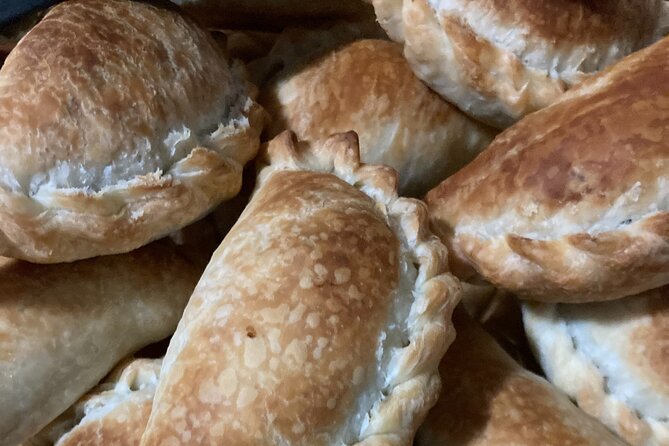
The process is simple enough for beginners. You do not need prior cooking skills, and the recipes are designed to be made again at home with ordinary ingredients. One of the most useful techniques is the final seal. The hosts show you how to pinch and braid the edge so the filling stays inside and the pastry looks properly Argentine.
This is also where the small group helps. With no more than eight people, you have a better chance of getting help with dough thickness, filling amounts, and the tricky first few crimps. A larger class could turn this into a demonstration where you mostly watch. Here, the setup around a couple of tables allows more personal instruction, though the amount of hands-on work can depend on the group and the pace of the session.
The food itself is a major strength. Many people have found the empanadas delicious, and some classes produce more than the group can eat. You may be able to take leftovers with you, although this is not stated as a formal guarantee, so bring a container only if the host confirms it.
Rolling alfajor dough and spreading dulce de leche
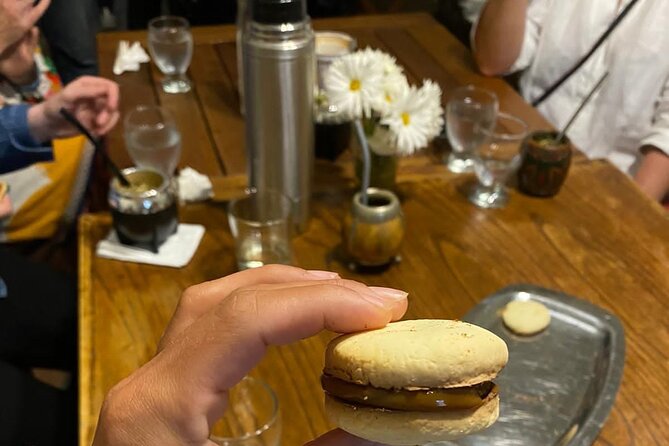
After the savory pastry comes dessert. You mix the alfajor dough, roll it out, and use round cutters to make the biscuit layers. The cookies are then joined with dulce de leche, the thick caramel-like filling that makes alfajores one of Argentina’s most familiar sweets.
This section is especially good for families and first-time cooks because it has clear, repeatable steps. Children have taken part successfully, including a six-year-old who received patient help from the host. The class has also worked well for mixed-language groups, with English and Spanish speakers taking part together.
You will want to pace yourself. Empanadas followed by alfajores makes for a substantial meal, not a light snack. The class is a useful choice if you want your cooking activity to double as lunch or an early dinner.
A lactose-free dulce de leche has been provided in at least one session, but you should not assume it is always available. Ask about dietary needs when booking. The clearly stated food limitation is gluten allergy, since both featured dishes depend on flour-based dough.
A completely different kind of day:
- Buenos Aires City Private Tour with Local Guide
★ 5.0 · 3,475 reviews - Buenos Aires Small-Group City Tour
★ 5.0 · 2,226 reviews - Buenos Aires Hop-On Hop-Off Bus, Free Walking Tours & Discounts
★ 4.5 · 2,218 reviews - Buenos Aires: Piazzolla Tango Show with Optional Dinner
★ 4.4 · 2,122 reviews
The value of a home kitchen
The setting is part of the experience. You cook and eat in a Buenos Aires home rather than in a commercial teaching kitchen. That can feel more personal and relaxed, and it lets you see how the hosts welcome people into their everyday space.
I like the informal mood. The class is built around conversation, shared work, and food on the table. People have described the hosts as warm, patient, friendly, and attentive. Thomas and Cynthia have hosted some sessions, and their relaxed approach has worked well for solo visitors, couples, families, and small groups of friends.
The trade-off is predictability. A home is not arranged like a professional cooking studio. One person described the space as clean but somewhat cluttered, and another found the class less organized than expected. A separate complaint concerned the condition of a damp bathroom napkin and a tense exchange with the host. That account is very different from the many reports of a comfortable, well-prepared class, but it is worth keeping in mind if you prefer formal facilities and highly controlled service.
The best mindset is to treat this as a local home visit with cooking, not as a restaurant demonstration. You get warmth and contact with local hosts, but the setting may have ordinary household limitations.
How much hands-on cooking should you expect?
Most descriptions point to genuine participation. You prepare dough, chop vegetables, roll pastry, fill empanadas, braid the edges, mix alfajor dough, and cut the cookies. Recipes are available, and several people found them easy to repeat at home.
Still, one family expected more hands-on time and felt that some of the process was demonstrated rather than fully performed by each person. That is the most important expectation to set. You should have real tasks, but you may not personally complete every single stage from start to finish.
The class suits you best if you enjoy learning by doing while sharing a table with other people. It is less suited to you if you want an intensive pastry course with individual workstations, exact measurements, and advanced instruction.
The hosts appear to adjust to different ages and language abilities. A six-year-old was included with patience, and a group containing both English and Spanish speakers managed to communicate effectively. That makes this a sensible pick for a family trip, provided everyone can manage a flour-based cooking activity.
Price, group size, and practical value
At $37 per person, the class is priced well for a three-hour activity that includes instruction, food, mate, dessert, and a cultural introduction. If the portions are as generous as described, you are also getting something close to a meal, with the chance of leftovers.
The maximum of eight people is important. A small class gives you more access to the hosts and makes it easier to ask about Argentine food, mate, tango, or daily customs. Some sessions have had five or six people, which creates a more relaxed table conversation than a large group tour.
The value depends on what you want from a cooking class. If your priority is local contact and recipes you can use back home, $37 is a strong price. If you mainly want a polished meal in a central restaurant, this may feel too informal.
The class is booked about 17 days ahead on average. That suggests you should not leave it until the last day of your Buenos Aires stay, especially if your schedule is tight. The activity is eligible for free cancellation up to 24 hours before the start time. Changes or cancellations inside that window are not accepted for a refund.
Getting to Av. Paseo Colón 1355
The meeting point is Av. Paseo Colón 1355, C1063ADA, Buenos Aires, and the activity returns to that same point. Public transportation is nearby, so you have options beyond a rideshare.
The address has been a weak point for a small number of people. One family found it hard to locate, while another arrived at a different place after following map information and could not reach the host promptly. The operator maintains that the address is correct and that many people have found it successfully, but that does not remove the practical risk.
I would save the full address, look at the building on a map before leaving, and make sure you have mobile data or a screenshot of the directions. If you are staying near the Obelisk, allow time for the trip. One complaint described the meeting point as not especially close to the Obelisk, while the host said it was about ten minutes by public transportation.
Service animals are allowed. The activity is near public transportation, but no hotel pickup is included in the information provided.
Who will enjoy this class most?
This is a good match for:
- Solo visitors who want an easy way to meet people around a shared table
- Couples seeking a food activity with local contact
- Families with children who can take part in simple cooking tasks
- Vegetarians who notify the host in advance
- Beginners who want recipes that are easy to repeat at home
- Anyone curious about mate and Argentine social customs
You may want a different activity if you have a gluten allergy, need a fully formal kitchen, or prefer a tightly timed professional lesson. It is also not ideal if unclear meeting directions would cause you stress.
The class has earned a 4.7 rating from 142 reviews, with 92 percent of people recommending it. The praise centers on the food, the friendly hosts, the relaxed home setting, and the chance to learn mate as well as cooking. The lower scores focus on organization, unexpected wine charges, meeting-point confusion, and one serious complaint about the host’s manner.
Should you book the Buenos Aires empanada class?
I would book this if you want a social, home-based food experience rather than a formal cooking course. The combination of empanadas, alfajores, and mate gives you three clear tastes of Argentina, and the recipes are practical enough to try with friends when you return home.
Before paying, confirm the meeting point and tell the host about vegetarian needs. Ask about any extra drinks, and do not book if you need gluten-free food. If you can accept a casual home environment and a little variation in how much you personally cook, the $37 price offers good value and a warm introduction to Buenos Aires food culture.
FAQ
How long does the Buenos Aires empanadas and alfajores class last?
The class lasts approximately three hours.
Where does the class begin?
It begins at Av. Paseo Colón 1355, C1063ADA, in Buenos Aires, Argentina.
Where does the activity end?
The activity ends back at the same meeting point.
What food do you make?
You make traditional empanadas and alfajores filled with dulce de leche.
Is mate included?
Yes. The class includes an introduction to preparing and hosting a mate circle, along with a chance to taste mate.
Is the class suitable for vegetarians?
Yes, vegetarian options are available. You need to notify the host in advance.
Is the class suitable for people with gluten allergies?
No. The activity is not suitable for people with gluten allergies.
How many people can join the class?
The class has a maximum of eight participants.
Can I cancel for a full refund?
Yes. You can cancel at least 24 hours before the local start time for a full refund. Cancellations and changes made less than 24 hours before the start time are not accepted for a refund.
Just added in Buenos Aires
- Discover Buenos Aires’ independent art scene — Ticket included★ 5.0 · 30 reviews
- Photo Session in Buenos Aires★ 5.0 · 26 reviews
- Your Private Photographer in Buenos Aires★ 5.0 · 4 reviews
- Yerba Mate Workshop – Learn to Drink Mate like a Local!★ 5.0 · 11 reviews
- Your Personal Photographer in Buenos Aires★ 5.0 · 24 reviews
- BA: Wine Tasting and Blending Experience in Palermo★ 5.0 · 1 review
- Winery and Tasting Experience in Buenos Aires★ 5.0 · 1 review
- Taste of Tradition: Yerba Mate & Alfajores Experience★ 4.0 · 5 reviews
Argentine Food and Wine Tastings, compared.
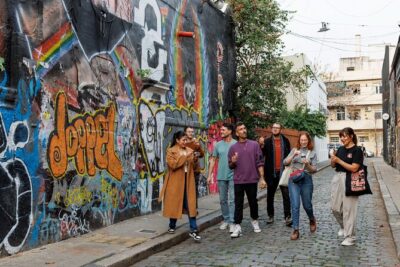
Local Foodie Adventure in Buenos Aires with Sherpa Food Tours
Read our review →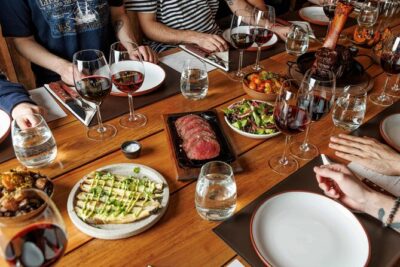
Argentine Experience Interactive Dining and Cooking
Read our review →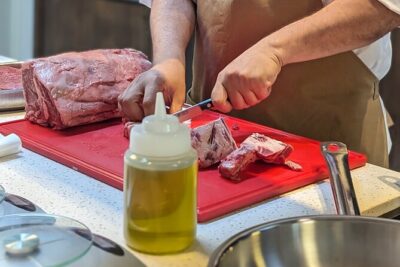
Cooking Class Designed by Michelin Chef @ Argentine Experience
Read our review →
Historical Sherpa Food Tour of San Telmo with Street Food, Drinks
Read our review →
Join a Local Family Asado in Buenos Aires with Betty and Marcelo
Read our review →
Browse the lists this tour appears in