
Reviewed · ARGENTINE WINE TOURS
Wine & music experience by D.V. Catena con tabla de fiambres
Three Malbecs, three musical moods. This compact tasting in Buenos Aires pairs wines from Salta, La Rioja, and Mendoza with carefully chosen music near the Río de la Plata. I like the clear regional focus, and I like that the sommelier explains how each wine changes with its musical pairing. The food is also more substantial than a few crackers, with cheeses, cold cuts, nuts, bread, and an empanada.
The main consideration is the short running time. Seventy-five minutes gives you a focused introduction rather than a long winery-style tasting. The $40 price feels reasonable for the three wines, food, instruction, and small-group setting, but anyone hoping for a broad survey of Argentine wine will need a longer experience elsewhere.
In This Review
- Key points at a glance
- Puerto Madero at 2 p.m.
- The Chardonnay welcome pour
- Three Malbecs, three regions
- Music changes the way you taste
- The food served with the wine
- How the sommelier guides the hour
- Is $40 a fair price?
- Who will enjoy this experience most?
- Timing, transport, and cancellation
- Should you book Wine & Music in Puerto Madero?
- FAQ
- Where does the Wine & Music experience take place?
- What time does the experience start?
- On which days is it available?
- How long does the tasting last?
- Which wines are included?
- What food is served?
- How many people can join?
- Can I cancel for a full refund?
Key points at a glance
- Three Malbecs from three Argentine regions: Compare D.V. Catena wines from Salta, La Rioja, and Mendoza in one sitting.
- Music is part of the tasting: The sommelier pairs each label with selected songs to create a different sensory mood.
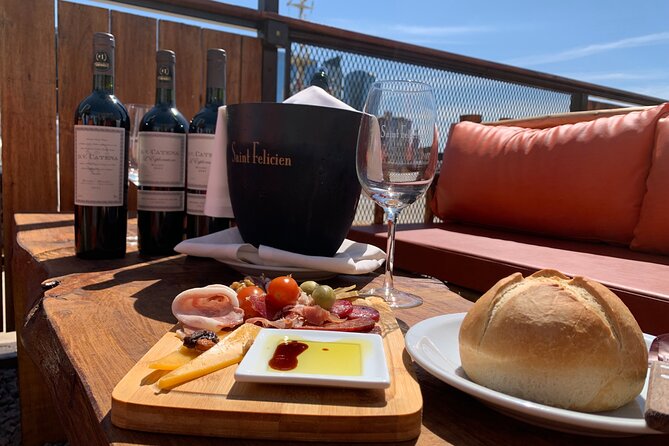
- A proper food pairing: Bread, olive oil and vinegar, cheeses, cold cuts, nuts, a beef empanada, and a cheese-and-sweet skewer accompany the wine.
- Held in Puerto Madero: The meeting point is Cecilia Grierson 400, near the Río de la Plata and public transportation.
- Small group size: The experience accepts a maximum of 15 people, which should allow room for questions.
- Simple afternoon schedule: It begins at 2 p.m. on Mondays, Wednesdays, and Fridays and lasts about 1 hour and 15 minutes.
Puerto Madero at 2 p.m.
The experience begins at Cecilia Grierson 400 in Puerto Madero. This is a useful location if you are already exploring the waterfront, dining in the neighborhood, or staying near central Buenos Aires. The area is close to public transportation, so you do not need to arrange a private transfer just for this tasting.
The meeting time is fixed at 2 p.m. on Mondays, Wednesdays, and Fridays. Plan to arrive a little early. With a short tasting, late arrival matters more than it would on a full-day excursion. You want to be present for the opening pour, not walk in while the first wine is already being discussed.
The setting near the Río de la Plata gives the event a pleasant sense of place. This is not a trip into wine country, and you will not visit a vineyard or cellar. Instead, you get a city-based introduction to Argentina’s wine regions while staying in one of Buenos Aires’s modern waterfront districts.
The group is capped at 15 people. That is large enough for a social atmosphere but still small enough for the sommelier to address questions. A small group also suits the format because the point is not only to drink wine. You are asked to notice how the wine, food, and music work together.
More Wine Tours in Buenos Aires
- Authentic Rooftop Asado Experience with Argentine Wine Pairing
★ 5.0 · 274 reviews - Bodega Gamboa Small-Group Wine Tasting Tour with Lunch
★ 5.0 · 212 reviews - Buenos Aires Small-Group Wine Tasting
★ 5.0 · 193 reviews
The Chardonnay welcome pour
The tasting opens with D.V. Catena Chardonnay. This first glass serves as a reception wine before the three Malbecs arrive. It gives you a white wine at the start, then sets up a contrast with the darker, fuller red wines that follow.
The Chardonnay is not presented as one of the three regional Malbec comparisons. Think of it as the welcome glass that gets the tasting started. If you usually drink red wine in Argentina, this opening gives you a quick reminder that the country’s wine culture is not limited to Malbec.
The order also makes practical sense. A white wine provides a lighter beginning before the tasting moves into three red labels. You can pay attention to the change in color, weight, and style instead of receiving three similar glasses at once.
Three Malbecs, three regions
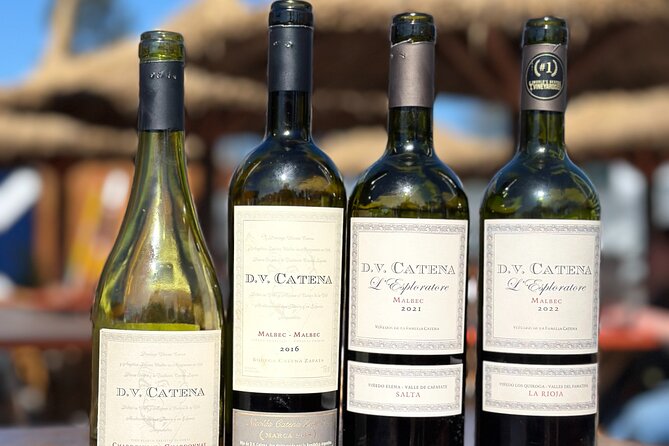
The core of the experience is a tasting of three Malbecs:
- D.V. Catena L’Esploratore Malbec from Salta
- D.V. Catena L’Esploratore Malbec from La Rioja
- D.V. Catena Malbec from Mendoza
The appeal is the comparison. Rather than tasting one Malbec and hearing a general description of the grape, you can consider how wines made in different Argentine regions may express themselves in different ways. The sommelier, Diego, explains how to distinguish the origins of Argentine wines, according to the available feedback about the experience.
That regional approach is especially useful if you are new to Argentine wine. Labels can seem confusing when you are faced with unfamiliar provinces and producers. Here, Salta, La Rioja, and Mendoza give you three clear reference points.
Salta appears through the D.V. Catena L’Esploratore Malbec. The tasting lets you place that bottle beside the La Rioja version rather than treating northern Argentina as one single style. You can focus on the differences the sommelier points out and decide which characteristics appeal to you.
La Rioja receives its own pour from the same L’Esploratore line. This creates an interesting comparison with the Salta wine because the labels are closely related while the regional origins differ. That kind of side-by-side tasting is more useful than sampling unrelated bottles and trying to remember every detail.
Mendoza is represented by D.V. Catena Malbec. Mendoza is one of Argentina’s best-known wine areas, so this final red gives the tasting a familiar reference point for anyone who has already seen Argentine Malbec on restaurant lists or wine-shop shelves.
The supplied information does not provide tasting notes, vintages, alcohol levels, or serving details. You should not expect a technical wine class with a printed lesson unless the venue provides one on the day. The value lies in the guided comparison and discussion, not in a long list of wine statistics.
Music changes the way you taste
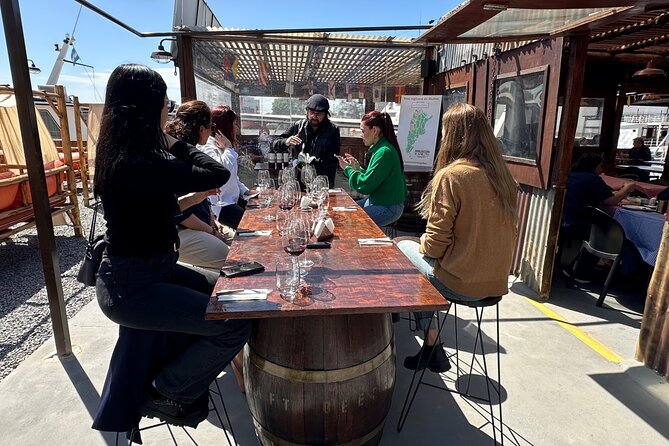
The unusual feature here is the music. The sommelier pairs each wine with different musical themes, inviting you to notice how the sound changes your perception of the glass in front of you.
This idea works best if you approach it with curiosity rather than looking for a right answer. You may find a wine seems softer, livelier, darker, or more dramatic when the music shifts. The music does not alter the wine itself, of course, but it can change your attention and mood while you taste it.
That makes this more than a standard flight of three glasses. The experience asks you to connect several senses at once. You smell and taste the Malbec, listen to the selected track, and consider how the pairing affects your reaction.
It is also a good choice for people who already know a little about wine but want something less formal. You do not need advanced tasting skills to take part. You can simply notice which combination feels most pleasing and discuss your response with the sommelier.
At the same time, music is subjective. If you prefer a quiet, technical tasting where every detail is discussed without an artistic layer, this format may not be your first choice. The musical pairings are a central part of the experience, not background decoration.
A completely different kind of day:
- Local Foodie Adventure in Buenos Aires with Sherpa Food Tours
★ 5.0 · 6,875 reviews - Buenos Aires City Private Tour with Local Guide
★ 5.0 · 3,475 reviews - Buenos Aires Small-Group City Tour
★ 5.0 · 2,226 reviews - Buenos Aires Hop-On Hop-Off Bus, Free Walking Tours & Discounts
★ 4.5 · 2,218 reviews
The food served with the wine
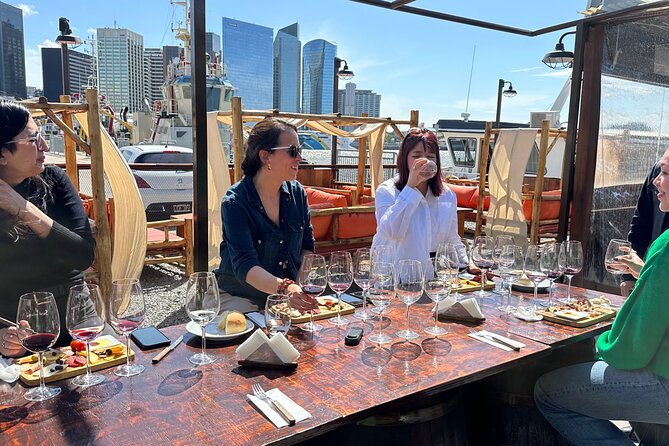
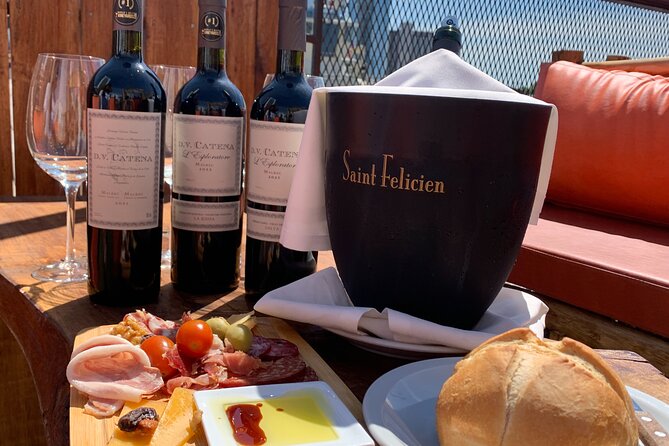
The menu gives the tasting enough substance to prevent it from feeling like a sequence of empty glasses. You receive a basket of bread with a mix of olive oil and vinegar, followed by a board of cheeses, cold cuts, and nuts.
That board is well suited to a Malbec tasting. Salty cold cuts, firm or creamy cheeses, and nuts give you several ways to compare the wines. You can taste a wine on its own, then try it with a savory bite and see if your preference changes.
A beef empanada adds a distinctly Argentine touch. It also makes the experience feel connected to local food rather than built around generic bar snacks. The filling is listed as meat, so you should not assume that vegetarian substitutions are available.
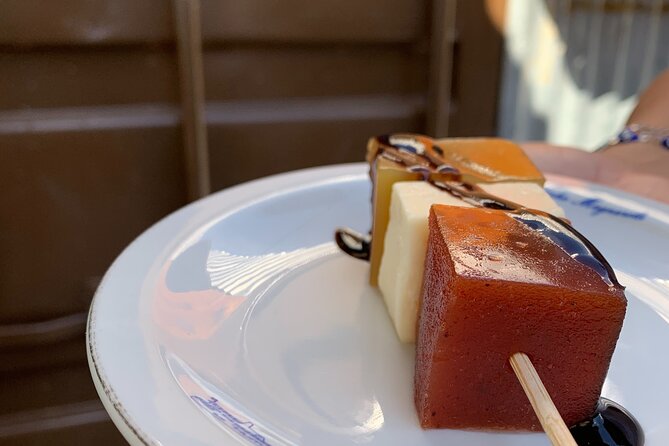
The menu finishes with a cheese-and-sweet skewer. The available details do not identify the type of sweet served, so ask the venue if you have allergies or strong dietary restrictions. The information also does not promise vegetarian, vegan, gluten-free, or alcohol-free alternatives.
The food is described as a pairing menu, not a full lunch. You should arrive ready to taste and snack, but do not treat this as a replacement for a substantial meal. The empanada helps, yet the experience lasts only about 75 minutes and is built around wine instruction.
How the sommelier guides the hour
The sommelier is the key to getting value from this format. Diego is specifically noted for sharing his knowledge of Argentine wines and explaining how to tell the regions apart. That is the sort of practical guidance you can use later when ordering wine in Buenos Aires.
Listen for comparisons instead of trying to memorize every phrase. Ask which wine best represents its region, what clues suggest a northern origin, and which bottle would pair well with Argentine beef or empanadas. The information provided does not list a set of included languages, so do not assume the presentation will be available in a particular language unless you confirm it before booking.
The group limit of 15 matters here. In a much larger room, a sensory activity can become a performance with little time for individual questions. This smaller format should give you a better chance to ask about the labels, the regions, and the music.
The experience is also suitable for beginners. You do not need to know how to swirl, sniff, or describe wine before you arrive. Diego’s role is to help you make comparisons, not to test you.
Is $40 a fair price?
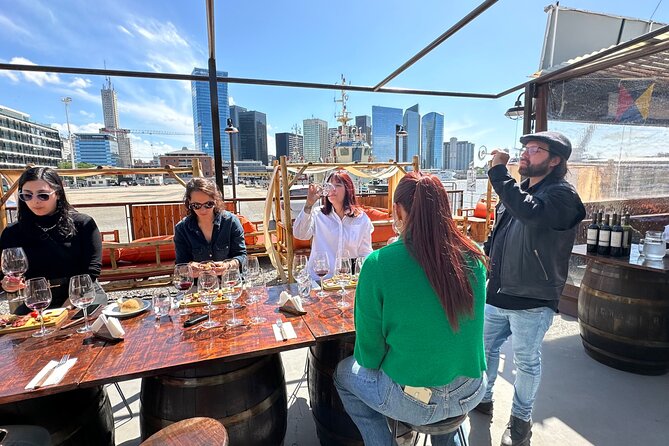
At $40 per person, the experience sits in a reasonable range for a 75-minute guided tasting with four pours, a food board, an empanada, and a small group. The three Malbecs are the main attraction, while the Chardonnay welcome glass and food make the price easier to justify.
I would judge the value by what you want from the afternoon. If you want an organized introduction to Argentine wine without spending half a day outside Buenos Aires, this is a practical choice. You get regional comparison, a local sommelier, and a distinctive music component in one compact booking.
If you are mainly paying for quantity, the value may feel less convincing. This is not advertised as a large tasting flight, a winery visit, or a full meal. The experience is about interpretation and pairing, not drinking as many wines as possible.
The small group also adds value. A maximum of 15 people gives the session a more personal feel than a crowded bar tasting. The available feedback praises the kind people at the venue and Diego’s explanations, which supports the idea that the human side of the event is one of its strongest features.
Who will enjoy this experience most?
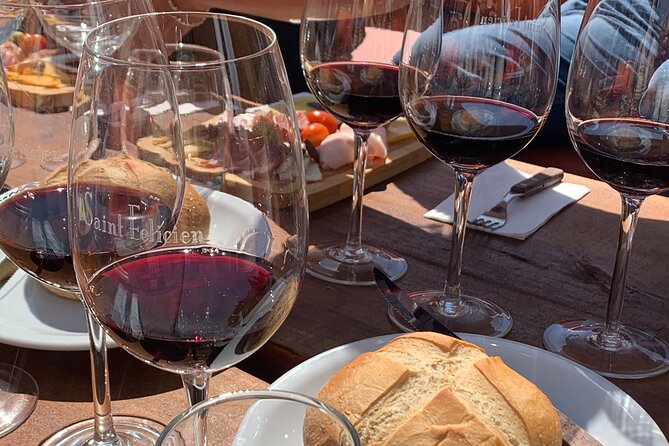
I would recommend it to first-time visitors who want an easy introduction to Argentine wine. You can learn the basic regional differences without leaving the city, and the short schedule fits neatly around sightseeing in Buenos Aires.
It also suits couples and friends who enjoy trying unusual food-and-drink combinations. The music gives you something to discuss between sips, and the shared board makes the session more social than a formal lecture.
Wine drinkers with some experience may appreciate the three-region comparison. The Salta and La Rioja bottles from the L’Esploratore line offer a direct contrast, while the Mendoza Malbec gives you a familiar point of reference.
I would be more cautious about booking if you want a full meal, a vineyard visit, a long technical seminar, or a broad tasting of many Argentine grapes. The available details focus on Chardonnay and Malbec. Other classic Argentine varieties are not part of this menu.
The same applies to anyone with strict dietary needs. The menu includes bread, dairy, nuts, meat, and sweet items, and no substitutions are promised in the available information. Ask before booking if this could affect your participation.
Timing, transport, and cancellation
The experience begins at 2 p.m. and returns to the same meeting point because it is held at the Puerto Madero location. The duration is approximately 1 hour and 15 minutes, so you can plan another activity afterward without giving up an entire afternoon.
A mobile ticket is accepted, and confirmation is provided when you book. The meeting point is near public transportation. Most people can participate, though no specific accessibility details are provided, so contact the provider if you need an accommodation.
The provider is Experiencias de Buenos Aires. Free cancellation is available if you cancel at least 24 hours before the local start time. Cancellations or changes made less than 24 hours before the experience are not refunded or accepted, so check the date carefully before the cutoff.
Should you book Wine & Music in Puerto Madero?
Book it if you want a short, social introduction to Argentine Malbec with a creative twist. The three-region lineup is useful, the food goes beyond basic snacks, and Diego’s clear explanations can help you understand what you are drinking instead of simply accepting a glass and moving on.
I would make this a good afternoon choice in Buenos Aires, especially if you are already planning to visit Puerto Madero. Just keep your expectations focused: this is a 75-minute tasting, not a winery tour or a full lunch. For $40, it offers solid value when you care about guided comparison, local food, and the way music can shape a tasting.
FAQ
Where does the Wine & Music experience take place?
It takes place at Cecilia Grierson 400 in Puerto Madero, Buenos Aires, near the Río de la Plata.
What time does the experience start?
The experience starts at 2 p.m.
On which days is it available?
It is offered on Mondays, Wednesdays, and Fridays.
How long does the tasting last?
The experience lasts approximately 1 hour and 15 minutes.
Which wines are included?
The tasting includes D.V. Catena Chardonnay, D.V. Catena L’Esploratore Malbec from Salta, D.V. Catena L’Esploratore Malbec from La Rioja, and D.V. Catena Malbec from Mendoza.
What food is served?
The menu includes bread, olive oil and vinegar, cheeses, cold cuts, nuts, a beef empanada, and a cheese-and-sweet skewer.
How many people can join?
The maximum group size is 15 people.
Can I cancel for a full refund?
Yes. You can receive a full refund if you cancel at least 24 hours before the experience starts. Cancellations and changes made less than 24 hours before the start time are not accepted.
Just added in Buenos Aires
- Discover Buenos Aires’ independent art scene — Ticket included★ 5.0 · 30 reviews
- Photo Session in Buenos Aires★ 5.0 · 26 reviews
- Your Private Photographer in Buenos Aires★ 5.0 · 4 reviews
- Yerba Mate Workshop – Learn to Drink Mate like a Local!★ 5.0 · 11 reviews
- Your Personal Photographer in Buenos Aires★ 5.0 · 24 reviews
- BA: Wine Tasting and Blending Experience in Palermo★ 5.0 · 1 review
- Winery and Tasting Experience in Buenos Aires★ 5.0 · 1 review
- Taste of Tradition: Yerba Mate & Alfajores Experience★ 4.0 · 5 reviews
Argentine Wine Tours, compared.
All Day, Small Group, Luxury Wine Tour with Gourmet Lunch
Read our review →

Argentine Experience: Immersive Dinner & Wine Pairing in Iguazú
Read our review →
Browse the lists this tour appears in