Reviewed · BUENOS AIRES TOURS
The Zanjón de Granados: Tunnels and Mystery of Buenos Aires
Buenos Aires keeps its secrets underground. The archaeological remains beneath El Zanjón de Granados make this one-hour tour unusual, while the guide’s very good English helps bring the old site into focus. I like the chance to see tunnels, cisterns, water tanks, and household objects in their original setting. I also like the compact format, which fits neatly into a busy Buenos Aires day. The main drawback is the short visit: this is a focused introduction, not a long archaeological program.
You meet at Defensa 755 in Buenos Aires and finish at the same address. The tour costs $33 per person and includes admission plus a guided visit. A group can reach 30 people, so the experience may feel more like a scheduled group tour than a private look below the city.
In This Review
- Key points to know before you go
- Why an old mansion hides beneath Defensa 755
- Following the Zanjón de Granados underground
- Objects and building remains from three periods
- What the guide adds to the visit
- The one-hour format: useful or too short?
- Who will enjoy El Zanjón de Granados?
- Practical planning for your visit
- Should you book this Buenos Aires tunnel tour?
- FAQ
- Where does the tour start?
- Where does the tour end?
- How long does the experience last?
- How much does the tour cost?
- Is admission to the tunnels included?
- Is the tour offered in English?
- How large can the group be?
- Is public transportation available near the meeting point?
- Can I cancel for a full refund?
Key points to know before you go
- The tunnels follow an old water channel: The site preserves passages linked to the Zanjón de Granados, a watercourse that once ran through this part of Buenos Aires.
- The discovery began during home restoration: The current owner found the underground remains in the 1980s while working on an Italian-style house.
- Several building periods appear below one address: Finds and structures date from around 1700, 1740, and 1830.
- Your English-speaking guide matters: The guide was praised for speaking very good English and for making the visit enjoyable.
- It is short and easy to fit into your schedule: The tour lasts about one hour and returns to the starting point.
- The group limit is 30 people: This keeps the visit organized, but it does not promise a small-group atmosphere.
Why an old mansion hides beneath Defensa 755
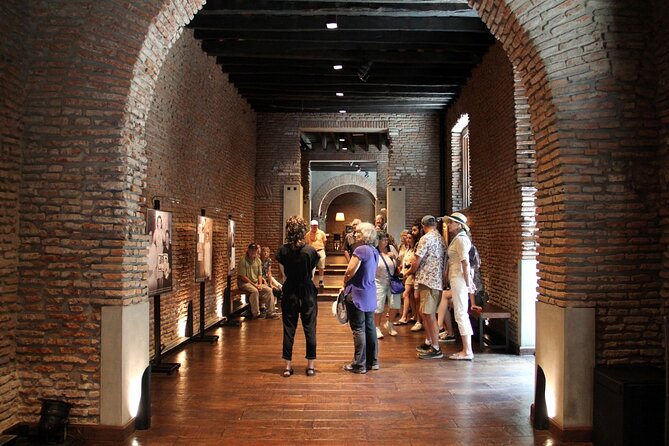
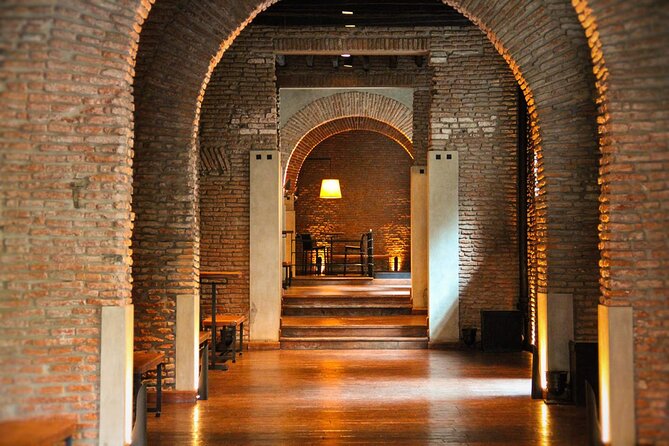
The first surprise is the setting. El Zanjón de Granados is not presented as a remote ruin or a grand open-air site. Its visible architecture includes an Italian-style house with a façade and patios dating to the first half of the 19th century.
That ordinary-looking upper level is part of the appeal. You enter a place that appears connected to the city’s domestic past, then learn that important remains lie below it. The contrast between the restored house and the excavated spaces gives the visit a strong sense of discovery without requiring a full day.
The current owner made the find in the 1980s while trying to restore the property. What began as a renovation uncovered tunnels and other remains beneath the mansion and nearby buildings. That detail gives the site a personal beginning. This was not simply a polished attraction built around a famous monument. The archaeological work grew out of an unexpected problem, or perhaps a fortunate interruption, during restoration.
I find that kind of origin useful for understanding the place. The site is not just about old bricks. It also shows how much of Buenos Aires can remain out of sight beneath later buildings. The city’s past was not erased completely. In this case, it was waiting under a private property.
More things to do in Buenos Aires:
- Local Foodie Adventure in Buenos Aires with Sherpa Food Tours
★ 5.0 · 6,875 reviews - Buenos Aires City Private Tour with Local Guide
★ 5.0 · 3,475 reviews - Buenos Aires Small-Group City Tour
★ 5.0 · 2,226 reviews
Following the Zanjón de Granados underground
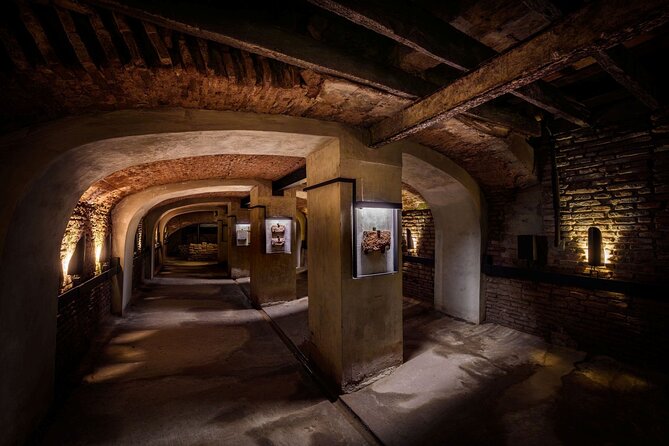
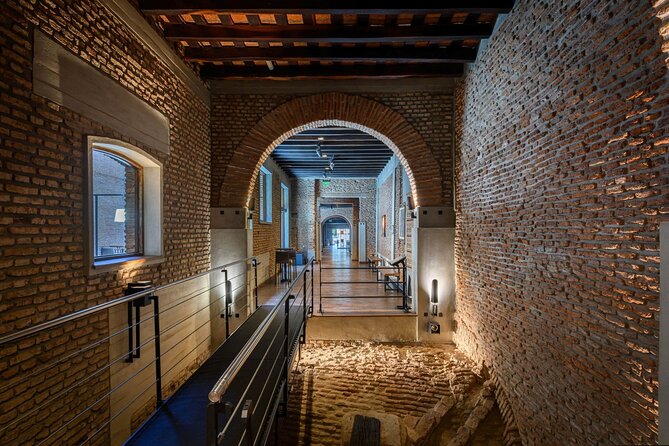
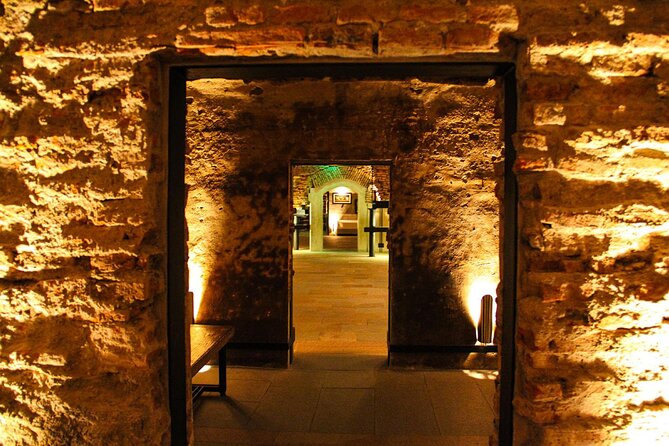
The name refers to the Zanjón de Granados, whose tunnels once channeled water. During the tour, the underground passages are the central feature. You are not simply looking at a house museum with a few old objects in display cases. You are seeing the physical spaces connected to an earlier water system.
That matters because tunnels are harder to understand from a written description alone. Their shape, construction, and relationship to the buildings above help explain how the site functioned. The guide’s role is important here. Without context, an underground passage can look like a dark corridor. With a clear explanation, it becomes part of the city’s practical infrastructure.
The tour also includes cisterns and water tanks. These features help you think about daily needs in earlier periods. Water storage is rarely the glamorous part of a city’s past, but it often tells you more about ordinary life than a formal façade does.
You should expect the focus to remain on the site itself rather than on a long tour through Buenos Aires. The one-hour duration gives the guide enough time to explain the main discoveries, but it limits how far the visit can range. If you want an extended study of colonial urban planning, this will feel brief. If you want one memorable underground stop, the length works well.
Objects and building remains from three periods
The excavations recovered utensils and containers along with the tunnels, cisterns, and tanks. These smaller objects are valuable because they connect the underground spaces to people who used the property and the water system.
A tunnel tells you how something was built. A container suggests how people handled supplies. A utensil points toward daily routines. Together, these finds make the place more than an engineering site.
The remains also include buildings from around 1700, 1740, and 1830. Those dates give the guide a clear way to explain change over time. You can see that this was not a single frozen moment. Different structures and uses accumulated beneath the present-day property.
I like the way those layers help you read Buenos Aires vertically. In many cities, history is arranged along a street, with one building beside another. Here, different periods occupy the same address at different depths. The result is a compact lesson in how the city changed over more than a century.
Still, keep your expectations in check. The supplied details do not promise a large collection, a museum gallery, or a full reconstruction of each earlier building. The strength of the experience is the combination of place, archaeology, and explanation. It is less about the number of objects and more about seeing where they were found.
What the guide adds to the visit
A good guide can make this type of tour. The underground remains need explanation, and the strongest praise goes to the guide’s English and ability to make the experience enjoyable.
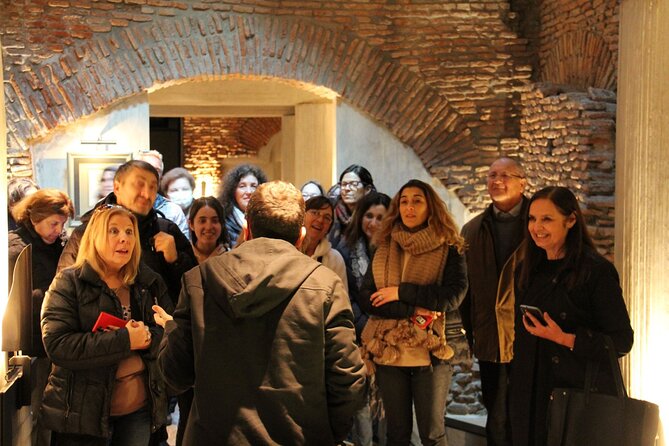
That is especially useful if you are not comfortable learning complex historical details in Spanish. The tour is offered in English, so you can concentrate on the spaces and ask questions without fighting a language barrier. The guide was also praised as fantastic, which suggests a warm, engaging presentation rather than a dry recitation of dates.
No guide’s name is provided, so you should not book expecting a particular person. The reliable point is the language: the guide was reported to speak very good English.
The guide also helped accommodate a couple with a stroller. That is a useful sign for families, though it should not be treated as a guarantee that every movement through the tunnels will suit every visitor. The available information says most people can participate, and the stroller example shows some practical flexibility.
A completely different kind of day:
- Buenos Aires Hop-On Hop-Off Bus, Free Walking Tours & Discounts
★ 4.5 · 2,218 reviews - Buenos Aires: Piazzolla Tango Show with Optional Dinner
★ 4.4 · 2,122 reviews - Buenos Aires: City Highlights Guided Tour with Transfer
★ 4.7 · 1,946 reviews - Buenos Aires: Hop-On Hop-Off City Bus Tour
★ 4.2 · 1,855 reviews
The one-hour format: useful or too short?
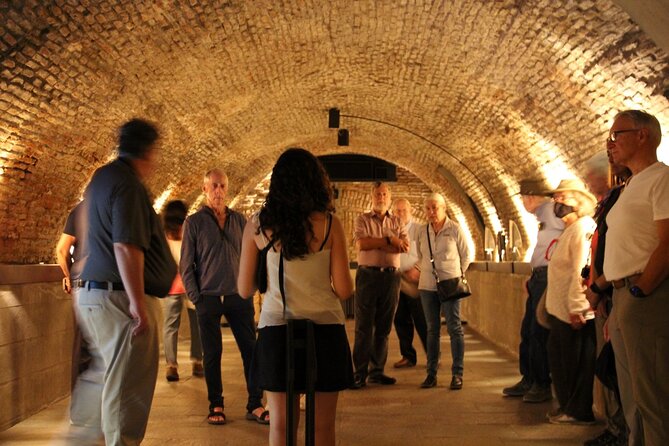
For $33, the value depends on what you want from the visit. I would not compare it with a full-day museum pass. This is a one-hour guided experience with admission included, centered on a distinctive archaeological site.
The price makes more sense if you value a specific, unusual stop. You get access to the tunnels and an English-speaking explanation in a contained format. There is no need to set aside half a day, arrange several transfers, or build a complicated plan around the visit.
The short duration also protects your schedule. You can pair it with other sightseeing in Buenos Aires, especially if you prefer several focused stops rather than one long organized outing. The meeting point and ending point are the same, so you do not have to work out where the activity leaves you.
The tradeoff is depth. At about one hour, the tour cannot give every historical period equal attention. You will receive an introduction to the discovery, the tunnels, the water features, and the recovered remains, but anyone seeking extensive archaeological detail may want more time.
The experience is booked, on average, 17 days ahead. That does not mean you must book that far in advance, but it is sensible to plan ahead if the timing matters to you. The maximum group size is 30, which is manageable but not intimate.
Who will enjoy El Zanjón de Granados?
I would recommend this tour to you if you enjoy unusual city history, old infrastructure, and places that reveal how people lived rather than only how important buildings looked. It suits anyone who wants a short English-language activity with a clear beginning and end.
Families may also find it workable. A stroller was accommodated during one visit, and most people can participate. Still, the information provided does not give specific details about stairs, tunnel width, or surfaces, so you should contact the operator if those points are important for your group.
This is also a good choice for repeat visitors to Buenos Aires. You may already have seen the city’s better-known streets and buildings. An underground site offers a different angle without requiring a long excursion outside the city.
I would be more cautious if you dislike enclosed spaces or want a broad walking tour of Buenos Aires. The experience centers on one property and its underground remains. It does not include hotel pickup, food, drinks, or other services not specified.
Practical planning for your visit
Your meeting point is Defensa 755, C1098, in the Autonomous City of Buenos Aires. The site is near public transportation, which makes it easier to reach without private transfers. You are responsible for getting there because hotel pickup and drop-off are not included.
Bring your booking confirmation on your mobile device, since the activity uses a mobile ticket and confirmation is sent when you book. The tour ends where it begins, a small but helpful detail when you are planning the rest of your day.
The tour is offered in English. That should be a deciding factor for visitors who want clear explanations of the archaeological remains rather than a self-guided visit.
The group may contain as many as 30 people. If you prefer a quiet or highly personal tour, that size could be a drawback. If you mainly want organized access and a guide who can explain the site well, it remains reasonable.
Free cancellation is available if you cancel at least 24 hours before the start time. Cancellations made less than 24 hours ahead are not refunded, and changes inside that period are not accepted. The cut-off follows local Buenos Aires time, so check the clock carefully if your plans are changing.
Should you book this Buenos Aires tunnel tour?
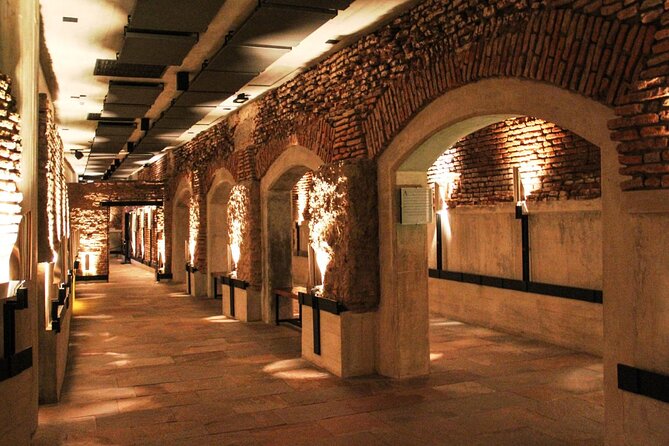
Book it if you want a compact, unusual history stop with genuine archaeological interest. The tunnels, cisterns, water tanks, utensils, containers, and remains from several periods give the hour plenty of substance. The English-speaking guide is another strong reason to choose it.
Skip it if you want a long museum visit, a private tour, or a broad city walk. At $33, the value is best for you when the setting itself matters and you appreciate a focused explanation rather than a packed schedule.
For most people with an interest in Buenos Aires below street level, I would make room for it. Just reserve enough time to reach Defensa 755, and remember that the experience is short, specific, and built around one remarkable property.
FAQ
Where does the tour start?
It starts at Defensa 755, C1098, in the Autonomous City of Buenos Aires, Argentina.
Where does the tour end?
The activity ends back at the meeting point at Defensa 755.
How long does the experience last?
The tour lasts approximately one hour.
How much does the tour cost?
The listed price is $33 per person.
Is admission to the tunnels included?
Yes. Admission to the tunnels and a guided tour are included.
Is the tour offered in English?
Yes. The experience is offered in English.
How large can the group be?
The maximum group size is 30 people.
Is public transportation available near the meeting point?
Yes. The meeting point is near public transportation.
Can I cancel for a full refund?
Yes, if you cancel at least 24 hours before the experience start time. Cancellations made less than 24 hours before the start time are not refunded.
Just added in Buenos Aires
- Discover Buenos Aires’ independent art scene — Ticket included★ 5.0 · 30 reviews
- Photo Session in Buenos Aires★ 5.0 · 26 reviews
- Your Personal Photographer in Buenos Aires★ 5.0 · 24 reviews
- Your Private Photographer in Buenos Aires★ 5.0 · 4 reviews
- Yerba Mate Workshop – Learn to Drink Mate like a Local!★ 5.0 · 11 reviews
- BA: Wine Tasting and Blending Experience in Palermo★ 5.0 · 1 review
- Winery and Tasting Experience in Buenos Aires★ 5.0 · 1 review
- Taste of Tradition: Yerba Mate & Alfajores Experience★ 4.0 · 5 reviews
Buenos Aires Tours, compared.
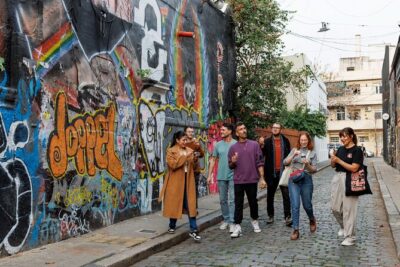
Local Foodie Adventure in Buenos Aires with Sherpa Food Tours
Read our review →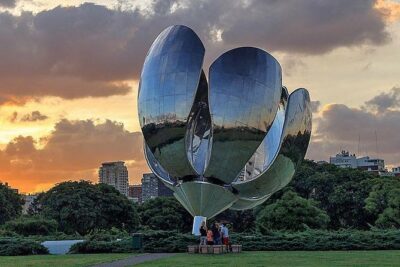
Buenos Aires City Private Tour with Local Guide
Read our review →

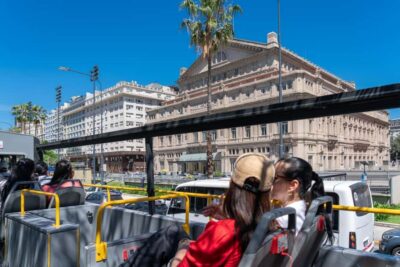
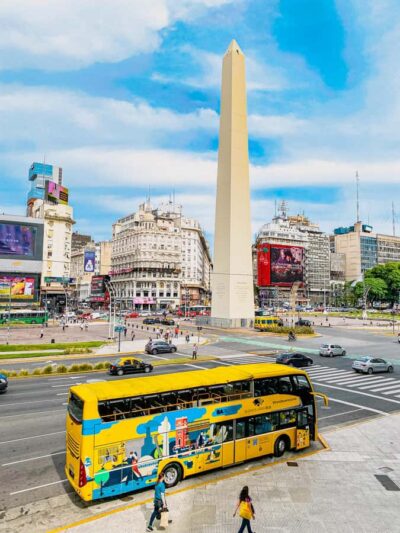
Buenos Aires Hop-On Hop-Off Bus and Exclusive Benefits
Read our review →