Reviewed · BUENOS AIRES TOURS
Temaiken Biopark Entry Tickets
Nature takes center stage here. Temaiken Biopark gives you a full day among animals, gardens, an aquarium, and exhibits focused on protecting Argentina’s natural world. I like the sheer range packed into its 178 acres, and I like that the park gives local wildlife as much attention as famous animals from Africa and Asia. The main drawback is that some enclosures can feel quiet, so you may spend time searching for animals that are not immediately visible.
At $33 per person, the ticket offers fair value if you plan to stay for much of the eight-hour day. The aquarium is a particularly strong part of the visit, and the park is wheelchair accessible. You should also pay close attention to ticket delivery, since the local provider sends the actual entry tickets by email or WhatsApp, and the standard GetYourGuide voucher is not valid at the gate.
In This Review
- Key points to know before you go
- Why Temaiken works as more than a zoo
- Starting with Buenos Aires Province in the Native Zone
- Mesopotamian Fauna and Argentina’s wet regions
- Patagonia Fauna from the Andes to the Atlantic
- African animals, birds, and three special islands
- Asian Zone with tigers, bats, and flying foxes
- The aquarium is worth making time for
- Gardens, conservation, and the museum elements
- Is $33 good value for eight hours?
- Ticket delivery requires careful attention
- Who should choose Temaiken?
- Should you book Temaiken Biopark?
- FAQ
- Where is Temaiken Biopark located?
- How long should I allow for the visit?
- What is included in the ticket?
- Is the park wheelchair accessible?
- What identification should I bring?
- Can I enter with my GetYourGuide voucher?
Key points to know before you go
- 178 acres to cover: Plan on a full day if you want to see the animal zones, gardens, museum elements, and aquarium without rushing.
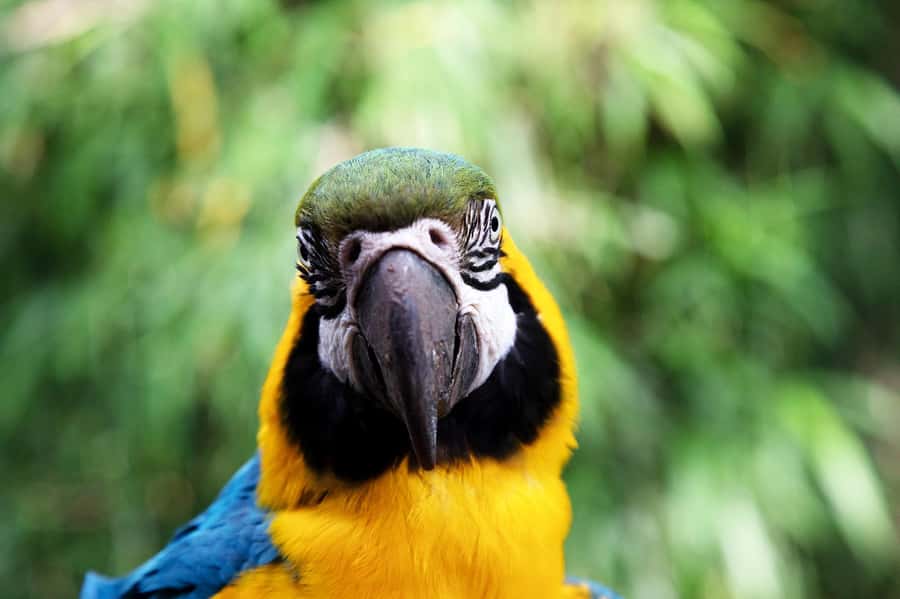
- Almost 2,500 birds: The bird collection spans five continents and gives the park a wider scope than a standard city zoo.
- Argentina comes first: The Native Zone, Mesopotamian Fauna area, and Patagonia Fauna area explain local wildlife as well as displaying it.
- A strong aquarium stop: Tide pools, rivers, and shark tanks add a well-made underwater section to the outdoor exhibits.
- Some animals may stay out of sight: Natural-looking habitats are appealing, but they can make certain species difficult to spot.
- Bring identification and the right ticket: Carry your passport or ID card, and use the separate ticket sent by the local provider.
Why Temaiken works as more than a zoo

Temaiken combines four types of attraction in one large site: a botanical garden, zoo, aquarium, and museum of natural history and anthropology. That mix matters because you are not simply moving from one animal cage to the next. The park also gives you plants, habitat design, environmental education, and displays about preservation.
I like this broad approach for families and curious adults. A tiger may catch your eye first, but the surrounding plants, regional habitats, and information about native species give the visit more meaning. You can compare wildlife from Buenos Aires Province with animals from Patagonia, Africa, and Asia in one day.
The scale is both the attraction and the challenge. With 178 acres to explore, you have room to walk and pause, but this is not a quick two-hour stop. The advertised duration is eight hours, so you should treat Temaiken as a day outing rather than a short activity between city sights.
If you try to see everything at top speed, the park may feel like a checklist. Give yourself time to read signs, watch animal behavior, and enjoy the garden areas. You may not see every animal clearly, especially in habitats designed to look natural.
More things to do in Buenos Aires:
- Local Foodie Adventure in Buenos Aires with Sherpa Food Tours
★ 5.0 · 6,875 reviews - Buenos Aires City Private Tour with Local Guide
★ 5.0 · 3,475 reviews - Buenos Aires Small-Group City Tour
★ 5.0 · 2,226 reviews
Starting with Buenos Aires Province in the Native Zone
The Native Zone is a good place to understand the park’s purpose. It focuses on the plants and animals associated with Buenos Aires and gives you a local starting point before the collection moves to other parts of the world.
That regional focus is valuable. Argentina is often treated as a route between Buenos Aires, Patagonia, and other destinations, but its own wildlife deserves attention. Here, you can learn about the natural setting close to the capital rather than seeing only imported or globally familiar species.
The botanical gardens help connect the animals to their surroundings. You will find an array of flora and fauna across the park, and the plant life is not just decoration. It helps create different settings for the animal areas and gives you quieter stretches between larger exhibits.
For you, this section works best if you enjoy learning how animals fit into a place. If your main goal is to see large predators immediately, the Native Zone may feel slower. I would still give it time, since it establishes the Argentine side of the visit.
Mesopotamian Fauna and Argentina’s wet regions
The Mesopotamian Fauna section brings together animals linked with Argentina’s northeastern region. Look for black yacarés and overos, tapirs, capybaras, lagoon turtles, and other species connected with wetlands and waterways.
This is one of the more distinctive parts of the park because it presents animals that may be unfamiliar to international visitors. Capybaras are easy to recognize, but yacarés and lagoon turtles offer a better sense of the country’s native wildlife. The collection also shows why wetland protection matters to animals that rely on rivers, lagoons, and marshy ground.
The habitat design aims to give animals room and a setting that resembles their natural environment. That is a positive feature for animal welfare and for the educational side of the visit. It also creates a practical tradeoff: an animal with space can be harder to find than one placed in a small, open enclosure.
Keep that in mind if you are comparing Temaiken with a compact urban zoo. You may not get a perfect view of every species. The reward is a more natural presentation when an animal does appear.
Patagonia Fauna from the Andes to the Atlantic

The Patagonia Fauna area recreates environments stretching from the Andes Mountain Range to the Atlantic coast. That geographic sweep gives you a quick introduction to the variety within Patagonia, a region often reduced to mountains and glaciers.
This section adds useful context to an Argentina itinerary. You can see how the country’s habitats change across a large distance, with different conditions shaping the animals and plants found there. The exhibit is less about one headline animal and more about showing a connected set of environments.
I would approach this area as an interpretation of Patagonia rather than a substitute for visiting the region itself. The park cannot reproduce the scale of the Andes or the Atlantic coast, but it can help you recognize the links between terrain, climate, and wildlife.
The same viewing issue applies here as in the Mesopotamian section. Natural settings can mean animals are not always in the most visible place. If you have children with you, keep expectations flexible and treat the search as part of the activity.
A few more options to weigh up in Buenos Aires
- Buenos Aires: Tickets to Boca Juniors Museum & Stadium
★ 4.5 · 581 reviews - Skip the Line Ticket for Tango Porteño Show with Dinner Platea
★ 4.5 · 430 reviews - Teatro Astor Piazzolla Skip-the-Line Ticket
★ 4.5 · 367 reviews - Teatro Colon Guided Tour Admission Ticket
★ 4.0 · 208 reviews
African animals, birds, and three special islands

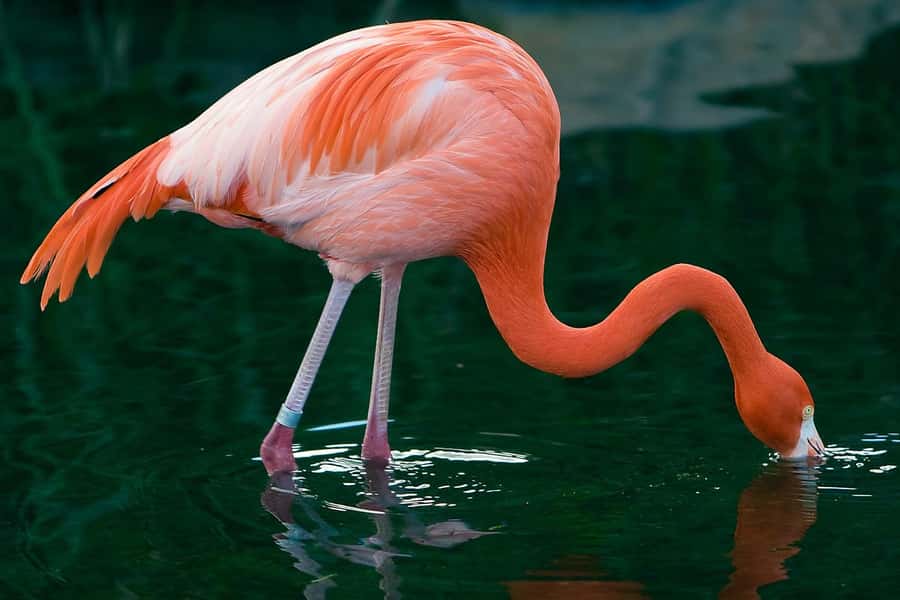
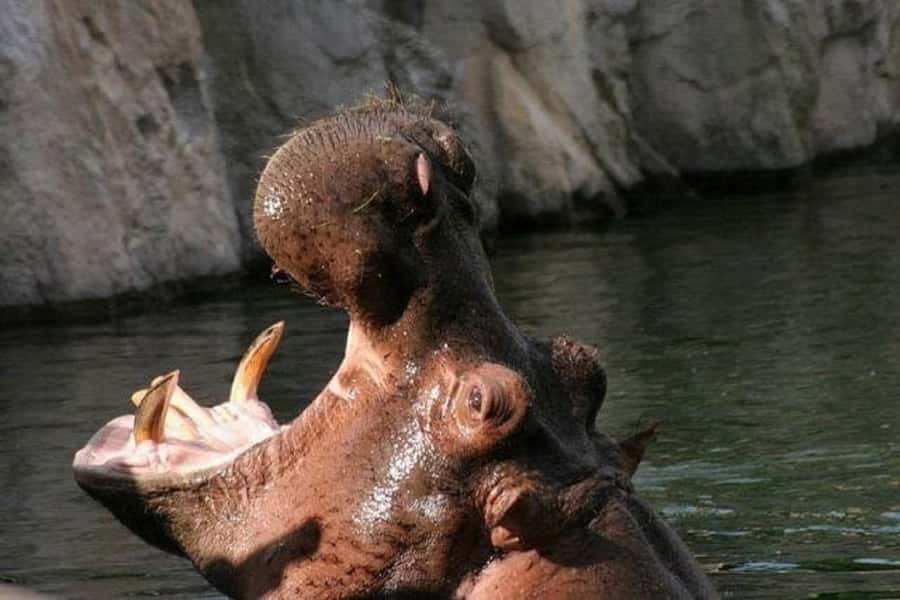
The African Zone shifts the tone of the park. Here you can see flamingos, pelicans, antelopes, and meerkats, along with three islands dedicated to lemurs, hippos, cheetahs, and zebras.
This is likely to be one of the most familiar parts of the visit, but it still has variety. Flamingos and pelicans bring a strong bird presence, while meerkats and antelopes add smaller and more active animals. The three islands give the area several separate stops rather than one broad enclosure.
The park’s bird collection is a major reason to allow enough time. It includes almost 2,500 birds from five continents, so birdwatchers and families who enjoy colorful or unusual species have plenty to look for. You do not need to know every species in advance to appreciate the range.
Still, bird displays can take patience. Some birds may be moving, resting, or positioned away from the main path. The collection is best for you if you enjoy observation rather than a guaranteed close-up encounter with every animal.
The lemur, hippo, cheetah, and zebra islands add recognizable highlights, but the experience can vary depending on where the animals are at that moment. The park’s open, habitat-focused approach is attractive, though it means you should not expect every creature to pose on cue.
Asian Zone with tigers, bats, and flying foxes

The Asian Zone includes tigers, bats, flying foxes, squirrels, and other animals. It provides a useful change from the wetland and African sections, with species that many people associate with forests and Asian wildlife.
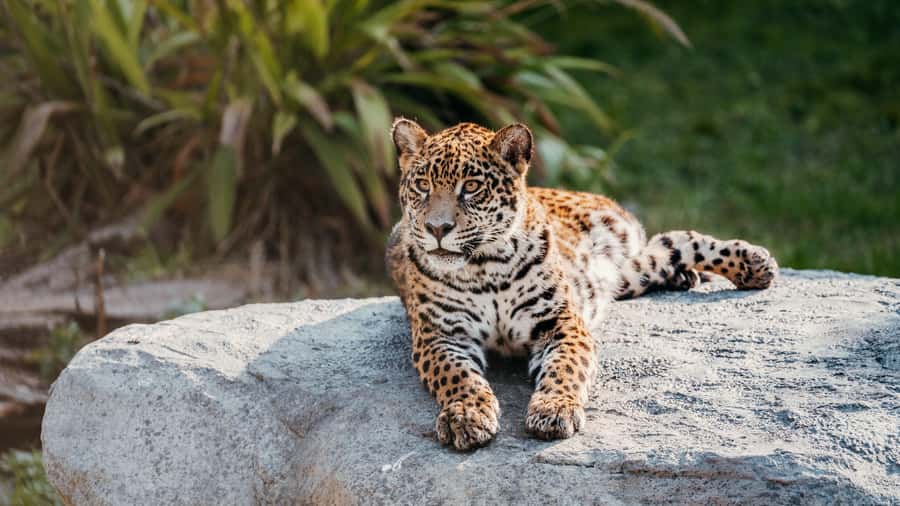
Tigers are the headline attraction, but do not overlook the bats and flying foxes. These animals are often misunderstood, and seeing them presented as part of a broader ecosystem can make the section more interesting than a simple predator display.
The variety also helps families with different interests. One person may want the tiger, another may prefer the flying foxes, and a child may be more interested in squirrels. The section has enough range to keep the walk from becoming repetitive.
As with other areas, you may need to look carefully. A tiger can be resting away from the viewing point, while smaller animals may move quickly or remain in less obvious parts of the habitat. That is a reason to avoid promising young children that they will see every species at close range.
The aquarium is worth making time for
The aquarium is one of the clearest highlights at Temaiken. It lets you move from outdoor habitats into an underwater setting, with displays about tide pools and rivers and tanks containing sharks.
I like the change of pace. After walking across the park, the aquarium gives you a more controlled, focused visit. Water movement and fish behavior create a different kind of viewing experience, and the shark tanks provide a memorable centerpiece.
The focus on both tide pools and rivers is useful because it shows that underwater life is not limited to the open sea. These environments support different animals and work in different ways. Even if you are not a dedicated aquarium fan, the section adds variety to the day.
One visitor specifically found the aquarium well done and enjoyable despite having a harder time locating animals elsewhere. That matches the practical advice I would give you: if your schedule becomes tight, make sure the aquarium does not get pushed aside. It is not simply an extra room at the end of the park.
Gardens, conservation, and the museum elements
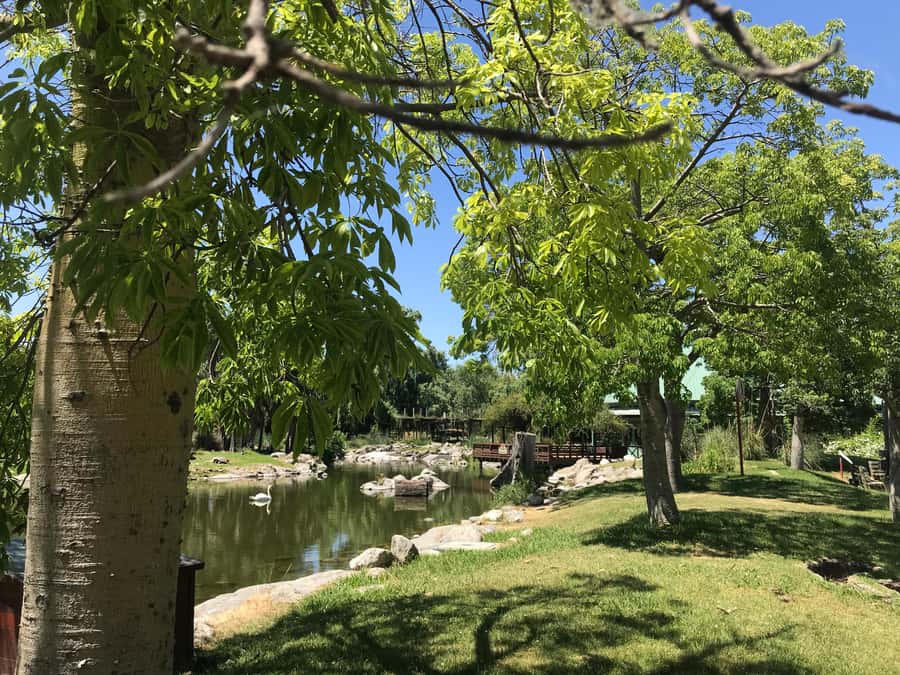
Temaiken’s gardens help break up the animal exhibits. You can wander among plants while moving between sections, and the botanical setting makes the park feel more like a broad nature center than a collection of isolated animal displays.
The museum of natural history and anthropology adds another educational layer. The supplied details do not specify the individual displays, so you should think of it as part of the park’s learning program rather than plan your visit around a particular gallery.
The conservation message runs through the entire experience. The park encourages you to think about animal protection and environmental preservation, with Argentine habitats placed alongside international zones. That approach gives the visit more substance than a simple afternoon of looking at animals.
The setting is also a practical advantage for a long day. You can alternate between animal viewing, garden walks, aquarium exhibits, and museum material. That variety makes the eight-hour format easier to manage, particularly for families or mixed-age groups.
Is $33 good value for eight hours?
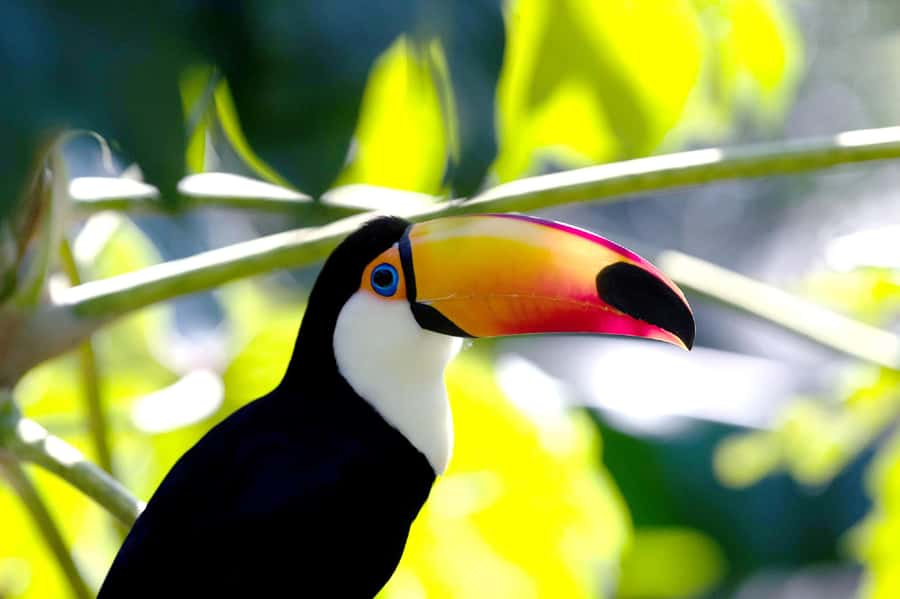
At $33 per person, the ticket is reasonably priced if you use the park as a full-day outing. You are paying for access to a large site with several distinct attractions, not just one zoo section. The combination of gardens, local and international animal zones, bird collection, aquarium, and museum makes the price easier to justify.
Value depends on your pace. If you stay only a few hours and skip the aquarium or several zones, the cost feels less attractive. If you enjoy taking your time, watching animals, and reading about habitats, eight hours gives you a fair chance to get your money’s worth.
There is no transport included, so you must arrange your own way to the park in Buenos Aires Province. That extra planning affects the total cost and convenience. The ticket itself is simple, but it is not an all-in-one excursion with a transfer.
The park received praise for being attractive and well maintained, and staff were described as helpful. Those details matter during a long visit. Clean, cared-for public spaces and useful staff support can make the difference between a pleasant day and a tiring one.
Ticket delivery requires careful attention
You need your passport or ID card with you. More importantly, the standard GetYourGuide voucher is not valid for entry.
After booking, the local provider, Grupo Summa, sends the actual tickets by email or WhatsApp 24 hours before the activity. I would check both channels and avoid arriving with only the booking confirmation. One person had trouble because the tickets arrived at the last moment, so this is the biggest practical warning attached to the experience.
If the separate ticket has not arrived, contact the provider before setting out. The included admission is useful only when you have the correct entry document in hand. This is a small detail, but it can determine whether your carefully planned day begins smoothly.
You can cancel up to 24 hours in advance for a full refund. The activity is wheelchair accessible, which makes the large park more workable for visitors who need accessible routes, though the supplied information does not give further details about individual paths or facilities.
Who should choose Temaiken?
I would recommend Temaiken to you if you want a full day outside the center of Buenos Aires and enjoy a mix of animals, plants, and environmental education. It is especially suitable for families, bird enthusiasts, aquarium fans, and anyone interested in seeing Argentine wildlife presented alongside species from other continents.
It is also a good fit if you prefer habitat-style exhibits to tightly packed animal displays. You get more space and a setting designed around natural environments, but you may need patience and good observation skills.
I would be more cautious if your main goal is guaranteed close views of a long list of animals. The park’s natural areas can mean that some creatures are difficult to spot. Someone used to a compact, highly visible city zoo may find the search frustrating.
Plan for eight hours, wear suitable walking clothes, and keep the schedule loose. The park rewards a calm pace more than a rushed attempt to cover every path.
Should you book Temaiken Biopark?
Book this ticket if you want a broad nature outing rather than a quick animal attraction. The aquarium, bird collection, Argentine habitat sections, gardens, and international zones give you plenty to see for $33, especially if you can spend most of the day there.
Skip it if transport is a major concern or if you need constant, close animal views. Before leaving, confirm that the separate entry ticket has arrived by email or WhatsApp. With that detail handled, Temaiken offers a thoughtful and varied day among wildlife, plants, and water life.
FAQ
Where is Temaiken Biopark located?
Temaiken Biopark is in Buenos Aires Province, Argentina.
How long should I allow for the visit?
The stated duration is eight hours. Plan for a full day if you want time for the animal zones, botanical gardens, aquarium, and museum areas.
What is included in the ticket?
The ticket includes admission to Temaiken Biopark. Transport to and from the park is not included.
Is the park wheelchair accessible?
Yes, the activity is listed as wheelchair accessible.
What identification should I bring?
Bring your passport or ID card.
Can I enter with my GetYourGuide voucher?
No. The GetYourGuide voucher is not valid for entry. The local provider sends the actual tickets by email or WhatsApp 24 hours before the activity.
Just added in Buenos Aires
- Discover Buenos Aires’ independent art scene — Ticket included★ 5.0 · 30 reviews
- Photo Session in Buenos Aires★ 5.0 · 26 reviews
- Your Private Photographer in Buenos Aires★ 5.0 · 4 reviews
- Yerba Mate Workshop – Learn to Drink Mate like a Local!★ 5.0 · 11 reviews
- Your Personal Photographer in Buenos Aires★ 5.0 · 24 reviews
- BA: Wine Tasting and Blending Experience in Palermo★ 5.0 · 1 review
- Winery and Tasting Experience in Buenos Aires★ 5.0 · 1 review
- Taste of Tradition: Yerba Mate & Alfajores Experience★ 4.0 · 5 reviews
Buenos Aires Tours, compared.

Local Foodie Adventure in Buenos Aires with Sherpa Food Tours
Read our review →
Buenos Aires City Private Tour with Local Guide
Read our review →



Buenos Aires Hop-On Hop-Off Bus and Exclusive Benefits
Read our review →