Reviewed · BUENOS AIRES TOURS
Road Trip Adventure Across North West Argentina
Argentina rewards the curious. This 14-day private road trip leaves the usual city circuit behind and links Córdoba, La Rioja, Catamarca, Salta, and Jujuy by road. I like the private vehicle and the chance to stop in small communities, taste local food, and meet people outside the standard tourist route. I also like the variety: mountain roads, red desert, giant dunes, salt flats, colonial towns, and indigenous sites all appear in one long journey. The main drawback is the pace. Several days involve long drives, early starts, and multiple stops, so this is not a restful holiday.
The price is $3,249 per person, with accommodation, fuel, park entries, museums, and listed tours included. That can be fair value for a private trip covering so much ground, especially if you are sharing the vehicle with friends or family. But meals are extra, and the amount of included sightseeing varies from day to day. Guide Justino receives particular praise for knowing the routes and arranging genuine local encounters, though you should still be ready for basic, changing conditions far from the big cities.
In This Review
- Key points to know before booking
- Why this road trip feels different
- Days 1 and 2: Córdoba, La Cumbrecita, and German-style mountain towns
- Day 3: Córdoba’s high road to Capilla del Monte
- Day 4: Talampaya, Amaná, and the Cuesta de Miranda
- Day 5: Fiambalá’s dunes and wine grown in sand
- Day 6: Route 40 and Campo de Piedra Pómez
- Day 7: Quilmes and the vineyards around Cafayate
- Day 8: Route 68, the Quebrada de las Conchas, and Salta
- Days 9 and 10: Salta from the market to San Lorenzo
- Days 11 and 12: Cuesta del Obispo, Cachi, and Jujuy
- Day 13: Purmamarca, Salinas Grandes, Tilcara, and Humahuaca
- Price, comfort, and what the $3,249 covers
- Who should book this Argentina road trip?
- Should you book this private North West Argentina journey?
- FAQ
- Where does the road trip start?
- How long does the experience last?
- Is this a private tour?
- What type of transport is provided?
- Are accommodations included?
- Are meals included in the price?
- Are national park entries included?
- Is the Campo de Piedra Pómez excursion included?
- Can I use the cable car at Cerro San Bernardo?
- Where does the tour finish?
Key points to know before booking
- Fourteen days on the road: You travel from Buenos Aires toward Córdoba, across the desert provinces, into Salta, and north to Jujuy.
- A private group experience: Only your party takes part, with an air-conditioned vehicle sized according to the number of people booking.
- The most unusual stops: Talampaya, Fiambalá’s dunes, Campo de Piedra Pómez, the Quilmes ruins, Salinas Grandes, and the Quebrada de Humahuaca give the trip its character.
- Local contact matters: Homemade empanadas, sandy-soil wine, roadside meals, markets, and small villages are central to the experience.
- Long driving days are part of the deal: Day 1 takes about 12 hours, and several later days combine four to eight hours on the road with walks and sightseeing.
- The ending is flexible: Drop-off is provided at either Jujuy or Salta airport, depending on your flight details.
Why this road trip feels different
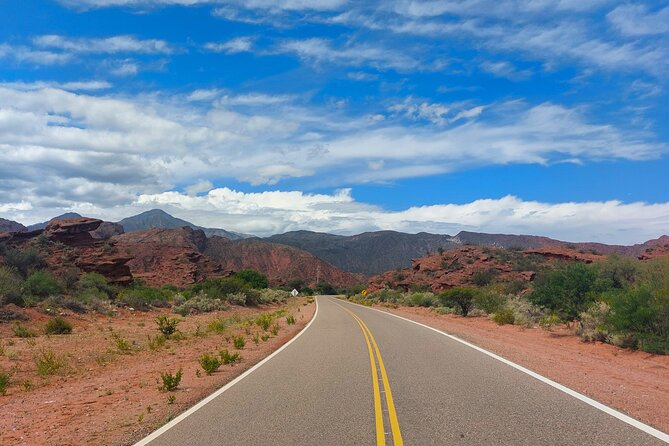
Most first visits to Argentina focus on Buenos Aires, Iguazú Falls, Patagonia, or Mendoza. This journey takes a different line, using Route 40 and other famous provincial roads to connect the country’s central and northwestern regions.
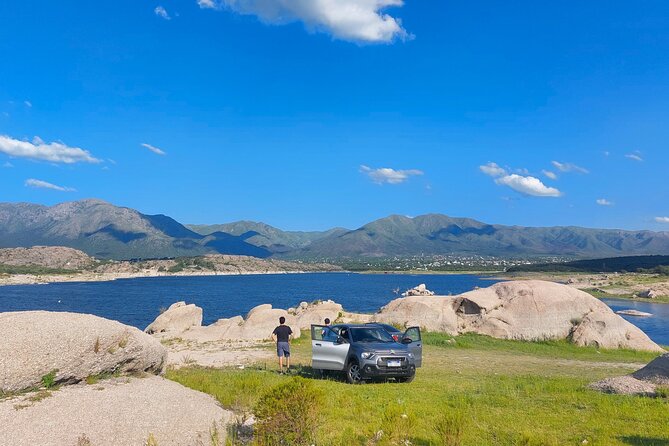
That choice gives you a better sense of distance. Córdoba’s green hills gradually give way to the dry country of La Rioja and Catamarca. Later, the Andes rise around you, and the trip finishes among high-altitude villages, salt flats, and multicolored rock formations.
I like the way the route mixes famous sights with places that do not usually appear on a short holiday. You may stop in Amaná, an isolated desert community linked to mining, or Tatón, a small mountain village where wine is grown in sandy soil. These are not polished attractions designed for quick photo stops. They are places where the setting and local life matter as much as the view.
The trade-off is simple: you cover a lot of Argentina, but you do not linger long in every place. If you want a slow morning, a free afternoon, or several nights in one hotel, this schedule may feel demanding.
More things to do in Buenos Aires:
- Local Foodie Adventure in Buenos Aires with Sherpa Food Tours
★ 5.0 · 6,875 reviews - Buenos Aires City Private Tour with Local Guide
★ 5.0 · 3,475 reviews - Buenos Aires Small-Group City Tour
★ 5.0 · 2,226 reviews
Days 1 and 2: Córdoba, La Cumbrecita, and German-style mountain towns
The first day is a serious driving day. From the Buenos Aires starting point, the route heads toward Córdoba through the Pampas, with lunch along the way if needed. Arrival is planned for sunset, after roughly 12 hours on the road.
That is a lot of sitting on day one, so I would treat it as a transfer day rather than expect a full sightseeing program. The reward is reaching Córdoba without an additional domestic flight or train connection.
Day two is far more active. You begin with about three hours in Córdoba’s historic center, parks, and avenues. The aim is to see the city at street level rather than race through a checklist of buildings.
Then comes La Cumbrecita, a pedestrian-only village in the Calamuchita Valley. A hill walk leads to a waterfall where bathing is possible. The walk is one of the few places where the schedule includes a clear outdoor activity, so bring suitable footwear and swimwear if you want to use the water.
The day finishes in Villa General Belgrano, a mountain village known for its German character. It is a brief visit of about an hour, so you will get an impression of the town rather than a full exploration.
Day 3: Córdoba’s high road to Capilla del Monte
Villa Carlos Paz is the first stop, with time to see its lake and collect supplies before heading into the Sierras de Córdoba. This is a useful practical pause because the next part of the route moves away from major cities.
The Camino de las Altas Cumbres is the day’s main scenic drive. You spend about three hours crossing the mountains and stopping for lunch above the valley. The road itself is the attraction, with changing views as the route climbs and crosses the Sierras.
The day ends in Capilla del Monte, a small northern Córdoba town popular with local holidaymakers. Sunset arrival gives you a short introduction before the five-day stretch away from large urban centers begins.
I would pay attention to the rhythm here. You are not simply being driven from one hotel to another. You are moving from the green central hills into increasingly dry and remote country. Capilla del Monte is the last easy point to prepare for the desert portion, so use the supply stop wisely.
Day 4: Talampaya, Amaná, and the Cuesta de Miranda
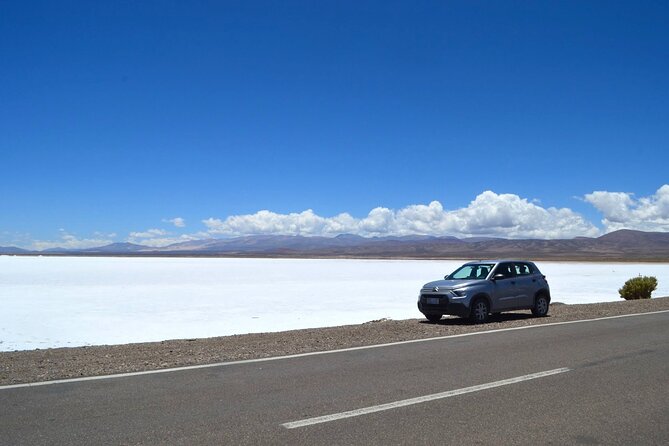
Day four changes the scenery completely. The route heads into desert country and includes Amaná, an isolated village whose community depends on mining. Its inclusion is important because it gives the trip a human side. You are not only looking at rock and sand. You are seeing how people live in a remote province.
Talampaya National Park receives about five hours, making it one of the more substantial stops. Entry to national parks is included when listed in the program, which helps protect the value of the package. The park’s desert setting and monumental rock formations are a sharp contrast to Córdoba’s hills.
Later, Route 40 takes you through the Cuesta de Miranda, a dramatic descent with broad views. Two hours are set aside for this section before continuing to Chilecito.
In Chilecito, you spend about two hours exploring the roughly 300-year-old city and climbing to Cristo del Portezuelo. The climb adds a small physical challenge after a long day in the vehicle, but it also gives you a memorable viewpoint.
A completely different kind of day:
- Buenos Aires Hop-On Hop-Off Bus, Free Walking Tours & Discounts
★ 4.5 · 2,218 reviews - Buenos Aires: Piazzolla Tango Show with Optional Dinner
★ 4.4 · 2,122 reviews - Buenos Aires: City Highlights Guided Tour with Transfer
★ 4.7 · 1,946 reviews - Buenos Aires: Hop-On Hop-Off City Bus Tour
★ 4.2 · 1,855 reviews
Day 5: Fiambalá’s dunes and wine grown in sand
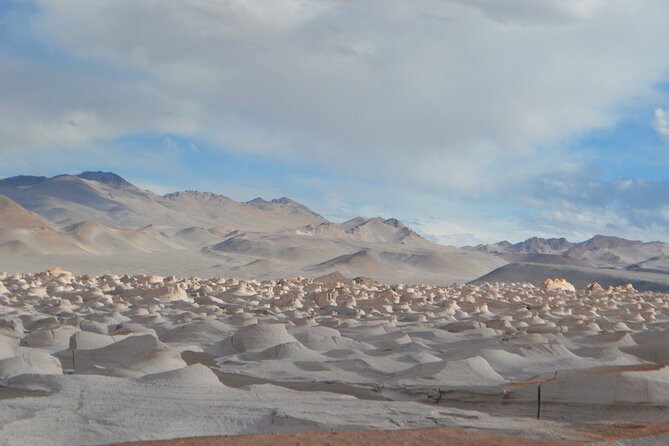
The early departure from Chilecito continues the move into Catamarca. Route 60 leads to Fiambalá, a village beside the dunes. The drive takes about five hours, so this is another day where the road is a major part of the experience.
Medanitos offers the chance to see settlements beside huge dunes that run down from the mountains. Sandboarding is included as an activity in the plan, giving you something active to do after the long drive. I would not expect a full sports session, but it is a fun way to experience the desert rather than simply photograph it.
The route then continues toward Tatón, a rarely visited village hidden among the mountains. Here you can sample traditional wine made from grapes grown in sandy soil and speak with local people. This is exactly the type of detail that gives the journey a sense of place.
The overnight base is Tinogasta. Because the day includes several remote stops, meal planning matters. Food is not included in the price, and choice may be limited in small settlements.
Day 6: Route 40 and Campo de Piedra Pómez
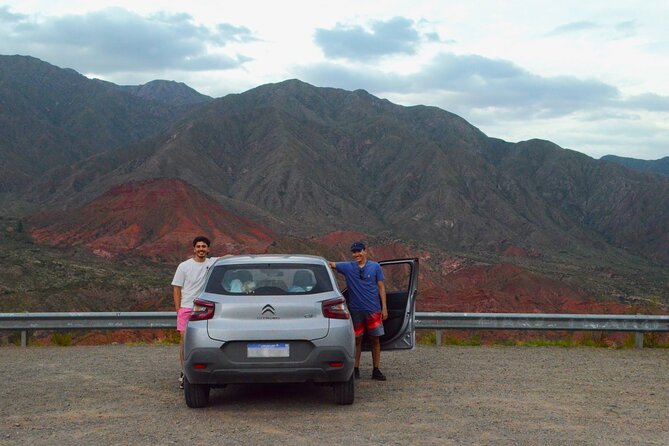
The morning drive follows Route 40 through Londres and Belén before turning onto Route 43 toward the Andes. You spend about three hours reaching the area around El Peñón, where lunch comes before the afternoon excursion.
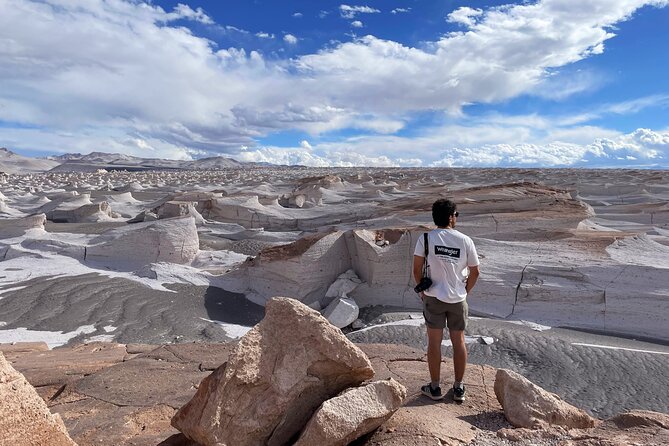
The main event is a four-wheel-drive trip through the Valley of the Volcanoes and Campo de Piedra Pómez. A local driver and guide accompany the group because of the rough conditions. The five-hour excursion is the only listed activity with a specifically included admission or tour ticket on this day.
This is one of the trip’s strongest sections for anyone who likes unusual geology and remote places. Campo de Piedra Pómez is not a standard roadside viewpoint. The 4×4 ride is part of the experience, and the rough access helps explain why a local vehicle and driver are needed.
After returning to El Peñón, you descend, eat dinner at a roadside restaurant, and sleep in Huelfín. The schedule is practical rather than luxurious. Expect a day built around distance, altitude, and remote access.
Day 7: Quilmes and the vineyards around Cafayate
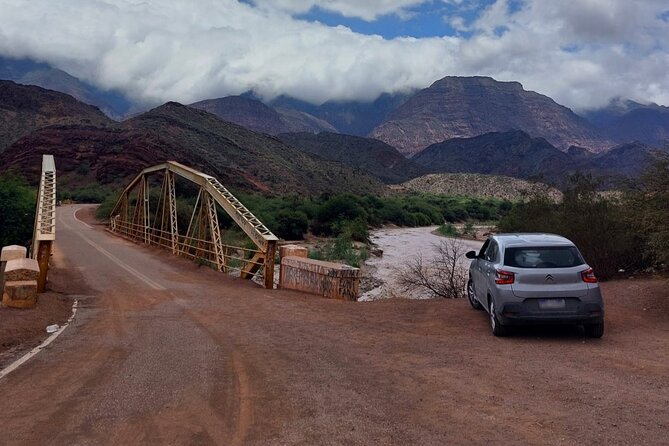
The route turns north toward Cafayate along Route 40. A three-hour stop at the Sacred City of Quilmes introduces one of the region’s major archaeological sites. Admission is included, so you can focus on the remains and their setting without paying another entry fee.
The stop in Colalao del Valle adds a more personal touch. You may sample homemade empanadas prepared by local people before continuing toward Cafayate and the province of Salta.
Cafayate is a useful change of pace after the desert days. The area is associated with wine, and the route brings together food, agriculture, archaeology, and mountain scenery. The program allows about five hours here, enough for a proper stop rather than a quick roadside photograph.
Accommodation is in Animaná that night. This region gives you a good example of why the private format helps. The vehicle can pause in smaller towns and combine major sites with food stops that would be harder to arrange on a fixed bus route.
Day 8: Route 68, the Quebrada de las Conchas, and Salta
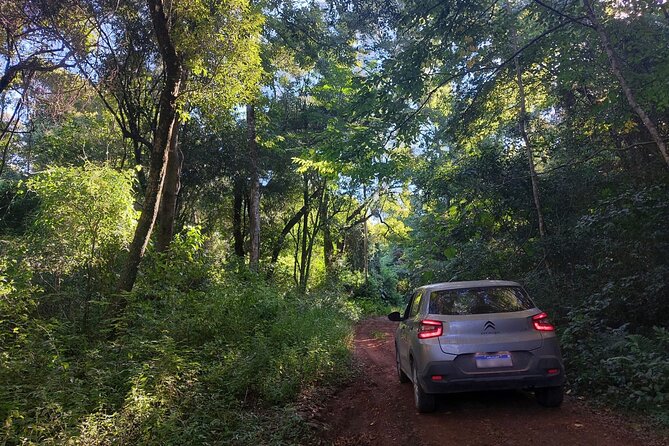
Route 68 is one of the trip’s great road sections. It cuts through the Quebrada de las Conchas, a striking red-rock valley with unusual formations and wide open views. About four hours are set aside for the area, including stops along the route.
Lunch comes at Puente Morales, where the film Wild Tales was filmed. The meal is picked up from a local rest stop, so do not expect a formal restaurant experience. The arrangement keeps the schedule moving and gives you a picnic-style break at a memorable location.
The route then enters the greener surroundings of Salta. At Cabra Corral Dam, you can stop at a popular local recreation area, with activities such as bungee jumping and kayaking available. The program does not say these activities are included, so treat them as optional possibilities rather than part of the price.
Arrival in Salta marks the return to a major city. After several nights in small settlements and remote country, the city’s hotels, museums, markets, and restaurants will feel like a welcome reset.
Days 9 and 10: Salta from the market to San Lorenzo
Day nine is devoted to Salta. The four-hour city walk includes the historic center, museums, and a street market selling local handicrafts and clothing. This is a good place to buy practical souvenirs because the focus is on locally made goods rather than generic airport merchandise.
Day ten begins with a drive up Cerro San Bernardo. A cable car also serves the hill, but its ticket is not included. The summit offers a broad view over Salta, and dining options are available at the top.
In the afternoon, you head to San Lorenzo for a walk through the San Lorenzo Ravine. This is described as a place popular with local people, and it gives you a greener, more relaxed contrast to the high desert roads.
I like having two days connected to Salta because the city is more than an overnight stop. Still, the program does not provide a full free day. You will see the main areas through organized outings, with less time for independent wandering.
Days 11 and 12: Cuesta del Obispo, Cachi, and Jujuy
Route 33 takes you from Salta into the green mountain country of Cuesta del Obispo. A lunch stop at a local eatery breaks up the three-hour visit and keeps the day grounded in everyday regional life.
Cachi comes next, after the route descends into the Calchaquí Valley. The town is more than 300 years old and remains lightly visited compared with Argentina’s major destinations. Five hours are planned here, which gives you time to walk around rather than simply stop for a photograph.
Day twelve is mostly a transfer to San Salvador de Jujuy. The eight-hour schedule passes through Los Cardones National Park, El Carril, and Salta before continuing north. That length makes it one of the hardest days physically, particularly after nearly two weeks of driving.
I would think of day twelve as a bridge to the final highland section. It is not packed with separate attractions, but it moves you into a different cultural and geographic area.
Day 13: Purmamarca, Salinas Grandes, Tilcara, and Humahuaca
The final full sightseeing day is crowded with highlights. Purmamarca comes first, with its Seven-Colour Hill and traditional mud houses. Two hours is enough to walk around and take photographs, though you may wish for more time in this appealing small town.
The route climbs to Salinas Grandes, Argentina’s largest salt flat. You can walk across the white expanse and take photographs of the unusual surface. Lunch is available at an indigenous market near the salt flats, adding local food and commerce to the stop.
Later, Route 9 descends toward Tilcara, an ancient mountain town, followed by Humahuaca. Each receives about two to three hours. That allows a walk through the streets and a first look at the towns’ traditional architecture, but the day moves quickly.
You return to San Salvador de Jujuy by sunset for the final night. This is a packed finale, yet it brings together the highland sights many people most want to see.
Price, comfort, and what the $3,249 covers
At $3,249 per person, this is not a budget bus tour. The value depends heavily on your group size and how much you appreciate private transport.
The price includes an air-conditioned vehicle for the whole trip, accommodation, fuel surcharge, entry tickets to national parks and museums listed in the program, and included tours such as the Campo de Piedra Pómez 4×4 outing and the Quilmes site. The vehicle type changes according to group size.
Meals are not included. That gives you some control, but you need to budget for two weeks of breakfasts, lunches, dinners, drinks, and snacks. The route passes through isolated areas, so you should not assume that every meal will be in a full-service restaurant.
The strongest value is convenience. Someone else handles the long route, fuel, remote access, and airport transfer. Justino’s careful handling of details is a major reason the cost may feel justified, especially for a private party that wants local stops without planning every road and overnight stay independently.
Who should book this Argentina road trip?
I would recommend it to people who want variety more than leisure. You should be comfortable with long drives, early departures, hill walks, desert heat, and a schedule that keeps moving.
It suits families or friends who can fill a private vehicle and value flexibility. It also fits independent-minded tourists who want local food, small towns, and remote scenery but do not want to manage Route 40, mountain roads, park entries, and airport transfers alone.
I would hesitate to recommend it to anyone seeking a slow luxury holiday, nightlife, or long stretches of free time. The accommodation standard is not specified, and meals are extra, so ask for those details before paying.
Confirmation arrives within 48 hours, subject to availability. Pickup is offered, and the experience runs daily during the stated operating period. You can cancel for a full refund if you do so at least three full days before the local start time. The tour is private, and most people can participate, though the walking and road conditions still deserve honest consideration.
Should you book this private North West Argentina journey?
Book it if you want Argentina’s less familiar side and can accept the mileage. The combination of desert villages, sandboarding, local wine, high mountain roads, archaeological sites, salt flats, and Salta’s city life is unusually broad.
The decision comes down to pace and price. If you share the cost with a group and want Justino to manage the complicated details, the package can be worth it. If you prefer to travel slowly or control every overnight stay, plan a shorter self-guided route instead.
FAQ
Where does the road trip start?
The tour location is Buenos Aires, and the first major destination is Córdoba. Pickup is offered, but the exact pickup point should be confirmed when booking.
How long does the experience last?
The trip lasts approximately 14 days, ending on day 14 with an airport transfer.
Is this a private tour?
Yes. Only your group participates in the activity.
What type of transport is provided?
An air-conditioned private vehicle is provided for the whole group. The vehicle type depends on the number of people who book.
Are accommodations included?
Yes. Accommodation is included for the entire experience.
Are meals included in the price?
No. Meals are not included, so you will pay separately for food and drinks during the trip.
Are national park entries included?
Entry tickets to national parks, museums, and tours included in the program are covered by the price.
Is the Campo de Piedra Pómez excursion included?
Yes. The five-hour 4×4 excursion through the Valley of the Volcanoes and Campo de Piedra Pómez includes admission.
Can I use the cable car at Cerro San Bernardo?
A cable car is available, but its ticket is not included. The program begins the visit by ascending the hill by car.
Where does the tour finish?
The final transfer goes to either Jujuy Airport or Salta Airport, depending on your flight details.
Just added in Buenos Aires
- Discover Buenos Aires’ independent art scene — Ticket included★ 5.0 · 30 reviews
- Photo Session in Buenos Aires★ 5.0 · 26 reviews
- Your Private Photographer in Buenos Aires★ 5.0 · 4 reviews
- Yerba Mate Workshop – Learn to Drink Mate like a Local!★ 5.0 · 11 reviews
- Your Personal Photographer in Buenos Aires★ 5.0 · 24 reviews
- Winery and Tasting Experience in Buenos Aires★ 5.0 · 1 review
- Taste of Tradition: Yerba Mate & Alfajores Experience★ 4.0 · 5 reviews
- BA: Wine Tasting and Blending Experience in Palermo★ 5.0 · 1 review
Buenos Aires Tours, compared.
Local Foodie Adventure in Buenos Aires with Sherpa Food Tours
Read our review →
Buenos Aires City Private Tour with Local Guide
Read our review →

Buenos Aires Hop-On Hop-Off Bus and Exclusive Benefits
Read our review →