Reviewed · BUENOS AIRES TOURS
Recoleta & Cemetery for curious people
Recoleta tells Argentina’s story in stone. This interactive 150-minute walk links Plaza San Martín, grand diplomatic buildings, and Recoleta Cemetery through questions and discussion rather than a string of dates. I like the way it connects Buenos Aires’s French-inspired image to the country’s powerful landowning elite, and I like that the guide adjusts the conversation to your interests. The main catch is that cemetery admission is not included, so you need to buy that ticket separately if you want to enter.
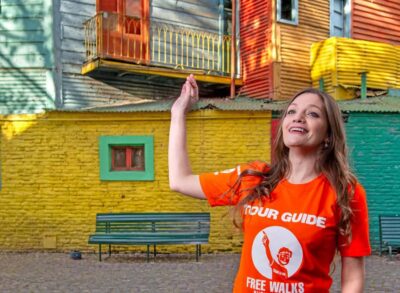
The route covers a lot of ground, but the pace is built around short stops and conversation. Guides Nicolas, often called Nico, and Ignacio receive especially warm praise for their humor, patience, and ability to answer individual questions. At $34 per person, this is good value if you want context and discussion, less so if you prefer a quick photo walk with little explanation.
In This Review
- Key points at a glance
- Why this Recoleta walk is different
- Starting at Rapa Nui and Plaza San Martín
- Edificio Kavanagh and the modern face of wealth
- Torre Monumental and the city’s European image
- Mansión Estrugamou and Palacio San Martín
- A short break before the Recoleta stretch
- Embassy of France, Jockey Club, and Palacio Duhau
- Entering Recoleta Cemetery as a social record
- The guide’s role in making the tour work
- Is $34 a fair price?
- Who should book this experience?
- What to know before you go
- Should you book the Recoleta curious-people tour?
- FAQ
- Where does the tour meet?
- Where does the tour end?
- How long does the experience last?
- How much does the tour cost?
- Is the cemetery ticket included?
- Can I enter the cemetery without booking cemetery admission in advance?
- What languages are available?
- Is the tour wheelchair accessible?
- Is this a private tour or a group tour?
- Can I cancel the booking for a refund?
- Do I have to pay when I book?
Key points at a glance
- A city walk with an argument: You examine how Buenos Aires became known for its Parisian style and ask who paid for that elegance.
- The cemetery is only the final chapter: The route begins at Plaza San Martín and builds toward Recoleta’s grand mausoleums.
- The guide matters here: Nicolas and Ignacio bring historical side stories, humor, and plenty of room for questions.
- Cemetery entry costs extra: You can buy admission at the entrance or online in advance, and entering is optional.
- Small-group feel: Private and small-group formats are available, which suits a discussion-led tour.
- Three languages are offered: You can book in Spanish, English, or French.
Why this Recoleta walk is different
Many city tours treat Recoleta Cemetery as a glamorous final stop. This experience takes a wider view. It asks you to look at the neighborhood as a product of Argentina’s Gilded Age, when a small circle of landowners and wealthy families shaped the country’s politics, buildings, and public image.
I like that approach because the cemetery makes more sense once you have seen the world that produced it. The ornate mausoleums are not simply attractive stonework. They reflect status, family power, social memory, and the wish to be remembered in a very public way.
The walk also opens a larger question: How did Argentina move from hopes of becoming a world power to the difficult present it faces today? You will not get a full political course in two and a half hours, but you will get a useful framework for thinking about Buenos Aires beyond its famous cafés and handsome avenues.
This is a discussion-led experience. You are encouraged to ask questions, challenge the guide’s ideas, and spend more time on subjects that interest you. That makes it a better choice for curious visitors than for anyone seeking a tightly scripted sightseeing loop.
More things to do in Buenos Aires:
- Local Foodie Adventure in Buenos Aires with Sherpa Food Tours
★ 5.0 · 6,875 reviews - Buenos Aires City Private Tour with Local Guide
★ 5.0 · 3,475 reviews - Buenos Aires Small-Group City Tour
★ 5.0 · 2,226 reviews
Starting at Rapa Nui and Plaza San Martín
The meeting point is the Rapanui store. From there, the walk moves to Plaza General San Martín, one of the key public spaces in this part of Buenos Aires.
The plaza provides the first setting for the tour’s central theme: wealth, ambition, and national identity. The guide uses the area to establish the city’s connection with European taste and the social class that wanted Buenos Aires to look like a major European capital.
The itinerary allows two guided stops of about 10 minutes around Plaza San Martín. That may sound repetitive on paper, but it gives the guide room to introduce both the setting and the larger story. You can expect the discussion to move from what you see around the square to the forces that shaped the capital.
This is also a useful point to settle into the format. If you want dates, ask for them. If you want the social angle, ask about the families and institutions behind the buildings. The tour works best when you take part instead of standing quietly at the back.
Edificio Kavanagh and the modern face of wealth
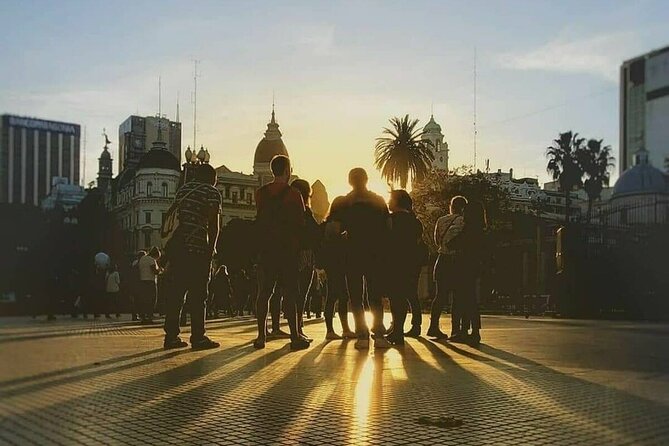
The next stop is Edificio Kavanagh, with about 10 minutes of guided explanation. Its inclusion is important because the tour is not limited to nineteenth-century mansions and cemetery monuments.
Here, the story of elite Buenos Aires meets a more modern architectural expression. The building helps show how ideas of prestige changed over time, even as the city continued to display wealth through prominent structures.
I would pay attention to the contrast between the old aristocratic world and this later urban form. The tour’s value comes from those connections. Rather than seeing each building as a separate attraction, you are asked to consider how the city’s public image developed and who had the money to shape it.
The guide may also use this stop to discuss the gap between national ambition and social inequality. That is one reason the experience feels more thoughtful than a standard architecture walk.
Torre Monumental and the city’s European image
Torre Monumental follows, with another 10-minute guided stop. Its presence reinforces the strong European influence visible in this part of Buenos Aires.
The tour’s Parisian illusion theme comes into clearer focus here. Buenos Aires earned a reputation for grand avenues, imported styles, and upper-class sophistication. Yet the guide encourages you to ask whether the European look represented the whole country or mainly the world of its wealthy residents.
That question keeps the tour grounded. You are not simply told that Buenos Aires resembles Paris. You are invited to consider why city leaders and elites wanted that resemblance, what it communicated, and what it left out.
For you, this means the stop is less about ticking off a tower and more about reading the city as a political statement. The guide’s ability to explain those links is central to the experience.
A completely different kind of day:
- Buenos Aires Hop-On Hop-Off Bus, Free Walking Tours & Discounts
★ 4.5 · 2,218 reviews - Buenos Aires: Piazzolla Tango Show with Optional Dinner
★ 4.4 · 2,122 reviews - Buenos Aires: City Highlights Guided Tour with Transfer
★ 4.7 · 1,946 reviews - Buenos Aires: Hop-On Hop-Off City Bus Tour
★ 4.2 · 1,855 reviews
Mansión Estrugamou and Palacio San Martín
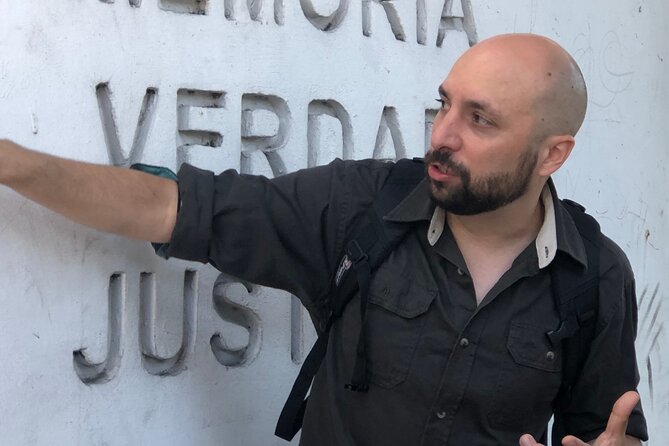
The route continues to Mansión Estrugamou, also known as Casa Basavilbaso, followed by Palacio San Martín. Each stop is scheduled for around 10 minutes.
These buildings bring the Gilded Age theme into sharper view. Grand residences and official palaces show how wealthy families and institutions used architecture to announce their place in society. The façades, scale, and formal setting all help explain the social order that once dominated this district.
You will not go inside every building listed on the route. The emphasis is on exterior viewing, explanation, and discussion. That is worth knowing if you expect interior access.
At Palacio San Martín, the story gains a diplomatic and national dimension. The tour shifts from private wealth to the institutions that represented Argentina abroad and at home. This creates a helpful bridge between elegant houses and the wider question of how the country presented itself to the world.
A guide with strong historical training can make these short stops count. Nicolas has been praised for little-known side stories and a good sense of humor, while Ignacio is described as especially attentive to individual questions. Those details matter because a 10-minute stop can feel thin without a guide who knows how to choose the right story.
A short break before the Recoleta stretch
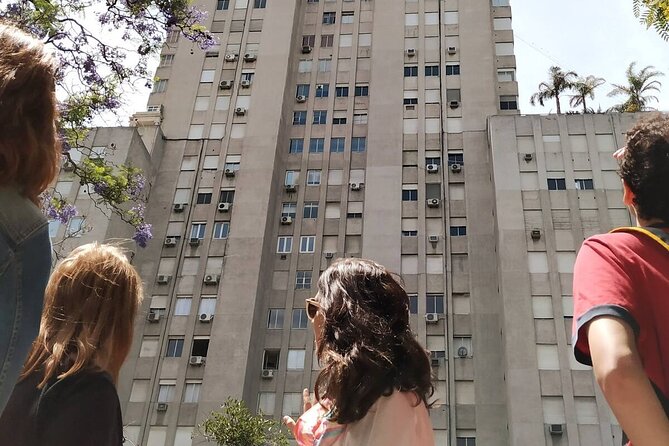
The itinerary includes a five-minute break at Carrefour Express. It is brief, but useful.
You can use this pause to buy a drink or simply reset before the final group of stops. Buenos Aires sightseeing often involves more walking than visitors expect, and this is not a seated tour.
The short break also divides the experience into two parts. The first section establishes the city’s wealth and public image. The second moves closer to Recoleta Cemetery and the question of how that society chose to remember its leading figures.
Embassy of France, Jockey Club, and Palacio Duhau
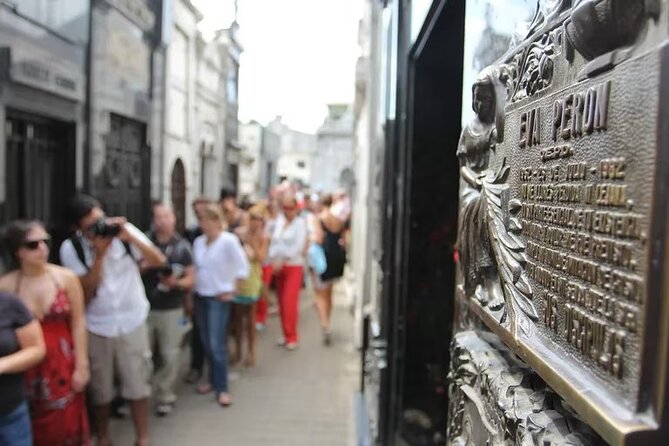
The Embassy of France and Jockey Club each receive about 10 minutes of guided attention. Palacio Duhau, now the Park Hyatt Buenos Aires, receives about five minutes.
Together, these stops show Recoleta as a district of diplomacy, private clubs, luxury, and social access. The buildings are attractive, but their real use on this tour is social: They help you picture who met here, who belonged, and who remained outside the circle.
The Jockey Club is particularly useful for understanding elite culture. You are encouraged to think about how clubs and formal institutions helped powerful groups maintain influence and identity.
The Embassy of France continues the European theme. It offers another chance to consider how Buenos Aires borrowed and adapted foreign styles. Palacio Duhau adds a contemporary angle because its grand setting now operates as a high-end hotel.
I like this part of the route because it prevents the cemetery from feeling isolated. The tombs at the end belong to a social world that you have already seen in its residences, clubs, diplomatic buildings, and grand public spaces.
Entering Recoleta Cemetery as a social record
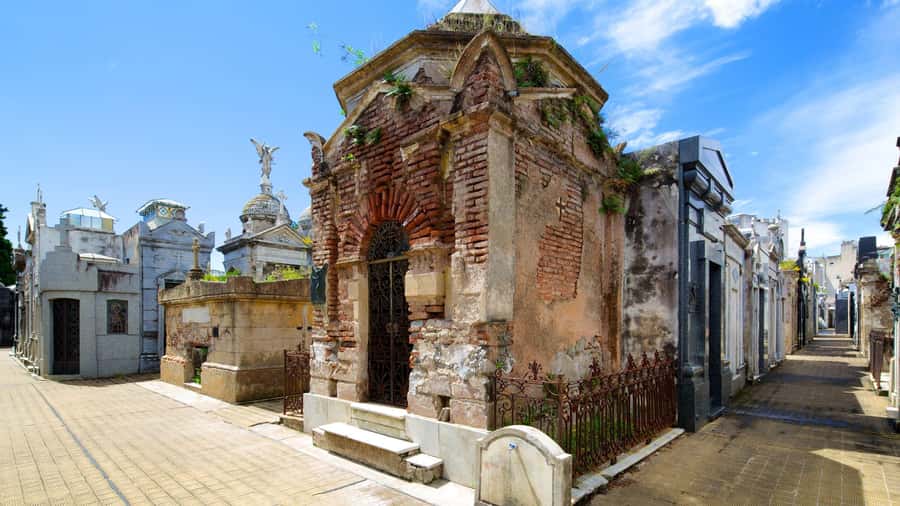
The final guided section lasts about 45 minutes at La Recoleta Cemetery. This is the longest single stop, and rightly so.
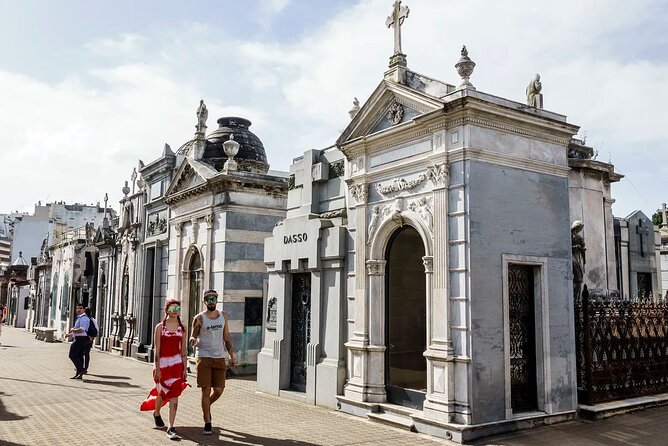
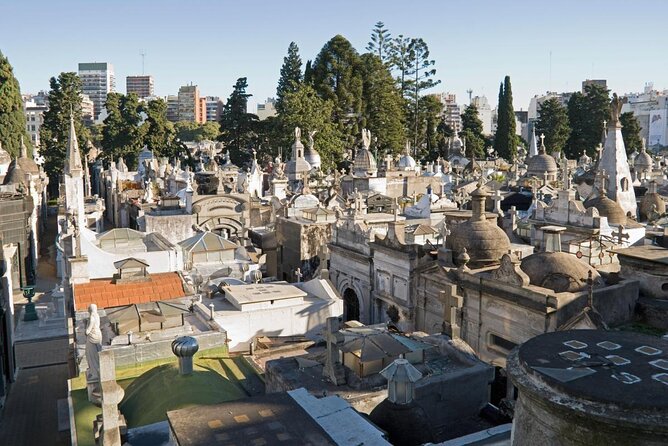
The guide treats the cemetery as a mirror of society. You will look at who received prominent burial places, how families displayed their status, and which stories became part of the national memory. The discussion can also touch on who is overlooked or forgotten.
That approach is more useful than simply hunting for famous names. You may recognize some people buried there, but the guide’s job is to place them within Argentina’s political and social story. The cemetery becomes a map of influence rather than a collection of isolated monuments.
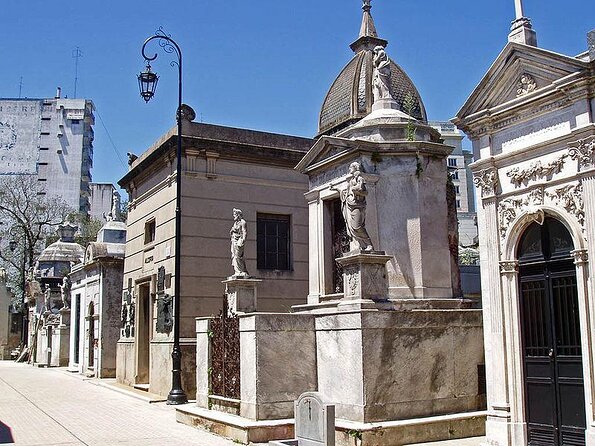
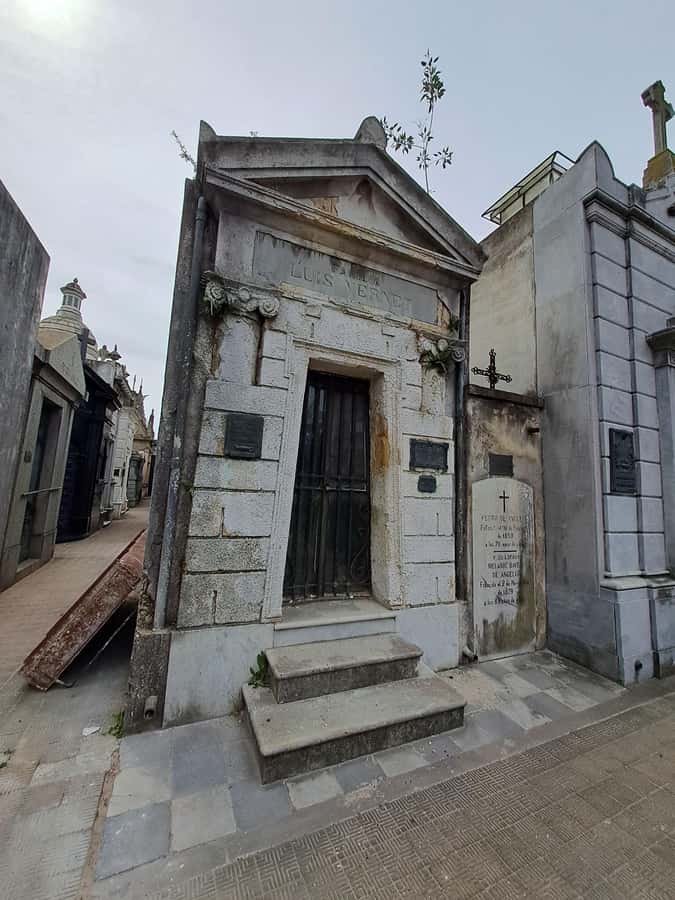
The architecture is part of the lesson. Grand mausoleums, family names, and carefully maintained memorials show how public remembrance can preserve power long after a person dies. The setting also raises uncomfortable questions about inequality. Who could afford such a monument? Who had the connections to remain central to the national story?
Actual entry into the cemetery is optional. If you want to go inside, admission is not part of the $34 tour price. You can purchase a ticket at the entrance or arrange one online in advance. I would check the current admission cost separately before booking, since the activity price covers the guided walk, not the cemetery ticket.
Because the cemetery section lasts 45 minutes, you should have enough time for explanation rather than a rushed pass through the gates. Still, the total tour lasts 150 minutes, so you should not expect an entire afternoon inside Recoleta Cemetery.
The guide’s role in making the tour work
This experience depends heavily on the person leading it. The format is conversational, and the group is invited to ask questions. A guide who simply recites facts would weaken the whole idea.
The strongest feedback centers on Nicolas, also called Nico, and Ignacio. Nicolas is praised for his command of history, lesser-known stories, humor, and patience. One account describes the tour as flexible in length and depth, with the group able to spend more or less time on subjects of interest.
That flexibility is a major advantage for couples, families, and small groups with different interests. You can ask about architecture, social class, Argentina’s political changes, or the people buried in Recoleta.
The tour is offered in Spanish, English, and French. That makes the subject easier to discuss precisely, especially when the guide is handling political or historical ideas. Private and small-group options are also available, which should make it easier to speak up and shape the conversation.
The rating is 4.9 from 24 reviews, and the repeated praise is consistent: excellent guides, interesting facts, generous answers, and an enjoyable tone. I would not book this expecting a passive audio guide. I would book it if you want a human conversation with someone who can connect buildings to bigger ideas.
Is $34 a fair price?
At $34 per person, the price is reasonable for a 150-minute guided walk, especially if your group is small and the guide gives you time for questions.
You are paying for more than a route between landmarks. The experience includes a university-degree guide, historical interpretation, discussion, and a carefully connected sequence of stops. The guide’s context is what turns a series of façades into a story about power and national ambition.
The value is lower if you only want to see Recoleta Cemetery. In that case, you could visit the cemetery separately and skip the longer route through Plaza San Martín and the surrounding buildings.
Remember to add the cemetery admission cost if you plan to enter. The ticket is not included, although you can buy it at the entrance or online. That extra cost is easy to manage, but it should be part of your budget.
Free cancellation up to 24 hours before the tour and reserve-now, pay-later booking add useful flexibility. Those terms are practical if your Buenos Aires schedule is still changing.
Who should book this experience?
I would recommend this walk to you if you enjoy history, architecture, social questions, and open discussion. It suits someone who wants to understand why Buenos Aires looks the way it does, not just photograph a few grand buildings.
It is also a strong first or second activity in the city. The route gives you a framework for Recoleta and introduces ideas that can improve later visits to museums, plazas, and historic neighborhoods.
You may also like it if you have already seen the basic sights and want a more serious explanation of Argentina’s elite and its rise-and-fall story. The guide can add small anecdotes that you would probably miss on your own.
I would be more cautious if you have limited mobility or dislike walking. The tour is listed as wheelchair accessible, but the route includes multiple outdoor stops and a substantial walk lasting two and a half hours. Confirm the exact arrangements when booking if accessibility is essential for your group.
It may not suit young children who need constant movement or visitors who prefer entertainment without discussion. The tour asks you to listen, think, and take part.
What to know before you go
Meet at the Rapanui store, not at the cemetery. The route begins in the Plaza San Martín area and ends at Recoleta Cemetery, so plan your onward arrangements from the cemetery rather than from the starting point.
Wear comfortable shoes and allow for a walking-focused outing. The itinerary includes a short five-minute break, but there is no long meal stop.
If you care most about the cemetery, plan your questions in advance. Ask about the people buried there, the social meaning of the mausoleums, and who is missing from the official story. That will help you get more from the 45-minute final section.
If you are deciding between a private group and a shared small group, choose based on how much you want to shape the discussion. The private option should suit people with a specific interest in architecture, politics, or family history, while a small group may bring a wider range of questions.
Should you book the Recoleta curious-people tour?
Book it if you want Buenos Aires explained through its buildings, elite institutions, and cemetery memorials. The best parts are the interactive format, the thoughtful social questions, and guides such as Nico and Ignacio, who bring humor and useful side stories to the route.
Skip it if your main goal is a short cemetery visit or if you do not enjoy a discussion-heavy walk. Also remember that cemetery entry costs extra.
For most curious adults, the $34 price is fair. You get a broad route, a 45-minute cemetery discussion, and a guide who can connect Argentina’s Gilded Age to the city you see today. That is a better deal than a simple parade of famous addresses.
FAQ
Where does the tour meet?
The meeting point is the Rapanui store.
Where does the tour end?
The tour ends at La Recoleta Cemetery.
How long does the experience last?
The guided walk lasts 150 minutes, or two and a half hours.
How much does the tour cost?
The price is $34 per person.
Is the cemetery ticket included?
No. Admission to Recoleta Cemetery is not included in the tour price.
Can I enter the cemetery without booking cemetery admission in advance?
Yes. Cemetery admission is optional, and tickets can be purchased at the entrance or online in advance.
What languages are available?
The tour is offered in Spanish, English, and French.
Is the tour wheelchair accessible?
Yes. The activity is listed as wheelchair accessible.
Is this a private tour or a group tour?
Private and small-group options are available.
Can I cancel the booking for a refund?
Yes. You can cancel up to 24 hours in advance for a full refund.
Do I have to pay when I book?
No. A reserve-now, pay-later option is available.
Just added in Buenos Aires
- Discover Buenos Aires’ independent art scene — Ticket included★ 5.0 · 30 reviews
- Photo Session in Buenos Aires★ 5.0 · 26 reviews
- Your Private Photographer in Buenos Aires★ 5.0 · 4 reviews
- Yerba Mate Workshop – Learn to Drink Mate like a Local!★ 5.0 · 11 reviews
- Your Personal Photographer in Buenos Aires★ 5.0 · 24 reviews
- BA: Wine Tasting and Blending Experience in Palermo★ 5.0 · 1 review
- Winery and Tasting Experience in Buenos Aires★ 5.0 · 1 review
- Taste of Tradition: Yerba Mate & Alfajores Experience★ 4.0 · 5 reviews
Buenos Aires Tours, compared.
Local Foodie Adventure in Buenos Aires with Sherpa Food Tours
Read our review →
Buenos Aires City Private Tour with Local Guide
Read our review →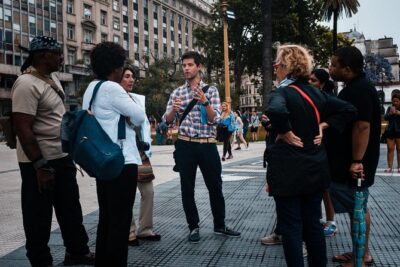

Buenos Aires Hop-On Hop-Off Bus and Exclusive Benefits
Read our review →