
Reviewed · BUENOS AIRES TOURS
Private Workshop to Learn about Argentine Culture
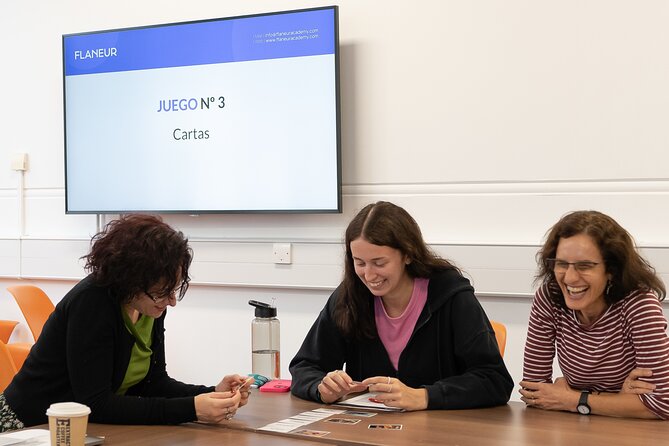
Two hours can change how you see Buenos Aires. This private workshop packs mate, alfajores, lunfardo, Argentine gestures, football spirit, national destinations, and Cordoban quartet into one lively introduction to local life. I like that it treats culture as something you do, not simply something you hear about, and that no Spanish background is needed.
I also like the small-group format. Your own party takes part, so the activities can feel more relaxed than a large group class. The $33 price is fair for a two-hour private experience, especially if you have limited time. The main consideration is the packed schedule: you will sample many parts of Argentine culture, but none will receive a long, detailed treatment.
In This Review
- Key details at a glance
- A fast route into Argentine culture
- Brewing mate instead of just drinking it
- Alfajores and the pleasure of learning by taste
- Lunfardo, gestures, and the Buenos Aires voice
- A World Cup celebration without needing football expertise
- Learning the Cordoban quartet
- What the two-hour schedule means for you
- Why the private format matters
- The $33 price and what you receive
- Meeting point and practical planning
- Who should book this workshop?
- Should you book it?
- FAQ
- Where does the workshop start and finish?
- How long does the workshop last?
- What time options are available?
- Do I need to speak Spanish?
- Is this a private activity?
- Can teenagers attend?
- Can I cancel for a refund?
Key details at a glance
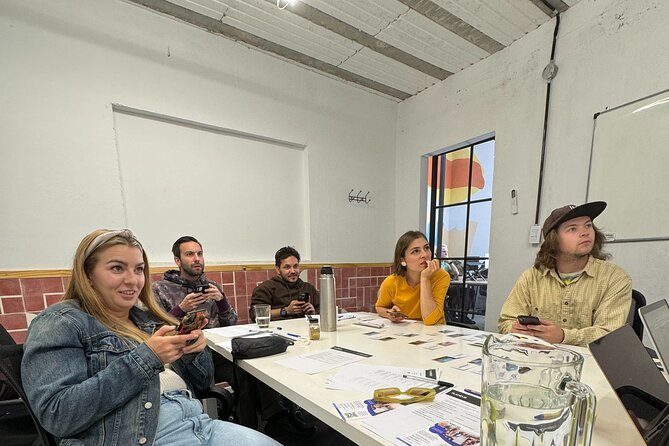
- Mate comes first as a hands-on tradition: You brew your own mate rather than only hearing an explanation of Argentina’s famous shared drink.
- Lunfardo makes Spanish feel local: You play with Argentine slang and learn expressions that help you recognize the Buenos Aires way of speaking.
- Gestures carry real meaning: Typical Argentine hand movements and body language receive their own place in the workshop.
- Football becomes a cultural lesson: You take part in a World Cup celebration, a playful way to understand Argentina’s strong football identity.
- Cordoban quartet gets you moving: The session includes a dance activity, adding music and movement to the language and food.
- Two weekday time slots help with planning: You can choose 10 a.m. to noon or 4 p.m. to 6 p.m., with optional empanada tasting or a Spanish test class.
A fast route into Argentine culture
Buenos Aires can take days to understand, and even then you will keep finding new layers. This workshop gives you a short, organized introduction to the habits, words, foods, gestures, and passions that shape daily life in Argentina.
The tone is active. You are not sitting through a lecture on national customs. You brew mate, taste alfajores, play with lunfardo, practice gestures, dance quartet, and take part in a football-themed activity. That mix matters because Argentine culture is often communicated through rhythm, tone, shared food, and body language as much as through formal facts.
I would consider this especially useful at the beginning of a Buenos Aires stay. It can give you a few reference points before you visit neighborhoods, order food, hear local Spanish, or join a conversation about football. If you book it near the end of your trip, it can help you make sense of things you have already noticed.
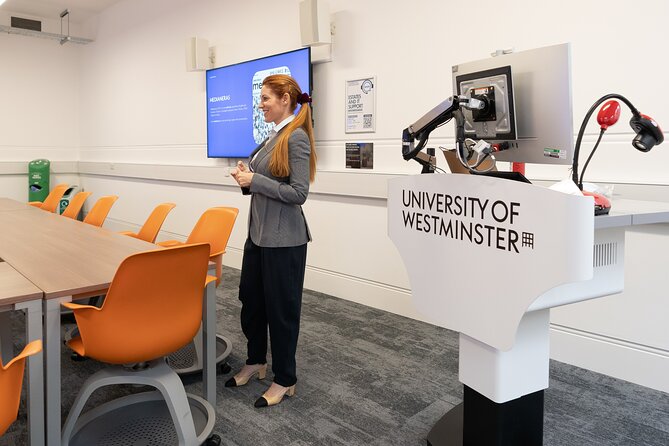
The workshop is led by qualified teachers from Flaneur Academy. No instructor names are provided, so you should not book expecting a specific teacher. The emphasis is on playful interaction rather than academic language study.
More things to do in Buenos Aires:
- Local Foodie Adventure in Buenos Aires with Sherpa Food Tours
★ 5.0 · 6,875 reviews - Buenos Aires City Private Tour with Local Guide
★ 5.0 · 3,475 reviews - Buenos Aires Small-Group City Tour
★ 5.0 · 2,226 reviews
Brewing mate instead of just drinking it
Mate is one of the clearest entry points into Argentine social life. The drink itself is made from yerba mate and prepared in a gourd, but its cultural meaning reaches beyond the ingredients. Sharing mate has its own customs, and learning to brew it gives you a practical way to understand an everyday Argentine ritual.
Here, you prepare your own mate with guidance from the teachers. That is more useful than simply being handed a cup. You can pay attention to how the drink is assembled and ask questions while the process is happening.
The activity also gives the workshop a natural social start. You have something to do with your hands, something to taste, and a familiar cultural object to discuss. Even if you do not become a regular mate drinker, you will recognize the practice when you see it around Buenos Aires.
Do not expect a full culinary class. Mate is one part of a broad two-hour program, so the lesson is designed as an introduction. If your main interest is food and drink, the optional empanada tasting may be worth adding.
Alfajores and the pleasure of learning by taste
The alfajor tasting adds a sweet, simple way to connect with Argentine food culture. Alfajores are a familiar national treat, and trying one during a language and culture class gives you an easy point of conversation.
I like this kind of activity because food makes a lesson memorable. You may forget a definition later, but you are more likely to remember a new word after using it while tasting something. The workshop uses alfajores alongside mate, so you get both a drink and a sweet snack without turning the session into a formal food tour.
The limitation is scope. The available information does not specify the number of alfajores, varieties, or tasting portions. Think of this as a cultural sample, not a full survey of Argentine desserts.
The optional empanada tasting is a separate add-on. If you want more food during the session, confirm that option while booking. It is a practical choice for anyone who sees this workshop as both a culture lesson and a small introduction to Argentine flavors.
Lunfardo, gestures, and the Buenos Aires voice
Spanish in Buenos Aires has its own character, and lunfardo is part of that local flavor. The workshop lets you play with Argentine slang rather than asking you to master a long vocabulary list.
That distinction is important. You do not need prior Spanish knowledge, so the session is built for beginners and curious visitors. The teachers can use activities to help you hear how local words differ from the Spanish you may have studied elsewhere.
You also learn typical Argentine gestures. This is one of the most useful parts for anyone spending time in Buenos Aires because gestures often communicate tone, attitude, or meaning before a sentence is complete. A short lesson cannot explain every local movement, but it can make you more alert to the visual side of conversation.
The workshop also includes an introduction to the neighborhoods of Buenos Aires. The information provided does not name each neighborhood or describe a walking route, so you should expect cultural orientation rather than a neighborhood tour. That still has value. It can help you place local habits within the city and make later sightseeing feel less disconnected from daily life.
A few more options to weigh up in Buenos Aires
- Private Airport Transfer In or Out : Ezeiza (EZE) – Buenos Aires
★ 5.0 · 548 reviews - Private Full-Day Iguazu Falls Tour with Airfare from Buenos Aires
★ 4.5 · 387 reviews - Private City Tour with a friend in Buenos Aires
★ 5.0 · 363 reviews - Private Tour: Buenos Aires and Delta del Tigre with Local Guide
★ 5.0 · 334 reviews
A World Cup celebration without needing football expertise
The World Cup activity brings Argentina’s football identity into the room. You take part in a celebration rather than simply hearing that football matters to the country.
This is a smart teaching choice. Football in Argentina is not only a sport topic. It can be a shared language, a source of pride, and a social ritual. A playful World Cup activity lets you experience that enthusiasm at a safe distance, even if you do not know the teams, players, or rules.
You do not need to arrive as a football fan. The point is participation and cultural understanding. If you already follow the sport, you may find this section especially entertaining. If you do not, the teachers can still use the activity to show why the subject carries so much emotional weight.
Because the workshop covers many topics, this is not a match-viewing event or a detailed football history lesson. It is a short cultural exercise within a larger program.
Learning the Cordoban quartet
The dance portion adds movement to an otherwise language-heavy experience. You learn the Cordoban quartet, a dance connected with Córdoba and presented here as part of Argentine culture.
This section should appeal to people who learn best by doing. You may remember a few words, gestures, and food customs, but dance gives the afternoon or morning a clear physical break. It also keeps the tone social and light.
The title says private workshop, and only your group participates. That can make dancing less awkward than joining a large public class, though the experience will still require some willingness to take part. If you strongly dislike performance or movement activities, this is worth considering before booking.
The supplied details do not explain the length of the dance lesson or the exact format. You should expect an introduction rather than professional dance instruction.
What the two-hour schedule means for you
The workshop runs on weekdays in two shifts: 10 a.m. to noon or 4 p.m. to 6 p.m. These times are convenient because they leave the rest of your day open for sightseeing, meals, or an evening show.
The morning session works well if you want to start with a cultural orientation and then explore Buenos Aires afterward. The afternoon session may suit you if you prefer a slower morning or have a separate daytime plan.
The schedule is also a useful warning. You will cover a lot in two hours: mate, alfajores, lunfardo, gestures, neighborhoods, national destinations, football, dance, and more. I would treat the workshop as a sampler plate. It gives you several strong starting points, but you should not expect long conversations about every topic.
The broad subject list is both the attraction and the drawback. For someone with only a short stay, the range is excellent. For someone hoping to study Argentine Spanish in depth, it will feel too brief.
Why the private format matters
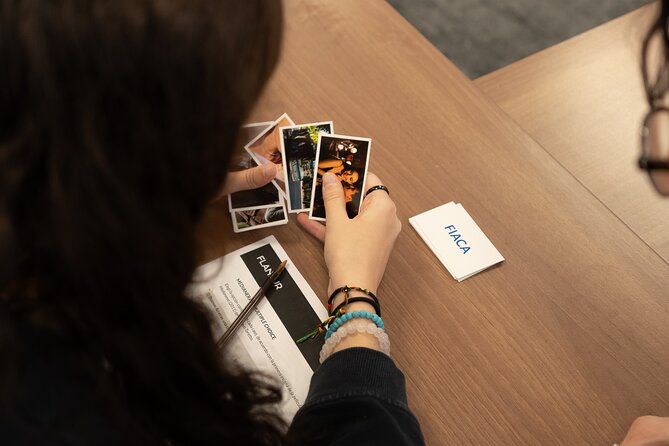
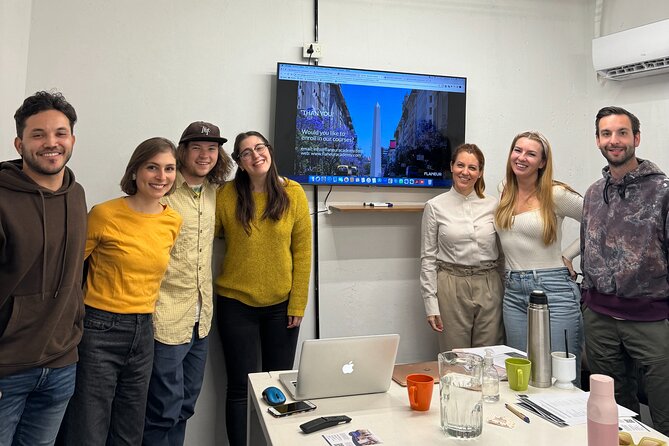
Only your group participates, which changes the feel of the class. You can attend with family, friends, or another small party without being placed in a room full of strangers.
A private setting may also make it easier to ask basic questions. Since the workshop welcomes people without Spanish knowledge, that matters. You can take part at your own level instead of worrying about keeping up with a larger mixed group.
One review praised the class as a great introduction to Argentine culture and language, with a fun team and the chance to make new friends. That comment points to the social strength of the format. Although your booking is private, the activity itself is designed to create interaction rather than quiet observation.
The other feedback described the participant as feeling basically like a porteña after the class. Take that as playful praise, not a literal promise. Two hours will not make you Argentine, but it can give you a few local tools and a more confident attitude.
The $33 price and what you receive
At $33 per person, the workshop costs about $16.50 per hour before any optional add-ons. For a private two-hour class with teachers and several hands-on activities, that is a reasonable price.
The value depends on what you want from Buenos Aires. If you want a conventional sightseeing tour with major landmarks, this is not the right purchase. If you want context for the city and a direct introduction to customs you may encounter every day, the price makes more sense.
You are paying for structure and interaction. You could drink mate or buy alfajores on your own, but you would not automatically learn the local terms, gestures, dance, or football rituals at the same time. The class brings these pieces together in one appointment.
The price does not include everything you might want. Empanada tasting and a Spanish language test class are optional additions, so check the final cost if you select either one.
Meeting point and practical planning
The workshop starts at Manuel Ugarte 2110, B1428 Ciudad Autónoma de Buenos Aires, Argentina, and finishes at the same meeting point. It is near public transportation, which helps, but the details do not specify the best line or route from your accommodation.
Use the mobile ticket and allow enough time to reach Manuel Ugarte 2110. The confirmation arrives at booking, so keep those details available on your phone.
The activity is offered on weekdays only. That is an important restriction for weekend visitors. Since it is often booked 126 days ahead, advance planning is sensible, particularly if you need the morning or afternoon time slot to fit a tight schedule.
Service animals are allowed. Babies and young children are not the intended audience, although their presence is permitted if parents sign a responsibility document for minors. Teenagers can participate.
You can cancel for a full refund up to 24 hours before the local start time. Changes or cancellations made inside that 24-hour window are not accepted for a refund.
Who should book this workshop?
I would recommend it to first-time visitors with limited time, couples or families wanting a private activity, and anyone curious about Argentine customs without prior Spanish. It also suits people who prefer active classes to formal talks.
It is a good pick if you want several cultural doorways in one sitting: food, language, gestures, football, dance, and city orientation. The private format is especially useful if your group prefers to ask questions freely or avoid a crowded class.
I would be more cautious if your main goal is advanced Spanish instruction, an in-depth food experience, or a detailed tour of Buenos Aires neighborhoods. The workshop introduces these subjects, but it does not have enough time to develop them fully.
Should you book it?
Book this workshop if you want a friendly, efficient introduction to Argentine life and have two weekday hours available. The strongest reasons are the private format, the hands-on mate preparation, and the unusual mix of lunfardo, gestures, football, alfajores, and quartet dancing.
Skip it if you want a long neighborhood walk or serious language training. For most short-stay visitors, though, $33 buys more than a snack and a few facts. It gives you cultural reference points you can carry into the rest of your Buenos Aires visit.
FAQ
Where does the workshop start and finish?
It starts at Manuel Ugarte 2110, B1428 Ciudad Autónoma de Buenos Aires, Argentina, and ends back at the same meeting point.
How long does the workshop last?
The workshop lasts approximately two hours.
What time options are available?
On weekdays, you can choose a morning session from 10 a.m. to noon or an afternoon session from 4 p.m. to 6 p.m.
Do I need to speak Spanish?
No. Prior Spanish knowledge is not necessary.
Is this a private activity?
Yes. Only your group participates in the activity.
Can teenagers attend?
Yes. Teenagers can participate. Babies and young children are not the intended audience, although parents may bring them if they sign a responsibility document for minors.
Can I cancel for a refund?
Yes. You can cancel at least 24 hours before the experience start time for a full refund. Cancellations or changes made less than 24 hours before the start time are not accepted for a refund.
Just added in Buenos Aires
- Discover Buenos Aires’ independent art scene — Ticket included★ 5.0 · 30 reviews
- Photo Session in Buenos Aires★ 5.0 · 26 reviews
- Your Private Photographer in Buenos Aires★ 5.0 · 4 reviews
- Yerba Mate Workshop – Learn to Drink Mate like a Local!★ 5.0 · 11 reviews
- Your Personal Photographer in Buenos Aires★ 5.0 · 24 reviews
- BA: Wine Tasting and Blending Experience in Palermo★ 5.0 · 1 review
- Winery and Tasting Experience in Buenos Aires★ 5.0 · 1 review
- Taste of Tradition: Yerba Mate & Alfajores Experience★ 4.0 · 5 reviews
Buenos Aires Tours, compared.
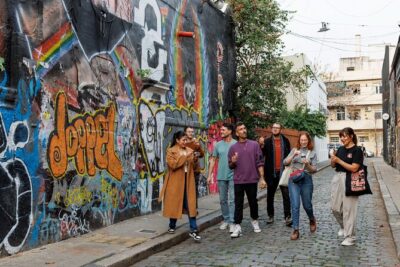
Local Foodie Adventure in Buenos Aires with Sherpa Food Tours
Read our review →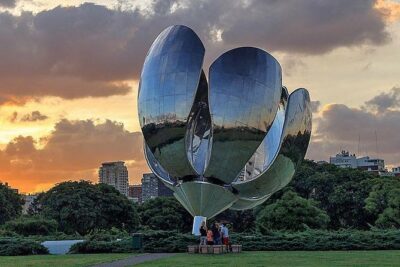
Buenos Aires City Private Tour with Local Guide
Read our review →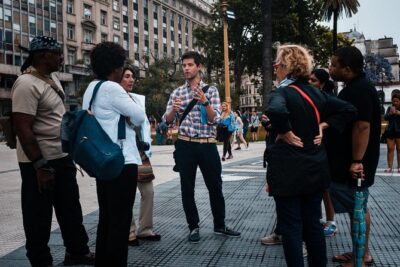
Buenos Aires Hop-On Hop-Off Bus and Exclusive Benefits
Read our review →
Argentine Experience Interactive Dining and Cooking
Read our review →Browse the lists this tour appears in