
Reviewed · BUENOS AIRES TOURS
Polo Lessons from Buenos Aires by Polo Elite
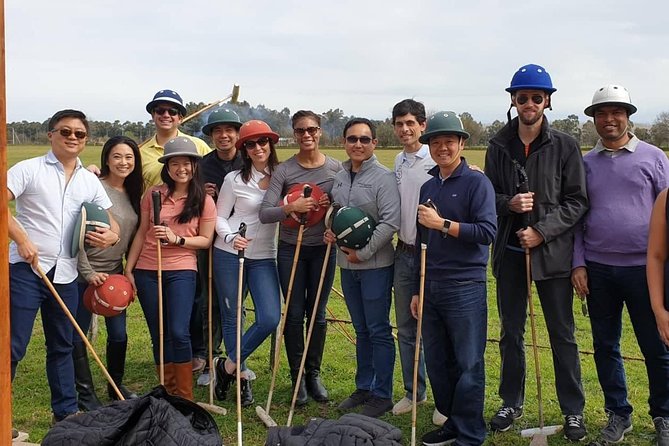
Polo gets you out of the city fast. This half-day outing takes you from central Buenos Aires to a working polo farm, where you learn to ride, handle a mallet, and play two informal sessions with an instructor. I like the patient, personal teaching and the well-trained horses, which help first-time riders relax quickly. I also like that transport, helmets, and playing equipment are included.
The main catch is time. The ride to the farm can take 40 to 45 minutes or more, depending on traffic, and the full outing may run longer than four hours. You are visiting a polo facility outside Buenos Aires, not watching a polished stadium match in the city.
In This Review
- Key Points Before You Book
- Leaving Buenos Aires for the Polo Country
- A Working Farm, Not a Polo Spectator Event
- The First Lesson: Riding Before the Mallet
- Learning to Hit the Ball
- Two Polo Sessions and a Friendly Match
- What the Break Is Really Like
- The Guides Make the Difference
- Is $150 a Fair Price?
- Who Will Enjoy This Most?
- Practical Booking Advice
- Should You Book Polo Elite?
- FAQ
- Do I need previous horseback riding experience?
- Where does the activity start?
- How long does the polo experience take?
- Is transport included?
- What equipment is provided?
- What happens if it rains?
Key Points Before You Book
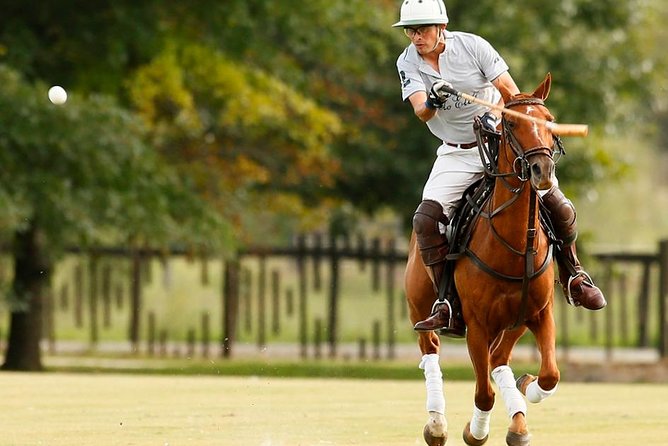
- No riding experience required: Horses are matched to different ability levels, including complete beginners.
- Two chances to play: Your lesson covers riding, ball control, polo rules, and informal game play.
- Outside the city: The farm is reached by included transport from Lima 707 in central Buenos Aires.
- Personal instruction: Nani and Fernando have led sessions praised for their patience, English skills, and calm handling of beginners.
- Bring the basics: Wear sport clothes and comfortable shoes, then pack sunscreen, bug spray, water, and a picnic.
- Plan half a day: The advertised duration is about four hours, but traffic and the pace of the lesson can add time.
Leaving Buenos Aires for the Polo Country
The meeting point is Lima 707, in central Buenos Aires. From there, Polo Elite provides round-trip transport to the farm and returns you to the same meeting point at the end.
The drive usually takes around 40 to 45 minutes, though traffic can stretch it. One useful way to think about this ride is that it is part of the experience. You leave the dense city behind and reach the open country around the Ezeiza area, where polo fields and horse facilities have room to spread out.
Do not book this activity assuming you will be picked up at your hotel. The stated arrangement is a designated city-center meeting point. Also, transport may be in the instructor’s own car rather than a tour bus or professional shuttle. That can feel informal, but it also gives you a chance to talk directly with your guide during the drive.
Several instructors have been praised for making good use of this time. Nani has explained polo and Argentine life in clear English on the way to the farm. Fernando has also been described as friendly, patient, and easy to talk with. The instructor may be the person driving you, teaching you, and taking care of the horses, so this is not a large, scripted coach tour.
More things to do in Buenos Aires:
- Local Foodie Adventure in Buenos Aires with Sherpa Food Tours
★ 5.0 · 6,875 reviews - Buenos Aires City Private Tour with Local Guide
★ 5.0 · 3,475 reviews - Buenos Aires Small-Group City Tour
★ 5.0 · 2,226 reviews
A Working Farm, Not a Polo Spectator Event
The destination is Polo Elite, a horse farm and polo facility outside the city. The setting includes polo fields, horses, and other sporting activity, with around 80 horses associated with the club according to the operator.
The important point is to set the right expectation. This is a lesson where you get on a horse and try the sport yourself. It is not a ticket to a professional polo match, and you should not expect a grandstand, a busy social club, or a full day of competition.
That quieter setting works well for beginners. You can focus on your horse, your instructor, and the ball without feeling watched by a crowd. The facility may feel rural and practical rather than polished. A basic bathroom and limited food service are possible, so bring what you need for the break.
The horses are a major part of the appeal. The activity has horses for different levels of riders, and the most praised aspect of the experience is how safely the animals handle beginners. Several first-time riders were able to stop, turn, and even canter a little after a short introduction.
That does not mean you will become a skilled rider in one morning. Polo horses are tall, strong animals, and learning to control one while holding a mallet is real work. Still, the combination of calm horses and individual coaching makes this a reasonable choice for a first attempt.
The First Lesson: Riding Before the Mallet
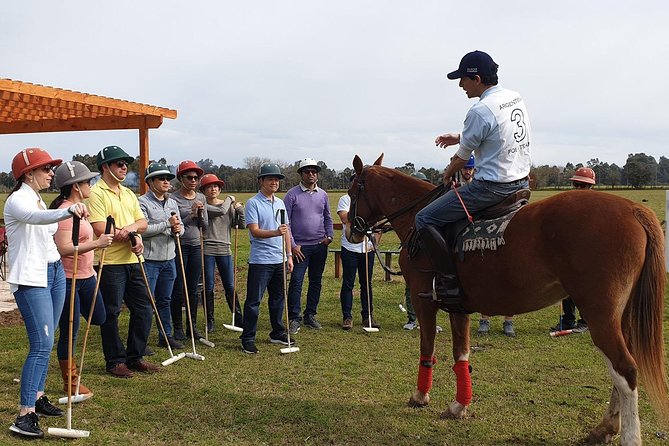
Your first task is to get comfortable in the saddle. The instructor covers basic riding techniques and helps you understand how to guide, stop, and turn the horse.
The pace is adjusted to the group. If you have never ridden, you will likely spend time finding your balance and learning how your commands affect the horse. If you already ride, the instructor can focus more quickly on polo skills.
This personal approach matters because a group can contain people with very different experience. In one family session, adults and children began at different levels, yet the instructor worked with each person rather than forcing everyone through the same routine.
The horses are described as friendly, safe, and well cared for. That makes the first few minutes less intimidating, especially for children and adults who have never ridden before. The minimum age is six, though the activity requires enough focus and physical control to follow instructions.
You should still arrive with a moderate level of fitness. Riding is not passive sightseeing. Your legs and back work to keep you balanced, and your arms can tire from gripping the mallet. One useful tip is to relax your grip. Beginners often hold the mallet too tightly, then discover that their right arm has paid the price.
Learning to Hit the Ball
Once you can manage the horse at a basic level, the mallet comes out. The instructor shows you how to hold it, position your body, and make contact with the ball.
This is where the activity becomes funny, physical, and much harder than polo looks from a distance. You are trying to guide a moving horse, watch a small ball near the ground, control a long mallet, and remember the rules. Even making a clean hit can feel like a victory.
The lesson includes more than swinging at the ball. You learn basic polo rules and other skills needed to play. The guide also works on riding technique so that you are not simply sitting on a horse while someone else does the work.
The most successful sessions seem to be the ones where the instructor keeps the goal modest: get you moving, let you make contact, and build confidence. You may not play at full speed, but you can usually take part in a slow, informal game by the end.
That is enough. The charm is not mastering polo in four hours. It is discovering how much coordination the sport demands and getting a small taste of Argentina’s strong polo culture from horseback.
A completely different kind of day:
- Buenos Aires Hop-On Hop-Off Bus, Free Walking Tours & Discounts
★ 4.5 · 2,218 reviews - Buenos Aires: Piazzolla Tango Show with Optional Dinner
★ 4.4 · 2,122 reviews - Buenos Aires: City Highlights Guided Tour with Transfer
★ 4.7 · 1,946 reviews - Buenos Aires: Hop-On Hop-Off City Bus Tour
★ 4.2 · 1,855 reviews
Two Polo Sessions and a Friendly Match
The experience includes two sessions of polo play. The exact division between instruction, practice, and game time can vary with the group’s ability and the weather.
You might begin by hitting the ball while riding in a controlled area. The instructor can then set up a simple contest between members of your party. Families have played against one another, and couples or friends have taken turns working on their technique.
Do not worry about forming a serious team. The activity can go ahead with only two people booked, even if there are not enough participants for a formal match. The game is adapted to the group, often becoming a slow and friendly version of polo rather than a competitive contest.
That flexibility is a strength. A confident rider can work on better technique, while a beginner can concentrate on staying balanced and making a few good hits. Children from around age six can take part, but the instructor decides how much is suitable based on ability and comfort.
Some sessions have included photographs or videos taken during the game. This is not guaranteed as a formal part of the package, but it may give you a nice record of the day.
What the Break Is Really Like
Food and drinks are not included. You can bring your own picnic for the break, and I recommend doing so.
The farm is not presented as a restaurant stop, so do not count on buying lunch there. Pack water, a snack, and anything your family may want after riding. A small picnic also helps if the activity runs close to four hours or longer.
Dress simply and for movement. Athletic clothes, casual clothing, and comfortable sport shoes are recommended. Polo boots are not included, and boots are specifically excluded from the equipment provided, so do not assume you will be fitted with them.
Sunscreen and bug spray are smart additions. The activity takes place outdoors on open grounds, and several practical details matter more here than they would on a museum visit. A hat may be useful during the drive and break, though you will need to follow the instructor’s advice once you are mounted.
Rain is a serious issue. Polo cannot be played safely in wet conditions, and bad weather can ruin the experience or lead to cancellation. If the operator cancels because of poor weather, you are offered another date or a full refund. For this reason, avoid scheduling the activity right before an important flight or fixed evening plan.
The Guides Make the Difference
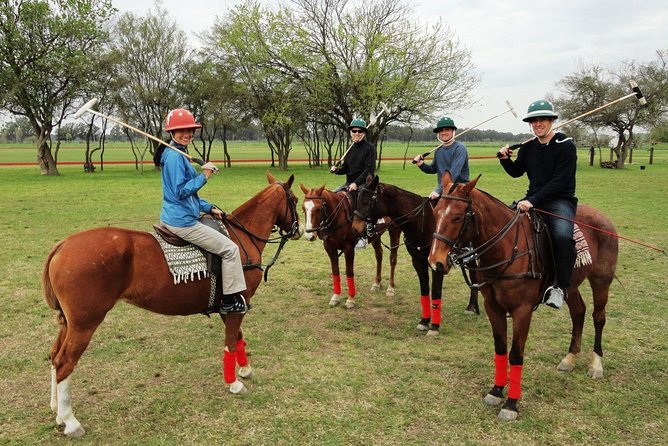
The instructor is central to the quality of this experience. Nani has been praised for getting nervous beginners onto horses quickly, matching people with suitable animals, and explaining the sport in excellent English.
Fernando has also led sessions for families and couples. He has been praised for patience, clear coaching, and a strong connection with the horses. His background in polo gives the lesson useful context, while his teaching style keeps the activity from feeling like a test.
The provider operates with an English and Spanish-speaking instructor. If you do not speak Spanish, ask for the English-speaking guide when booking, since communication is especially important when you are learning to control a horse.
The private or small-group format is another advantage. The maximum group size is 10, but the most personal sessions are likely to be those with only your own family or a few other participants. A minimum of two people is required per booking.
Is $150 a Fair Price?
At $150 per person, this is not a cheap add-on activity. It is priced more like a specialized half-day excursion than a simple riding lesson.
The value comes from what is bundled in. You receive round-trip transport from central Buenos Aires, an instructor, a polo lesson, a helmet, and the player equipment needed for the activity. You also receive two sessions and access to horses selected for different riding levels.
A private car ride to a farm, several hours of instruction, and the chance to play polo make the price reasonable for someone seeking a distinctive Buenos Aires experience. It is especially fair if you would otherwise need to arrange transport to the countryside and pay separately for riding instruction.
The value is weaker if you expect a professional match, a formal club lunch, or a luxurious country-estate visit. None of those are the main product. You are paying to participate, not to watch.
I would compare this with the cost of a standard city attraction. Museums and tango shows may be easier to fit into a schedule, but polo offers something closely tied to Argentine sporting culture and difficult to recreate elsewhere in your trip.
Who Will Enjoy This Most?
This outing suits active couples, families with older children, and anyone curious about horses or Argentine polo. It is particularly good for people who want to do something beyond the usual city sightseeing.
You do not need previous riding experience. That is one of the strongest reasons to consider it. The horses and instruction are set up for different levels, and beginners have been able to ride and play a simple match during the same visit.
It may not suit someone with limited mobility or someone who dislikes physical activity. The operator recommends a moderate fitness level, and you should expect time in the saddle, outdoor exposure, and some arm and leg fatigue.
It is also not ideal for a tightly packed itinerary. Allow at least half a day, and keep extra time around the four-hour estimate because traffic and the pace of the group can change the schedule.
The minimum age is six and the maximum is 70. Age alone does not determine suitability, but the rider must be able to listen, follow directions, and handle a moderate physical activity.
Practical Booking Advice
Confirm that Polo Elite is open during your visit. The activity generally operates all year, but occasional closures occur.
Book ahead if your Buenos Aires schedule is fixed. The experience is often reserved about 20 days in advance, and confirmation is sent within 48 hours, subject to availability.
Because the cancellation policy is strict, do not book casually. The experience is non-refundable and cannot be changed after booking, except when the operator cancels because of poor weather.
Before you go, confirm the meeting point, transport arrangement, expected return time, and language of the instructor. Wear comfortable sports shoes, bring food and drinks, and leave room in your schedule for traffic.
Should You Book Polo Elite?
Book it if you want an active, personal introduction to polo and are happy to leave the city for a rural horse facility. The strongest reasons are the patient instruction, gentle horses, included transport, and real chance to play instead of simply watching.
Skip it if you want a polished spectator event, a club atmosphere, or a guaranteed four-hour finish. This is hands-on polo at a working farm, with weather and traffic able to affect the day.
For most curious visitors, the chance to sit on a horse, swing a mallet, and score a goal outside Buenos Aires is worth the time and cost. Just bring sunscreen, a picnic, and a flexible attitude.
FAQ
Do I need previous horseback riding experience?
No. Previous riding experience is not required, and Polo Elite has horses for different levels of players.
Where does the activity start?
The meeting point is Lima 707, C1073AAO, in central Buenos Aires. The activity ends back at this same meeting point.
How long does the polo experience take?
The stated duration is approximately four hours. The full outing may take longer because the drive to the farm can last 40 to 45 minutes or more, depending on traffic.
Is transport included?
Yes. Round-trip transport between the designated city-center meeting point and the farm is included.
What equipment is provided?
A helmet and player equipment are provided. Boots are not included, so comfortable sport shoes are recommended.
What happens if it rains?
The activity requires good weather. If Polo Elite cancels because of poor weather, you will be offered a different date or a full refund.
Just added in Buenos Aires
- Discover Buenos Aires’ independent art scene — Ticket included★ 5.0 · 30 reviews
- Photo Session in Buenos Aires★ 5.0 · 26 reviews
- Your Private Photographer in Buenos Aires★ 5.0 · 4 reviews
- Yerba Mate Workshop – Learn to Drink Mate like a Local!★ 5.0 · 11 reviews
- Your Personal Photographer in Buenos Aires★ 5.0 · 24 reviews
- BA: Wine Tasting and Blending Experience in Palermo★ 5.0 · 1 review
- Winery and Tasting Experience in Buenos Aires★ 5.0 · 1 review
- Taste of Tradition: Yerba Mate & Alfajores Experience★ 4.0 · 5 reviews
Buenos Aires Tours, compared.
Local Foodie Adventure in Buenos Aires with Sherpa Food Tours
Read our review →
Buenos Aires City Private Tour with Local Guide
Read our review →

Buenos Aires Hop-On Hop-Off Bus and Exclusive Benefits
Read our review →
Argentine Experience Interactive Dining and Cooking
Read our review →Browse the lists this tour appears in