Reviewed · BUENOS AIRES TOURS
Palermo SoHo for curious people
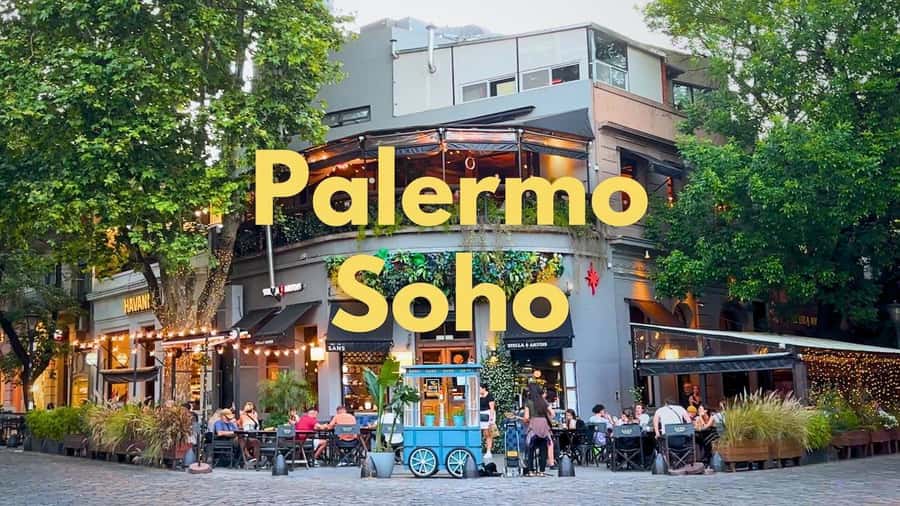
Palermo has more to say than its cafés. This two-hour walk with anthropologist Nico looks past Palermo SoHo’s polished storefronts to explain how trains, immigrants, real estate, and currency troubles shaped the neighborhood. I like the social history and the chance to ask questions instead of simply following a guide. I also like the route from Distrito Arcos to Plaza Serrano, which shows both Palermo’s older roots and its newer café culture.
The main consideration is that this is a discussion-led walk, not a sightseeing checklist. You need to enjoy stopping, listening, and joining the conversation. Finding the meeting point can also take a little care, although Nico has proved accommodating when people have trouble locating it.
In This Review
- Key points to know before you book
- Why Palermo SoHo needs more than a café crawl
- Starting at Distrito Arcos and Puente Pacífico
- Polo Científico Tecnológico and the modern city
- Pasaje Emilio Zola and Palermo’s quieter corners
- Ukrainian and Polish connections in Palermo
- El Preferido and Don Julio: fame, food, and changing value
- ACILBA and Plaza Inmigrantes de Armenia
- Helados Italia and the value of a short break
- Pasaje Russel and the final walk to Plaza Serrano
- Gentrification, property prices, and the peso
- Nico’s guiding style and group experience
- Is $25 a fair price?
- Who should take this Palermo walk?
- FAQ
- How long does the Palermo SoHo walking tour last?
- How much does the tour cost?
- Where does the tour begin?
- Where does the tour finish?
- Which languages are available?
- Is the tour wheelchair accessible?
- Should you book Palermo SoHo for curious people?
Key points to know before you book
- A walking tour with an anthropologist: The focus is on how Palermo changed, not just on pretty streets and famous restaurants.
- A clear two-hour route: You start beside Montagne at Distrito Arcos and finish at Plaza Serrano.
- Immigration is part of the story: Ukrainian, Polish, Armenian, and other cultural connections appear along the way.
- Gentrification gets a proper airing: The walk connects trendy businesses to property speculation, tourism, and Argentina’s currency problems.
- Small-group discussion matters: This suits curious people who want to ask questions and compare ideas.
- $25 buys context, not just directions: The price is strong if you value a university-trained guide and a more thoughtful view of Palermo.
Why Palermo SoHo needs more than a café crawl
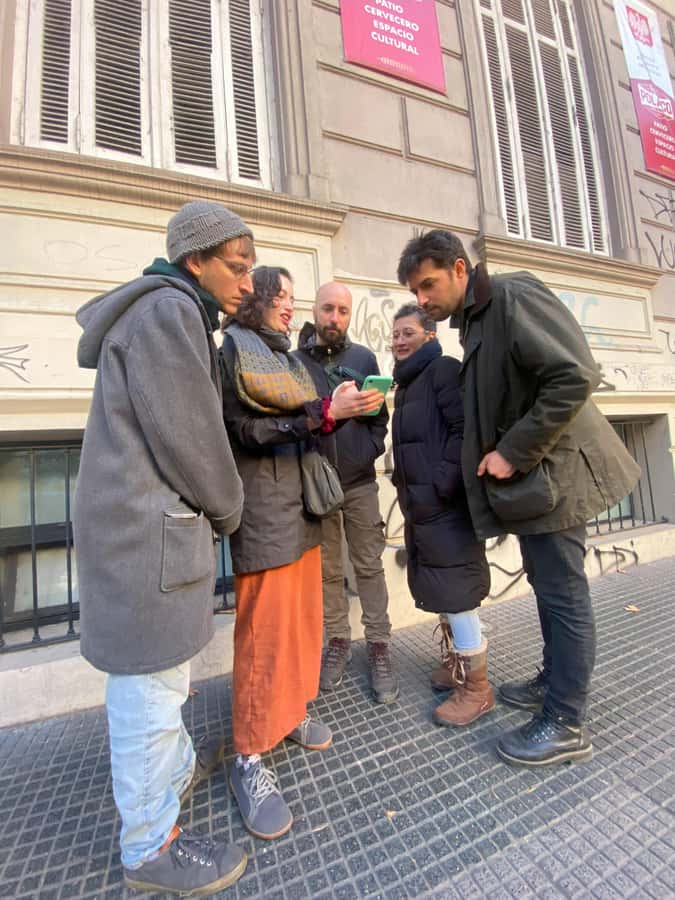
Palermo SoHo is easy to enjoy without a guide. You can browse shops, eat at a parrilla, take photos of painted walls, and settle into a café with avocado toast. But the neighborhood’s current style can hide the forces that made it this way.
This walk asks how a residential district became one of Buenos Aires’ best-known nightlife and dining areas. You’ll consider the arrival of tourists, the growth of chic restaurants, the effect of Argentine peso devaluation, and the strange relationship between official and informal exchange rates.
That makes the experience different from a standard orientation walk. I like that it treats Palermo as a place shaped by people and money, not as a finished product for visitors. The guide invites you to question the changes rather than presenting gentrification as either purely good or purely bad.
You also get a useful contrast between old and new Palermo. The route passes fashionable addresses, but it keeps pointing back to transport, immigration, community groups, and changing property values. If you have already seen the neighborhood’s famous restaurants, this gives you a reason to look again.
More things to do in Buenos Aires:
- Local Foodie Adventure in Buenos Aires with Sherpa Food Tours
★ 5.0 · 6,875 reviews - Buenos Aires City Private Tour with Local Guide
★ 5.0 · 3,475 reviews - Buenos Aires Small-Group City Tour
★ 5.0 · 2,226 reviews
Starting at Distrito Arcos and Puente Pacífico
The meeting point is by the amphitheater at Distrito Arcos, beside the Montagne store. Distrito Arcos is a useful place to begin because it links the modern commercial side of Palermo with the area’s transport story.
Take a moment to confirm the exact meeting spot before arriving. One participant had difficulty finding it, and Nico helped sort things out, but you’ll save time by checking the map link and arriving with a little margin.
The first major stop is Puente Pacífico, where the tour spends about 15 minutes. Here, the discussion turns toward the train and tram connections that helped shape Palermo. That detail matters because neighborhoods do not grow only from architecture or branding. Transport affects who can reach an area, where commerce develops, and how a district connects with the rest of the city.
You should not expect a long technical lecture about railway engineering. The value is the larger question: how did movement through the city help create the Palermo you see now? The stop gives the rest of the walk a practical starting point.
Polo Científico Tecnológico and the modern city
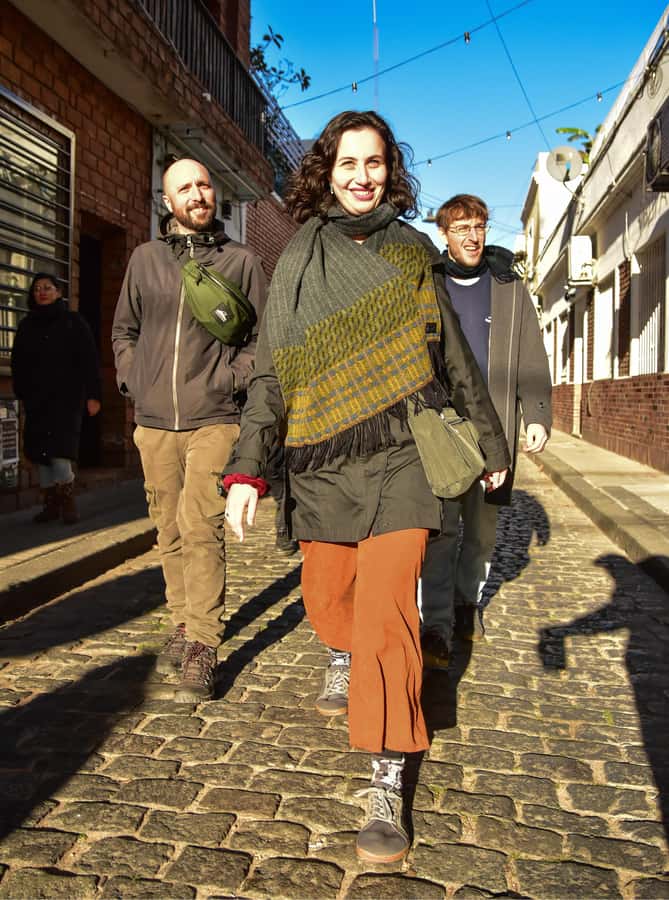
The group then spends about 20 minutes at the Polo Científico Tecnológico. This is one of the longer stops, so expect more explanation and conversation here.
The site helps widen the story beyond restaurants and nightlife. Palermo SoHo is not only a leisure district. It also sits within a changing urban economy, where offices, science, commerce, housing, and tourism share space.
This is where the walk’s university-level approach becomes useful. You can ask how new institutions affect a neighborhood and how public or private investment changes the way an area is used. The guide’s job is not simply to identify a building. It is to connect the building to wider changes in Palermo.
The pace is fairly brisk overall, but this stop gives the group room to pause. If you prefer a tour that moves continuously from monument to monument, the conversation may feel slow. If you want to understand why an area changes, the extra time pays off.
Pasaje Emilio Zola and Palermo’s quieter corners
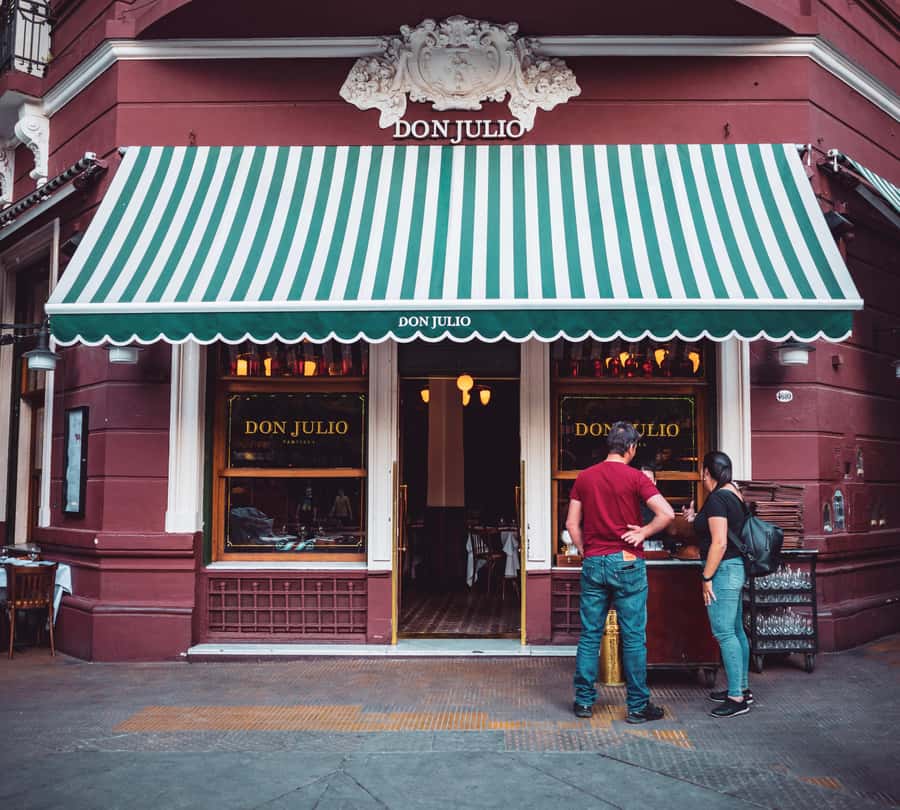
The 10-minute visit to Pasaje Emilio Zola offers a change of scale. After larger streets and major urban sites, a passageway can show you a more contained side of Palermo.
This kind of stop is valuable because the neighborhood’s identity is not found only on its main commercial streets. Side passages and smaller public spaces help you notice how the area’s older fabric sits beside newer shops and renovated properties.
The guide uses these smaller places to keep the walk grounded. Palermo SoHo can sometimes feel like a collection of restaurant fronts. A quieter passage gives you time to think about what has been retained, what has changed, and what has been repackaged for a new audience.
A completely different kind of day:
- Buenos Aires Hop-On Hop-Off Bus, Free Walking Tours & Discounts
★ 4.5 · 2,218 reviews - Buenos Aires: Piazzolla Tango Show with Optional Dinner
★ 4.4 · 2,122 reviews - Buenos Aires: City Highlights Guided Tour with Transfer
★ 4.7 · 1,946 reviews - Buenos Aires: Hop-On Hop-Off City Bus Tour
★ 4.2 · 1,855 reviews
Ukrainian and Polish connections in Palermo
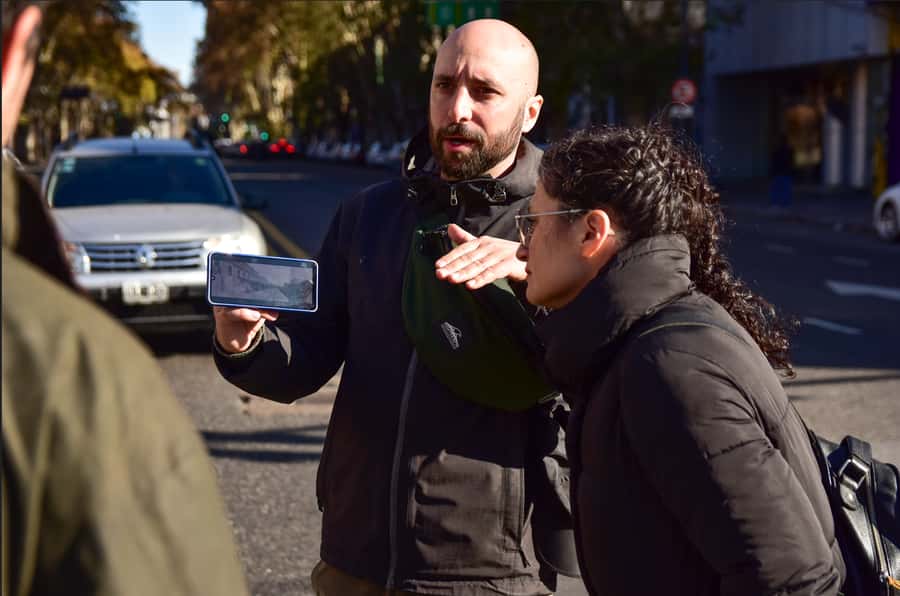
The visit to Asociación Ucrania de Cultura PROSVITA takes about 15 minutes. This is one of the most interesting parts of the route because it brings immigration into a neighborhood often presented through food, design, and nightlife.
The organization’s presence points to the communities that helped form Palermo before the SoHo label became fashionable. You’ll learn about cultural identity and the role of immigrant associations in Buenos Aires.
The nearby visit to Klub Polaco continues that thread. The route does not treat immigration as a small side note. It makes it part of the neighborhood’s basic story.
I find this particularly useful because it changes the way you read the area. A restaurant or cultural club is not just an attraction. It can also reflect the movement of people, the creation of community networks, and the survival of traditions in a large city.
The tour cannot provide a full history of every immigrant group in Buenos Aires in two hours. Still, these stops give you a more human view of Palermo and help explain why the district has more layers than its current branding suggests.
El Preferido and Don Julio: fame, food, and changing value
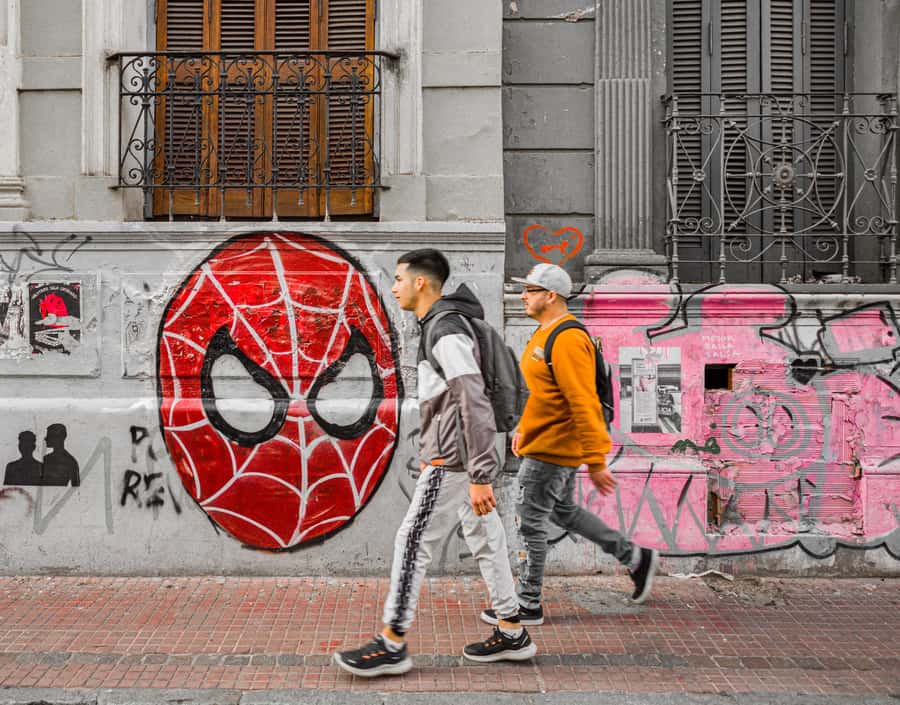
El Preferido de Palermo receives a short five-minute guided visit. Don Julio Parrilla is another five-minute stop. These are brief encounters, not restaurant meals, so plan to eat separately unless you have made your own reservation.
Their inclusion is clever. Both places show how food helps shape Palermo’s reputation, but they represent different sides of the neighborhood’s dining identity. The walk asks you to consider how restaurants become symbols, how their popularity affects nearby property values, and how a local address can become part of an international itinerary.
Don Julio is a particularly useful reference point when discussing the area’s transformation. Its fame helps explain why people now associate Palermo with high-profile dining and Argentine beef. El Preferido adds another food-centered stop to the discussion.
Do not expect privileged access, tastings, or a restaurant tour. The point is interpretation. You see the addresses, then discuss what they mean within a larger process of tourism and commercial change.
ACILBA and Plaza Inmigrantes de Armenia
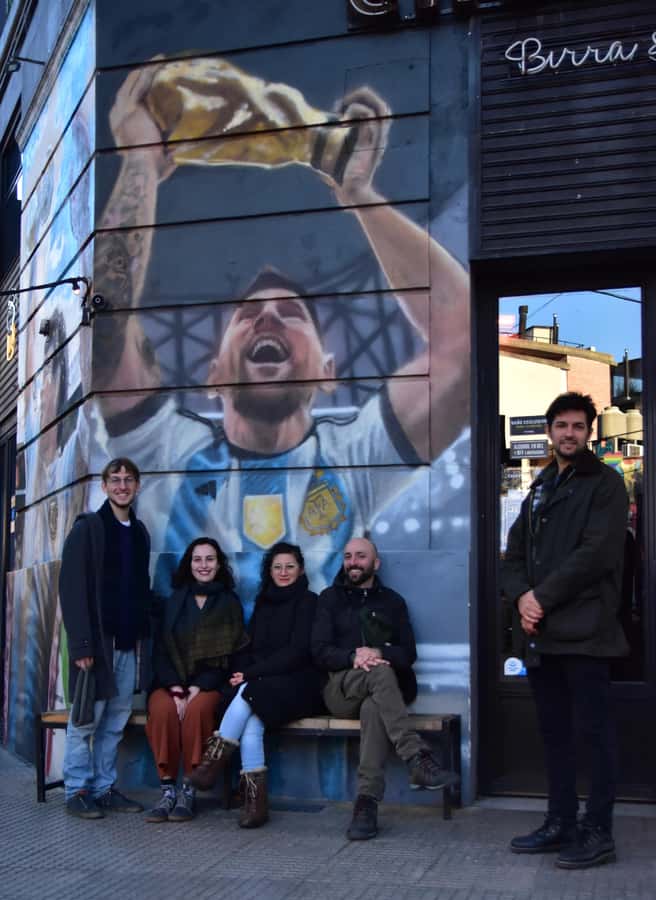
The group passes by ACILBA for about three minutes, then spends around 10 minutes at Plaza Inmigrantes de Armenia. These stops continue the focus on community and immigration.
The plaza provides a useful public setting for discussing the people and groups that helped shape Palermo. It also gives the route a clear connection between cultural memory and the neighborhood’s current public life.
The short stop at ACILBA should be understood as a passing reference rather than a full visit. That is one of the tradeoffs of a two-hour walk. You receive several connected examples, but no single site gets enough time for a full institutional history.
Still, the sequence works. The Ukrainian and Polish associations, ACILBA, and the Armenian-named plaza make it hard to accept the idea that Palermo suddenly appeared when cafés and design shops arrived. The newer SoHo identity sits on older foundations.
Helados Italia and the value of a short break
Helados Italia is scheduled as a 15-minute break. This is welcome in a walk that includes frequent discussion and several stops.
The break gives you time to rest, have a gelato, and continue talking with the guide or other members of your group. It also keeps the tour from feeling like a two-hour classroom session.
The supplied details do not promise that ice cream is included in the $25 price, so bring a little extra money if you want something during the break. Treat this as a pause point, not a formal tasting.
I like this part of the design. A good neighborhood walk needs breathing room. The stop also fits the subject: food is one of the ways Palermo SoHo presents itself, but the tour encourages you to think about the forces behind that presentation.
Pasaje Russel and the final walk to Plaza Serrano
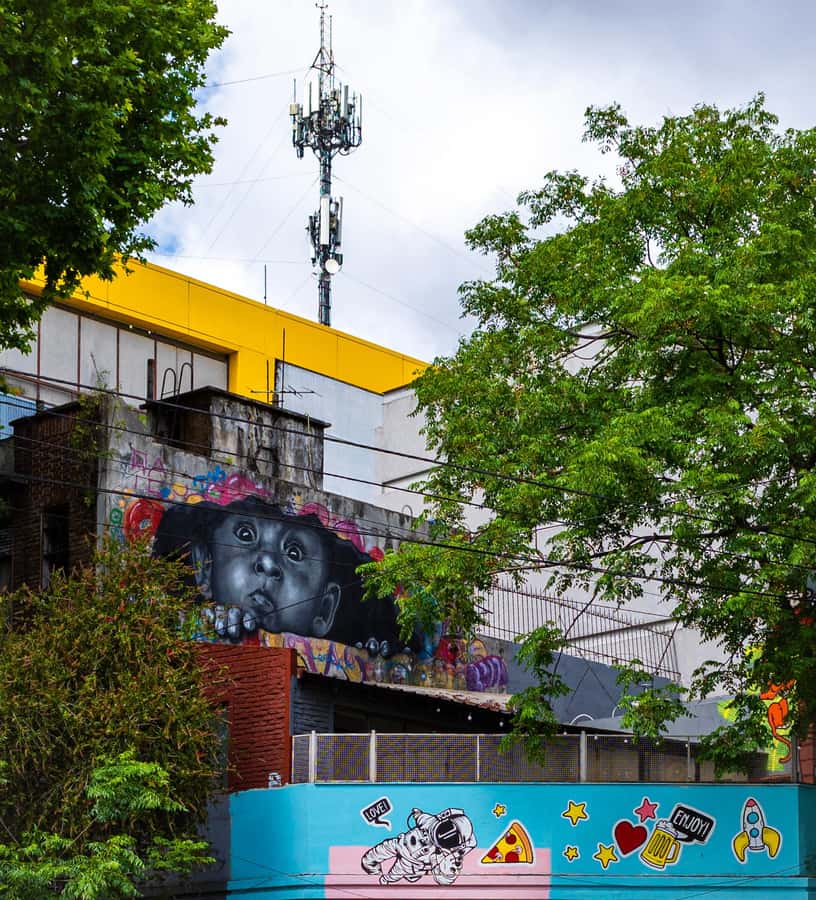
The route ends with about 10 minutes at Pasaje Russel before finishing in Plaza Serrano. This final section returns you to the public face of Palermo SoHo.
Plaza Serrano is a natural ending because it is closely associated with the district’s bars, shops, and evening social life. By the time you arrive, you have more context for what you are seeing. The plaza is not simply a fun place to end. It represents the commercial and social identity that made Palermo SoHo famous.
Ending here also leaves you well placed to continue your evening. You can eat, explore, or use the guide’s local suggestions. Lisa, one of the participants, found the help with locating places of personal interest especially useful, so do not hesitate to ask about a specific address during the walk.
The route’s final strength is its contrast. It begins near a major transport and commercial zone, moves through cultural associations and food landmarks, and finishes amid Palermo’s modern social scene. You see the neighborhood as a process rather than a single style.
Gentrification, property prices, and the peso
The tour’s most useful subject may be gentrification. That word often gets used loosely, but here it is tied to concrete questions about Palermo.
When did the area become SoHo? Why did tourists and fashionable restaurants arrive? How does property speculation work? Why did peso devaluation affect real estate? What do Argentina’s two exchange rates mean for businesses and property buyers?
You will not leave with a graduate economics degree, but you should gain a clearer framework for understanding the prices and businesses around you. Currency issues can be confusing, especially in Argentina, and a local guide can explain how exchange-rate differences affect everyday decisions.
This discussion also keeps the tour honest. Palermo SoHo can be enjoyable and attractive while still raising questions about affordability, displacement, and who benefits from rising property values.
That balance is important. I would be wary of any walk that treated gentrification as a simple success story or a simple disaster. The format here gives you room to ask what changed, who gained, and what might happen next.
Nico’s guiding style and group experience
Nico is the guide named in the feedback, and his strongest qualities are clear: he is informative, humorous, professional, and personable. One participant also appreciated his patience when the meeting point proved hard to find.
Those qualities matter on a discussion-based tour. A guide can know the facts and still lose a group if the presentation feels stiff. Nico appears to make the material easier to approach without turning serious subjects into a joke.
The activity is available for private or small groups, and the live guide can speak Spanish, French, or English. Ask for your preferred language when booking, since that will shape how easily you can take part in the conversation.
The walk is wheelchair accessible. The route includes public streets, passages, plazas, and stops at businesses or cultural sites, so you may still want to confirm any specific mobility needs in advance.
Is $25 a fair price?
At $25 per person, this is good value if you want interpretation rather than a simple introduction to Palermo. You receive two hours with a university-degree guide, a planned route, and a subject that connects architecture, immigration, transport, food, tourism, property, and currency.
It is less compelling if your main goal is a long list of photo stops or entrance tickets. There are no meals, tastings, or major paid attractions included. Some stops are brief, and much of the value comes from the guide’s explanation.
The small-group option can make the price even more worthwhile because questions are central to the experience. In a private group, you can steer the discussion toward food, immigration, urban change, or local business, depending on your interests.
The activity offers free cancellation up to 24 hours before the start, and you can reserve while paying later. Those terms help if your Buenos Aires plans are still shifting, but the real value remains the quality of the discussion.
Who should take this Palermo walk?
I would recommend it to you if you:
- Like urban history and social questions.
- Want to understand why Palermo became a fashionable district.
- Prefer conversation to a scripted speech.
- Are curious about immigration and community associations.
- Want help making sense of Argentine currency and property speculation.
- Have already seen the basic tourist sights and want a more unusual angle.
- Enjoy asking questions during a tour.
I would think twice if you want a fast-paced sightseeing route, a food tour, or access inside every stop. The restaurant visits are short, and the tour does not include food.
It also suits solo visitors and couples who want a local perspective without committing to a full-day activity. Since it finishes at Plaza Serrano, you can easily continue exploring on your own.
FAQ
How long does the Palermo SoHo walking tour last?
The experience lasts two hours.
How much does the tour cost?
The listed price is $25 per person.
Where does the tour begin?
You meet by the amphitheater at Distrito Arcos, next to the Montagne store.
Where does the tour finish?
The walk ends at Plaza Serrano.
Which languages are available?
The live guide can conduct the tour in Spanish, French, or English.
Is the tour wheelchair accessible?
Yes, the activity is listed as wheelchair accessible. Private or small-group options are also available.
Should you book Palermo SoHo for curious people?
Book it if you want to understand the neighborhood behind the polished signs. The best parts are the immigration connections, the discussion of gentrification, and the way Nico links transport, restaurants, real estate, and currency to Palermo’s current identity.
Skip it if you want a pure food outing or a monument-heavy tour. For everyone else, $25 is a reasonable price for a thoughtful two-hour walk that gives you better questions to carry through the rest of Buenos Aires.
Just added in Buenos Aires
- Discover Buenos Aires’ independent art scene — Ticket included★ 5.0 · 30 reviews
- Photo Session in Buenos Aires★ 5.0 · 26 reviews
- Your Private Photographer in Buenos Aires★ 5.0 · 4 reviews
- Yerba Mate Workshop – Learn to Drink Mate like a Local!★ 5.0 · 11 reviews
- Your Personal Photographer in Buenos Aires★ 5.0 · 24 reviews
- BA: Wine Tasting and Blending Experience in Palermo★ 5.0 · 1 review
- Winery and Tasting Experience in Buenos Aires★ 5.0 · 1 review
- Taste of Tradition: Yerba Mate & Alfajores Experience★ 4.0 · 5 reviews
Buenos Aires Tours, compared.
Local Foodie Adventure in Buenos Aires with Sherpa Food Tours
Read our review →
Buenos Aires City Private Tour with Local Guide
Read our review →
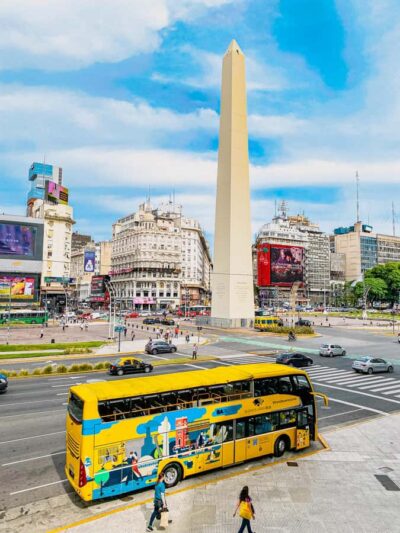
Buenos Aires Hop-On Hop-Off Bus and Exclusive Benefits
Read our review →