Reviewed · BUENOS AIRES TOURS
Get Curious in Palermo SoHo
Palermo Soho is best read on foot. This 2-hour-10-minute walk links cafés, immigrant clubs, former industrial sites, restaurants, and neighborhood gathering places into one clear story about Buenos Aires. I like the focus on past and present, and I like the small maximum of 10 people, which should make conversation easier than on a large coach tour. The main consideration is that snacks are not included, so bring money if you want to try the ice cream or stop for a drink.
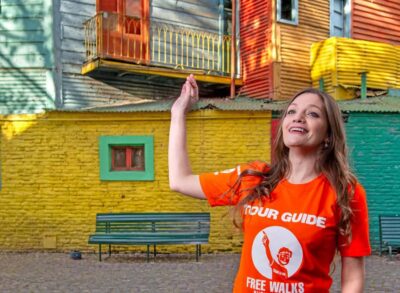
The route also gives you a useful introduction to Palermo’s changing identity. Guide Nicholas, also called Nick or Nico, has been praised for his history background, easy conversation, and ability to speak several languages. I would choose this walk for curious first-time visitors, though anyone expecting major monuments or a food tour with included tastings may find it too modest.
In This Review
- Key points about the Palermo Soho walk
- Why Palermo Soho works better on foot
- From Arcos de Palermo to the old winery
- Immigrant associations and the making of porteño life
- Coffee, mate, and Palermo’s new identity
- Don Julio and the question of expensive dining
- Helados Italia and a sweet pause
- Plaza Serrano, the practical end point
- Club Eros, fútbol, and the local table
- What the guide adds to the experience
- Is $25 a fair price?
- Who should book this Palermo experience?
- Should you book Get Curious in Palermo Soho?
- FAQ
- Where does the tour begin?
- Where does the tour end?
- How long does the experience last?
- How much does the tour cost?
- What is included in the price?
- Are food and drinks included?
- How large is the group?
- Is the tour close to public transportation?
- Are service animals allowed?
- Can most people participate?
- What happens if I need to cancel?
Key points about the Palermo Soho walk
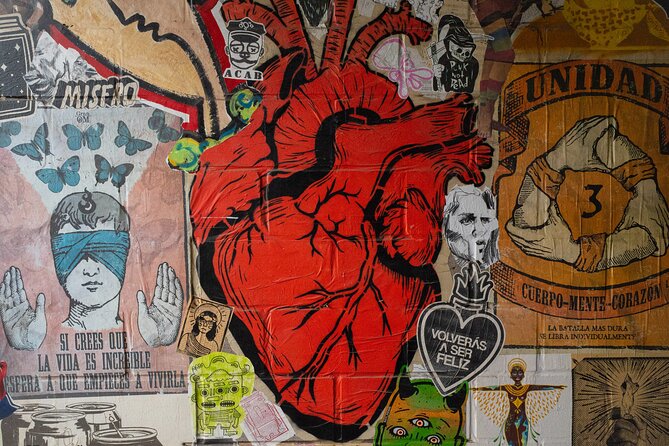
- A neighborhood in transition: See how Palermo shifted from a working-class district with industrial roots into one of Buenos Aires’ most fashionable areas.
- Immigrant Buenos Aires in one walk: Ukrainian, Polish, Jewish, Armenian, and Italian connections appear along the route.
- Small-group format: The tour accepts a maximum of 10 people, making it easier to ask questions and stay connected with the guide.
- A useful food lens: Café culture, mate, parrillas, milanesa a la napolitana, and Italian-style ice cream all help explain local life.
- A strong finish: The walk ends at Plaza Serrano, the center of Palermo Soho and the site of a weekend artisan fair.
- Good value for a short city orientation: At $25 per person, the price covers a university-degree guide and about 130 minutes of neighborhood interpretation.
Why Palermo Soho works better on foot
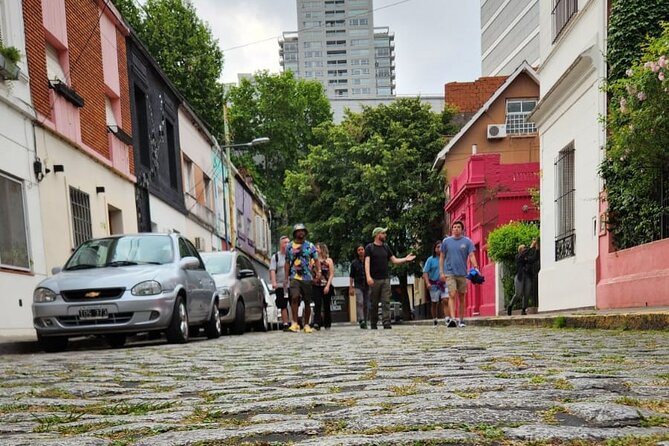
Palermo Soho is not a single grand sight. Its appeal comes from the way old and new sit close together. A former winery, immigrant associations, designer shops, cafés, restaurants, soccer culture, and a public plaza all appear within a compact walking route.
That makes this experience different from a standard Buenos Aires highlights tour. You are not racing between famous landmarks. Instead, you are learning how a district changed and why its streets now attract cafés, boutiques, restaurants, and weekend shoppers.
I especially like this approach for the first or second day of a Buenos Aires stay. The route gives you a sense of where you are, then leaves you at Plaza Serrano, where you can continue exploring on your own. One participant stayed in the area for several hours after the tour, which makes sense: the ending point is practical, not remote.
The tour begins at Av. Juan B. Justo 634, by the Arcos de Palermo Shopping Mall. The first 25 minutes are spent around Palermo Soho, with no admission fee. Since the walk is entirely about the neighborhood, wear comfortable shoes and expect regular stops rather than a long sit-down lecture.
More things to do in Buenos Aires:
- Local Foodie Adventure in Buenos Aires with Sherpa Food Tours
★ 5.0 · 6,875 reviews - Buenos Aires City Private Tour with Local Guide
★ 5.0 · 3,475 reviews - Buenos Aires Small-Group City Tour
★ 5.0 · 2,226 reviews
From Arcos de Palermo to the old winery
The opening section by Arcos de Palermo Shopping Mall gives you a starting point in the modern district. The shopping mall is a clear meeting landmark, and the tour then moves into the neighborhood’s broader story.
The most useful early stop is the Polo Científico Tecnológico. This site occupies the former GIOL winery, later recycled into a science and technology center. The stop lasts about 15 minutes and has no admission charge.
That single building helps explain Palermo’s shift. You can connect an older working district and its industrial past with the newer image of Palermo as a center for design, cafés, and fashionable city life. I like stops such as this because they show change through a real building instead of a string of dates.
Do not expect a museum visit here. The value is the explanation of how Palermo slowly changed. If you want a tour centered on entering buildings, exhibits, or formal attractions, this walk may feel light. If you enjoy seeing how a city reuses its past, the former winery is one of the strongest parts of the route.
Immigrant associations and the making of porteño life
Several stops turn the walk into a lesson in migration. At the Asociación Ucrania de Cultura PROSVITA en la Republica Argentina, you hear about an organization founded in 1924 by Ukrainian immigrants. The stop lasts around 10 minutes.
The point is larger than the building itself. Buenos Aires received a major wave of European immigration in the late 19th and early 20th centuries, and organizations like this show how people maintained cultural ties after settling in Argentina. The tour uses Palermo to explain the wider mix that shaped the city.
The Klub Polaco offers a similar window. Founded in 1929 by Polish immigrants, it gives the guide another way to discuss the communities that became part of Buenos Aires life. These are not grand tourist sights, and that is exactly why they can be useful. You are looking at institutions tied to everyday identity, not just official monuments.
The route also includes a stop founded in 1919 by Jewish immigrants. The supplied schedule does not give the organization’s name, but the stated subject is clear: the diversity that shapes Argentina and, more specifically, porteño culture.
A further stop asks why so many Armenian immigrants came to Argentina, why they established themselves in Palermo, and what is happening in that community today. The schedule does not provide a time or exact location for this stop, so treat it as part of the guide’s discussion rather than a fully described attraction.
These sections are likely to appeal most if you enjoy social history and questions about how cities are built by many communities. They may feel less satisfying if you want polished architecture or a famous landmark at every stop.
Coffee, mate, and Palermo’s new identity
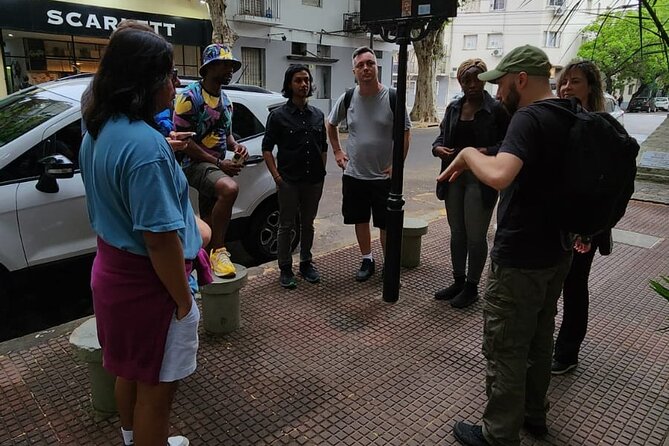
At Scarlett Boutique Soho, the discussion turns toward drinks, shopping, and the people who live in Palermo today. The stop lasts about 15 minutes. The guide uses a simple question, mate or coffee, to explore why Palermo has so many coffee shops.
That question carries more weight than it first appears. Café culture helps show how the neighborhood’s public life has changed, while mate points toward a familiar Argentine habit. The tour does not just tell you that Palermo is fashionable. It asks how the current café scene relates to the people who lived here before and those who live here now.
Scarlett Boutique Soho also helps connect the district’s social change with its commercial side. Palermo’s current identity is tied to boutiques, cafés, and design-oriented businesses, yet the walk keeps returning to older community roots.
I would not book this expecting a café crawl. No snack is included, and the tour schedule does not promise a seated coffee or mate tasting. Instead, you get context that can help you make better choices later. If a café catches your eye after the walk, you will have a better sense of why that kind of business belongs here.
A completely different kind of day:
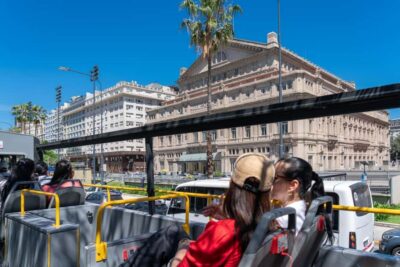
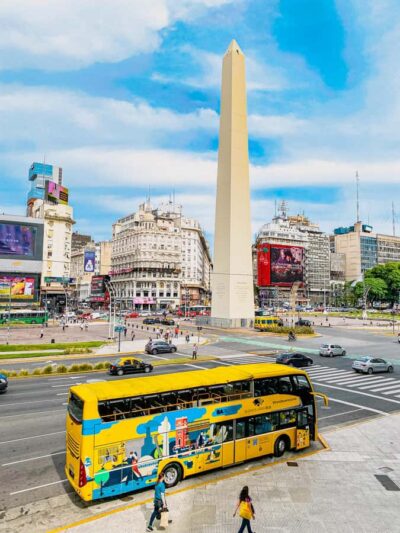
- Buenos Aires Hop-On Hop-Off Bus, Free Walking Tours & Discounts
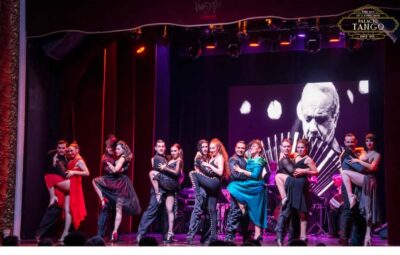
★ 4.5 · 2,218 reviews - Buenos Aires: Piazzolla Tango Show with Optional Dinner
★ 4.4 · 2,122 reviews - Buenos Aires: City Highlights Guided Tour with Transfer
★ 4.7 · 1,946 reviews - Buenos Aires: Hop-On Hop-Off City Bus Tour
★ 4.2 · 1,855 reviews
Don Julio and the question of expensive dining

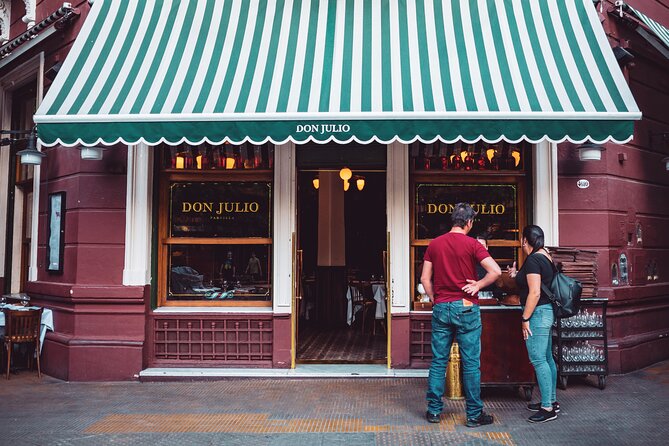
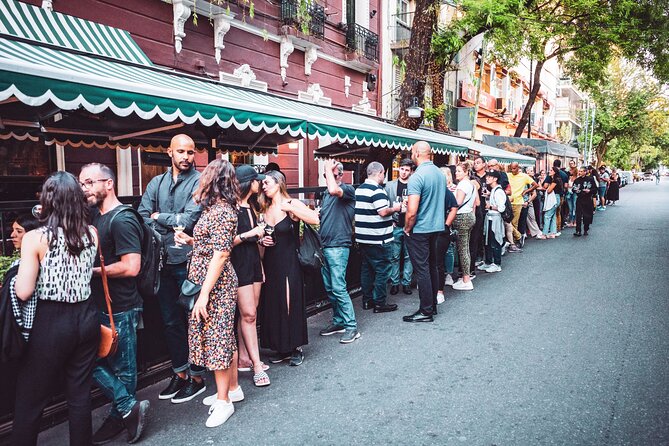
The stop at Don Julio Parrilla lasts about 10 minutes. It raises a practical question: are Palermo’s trendy cafés and highly rated restaurants really worth the price?
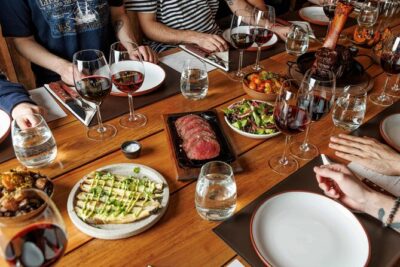
That is a useful topic for anyone planning meals in Buenos Aires. The tour does not turn the stop into a full meal, and admission is free. You are getting an explanation of the restaurant scene, not a reserved table or a tasting menu.
Don Julio also gives the guide a way to discuss the difference between local eating habits and Palermo’s international reputation. The area has become associated with restaurants that attract attention far beyond Argentina. You can listen, take notes, and decide later if you want to return for a meal.
Keep your expectations straight here. This is not a restaurant reservation service, and the $25 tour fee does not cover food. Its value lies in helping you understand the setting and make your own dining decisions.
Helados Italia and a sweet pause
Helados Italia, founded in the 1970s by Italian immigrants, is one of the more immediately enjoyable stops. The planned visit lasts about 10 minutes, and you have the chance to taste the ice cream.
Because snacks are not included, plan to pay separately for anything you order. That small extra cost is worth remembering when you budget. The tour price is low, but it does not function as a food package.
This stop adds a personal scale to the immigrant story. The Ukrainian, Polish, Jewish, and Armenian stops focus on organizations and community identity. Helados Italia shows how an Italian immigrant connection can become part of the city’s everyday pleasures.
I like the balance here. After several discussion-heavy stops, ice cream gives the walk a simple sensory break. Still, the tasting is brief, not a long dessert stop. If you want several substantial tastings, this experience will not replace a dedicated food tour.
Plaza Serrano, the practical end point
The walk finishes at Plaza Serrano, the heart of Palermo Soho. The stop is scheduled for about 15 minutes, and the end point is by the large PALERMO letters on Serrano Street.
This is a strong place to finish because it gives you options. On weekends, the Feria de Artesanos runs from morning into the afternoon. You can browse the artisan stalls, stay for a meal, look for a café, or simply use the plaza as a base for more exploring.
The ending also makes the tour more useful than a walk that drops you beside an isolated monument. You finish in the middle of the neighborhood you have just learned about. That helps turn the tour into an orientation, not merely a history lesson.
If you want to visit the artisan fair, schedule the walk on a weekend and confirm the timing of your tour. The fair is specifically described as a weekend event, while the tour itself is offered as a roughly 130-minute experience.
Club Eros, fútbol, and the local table
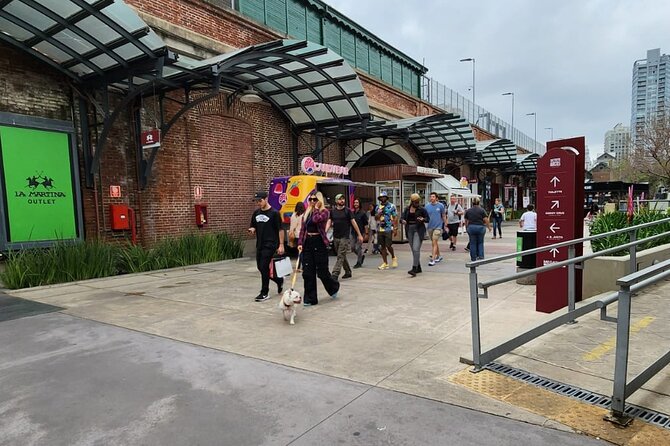
Club Eros introduces another side of Palermo. It is described as a traditional club and bodegón, the sort of place used to explain fútbol and everyday porteño life.
The stop lasts about 10 minutes. Its food example is milanesa a la napolitana, a breaded cutlet topped in the style associated with ham, tomato sauce, and melted cheese. The tour uses that dish to discuss how eating fits into local life, rather than treating food as decoration for sightseeing.
The fútbol connection matters because soccer is not just a match-day subject in Argentina. Here, it becomes part of the conversation about clubs, meals, and daily routines. The short stop cannot cover everything, but it gives you a useful doorway into a subject that can otherwise seem difficult to approach from the outside.
Club Eros is another reason this tour suits people who want ordinary Buenos Aires alongside fashionable Palermo. The neighborhood is not presented only as boutiques and restaurants. You also get a traditional club and a view of how people gather and eat.
What the guide adds to the experience
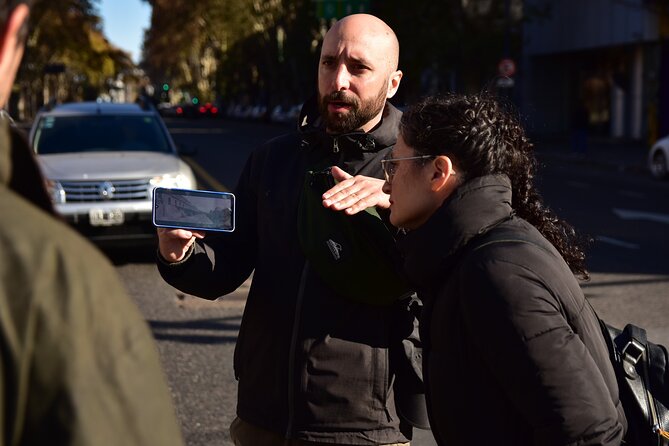
The guide is the main reason to book this walk. The experience includes a university-degree guide, and the strongest praise has centered on Nicholas, who is also called Nick or Nico. Direct feedback describes him as fun, insightful, and able to speak five languages.
That language ability may be especially useful in a small group with people from different backgrounds. One account also describes returning for more than one tour with Nico, suggesting that the guide’s approach extends beyond a single neighborhood walk.
The tone appears conversational rather than formal. You should expect questions, explanations, and links between stops instead of a nonstop recitation. That matters because several locations are not major attractions on their own. Without a good guide, a former winery or immigrant association could pass without much meaning.
The main limitation is consistency. A walking tour depends heavily on the individual guide and the group’s interests. The available feedback is very positive, with 18 five-star ratings and 100 percent recommendation, but that does not guarantee that every person will want the same amount of history or discussion.
Is $25 a fair price?
At $25 per person, the price is reasonable for about 2 hours and 10 minutes with a university-degree guide, especially with a maximum of 10 people. All listed stops have free admission, so you are paying for interpretation, route planning, and the guide’s time rather than entry tickets.
That is good value if you would otherwise walk through Palermo without understanding the connections between its old and new identities. The price is less attractive if you mainly want food, because snacks are not included and the ice cream tasting requires your own spending.
You should also factor in the tour’s advance demand. It is booked an average of 58 days ahead, which suggests that planning early may be wise, especially if your Buenos Aires dates are fixed.
Free cancellation is available up to 24 hours before the start time. Changes or cancellations within 24 hours are not accepted for a refund, and the cut-off follows local time.
Who should book this Palermo experience?
I would recommend it most to:
- First-time visitors who want an introduction to Palermo Soho
- People interested in immigration, neighborhood change, and local identity
- History fans who prefer community stories to famous monuments
- Food-minded visitors who want context before choosing restaurants
- Small groups and solo visitors who enjoy asking questions
- Anyone who wants to finish near cafés, shops, and the weekend artisan fair
You may want another type of tour if you need included food, extensive museum time, or a route built around Buenos Aires’ biggest landmarks. The stop-by-stop format also means you will walk and listen for most of the experience, so it is not ideal if you prefer a seated activity.
Most people can participate, service animals are allowed, and the meeting area is near public transportation. The experience has a maximum of 10 participants, but the supplied details do not state the exact walking distance or whether the route is fully step-free.
Should you book Get Curious in Palermo Soho?
Book it if you want Palermo explained rather than simply photographed. The best parts are the connection between the former GIOL winery and modern Palermo, the immigrant associations, the discussion of cafés and restaurants, and the practical ending at Plaza Serrano.
At $25, you get a focused neighborhood orientation with a small group and a guide who has received strong praise for his historical insight and friendly style. Just budget separately for ice cream or other snacks, and choose a different experience if your priority is a full food tasting program.
For many visitors, this is a smart early-stay walk. It gives you enough context to return to Palermo later with better questions, better restaurant choices, and a clearer sense of why this part of Buenos Aires feels the way it does.
FAQ
Where does the tour begin?
It begins at Av. Juan B. Justo 634, C1425 Buenos Aires, by the Arcos de Palermo Shopping Mall.
Where does the tour end?
It ends at Plaza Serrano, by the large PALERMO letters on Serrano Street.
How long does the experience last?
The approximate duration is 2 hours and 10 minutes.
How much does the tour cost?
The listed price is $25 per person.
What is included in the price?
A university-degree guide is included.
Are food and drinks included?
No. Snacks are not included. The route includes a chance to taste ice cream at Helados Italia, but you should plan to pay for food or drinks separately.
How large is the group?
The tour has a maximum of 10 participants.
Is the tour close to public transportation?
Yes. The meeting information states that it is near public transportation.
Are service animals allowed?
Yes, service animals are allowed.
Can most people participate?
Yes. The additional information states that most people can participate.
What happens if I need to cancel?
You can cancel up to 24 hours before the experience begins for a full refund. Cancellations or changes made less than 24 hours before the start time are not accepted for a refund.
Just added in Buenos Aires
- Discover Buenos Aires’ independent art scene — Ticket included★ 5.0 · 30 reviews
- Photo Session in Buenos Aires★ 5.0 · 26 reviews
- Your Private Photographer in Buenos Aires★ 5.0 · 4 reviews
- Yerba Mate Workshop – Learn to Drink Mate like a Local!★ 5.0 · 11 reviews
- Your Personal Photographer in Buenos Aires★ 5.0 · 24 reviews
- BA: Wine Tasting and Blending Experience in Palermo★ 5.0 · 1 review
- Winery and Tasting Experience in Buenos Aires★ 5.0 · 1 review
- Taste of Tradition: Yerba Mate & Alfajores Experience★ 4.0 · 5 reviews
Buenos Aires Tours, compared.
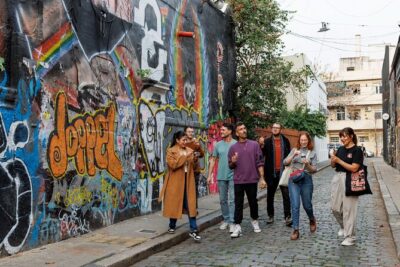
Local Foodie Adventure in Buenos Aires with Sherpa Food Tours
Read our review →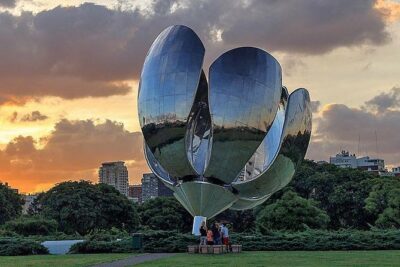
Buenos Aires City Private Tour with Local Guide
Read our review →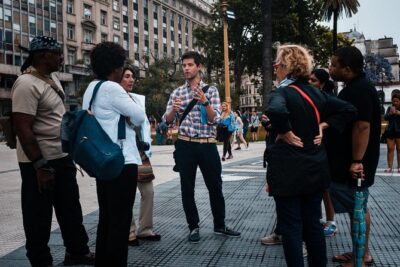
Buenos Aires Hop-On Hop-Off Bus and Exclusive Benefits
Read our review →