
Reviewed · BUENOS AIRES TOURS
Experience the Lighted Night of Buenos Aires in a Bike
Buenos Aires looks sharper after sunset. This three-hour bicycle tour links the city’s grandest monuments with stories about politics, independence, architecture, and daily life. I especially like the small group size, capped at 10 people, and the way the route mixes famous sights with a stop for local street food at Costanera Sur. The English-language guiding is another strong point, especially if you want more than quick photo stops.
The main drawback is that this is not a gentle sightseeing ride with everything included. You need a moderate level of fitness, food and drinks cost extra, and the tour depends on good weather. Some stops are brief, so you should choose this experience for its moving history lesson and evening atmosphere, not for long visits inside the buildings.
In This Review
- Five things worth knowing before you book
- Why a night bike ride works so well in Buenos Aires
- Beginning beneath the lights at Teatro Colón
- Plaza Lavalle and the Palacio de Tribunales
- The Obelisco at the center of the city
- Eva Perón and Argentina’s political memory
- Plaza de Mayo and the struggle for independence
- Costanera Sur and a very Argentine food break
- Puente de la Mujer and Puerto Madero
- The Centro Cultural Kirchner from outside
- A final pause at Plaza San Martín de Tours
- What Ricky’s guiding adds
- Fitness, equipment, and practical planning
- Who should book this evening ride?
- Should you book the Lighted Night of Buenos Aires by Bike?
- FAQ
- How long does the Buenos Aires night bike tour last?
- Where does the bike tour start and finish?
- Is food included in the tour price?
- What equipment is provided?
- Is the tour offered in English?
- What happens if the weather is bad?
Five things worth knowing before you book
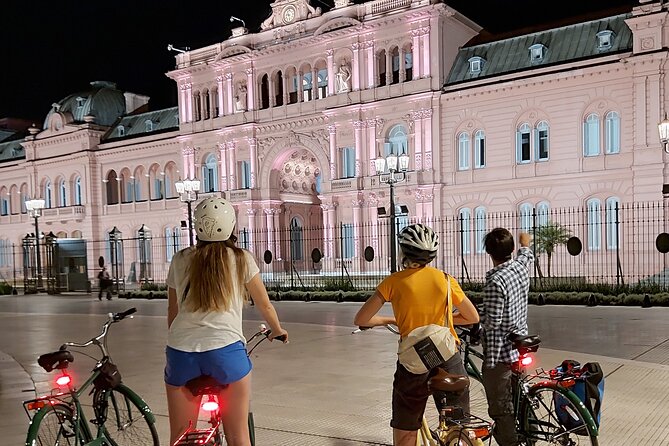
- The tour starts at Teatro Colón: The illuminated theater gives you an elegant first look at Buenos Aires and an easy place to take photos.
- History drives the experience: Guide Ricky is praised for explaining the political forces behind places such as Avenida 9 de Julio, Plaza de Mayo, and the Perón monument.
- You ride through central Buenos Aires at night: The route reaches the Obelisco, Plaza Lavalle, Puerto Madero, and Plaza San Martín de Tours.
- The food stop is local and inexpensive: At Costanera Sur, you can buy choripán, provoleta, churrasquito, or bondiola, but dinner is not part of the $35 price.
- The group stays small: A maximum of 10 riders should make it easier to hear the guide and keep the ride manageable.
Why a night bike ride works so well in Buenos Aires
Buenos Aires can feel enormous on foot. Its avenues are broad, its plazas are spread out, and its major sights sit in different parts of the central city. A bicycle helps you cover ground without spending the evening in a car or walking long stretches between monuments.
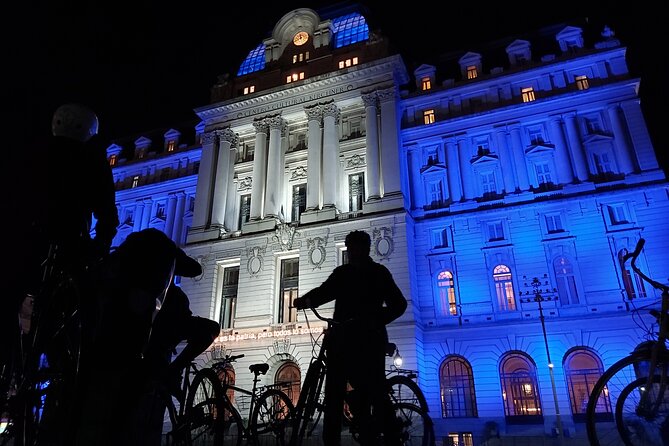
The timing also changes the mood. Teatro Colón, the Obelisco, the courts, and government buildings take on a different character under lights. The route is not simply a list of illuminated buildings. It connects the city’s architecture with the people and decisions that shaped Argentina.
At $35 per person, the price is reasonable if you value a guide who explains the setting rather than just pointing at it. You receive the bicycle, helmet, and bike lights, and the tour lasts about three hours. You do not receive bottled water, food, attraction admission, or dinner.
That distinction matters. This is best priced as a guided city ride with historical commentary. It is not an admission-based sightseeing package. The tour visits the outside of major landmarks, so you should not expect a theater or museum interior visit during the ride.
More Bike Tours in Buenos Aires
- Bike Tour: Half-Day City Highlights of Buenos Aires
★ 5.0 · 1,083 reviews - Buenos Aires: North or South Buenos Aires Bike Tour
★ 4.7 · 719 reviews - Highlights of BA by Bike – Part one
★ 5.0 · 285 reviews
Beginning beneath the lights at Teatro Colón
The meeting point is at Arroyo 889, in the C1007AAB area of Buenos Aires. The first stop is Teatro Colón, one of the city’s most important cultural buildings and one of the prettiest places to begin after dark.
You get about 20 minutes here. That gives you time to see the illuminated exterior, take photos, and hear an introduction to the city’s architectural style. The theater is not included as an admission visit, so the value comes from the setting and the explanation outside.
I like this opening because it starts with a strong visual reward. You do not spend the first part of the ride finding your way through anonymous streets. Instead, you begin at a landmark that immediately shows why Buenos Aires is often compared with European capitals.
If you hope to tour the interior of Teatro Colón, plan that separately. This night ride does not include an entrance ticket.
Plaza Lavalle and the Palacio de Tribunales
The next stop takes you to the Palacio de Tribunales and Plaza Lavalle for about 15 minutes. The National Supreme Court complex gives the tour a more formal, civic tone after the theater’s cultural grandeur.
This is a short stop, so expect an exterior explanation rather than a full architectural visit. The surrounding plaza helps place the building in the wider style of central Buenos Aires, with its formal facades and European influence.
The guide’s job is especially useful here. Without context, a court building can be easy to admire and just as easy to forget. With an explanation of the surrounding details and the city’s connection to Parisian urban design, the stop becomes part of a larger picture.
You will want to listen closely. Fifteen minutes passes quickly, and the ride keeps moving.
The Obelisco at the center of the city
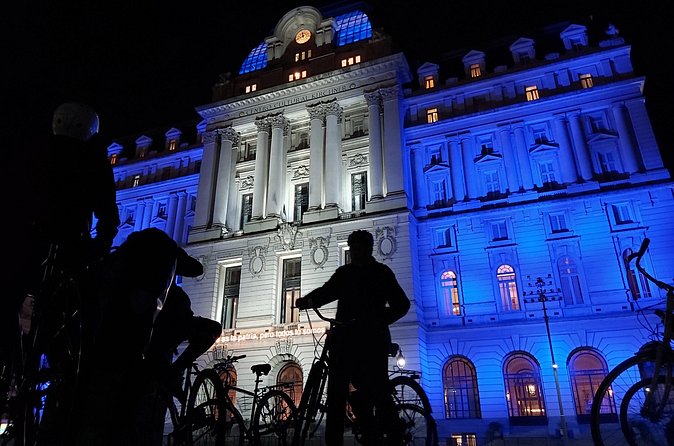
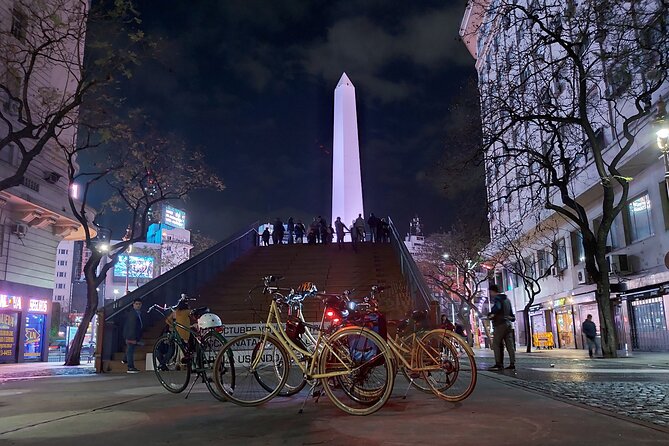
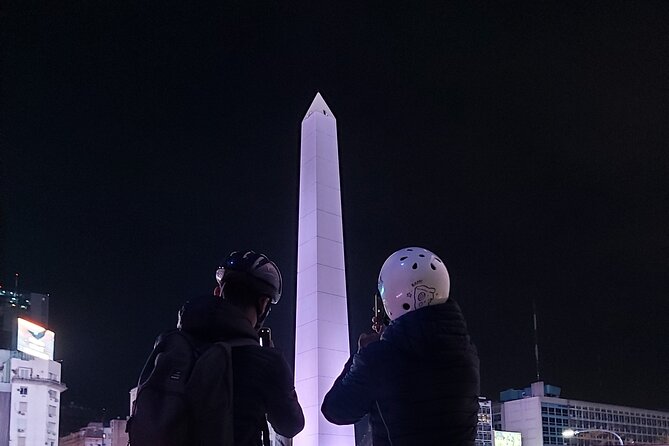
The Obelisco is given about 20 minutes, enough for photographs and an explanation of its place on the intersection of 9 de Julio and Corrientes avenues. This is one of Buenos Aires’ most recognizable symbols, and the surrounding roads show the scale of the city better than almost any other stop.
The point here is not only the monument itself. The intersection gives you a sense of the city’s grand planning and its love of large public spaces and broad avenues. At night, the lights and traffic add energy, but they can also make the stop feel more exposed and noisy than a quiet plaza.
One especially useful piece of historical context concerns Avenida 9 de Julio. Guide Ricky explains that its creation involved demolishing 18 blocks of buildings. Material from that destruction was dumped by the river, and that land later formed part of what is now the Reserva Ecológica Costanera Sur.
That kind of detail is what makes this tour different from a standard monument ride. You are not just told that the avenue is wide. You learn about the political decision, the cost of the project, and the unexpected connection between urban demolition and today’s ecological reserve.
A completely different kind of day:
- Local Foodie Adventure in Buenos Aires with Sherpa Food Tours
★ 5.0 · 6,875 reviews - Buenos Aires City Private Tour with Local Guide
★ 5.0 · 3,475 reviews - Buenos Aires Small-Group City Tour
★ 5.0 · 2,226 reviews - Buenos Aires Hop-On Hop-Off Bus, Free Walking Tours & Discounts
★ 4.5 · 2,218 reviews
Eva Perón and Argentina’s political memory
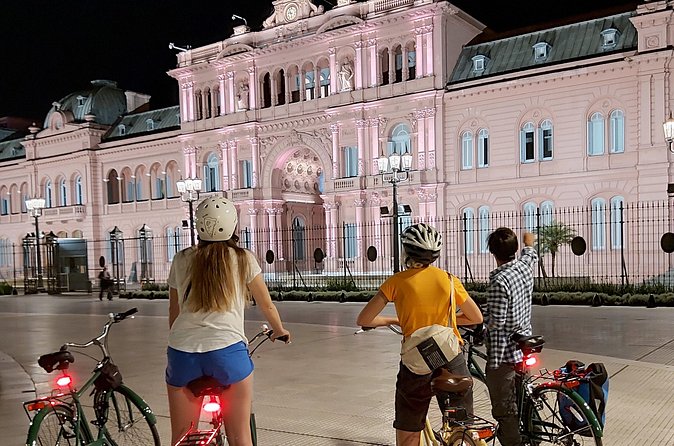
The stop at the Monumento a Eva Perón lasts about 20 minutes. This is where the tour moves from architecture into Argentina’s more emotional and contested political story.
Eva Perón remains one of the country’s most famous figures. Alongside Juan Perón, she helped shape a political movement that still carries strong feelings. The tour presents their influence and the arguments surrounding them, rather than treating the monument as a simple photo opportunity.
The most praised quality of Ricky’s guiding is his passionate, uncensored, and even-handed storytelling. That approach is valuable here because Perón and Eva Perón cannot be understood through a neat, one-sided tale. You should expect political history with difficult questions, strong personalities, and lasting consequences.
This stop suits you if you enjoy learning how public monuments connect to national identity. If you prefer a quick ride with little commentary, the amount of political discussion may feel like more than you expected.
Plaza de Mayo and the struggle for independence
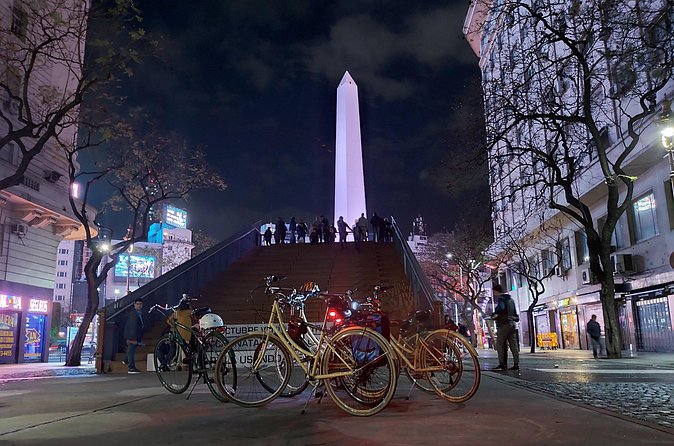
Plaza de Mayo receives about 20 minutes and gives you one of the clearest links to Argentina’s fight to break from Spanish rule. The square has been a setting for major political decisions and public gatherings, making it one of the most important places on the route.
The guide explains the people, choices, and stories connected with the square. You should have time to look around and take photos, but not enough for a detailed tour of every nearby building.
I like this stop because it gives the ride a clear historical center. The Obelisco represents modern Buenos Aires, while Plaza de Mayo connects you to the country’s independence and political life. Seeing both in one evening helps you understand that the city is not just grand boulevards and handsome buildings. It is also a place where public space has been used for national change.
Costanera Sur and a very Argentine food break
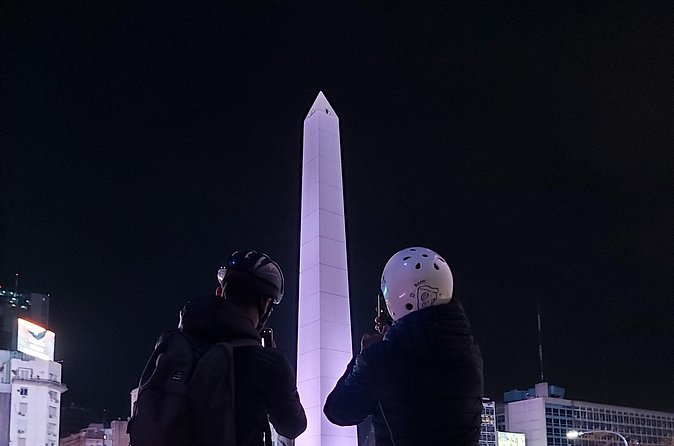
After the central landmarks, the route reaches Costanera Sur. The stop lasts about 30 minutes, making it the longest pause of the evening and the most casual part of the ride.
A food truck stop offers several local choices:
- Choripán, a grilled sausage sandwich
- Provoleta, a grilled cheese dish
- Churrasquito, a small steak-style serving
- Bondiola, usually a pork sandwich or serving
Food is purchased separately, and bottled water is not included. Prices are described as reasonable, but you should bring enough Argentine pesos or another accepted payment method if the food truck requires it. The information provided does not specify payment options, so it is sensible to confirm that before setting out.
The guide also explains the nearby Reserva Ecológica Costanera Sur. This is where Ricky’s story about Avenida 9 de Julio returns in a surprising way. The land connected to construction waste later became an ecological reserve, giving the tour a useful lesson in how city growth can produce unexpected results.
This stop helps break up the monuments. You can eat, rest your legs, and talk with the group before continuing toward Puerto Madero. If you have dietary restrictions, the listed choices are limited, so ask the operator before booking.
Puente de la Mujer and Puerto Madero
At Puente de la Mujer, the group pauses on one side of the bridge for about 20 minutes. The guide gives a short explanation, then leaves time for photos.
The bridge is one of the most recognizable features of Puerto Madero. Its unusual form photographs well, particularly when lit at night. This is more of a visual stop than a long historical discussion, so you should expect a concise explanation and a chance to compose your own pictures.
The brief format works well after the food break. You get another strong image without spending too long standing beside the bicycles. Keep your camera ready, since the stop is designed around a short explanation and photo time.
The Centro Cultural Kirchner from outside
The ride then stops for about 15 minutes in front of the Centro Cultural Kirchner, known as CCK. Again, the visit is outside the building. No admission is included.
The building adds another layer to the route because it links cultural life with civic architecture. The guide gives a short explanation and allows time for photos. Compared with Plaza de Mayo or the Eva Perón monument, this is a lighter stop, but it helps connect the older central district with the city’s more recent cultural identity.
Do not plan on entering the center during this tour. If you want an interior visit, you will need to arrange that on another day and check its opening schedule separately.
A final pause at Plaza San Martín de Tours
The final stop is Plaza San Martín de Tours, where you spend about 20 minutes before returning to the shop. A monument here refers to one of Argentina’s major leaders and freedom fighters.
This ending gives the tour a quieter final note after the traffic around the Obelisco and the political weight of Plaza de Mayo. It also brings the route back toward the starting area, making the return practical rather than simply retracing the entire ride.
The tour ends at the original meeting point on Arroyo. That is helpful if you have evening plans or need to collect belongings left at the shop.
What Ricky’s guiding adds
The strongest reason to choose this experience is the guide’s storytelling. Ricky is described as more than a person who points out buildings. He explains why decisions were made, who benefited, who suffered, and how earlier events shaped places you see today.
His explanation of 9 de Julio is a good example. Many guides would mention that it is one of the widest avenues in the world and move on. Here, the story includes the demolition of 18 blocks and the later connection to the Costanera Sur reserve. That approach gives you a cause-and-effect explanation rather than a string of facts.
The tone is also described as passionate, uncensored, and unbiased. That is particularly useful in Buenos Aires, where national history includes independence struggles, powerful political movements, public controversy, and figures such as Eva and Juan Perón.
The tour is conducted in English. With a maximum of 10 people, you should have a better chance of hearing the commentary than on a large bus outing. The small group also keeps the experience more personal, although the exact pace can still depend on the fitness and cycling confidence of the group.
Fitness, equipment, and practical planning
You receive a bicycle, helmet, and bike lights. Those inclusions cover the basic needs for an evening ride, but you should still dress for three hours outdoors and choose comfortable clothing that allows easy movement.
A moderate physical fitness level is required. The route includes several stops, but you are still riding between them, and the tour takes place at night. If you are uncomfortable cycling in an urban setting, ask the operator for more details about the route and riding conditions before booking.
Bring your own bottled water, since it is not supplied. You should also budget separately for the food truck. The $35 price covers the guided ride and equipment, not meals or admissions.
The tour is offered in English and requires good weather. You can cancel for a full refund up to 24 hours before the start time. A cancellation made less than 24 hours before the start is not refunded, and changes within that period are not accepted. If poor weather cancels the ride, you are offered another date or a full refund. The same applies if the minimum number of riders is not reached.
Who should book this evening ride?
I would choose this tour if you want to understand Buenos Aires quickly and prefer moving through the city rather than sitting in a vehicle. It suits first-time visitors who want the major central sights, but it also offers enough political and urban context to reward anyone who likes history.
It is a good fit for:
- Riders comfortable with a three-hour city outing
- Visitors who want an English-speaking guide
- People who enjoy political and architectural stories
- Anyone who wants a small-group experience
- Visitors interested in trying local food without paying for a formal dinner
I would hesitate if you want long interior visits, a relaxed walk, or a fully included meal. The attraction stops are mainly outside, and the schedule gives you a fixed amount of time at each location.
Should you book the Lighted Night of Buenos Aires by Bike?
Yes, if the idea of a history lesson on two wheels appeals to you. The $35 cost is fair because it includes the bicycle, helmet, lights, small group, and three hours of guiding across a wide section of central Buenos Aires.
Book it for Ricky’s storytelling, the nighttime views, and the chance to connect places such as the Obelisco, Plaza de Mayo, Eva Perón’s monument, and Costanera Sur. Skip it if you are not comfortable cycling or if you expect entry to Teatro Colón, CCK, or other buildings.
For the best experience, bring water, leave room in your evening for the 30-minute food stop, and keep your expectations focused on outdoor sightseeing and strong historical commentary. This is not just a ride past monuments. It is a compact way to see how Buenos Aires was built, argued over, and remembered.
FAQ
How long does the Buenos Aires night bike tour last?
The tour lasts approximately three hours, including the stops at the major landmarks and the food break at Costanera Sur.
Where does the bike tour start and finish?
It starts at Arroyo 889, C1007AAB, in Buenos Aires. The activity ends back at the same meeting point.
Is food included in the tour price?
No. At Costanera Sur, you can buy choripán, provoleta, churrasquito, or bondiola from a food truck. The meal is purchased separately.
What equipment is provided?
The tour includes use of a bicycle, helmet, and bike lights. Bottled water is not included.
Is the tour offered in English?
Yes. The experience is offered in English.
What happens if the weather is bad?
The tour requires good weather. If it is canceled because of poor weather, you are offered a different date or a full refund.
Just added in Buenos Aires
- Discover Buenos Aires’ independent art scene — Ticket included★ 5.0 · 30 reviews
- Photo Session in Buenos Aires★ 5.0 · 26 reviews
- Your Private Photographer in Buenos Aires★ 5.0 · 4 reviews
- Yerba Mate Workshop – Learn to Drink Mate like a Local!★ 5.0 · 11 reviews
- Your Personal Photographer in Buenos Aires★ 5.0 · 24 reviews
- BA: Wine Tasting and Blending Experience in Palermo★ 5.0 · 1 review
- Winery and Tasting Experience in Buenos Aires★ 5.0 · 1 review
- Taste of Tradition: Yerba Mate & Alfajores Experience★ 4.0 · 5 reviews
Buenos Aires Tours, compared.
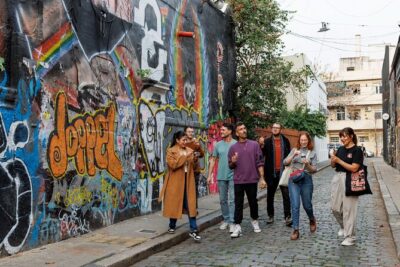
Local Foodie Adventure in Buenos Aires with Sherpa Food Tours
Read our review →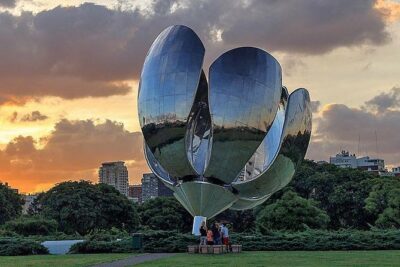
Buenos Aires City Private Tour with Local Guide
Read our review →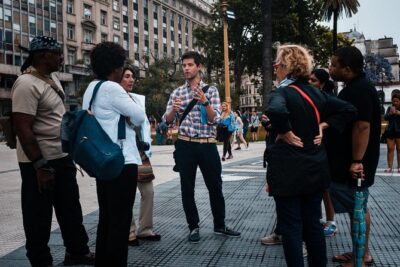
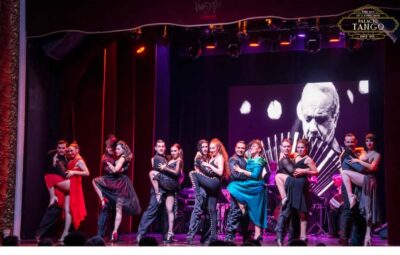
Buenos Aires Hop-On Hop-Off Bus and Exclusive Benefits
Read our review →
Argentine Experience Interactive Dining and Cooking
Read our review →Browse the lists this tour appears in