
Reviewed · BUENOS AIRES TOURS
Discover the Mate Ritual in a Gaucho-Style Bar
Mate tells you a lot about Argentina. This 90-minute experience at a gaucho-style Mate Bar makes the ritual easy to understand, with five premium yerba mate varieties, practical lessons, local snacks, and stories about Guaraní roots and gaucho customs. I like the warm pulpería setting, and I like that you do more than simply sip a drink. You learn how to prepare it, taste it in several forms, and make alfajores with dulce de leche.
The main consideration is that this is a focused cultural activity, not a broad Buenos Aires sightseeing tour. If you already know mate well, some of the introductory instruction may feel familiar. For first-time visitors, though, it offers a friendly way to understand a daily Argentine custom without needing to figure out the rules on your own.
In This Review
- Key points to know before booking
- Why mate makes a smart Buenos Aires introduction
- Beginning with the calabash gourd
- Tasting five premium yerba mate varieties
- The stories behind Guaraní and gaucho traditions
- Medialunas and the sweet alfajor finish
- What the $25 price includes
- Timing, location, and group size
- Who will enjoy this most
- A practical booking decision
- FAQ
- Where does the mate experience begin and end?
- How long does the experience last?
- How many people can join the experience?
- What types of mate will I taste?
- Are food tastings included?
- Can I cancel for a full refund?
Key points to know before booking
- Five styles of yerba mate: Taste mate amargo, dulce, cocido, and tereré, with five premium yerba varieties included in the session.
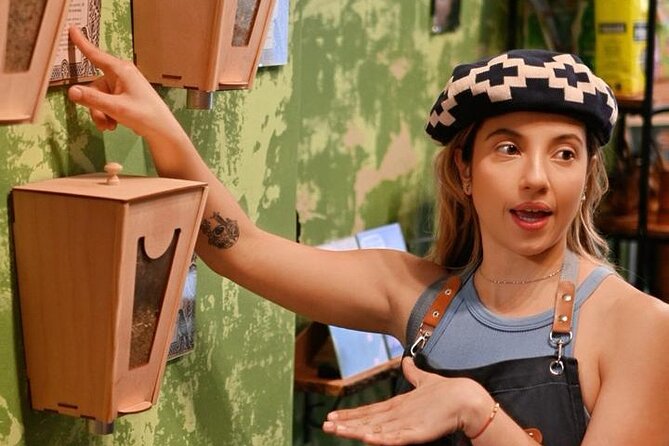
- A hands-on lesson: Learn how to cure a traditional calabash gourd and prepare, or cebar, mate at the right temperature.
- A small-group setting: The maximum group size is 10 people, which suits conversation and questions.
- Local food is part of the ritual: You get medialunas from a respected Buenos Aires bakery and make alfajores with dulce de leche.
- Strong value at $25: The price covers instruction, tastings, food, and a cultural introduction lasting about 1 hour and 30 minutes.
- Easy cancellation terms: You can receive a full refund if you cancel at least 24 hours before the start time.
Why mate makes a smart Buenos Aires introduction
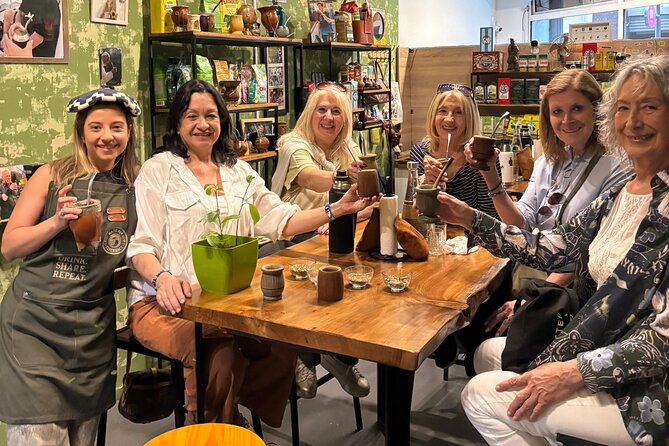
Mate is not simply a hot drink served in a cup. It is a social custom, a small act of hospitality, and a familiar part of everyday life in Argentina. The same gourd and metal straw can pass from person to person, with one person preparing and serving the drink around the group.
That social side is what makes this experience more useful than a basic tasting. You are not only learning which flavors you prefer. You are also learning why the preparation matters, why the water temperature matters, and how the ritual connects different parts of Argentine life.
The setting helps. The Mate Bar is designed like an old-fashioned pulpería, with rustic wood, countryside details, and soft folkloric music. A pulpería was traditionally a rural shop and meeting place, so the style points toward the world of gauchos and the countryside rather than a polished modern café.
I like that the setting supports the subject without needing a large production. You can focus on the gourd, the yerba, the water, and the stories. The maximum of 10 people also keeps the session small enough for questions, though the experience will still depend on the exact group that joins you.
More bars and tastings in Buenos Aires:
- Buenos Aires: Puerto Madero Sunset Cruise with Open Bar
★ 4.1 · 439 reviews - Beer & Spa experience in Tedelupulo
★ 5.0 · 235 reviews - Sunset Río de la Plata & Open Bar
★ 3.5 · 27 reviews
Beginning with the calabash gourd
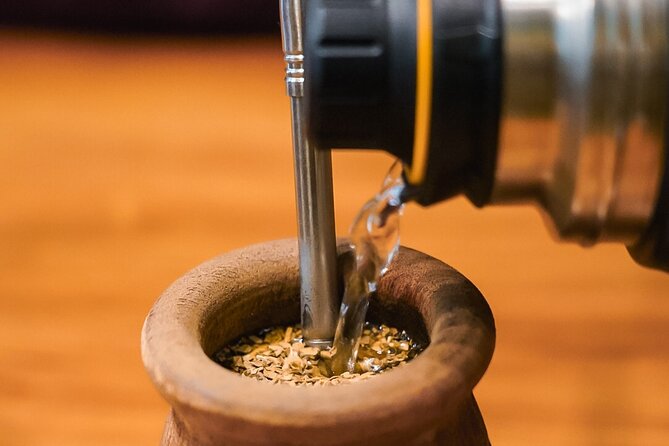
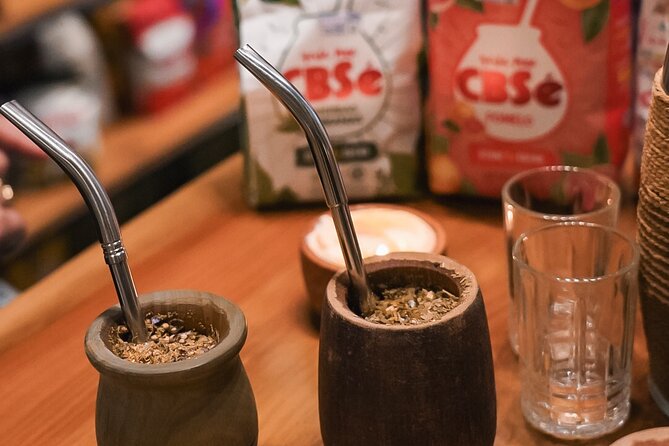
The session starts with the traditional mate vessel, the calabash gourd. You learn how to cure it, a necessary step before regular use. This gives the activity a practical edge because you are not just looking at a finished object. You are learning how the vessel becomes ready for the ritual.
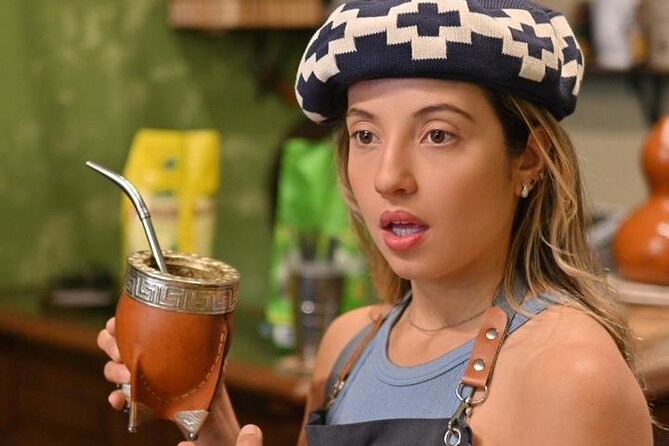
The gourd is part of the identity of mate. It is often called a mate itself, while the dried leaves are called yerba mate. The metal straw, known as a bombilla, lets you drink the infusion while keeping the leaves in place.
You also learn the word cebar, which refers to preparing and serving mate. That word matters because making mate is treated as a skill, not as the simple act of pouring hot water into a container. The temperature, the position of the yerba, and the pace of serving all affect the result.
This part should suit curious beginners especially well. You do not need to arrive with any knowledge of the custom. A host can explain what to do and why each step matters, then give you a chance to see the process up close.
The description promises water at the perfect temperature. That is an important detail. Water that is too hot can make mate harsh and damage the flavor, while water that is too cool may not draw out enough character from the yerba. The exact technical instruction is one reason this experience offers more value than ordering a random mate in a café.
Tasting five premium yerba mate varieties
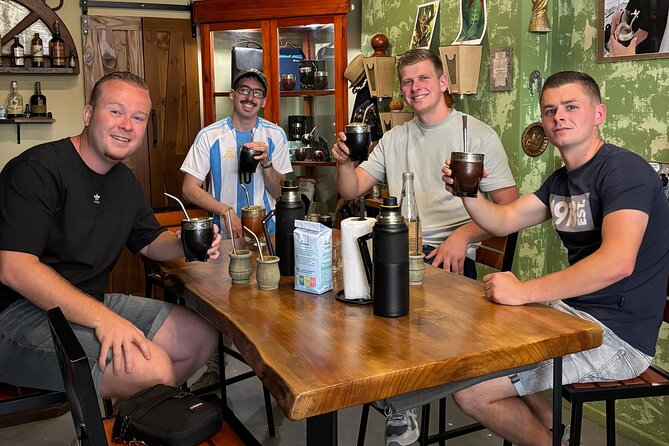
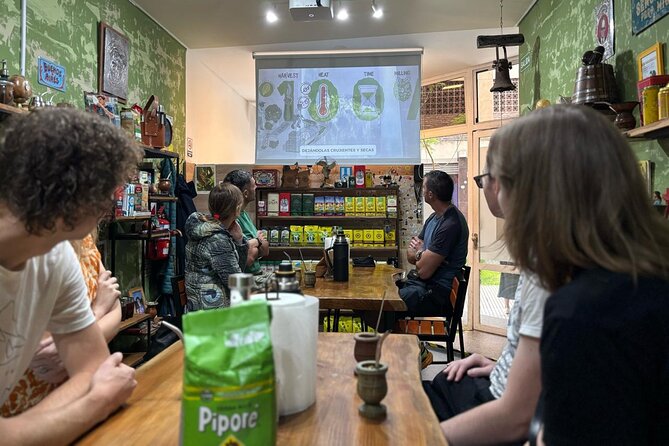
The central part of the session is the tasting. You try five varieties of yerba mate that are organic, pesticide-free, and aged for 24 months. The aging detail gives you a useful point of comparison, since you are tasting products selected for their flavor rather than simply sampling one standard blend.
Do not expect every cup to taste alike. Yerba mate can vary in bitterness, strength, texture, and aroma. The purpose of tasting several varieties is to help you work out what suits you. One may appeal to you for its direct, bitter character. Another may seem softer or easier to drink.
The experience presents mate in several traditional forms:
- Amargo: The bitter, unsweetened version. This is the clearest expression of the yerba and the style most useful for understanding its basic flavor.
- Dulce: Sweet mate, which softens the bitterness and may be easier for someone trying mate for the first time.
- Cocido: Mate steeped like tea. This format is familiar if you prefer a cup rather than the shared gourd and bombilla.
- Tereré: A cold version that feels lighter and more refreshing than hot mate.
The four formats listed above are joined by five yerba varieties, giving the tasting a good amount of range for a 90-minute activity. You should not confuse this with a formal beverage class. It is more relaxed and social, with explanations tied to stories about Argentine customs.
I particularly like the inclusion of tereré. Many first-time visitors think of mate only as a hot drink, so the cold version broadens your understanding. Cocido does the same in another direction, showing how the ingredient can fit a more familiar tea-style preparation.
The stories behind Guaraní and gaucho traditions
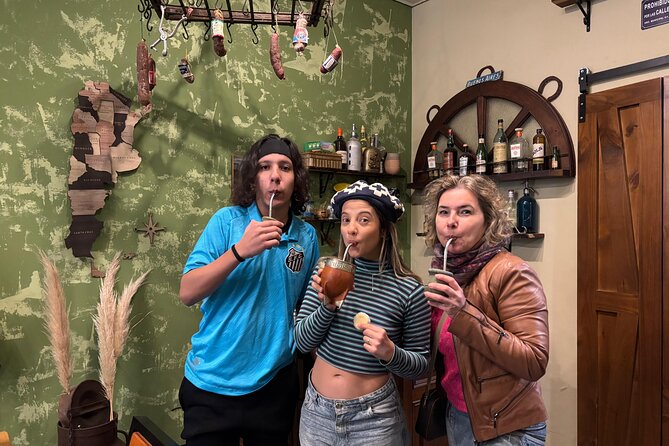
The cultural explanation is a major part of the experience. Mate has Guaraní origins, and the session connects those roots with gaucho traditions and modern Argentine life. That gives you a useful timeline without turning the activity into a lecture.
The gaucho connection also explains the rustic design of the bar. You are not being asked to treat mate as a museum object. The point is to see how an older custom remains part of ordinary social life.
The strongest version of this experience will come from asking questions. One past participant singled out Cristian, describing his passion for a tradition he had practiced since childhood and his ability to answer every question. The host is not only repeating instructions. The goal is to connect the preparation with lived experience.
That personal angle can make a difference. A short activity about food and drink becomes more memorable when the person leading it can explain why the ritual matters in daily life. The experience is recommended by 100 percent of the 18 ratings provided, with a five-star score, and the praise consistently centers on the hosts, the clear explanations, and the way the group begins talking with one another.
Still, keep your expectations sensible. Ninety minutes is enough for an introduction, not a full study of Indigenous history, rural Argentina, and modern social customs. You will get a compact cultural lesson built around something you can taste and practice.
More things to do in Buenos Aires:
- Local Foodie Adventure in Buenos Aires with Sherpa Food Tours
★ 5.0 · 6,875 reviews - Buenos Aires City Private Tour with Local Guide
★ 5.0 · 3,475 reviews - Buenos Aires Small-Group City Tour
★ 5.0 · 2,226 reviews - Buenos Aires Hop-On Hop-Off Bus, Free Walking Tours & Discounts
★ 4.5 · 2,218 reviews
Medialunas and the sweet alfajor finish
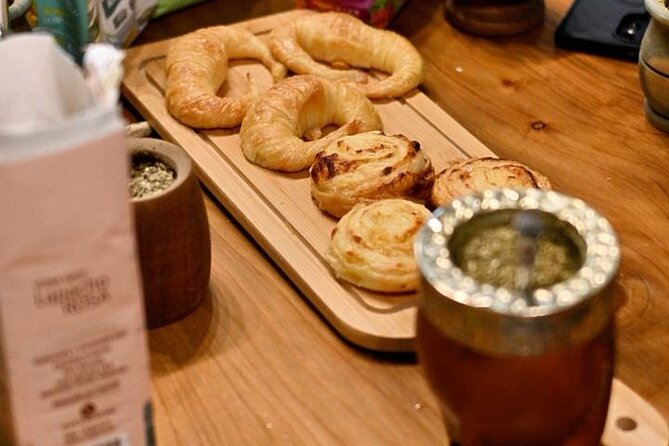
Food is not an afterthought here. The mate tasting includes medialunas, the small Argentine pastries that resemble croissants. They come from one of the best bakeries in Buenos Aires, according to the experience description, and they provide a natural partner for the bitter drink.
The pairing makes practical sense. A pastry can soften the sharper edges of amargo mate, while the sweet version of the drink creates a different balance. You can pay attention to how the food changes your impression of each style.
The final activity is making your own alfajores. You fill them with creamy dulce de leche, one of Argentina’s best-known sweet flavors. This gives the session a hands-on finish and adds another local food tradition to the drink lesson.
I like this ending because it keeps the experience from becoming a long explanation followed by a quick goodbye. You leave having handled the gourd, tasted several styles, eaten a pastry, and made a small sweet. That variety helps the 90 minutes pass quickly.
There is also a useful social benefit. The snacks create natural pauses for conversation, and the small group format encourages people to compare favorites. You may find that one person prefers the bitter version while another goes straight for tereré or dulce.
What the $25 price includes
At $25 per person, this is priced as an accessible cultural activity rather than a luxury food tour. The value comes from the combination of instruction, five yerba tastings, several preparation styles, medialunas, alfajores, and a host-led explanation of the custom.
I would judge the price favorably for a first introduction to mate. If you tried to assemble the same experience yourself, you would need to buy different yerba varieties, find the traditional equipment, learn the preparation, and understand which styles to order. The session puts those pieces together in one place.
The value is strongest for people who want context. If you only want to drink mate once, you can probably do that elsewhere for less. If you want to understand the ritual and take away a skill you can use again, the price looks more reasonable.
The experience has a five-star rating from 18 ratings, and every rating recommends it. That is a small sample, so I would not treat it as proof that every person will love it. Still, the pattern is clear: the hosts, the friendly mood, and the cultural instruction are the main strengths.
Timing, location, and group size
The activity starts at Tres Sargentos 463, C1054ABC, in Buenos Aires, and ends at the same meeting point. It lasts about 1 hour and 30 minutes, so you can fit it into a day of sightseeing without giving up half your schedule.
Because the experience ends where it begins, you do not need to plan transport between multiple stops. The location is near public transportation, which makes it easier to pair with other plans in the city. You should still allow enough time to reach the meeting point, since the supplied details do not specify a separate pickup service.
The group limit is 10 people. That is a useful number for a food-and-drink workshop. A much larger group would make it harder to watch the preparation or ask questions, while a small group should make the host’s explanations easier to follow.
The activity is also listed as allowing service animals. Confirmation is provided at booking. These are small but useful details if you are planning a tight Buenos Aires schedule or need to check access arrangements before paying.
It is booked about 15 days in advance on average. That does not mean you must reserve exactly two weeks ahead, but it is a sensible warning not to leave it until the last day if your dates are fixed.
Who will enjoy this most
I would recommend this to first-time visitors who want a cultural activity with real participation. It is also a good choice for families, couples, and solo visitors who enjoy food, local customs, and informal conversation.
The family appeal is clear. Younger visitors may connect with the alfajor-making more quickly than with the cultural explanation, while adults can focus on the preparation and history. The activity does not require previous experience with mate.
It also suits anyone who has seen people drinking mate in Argentina and wondered how the custom works. You will learn enough to recognize the gourd, bombilla, yerba, and different styles, then understand why the drink can be bitter, sweet, hot, or cold.
I would be more cautious if you dislike herbal or bitter drinks, or if you prefer a fast, action-packed tour. Mate has a distinctive flavor, and the experience gives it proper attention. The pace is likely conversational rather than hurried.
It may also be less useful for someone who already prepares mate regularly. You could still enjoy the five yerba varieties and the food, but the beginner instruction will be familiar.
A practical booking decision
The activity offers free cancellation if you cancel at least 24 hours before the start time. Cancellations made within 24 hours are not refunded, and changes during that period are not accepted. The cut-off follows the local time in Buenos Aires, so check your timing carefully.
I would book this if you want a compact, friendly introduction to one of Argentina’s most important everyday customs. The strongest reasons are the hands-on preparation, the five yerba varieties, the clear range of hot, cold, sweet, bitter, and tea-style mate, plus the medialunas and alfajores.
I would skip it only if your schedule is already full of food tours or if you have little interest in the ritual itself. For most first-time visitors, $25 buys more than a drink. It buys the story, the method, the tasting, and a better understanding of what mate means after you leave Buenos Aires.
FAQ
Where does the mate experience begin and end?
It begins at Tres Sargentos 463, C1054ABC, in Buenos Aires, and ends back at the same meeting point.
How long does the experience last?
The activity lasts approximately 1 hour and 30 minutes.
How many people can join the experience?
The maximum group size is 10 people.
What types of mate will I taste?
You will taste mate served as amargo, dulce, cocido, and tereré, along with five varieties of premium yerba mate.
Are food tastings included?
Yes. The experience includes medialunas and a hands-on activity where you make alfajores filled with dulce de leche.
Can I cancel for a full refund?
Yes, if you cancel at least 24 hours before the experience starts. Cancellations or changes made less than 24 hours before the start time are not refunded.
Just added in Buenos Aires
- Discover Buenos Aires’ independent art scene — Ticket included★ 5.0 · 30 reviews
- Photo Session in Buenos Aires★ 5.0 · 26 reviews
- Your Private Photographer in Buenos Aires★ 5.0 · 4 reviews
- Yerba Mate Workshop – Learn to Drink Mate like a Local!★ 5.0 · 11 reviews
- Your Personal Photographer in Buenos Aires★ 5.0 · 24 reviews
- BA: Wine Tasting and Blending Experience in Palermo★ 5.0 · 1 review
- Winery and Tasting Experience in Buenos Aires★ 5.0 · 1 review
- Taste of Tradition: Yerba Mate & Alfajores Experience★ 4.0 · 5 reviews
Buenos Aires Tours, compared.
Local Foodie Adventure in Buenos Aires with Sherpa Food Tours
Read our review →
Buenos Aires City Private Tour with Local Guide
Read our review →



Buenos Aires Hop-On Hop-Off Bus and Exclusive Benefits
Read our review →
Argentine Experience Interactive Dining and Cooking
Read our review →Browse the lists this tour appears in