Reviewed · BUENOS AIRES TOURS
CHACARITA CEMETERY + PARQUE CHAS (LABYRINTH)
Buenos Aires keeps its best stories in odd places. This small-group outing links Chacarita Cemetery with a traditional pizzeria and the strange, winding streets of Parque Chas, giving you a close look at Argentine religion, food, neighborhoods, and daily life. I like the mix of solemn cemetery architecture and ordinary local pleasures, especially the stop at El Imperio de la Pizza and the chance to drink mate with the guide.
I also like that Sebastián, the guide, makes the experience personal rather than simply reciting names and dates. He has been praised for clear storytelling, careful meeting instructions, and switching between English and Spanish when needed. The main consideration is the subject matter: funerals, underground burial galleries, and Catholic traditions may feel heavy, and the walk is not a good fit for children under 10 or people over 70.
In This Review
- Six Details That Make This Outing Different
- Why Chacarita Makes a Strong Starting Point
- Walking Through Buenos Aires’s Largest Cemetery
- Meeting Carlos Gardel and Argentina’s Famous Names
- The Underground Galleries and the Necropolis Below
- El Imperio de la Pizza: A Very Buenos Aires Lunch Stop
- Taking the Subway to Parque Chas
- Finding the Center of Parque Chas
- The Guide Makes the Difference
- What the $31 Price Gets You
- Who Should Choose This Experience?
- Should You Book Chacarita Cemetery and Parque Chas?
- FAQ
- Where does the experience begin?
- Where does the experience finish?
- Are cemetery tickets included?
- Is lunch included?
- Are subway tickets included?
- What languages are available?
Six Details That Make This Outing Different
- Carlos Gardel’s mausoleum: Visit the resting place of one of Argentina’s most important tango singers, along with sections devoted to other famous Argentinians.
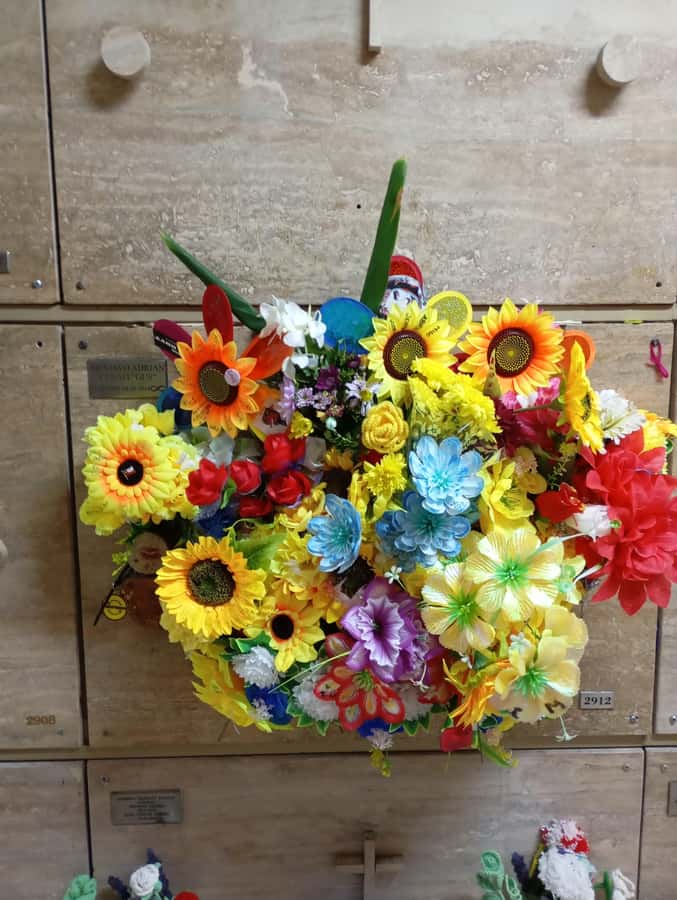
- An underground necropolis: Descend into cemetery galleries lined with the dead. This is the most unusual and potentially unsettling part of the outing.
- El Imperio de la Pizza: Stop at one of Buenos Aires’s classic pizzerias for a traditional meal, with lunch paid separately.
- A labyrinth built into the city: Parque Chas uses curving streets and European city names to create a neighborhood that feels unlike the regular Buenos Aires street grid.
- Mate and conversation: A mate tasting gives you a simple way to talk about Argentine customs, faith, and everyday culture.
- A genuinely small group: With a limit of 10 people, you have a better chance to ask questions and stay close to the guide.
Why Chacarita Makes a Strong Starting Point
Chacarita is not presented as a polished sightseeing zone. It is a working Buenos Aires neighborhood with bars, cafés, a famous pizzeria, and the city’s largest cemetery. That mixture matters because the outing does not separate local life from culture. You move from a place of mourning to a noisy pizza counter, then into a quiet residential district.
The meeting point is the main door of Cementerio de la Chacarita. You should arrive ready to walk and pay attention to the meeting instructions. Sebastián has been praised for contacting participants before the outing, arriving early, and sending a message so people could identify him. That sort of practical care is useful in a large city, especially when your group includes English and Spanish speakers.
The listed cemetery portion lasts about one hour. The broader activity is described as lasting one day, but the planned stops add up to roughly two and a half hours before allowing for the subway ride, meal timing, and transitions. Think of it as a half-day cultural outing rather than a full dawn-to-night program.
More things to do in Buenos Aires:
- Local Foodie Adventure in Buenos Aires with Sherpa Food Tours
★ 5.0 · 6,875 reviews - Buenos Aires City Private Tour with Local Guide
★ 5.0 · 3,475 reviews - Buenos Aires Small-Group City Tour
★ 5.0 · 2,226 reviews
Walking Through Buenos Aires’s Largest Cemetery
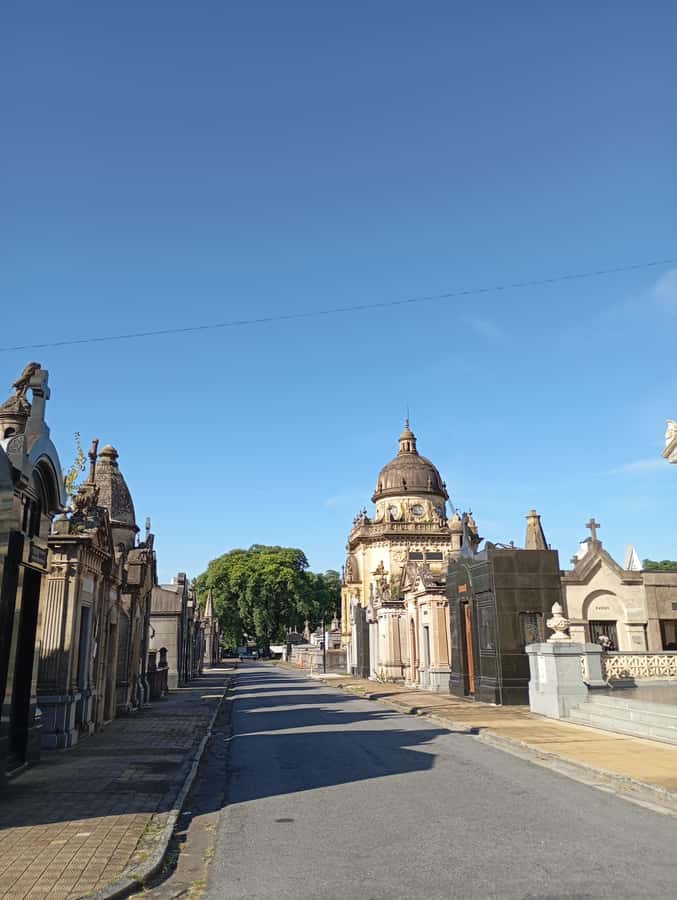
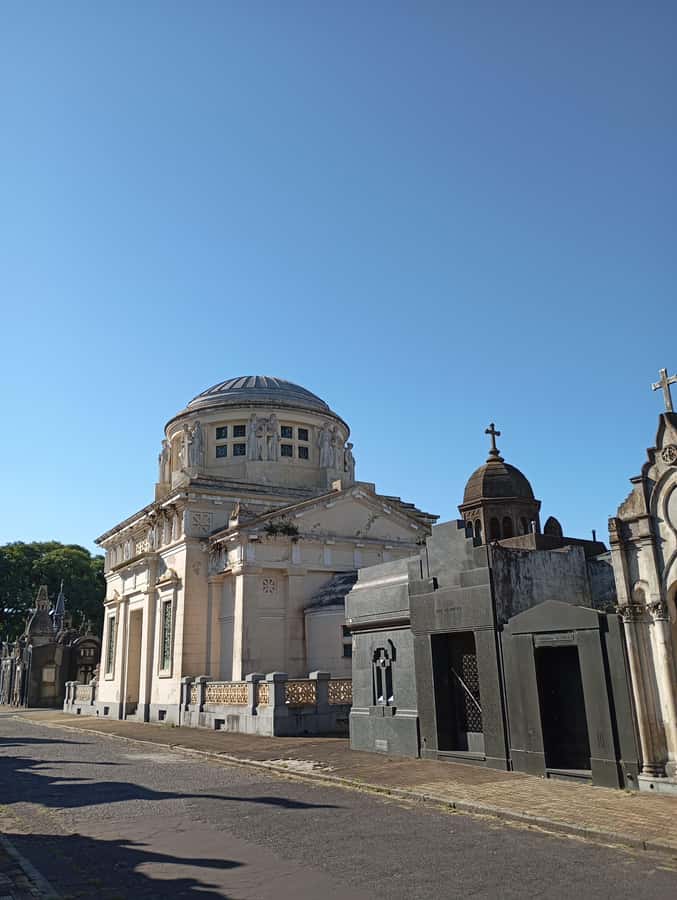
The first hour takes place inside Chacarita Cemetery, including the cemetery grounds and a funeral house. You will see mausoleums, local burial areas, and sections connected with famous Argentine public figures. This is not only a stop for admirers of tango or architecture. It also offers a direct look at how families in Argentina remember and care for the dead.
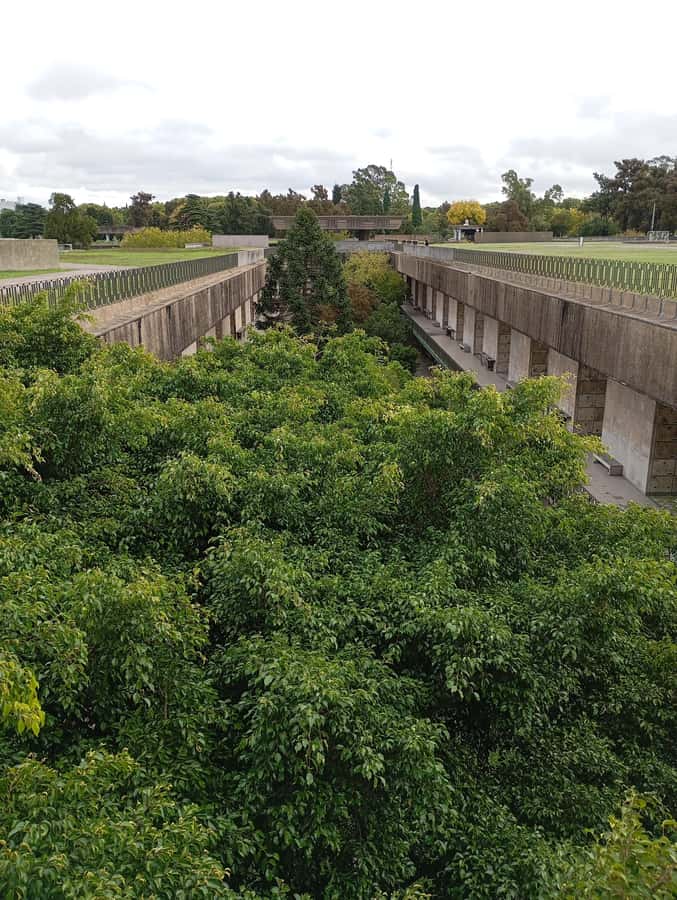
The cemetery’s architecture is part of the appeal. Large mausoleums can feel almost like small houses or chapels, while other areas are more restrained. One especially interesting feature is the brutalist character of parts of the cemetery, a detail highlighted by Pedro Lozano. If you enjoy buildings and urban design, you may find as much to study here as in the names on the tombs.
The guide is expected to explain Catholic customs and the place of mystical beliefs in Argentine culture. That discussion gives the cemetery more meaning than a simple walk past graves. You can ask how religion appears in family rituals, public mourning, and popular ideas about the dead. The description also promises a conversation about the wider reality of Argentina, so the outing is intended to connect the cemetery with present-day life.
Meeting Carlos Gardel and Argentina’s Famous Names
Carlos Gardel’s mausoleum is one of the clear highlights. Gardel is closely linked with tango, and his burial place gives the guide a natural starting point for discussing the cultural importance of the music. You will also visit a sector associated with famous Argentinians, including tango singers, writers, presidents, and other public figures.
This section works best if you enjoy stories about people rather than only monuments. A name on a mausoleum can lead into questions about celebrity, politics, art, and national identity. The guide’s storytelling is especially important here. Catherine described Sebastián as someone who helped her connect with her family roots in Buenos Aires, while also making the visit accessible for a companion who spoke only English.
The cemetery can also be emotionally demanding. You may see funeral activity, and the outing does not avoid the reality of death. That is part of its honesty, but it means you should not choose it if you want a light sightseeing morning. The rules are strict and appropriate: no smoking, alcohol, drugs, loud noise, glass objects, fireworks, fire, or disruptive behavior.
The Underground Galleries and the Necropolis Below
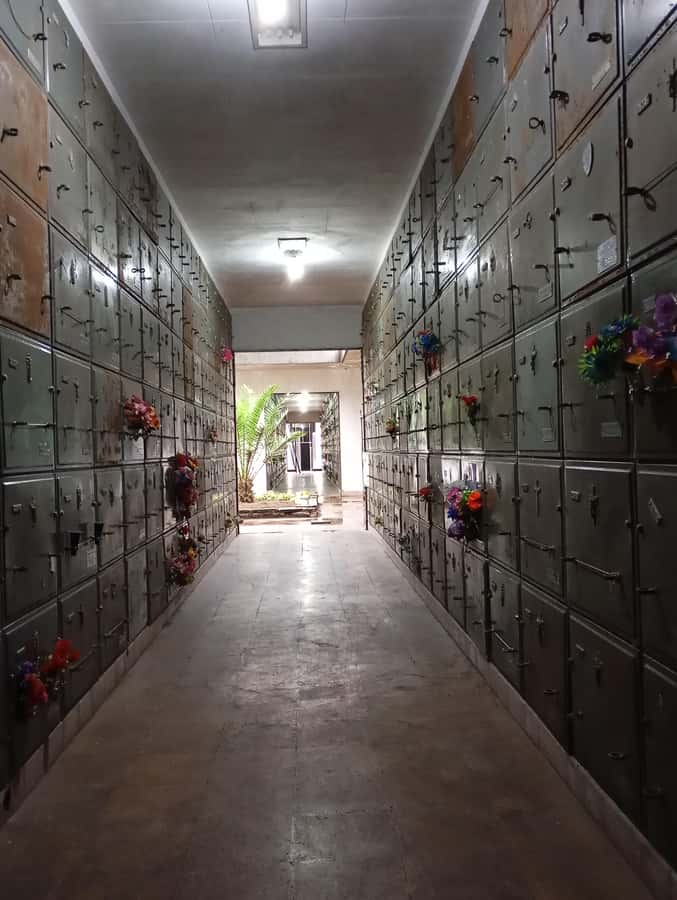
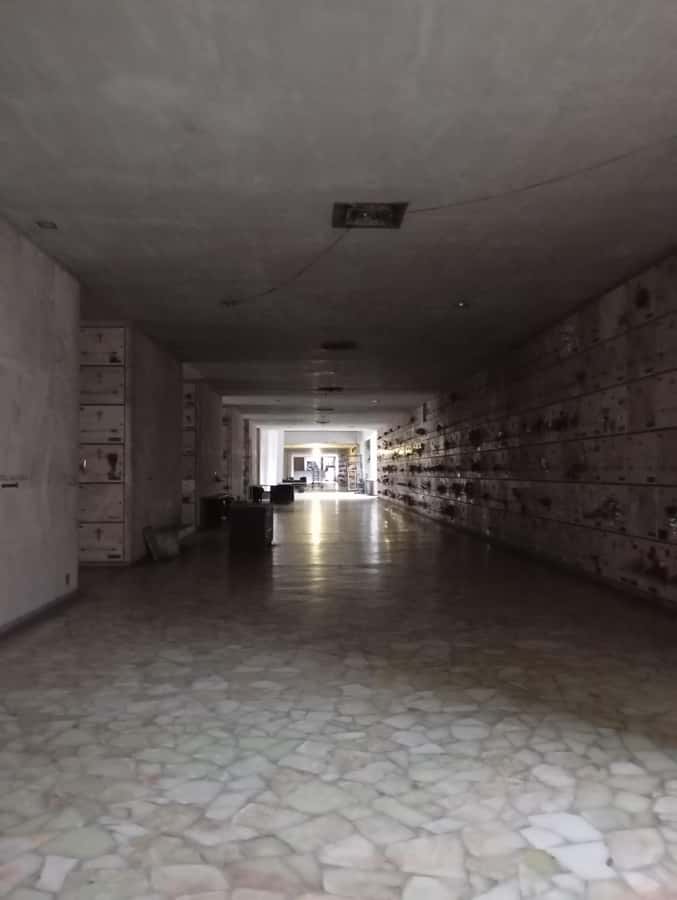
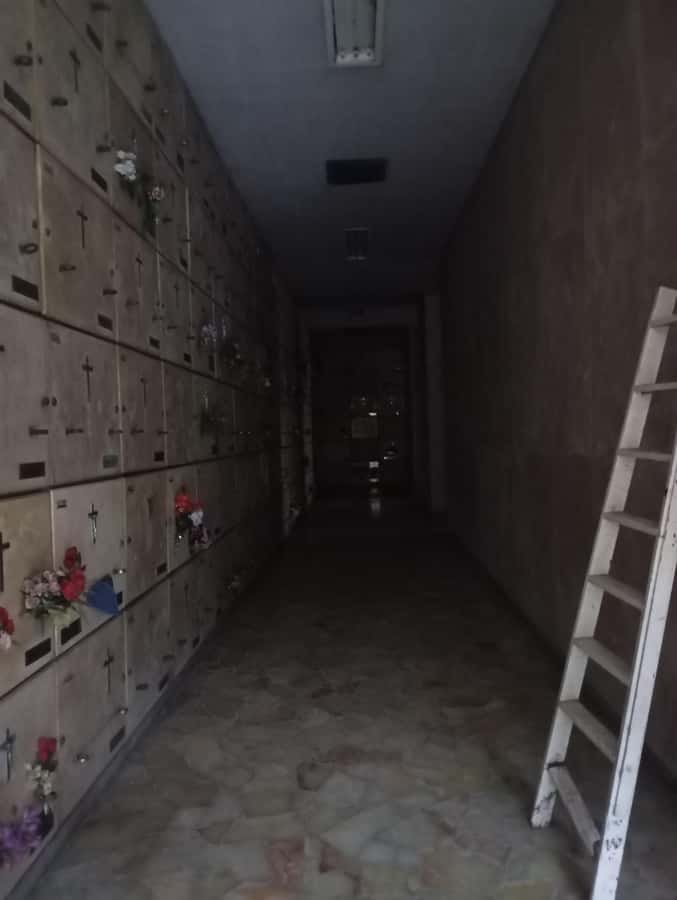
The most unusual part of the cemetery visit is the descent into the underground cemetery. You will explore hallways and galleries where the dead are placed below ground. The word creepy fits the atmosphere, but the experience is not presented as a haunted attraction. Its interest comes from the burial system, the silence, and the close view of a less familiar side of Argentine funeral culture.
This section deserves a respectful attitude. Do not treat it like a photo prop or a spooky challenge. The cemetery rules prohibit noise and careless behavior, and the guide will frame the visit through Catholic traditions and Argentine beliefs about death. You should wear comfortable clothes and bring water, since the full outing involves walking between several locations.
The supplied information does not specify how accessible the underground galleries are, so you should ask before booking if stairs or confined passages could be a problem. The activity is also marked as unsuitable for people over 70. That restriction may relate to the walking, the cemetery conditions, or the underground portion, but the exact reason is not given.
A completely different kind of day:
- Buenos Aires Hop-On Hop-Off Bus, Free Walking Tours & Discounts
★ 4.5 · 2,218 reviews - Buenos Aires: Piazzolla Tango Show with Optional Dinner
★ 4.4 · 2,122 reviews - Buenos Aires: City Highlights Guided Tour with Transfer
★ 4.7 · 1,946 reviews - Buenos Aires: Hop-On Hop-Off City Bus Tour
★ 4.2 · 1,855 reviews
El Imperio de la Pizza: A Very Buenos Aires Lunch Stop
After the cemetery, the group heads to El Imperio de la Pizza. This is not a generic restaurant break. The pizzeria is described as one of the top three traditional restaurants in Buenos Aires, and Sebastián considers it better than the better-known Guerrín. You will have about 30 minutes of free time here, though the practical pace may depend on how busy the restaurant is.
The value of this stop is cultural as much as culinary. Pizza in Buenos Aires has its own local identity, and eating in an old pizzeria gives you a chance to experience a familiar part of city life rather than pause at a restaurant chosen only for convenience. You pay for lunch separately, and alcohol is not included.
A half-hour is enough for a quick meal, but it is not a long, relaxed restaurant sitting. If you want to study the menu, order slowly, or eat a large meal, you may find the timing tight. Still, this short stop keeps the outing moving and gives the cemetery visit a welcome change of mood.
Mate is included as part of the experience. The tasting offers a practical introduction to one of Argentina’s most recognizable social customs. Rather than treating mate as a museum object, the guide uses it to open a discussion about culture and personal connections. Catherine found the combination of mate, pizza, and cemetery walking meaningful because it helped her connect with her Buenos Aires family background.
Taking the Subway to Parque Chas
The group then uses the subway to reach Parque Chas, with subway tickets included. This is a small but important part of the outing. You are not simply being driven from one attraction to another. You get a short look at how the city’s public transport fits into an ordinary neighborhood visit.
The information provided does not name the subway line or give exact travel time, so you should follow the guide’s instructions on the day. Taxis are not included. The finish is at De Los Incas in Parque Chas, and Sebastián will provide directions for returning to your hotel.
Finding the Center of Parque Chas
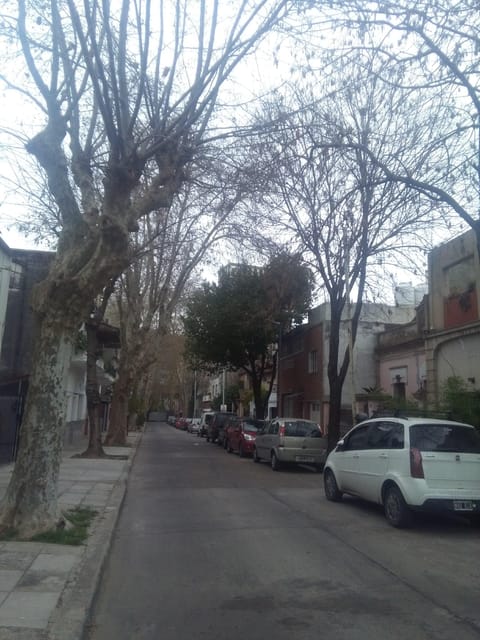
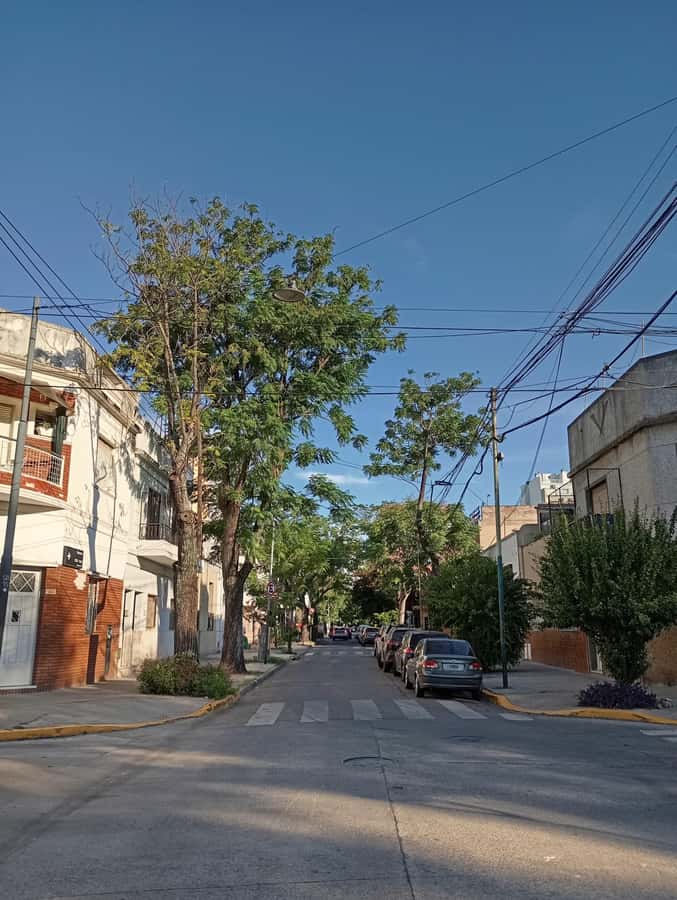
Parque Chas is a residential neighborhood designed like a labyrinth. Its streets curve and turn instead of following the familiar Buenos Aires grid, and many carry the names of European cities. The neighborhood is described as quiet, with attractive houses and a slower feel after the cemetery and pizzeria.
The guide leads you through the streets in search of the center of the maze. That challenge gives the walk a clear purpose. You are not just strolling past houses. You are paying attention to street names, turns, and the odd logic of a neighborhood designed to confuse anyone expecting straight avenues.
There is also an invitation to speak with locals. The aim is not a staged performance but a small chance to connect with people who live there. You should keep your questions polite and respect the fact that Parque Chas is a real residential area, not an open-air attraction.
This final section changes the tone of the outing. Chacarita asks you to think about death, memory, and public figures. Parque Chas brings you back to homes, sidewalks, and the quiet routines of Buenos Aires. The contrast is one of the best reasons to choose this experience.
The Guide Makes the Difference
Sebastián receives the strongest personal praise connected with this activity. His practical communication begins before the meeting, and his storytelling helps hold together subjects that could otherwise feel disconnected. Cemetery architecture, Argentine Catholic traditions, tango, pizza, mate, and a maze-like neighborhood need a guide who can explain the links clearly.
The bilingual format is useful for mixed-language groups. Spanish and English are offered, and Catherine specifically valued the way Sebastián provided the tour in English for her friend while adding occasional Spanish context for her. That flexibility can make a family visit or a group with different language needs much easier.
The group limit is 10 people. That is small enough for conversation, questions, and a closer walk through the cemetery. It also means the atmosphere may depend on the group’s interests. If everyone wants discussion, you can get more from the cultural material. If you prefer a silent architectural visit, the guide’s emphasis on religion and personal stories may feel more conversational than expected.
What the $31 Price Gets You
At $31 per person, the price includes cemetery tickets, subway tickets, and mate tasting. Lunch, dinner, alcohol, and taxis cost extra. I consider that a fair price for a small-group outing that combines a guided cemetery visit, an underground section, local transport, a traditional pizzeria, and a second guided neighborhood walk.
The value comes from the connections. A cemetery ticket alone would not give you the same context, and a self-guided walk through Parque Chas could easily end with you lost without understanding why the streets were designed that way. The guide turns separate stops into one cultural route.
You should budget extra for pizza and bring water. Wear comfortable clothing, carry a sun hat, and use insect repellent. Jewelry is discouraged, and glass objects are not allowed. The cemetery setting calls for quiet, respectful behavior, while the outdoor walk makes basic sun protection sensible.
Free cancellation is available up to 24 hours before the experience for a full refund, and you can reserve without paying immediately. Availability and starting times need to be checked before booking.
Who Should Choose This Experience?
I would choose this outing if you want Buenos Aires beyond the usual central sights. It suits people interested in:
- Cemetery architecture and famous Argentine figures
- Carlos Gardel and tango culture
- Catholic traditions and local beliefs about death
- Traditional pizza and mate
- Residential neighborhoods and unusual urban design
- Small groups with room for conversation
It is also a strong choice for someone with family connections to Buenos Aires. Catherine’s experience shows how the cemetery, food, language, and neighborhood walk can create a personal link to Argentine roots.
I would not choose it for young children, anyone seeking a fast list of major sights, or anyone uncomfortable around funerals and underground burial galleries. The experience asks for patience, respect, and a willingness to discuss serious subjects.
Should You Book Chacarita Cemetery and Parque Chas?
Book it if you want a thoughtful, unusual day that combines architecture, Argentine customs, food, and neighborhood life. The strongest reasons are Sebastián’s personal guidance, the unusual underground cemetery visit, and the sharp contrast between Chacarita and Parque Chas.
Skip it if you want a simple sightseeing loop or a long restaurant meal. The cemetery material can be somber, the pizza stop is brief, and lunch costs extra. For the right person, though, $31 is a solid price for a small-group experience that shows Buenos Aires through its dead, its diners, its subway, and its residents.
FAQ
Where does the experience begin?
It begins at the main door of Cementerio de la Chacarita.
Where does the experience finish?
It finishes at De Los Incas in Parque Chas. The guide provides directions for returning to your hotel.
Are cemetery tickets included?
Yes. Cemetery tickets are included in the price.
Is lunch included?
No. Lunch at El Imperio de la Pizza is not included, and alcohol is also excluded.
Are subway tickets included?
Yes. Subway tickets for the journey to Parque Chas are included.
What languages are available?
The live tour guide is available in Spanish and English.
Just added in Buenos Aires
- Discover Buenos Aires’ independent art scene — Ticket included★ 5.0 · 30 reviews
- Photo Session in Buenos Aires★ 5.0 · 26 reviews
- Your Private Photographer in Buenos Aires★ 5.0 · 4 reviews
- Yerba Mate Workshop – Learn to Drink Mate like a Local!★ 5.0 · 11 reviews
- Your Personal Photographer in Buenos Aires★ 5.0 · 24 reviews
- BA: Wine Tasting and Blending Experience in Palermo★ 5.0 · 1 review
- Winery and Tasting Experience in Buenos Aires★ 5.0 · 1 review
- Taste of Tradition: Yerba Mate & Alfajores Experience★ 4.0 · 5 reviews
Buenos Aires Tours, compared.
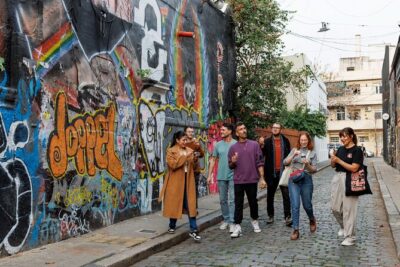
Local Foodie Adventure in Buenos Aires with Sherpa Food Tours
Read our review →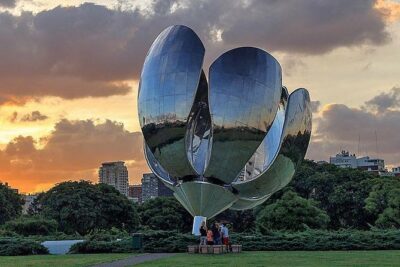
Buenos Aires City Private Tour with Local Guide
Read our review →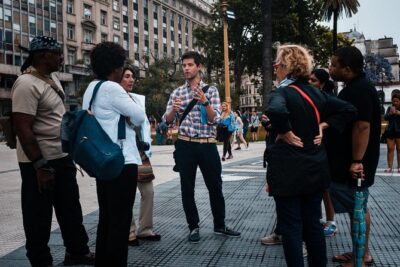


Buenos Aires Hop-On Hop-Off Bus and Exclusive Benefits
Read our review →