Reviewed · BUENOS AIRES TOURS
Buenos Aires: Puerto Madero Tour For Small Groups
Puerto Madero changes character every few blocks. This three-and-a-half-hour walk brings together old port warehouses, modern towers, tango-inspired design, bird-filled wetlands, and two unusual cultural stops, all with Spanish-speaking guide Miguel leading the way. It is a useful introduction to one of Buenos Aires’ most polished districts, but it also takes you beyond the restaurants and glass towers into the ecological reserve.
I like the contrast between the historic brick docks and sleek city skyline, and I like that the route includes the reserve rather than stopping at the usual waterfront photo spots. The main consideration is the walking: the tour lasts 210 minutes, includes about 90 minutes in the reserve, and is not suitable for children under 10 or wheelchair users.
In This Review
- Key Things To Know Before You Go
- Why Puerto Madero Makes a Good Walking Tour
- Meeting Miguel Beside the Sarmiento Frigate
- The Women’s Bridge and Puerto Madero’s Modern Face
- From Dockside Buildings to Plazas and Gardens
- Ninety Minutes in the Ecological Reserve
- Lola Mora’s Fountain of the Nereids
- Finishing at the Museo de la Cárcova
- How Much Walking and Spanish Should You Expect?
- Who Will Get the Most From This Tour?
- Practical Preparation for a Better Walk
- Is This $20 Puerto Madero Tour Worth Booking?
- FAQ
- Where does the tour begin?
- Where does the tour finish?
- How long does the activity last?
- Is the tour offered in English?
- Does the tour enter the Sarmiento Frigate?
- How long is the ecological reserve visit?
- Is the tour suitable for children?
- Is the route suitable for wheelchair users?
- What should I bring?
Key Things To Know Before You Go
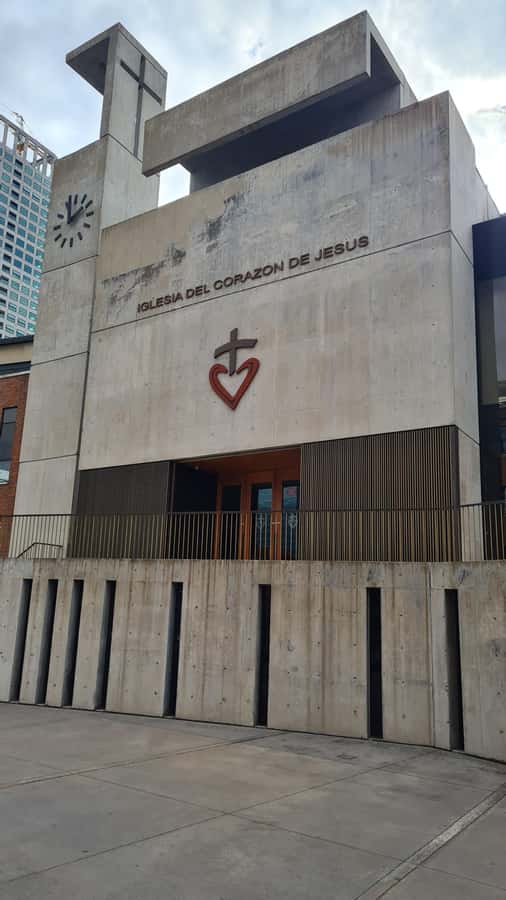
- Puerto Madero’s old English-brick warehouses now hold restaurants and the Pontifical Catholic University of Argentina.
- The Sarmiento Frigate is viewed from outside, not entered, so do not book expecting a museum visit aboard ship.
- The Women’s Bridge gives the tour a clear Buenos Aires connection through its tango-inspired design.
- The ecological reserve takes about 1.5 hours, with city views, birdwatching, and possible sightings of other animals.
- The walk ends at the Museo de la Cárcova, after a stop at Lola Mora’s Fountain of the Nereids.
- The tour is conducted in Spanish, and comfortable shoes, water, sunscreen, and a hat are important.
Why Puerto Madero Makes a Good Walking Tour
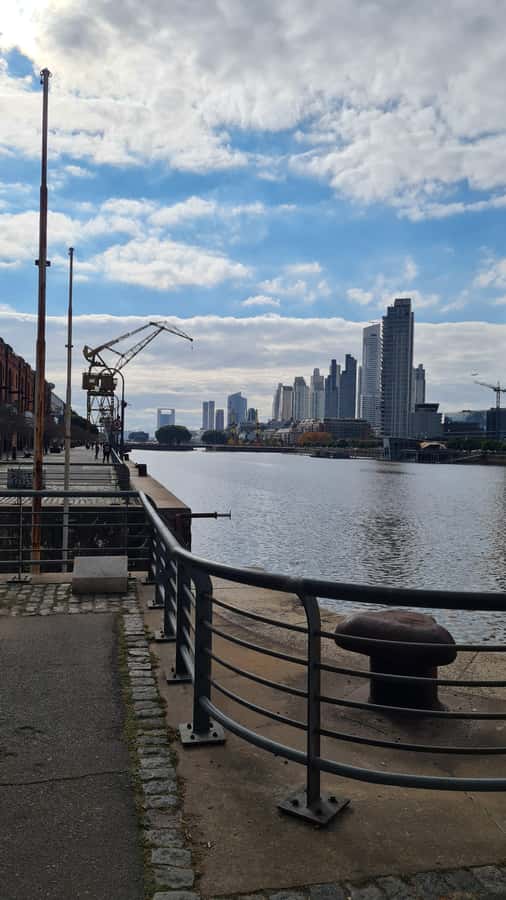
Puerto Madero is one of the easiest parts of Buenos Aires to understand through a guided walk because the district presents several eras side by side. You can look across old port machinery and warehouses toward the tallest modern buildings in the city. That visual contrast gives the neighborhood more substance than a simple restaurant stop.
The former docks were built with English bricks, and their long warehouse facades now hold elegant restaurants and the prestigious Pontifical Catholic University of Argentina, known as UCA. You are not just walking past attractive buildings. You are seeing how an old port area has been given a new purpose.
The tour also adds open space and wildlife. After the dock area, the route moves through plazas and gardens before reaching the ecological reserve. That change matters. Puerto Madero can feel polished and urban near the water, while the reserve offers a quieter setting with plants, birds, and animal life against the Buenos Aires skyline.
At $20 per person, the value is strongest if you want a guided overview rather than a single attraction. You receive about three hours of walking, a Spanish-speaking guide, several photo stops, the reserve, and entry to the Museo de la Cárcova. The price does not include entry to the Sarmiento Frigate, since the ship is viewed from outside, but the overall cost remains modest for the amount of ground covered.
More things to do in Buenos Aires:
- Local Foodie Adventure in Buenos Aires with Sherpa Food Tours
★ 5.0 · 6,875 reviews - Buenos Aires City Private Tour with Local Guide
★ 5.0 · 3,475 reviews - Buenos Aires Small-Group City Tour
★ 5.0 · 2,226 reviews
Meeting Miguel Beside the Sarmiento Frigate
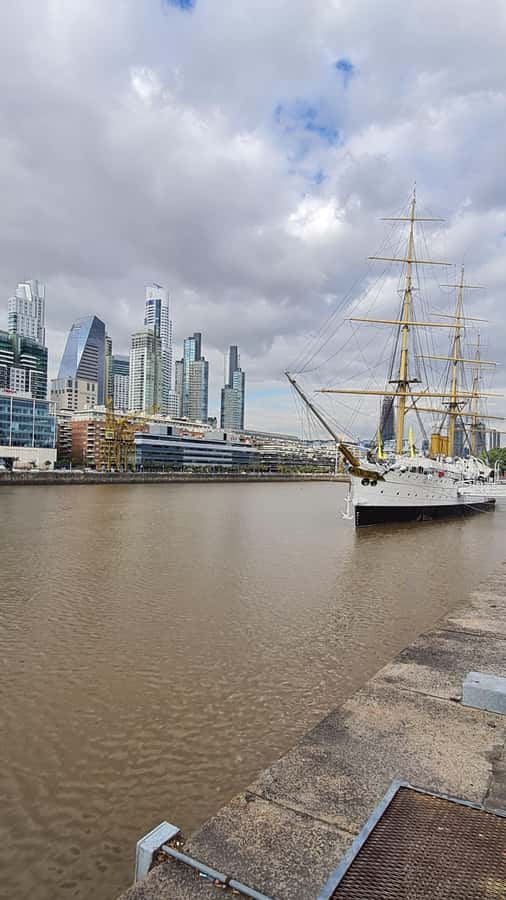
The tour begins at the Buque Museo Fragata A.R.A. Presidente Sarmiento, located in the Puerto Madero dock area. Guide Miguel waits at this starting point, so you should arrive with the ship clearly in mind as your meeting landmark.
The Sarmiento was once a training ship for generations of Argentine Navy midshipmen. It is now a museum, but this walking tour does not include an interior visit. Miguel guides you around the area and explains the ship’s role, then the route continues toward the dockside attractions.
That distinction is worth noting before you reserve. If you want to tour a historic naval vessel from deck to engine room, you will need a separate visit. If you are happy to see the ship as part of a broader neighborhood walk, the outside stop gives you useful context without using up much of the schedule.
The opening guided portion lasts about 10 minutes. It is brief, but it sets the tone for the area and introduces the mix of maritime history and modern redevelopment that defines Puerto Madero.
The Women’s Bridge and Puerto Madero’s Modern Face
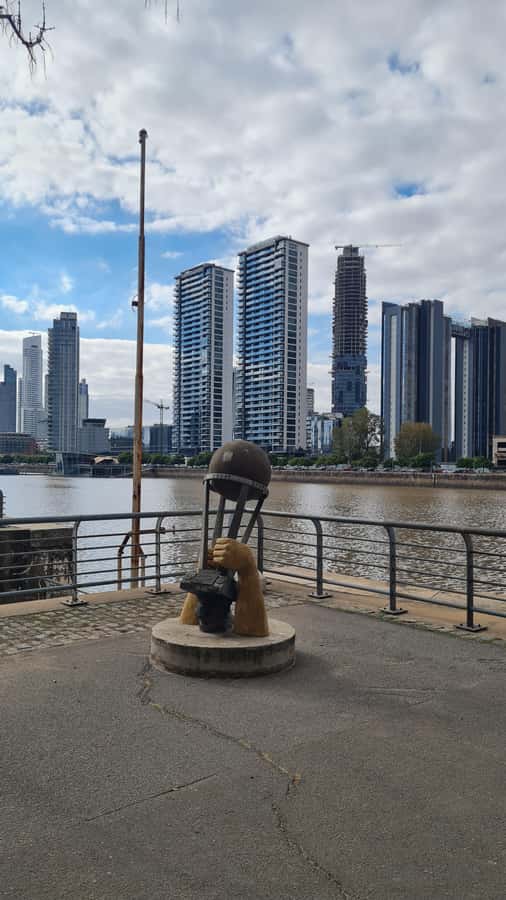
The Puente de la Mujer, or Women’s Bridge, is one of the district’s most recognizable sights. The bridge represents tango culture, and its form makes an excellent photo subject against the water and surrounding buildings.
You will have about 20 minutes here for a guided explanation and photographs. That is enough time to look carefully, take pictures, and connect the bridge with the city’s tango identity without turning the stop into a long architectural lecture.
The bridge also helps you read Puerto Madero as a public space. Instead of being only a collection of restaurants and offices, the waterfront uses design to create a destination for walking and viewing the city. The contrast becomes especially clear when you turn from the bridge toward the dock warehouses and then back to the modern towers.
The wider Puerto Madero section lasts around 30 minutes. Expect a guided walk with sightseeing and photo opportunities rather than an interior visit to several buildings. The old port structures, English brickwork, machinery, restaurants, and UCA all help explain why this district feels different from older central neighborhoods.
I especially like this part for first-time visitors who want a quick sense of Buenos Aires’ variety. You get architecture, public art, maritime connections, and a clear view of how the city has reused an old working area. You also avoid spending the entire tour in a single museum or on one narrow theme.
From Dockside Buildings to Plazas and Gardens
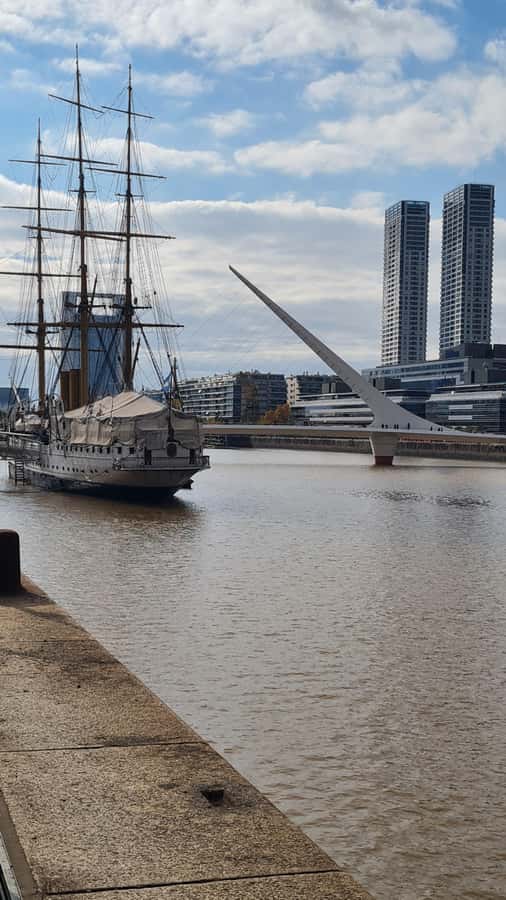
After the main port area, the route heads toward plazas and gardens. This transition gives your feet and eyes a break from the hard surfaces of the waterfront, while showing another side of the district.
The information provided does not specify every plaza or garden by name, so you should treat this section as part of the walk between Puerto Madero and the reserve, not as a separate garden tour. Miguel’s guidance is useful here because a local guide can connect the public spaces to the larger development of the neighborhood.
The schedule includes a 10-minute pause for using the restroom. Since the walk continues into the reserve, this break is practical rather than decorative. I would use it to refill your water if possible and check that your shoes are comfortable before the longest section begins.
A completely different kind of day:
- Buenos Aires Hop-On Hop-Off Bus, Free Walking Tours & Discounts
★ 4.5 · 2,218 reviews - Buenos Aires: Piazzolla Tango Show with Optional Dinner
★ 4.4 · 2,122 reviews - Buenos Aires: City Highlights Guided Tour with Transfer
★ 4.7 · 1,946 reviews - Buenos Aires: Hop-On Hop-Off City Bus Tour
★ 4.2 · 1,855 reviews
Ninety Minutes in the Ecological Reserve
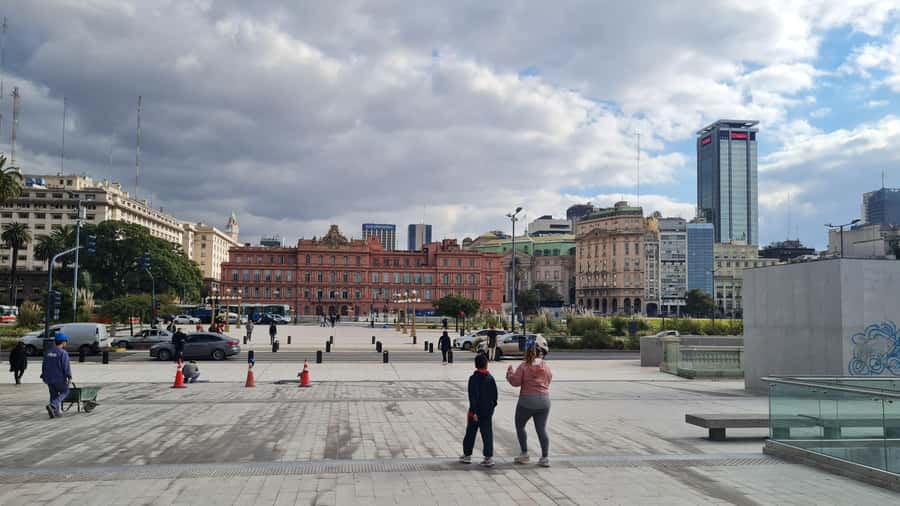
The ecological reserve is the heart of the tour. You spend about 1.5 hours here on foot, with time for a guided visit, sightseeing, photographs, and wildlife watching.
The reserve offers city views, birds, and various animal species. Exact sightings cannot be guaranteed, so you should come for the setting and the chance to notice wildlife rather than expect a particular bird or animal. Bring patience. A reserve is best appreciated at a slower pace, and the city skyline makes the experience unusual.
This is also where the tour becomes more active. The walking time is substantial, and the route may feel less convenient than the paved dock area. Comfortable shoes are essential. A hat, sunscreen, and water are specifically recommended, and all three make sense for an extended outdoor walk.
I like that the reserve prevents the tour from becoming a polished architecture circuit. You see the modern city from a different angle, with open views and natural surroundings in the foreground. For photographers, the mix of skyline, water, vegetation, and birds may be more rewarding than another close-up of a building.
There is a tradeoff. If you have limited time in Buenos Aires or prefer indoor attractions, 90 minutes outdoors may feel long. The reserve section also makes weather and sun more important. Check the starting time and prepare for conditions before setting out.
Lola Mora’s Fountain of the Nereids
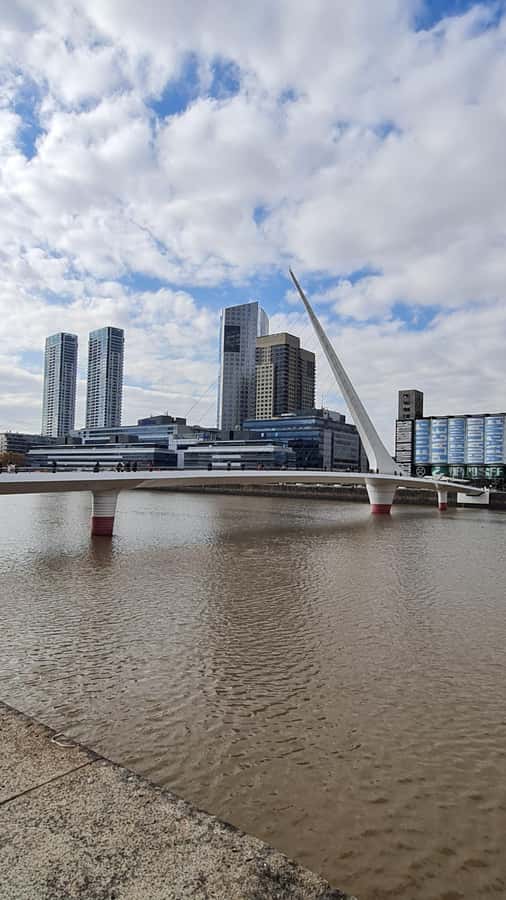
On the way out of the reserve, the group stops at the Fuente de las Nereidas, or Fountain of the Nereids. The work was created by Argentine sculptor Lola Mora, giving the route a direct connection to one of Argentina’s important artistic figures.
The stop lasts about 10 minutes and includes a guided explanation and time for photographs. It works well after the reserve because it shifts your attention from natural surroundings back to public art and urban culture.
The fountain is not treated as a long museum visit. Think of it as a focused outdoor stop where Miguel can explain the work and its place in Buenos Aires. If you enjoy sculpture, this may be one of the more distinctive moments of the tour, especially because it comes after such a different setting.
Finishing at the Museo de la Cárcova
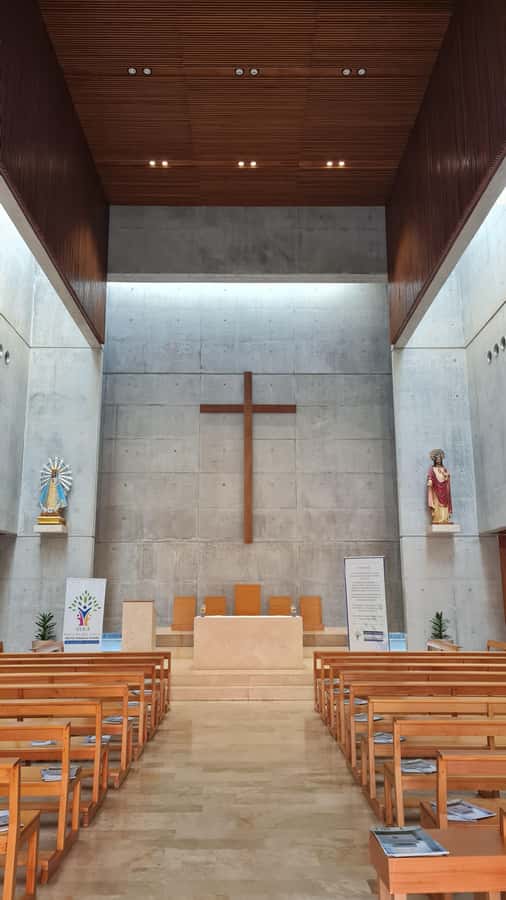
The walk ends at the Museo de la Cárcova, where you have a 20-minute guided visit. The museum is a plaster cast museum, so it adds an art-focused finish to a route that began with a naval ship and moved through port buildings, bridge design, wildlife, and public sculpture.
That range is one of the tour’s strengths. You are not asked to spend three hours on one narrow subject. Instead, the route shows how Buenos Aires combines civic spaces, art, architecture, maritime memory, and nature.
The museum visit is relatively short, so you should not expect a full art museum afternoon. It is a final stop and a chance to see a different type of collection. If the museum sparks your interest, you may want to return with more time, but the supplied schedule does not indicate a longer independent visit.
Ending here is also practical. You finish at a named cultural site rather than returning to the original meeting point. Keep that in mind when planning whatever comes next, since the tour does not finish beside the Sarmiento Frigate.
How Much Walking and Spanish Should You Expect?
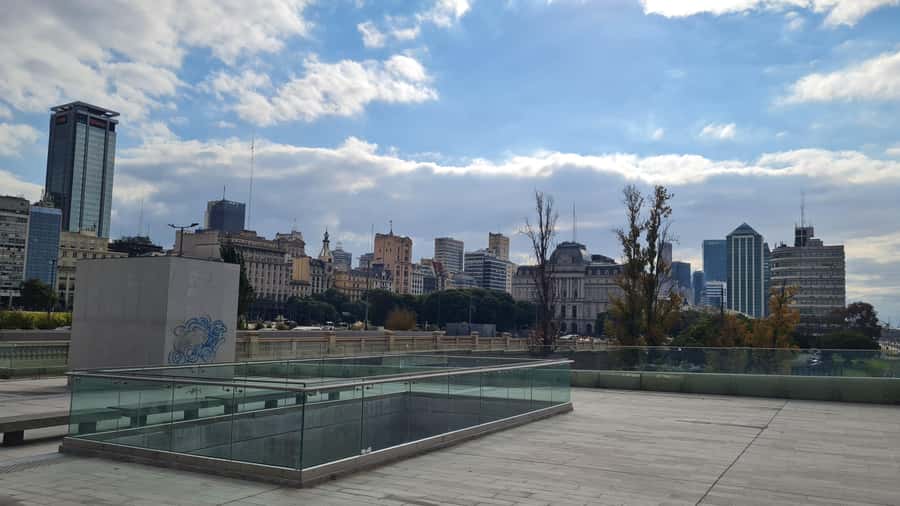
The activity is listed as a three-hour guided walking tour, with a total duration of 210 minutes. The route includes a 10-minute restroom pause, several guided stops, and roughly 90 minutes in the ecological reserve.
This is not a casual hop-on, hop-off style outing. You should expect to walk between the dock, bridge, port buildings, gardens, reserve, fountain, and museum. Comfortable shoes are not a minor suggestion here. They are one of the most important things to bring.
The tour is conducted in Spanish. You will get the most from it if you can follow spoken Spanish well enough to understand explanations and ask questions. Miguel is praised for his extensive knowledge of Puerto Madero and Buenos Aires, as well as his passion for the subject. That makes the tour particularly appealing to Spanish-speaking visitors or anyone who enjoys learning through conversation.
The group format is small, which should make it easier to stay connected with the guide and discuss what you are seeing. Still, the exact group size is not provided, so I would not assume a private tour.
Who Will Get the Most From This Tour?
I would recommend this walk to you if you want a broad introduction to Puerto Madero and prefer local explanation over independent wandering. It suits adults and older children who can manage a long outdoor walk, though children under 10 are not permitted.
It is a good choice for:
- First-time visitors who want to understand Puerto Madero’s dock redevelopment.
- Spanish-speaking visitors who enjoy detailed conversation with a guide.
- People who like architecture, public art, maritime subjects, and wildlife in one outing.
- Photographers looking for bridges, old brick warehouses, modern towers, sculpture, and city views.
- Anyone who wants to add the ecological reserve to a Buenos Aires sightseeing plan.
It may not suit you if you use a wheelchair, want a fully accessible route, or dislike extended outdoor walking. It is also not the right booking if your main goal is to enter the Sarmiento Frigate, since the ship is viewed from outside.
Practical Preparation for a Better Walk
Wear shoes that you can comfortably use for several hours. The reserve portion alone takes about 90 minutes, and the full outing lasts 210 minutes.
Bring water, a hat, and sunscreen. The tour includes open-air areas, and the reserve can make sun protection more important than it seems at the start beside the buildings.
Keep your camera ready near the Women’s Bridge, the old warehouses, the skyline, the Fountain of the Nereids, and the reserve. The tour offers repeated shifts between urban and natural views, so you will have more photo variety than on a standard waterfront stroll.
The activity allows cancellation up to 24 hours before the start for a full refund, and you can reserve now and pay later. Those terms are useful if your Buenos Aires schedule is still moving, though you should check the available starting times before booking.
Is This $20 Puerto Madero Tour Worth Booking?
For $20, I think this is a strong-value walking tour if you want Puerto Madero explained in Spanish and you are ready for a long outdoor route. The best parts are the sharp contrast between the old port warehouses and modern towers, Miguel’s personal approach to Buenos Aires, and the unusual decision to include the ecological reserve and Cárcova Museum.
Book it if you want more than restaurant streets and bridge photographs. Skip it if you need wheelchair access, are traveling with a child under 10, or want to spend the afternoon inside museums. For the right walker, this is an efficient way to see Puerto Madero as a living mix of port, city, art, and nature.
FAQ
Where does the tour begin?
The tour begins at the Buque Museo Fragata A.R.A. Presidente Sarmiento in Puerto Madero. Guide Miguel waits at the ship.
Where does the tour finish?
The tour finishes at the Museo de la Cárcova.
How long does the activity last?
The total duration is 210 minutes, or three and a half hours. The guided walking portion is described as three hours and includes a 10-minute restroom pause.
Is the tour offered in English?
No. The live tour guide language is Spanish.
Does the tour enter the Sarmiento Frigate?
No. The tour includes a guided sightseeing stop by the ship, but it does not plan to enter the museum.
How long is the ecological reserve visit?
The ecological reserve portion lasts about 1.5 hours and includes walking, sightseeing, photographs, and wildlife watching.
Is the tour suitable for children?
Children under 10 are not permitted on the tour.
Is the route suitable for wheelchair users?
No. The activity is listed as not suitable for wheelchair users.
What should I bring?
Bring comfortable shoes, a hat, sunscreen, and water.
Just added in Buenos Aires
- Discover Buenos Aires’ independent art scene — Ticket included★ 5.0 · 30 reviews
- Photo Session in Buenos Aires★ 5.0 · 26 reviews
- Your Private Photographer in Buenos Aires★ 5.0 · 4 reviews
- Yerba Mate Workshop – Learn to Drink Mate like a Local!★ 5.0 · 11 reviews
- Your Personal Photographer in Buenos Aires★ 5.0 · 24 reviews
- BA: Wine Tasting and Blending Experience in Palermo★ 5.0 · 1 review
- Winery and Tasting Experience in Buenos Aires★ 5.0 · 1 review
- Taste of Tradition: Yerba Mate & Alfajores Experience★ 4.0 · 5 reviews
Buenos Aires Tours, compared.
Local Foodie Adventure in Buenos Aires with Sherpa Food Tours
Read our review →
Buenos Aires City Private Tour with Local Guide
Read our review →
Buenos Aires Hop-On Hop-Off Bus and Exclusive Benefits
Read our review →