
Reviewed · BUENOS AIRES TOURS
Buenos Aires: Private Twilight Photography Tour / Workshop
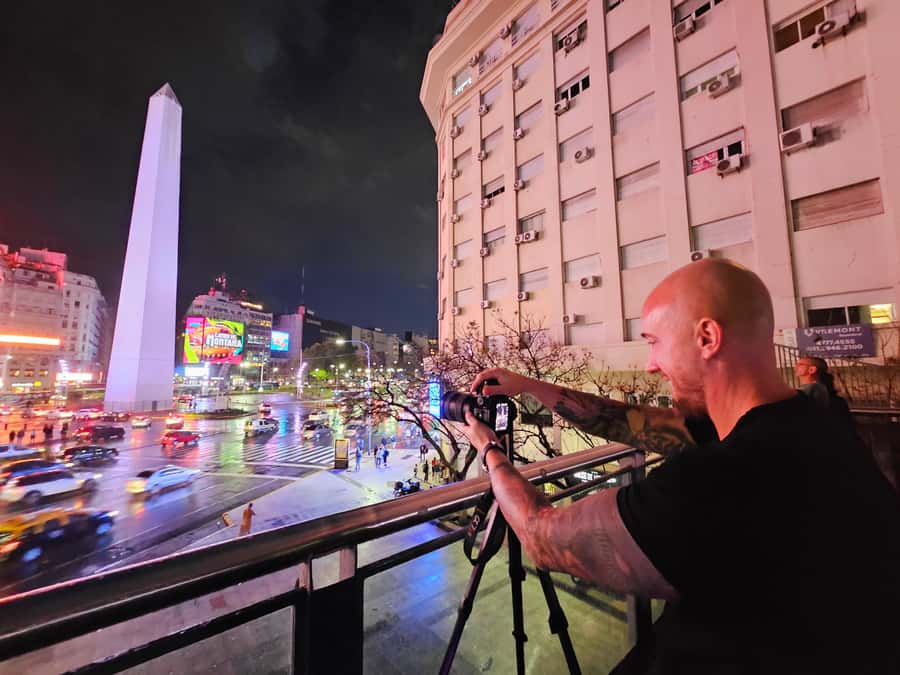
Light changes fast here. This private Buenos Aires photography workshop gives you three hours to work through golden hour and blue hour with local photographer Nicholas Tinelli. You learn how to compose city scenes, manage exposure as evening arrives, and choose a strong tripod position for skyline and landmark views.
I like the one-to-one format, since Nicholas can focus on your camera and your current skill level. I also like that tripods are available at no extra cost upon request. The main consideration is that you must bring your own camera, and the outdoor session may involve walking, so it is not suitable for people with mobility impairments.
In This Review
- Key Points at a Glance
- Why Twilight Is the Right Time for City Photography
- Meeting Nicholas Tinelli and Setting the Plan
- Learning Composition Before the Light Fades
- Managing Exposure Through Golden Hour and Blue Hour
- Choosing the Best View of Buenos Aires
- What the Three Hours Feel Like
- What to Bring and What the Price Covers
- Who Will Get the Most From This Workshop
- Booking Advice and Final Verdict
- FAQ
- How long is the Buenos Aires twilight photography workshop?
- Who leads the photography tour?
- Is the experience private?
- What languages are available?
- Do I need to bring my own camera?
- Is a tripod provided?
- What is included in the $150 price?
Key Points at a Glance
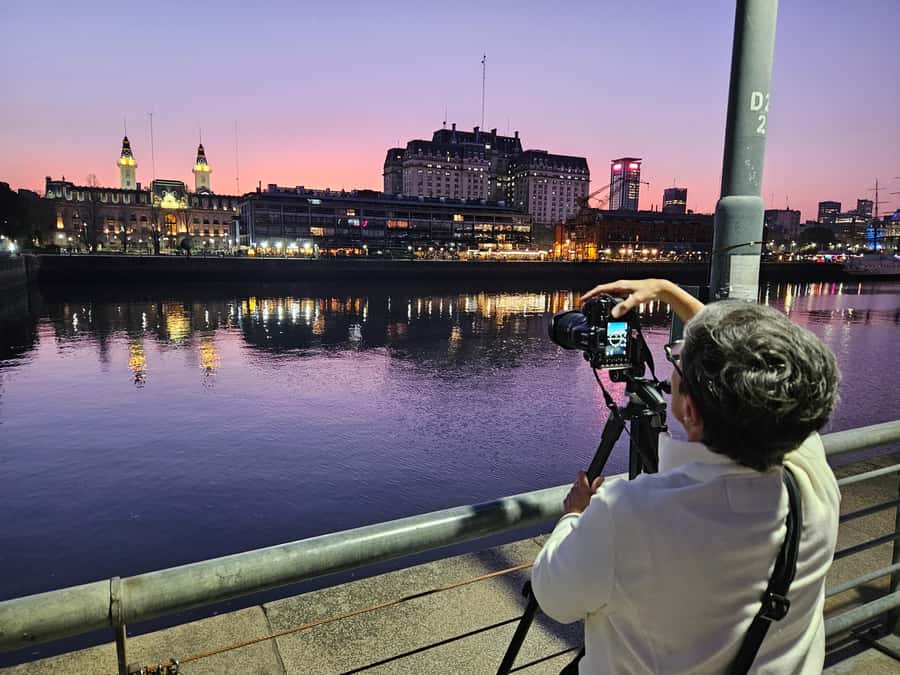
- Three hours of changing light: You photograph from the warm glow of golden hour into the cooler tones of blue hour.
- Private instruction with Nicholas Tinelli: The session is reserved for you and your group, with guidance in English, Italian, or Spanish.
- Practical exposure practice: You learn how to keep exposure under control as daylight fades and city lights become more important.
- Flexible photo locations: The best meeting point and shooting area vary according to the option you book.
- Tripod help without an extra fee: A tripod is available on request, though bringing your own is advised for the best experience.
- A serious photo session, not a quick sightseeing walk: You spend time setting up, composing, and refining images rather than racing between many sights.
Why Twilight Is the Right Time for City Photography
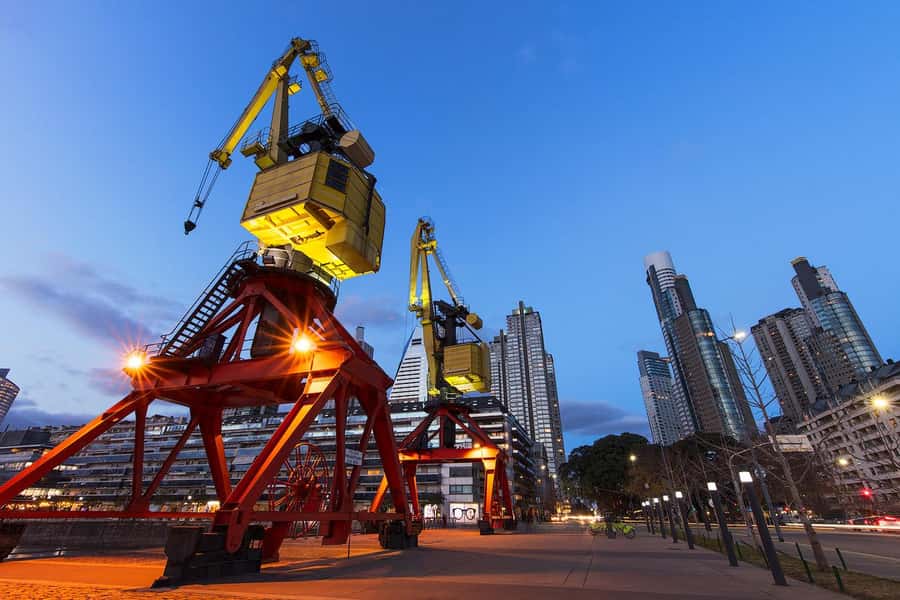
Twilight gives you two useful kinds of light in one session. During the golden hour, the remaining daylight is softer and warmer. Buildings, streets, and skyline views can look more pleasing than they do under the hard light of midday.
As the sun drops, the scene changes again. Blue hour brings a cooler tone to the sky while artificial lights begin to show in the city. This is the point when exposure becomes trickier, and it is also when the workshop becomes most useful. You are not simply pressing the shutter at a pretty moment. You are learning how to respond as the available light keeps shifting.
That timing is one of the strongest reasons to book this experience. You get a clear lesson in how a city photograph develops over time. The same viewpoint can produce several different results within minutes, and you can compare them as the evening moves on.
The timing also requires some discipline. You cannot arrive late and expect to catch the whole session. The most useful light has a short life, so check the available starting time carefully and arrive ready to begin.
More photo tours in Buenos Aires:
- Private Photography Tour in Buenos Aires
★ 5.0 · 35 reviews - Photo Session in Buenos Aires
★ 5.0 · 26 reviews - Your Personal Photographer in Buenos Aires
★ 5.0 · 24 reviews
Meeting Nicholas Tinelli and Setting the Plan
The experience starts with an introduction from Nicholas Tinelli, a local travel photographer and the workshop guide. You receive an opening explanation of the session, including what to watch for in the changing light and how the photography practice will work.
Because the group is private, you can ask questions without holding up a larger class. If you are still getting comfortable with manual exposure, you can spend more time on shutter speed, aperture, and ISO. If you already take photos regularly, you can focus more on composition and getting a cleaner final image.
The meeting point can vary depending on the option booked. That matters because you should not assume the session begins at one permanent landmark or hotel. Check your reservation details before setting out, and remember that transportation to the meeting point is not included.
The route and final shooting position are selected with photography in mind. The aim is to find a useful place for the tripod and a good view of Buenos Aires landmarks or the city skyline. Exact locations are not specified in the activity details, so you should treat the changing meeting point as part of the planning rather than expect a fixed sightseeing route.
Learning Composition Before the Light Fades
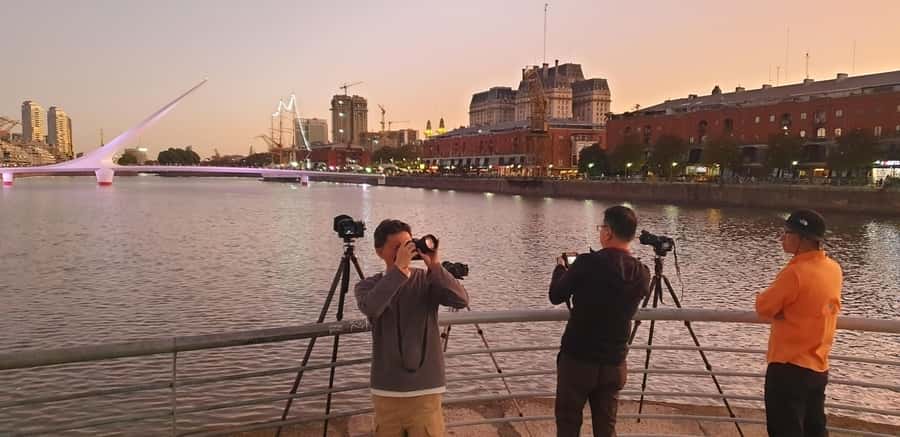
A good twilight photograph needs more than a colorful sky. You need to decide where the main subject sits in the frame, how much sky to include, and whether nearby buildings or street details help the image.
Nicholas teaches you how to compose a scene before you start taking photographs. That is valuable because twilight can tempt you to chase the sky and ignore the rest of the frame. A strong composition gives the photograph structure, while the fading light supplies atmosphere.
You can expect practical advice rather than a general lecture. The workshop is designed around the scene in front of you, so the guidance can relate to the skyline, a landmark, or the position you choose for your tripod. You learn how small changes in framing can alter the balance of the image.
The private format is especially helpful here. You can show Nicholas what you are seeing on your camera and receive direct suggestions. That makes the session suitable for someone who wants personal correction instead of a large group lesson where advice must remain broad.
Still, the workshop is not described as a formal course with a fixed syllabus. If you want instruction on a particular camera system or a specific technique, bring those questions with you and raise them at the beginning.
Managing Exposure Through Golden Hour and Blue Hour
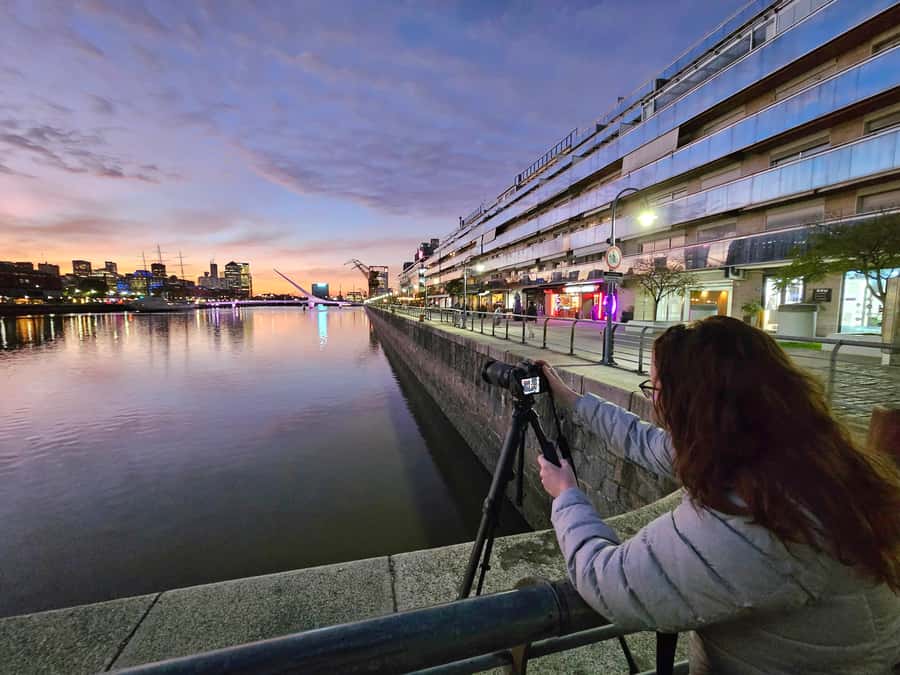
Exposure is the main technical lesson. At the start, there may be enough daylight for relatively straightforward settings. As the sun goes down, the sky, buildings, and city lights no longer share the same brightness.
You learn how to keep the exposure correct while evening arrives. That means paying attention to how the camera reads the scene and adjusting settings as the balance between sky and city changes. The activity description does not promise a particular camera brand or skill level, so the instruction should be useful to photographers who bring their own equipment and want help applying these ideas in real conditions.
A tripod can help when the light gets low. It gives you a steadier platform for longer exposures, which is why one is available on request without an extra fee. You are also asked to bring your own tripod for the best experience, so contact the provider if you need to use the supplied option.
The tripod is not just a convenience. It allows you to slow down and consider each frame rather than raising the camera quickly and accepting whatever exposure it chooses. You have time to check the composition, make an adjustment, and take another photograph as the light changes.
Bring a camera you know how to operate. This is not the best setting to learn every basic control from scratch while the best light is passing. A little preparation at your accommodation can make the three hours much more productive.
More things to do in Buenos Aires:
- Local Foodie Adventure in Buenos Aires with Sherpa Food Tours
★ 5.0 · 6,875 reviews - Buenos Aires City Private Tour with Local Guide
★ 5.0 · 3,475 reviews - Buenos Aires Small-Group City Tour
★ 5.0 · 2,226 reviews - Buenos Aires Hop-On Hop-Off Bus, Free Walking Tours & Discounts
★ 4.5 · 2,218 reviews
Choosing the Best View of Buenos Aires
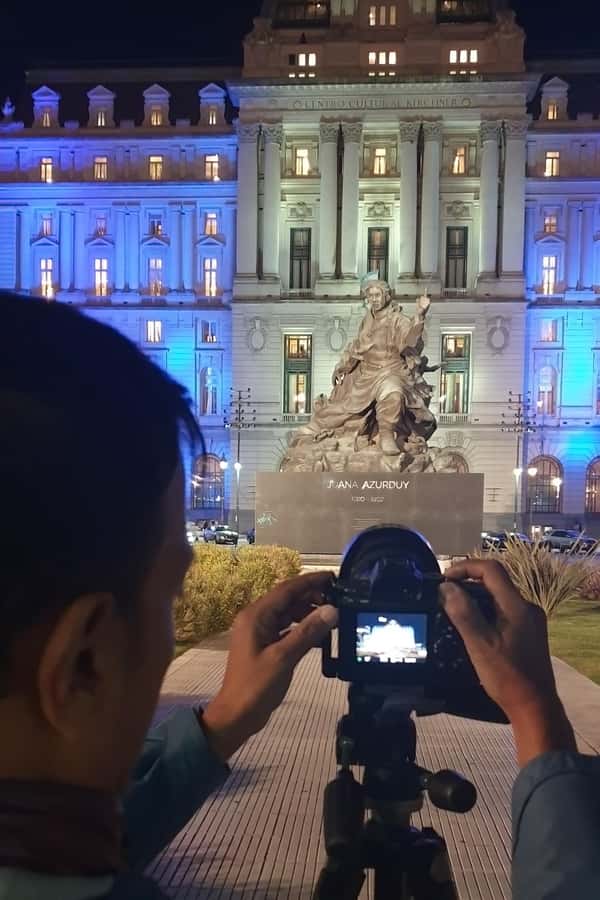
The workshop focuses on finding strong positions for skyline and landmark photographs. Rather than promising a set list of stops, it centers on choosing a suitable place to position the tripod and work with the available view.
That approach has an advantage. You spend more time making photographs and less time ticking off locations. A private guide can concentrate on the quality of the scene and the changing light instead of moving a large group on a strict schedule.
The tradeoff is that you do not receive a guaranteed list of named landmarks in the information provided. If you have a particular Buenos Aires view in mind, ask about it before booking or confirm the location connected with your selected option. The meeting point may change, and the exact photo position is not stated in advance.
You should also expect to walk outdoors. Comfortable shoes are recommended, and warm clothing is important because the session continues into the evening. The temperature may feel different once you stop moving and spend time beside a tripod, so a light layer is a sensible choice even if the afternoon began warmly.
What the Three Hours Feel Like
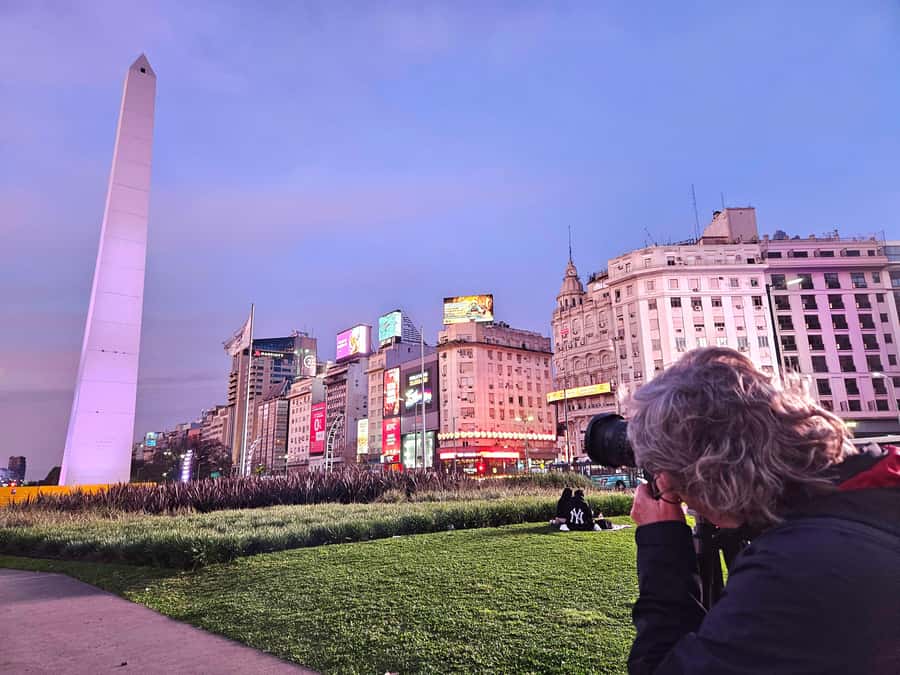
The three-hour length is well matched to the subject. You need enough time to arrive, hear the introduction, choose a position, set up, and photograph through two separate phases of twilight.
At the beginning, you can concentrate on composition while there is still more light to work with. As the sky darkens, the lesson shifts toward exposure and stability. The final part gives you a chance to photograph the city with a different color balance and more visible artificial light.
Do not expect a rapid walking tour with a new landmark every few minutes. The point is to stay with a scene and watch it change. If you enjoy careful photography, that slower rhythm is a benefit. If you prefer constant movement and casual snapshots, three hours at a tripod may feel too focused.
The private group arrangement keeps the pace personal. You can spend longer on a difficult setting, repeat a composition, or ask for feedback on the result. You also avoid waiting for other participants to finish their shots.
The session is offered in English, Italian, and Spanish. That makes it easier to discuss technical details in a language you are comfortable using, though the exact language should be selected or confirmed when you book.
What to Bring and What the Price Covers
The price is $150 per person. For a private three-hour workshop, the value depends on how seriously you want to improve your photography.
You are paying for private instruction with a professional local photographer, a focused session during the best light of the day, and personalized tips on twilight technique. A tripod can also be provided on request without an additional fee. Those elements make the price easier to justify for photographers who would otherwise struggle to plan the right time and place on their own.
The price does not include a camera, meals, drinks, or transportation to the meeting point. Your equipment is your responsibility, so bring a camera with a charged battery and enough memory for several attempts. The official recommendations also include a tripod, comfortable shoes, and warm clothing.
This is good value if you want feedback and technical practice. It is less compelling if you only want a scenic evening outing and do not plan to use your camera controls. The experience is built around learning and making photographs, not simply receiving a guided view of the city.
Who Will Get the Most From This Workshop
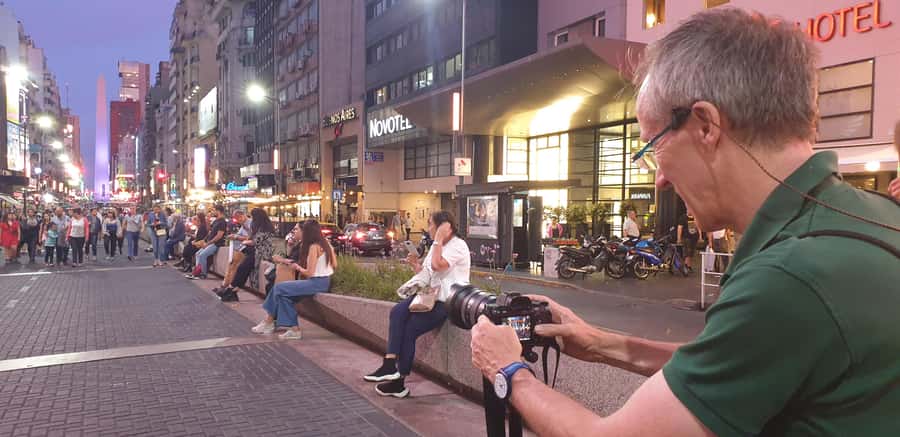
I would recommend this session to photographers who want to improve their city and low-light images. It suits beginners who understand the basic camera controls but want help applying them, as well as more experienced photographers who want a local professional’s eye on composition.
It is also a good choice if you have limited time in Buenos Aires and want to use one evening efficiently. Nicholas handles the photography guidance and helps you think about where to place the tripod, while you focus on producing images rather than searching for a suitable viewpoint alone.
You may want to skip it if you do not own a camera, since one is not included. You should also think twice if you dislike standing outdoors for a long period or prefer a tour with constant movement.
The mobility information needs careful attention. The activity is marked as wheelchair accessible, but it is also described as not suitable for people with mobility impairments and takes place outdoors with walking involved. If mobility access affects your decision, contact the provider before booking and confirm whether the specific option and route are appropriate.
Booking Advice and Final Verdict
I like this tour because it turns a pretty evening into a practical photography lesson. The progression from golden hour to blue hour gives you a natural way to learn how composition and exposure must change, and the private format means Nicholas Tinelli can respond to your equipment and questions.
Book it if you want focused instruction, have a camera, and are happy to work at one or more outdoor viewpoints for three hours. Bring warm clothes, comfortable shoes, and a tripod if you have one. Ask about the meeting point and any preferred landmark before the session, since the location varies by option.
Skip it if you want a general city tour, do not have a camera, or prefer a short stop for quick photographs. For the right photographer, $150 buys more than a sunset view. It buys time, guidance, and a better understanding of how Buenos Aires changes as daylight gives way to evening.
FAQ
How long is the Buenos Aires twilight photography workshop?
The private workshop lasts three hours. It covers the changing light from golden hour through blue hour.
Who leads the photography tour?
Local travel photographer Nicholas Tinelli leads the private session.
Is the experience private?
Yes. The photography tour is for you and your group only.
What languages are available?
Instruction is available in English, Italian, and Spanish.
Do I need to bring my own camera?
Yes. A camera is not included, and you should bring your own equipment for the best experience.
Is a tripod provided?
Tripods are available upon request at no extra fee. Bringing your own tripod is recommended when possible.
What is included in the $150 price?
The price includes the private photography tour, an expert photography guide, the session during the best light of the day, and personalized twilight photography tips. Transportation, meals, drinks, and a camera are not included.
Just added in Buenos Aires
- Discover Buenos Aires’ independent art scene — Ticket included★ 5.0 · 30 reviews
- Photo Session in Buenos Aires★ 5.0 · 26 reviews
- Your Private Photographer in Buenos Aires★ 5.0 · 4 reviews
- Yerba Mate Workshop – Learn to Drink Mate like a Local!★ 5.0 · 11 reviews
- Your Personal Photographer in Buenos Aires★ 5.0 · 24 reviews
- BA: Wine Tasting and Blending Experience in Palermo★ 5.0 · 1 review
- Winery and Tasting Experience in Buenos Aires★ 5.0 · 1 review
- Taste of Tradition: Yerba Mate & Alfajores Experience★ 4.0 · 5 reviews
Buenos Aires Tours, compared.
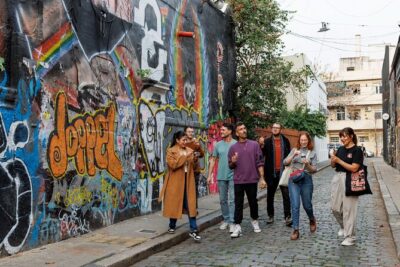
Local Foodie Adventure in Buenos Aires with Sherpa Food Tours
Read our review →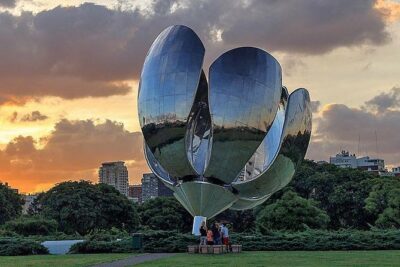
Buenos Aires City Private Tour with Local Guide
Read our review →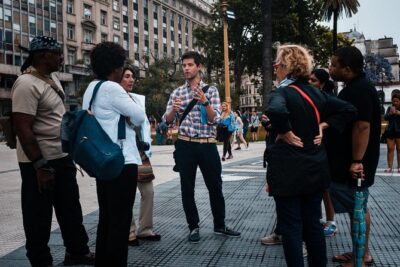
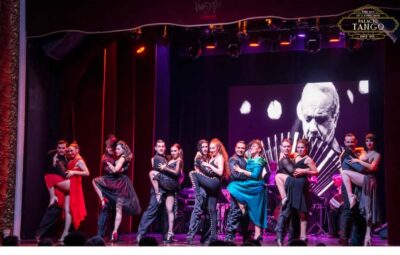
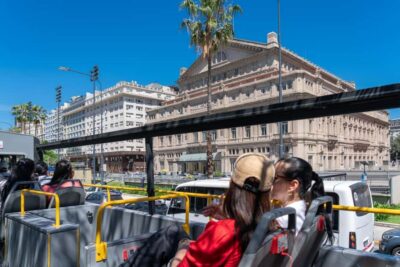
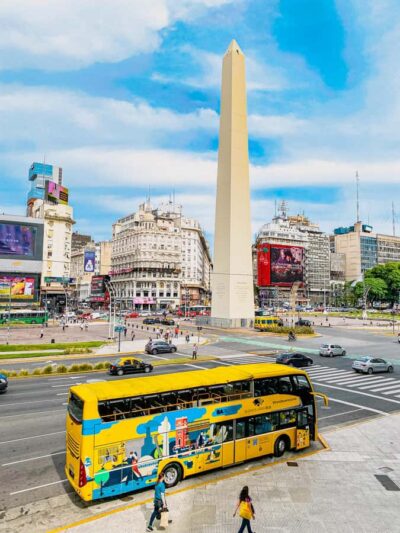
Buenos Aires Hop-On Hop-Off Bus and Exclusive Benefits
Read our review →
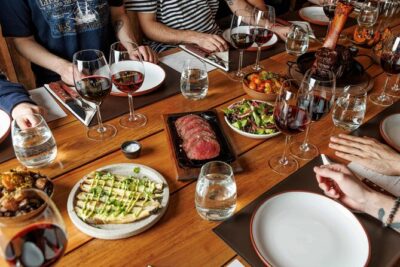
Argentine Experience Interactive Dining and Cooking
Read our review →Browse the lists this tour appears in