Reviewed · BUENOS AIRES TOURS
Buenos Aires for curious people
History gets better on foot. This three-hour walk from Lezama Park to Casa Rosada uses Buenos Aires itself as the textbook, linking streets, churches, parks, markets, and political landmarks to the people and events that shaped Argentina. I especially like the conversation-first format and the way the route covers subjects many quick city tours skip, including African-descendant communities, British invasions, military rule, and the dollar’s role in daily life.
I also like the route’s range. You move from Bar Británico and Parque Lezama through San Telmo, the old Club Atlético detention site, Puerto Madero, and Plaza de Mayo, so the tour keeps changing pace and subject. The main consideration is physical: three hours of walking, with several short stops and a 20-minute break at San Telmo Market, may feel demanding in hot weather or rain.
In This Review
- Key points before you book
- Why this three-hour walk feels different
- Starting at Bar Británico and Parque Lezama
- Russian Orthodox Church and the many faces of San Telmo
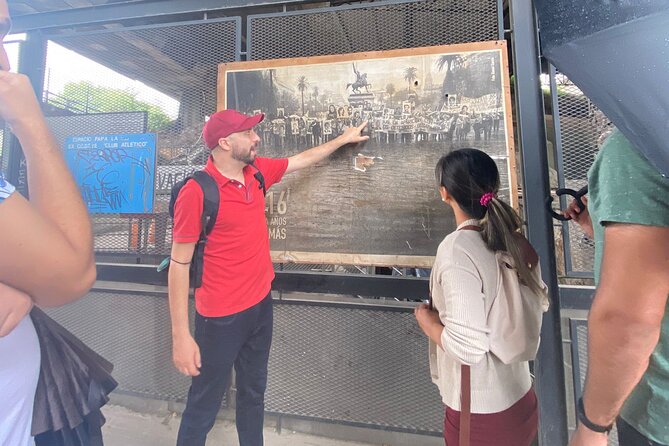
- Club Atlético and Argentina’s difficult memory
- San Telmo Church, Plaza Dorrego, and market time
- From the Faculty of Engineering to the waterfront
- Reaching Casa Rosada and Plaza de Mayo
- The big questions: Britain, Africa, immigration, and dollars
- What the $30 price gives you
- Who should book this walk
- Should you book Buenos Aires for Curious People?
- FAQ
- How long does the Buenos Aires for Curious People tour last?
- Where does the tour begin?
- Where does the tour finish?
- What is the price?
- Which languages are available?
- Is transportation to the meeting point included?
- Are meals and drinks included?
- Is the tour wheelchair accessible?
- Can I cancel or pay later?
Key points before you book
- Starts at Bar Británico and ends near Casa Rosada: The route crosses some of the city’s most historic districts without requiring a bus or taxi between stops.
- History is discussed, not simply recited: You are encouraged to ask questions and debate Argentina’s past and present.
- Covers subjects many basic tours leave out: Expect discussion of Indigenous inhabitants, British interest in Buenos Aires, African-descendant Argentines, immigration, Evita and Perón, the desaparecidos, and the US dollar.
- Includes a stop at the former Club Atlético detention center: This adds difficult but important context about Argentina’s military dictatorship and public memory.
- Offers a 20-minute San Telmo Market pause: It gives you time to rest, look around, and absorb the neighborhood before the final stretch.
- Small and private groups are available: The format should suit you best if you prefer questions and conversation over a fixed speech.
Why this three-hour walk feels different
Many city walks give you dates, names, and a few attractive buildings. This one takes a bigger approach. It asks how a city becomes what it is, who gets remembered, who gets forgotten, and how old conflicts continue to shape modern life.
That approach matters in Buenos Aires. A church may tell one story, a government building another, and a public square yet another. The guide’s job is to connect those pieces without treating history as a row of unrelated facts.
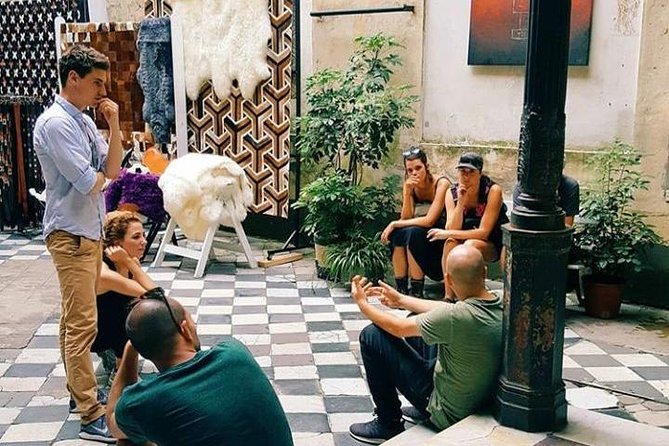
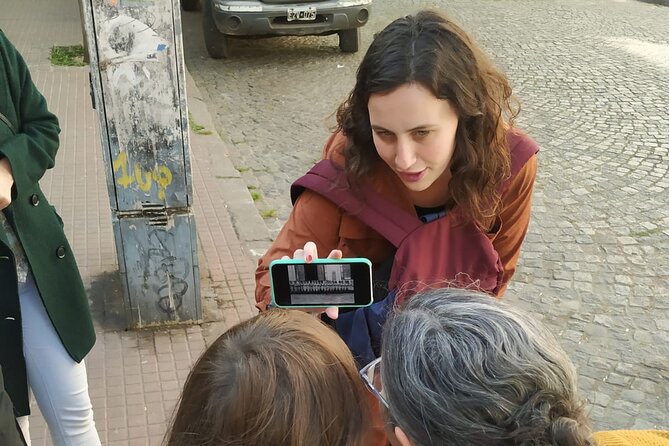
The tour is designed as a discussion. You can ask about Argentina’s political leaders, migration, economics, or social groups as the walk unfolds. If you prefer to listen quietly, you can do that too, but curious participants will get more from the experience.
The strongest praise has focused on the guides, especially Nicolás. His explanations have been described as interesting, surprising, and useful for understanding both earlier Argentina and the country today. That is a good sign for a tour built around explanation rather than scenery alone.
The language choice is broad: Spanish, French, English, and Portuguese are offered. Check the available departure before booking, since the guide language will shape how naturally you can take part in the discussion.
More things to do in Buenos Aires:
- Local Foodie Adventure in Buenos Aires with Sherpa Food Tours
★ 5.0 · 6,875 reviews - Buenos Aires City Private Tour with Local Guide
★ 5.0 · 3,475 reviews - Buenos Aires Small-Group City Tour
★ 5.0 · 2,226 reviews
Starting at Bar Británico and Parque Lezama
The meeting point is by Bar Británico, a practical starting place in the San Telmo area. From there, the walk moves into Parque Lezama, where the first guided stop lasts about 15 minutes.
This opening gives the tour room to ask who lived here before Buenos Aires became a major immigrant capital. Rather than beginning with grand national symbols, the guide starts with people and place. That is a useful choice because it puts the city’s later politics into a longer human story.
Parque Lezama is also a gentle beginning to a three-hour route. You are outdoors, moving at an easy pace, and getting your bearings before the itinerary becomes more built-up. You will want comfortable shoes from the start, since this is a genuine walking experience, not a vehicle tour.
Bring water and sunscreen. The supplied advice also stresses preparation for changing weather, which matters on a route with extended time outdoors and little chance to retreat indoors whenever you like.
Russian Orthodox Church and the many faces of San Telmo
The Russian Orthodox Church of the Holy Trinity receives about 10 minutes of guided attention. Its presence helps show that Buenos Aires cannot be understood through one national or religious identity.
Here, the discussion can move from architecture to migration and community life. Argentina is often described as a nation of immigrants, but that phrase becomes more useful when connected to real streets and institutions. This stop helps make that idea visible.
The next stop is Club Sueco Restaurante, also allotted about 10 minutes. The Swedish connection adds another layer to the city’s foreign communities and gives the guide a chance to explain how European interests and immigrant groups helped shape Buenos Aires.
Do not expect a long indoor visit or a meal included here. The experience is about seeing the location and talking through its significance. Food and drinks are not part of the $30 price, so plan to buy anything you need separately.
Club Atlético and Argentina’s difficult memory
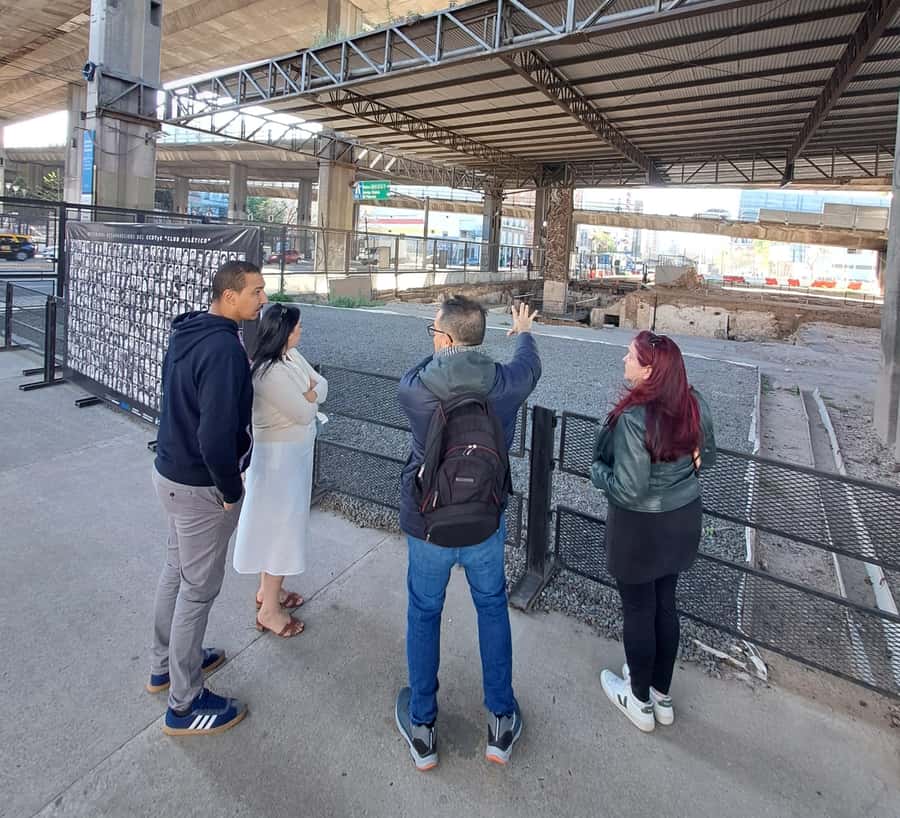
One of the most serious stops is Espacio para la Memoria ex CCD Club Atlético. The visit lasts about 10 minutes and focuses on a former clandestine detention center connected to Argentina’s period of state terror.
This is where the tour moves beyond old colonial history and into the memory of the 20th century. The desaparecidos, or people who were forcibly disappeared, remain central to how Argentina discusses justice, grief, and political responsibility.
A short stop cannot explain every part of the dictatorship, and the subject may feel heavy after the lighter movement through parks, churches, and restaurants. Still, including it is a major strength. It tells you that Buenos Aires is not only grand avenues and famous leaders. Its public spaces also carry painful memories.
The guide’s tone will matter here. The activity promises discussion and debate, so you can ask questions rather than receive a polished version that skips difficult points. I would treat this as a thoughtful history stop, not a photo opportunity.
A completely different kind of day:
- Buenos Aires Hop-On Hop-Off Bus, Free Walking Tours & Discounts
★ 4.5 · 2,218 reviews - Buenos Aires: Piazzolla Tango Show with Optional Dinner
★ 4.4 · 2,122 reviews - Buenos Aires: City Highlights Guided Tour with Transfer
★ 4.7 · 1,946 reviews - Buenos Aires: Hop-On Hop-Off City Bus Tour
★ 4.2 · 1,855 reviews
San Telmo Church, Plaza Dorrego, and market time
Parroquia de San Pedro González Telmo comes next, with around 10 minutes for a guided visit and walk. The church adds religious and neighborhood context to the route, following the earlier look at immigrant communities and political history.
Then the walk reaches Plaza Dorrego for a shorter five-minute stop. The square is one of the key public spaces in San Telmo, and its place in the itinerary helps you read the neighborhood as more than a collection of attractive old buildings.
The 20-minute break at San Telmo Market is a welcome design choice. After several short explanations, you get time to rest, look at the market, and decide if you want a snack or drink. Those purchases are on your own, but the pause gives the walk a useful reset.
You should not expect a long market tour from the stated timing. Think of it as free time within the route. If you are especially interested in food, antiques, or market shopping, you may want to return later with more time.
From the Faculty of Engineering to the waterfront
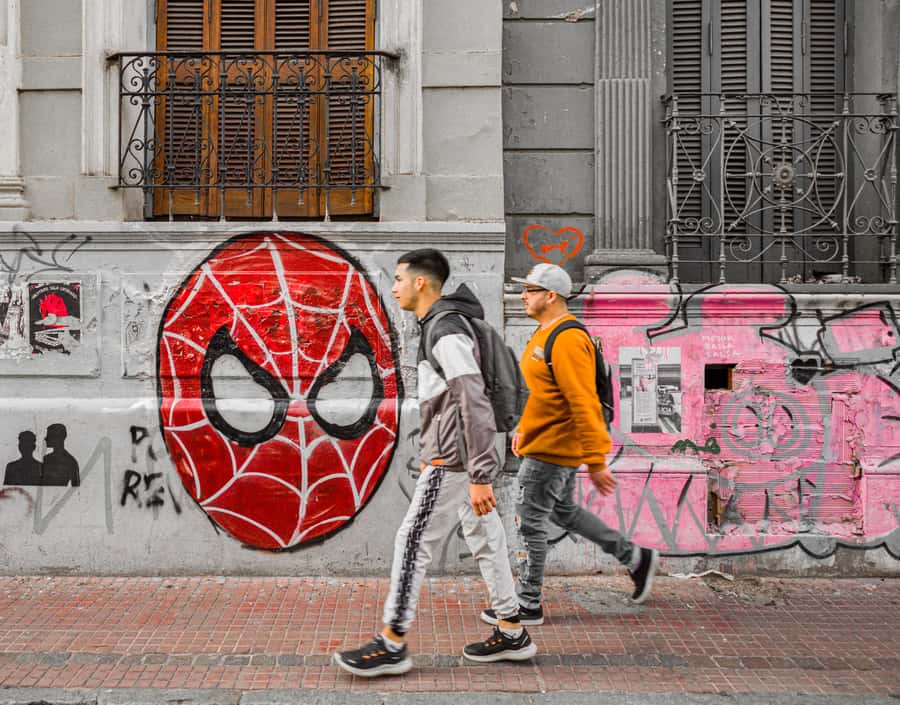
After San Telmo, the itinerary continues to the Facultad de Ingeniería for about five minutes. This is another short stop where the building and surrounding streets serve as prompts for discussion about the city’s institutions and changing identity.
The route then reaches UCA Santa María de los Buenos Aires, with about 10 minutes for guided commentary and walking. The stop helps carry the story toward the newer waterfront districts and the modern city.
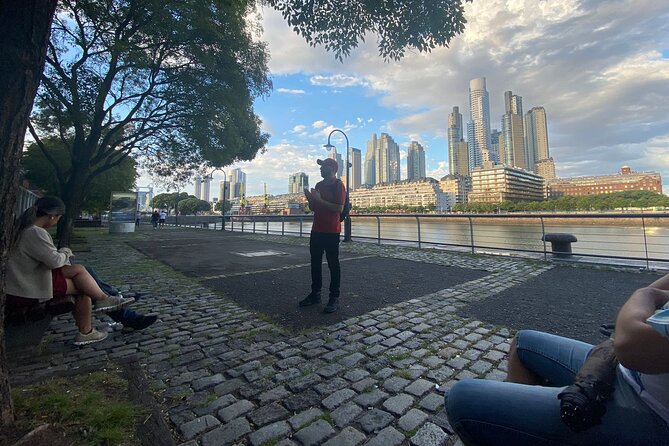
Next comes Puente de la Mujer, where the guide spends about 15 minutes. This is one of the route’s clearest shifts in setting. You leave older San Telmo behind and arrive in the Puerto Madero area, where contemporary Buenos Aires presents a different face.
The bridge also gives you a natural place to pause and look around. You should bring a camera if you want to record the changing architecture, but remember that photography is an extra to the experience, not its main purpose. The guide’s interpretation is what makes the stop useful.
The sequence from historic San Telmo to Puerto Madero works well because it lets you compare different versions of the capital. You see how the city’s past remains close to modern development, rather than being sealed away in a museum district.
Reaching Casa Rosada and Plaza de Mayo
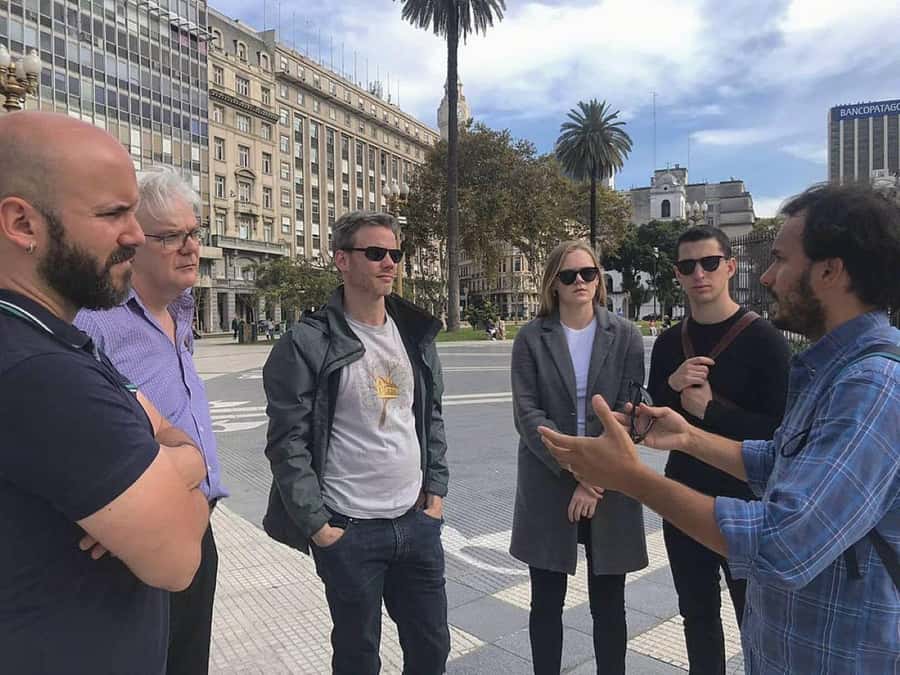
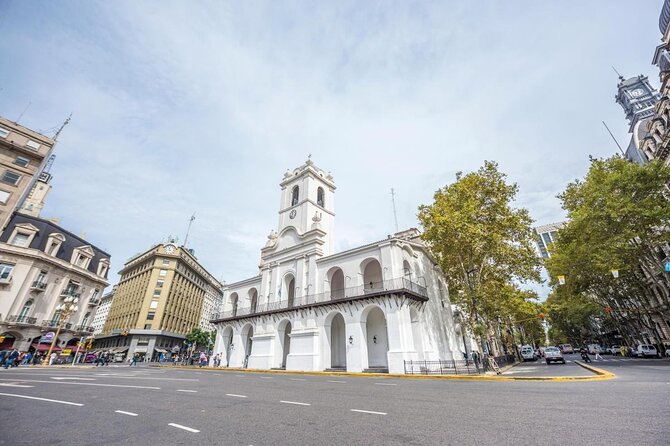
The walk finishes with drop-off at one of three nearby locations: Museo Casa Rosada, Casa Rosada, or Plaza de Mayo. This is a strong ending because the tour’s political questions arrive at the seat of national power.
Along the way, the guide discusses Argentina’s political leaders and the stories attached to figures such as Evita and Perón. You can also connect the earlier discussion of immigration, social groups, and military rule to the public life of the nation.
Casa Rosada is an obvious symbol, but the tour aims to keep it from becoming a simple postcard stop. The point is not just that an important building is pink. It is why this place matters, how leaders have used it, and how Argentines remember political power.
Ending at Plaza de Mayo is practical for the rest of your day. You can choose the museum, stay around the square, or continue exploring central Buenos Aires on your own. The tour does not include an onward transfer, so you will make your own plans after the final stop.
The big questions: Britain, Africa, immigration, and dollars
The subject range is ambitious for three hours. Along with the places on the route, the guide is prepared to address why Britain wanted influence in Buenos Aires and why British forces attempted to invade the region.
The tour also asks what happened to the city’s significant African-descendant population. That question is valuable because many quick introductions to Buenos Aires focus heavily on European immigration and leave other communities out of the story.
You will also discuss how Argentina became a nation of immigrants. Seen from San Telmo’s streets and institutions, this becomes more than a slogan. It becomes a question about identity, belonging, and which groups receive public recognition.
Modern economics enters the conversation through the US dollar. The tour asks why the dollar carries such power in Argentina’s local economy, giving you a way to connect national history with present-day concerns. The guide may not resolve every economic issue in a few minutes, but you will leave with a better framework for asking questions during the rest of your trip.
What the $30 price gives you
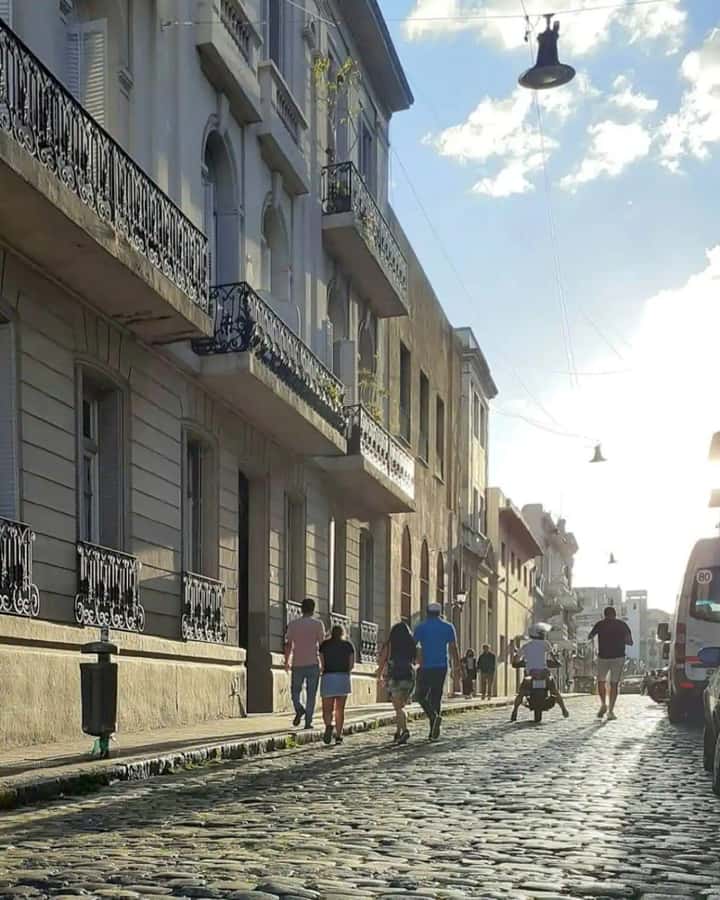
At $30 per person, this is good value if you want context rather than only landmarks. The price includes a professional guide, historical explanation, and time for discussion. It does not include food, drinks, or transport to Bar Británico.
The value rises if you are new to Buenos Aires. A strong first walk can help you understand later visits to Casa Rosada, San Telmo, museums, and political memorials. One person described the experience as a very good first introduction, moving from basic facts to more unusual subjects.
Private or small-group options may make the price more worthwhile for you if you have specific questions. A private format can also change the rhythm. Nicolás, one of the named guides, has been praised for allowing plenty of questions, and a small group gives that conversational style more room.
The tour has received five out of five from five ratings, with praise centered on the guide’s explanations, friendliness, route, and ability to connect past and present. That is encouraging, but the sample is small. I would book it for the format and subject matter, not rely on the rating alone.
Who should book this walk
I would recommend it to first-time visitors who want a usable introduction to Buenos Aires before exploring alone. It also suits returning visitors who have seen the main sights but want more political and social context.
You are a good match if you enjoy asking questions, comparing viewpoints, and looking at ordinary places with historical attention. Students, history-minded visitors, and people interested in Argentina’s politics will likely get the most from it.
It may be less suitable if you want a relaxed sightseeing stroll with long stops for photographs. The itinerary covers many locations, so most visits are brief. It is also not the right pick if you dislike discussing painful subjects such as forced disappearance and dictatorship.
The walk is listed as wheelchair accessible, but you should still confirm the practical details of the route and meeting point when booking. Three hours outside calls for water, sunscreen, and shoes that you can wear comfortably for the full distance.
Free cancellation is available up to 24 hours before the start, and you can reserve now and pay later. Those terms are useful if your Buenos Aires plans are still shifting.
Should you book Buenos Aires for Curious People?
Book it if you want the city explained, not merely displayed. The best parts are the open discussion, the unusual subject range, and the route from Lezama Park to the political heart of Plaza de Mayo.
The main tradeoff is pace. You will not linger at every church, market, or bridge, and the three-hour walk can be tiring in poor weather. But at $30, the experience offers a lot of context for a modest price, especially if Nicolás is leading and you want time for questions.
I would choose it early in a Buenos Aires visit. You will gain names, themes, and places to explore later, and the city should make more sense once the walk is over.
FAQ
How long does the Buenos Aires for Curious People tour last?
The experience lasts three hours.
Where does the tour begin?
The meeting point is by Bar Británico.
Where does the tour finish?
The tour ends at one of three locations: Museo Casa Rosada, Casa Rosada, or Plaza de Mayo.
What is the price?
The listed price is $30 per person.
Which languages are available?
The live guide may lead the tour in Spanish, French, English, or Portuguese.
Is transportation to the meeting point included?
No. Transportation to Bar Británico is not included.
Are meals and drinks included?
No. Meals and drinks are not included. There is a 20-minute break at San Telmo Market, where you can purchase refreshments separately.
Is the tour wheelchair accessible?
Yes, the activity is listed as wheelchair accessible.
Can I cancel or pay later?
You can cancel up to 24 hours in advance for a full refund. You can also reserve now and pay later.
Just added in Buenos Aires
- Discover Buenos Aires’ independent art scene — Ticket included★ 5.0 · 30 reviews
- Photo Session in Buenos Aires★ 5.0 · 26 reviews
- Your Private Photographer in Buenos Aires★ 5.0 · 4 reviews
- Yerba Mate Workshop – Learn to Drink Mate like a Local!★ 5.0 · 11 reviews
- Your Personal Photographer in Buenos Aires★ 5.0 · 24 reviews
- BA: Wine Tasting and Blending Experience in Palermo★ 5.0 · 1 review
- Winery and Tasting Experience in Buenos Aires★ 5.0 · 1 review
- Taste of Tradition: Yerba Mate & Alfajores Experience★ 4.0 · 5 reviews
Buenos Aires Tours, compared.
Local Foodie Adventure in Buenos Aires with Sherpa Food Tours
Read our review →
Buenos Aires City Private Tour with Local Guide
Read our review →
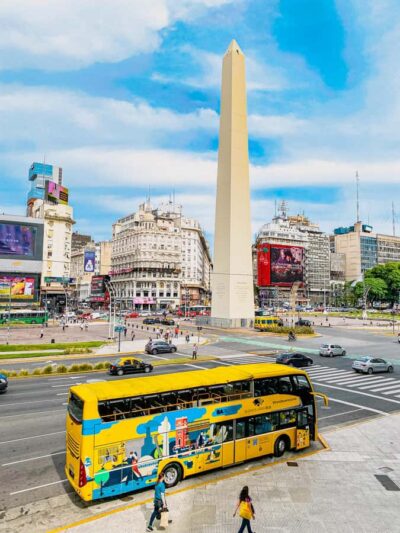
Buenos Aires Hop-On Hop-Off Bus and Exclusive Benefits
Read our review →