Reviewed · BUENOS AIRES TOURS
Buenos Aires : Explore El Zanjon de Granados, Hidden Tunnels.
Buenos Aires has secrets below its streets. At El Zanjón de Granados, a plain colonial facade opens into brick tunnels, old cisterns, passageways, and archaeological remains from the city’s early centuries. The one-hour visit offers a different side of San Telmo, far removed from grand avenues and polished plazas.
I like the way the tour joins architecture with everyday history, showing ceramics, utensils, and fragments of old walls rather than asking you to admire an empty ruin. I also like the storytelling. Guide Victoria earned especially warm praise for explaining the site with wit, while another guide brought colonial life and old convent stories vividly into the hour.
The main consideration is scale. The site is well restored and atmospheric, but some of what you see is essentially old drainage or sewer infrastructure. If you want a major museum or a large archaeological complex, this may feel modest. I would place it after you have seen some of Buenos Aires, when its underground past adds another layer to the city.
In This Review
- Key points to know before visiting
- Entering San Telmo’s underground past
- What the 17th and 18th century tunnels reveal
- Archaeology you can understand
- Why the guide can make or break the hour
- A useful stop on a hot Buenos Aires day
- Is $24 a fair price?
- The best way to fit it into your Buenos Aires plans
- Who will enjoy the Granados Trench most?
- Should you book El Zanjón de Granados?
- FAQ
- Where is El Zanjón de Granados located?
- How long does the experience last?
- How much does the tour cost?
- Is admission included?
- Are tours available in English?
- Is transportation included?
- Is lunch included?
- Can I cancel for a full refund?
Key points to know before visiting
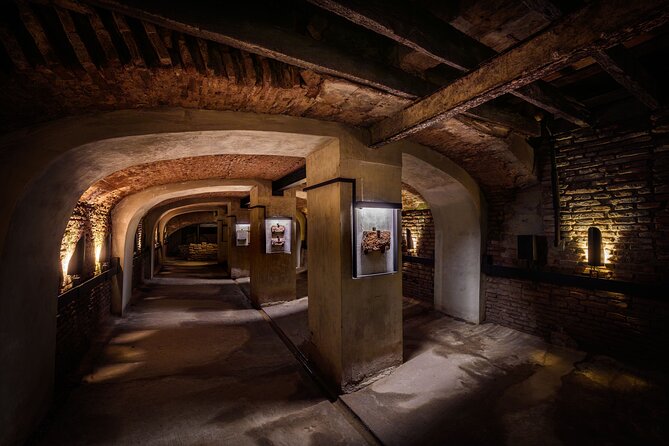
- A colonial facade hides a tunnel network: You enter through a sober historic exterior and quickly move into underground brick galleries.
- The tunnels date from the 17th and 18th centuries: Their age gives the visit real historical weight, even though the tour lasts only about an hour.
- Archaeological objects make the story tangible: Ceramics, utensils, and wall remains were recovered during excavation and restoration.
- Guiding is a major part of the experience: Tours are offered in English or Spanish, and Victoria has been singled out for her humor and storytelling.
- The underground setting offers relief on hot days: One visitor especially appreciated the cooler interior during warm weather.
- The $24 price buys a focused history visit: It is good value if you enjoy architecture and archaeology, but less so if you expect a large attraction.
Entering San Telmo’s underground past
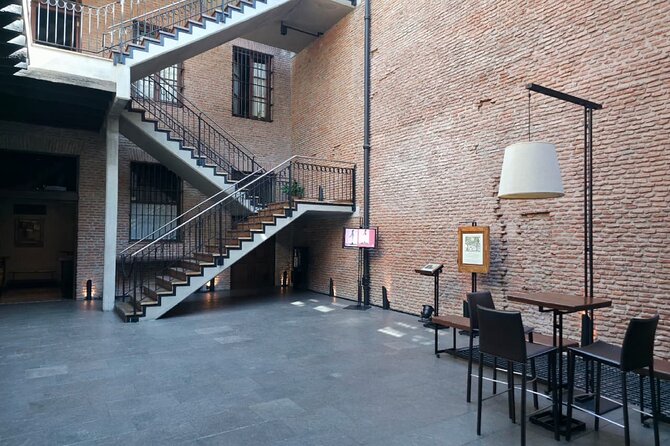
El Zanjón de Granados is found in San Telmo, one of Buenos Aires’ oldest and most atmospheric areas. The experience begins behind a restrained colonial facade. There is no grand entrance announcing a major attraction. That modest exterior is part of the appeal, since the real story is concealed beneath it.
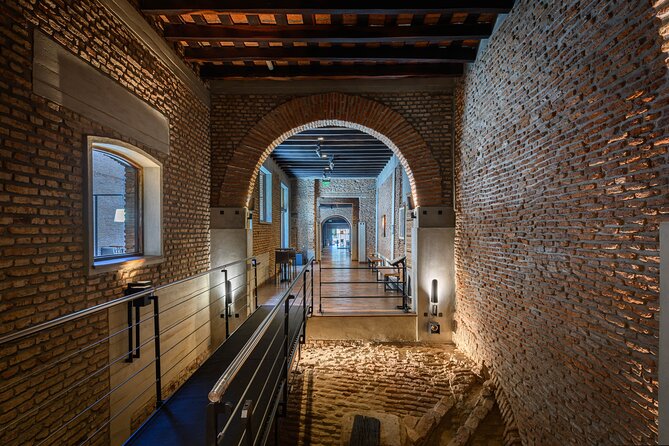
Once inside, the tour leads through a network of underground galleries and passageways. The brickwork is lit to bring out the shape and texture of the original construction, giving you a clear look at the structure without turning it into a theatrical show.
The setting works best for people who enjoy places where the building itself carries the story. You are not simply looking at objects in display cases. You are walking through the spaces that made up an earlier part of the city, with walls, channels, cisterns, and connecting passages all helping explain how Buenos Aires grew.
The site is not enormous, and that matters. The visit is compact rather than sprawling, which makes the one-hour duration feel sensible. You can see the main features without spending half a day underground, but you should also arrive with realistic expectations. This is a concentrated historical stop, not a full-day attraction.
More things to do in Buenos Aires:
- Local Foodie Adventure in Buenos Aires with Sherpa Food Tours
★ 5.0 · 6,875 reviews - Buenos Aires City Private Tour with Local Guide
★ 5.0 · 3,475 reviews - Buenos Aires Small-Group City Tour
★ 5.0 · 2,226 reviews
What the 17th and 18th century tunnels reveal
The tunnels and galleries date from the 17th and 18th centuries, when Buenos Aires was still developing into the city you see today. Their original purpose and later changes are part of what makes the site interesting. The spaces reflect practical urban needs, construction methods, and the way old buildings were adapted over time.
Brick dominates the experience. The lighting is arranged to highlight the galleries’ original architecture, allowing you to follow the curves, walls, and passageways more easily. This is especially useful in an underground site, where natural light cannot help you understand the shape of the structure.
Cisterns add another useful detail. They remind you that historic buildings depended on systems for collecting and managing water, rather than the modern services you take for granted. The underground rooms are not just mysterious corridors. They show how people solved basic problems in a growing colonial city.
You may find some sections more exciting than others. A visitor looking for dramatic chambers or grand ruins could find the tunnels fairly plain. Much of the appeal comes from the explanation, the age of the masonry, and the sense of walking through an overlooked part of San Telmo rather than from spectacular decoration.
Archaeology you can understand
The excavations produced ceramics, utensils, and remains of ancient walls. These finds give the tour a human scale. A piece of pottery or a domestic tool can tell you more about ordinary life than a broad historical date, because it points toward cooking, storage, work, and daily routines.
I like this combination of objects and original structure. The artifacts would be interesting in a museum, but here they sit within the place where the wider story unfolded. The old walls and recovered items support each other, helping you picture the changing use of the property.
Restoration is another important part of the visit. The site was rescued through restoration work, and the tour explains how that process brought the underground remains back into view. This adds a modern chapter to the story: not just how the tunnels were built, but how people later recognized their value and chose to preserve them.
Do not expect a large collection. The archaeological material is presented as part of the building rather than as a major standalone exhibition. If you prefer a focused display with a strong sense of place, that is a plus. If you want dozens of objects and long museum galleries, the experience may feel limited.
Why the guide can make or break the hour
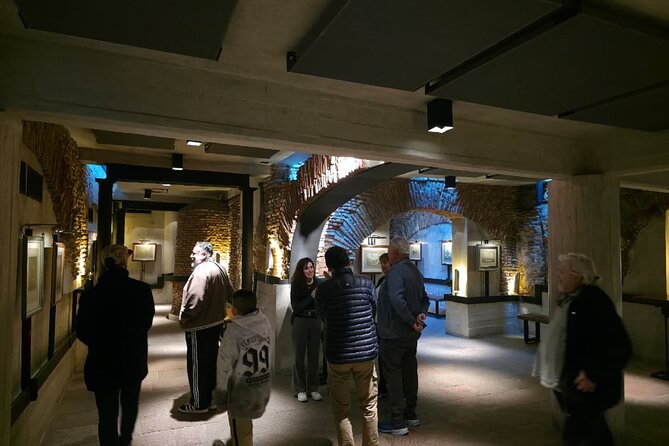
The guide is central here. The tunnels need context, since brick passages and old drainage channels do not explain themselves. A good guide turns the physical site into a story about colonial life, 19th century convents, construction, and the restoration that saved the property.
English and Spanish tours are available. That makes the experience practical for international visitors, but you should select the language that lets you follow historical detail comfortably. With only about an hour, there is little room to lose the thread of the explanation.
Victoria received particular praise for combining historical knowledge with wit. That balance matters in a place that could otherwise feel dry. Stories about people and past routines give the tunnels a stronger sense of purpose than a list of dates would.
Another strong point is the lively style of the explanations. The tour can bring you closer to the past through anecdotes about colonial life and later religious communities. You are likely to remember the human details more clearly than the exact chronology.
Still, your enjoyment will depend partly on what you want from the stop. If you mainly want to walk through old masonry and take photographs, the guide may feel like extra detail. If you want the site interpreted, the guide is one of the best reasons to book.
A completely different kind of day:
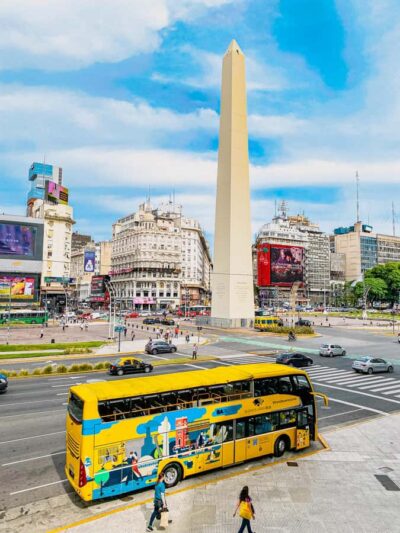
- Buenos Aires Hop-On Hop-Off Bus, Free Walking Tours & Discounts
★ 4.5 · 2,218 reviews - Buenos Aires: Piazzolla Tango Show with Optional Dinner
★ 4.4 · 2,122 reviews - Buenos Aires: City Highlights Guided Tour with Transfer
★ 4.7 · 1,946 reviews - Buenos Aires: Hop-On Hop-Off City Bus Tour
★ 4.2 · 1,855 reviews
A useful stop on a hot Buenos Aires day
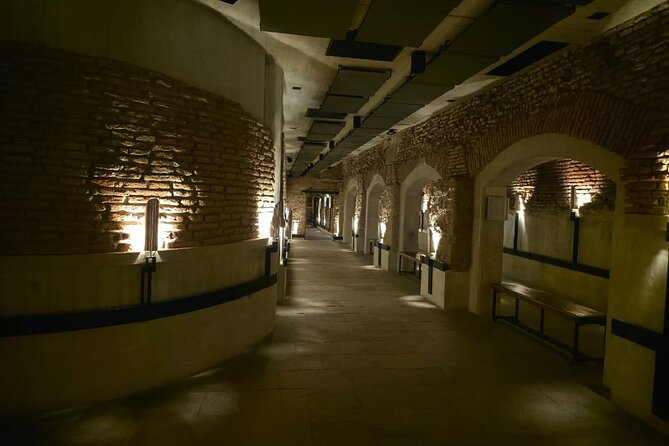
The underground setting has a practical benefit. One visitor especially liked the experience as a place to escape hot weather. The information does not promise a particular temperature or climate system, so you should not treat it as a guaranteed cooling station, but an underground visit can be a welcome change from bright summer streets.
This also gives the tour a useful place in a San Telmo day. You can combine it with other sightseeing in the neighborhood, then spend an hour indoors with a subject that is closely tied to the area’s older buildings.
The timing is short enough to fit between other plans. You are not committing to a long excursion, a meal, or private transport. Lunch is not included, but that is hardly a problem in a neighborhood where you can arrange food separately according to your schedule.
The attraction is near public transportation, which helps keep the visit simple. Private transportation is not included, so you need to make your own way there. Since the tour is in Buenos Aires and the location is near transit, this is a better fit for independent city sightseeing than for someone seeking door-to-door touring.
Is $24 a fair price?
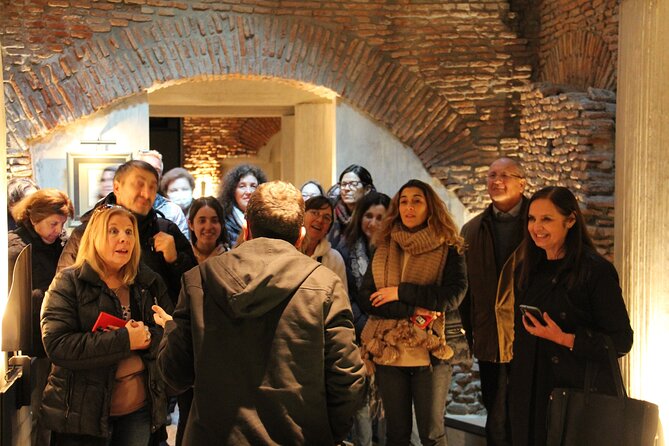
At $24 per person, the cost is reasonable for a guided cultural visit of about one hour. Your admission to El Zanjón de Granados is included, along with the guide in English or Spanish. You are paying for access to a preserved historic site and for the explanation that gives the tunnels meaning.
The value depends on your interests. I would call it good value if you enjoy urban archaeology, old construction, and smaller historic sites. The tour offers something you will not get from simply walking through San Telmo’s streets: a view of the city’s past from below ground, with original galleries and excavated objects in the same setting.
The value is less clear if you measure attractions by size or spectacle. This is not a large museum, and it does not include lunch or private transport. The site itself is modest, and some sections may strike you as old sewer tunnels rather than romantic secret corridors.
That is not necessarily a flaw. In fact, the practical and somewhat rough nature of the tunnels is part of their character. You should book because you want an honest look at historic infrastructure, not because you expect a polished fantasy version of underground Buenos Aires.
The best way to fit it into your Buenos Aires plans
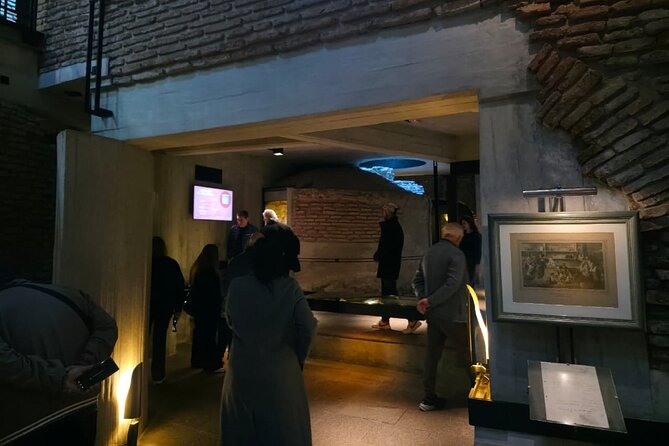
I would schedule El Zanjón de Granados after you have seen several of Buenos Aires’ better-known sights. The visit makes more sense once you have some feeling for the city above ground. After seeing the streets, plazas, and historic buildings, you can better appreciate what earlier construction looked like underneath them.
This ordering also addresses the main criticism of the attraction. If you visit it too early, before you have any wider sense of Buenos Aires, the tunnels may seem like an isolated curiosity. After a few days in the city, they become part of a larger story about San Telmo and the city’s growth.
Allow about one hour for the experience itself. Since the duration is approximate, you may want a little breathing room around the appointment, especially if you are connecting it with another timed plan. The short format is useful, but it is still wise not to schedule another activity immediately at the same minute.
Because the ticket is mobile, you can keep the booking on your phone rather than carrying a printed voucher. Confirmation is received at the time of booking, which makes planning straightforward. Most people can participate, according to the activity details.
You also get free cancellation if you cancel at least 24 hours before the local start time. Changes or cancellations within that final 24-hour period are not accepted for a refund, so keep the cutoff in mind when arranging a busy Buenos Aires itinerary.
Who will enjoy the Granados Trench most?
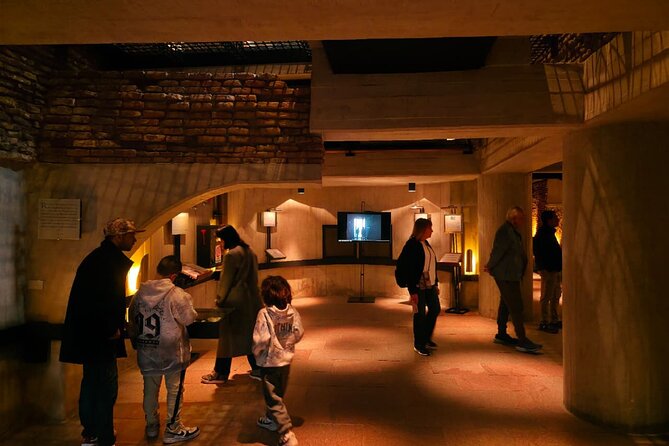
I would recommend this experience to:
- History fans who like seeing original structures instead of only reading about them.
- Architecture enthusiasts interested in brick galleries, cisterns, passageways, and restoration.
- Archaeology-minded visitors who enjoy ceramics, utensils, and fragments of old walls.
- Independent city explorers who can reach the site by public transportation and do not need private transfers.
- People looking for a short indoor stop during a hot day in Buenos Aires.
- Visitors who enjoy guided storytelling, especially explanations about colonial life and 19th century convents.
I would be more cautious if you want a grand, highly visual attraction. The experience is not built around scale, elaborate decoration, or a long list of exhibits. Some people will find its old drainage and sewer elements fascinating, while others may see them as plain.
The guide can shift that balance. Victoria’s praised combination of wit and historical explanation shows how much personality can add to the visit. If you choose an English tour, pay attention to the language option when booking so the stories come through clearly.
Should you book El Zanjón de Granados?
Book it if you want a compact, unusual history stop that takes you below San Telmo’s streets. The strongest reasons are the original brick galleries, the archaeological remains, the restoration story, and the chance to hear the site explained through colonial and 19th century stories.
Skip it if you need a large attraction with dramatic rooms or a substantial museum collection. The tunnels are modest, and parts of the visit may feel more like old urban infrastructure than a hidden palace.
For most independent visitors with an interest in Buenos Aires’ past, the $24 price is fair. I would place it in the middle of a city sightseeing day, after you have seen more of Buenos Aires and before you move on to another San Telmo stop. That way, the underground history adds depth to your visit rather than carrying the entire day.
FAQ
Where is El Zanjón de Granados located?
It is located in San Telmo, Buenos Aires, Argentina.
How long does the experience last?
The visit lasts approximately one hour.
How much does the tour cost?
The listed price is $24 per person.
Is admission included?
Yes. Admission to El Zanjón de Granados, also called the Granados Trench, is included.
Are tours available in English?
Yes. The guide is available in English or Spanish.
Is transportation included?
Private transportation is not included. The site is near public transportation.
Is lunch included?
No. Lunch is not included in the experience.
Can I cancel for a full refund?
Yes, if you cancel at least 24 hours before the experience start time. Cancellations or changes made less than 24 hours before the local start time are not accepted for a refund.
Just added in Buenos Aires
- Discover Buenos Aires’ independent art scene — Ticket included★ 5.0 · 30 reviews
- Photo Session in Buenos Aires★ 5.0 · 26 reviews
- Yerba Mate Workshop – Learn to Drink Mate like a Local!★ 5.0 · 11 reviews
- Your Personal Photographer in Buenos Aires★ 5.0 · 24 reviews
- Your Private Photographer in Buenos Aires★ 5.0 · 4 reviews
- BA: Wine Tasting and Blending Experience in Palermo★ 5.0 · 1 review
- Winery and Tasting Experience in Buenos Aires★ 5.0 · 1 review
- Taste of Tradition: Yerba Mate & Alfajores Experience★ 4.0 · 5 reviews
Buenos Aires Tours, compared.
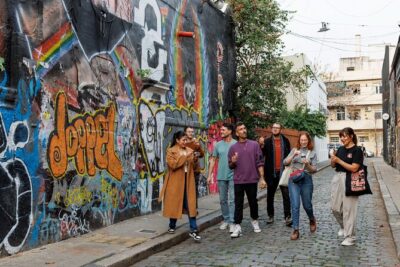
Local Foodie Adventure in Buenos Aires with Sherpa Food Tours
Read our review →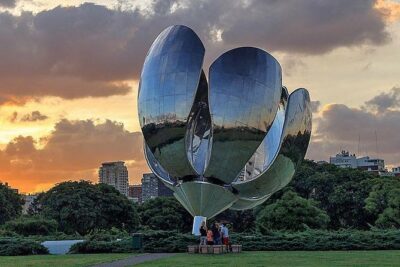
Buenos Aires City Private Tour with Local Guide
Read our review →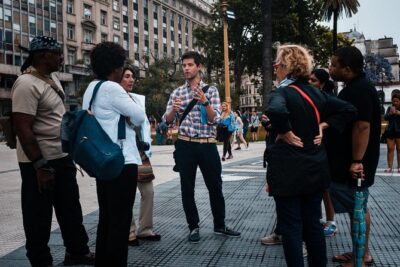

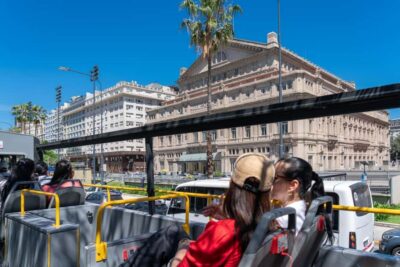
Buenos Aires Hop-On Hop-Off Bus and Exclusive Benefits
Read our review →