Reviewed · BUENOS AIRES TOURS
Buenos Aires: Discover Mate – Masterclass with Argentine Pastry
Mate is Argentina’s daily ritual, not a café order. This one-hour class makes that custom understandable, hands-on, and easy to enjoy, with traditional Argentine pastries alongside the drink. I like the clear explanation of mate preparation, and I like that you can compare plain and flavored yerba blends in a proper mate setting.
The main drawback is the price: $55 per person is a lot for an hour, especially if your class only includes two blends. The quality of the experience also depends on your instructor. Martina and Michaela have been praised for warmth and energy, while one session felt under-explained and costly to a participant.
In This Review
- Key points before you book
- Why mate is worth learning in Buenos Aires
- Arriving at Ayacucho 1538
- The opening lesson: what mate means
- Preparing the mate correctly
- Tasting plain, flavored, and infused yerba
- Argentine pastries make the ritual easier
- What makes the instructors important
- Shopping for mate items afterward
- Is $55 good value for one hour?
- Who will enjoy this experience most?
- Timing, cancellation, and practical details
- Should you book the Buenos Aires mate masterclass?
- FAQ
- Where does the mate masterclass begin?
- Where does the experience end?
- How long does the class last?
- How much does the experience cost?
- Is this a private activity?
- What will I learn during the class?
- Will I taste Argentine pastries?
- Can I cancel for a full refund?
Key points before you book
- You learn the social rules: The class covers how mate is passed, shared, and prepared, not just how it tastes.
- You taste mate with Argentine pastry: The food pairing helps make the drink easier for first-time tasters.
- You can compare plain and flavored yerba: Options mentioned include coffee and citric ginger, along with traditional blends.
- It takes place in a dedicated mate shop: Matea Aromas y Sabores presents itself as a space where mate is the main attraction.
- The class is private: Only your own group participates, which is useful for questions and a relaxed pace.
- It is short but focused: Plan on about one hour at Ayacucho 1538, with the activity ending where it begins.
Why mate is worth learning in Buenos Aires
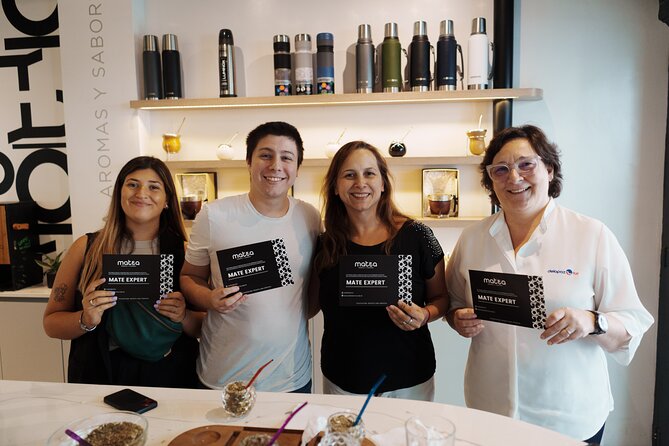
Argentina encourages you to try mate, but that can be easier said than done. You usually do not order it at a restaurant, bar, or coffee shop. It is most often prepared at home and shared among friends, family, or colleagues.
That makes this class useful. You are not simply handed a cup and told to enjoy it. You get an explanation of what the drink means, how the equipment works, and why the preparation has social rules attached to it.
I like this approach because mate can seem mysterious when you first encounter it. The small gourd, metal straw, loose leaves, hot water, and repeated passing of the vessel may look simple. In practice, each part has its own purpose.
The class also gives you a way to try mate without needing an invitation into an Argentine home. That is a real advantage if you have only a short stay in Buenos Aires or do not know local people.
More things to do in Buenos Aires:
- Local Foodie Adventure in Buenos Aires with Sherpa Food Tours
★ 5.0 · 6,875 reviews - Buenos Aires City Private Tour with Local Guide
★ 5.0 · 3,475 reviews - Buenos Aires Small-Group City Tour
★ 5.0 · 2,226 reviews
Arriving at Ayacucho 1538
The experience begins at Ayacucho 1538 in Buenos Aires. The address is near public transportation, so you should be able to reach it without arranging a special transfer. Check the exact route before leaving, since a one-hour activity gives you little room for getting lost.
The shop is described as the first space in Latin America where mate is the main focus. That matters more than a flashy setting would. You are entering a place built around the drink, with yerba blends and mate items available to examine or buy.
The store setting also makes the session feel more practical than a standard tasting. You can learn about the ingredients and equipment in the same place where they are sold. If you decide to continue the habit at home, you can look for an item that suits you rather than buying a random souvenir.
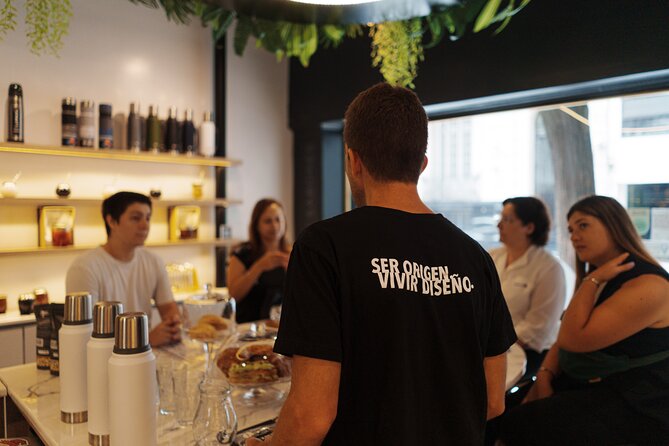
The activity is private, meaning only your group takes part. I see this as one of the better features for beginners. You can ask basic questions without feeling awkward, and the instructor can respond to your pace.
The opening lesson: what mate means
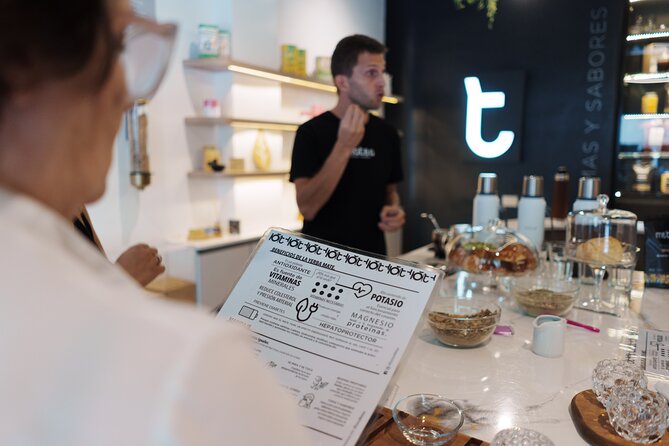
The class begins by placing mate in Argentine culture. You learn that it is not simply a herbal beverage. It is part of everyday social life, and the way it is served helps create a shared moment.
A good instructor will explain the social side in plain terms. Martina has been described as warm and inviting, while Michaela was praised for making the subject fun and easy to follow. Those details matter because the class is not only about memorizing steps.
The best part of the lesson is the explanation of sharing customs. You learn how the mate is prepared, passed around, and returned. You also learn that the person preparing it usually controls the serving process, so casual improvisation can lead to mistakes.
That is the kind of detail you are unlikely to pick up from a quick internet search. It can also prevent you from making a social blunder if an Argentine friend later offers you mate.
The class is especially useful if you have never tried it. It can also help if you have tasted mate but never understood why people prepare it in such a particular way.
Preparing the mate correctly
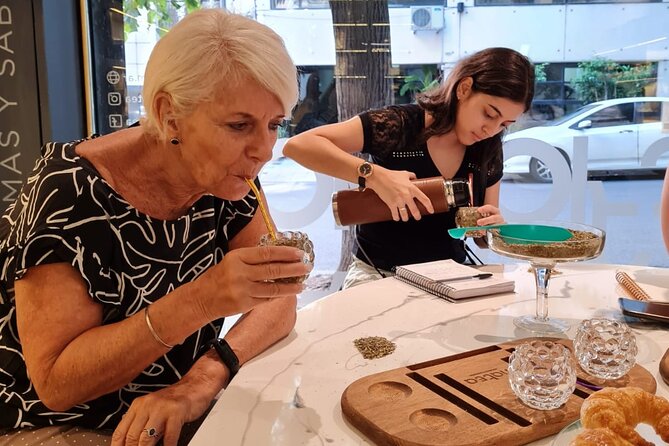
The preparation lesson is the practical heart of the experience. You learn how to make a mate and how the yerba, water, and straw work together.
The precise sequence matters. One participant found that preparing mate was not as straightforward as expected, which is exactly why a demonstration helps. You are shown the proper method rather than guessing from an attractive souvenir gourd.
The experience includes instruction on quality and freshness. This is valuable if you plan to purchase yerba in Buenos Aires. You can begin to tell the difference between a basic product, a premium yerba, and a flavored blend.
The class also introduces exclusive blends and premium yerbas. The available selection means you can compare styles instead of treating all yerba as the same. If you prefer familiar flavors, a flavored option may be a gentle first step. If you want the classic taste, the plain mate is the better benchmark.
One coffee-loving participant expected to prefer the flavored versions but ended up liking the plain mate best. That is a useful warning against choosing by description alone. Sample first, then buy.
A completely different kind of day:
- Buenos Aires Hop-On Hop-Off Bus, Free Walking Tours & Discounts
★ 4.5 · 2,218 reviews - Buenos Aires: Piazzolla Tango Show with Optional Dinner
★ 4.4 · 2,122 reviews - Buenos Aires: City Highlights Guided Tour with Transfer
★ 4.7 · 1,946 reviews - Buenos Aires: Hop-On Hop-Off City Bus Tour
★ 4.2 · 1,855 reviews
Tasting plain, flavored, and infused yerba
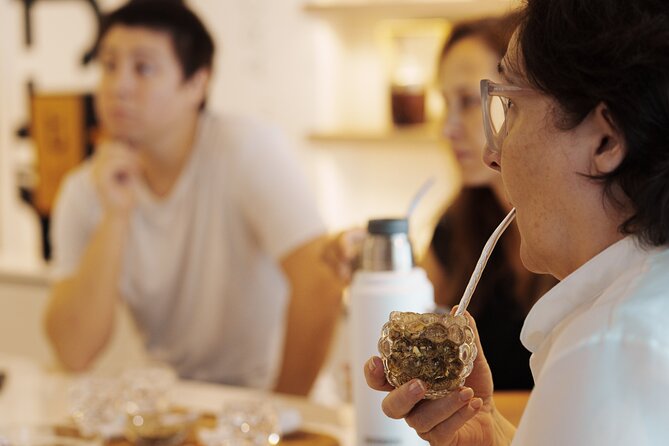
The tasting is not presented as a single sip of mate. You may try traditional and flavored versions, with examples including coffee and citric ginger. The exact number of samples can vary, and one participant reported trying only two flavors, so you should not book this expecting a large tasting menu.
That limitation is important when judging the $55 price. The value comes from the teaching, the setting, the preparation lesson, and the social context. If your only goal is to taste several flavors, the cost may feel high.
I like that the class can appeal to people with different tastes. A newcomer may find a flavored yerba more approachable, while someone curious about the standard drink can focus on the plain version. The coffee flavor is a natural choice for a devoted coffee drinker, though the citric ginger blend may appeal more if you want something bright.
The class helps you notice that mate is not one fixed flavor. The blend, preparation, and personal preference all affect the experience. That makes the shop’s selection more useful than a simple gift display.
Argentine pastries make the ritual easier
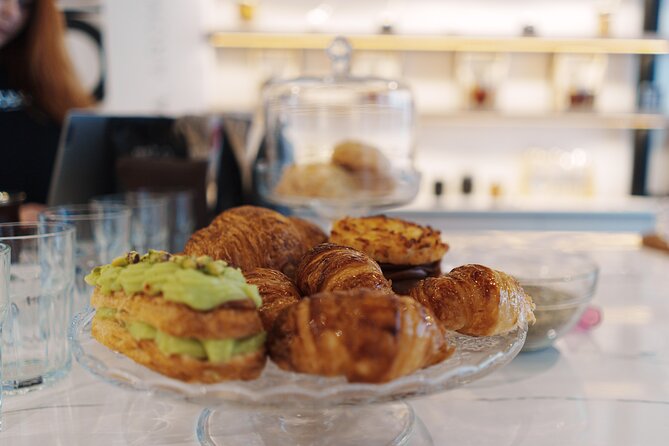
Traditional Argentine pastry is served with the mate. This is more than a small snack. The food gives you a familiar point of entry while you are getting used to a drink that may be bitter, grassy, or unfamiliar.
I appreciate the pairing because mate is often less sweet and less immediately friendly than coffee or tea. A pastry can soften the first impression and make the tasting feel like a relaxed social break rather than a formal lesson.
The available information does not give a detailed pastry menu, so you should not book this expecting a full meal. Think of the food as an accompaniment to the class.
For families and couples, the pastry also makes the activity easier to share. Children or adults who are unsure about mate can try the food while listening to the explanation. The setting has been described as family-friendly, though the main purpose remains learning about the drink.
What makes the instructors important
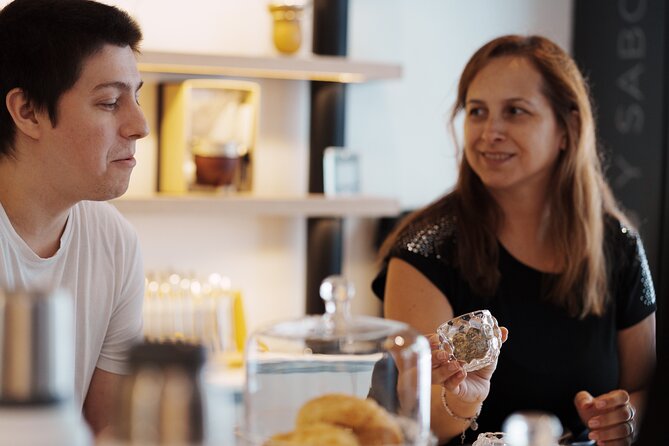
The strongest sessions seem to depend on the person leading the class. Michaela has been praised for explaining both the product and the culture in a lively way. Martina has been described as warm and clear when showing the ritual.
That personal element can make the hour fly by. A good instructor turns preparation rules into a story about daily life. You leave with a sense of how mate fits into Argentine routines, not just a list of instructions.
There is also a caution here. One participant felt the explanation was weak and that questions had to pull information from the instructor. That suggests you should speak up if something is unclear. Ask why a step matters, how the blends differ, and what makes a yerba fresh.
Because the class is private, asking questions should be easy. Use that advantage. A quiet group may receive a less satisfying session simply because nobody asks for more detail.
Shopping for mate items afterward
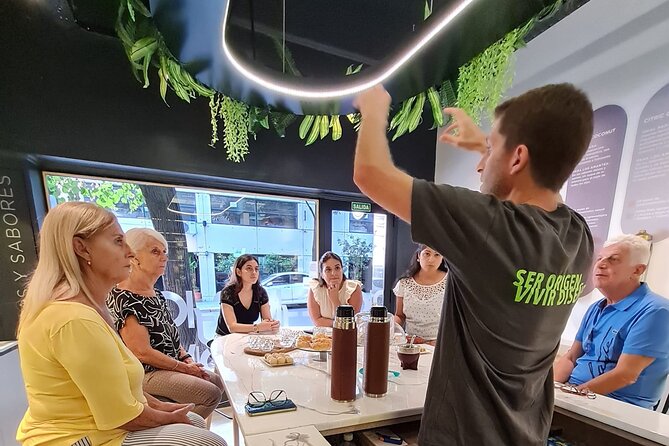
The shop sells yerba blends, premium products, and mate equipment. This gives you a practical chance to continue the experience after the class.
I would avoid buying the first attractive gourd you see. Use the lesson to decide what you actually need. You may want a traditional mate, a particular type of straw, or a yerba you already tasted. The class should help you make that choice with more confidence.
The store also works well for a small, meaningful souvenir. Mate is connected to Argentine life in a way that many generic keepsakes are not. A mate set can remind you of the social ritual, though you should be ready to care for it properly at home.
The strongest purchase is likely to be the plain yerba or blend you genuinely enjoyed. A colorful package is not enough reason to buy something you disliked during the tasting.
Is $55 good value for one hour?
At $55 per person, this is not a bargain activity. The class lasts about one hour, and the tasting may be limited to a few options. If you measure value by food and drink alone, you may feel that the cost is high.
I think the price makes more sense if you value access and instruction. Mate is difficult to order casually in Buenos Aires, and this class gives you a structured way to taste it, learn the rules, and see the products in a dedicated shop.
The private format adds value for couples, families, or friends who want a personal session. It may also suit solo visitors who want the freedom to ask questions without joining a large group.
I would compare it with the cost of buying an entire mate set without knowing how to use it. The class reduces that uncertainty, but only you can decide how much that guidance is worth.
Book it if mate is a priority for your time in Argentina. Skip it if you are only mildly curious and would be disappointed by a short class with a small tasting.
Who will enjoy this experience most?
This is a strong choice for first-time mate drinkers. You learn the preparation method and social etiquette before trying to copy the ritual on your own.
It also suits anyone who has read about mate but cannot find it served in ordinary cafés or restaurants. The class solves that access problem in a direct way.
I would recommend it to:
- Couples who want a shared cultural activity
- Solo visitors who enjoy food and drink lessons
- Families looking for a short, family-friendly experience
- Coffee drinkers willing to try a new daily ritual
- Anyone planning to buy yerba or mate equipment
- People who want context, not just a quick taste
It may be less satisfying for a serious mate expert. If you already prepare mate confidently and understand the etiquette, the introductory material may feel basic.
Timing, cancellation, and practical details
Plan for about one hour, with both the start and finish at Ayacucho 1538. The activity is near public transportation, and service animals are allowed.
Confirmation is provided when you book. You can cancel for a full refund up to 24 hours before the local start time. Cancellations or changes made within 24 hours are not accepted for a refund.
The experience requires a minimum number of participants. If that minimum is not reached and the activity is canceled, you are offered another date or experience, or a full refund.
The class is booked an average of nine days ahead, so I would not leave it until the last minute if mate is important to your itinerary.
Should you book the Buenos Aires mate masterclass?
I would book this experience if you want to understand why mate matters in Argentina, not just taste a green drink. The preparation lesson, sharing etiquette, pastry pairing, and access to plain and flavored yerba make it a useful introduction.
I would also book it if you are traveling without local contacts. You may not find mate on a normal café menu, and this gives you a reliable way to try it properly.
The price is the main question. At $55 for one hour, the class needs a good instructor to feel worthwhile. Michaela and Martina have been praised for making the subject warm and engaging, but the uneven teaching experience means you should arrive ready to ask questions.
For a first encounter with Argentina’s most social infusion, this is a focused and practical choice. Go with curiosity, taste the plain mate before judging it, and use the shop afterward to choose only what you truly liked.
FAQ
Where does the mate masterclass begin?
The activity begins at Ayacucho 1538, C1112AAB, in the Autonomous City of Buenos Aires, Argentina.
Where does the experience end?
The activity ends back at the same meeting point.
How long does the class last?
The masterclass lasts approximately one hour.
How much does the experience cost?
The listed price is $55 per person.
Is this a private activity?
Yes. Only your own group participates in the activity.
What will I learn during the class?
You learn about mate culture, its history, how to prepare mate correctly, how to judge yerba quality and freshness, and the social etiquette connected with sharing it.
Will I taste Argentine pastries?
Yes. Traditional Argentine pastry is served as part of the mate experience.
Can I cancel for a full refund?
Yes. You can cancel at least 24 hours before the local start time for a full refund. Changes or cancellations made less than 24 hours before the start are not accepted for a refund.
Just added in Buenos Aires
- Discover Buenos Aires’ independent art scene — Ticket included★ 5.0 · 30 reviews
- Photo Session in Buenos Aires★ 5.0 · 26 reviews
- Your Private Photographer in Buenos Aires★ 5.0 · 4 reviews
- Yerba Mate Workshop – Learn to Drink Mate like a Local!★ 5.0 · 11 reviews
- Your Personal Photographer in Buenos Aires★ 5.0 · 24 reviews
- BA: Wine Tasting and Blending Experience in Palermo★ 5.0 · 1 review
- Winery and Tasting Experience in Buenos Aires★ 5.0 · 1 review
- Taste of Tradition: Yerba Mate & Alfajores Experience★ 4.0 · 5 reviews
Buenos Aires Tours, compared.
Local Foodie Adventure in Buenos Aires with Sherpa Food Tours
Read our review →
Buenos Aires City Private Tour with Local Guide
Read our review →


Buenos Aires Hop-On Hop-Off Bus and Exclusive Benefits
Read our review →