Reviewed · BUENOS AIRES TOURS
Buenos Aires: Colonial Times and Revolution
Buenos Aires tells its story in stone. This two-hour walking tour links Plaza de Mayo, colonial churches, hidden tunnels, and political landmarks into one clear introduction to the city. I like the strong route along Defensa Street, and I like that the guide connects famous places to specific people and events, from Manuel Belgrano to Eva Perón. The main drawback is the pace: two hours covers a lot, so you will hear more history than you can fully absorb.
I also like the choice of stops. You enter the Santo Domingo Convent, San Francisco Church, and Manzana de las Luces instead of only viewing them from the pavement. The tour is less suitable if you have trouble walking, use a wheelchair, or want a slow, highly detailed visit to each building.
In This Review
- Key points to know before you book
- Why this two-hour walk works
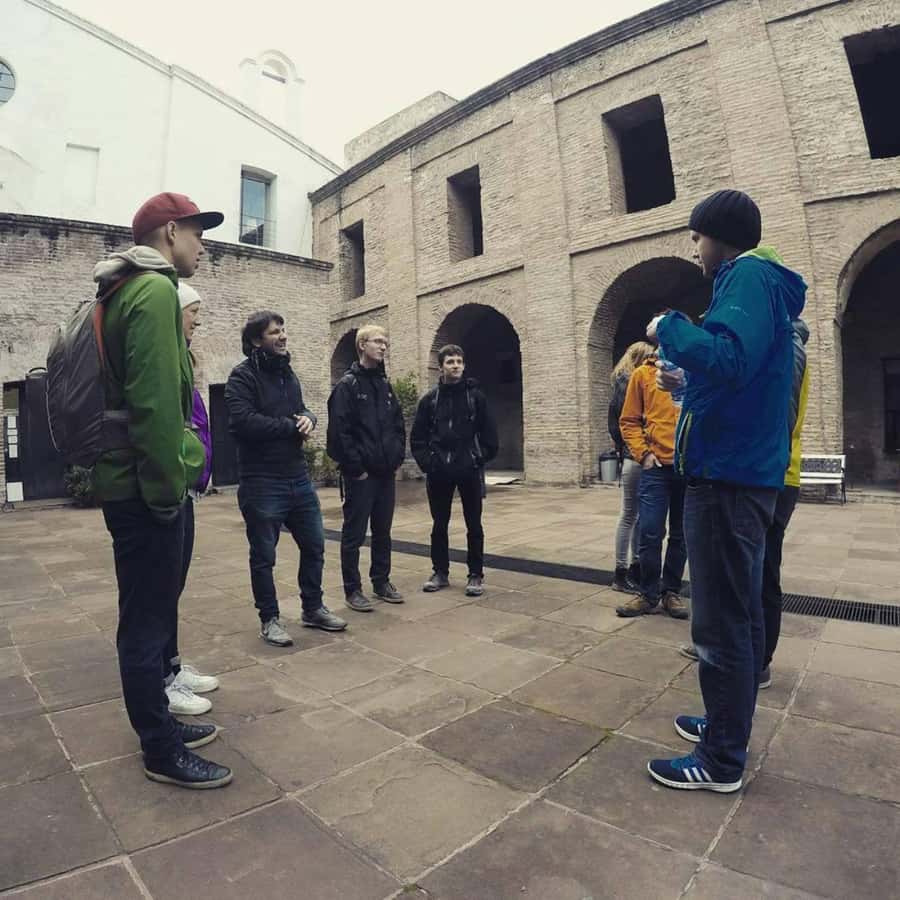
- Starting on Defensa Street at Santo Domingo Convent
- San Francisco Church and the colonial center
- Manzana de las Luces and Buenos Aires underground
- The Buenos Aires Legislature and the story of Evita
- The Metropolitan Cathedral and Pope Francis
- Plaza de Mayo and Casa Rosada
- Price, pace, and practical fit
- Who should book this Buenos Aires history walk?
- Should you book it?
- FAQ
- How much does the Buenos Aires Colonial Times and Revolution tour cost?
- How long does the walking tour last?
- What languages are available?
- What sites are included?
- Is hotel pickup included?
- What should I bring?
- Can I cancel for a full refund?
- Is the tour accessible for wheelchair users?
Key points to know before you book
- Manuel Belgrano’s remains lie at Santo Domingo Convent, where you also hear the story behind Argentina’s flag and the British invasions of 1806.
- The colonial tunnels at Manzana de las Luces add an unusual underground layer to Buenos Aires history.
- Evita’s story comes at the Buenos Aires Legislature, giving the tour a political and personal angle.
- The Metropolitan Cathedral connects Buenos Aires to Pope Francis, who worked there as Archbishop of Buenos Aires.
- The tour ends at Plaza de Mayo and Casa Rosada, with discussion of the Mothers of Plaza de Mayo, military rule, and current politics.
- Gaston receives special praise for his storytelling, with one verified booking calling him smart, entertaining, and full of memorable anecdotes and theories.
Why this two-hour walk works
Buenos Aires can feel hard to read at first. Its grand avenues, colonial corners, churches, government buildings, and political symbols do not always explain themselves. This tour gives you a useful first map of the city’s early center, then adds the people and conflicts that shaped Argentina.
The route is compact but full. You walk along Defensa Street, one of the key streets in the historic center, and finish at Plaza de Mayo. That direction matters. The tour moves from older colonial structures toward the modern political heart of the country.
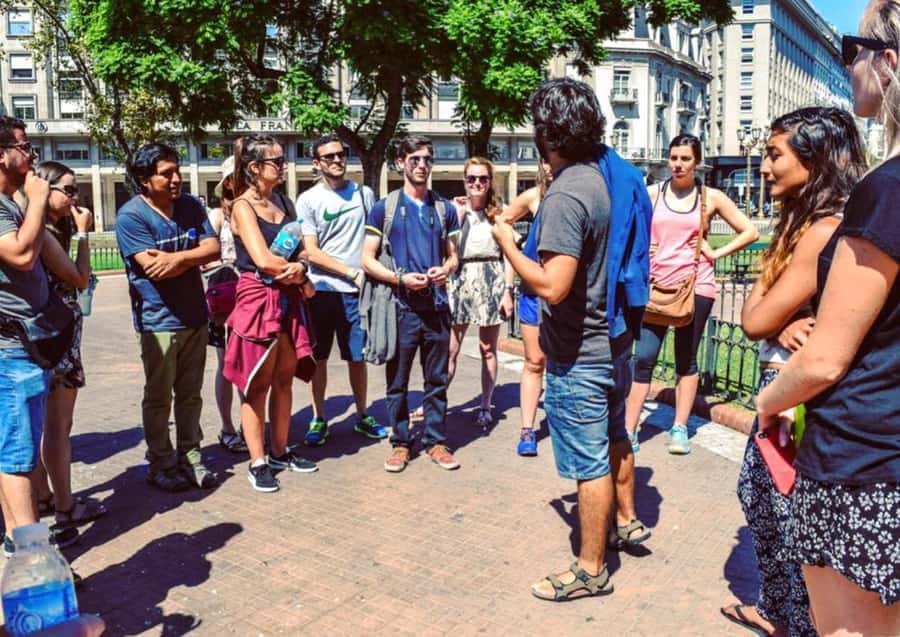
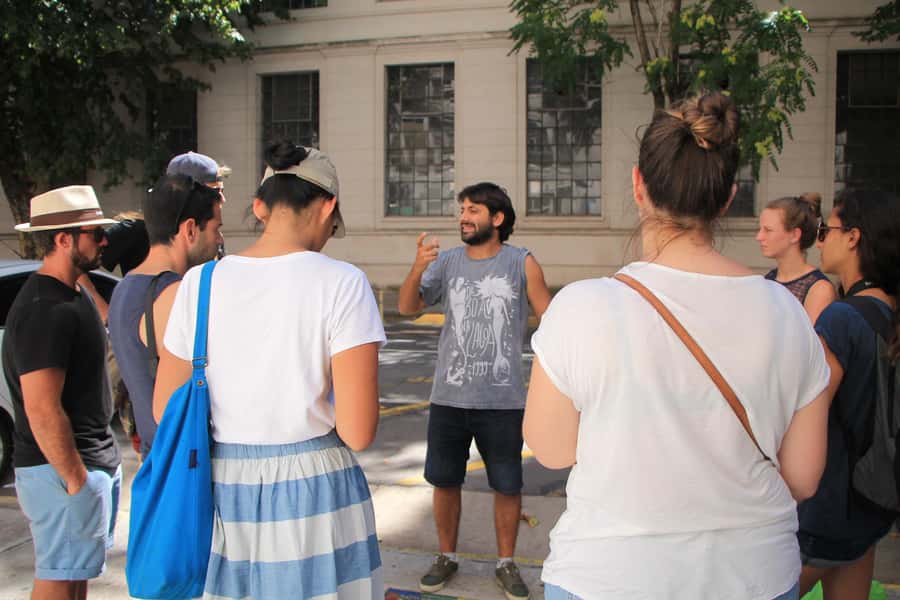
You should expect a guided history walk rather than a sightseeing trip with long free periods. Your guide provides the meaning behind each stop, then keeps the group moving. At $50 per person, the value rests mainly in the guide’s interpretation and the included entries to three historic sites. If you want context instead of simply taking photographs, the price is easier to justify.
The tour is offered in English, Spanish, and Portuguese. If Gaston is your guide, expect a lively style built around stories, anecdotes, and historical theories. That personal touch seems to be a major strength of the experience.
More things to do in Buenos Aires:
- Local Foodie Adventure in Buenos Aires with Sherpa Food Tours
★ 5.0 · 6,875 reviews - Buenos Aires City Private Tour with Local Guide
★ 5.0 · 3,475 reviews - Buenos Aires Small-Group City Tour
★ 5.0 · 2,226 reviews
Starting on Defensa Street at Santo Domingo Convent
The walk begins on Defensa Street and heads to Santo Domingo Convent. This is more than a quick look at an old religious building. The convent holds the remains of Manuel Belgrano, the creator of Argentina’s national flag, so the stop gives you a direct link to one of the country’s best-known historical figures.
You will hear about the competing theories behind the flag’s colors. That is a useful detail because it turns a familiar national symbol into a question with political and historical meaning. Rather than seeing the flag as decoration, you begin to understand how symbols carry memory.
The convent also brings in the British invasions of 1806. Those events are important to Buenos Aires because they form part of the city’s early struggle to defend itself and shape its own political direction. The building’s historical collection helps place that conflict in a real setting.
I like this opening because it avoids starting with a broad lecture. You begin with a person, a flag, and a building. The drawback is that the amount of information may feel brisk, especially if you want time to examine every object or architectural detail inside the convent.
Bring a camera, but remember that flash photography is not allowed in certain areas. Food and drinks are also not permitted inside the historic sites.
San Francisco Church and the colonial center
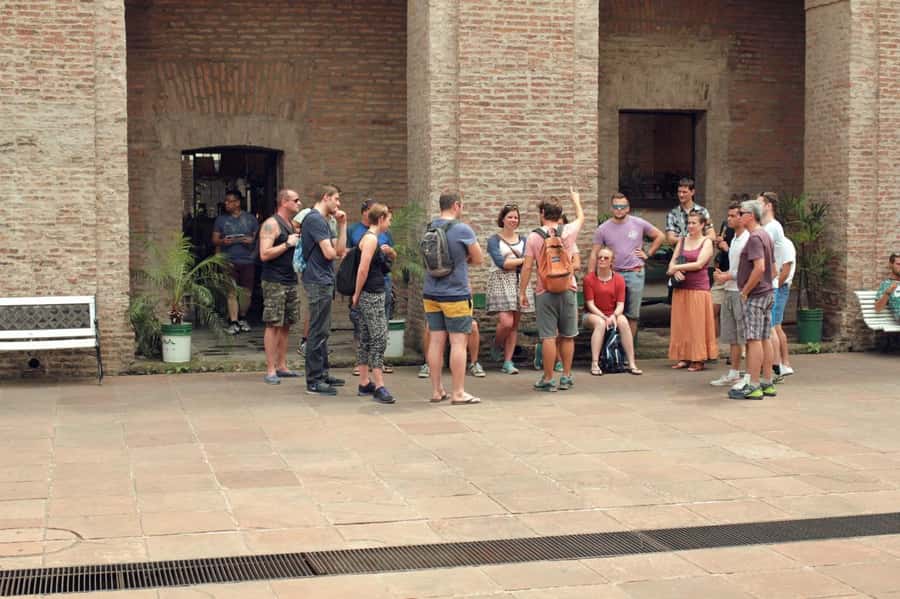
Continuing down Defensa Street, you reach San Francisco Church and the old core of the colonial city. This part of the walk helps explain how Buenos Aires developed under Spanish rule and how religious institutions shaped daily life.
The church is included in the tour, so you are not limited to an exterior view. You can expect your guide to connect the building to the larger story of the city’s colonial period, including the role of religious orders and the practical workings of early Buenos Aires.
This is also where the tour begins to widen its focus. The story moves from individual figures and military events to the institutions that controlled education, religion, commerce, and public life. The result is a better sense of why these buildings were placed together and why the old center still matters.
Wear shoes with good support. The walk lasts two hours, and the route includes several historic buildings rather than one single stop. A hat, sunscreen, and water bottle are sensible, especially on a sunny day. Weather-appropriate clothing will make the walk much easier.
Manzana de las Luces and Buenos Aires underground
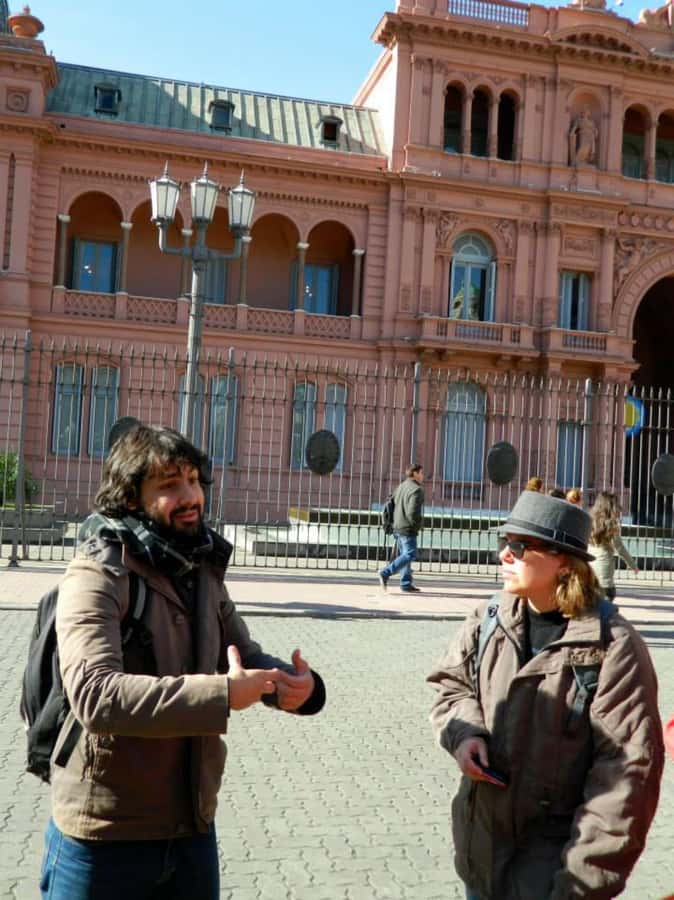
Manzana de las Luces is one of the more unusual stops. The site is tied to the Jesuits, the early development of Buenos Aires, and the city’s role in smuggling. You also explore tunnels that connect colonial landmarks.
The tunnels give the tour a physical change of pace. You leave the open streets and see part of the city below ground. Their value is not only visual. They help illustrate how institutions and buildings were connected in the colonial center, while also opening a discussion about the less official side of Buenos Aires commerce.
The smuggling story is especially useful. Colonial Buenos Aires did not exist only through neat legal systems and official trade. The city’s position encouraged unofficial commerce, and that tension helps explain some of the economic and political pressures that later shaped the push for independence.
From there, the guide moves into the revolution and Argentina’s eventual independence from Spain. This is a large subject for a short walk, so do not expect a full academic treatment. You will get the main sequence and the links between colonial control, local interests, revolutionary action, and independence.
The tunnels may not suit everyone. The tour is specifically described as unsuitable for people with mobility impairments and wheelchair users. If stairs, uneven surfaces, or extended walking are a concern, this is an important reason to choose another way to see the historic center.
A completely different kind of day:
- Buenos Aires Hop-On Hop-Off Bus, Free Walking Tours & Discounts
★ 4.5 · 2,218 reviews - Buenos Aires: Piazzolla Tango Show with Optional Dinner
★ 4.4 · 2,122 reviews - Buenos Aires: City Highlights Guided Tour with Transfer
★ 4.7 · 1,946 reviews - Buenos Aires: Hop-On Hop-Off City Bus Tour
★ 4.2 · 1,855 reviews
The Buenos Aires Legislature and the story of Evita
The next major stop is the Buenos Aires Legislature. Here the focus shifts from colonial foundations to twentieth-century politics and Eva Perón, widely known as Evita.
Evita can easily become a shallow stop on a city tour, reduced to a famous name and a few photographs. This visit gives her a proper place in the political story of Argentina. Your guide discusses her life and role as the country’s iconic First Lady, using the Legislature as a setting for the conversation.
I like this transition because it shows that Buenos Aires history is not trapped in colonial buildings. The city’s political identity continued to change long after independence. The Legislature helps you connect government institutions with the people and movements that used them.
The site also adds visual variety to the route. After churches and colonial structures, you see a major civic building tied to public affairs. The schedule is still tight, though. You should expect a guided explanation rather than a long architectural tour or extended time inside each room.
The Metropolitan Cathedral and Pope Francis
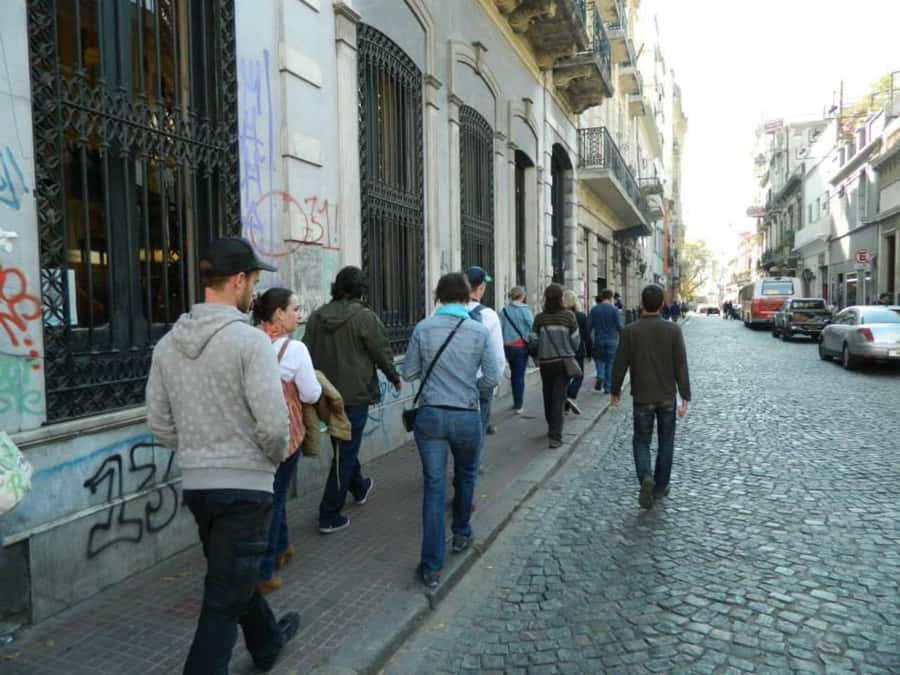
The Metropolitan Cathedral brings a religious and modern connection to the walk. It gained worldwide attention because Pope Francis worked there as Archbishop of Buenos Aires.
For many people, this will be one of the most meaningful stops. The cathedral links the city’s local religious life with a figure known around the world. Your guide can explain his connection to Buenos Aires in the setting where he served before becoming pope.
The cathedral also contains the remains of José de San Martín, one of the great liberators of South America. The tour asks why his body rests in this sacred place, which gives you more than a quick look at a famous tomb. It raises a question about national identity, public honor, and the relationship between military heroes and religious institutions.
This is a good place to slow down mentally, even if the route itself keeps moving. Take in the setting, listen to the explanation, and save photographs for moments when they are allowed. Flash photography is prohibited in some areas, and food and drinks cannot be taken inside historic sites.
Plaza de Mayo and Casa Rosada
The tour finishes at Plaza de Mayo, in front of Casa Rosada, the presidential house. This is the strongest possible ending for a walk about Buenos Aires history because the square brings together colonial power, national government, public protest, and modern political debate.
Your guide discusses the Mothers of Plaza de Mayo and the military dictatorship. These subjects are central to understanding Argentina’s recent past. The square is not just a ceremonial space. It has also been a place where people demanded answers, remembered those who disappeared, and challenged government power.
The discussion continues into Argentina’s current political life. That makes the ending feel connected to the city you see around you, not sealed away as a story from the past. Casa Rosada becomes more than a pink government building. It represents the continuing argument over who holds power and how citizens respond.
Plaza de Mayo is also a practical place to continue sightseeing after the tour. Since hotel pickup and drop-off are not included, you will need to make your own way to the meeting point and arrange your onward plans. The final location is useful for exploring the historic center on your own, but the activity does not include meals, drinks, or personal expenses.
Price, pace, and practical fit
The $50 price is reasonable if you value a guide who can connect several sites into one story. The fee includes the walking tour and admission to Santo Domingo Convent, San Francisco Church, and Manzana de las Luces. You also visit the Buenos Aires Legislature and Metropolitan Cathedral, plus the colonial tunnels.
The tour is less attractive if you prefer to explore at your own speed. Two hours is enough for a strong overview, but not enough for long visits at every stop. You may leave with several places you want to revisit, which can be a good result if you plan to spend more time in Buenos Aires.
There is no hotel pickup or drop-off. Plan on reaching the meeting point yourself, and check the available starting times before booking. The activity offers free cancellation up to 24 hours before it begins, and you can reserve now and pay later, which helps if your city plans are still changing.
The tour is not suitable for children under six. It is also not suitable for wheelchair users or people with mobility impairments. The walking, historic interiors, and tunnel visit make comfortable shoes essential.
Who should book this Buenos Aires history walk?
I would choose this tour if you are visiting Buenos Aires for the first time and want a clear introduction to the city’s political and colonial center. It suits you especially well if you enjoy churches, government buildings, national symbols, and stories about how ordinary streets became important historical places.
It is also a good match if you want a guide who brings personality to the material. Gaston’s praised style, with humor, anecdotes, and theories, could make the large historical subjects easier to remember.
I would think twice if you want a relaxed stroll, have limited walking ability, or dislike a packed schedule. The tour covers many themes, including the Jesuits, smuggling, revolution, independence, Evita, Pope Francis, San Martín, military rule, and the Mothers of Plaza de Mayo. That is a lot for 120 minutes.
Should you book it?
Book this tour if you want the story behind Buenos Aires, not just a checklist of buildings. The combination of colonial churches, underground tunnels, Evita, Pope Francis, San Martín, and Plaza de Mayo gives you a useful framework for understanding the city.
Skip it if you need wheelchair access, want a child-focused activity, or prefer to spend a full morning at only one or two sites. For most mobile adults who enjoy history and can keep a steady walking pace, $50 buys a focused introduction with strong subject matter and a memorable finish at Casa Rosada.
FAQ
How much does the Buenos Aires Colonial Times and Revolution tour cost?
The tour costs $50 per person.
How long does the walking tour last?
The tour lasts two hours.
What languages are available?
The live guide is available in English, Spanish, and Portuguese.
What sites are included?
The route includes Santo Domingo Convent, San Francisco Church, Manzana de las Luces, the Buenos Aires Legislature, the Metropolitan Cathedral, the colonial tunnels, Plaza de Mayo, and Casa Rosada.
Is hotel pickup included?
No. Hotel pickup and drop-off are not included, so you must reach the meeting point yourself.
What should I bring?
Bring comfortable walking shoes, a hat, a camera, sunscreen, and water. Weather-appropriate clothing is also advised.
Can I cancel for a full refund?
Yes. You can cancel up to 24 hours in advance for a full refund.
Is the tour accessible for wheelchair users?
No. The tour is not suitable for wheelchair users or people with mobility impairments. It is also not suitable for children under six.
Just added in Buenos Aires
- Discover Buenos Aires’ independent art scene — Ticket included★ 5.0 · 30 reviews
- Photo Session in Buenos Aires★ 5.0 · 26 reviews
- Your Private Photographer in Buenos Aires★ 5.0 · 4 reviews
- Yerba Mate Workshop – Learn to Drink Mate like a Local!★ 5.0 · 11 reviews
- Your Personal Photographer in Buenos Aires★ 5.0 · 24 reviews
- BA: Wine Tasting and Blending Experience in Palermo★ 5.0 · 1 review
- Winery and Tasting Experience in Buenos Aires★ 5.0 · 1 review
- Taste of Tradition: Yerba Mate & Alfajores Experience★ 4.0 · 5 reviews
Buenos Aires Tours, compared.
Local Foodie Adventure in Buenos Aires with Sherpa Food Tours
Read our review →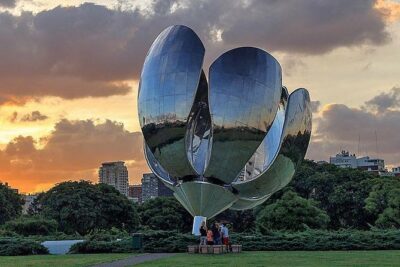
Buenos Aires City Private Tour with Local Guide
Read our review →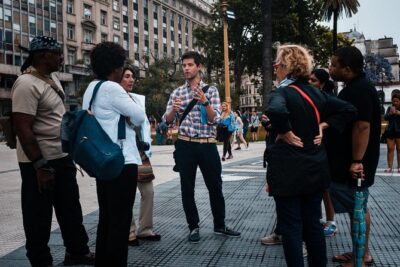
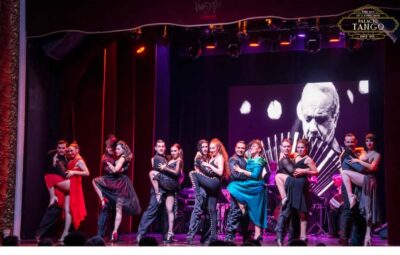
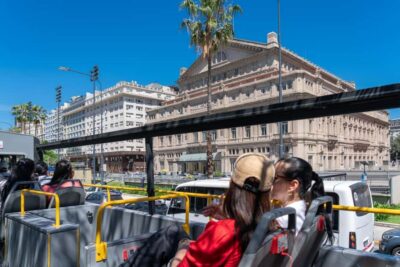
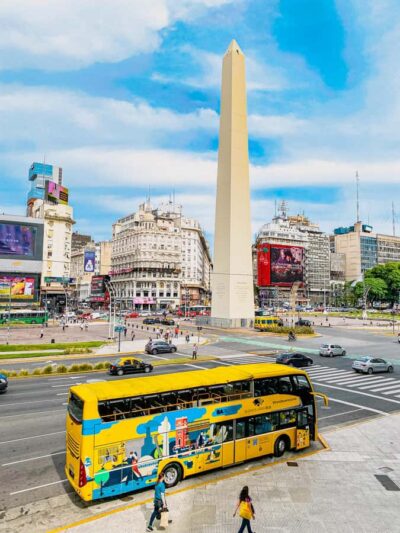
Buenos Aires Hop-On Hop-Off Bus and Exclusive Benefits
Read our review →